
How to Create an Everblooming Flower Garden (Spring Through Fall)

Learn how to create an everblooming flower garden with bloom succession, long-blooming plants, and color from spring through fall.
If you’ve ever wondered how some gardens seem to bloom continuously from the first daffodils of spring until the last asters of fall, the secret isn’t planting one flower that blooms all season. It’s creating a thoughtful mix of trees, shrubs, bulbs, perennials, annuals, and foliage plants with overlapping bloom times so there’s always something coming into its prime. That’s called bloom succession, and it’s the foundation of an everblooming flower garden.
After nearly 30 years of gardening in New Jersey, I’ve learned that creating season-long color doesn’t have to mean constant work. When you choose the right plants and combine them intentionally, your garden naturally transitions from one season to the next without leaving bare spots or long stretches with little to enjoy. Instead of replacing plants throughout the year, you’re allowing each one to take its turn in the spotlight.
Whether you’re designing a brand-new landscape or improving an existing flower bed, this guide will show you how to plan for continuous blooms from spring through fall using reliable, low-maintenance plants and practical garden design strategies that have worked in my own gardens for decades.
If you’re still deciding on the overall look of your landscape, start with my guide to how to choose a garden style you’ll love. And if you’re drawn to relaxed, layered flower beds filled with color and texture, don’t miss my low-maintenance cottage garden ideas, where I share the design principles I use to create beautiful gardens that are manageable year after year.
(Posts on stacyling.com may contain affiliate links. Click HERE for full disclosure.)

Build a Strong Foundation Before You Choose Plants
Creating an everblooming garden starts with good design. Before I think about bloom times, I focus on the structure of the garden, repeating plants throughout the landscape, and layering different heights and textures. I share my complete approach in How I Design Flower Beds for Season-Long Beauty, where I walk through the design principles I use in my own gardens before choosing specific plants.
After decades of gardening, I’ve found that successful flower gardens all have one thing in common: they’re designed around the growing conditions, not just the plants. When you understand your site and choose flowers that naturally thrive there, your garden becomes healthier, easier to care for, and much more dependable year after year.
Know Your Hardiness Zone
Before choosing any plants, make sure you know your USDA Hardiness Zone. This tells you which perennial plants, shrubs, and trees can reliably survive winter in your area.
I garden in northern New Jersey (Zone 6b), so while I can grow everything from peonies and coneflowers to dahlias and tropical plants, not all of them survive outdoors year-round. Some plants are true perennials in my climate, while others are grown as annuals or require overwintering indoors. Understanding your zone helps you make better plant choices from the very beginning.
- Not sure what your hardiness zone is? Click here to find out.
- Want to check your first and last frost date? Click here.

Understand Your Growing Conditions
Every successful flower garden begins with matching plants to the conditions you already have. Even within the same yard, you may have areas of full sun, part sun, full shade, dry soil, or consistently moist ground.
Before planting, pay attention to:
- How many hours of sunlight each garden bed receives
- How quickly the soil drains after a heavy rain
- Whether certain areas stay consistently wet or dry
- The quality of your soil
Testing your soil is one of the best investments you can make as a gardener. Healthy soil produces healthier plants, stronger root systems, and more abundant blooms throughout the season.
If you’re gardening in shade, my guide to the best perennial flowers for shade can help you choose plants that thrive with less sunlight. For sunny borders, you’ll find plenty of inspiration in my favorite full-sun perennials that provide reliable color through the growing season.
Design With Your Garden’s Purpose in Mind
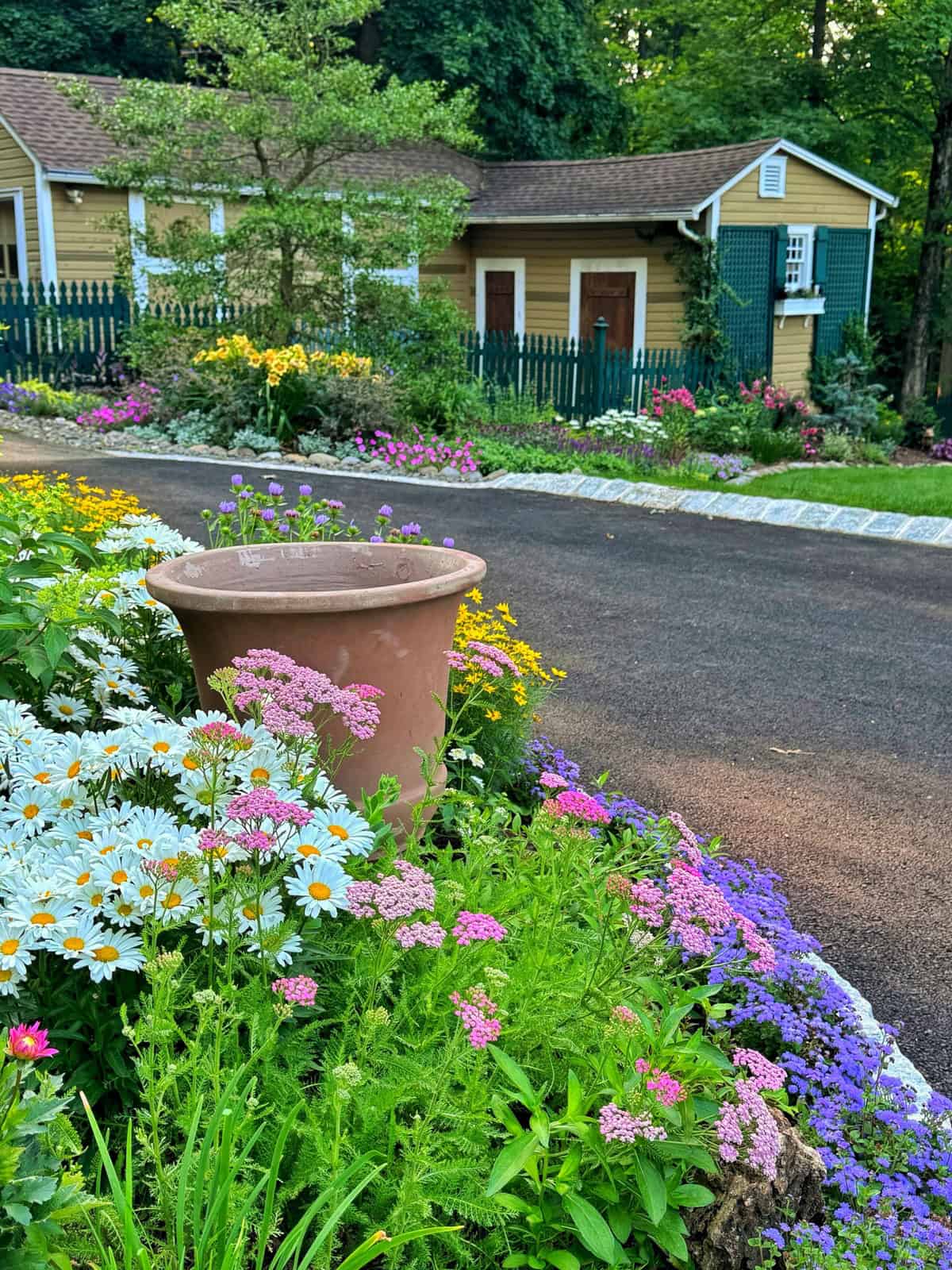
Before you start planting, think about how you want to use your garden. Are you creating welcoming front foundation beds, a pollinator garden buzzing with bees and butterflies, a cutting garden filled with bouquet-worthy flowers, or a relaxed cottage garden overflowing with color?
As you’re planning, think about the overall look you want to create. Some gardeners love a soft pastel palette, while others prefer bold, vibrant combinations. There’s no right or wrong approach, but choosing a general color palette before you start shopping helps create a more cohesive landscape. If you’re unsure where to begin, look for inspiration in public gardens, local garden tours, and even your favorite flower arrangements.
Knowing your goal makes every planting decision easier because it helps narrow your plant choices and creates a more cohesive design.
If you’re still deciding on your overall style, my guide to how to choose a garden style you’ll love walks through several popular garden designs. And if you’re drawn to abundant, layered flower beds, you’ll also enjoy my low-maintenance cottage garden ideas, where I share the design principles I’ve used throughout my own gardens.
Plan for Wildlife
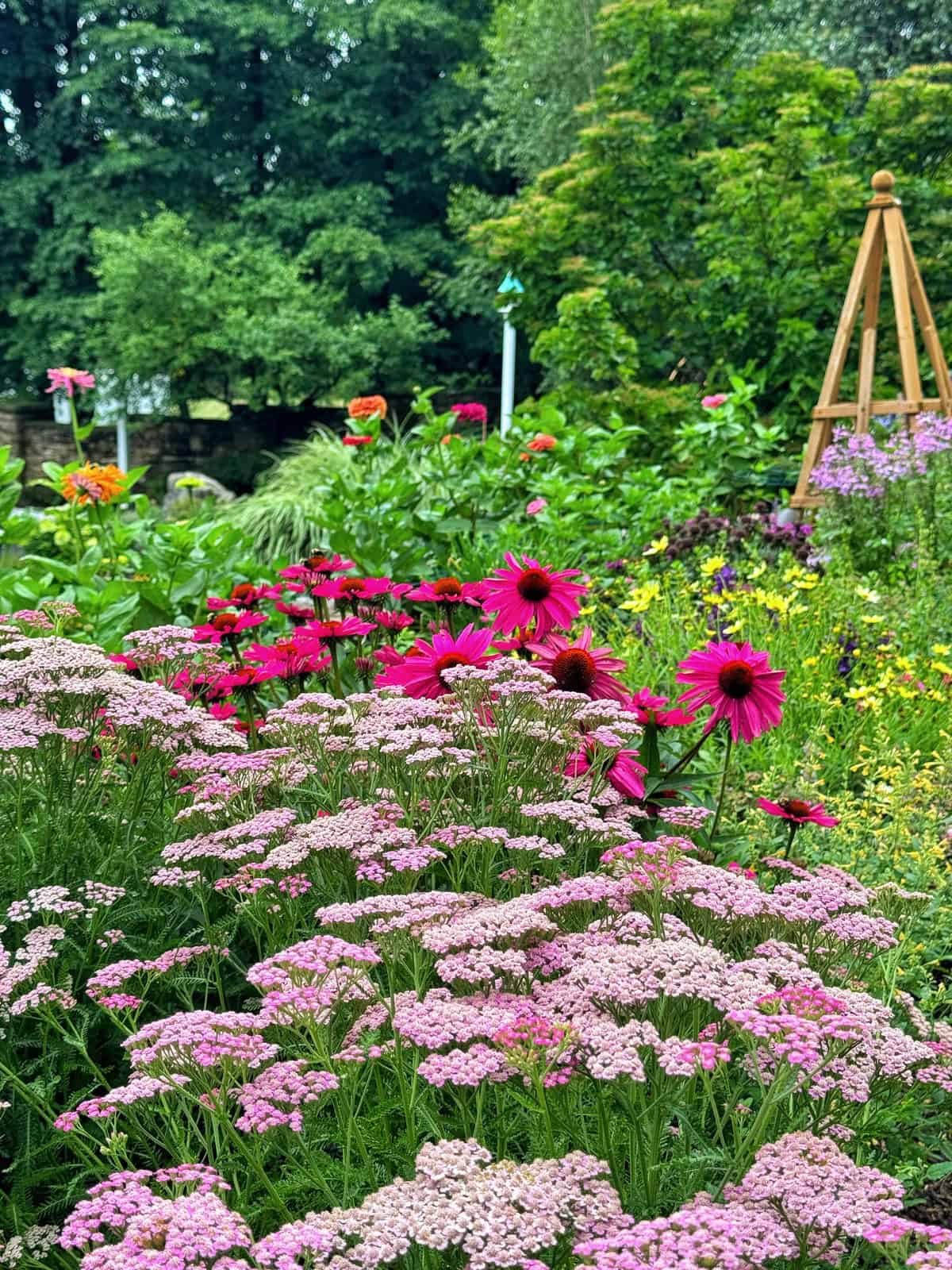
One final step before planting is considering the wildlife in your area. For me, deer pressure is a daily reality, so it’s something I factor into every planting decision. While no plant is completely deer-proof, choosing more deer-resistant flowers and using repellents consistently has made a tremendous difference in my gardens over the years.
Planning for challenges like deer, rabbits, or other browsing animals from the beginning will help protect your investment and keep your garden looking its best throughout the season.

Plan Your Garden for Continuous Blooms
The biggest misconception about creating an everblooming flower garden is thinking you need plants that bloom from spring through fall. While there are certainly some wonderful long-blooming perennials, no single plant can carry an entire garden through the growing season.
Instead, the secret is bloom succession.
Bloom succession simply means choosing plants with overlapping bloom times so that as one flower begins to fade, another is reaching its peak. Rather than having one spectacular week of color followed by months of green foliage, your garden is constantly evolving. Every few weeks, a different group of plants takes center stage, creating a landscape that always feels fresh and full of life.
One lesson I’ve learned after nearly 30 years of gardening is not to group plants only by bloom season. For example, if you plant all of your spring bulbs in one bed and all of your summer perennials somewhere else, you’ll likely end up with areas that look incredible for a few weeks before becoming quiet for the rest of the season.

Instead, I mix plants with different bloom times throughout each garden bed. Early spring bulbs emerge beneath later-growing perennials. Peonies bloom alongside nepeta just as roses begin to flower. Coneflowers, yarrow, salvia, and hydrangeas carry the garden into summer before asters, sedum, ornamental grasses, and late-season annuals take over as fall approaches.
I also rely on trees, flowering shrubs, evergreen shrubs, and colorful foliage plants to provide structure when flowers are between bloom cycles. That combination of flowers, foliage, and garden structure is what keeps the landscape interesting from one season to the next.
If you’re looking for plants that flower over an especially long period, don’t miss my guide to long-blooming perennials. And if you’d like to see how I combine plants with different bloom times in my own borders, take a look at my favorite cottage garden plant combinations for June, where I share pairings I’ve relied on for years to keep my gardens colorful and full.
Plants for Every Season in an Everblooming Flower Garden
Once you understand bloom succession, it’s time for the fun part: choosing plants that keep the garden colorful from one season to the next. While the exact timing will vary depending on your growing zone, this is the sequence I rely on in my Zone 6b New Jersey garden to ensure there’s always something happening.
Rather than depending on just one type of plant, I combine flowering trees and shrubs, spring bulbs, perennials, annuals, ornamental grasses, evergreen shrubs, and foliage plants. Together, they create layers of color, texture, and interest that evolve throughout the growing season.
Late Winter and Early Spring
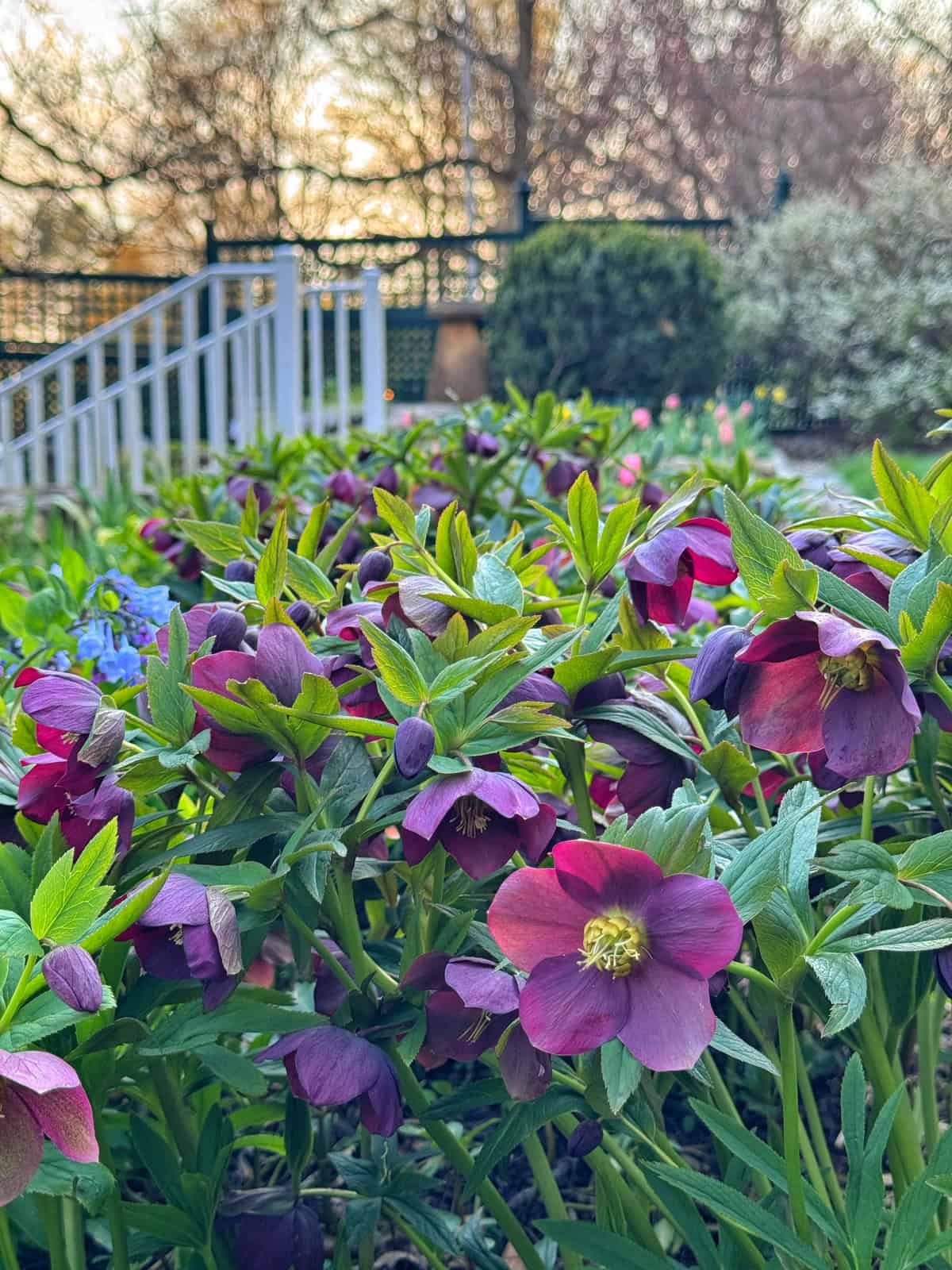
The first signs of spring are always some of my favorites because they arrive after months of winter dormancy. Hellebores often begin blooming while snow is still on the ground, followed by cheerful drifts of daffodils, tulips, crocus, and other spring bulbs. Pansies also provide dependable early-season color and can handle chilly temperatures long before many annuals are ready to be planted.
Some of my favorite early-season bloomers include:
- Hellebores
- Daffodils
- Tulips
- Crocus
- Hyacinths
- Pansies
- Brunnera
- Virginia bluebells
If you’re looking for even more ideas, browse my favorite early spring flowers and spring-blooming perennials for additional inspiration.

Late Spring and Early Summer
As spring matures, the garden really begins to hit its stride. This is when many of my favorite flowering shrubs and classic cottage garden perennials take over, creating layers of color before the heat of summer arrives.
Plants I rely on year after year include:
- Peonies
- Roses
- Nepeta (catmint)
- Salvia
- Foxgloves
- Alliums
- Baptisia
- Bearded Iris
- Coral bells (Heuchera)
Late spring is also when many hydrangeas begin putting on fresh growth that sets the stage for their spectacular summer blooms.
You’ll find many more favorites in my guides to the best cottage garden plants, and my complete growing hydrangeas guides.
Summer
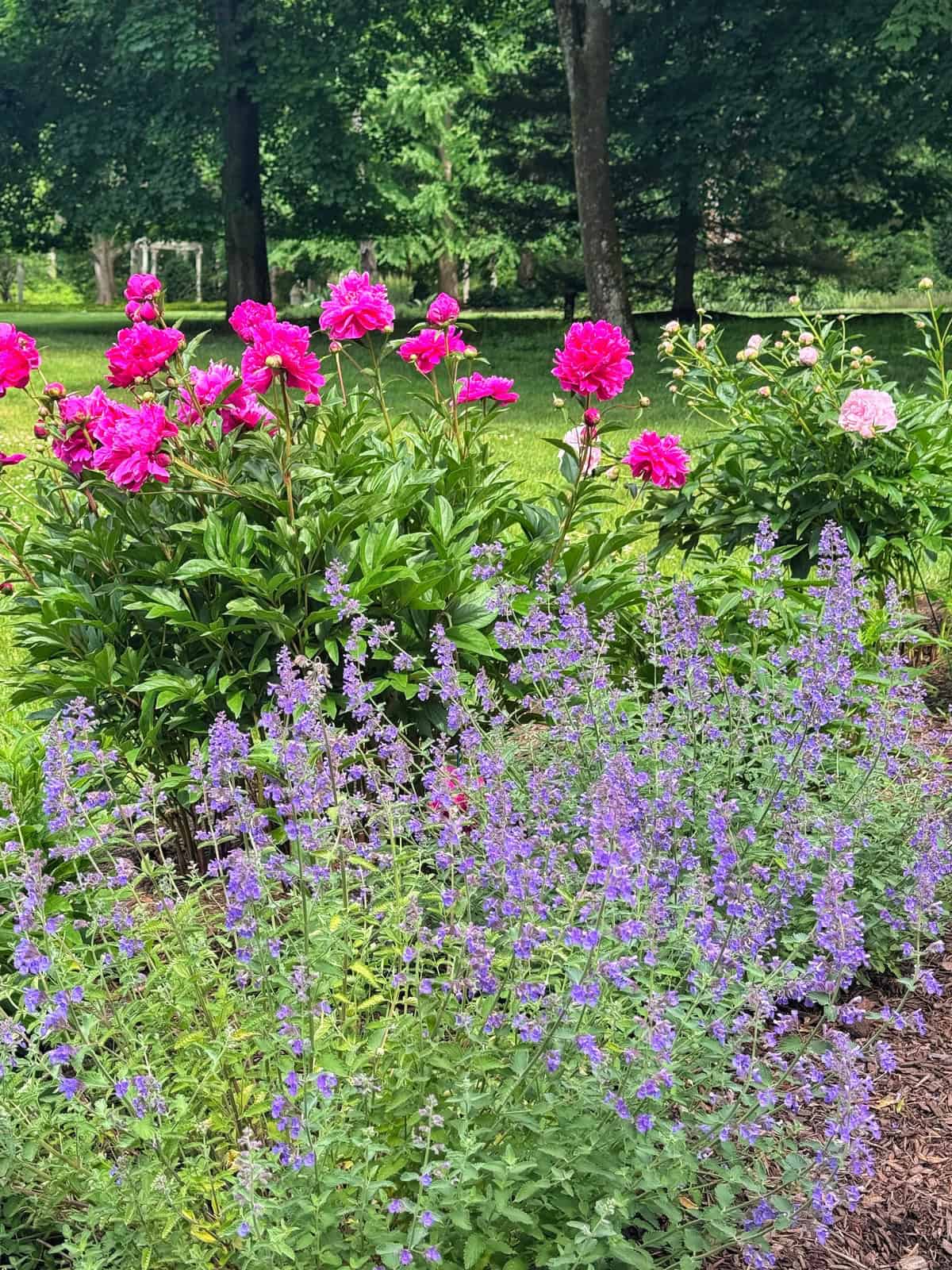
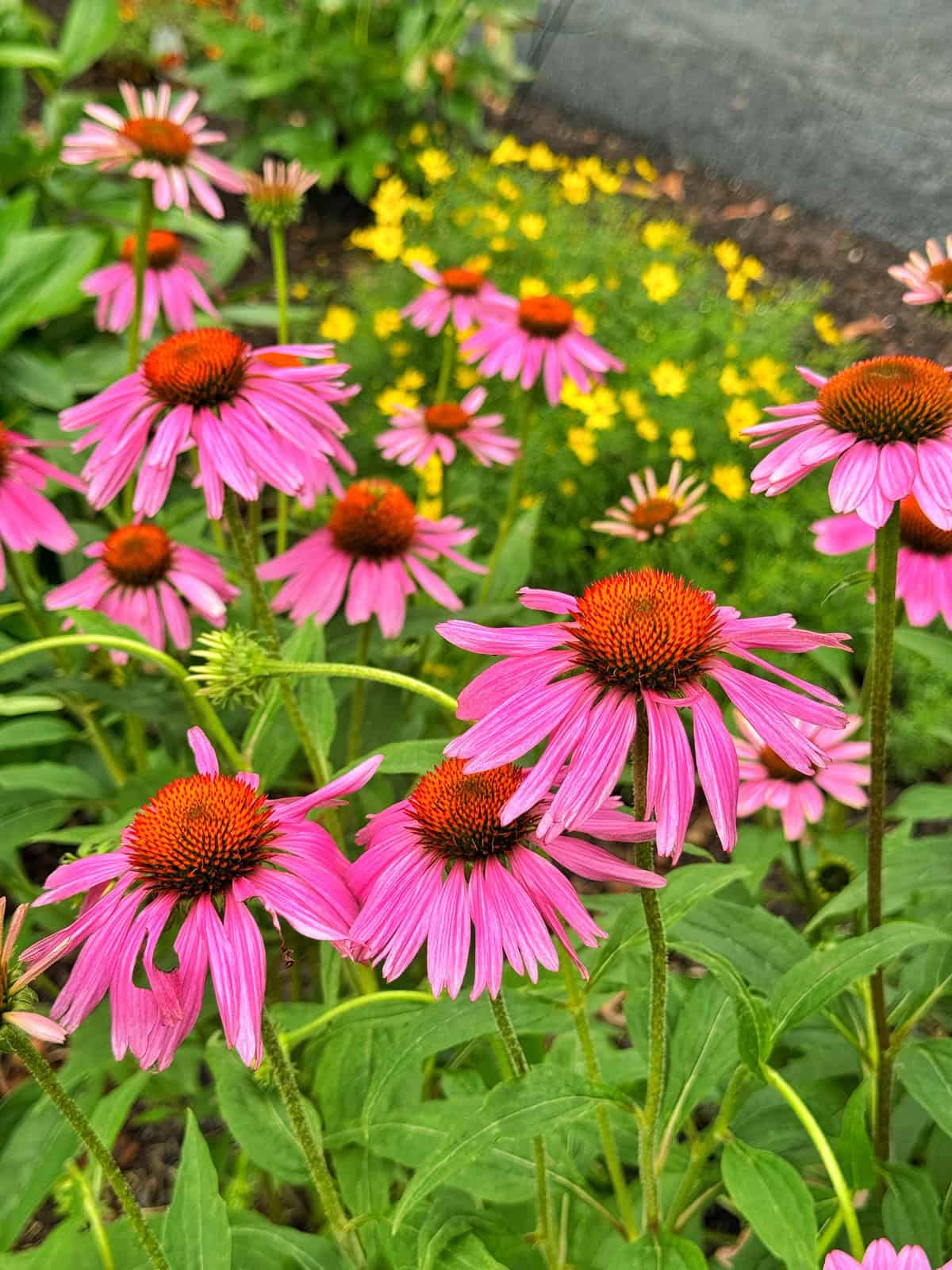
Summer is when the garden reaches its fullest potential. Long-blooming perennials become the backbone of the landscape while annuals fill any gaps with continuous color until frost.
Some of the hardest-working summer bloomers in my gardens include:
- Coneflowers
- Coreopsis
- Yarrow
- Black-eyed Susans
- Dahlias
- Zinnias
- Snapdragons
- Strawflowers
- Hydrangeas
- Phlox
This is also when I depend heavily on annuals in containers and tucked throughout my borders to extend the display.
For more ideas, explore my favorite long-blooming perennials, summer-flowering perennials, and easy annual flowers.
Late Summer and Fall
Many gardens begin to fade by late summer, but this is actually one of my favorite times of year. By choosing dependable late-season performers, you can enjoy fresh color right up until frost.
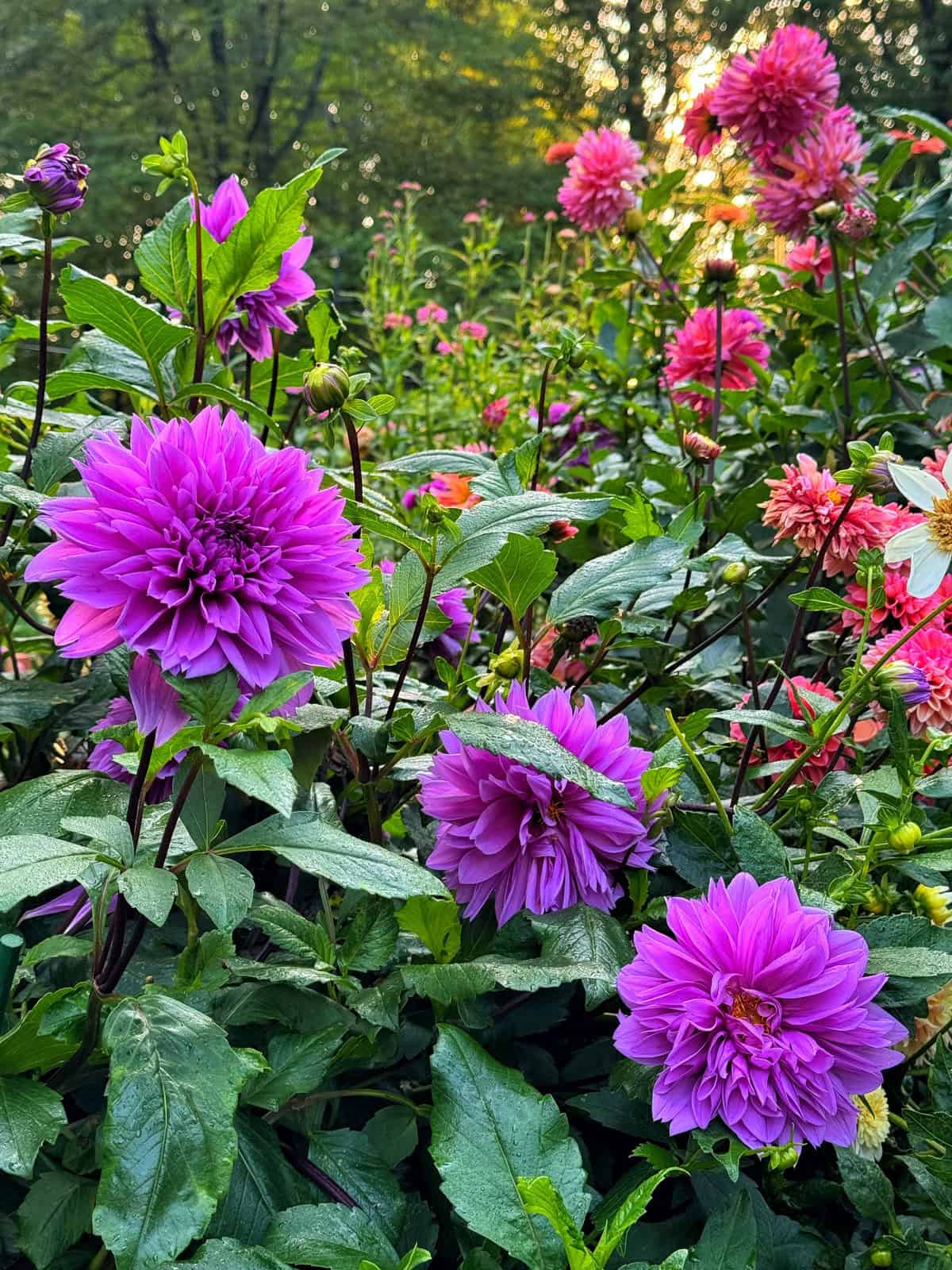
Some of my favorite plants for finishing the season strong include:
- Sedum ‘Autumn Joy’
- Asters
- Japanese anemones
- Dahlias
- Zinnias
- Joe Pye weed
- Ornamental grasses
- Chrysanthemums
- Goldenrod
Late-season annuals continue blooming until frost, while ornamental grasses and seed heads provide beautiful texture well into winter.
If you want even more ideas for extending the season, take a look at my favorite late summer and fall blooming perennial flowers.
Don’t Forget Year-Round Structure
Flowers may steal the spotlight, but structure is what makes an everblooming garden feel complete. Evergreen shrubs, ornamental grasses, colorful foliage plants, and small flowering trees provide shape, texture, and visual interest long before flowers appear and long after they’ve faded.
In my own gardens, I rely on boxwoods, arborvitae, viburnums, Japanese maples, ornamental grasses, and shrubs with interesting bark or berries to ensure the landscape never feels empty. Even in the middle of winter, these plants provide the framework that allows spring’s first flowers to truly shine.

How to Keep Your Garden Blooming Longer
Choosing the right plants is only part of creating an everblooming flower garden. A few simple maintenance tasks throughout the growing season will keep your plants healthier, encourage more flowers, and help your garden look its best from spring through fall.
Deadhead When It Makes Sense
Many annuals and perennials will continue producing flowers if you remove spent blooms regularly. Plants like coreopsis, salvia, zinnias, and many annuals respond especially well to deadheading.
That said, not every plant benefits from it. Some flowers naturally rebloom without any help, while others provide attractive seed heads that feed birds or add winter interest. Learn which flowers are worth deadheading and which ones are better left alone in my guide to deadheading flowers.
Feed Plants Consistently
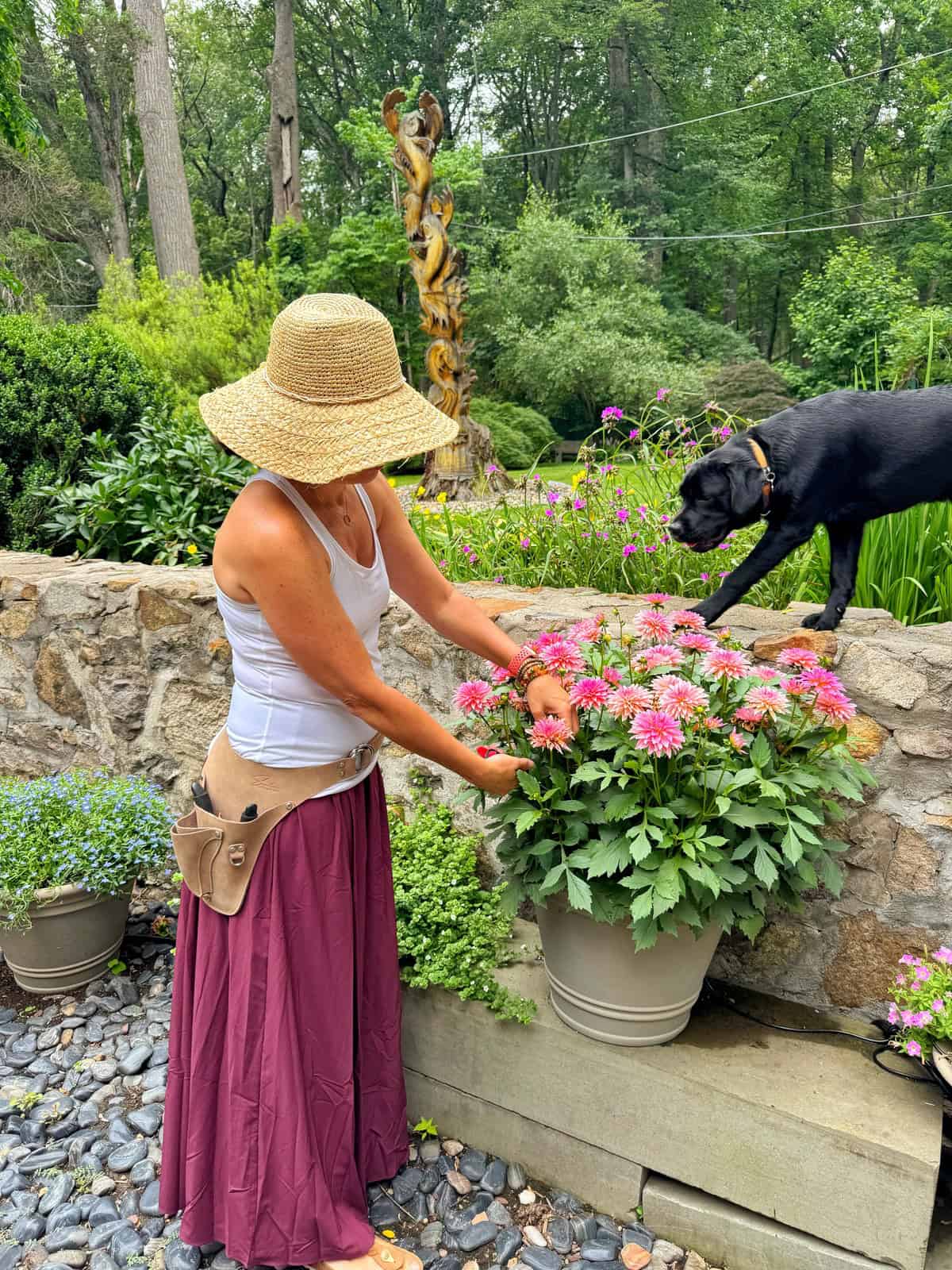
Healthy plants produce more flowers. I like to apply a slow-release fertilizer at planting time, then supplement heavy bloomers like annuals, hanging baskets, petunias, and dahlias with a bloom-boosting fertilizer throughout the season.
Perennials, shrubs, and trees generally need much less fertilizer and benefit more from healthy soil enriched with compost and organic matter.
To see how I make my own compost pile and leaf mold, check out my complete guides to creating a compost pile and making leaf mold.

Water Deeply
Consistent moisture helps plants produce stronger stems and more abundant blooms. Instead of watering lightly every day, water deeply when needed to encourage deeper root systems.
In my own gardens, I use irrigation in many landscape beds and soaker hoses in my potager garden. They keep the soil consistently moist while reducing water waste and making it much easier to care for larger planting areas during the heat of summer.
To see more how I water my beds, please visit my complete guide to how I water my flower gardens.

Mulch Every Spring
A fresh layer of mulch helps retain soil moisture, suppress weeds, regulate soil temperature, and gradually improve soil as it breaks down. It also gives garden beds a finished appearance that makes flowers stand out even more.
To learn more about why I mulch my beds yearly, please visit How I Use Mulch to Reduce Weeding, Watering and Garden Maintenance.

Fill Gaps With Annuals
One of my favorite ways to keep borders colorful is by tucking annual flowers between shrubs and perennials. As spring bloomers fade, annuals quickly fill the open spaces and continue flowering until frost.
It’s a simple trick that keeps the garden looking full while extending the season without requiring a complete redesign.


Take Your Garden Planning Even Further
If creating an everblooming flower garden feels like a lot to remember, don’t worry. You don’t have to figure it all out in one season. My own gardens have evolved over nearly 30 years, and each year I make small changes that improve bloom succession, plant combinations, and overall design.
If you’re looking for even more guidance, these resources can help:
The Bricks ‘n Blooms Guide to a Beautiful and Easy-Care Flower Garden walks you through everything from designing beautiful flower beds to choosing dependable plants, improving your soil, growing healthier flowers, and creating a landscape that’s both beautiful and manageable. It’s the perfect companion if you’re ready to build a garden that looks great without requiring constant work.
The Bricks ‘n Blooms Beautiful and Easy-Care Flower Garden Planner helps you put these ideas into action. I use mine to sketch garden layouts, record bloom times, keep track of what works well together, and make notes throughout the season. Those observations become incredibly valuable when planning next year’s garden and filling gaps in bloom succession.
And because every beautiful garden deserves to be enjoyed indoors too, my newest book, Filling Your Home With Life: A No-Fail Guide to Styling Your Home With the Perfect Plants, shows you how to bring that same sense of life and beauty inside your home. Whether you’re decorating with houseplants or displaying fresh-cut flowers from your garden, it’s designed to help you create welcoming spaces that connect your home with the garden just outside your door.
Together, these three books will help you grow a garden that provides months of color, plan for even greater success each season, and enjoy your plants both outdoors and inside your home.


Final Thoughts on Creating an Everblooming Flower Garden
After gardening for nearly 30 years, I’ve learned that the most beautiful gardens aren’t necessarily the ones with the most flowers. They’re the ones that are always changing.
One week it’s the tulips and daffodils putting on a show. A few weeks later, peonies and roses take over. Then come the coneflowers, hydrangeas, dahlias, and zinnias before asters, sedum, and ornamental grasses carry the garden into fall. Every season has something new to appreciate, and that’s what keeps gardening exciting year after year.
The key is thoughtfully combining trees, shrubs, bulbs, perennials, annuals, and evergreen plants so there’s always another layer of beauty waiting to emerge. Start with plants that are well-suited to your growing conditions, build your garden one season at a time, and don’t be afraid to make adjustments as you learn what performs best in your landscape.
If you’re just getting started, my guide to long-blooming perennials is a great place to find dependable plants that provide months of color. You can also explore my favorite perennial flowers for sun, perennial flowers for shade, and late summer flowers to fill bloom gaps throughout the growing season. And if you’re designing a brand-new landscape, my low-maintenance cottage garden ideas will help you create flower beds that feel full, colorful, and manageable for years to come.
Remember, an everblooming garden isn’t created in a single season. Mine certainly wasn’t. It’s built one thoughtful plant, one successful combination, and one year of experience at a time. That’s part of what makes gardening so rewarding. Every season teaches you something new, and before long, you’ll have a landscape that welcomes you with beautiful blooms from the first days of spring until frost.
Learn more about reblooming plants with this informative article from the University of Minnesota Cooperative Extension.
Thank you for visiting the blog today!
Enjoy your day! xo



Originally Published .

I did all the things……except consider the critters 😏. Dang squirrels and porcupines😂
Excellent how to’s. Your garden is pretty!
This is a great post Stacy, and I have learned so much! I really appreciate the soil kit, as my neighbors had their yard redone after our garden was already in and established. In the recent years, it’s been doing horribly and I’m pretty convinced the acidity from their Pines and Aspens so close to our garden (and suckering in our garden) is the biggest culprit! Thank you for the shout out and feature, I really appreciate it friend. Your garden is amazing!
These are great tips! Maybe 2021 is the year for a garden!
It totally is Anne! I would love to help you with it too!!! xoxo
Great tips, as always Stacy! Your garden is just beautiful!
Your garden is spectacular! I really appreciate all the tips. Our garden is currently under construction and I’m trying to learn more about caring for it myself. Yesterday, I ordered bulbs and can’t wait to get them in the refrigerator … and plan the beds. Woo hoo! xo
Your landscaping and flowers are so beautiful! Thanks for all of the great tips.
Thank you so much Linda!!
What a fantastic post. You have a stunning garden. Thanks for sharing it. Pinned it to read again later.
Carol thank you so much! I really appreciate that. xoxo
Great tips and your garden is stunning. I always enjoy your photos on instagram and am excited to learn how to have an ever blooming garden myself.
Thank you so much Sonya!!! I really appreciate your kind words and am so happy you stopped by! I’m so glad we met through the group!!! Enjoy your weekend!!! xoxo
Beautiful garden and great tips in all your posts
Thanks for all this information.
Thank you so much Becky! I’m so happy you stopped by! Enjoy your day!