
Garden Theme Ideas: How to Choose a Garden Style You’ll Love

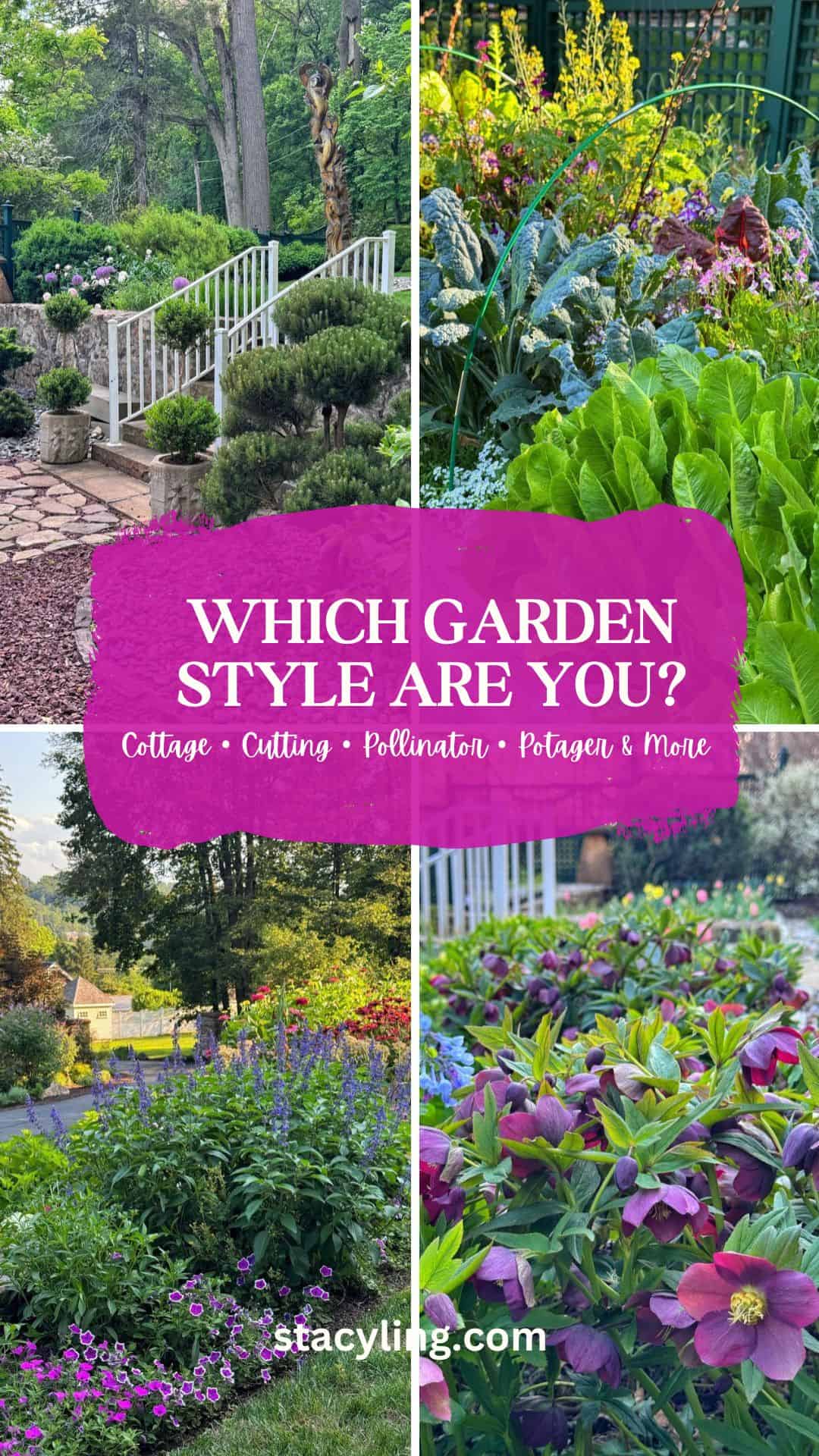
Need inspiration for your next garden project? Explore garden theme ideas from cottage and cutting gardens to zen, tropical, and pollinator designs.
One of the things I’ve learned after decades of gardening is that the most memorable gardens aren’t created by accident. Whether you’re designing a cottage garden overflowing with flowers, a productive potager filled with vegetables and herbs, or a peaceful zen-inspired retreat, having a clear vision helps create a space that feels intentional and inviting.
If you’ve ever felt overwhelmed by all the possibilities, starting with a garden theme can make planning much easier. Different garden styles help guide your plant choices, color palette, layout, and overall atmosphere. In this post, I’ll share some of my favorite garden theme ideas to help you discover a garden style that fits your personality, gardening goals, and outdoor space.
Over the years, I’ve experimented with several garden styles in my own landscapes, from cottage gardens and cutting gardens to edible gardens that blend beauty with function. Some of these themes are inspired by gardens I’ve personally created, while others are design concepts that continue to inspire future projects. No matter your gardening experience, these ideas can help you create a garden that feels cohesive, beautiful, and uniquely yours.
Before choosing a garden theme, it’s helpful to understand the basics of flower garden design. From selecting the right plants to creating structure, focal points, and season-long interest, a solid design plan can help bring any garden style to life.
(Posts on stacyling.com may contain affiliate links. Click HERE for full disclosure.)

My Favorite Garden Theme Ideas
Whether you’re starting a brand-new garden or refreshing an existing space, choosing a theme can help create a more cohesive design. Here are some of my favorite garden styles and the key elements that make each one unique.
Cottage Garden
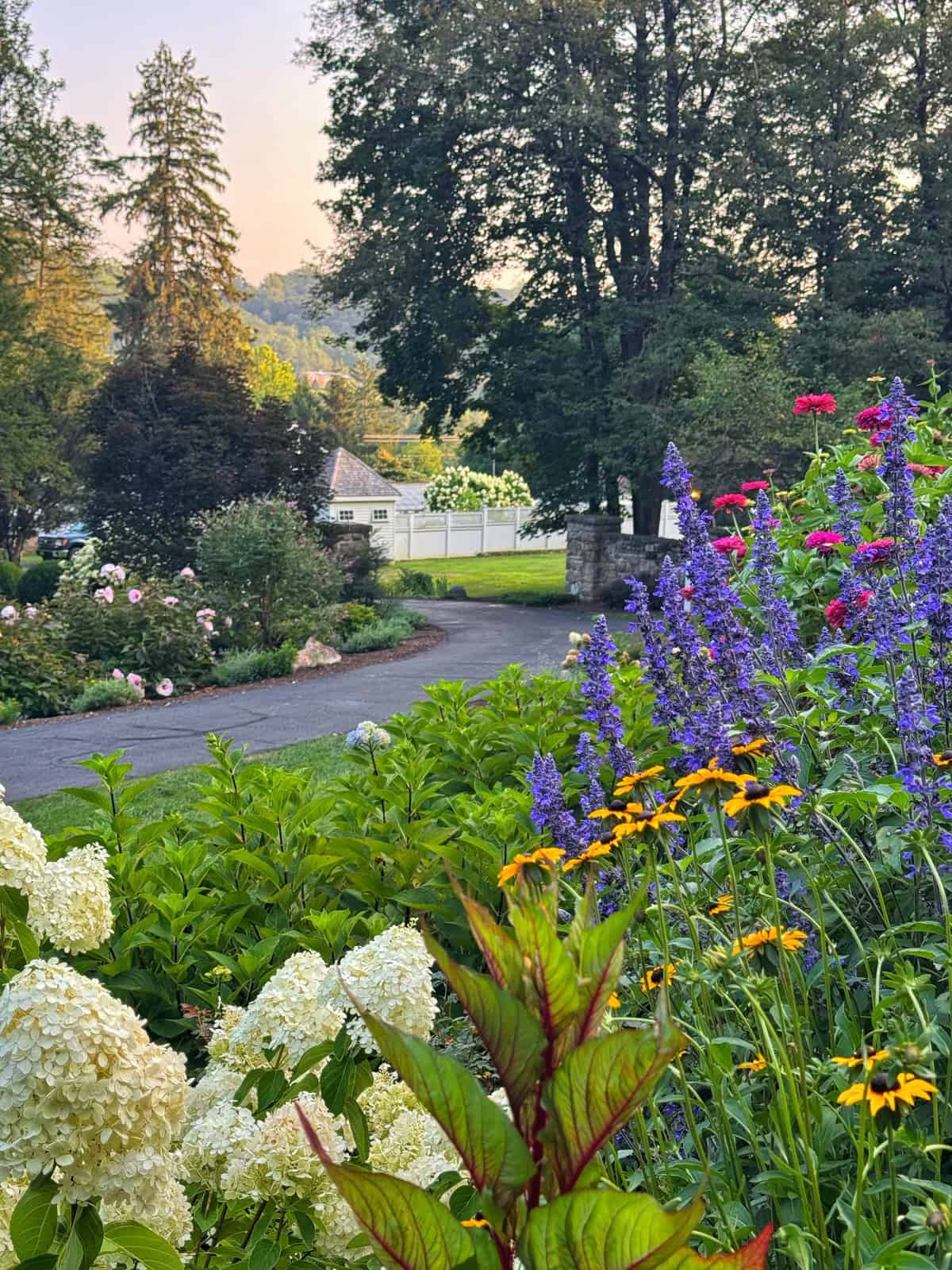
If you love abundant blooms, winding paths, and a relaxed, romantic feel, a cottage garden may be the perfect fit.
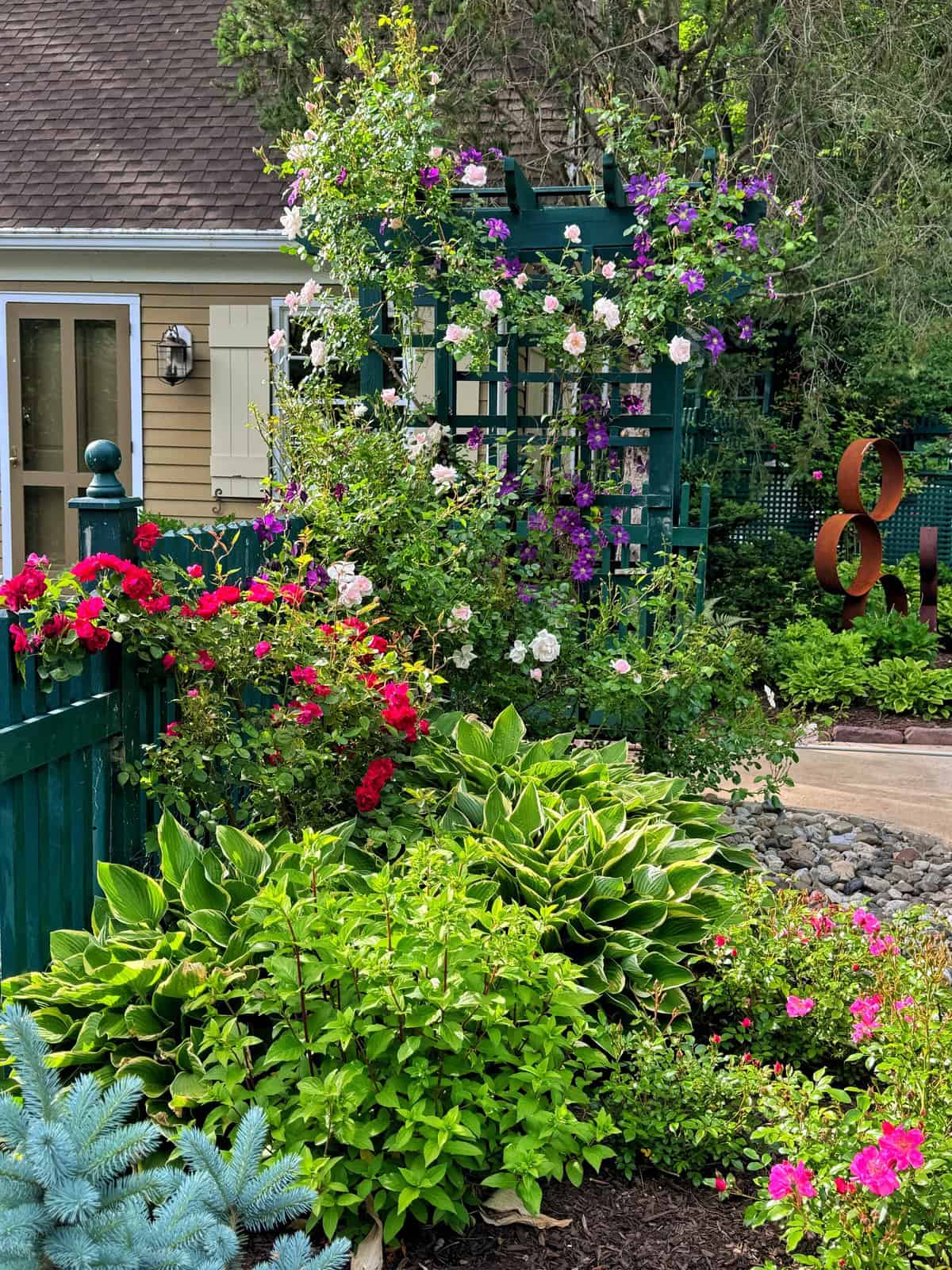
Cottage gardens have long been one of my favorite garden styles because they allow me to combine old-fashioned flowers like roses, foxgloves, peonies, salvia, nepeta, and delphiniums in a way that feels both natural and intentional. Rather than planting in rigid rows, cottage gardens celebrate layers, texture, and season-long color.
The beauty of this style is that it often looks even better as the garden matures and plants begin to intermingle naturally.
If you’re drawn to this relaxed planting style, take a look at my cottage garden guide where I share how I design, plant, and maintain cottage garden borders for season-long color.

Cutting Garden
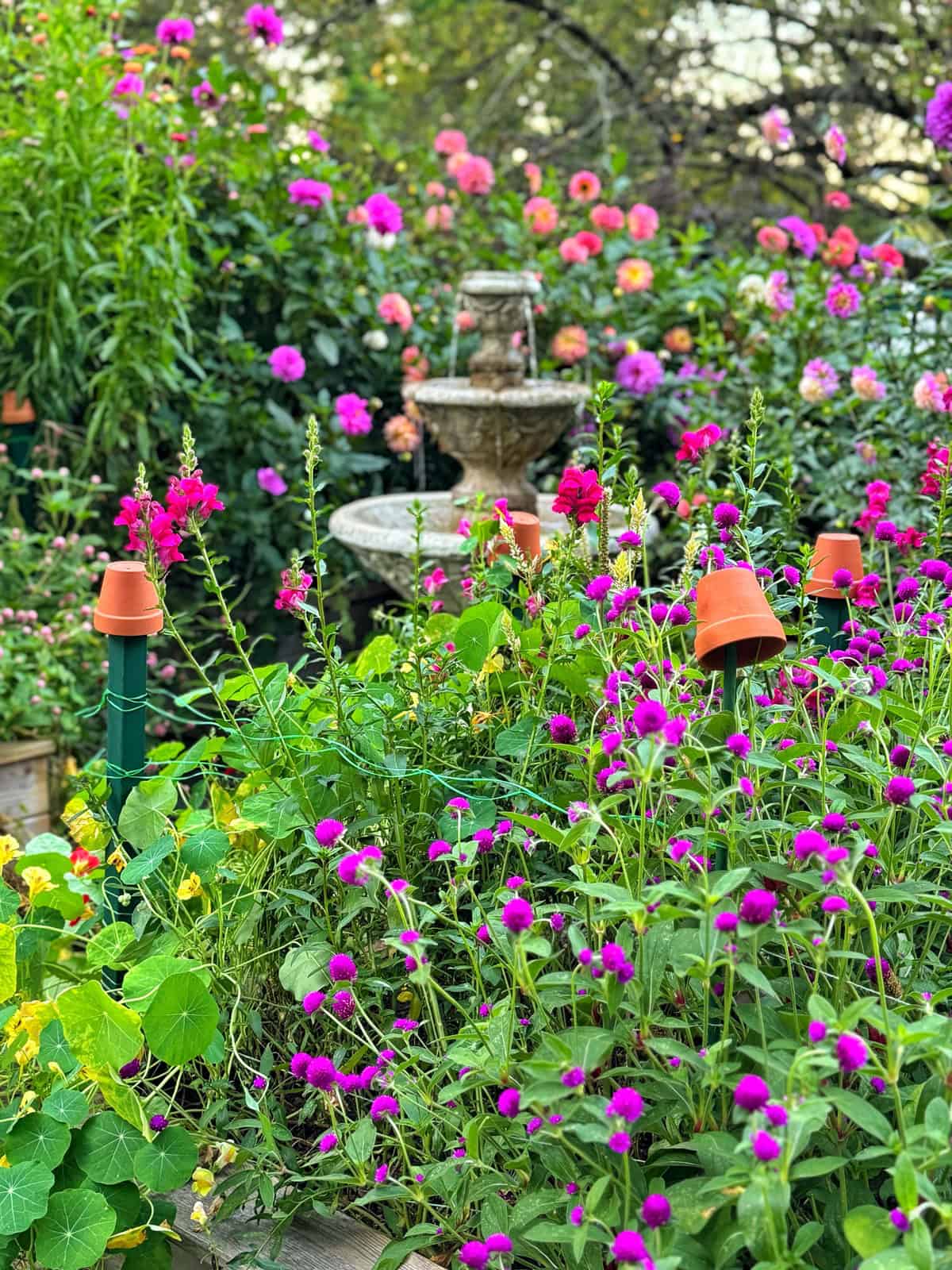
A cutting garden is designed with one goal in mind: bringing flowers indoors.
This garden style focuses on growing flowers specifically for bouquets and arrangements. Think zinnias, dahlias, cosmos, celosia, snapdragons, sunflowers, and other prolific bloomers.
What I love most about cut flower gardening is that it extends the gardening season. Every winter, I look forward to starting seeds indoors under grow lights and through winter sowing so I can fill my cutting beds with fresh blooms once spring arrives.
There’s nothing quite like walking outside with a pair of snips and returning with an armful of flowers for the house.
Want to grow your own bouquets? Check out my cut flower garden guide where I share the flowers I grow, my cutting garden design ideas, and how I keep blooms coming all season long.

Monochromatic Garden
Sometimes limiting your color palette can create the biggest impact.
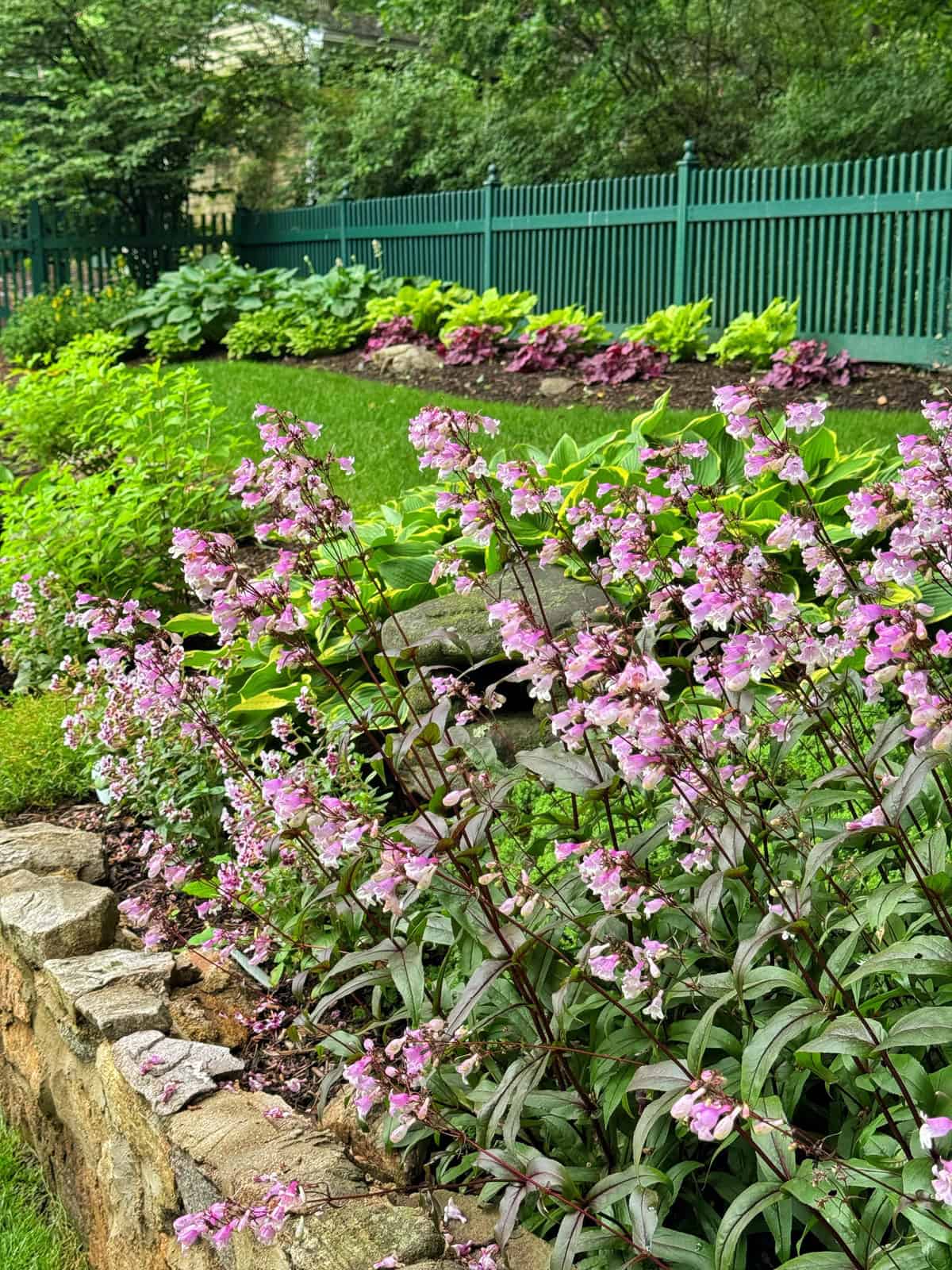
Monochromatic gardens focus on a single color family while incorporating different flower shapes, textures, and plant heights. Whether you choose shades of blue, pink, white, purple, or yellow, the result can feel surprisingly sophisticated and cohesive.
The key is creating contrast through texture and form rather than relying on multiple colors.
If you’re planning a new flower bed, choosing a color palette before you plant can help create a more cohesive and professional-looking garden design.
Pollinator Garden
Pollinator gardens combine beauty and purpose by supporting bees, butterflies, hummingbirds, and other beneficial insects.
As my gardens have matured, I’ve become increasingly focused on growing plants that provide nectar and pollen throughout the season. Coneflowers, agastache, rudbeckia, asters, penstemon, coreopsis, and native plants all play an important role in creating a thriving pollinator habitat.
By selecting plants with staggered bloom times, you can provide food sources from spring through fall while enjoying a vibrant garden filled with activity.
If attracting more butterflies, bees, and hummingbirds is one of your gardening goals, explore my pollinator garden ideas and favorite pollinator-friendly plants.


Shade Garden
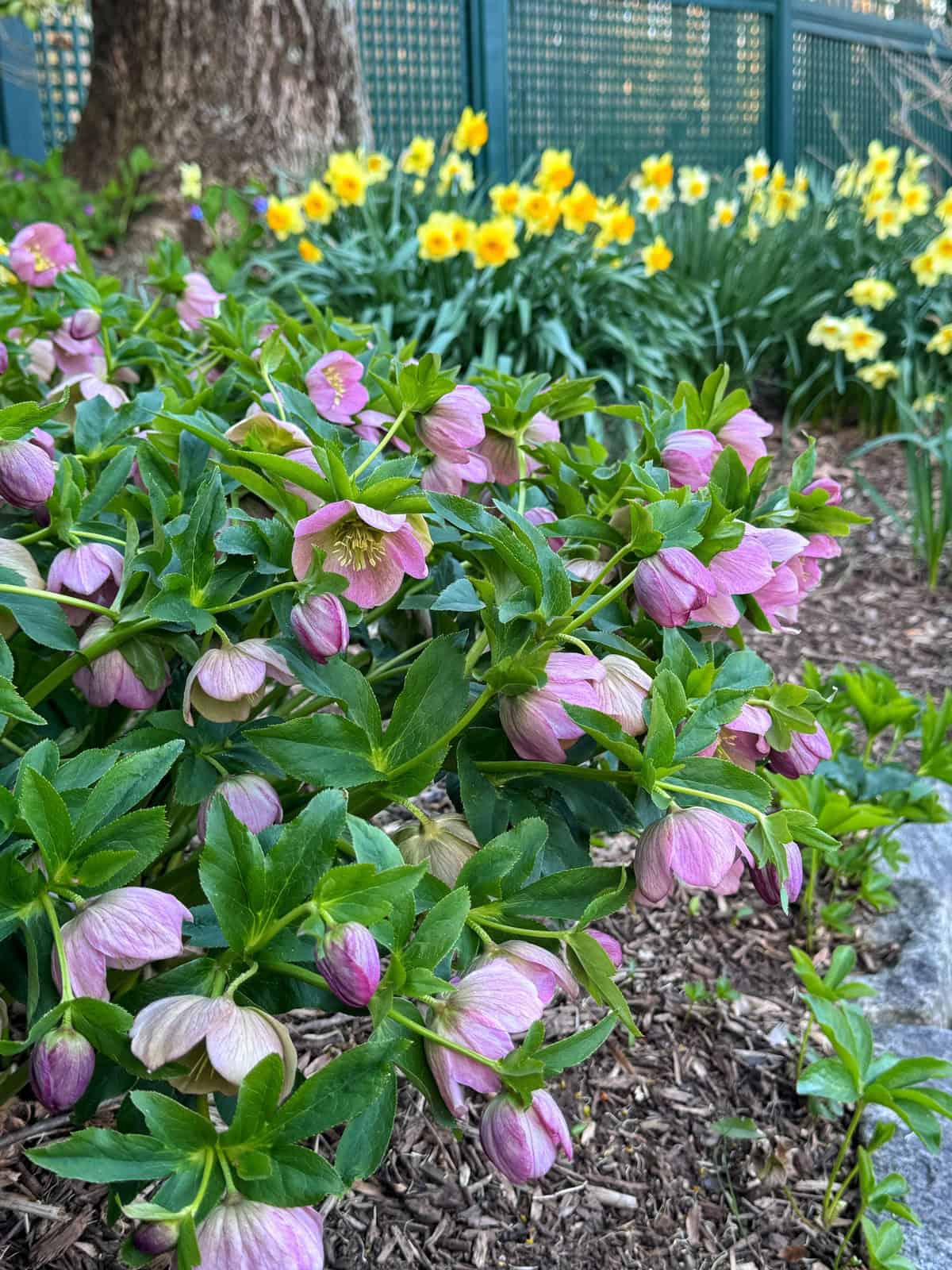
Not every garden enjoys full sun, but that doesn’t mean you can’t create a beautiful and colorful landscape.
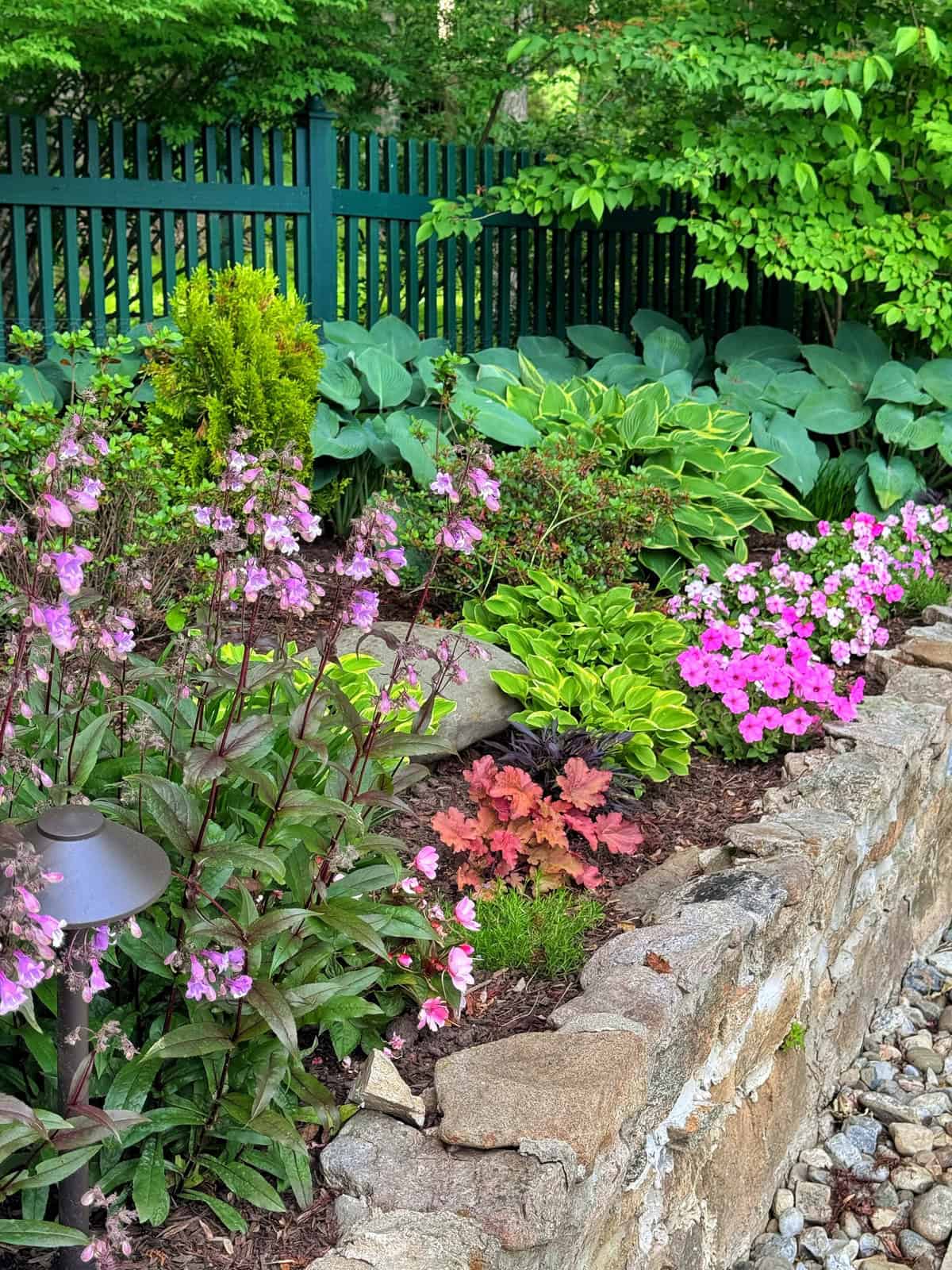
Shade gardens focus on texture, foliage, and plants that thrive in lower light conditions. Some of my favorite shade garden plants include hostas, heuchera, astilbe, ferns, brunnera, and hellebores. By combining different leaf shapes, colors, and bloom times, you can create a garden that remains interesting from spring through fall.
Over the years, I’ve learned that some of the most peaceful spaces in a landscape are often the shadier areas. Instead of fighting the conditions, I prefer to embrace them and choose plants that naturally thrive there.
If you’re gardening in a partially shaded or fully shaded area, check out my shade garden design ideas and favorite shade garden plants for creating a beautiful low-light landscape.

Potager Garden
A potager garden beautifully combines flowers, herbs, vegetables, and structure in one productive space.
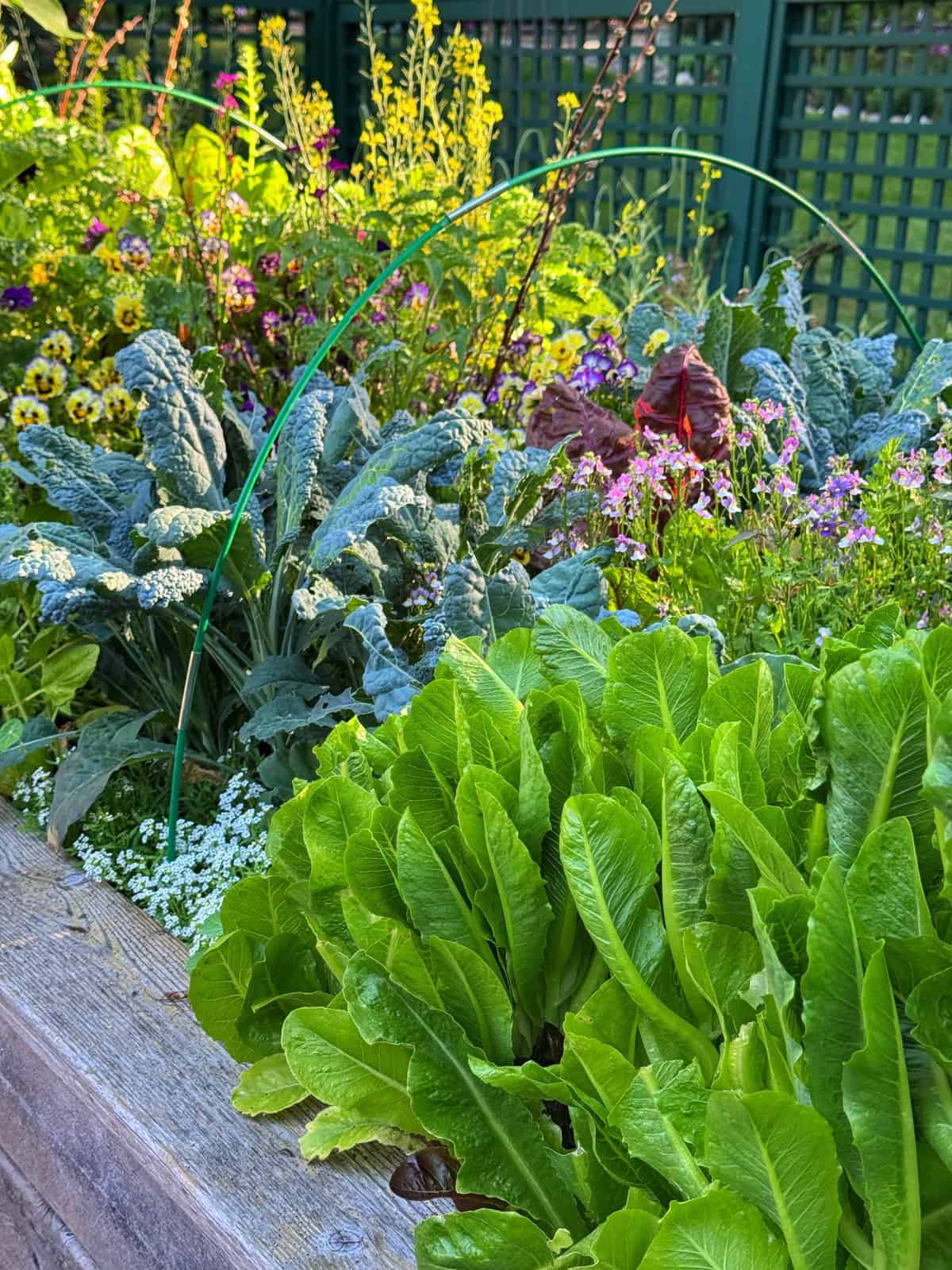
This is a garden style I’ve embraced in my own landscape because I love growing food and flowers together. My potager includes vegetables, herbs, and cut flowers growing side by side, creating a garden that is both beautiful and functional.
I also focus heavily on companion planting throughout these beds as part of my organic gardening approach. Not only does it help support pollinators and beneficial insects, but it creates a garden space that feels abundant and visually appealing throughout the growing season.
For a closer look at how I blend flowers, herbs, and vegetables together, visit my potager garden guide where beauty and harvests go hand in hand.
Fragrant Garden
Some gardens are designed to be seen. Fragrant gardens are designed to be experienced.
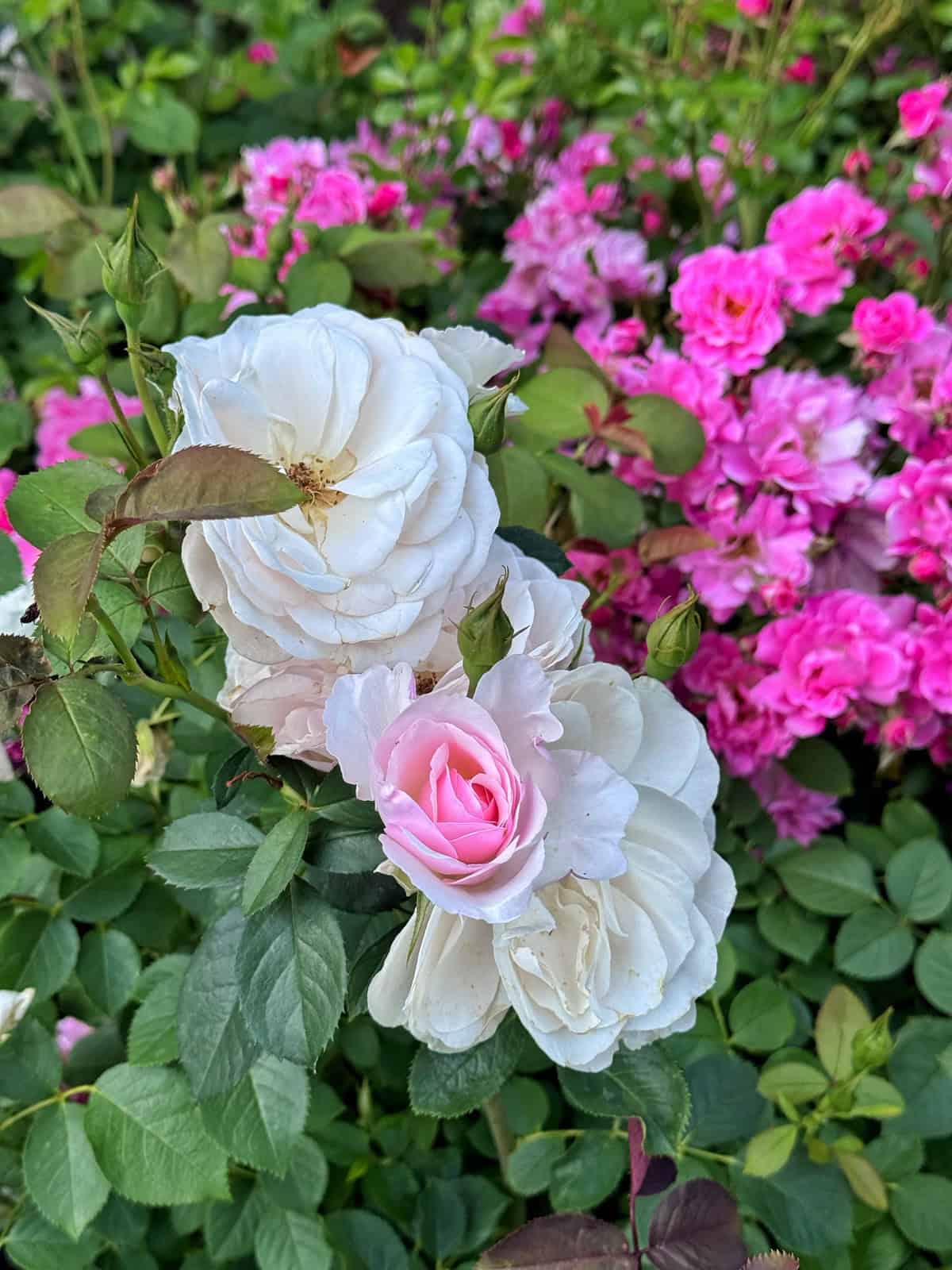
This style focuses on flowers and herbs known for their scent, such as roses, lavender, lilacs, phlox, nicotiana, rosemary, thyme, and scented geraniums.
Placing fragrant plants near patios, pathways, and seating areas allows you to fully enjoy their aroma while spending time outdoors. A fragrant garden creates a sensory experience that visitors remember long after they’ve left.
Many of my favorite cottage garden flowers are wonderfully fragrant too. Be sure to explore my cottage garden planting ideas for more inspiration.
Zen Garden
While colorful flower beds certainly have their place, there is something special about a garden designed to encourage peace and reflection.
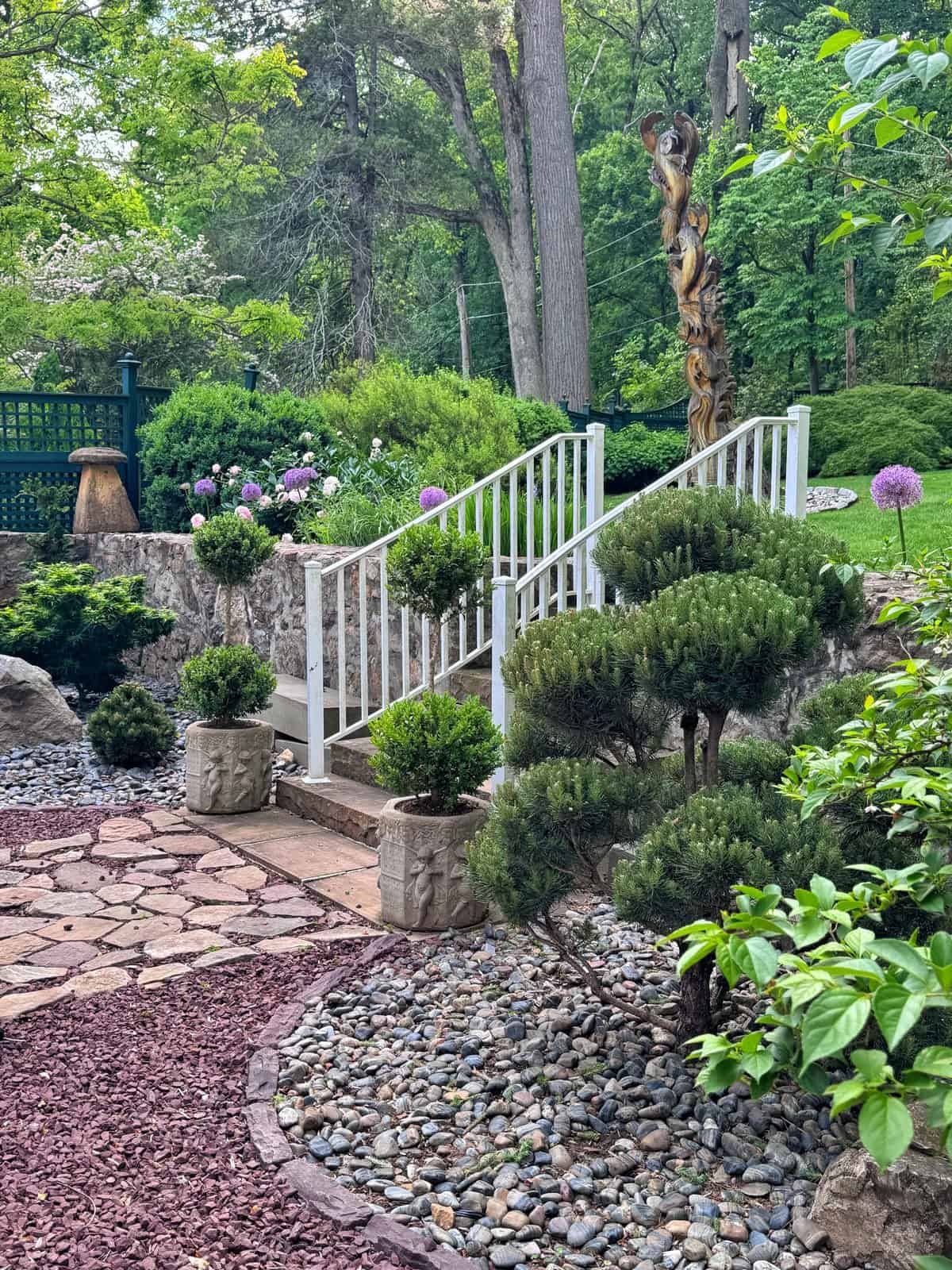
A zen-inspired garden focuses on simplicity, balance, texture, and intentional design. Elements like stone pathways, water features, ornamental grasses, carefully placed containers, and quiet seating areas all contribute to the overall feeling.
You don’t need a traditional Japanese garden to incorporate these ideas. Even adding a peaceful garden room or secluded seating area can help create a sense of calm within your landscape.
If you enjoy creating outdoor spaces that encourage relaxation and connection with nature, you’ll also love my backyard zen garden ideas.

Moon Garden
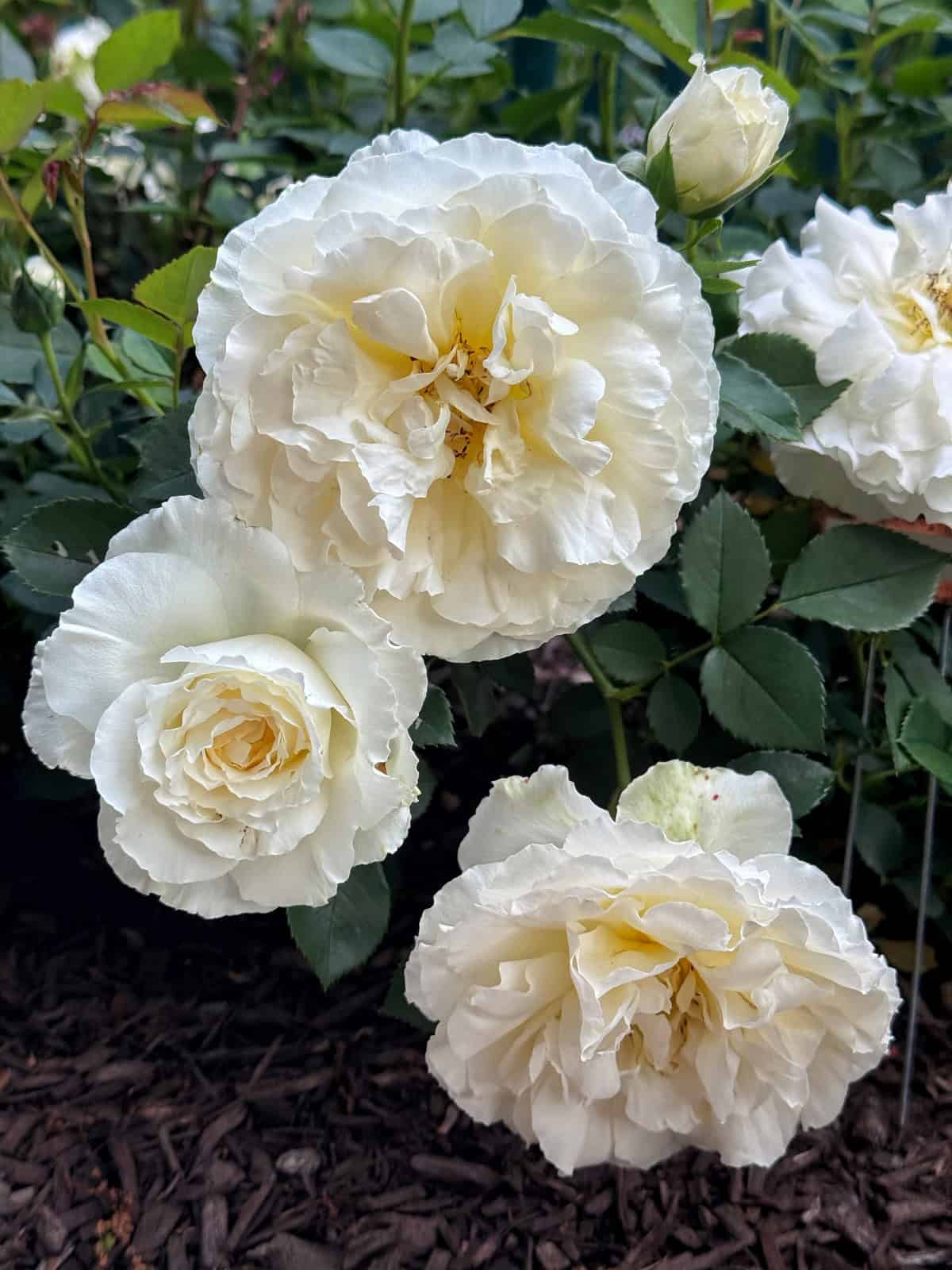
A moon garden is designed to shine after sunset.
While I don’t currently grow a dedicated moon garden, it’s a garden style I’ve long admired and hope to incorporate one day. White flowers, silver foliage, and fragrant evening bloomers create a magical atmosphere that becomes especially beautiful at dusk.
Plants like white nicotiana, moonflower, white petunias, dusty miller, lamb’s ear, and artemisia all contribute to the soft glow that defines this style.
Many of these plants also work beautifully in cottage gardens and white-themed flower borders, making them easy to incorporate into existing landscapes.
Tropical Garden
If you love bold foliage and dramatic color, a tropical garden delivers plenty of visual impact.
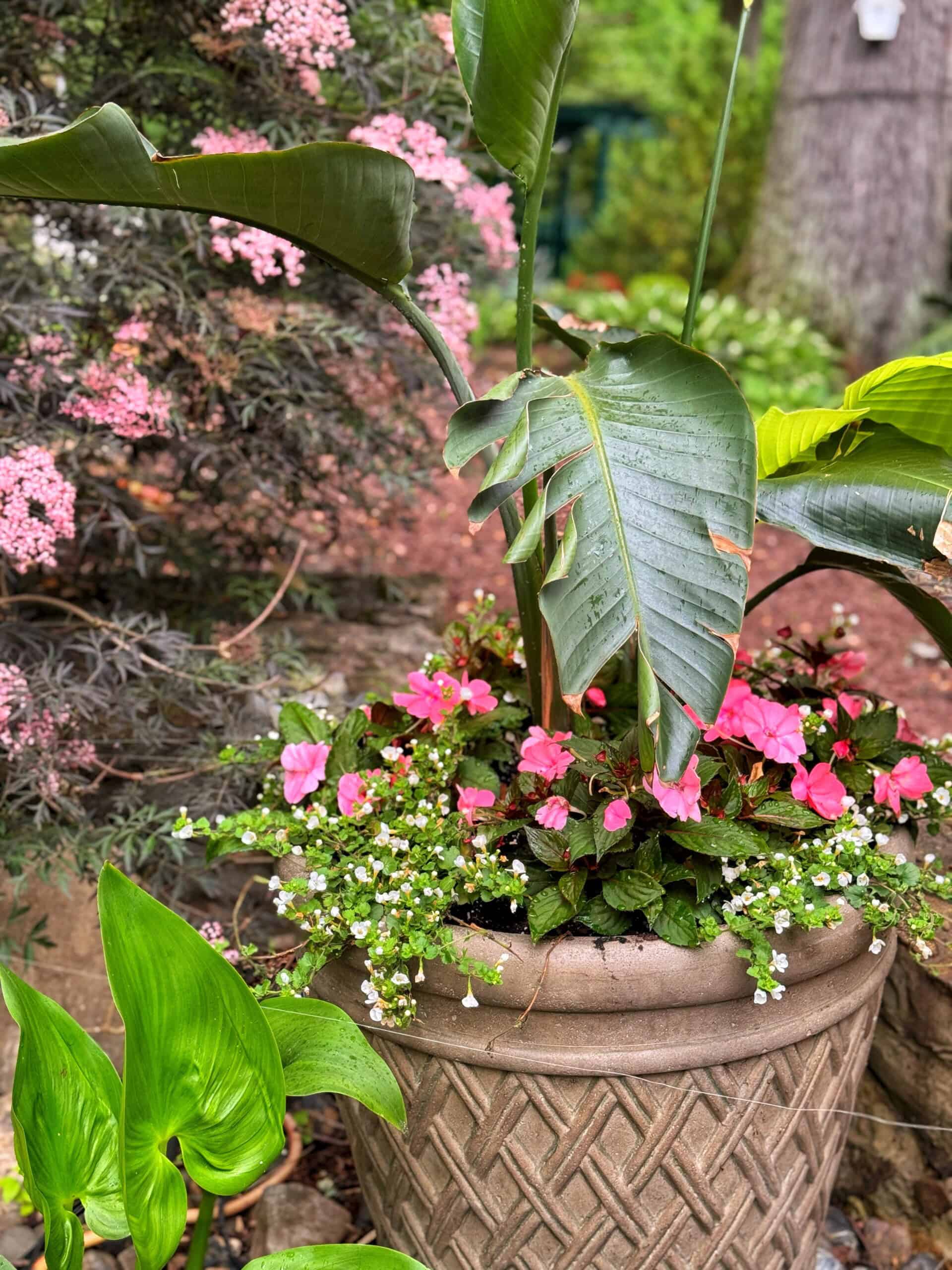
Large-leaved plants like elephant ears, cannas, bananas, tropical hibiscus, and colorful foliage plants create a lush vacation-like atmosphere. Even gardeners in colder climates can achieve the look by incorporating tropical annuals and moving houseplants outdoors during the growing season.
This style is perfect for patios, pool areas, and outdoor entertaining spaces where you want a bold, resort-inspired feel.
I often use tropical plants in containers and seasonal displays to create instant impact around patios, porches, and garden seating areas throughout summer. Get some ideas on how to design with them in my container gardening guide here.

Gothic Garden
For gardeners who appreciate drama and contrast, a gothic garden offers a unique alternative to traditional flower beds.
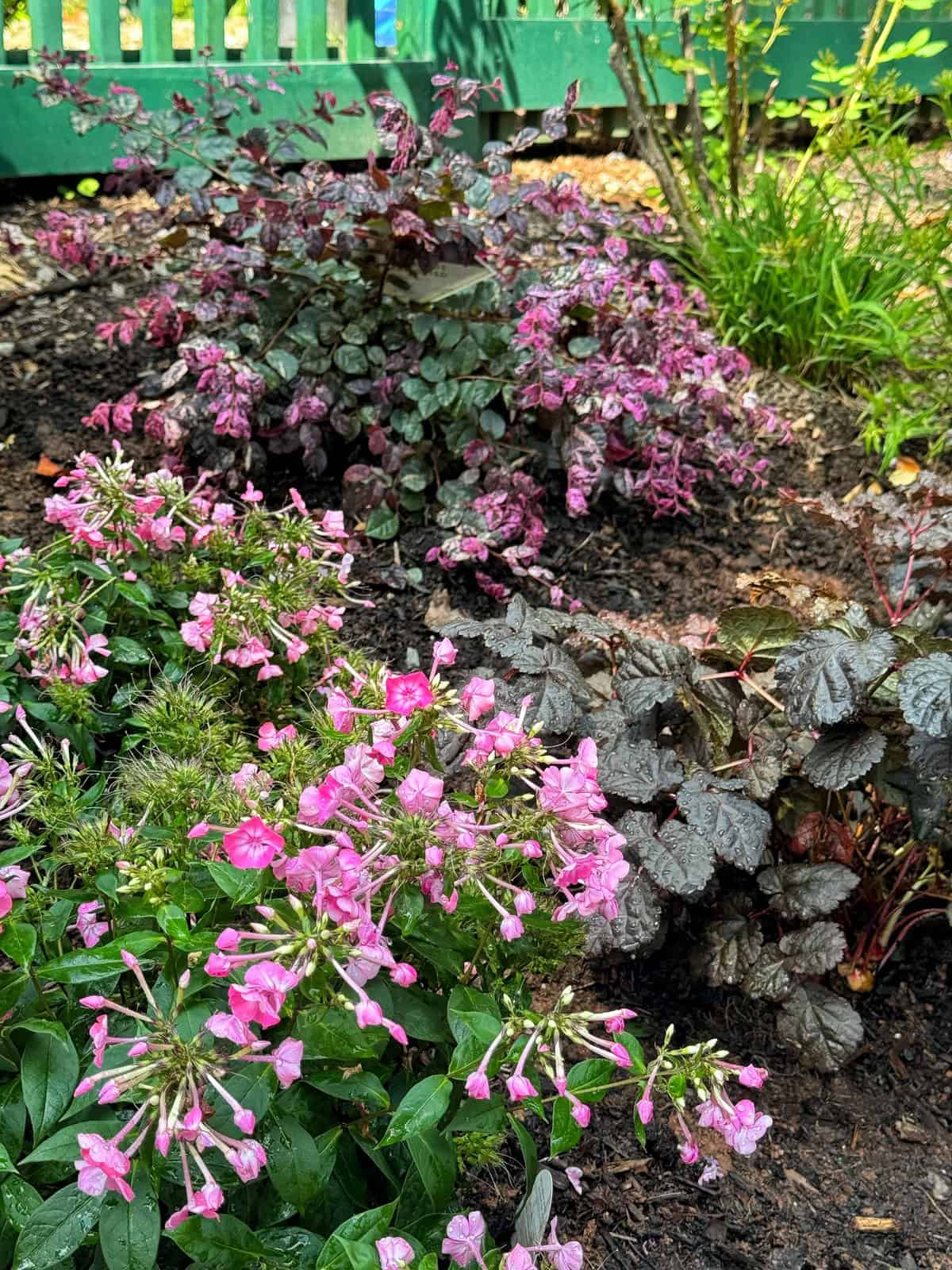
Dark foliage, deep-colored flowers, vintage architectural elements, and moody color palettes all contribute to the look. Black mondo grass, dark dahlias, deep purple foliage, and rich burgundy blooms create layers of visual interest.
While I haven’t created a dedicated gothic garden myself, it’s a design style that has always fascinated me and one I’d love to experiment with in the future.
Many cottage garden favorites, including foxgloves, roses, and dark-leaved perennials, can help create this dramatic look while maintaining plenty of seasonal interest.
Which Garden Style Is Right for You?
If you’re not sure where to begin, start by thinking about what you want most from your garden.
- Love romantic flowers and old-fashioned charm? Choose a cottage garden.
- Want fresh bouquets all season? Plant a cutting garden.
- Enjoy growing food? Create a potager garden.
- Want to support wildlife? Focus on pollinator plants.
- Need a peaceful retreat? Consider a zen-inspired garden.
- Love dramatic foliage? Explore tropical designs.
- Prefer moody elegance? A gothic garden may be your style.
The best gardens often borrow ideas from several themes while reflecting your own personality, gardening goals, and the way you want to enjoy your outdoor space.
Once you’ve chosen a garden style, the next step is learning how to bring that vision to life. A successful garden isn’t just about selecting beautiful plants. It’s also about how you arrange them. In my guide to How I Design Flower Beds for Season-Long Beauty, I share the design principles I use to create layered, balanced gardens with structure and interest throughout the year.
Then, once you’ve established the framework of your garden, you can begin planning for continuous color. My guide to How to Create an Everblooming Flower Garden walks through the bloom succession strategy I use to keep my gardens colorful from spring through fall.
How I Plan New Garden Spaces
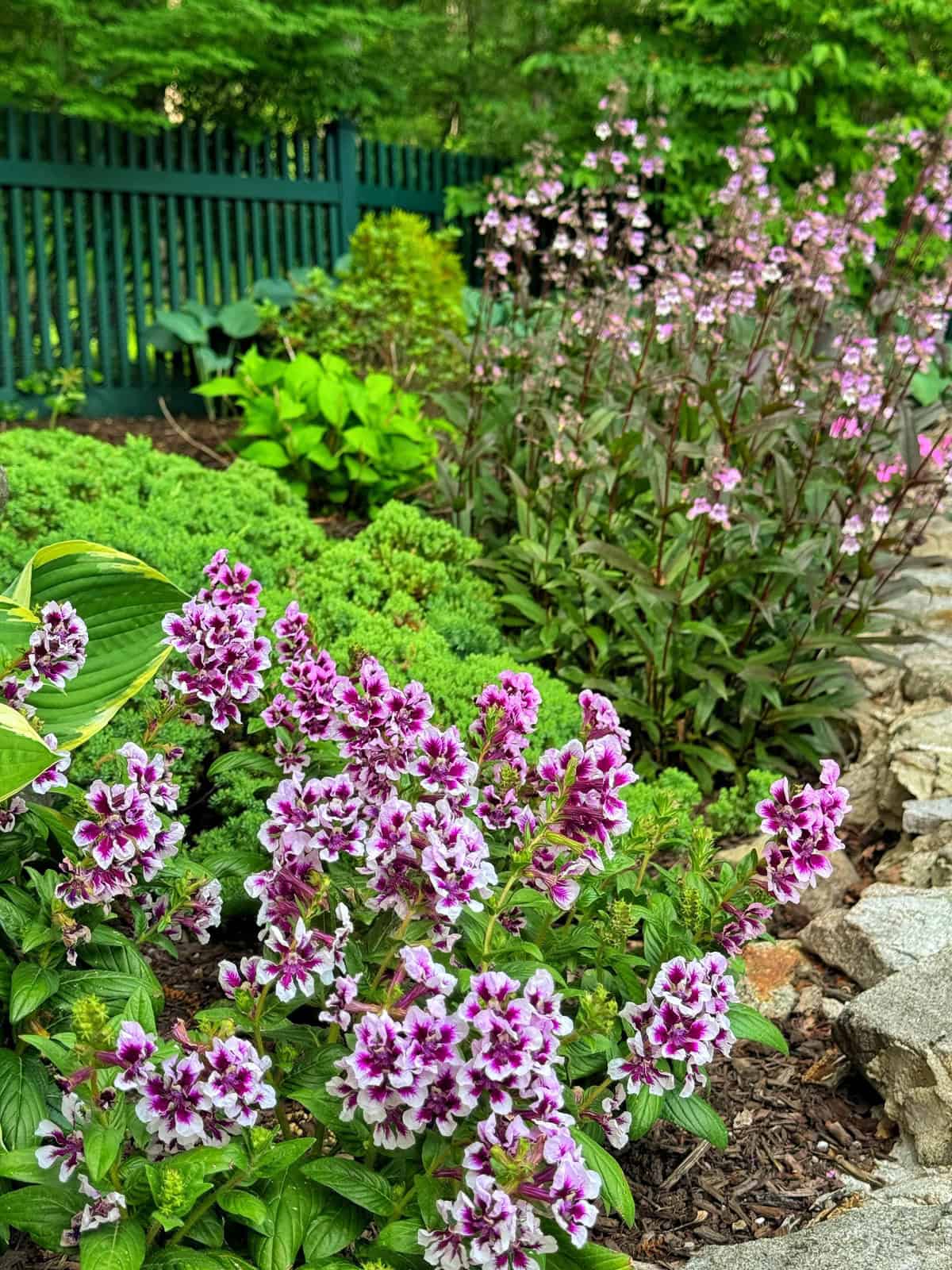
One of the biggest lessons I’ve learned over the years is that successful gardens start with a plan. Before I buy a single plant, I spend time thinking about how I want the space to feel and function.
Do I want armloads of flowers for bouquets? A productive potager filled with vegetables and herbs? A peaceful retreat where I can relax at the end of the day? Defining the purpose of the space first helps me make better decisions about plant selection, layout, and design.
That’s exactly why I created the Bricks ‘n Blooms Beautiful and Easy-Care Flower Garden Planner. It helps gardeners organize ideas, sketch layouts, track plant combinations, record bloom times, and keep notes from season to season. Whether you’re planning a cottage garden, cutting garden, pollinator border, or potager, having a written plan can save time, money, and frustration.
If you’re looking for even more inspiration, my book, The Bricks ‘n Blooms Guide to a Beautiful and Easy-Care Flower Garden, shares the practical techniques, plant recommendations, and design lessons I’ve learned through years of creating beautiful and productive garden spaces.
Final Thoughts About Garden Theme Ideas
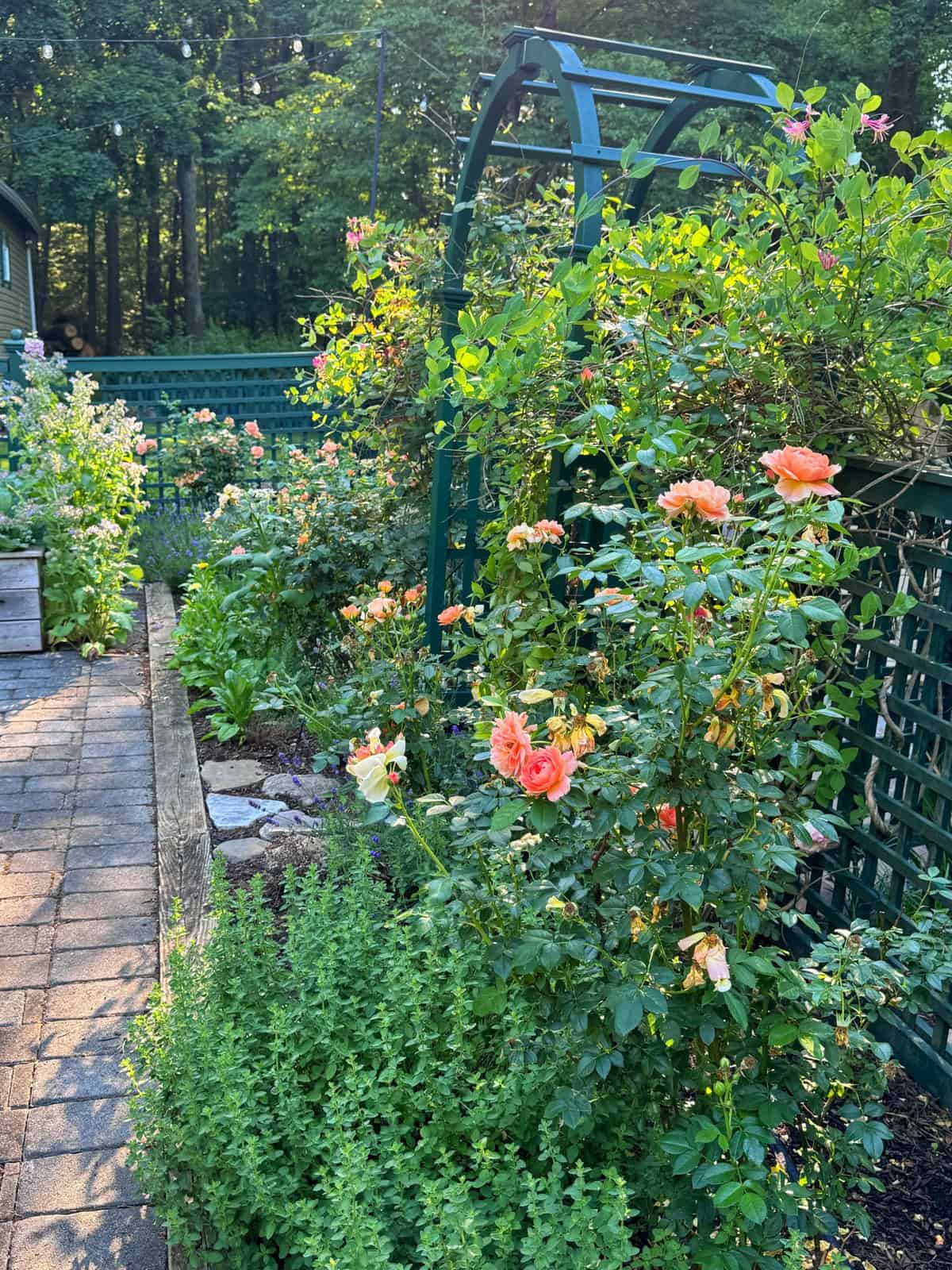
Over the years, I’ve learned that the most beautiful gardens aren’t necessarily the biggest or the most expensive. They’re the ones designed with intention. Whether I’m creating a cottage garden, a productive potager, a pollinator-friendly landscape, or a cutting garden, I always start with a vision for how I want the space to look, feel, and function.
After decades of gardening across two very different properties, I’ve also realized that the best gardens rarely fit into just one category. My own landscape blends the relaxed beauty of a cottage garden, the productivity of a potager, the wildlife benefits of pollinator-friendly plantings, and dedicated spaces for growing flowers to enjoy indoors. Those layers are what make a garden feel personal and uniquely your own.
No matter which garden style speaks to you most, remember that the most beautiful landscapes are built over time. Start with a vision, learn how to design flower beds that suit your space, and then choose plants that provide interest throughout the seasons. If you’re ready for the next step, explore my guides to How I Design Flower Beds for Season-Long Beauty and How to Create an Everblooming Flower Garden to help turn your ideas into a thriving landscape.
If you’re looking for more inspiration as you plan your own garden, be sure to explore my guides to shade garden design, cottage gardening, cut flower gardening, potager gardens, zen garden design ideas, and pollinator-friendly gardening. Each one will help you build on the ideas in this post and create a garden you’ll love spending time in for years to come.
Thank you for visiting the blog today!
Enjoy your day! xo



Originally Published . Last Updated .
