
How to Decide Which Plants Belong in a Cottage Garden (Before You Buy Anything)

Learn how to choose plants that truly thrive in a cottage garden, based on experience—not impulse buying or idealized plant lists.
I’ve been drawn to cottage gardens since I first started gardening nearly thirty years ago. What began as a love for romantic flowers and layered borders slowly turned into something more practical as I learned which plants actually thrive together, which ones quietly struggle, and how to create a garden that looks full of charm without demanding constant attention. Over decades of planting, editing, and replanting, I’ve learned that the secret to a beautiful cottage garden isn’t buying the “right” plants — it’s knowing how to choose plants that truly belong in your garden.
One of the biggest mistakes I see (and one I made myself early on) is shopping for plants before understanding how a cottage garden needs to function over time. Cottage gardens are meant to be generous, relaxed, and overflowing — but they also need to be realistic. If the plant choices don’t align with your space, your climate, and how much maintenance you’re willing to do, that charming look quickly turns into frustration. The approach I share throughout my low-maintenance cottage garden principles is built on years of trial, error, and refinement. Because I’ve learned how to let a garden feel lush and abundant while still being manageable.
This guide isn’t a plant list or a design formula. Instead, it walks through the decision-making process I use before I buy anything: how to evaluate plants based on their role, longevity, and behavior, not just how they look in bloom. Once you understand how to think through plant selection, everything else about cottage gardening becomes easier, more cohesive, and far more rewarding.
(Posts on stacyling.com may contain affiliate links. Click HERE for full disclosure.)
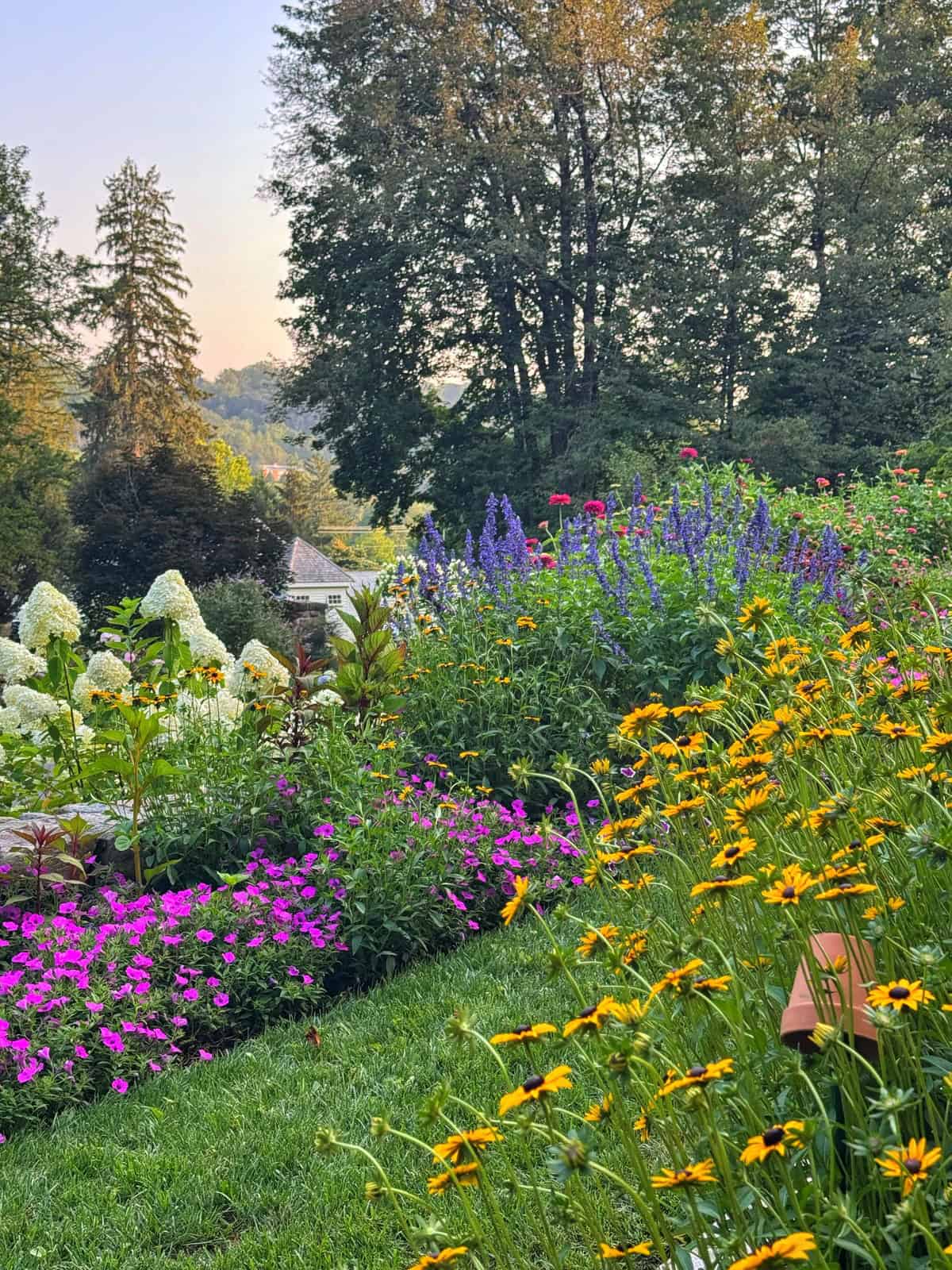
How to Choose the Right Plants for Your Cottage Garden
Choosing plants for a cottage garden isn’t just about what looks good in bloom. It’s about how those plants actually perform in your space over the entire season.
In this video, I walk through how to decide what really belongs in your garden so you can create that full, layered look without adding unnecessary work. You’ll learn how to think beyond individual plants and start choosing ones that hold their shape, fill in naturally, and work well together.
This is the approach that makes the difference between a garden that feels effortless… and one that feels like too much.

Start With How You Want the Garden to Live, Not Just How You Want It to Look
Before choosing a single plant, I think about how I want the garden to live day to day. A cottage garden is not a static picture. It is a living system that grows, shifts, and fills in over time. Plants need to coexist, not just look good together at planting time.
This is where many gardeners run into trouble. It is easy to fall in love with individual plants, but if they require vastly different care or constant intervention, the garden quickly becomes work instead of joy. In my own gardens, the plants that lasted were not always the ones I admired most at the nursery. They were the ones that fit the rhythm of my space and my climate.
When plant choices support the way you actually garden, the result is a realistic cottage garden design that stays beautiful without constant effort.
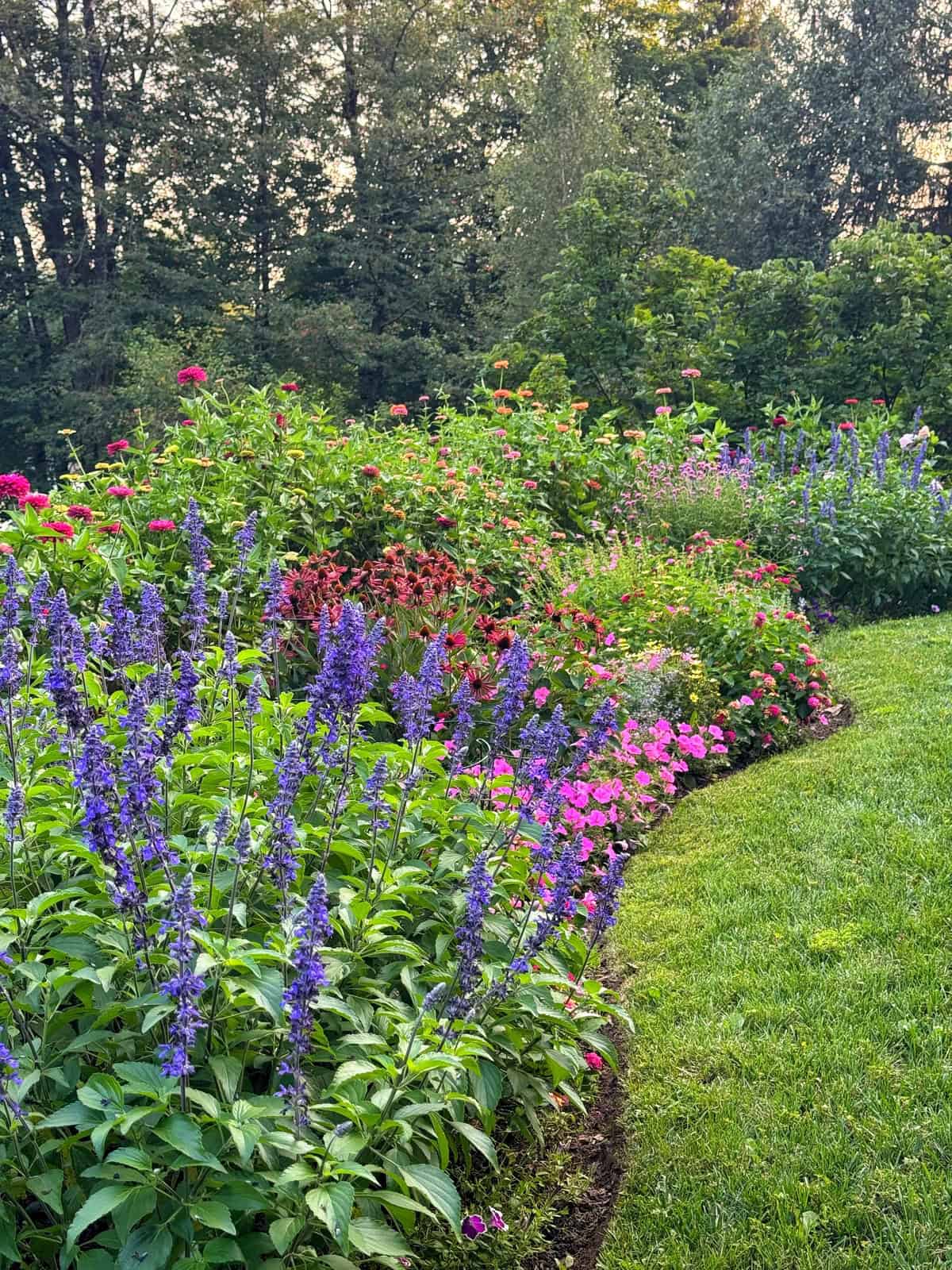
Choose Plants That Age Well, Not Just Ones That Bloom Beautifully
One of the most important lessons I have learned is to pay attention to how plants behave after they bloom. Cottage gardens rely on foliage, structure, and form just as much as flowers.
When deciding whether a plant belongs in a cottage garden, I look for plants that:
- Hold their shape without staking
- Have attractive foliage beyond bloom time
- Do not require constant deadheading to look presentable
Plants that collapse, disappear, or need frequent correction can disrupt the relaxed feel that cottage gardens are known for.
Over time, this mindset naturally guided me toward plants that thrive in a cottage garden, rather than plants that only perform well for a short window.
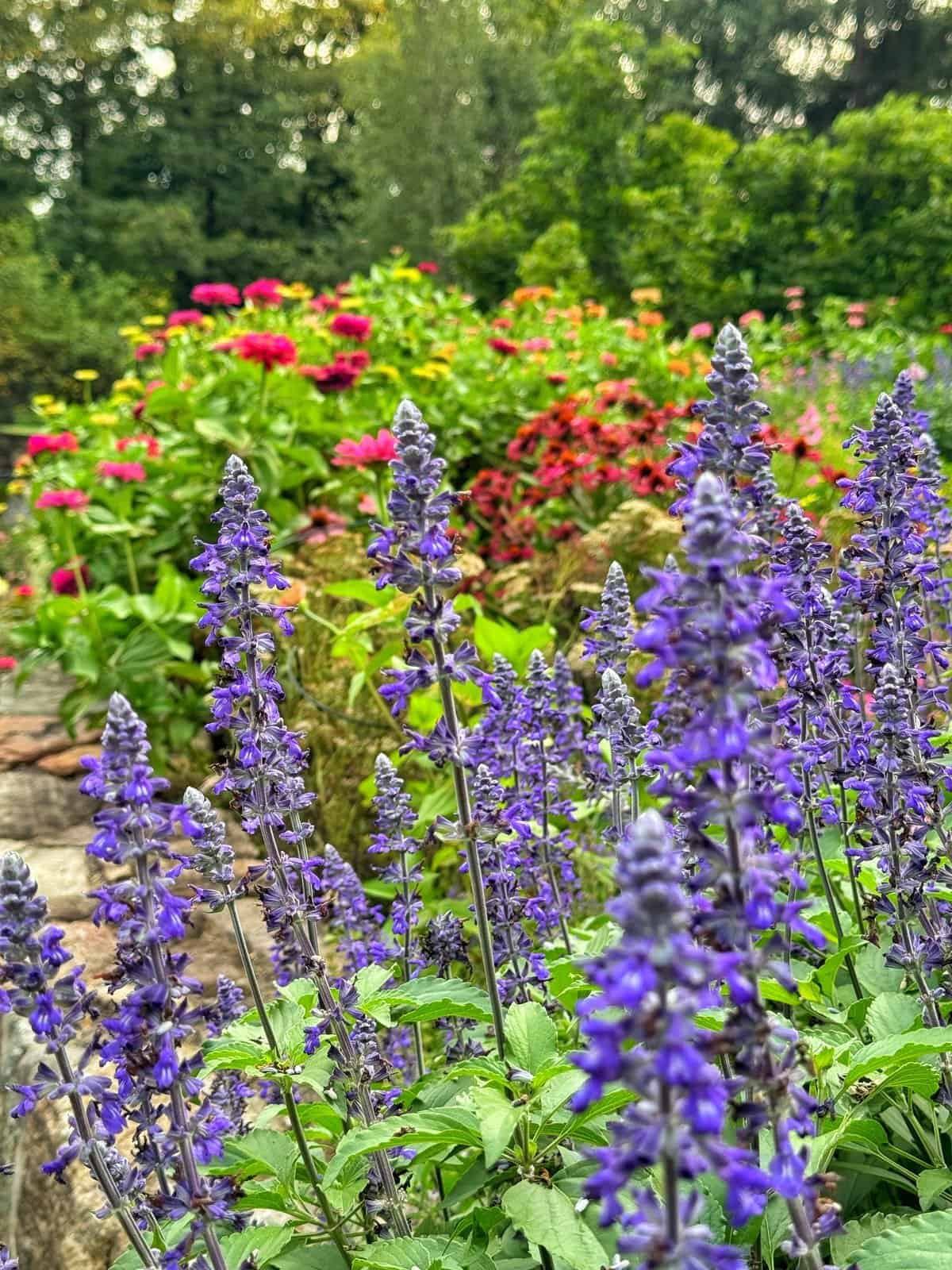
Some “Classic” Cottage Garden Flowers Do Not Work Everywhere and That Is Okay
There are certain flowers that feel synonymous with cottage gardens, including hollyhocks, delphiniums, foxgloves, and lupines. I wanted all of them to thrive in my gardens for years. In reality, many of them never quite took.
My New Jersey garden experiences extremely hot and humid summers, and some of these traditional cottage perennials simply struggled. Lupines, in particular, often petered out within a single growing season and disappeared entirely. That was frustrating at first, but it taught me an important lesson. When a perennial does not thrive, it is not always a failure. It is information.

Instead of giving up on certain plants completely, I have learned to experiment with how they are grown. Foxgloves are a perfect example. They do not reliably return in my gardens the way they do in other gardens. However, I have found success when I start them from seed myself each year. Treating them as intentional additions rather than dependable perennials changed everything.
Before I rule a plant out entirely, I now try starting it from seed instead of buying it as a transplant. Some plants establish better this way and adapt more naturally to my conditions. I use both traditional seed starting and the winter sowing method to see what performs best.


Think in Plant Roles, Not Plant Names
One of the biggest shifts in how I choose plants came when I stopped thinking in terms of individual plant names and started thinking in roles.
Every successful cottage garden has:
- Structural plants that anchor the space
- Fillers that repeat and knit everything together
- Seasonal plants that step in when others fade
When you focus on roles, it becomes easier to substitute plants that struggle with ones that perform better while still achieving the same effect. This is how I moved away from forcing difficult perennials and toward reliable stand-ins like upright salvias, celosia, and other plants that give structure without stress.
This way of thinking also explains why cottage gardens look full without feeling crowded, even when they are planted generously.

Repetition Matters More Than Variety in a Cottage Garden
Cottage gardens are often described as free-flowing or informal, but that does not mean random. Repeating plants throughout the garden creates rhythm and calm, even in a lush setting.
Early on, I planted too many different things. The result was visual chaos and more work than necessary. Over time, I learned that repeating fewer plants allows a garden to feel cohesive and intentional. It also simplifies care, since you are managing fewer growth habits and needs.
Many of the common cottage gardening mistakes I see stem from too much variety and not enough repetition.
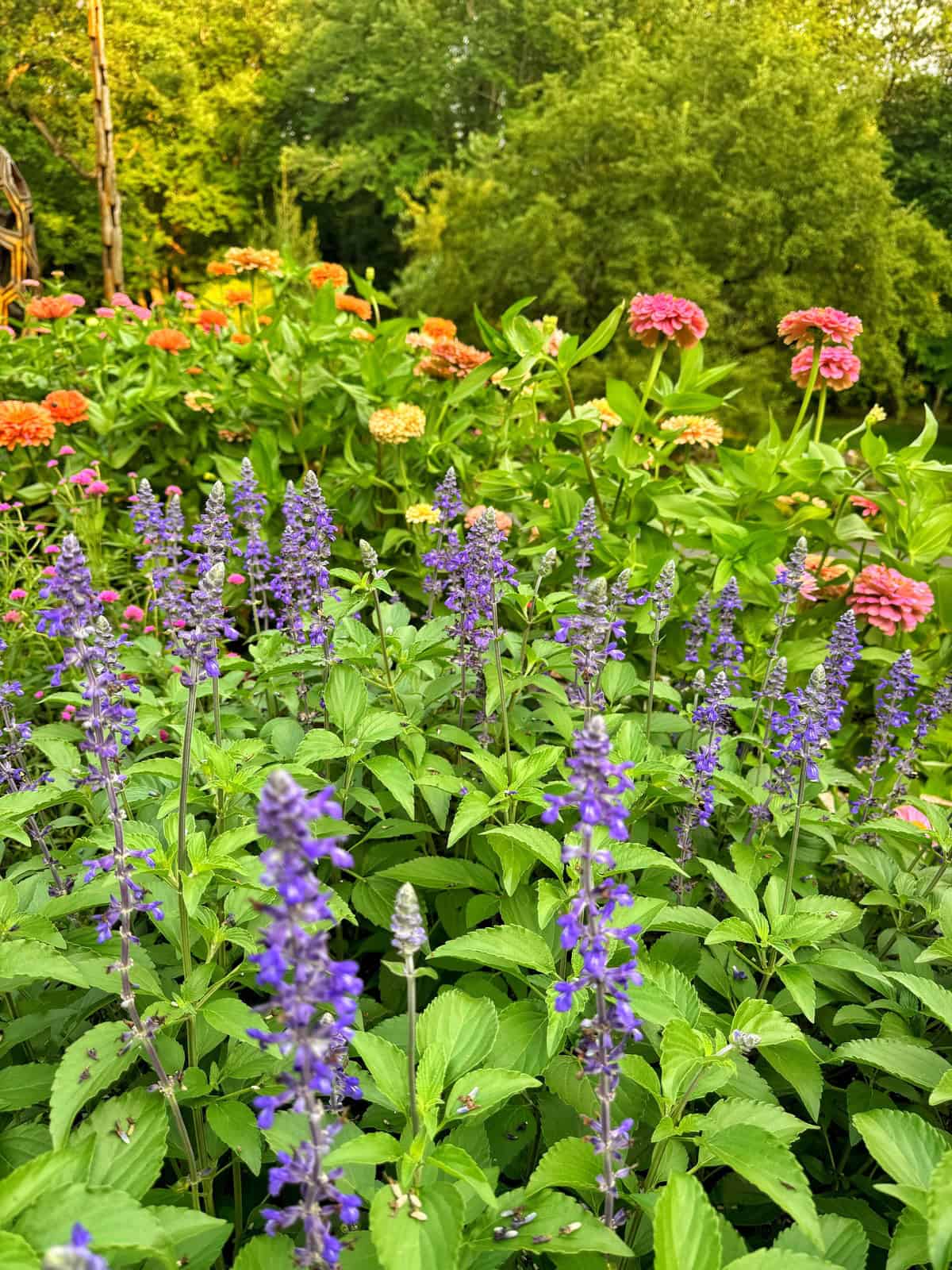
Avoid Plants That Demand Constant Intervention
A truly low-maintenance cottage garden avoids plants that constantly need correction. That includes plants that flop without staking, require frequent dividing, or need regular intervention just to survive.
This does not mean avoiding all challenging plants. It means being honest about how much time and effort you want to invest. When plants consistently demand more than they give back, they quietly undermine the entire garden.
Recognizing plants that create more work is a key part of choosing wisely.
Once you’ve chosen plants that fit your growing conditions, the next step is learning how to combine them. To give you a great example of how plants work together, these June cottage garden plant combinations show how I pair flowers based on bloom time, form, and texture after 30 years of gardening.

Let the Garden Teach You What Belongs
Some of the best plant combinations in my gardens were never planned. They revealed themselves over time through self-seeding, natural spacing, and observation.
Part of cottage gardening is learning when to step back. When a plant settles in happily, it earns its place. When one struggles year after year, it may simply not belong, no matter how classic or beloved it is.
This mindset allows the garden to evolve naturally while still staying aligned with a low-maintenance cottage garden approach.
Final Thoughts
Deciding which plants belong in a cottage garden is less about tradition and more about understanding how plants behave in your specific conditions. When you choose plants based on longevity, adaptability, and role, the garden becomes easier to maintain and far more rewarding to grow.
If you are just getting started, begin with the best cottage garden plants to start with, then let experience guide your choices over time. For the bigger picture on creating a garden that feels lush without becoming overwhelming, this guide to low-maintenance cottage garden principles walks through the design approach that ties everything together.
Cottage gardens are not built in a season. They are shaped through observation, adjustment, and patience.
Thank you for visiting the blog today!
Enjoy your day! xo


Originally Published . Last Updated .
