
Best Early Spring Perennials for First Color in Your Garden

Get first color fast with these early spring perennials. Reliable, hardy plants that bloom early and thrive in cool, unpredictable spring weather.
After a long, gray winter, those first pops of color feel almost magical. But not every perennial is built to bloom early. Some need weeks of steady warmth before they wake up, while others are naturally adapted to cooler temperatures and unpredictable spring weather. After almost thirty years of gardening in Zone 6B, across two very different properties, I’ve learned exactly which perennials bloom first, which ones can handle late frosts, and which varieties deliver reliable color from late winter through early May.
In my former garden, early spring meant hellebores pushing up flowers through snow and bleeding hearts filling the shady border by April. In my current garden, with a mix of clay soil and pockets of full shade, I’ve watched different early bloomers thrive in entirely new ways. Many of these plants have now performed for me in both gardens, through temperature swings, freeze–thaw cycles, and early spring rains. These are the dependable, long-lived perennials I trust for that first much-needed burst of color.
If you’re new to working with perennials or want a refresher on how they behave differently from annuals, you may find this helpful: Perennials vs Annuals: What Should You Plant?
While this guide focuses specifically on perennials that return year after year, many gardeners pair them with bulbs and cool-season annuals for even earlier color. You can see my full guide to early spring flowers here.
Here are the best early spring perennials to bring reliable first color to your garden.
(Posts on stacyling.com may contain affiliate links. Click HERE for full disclosure.)
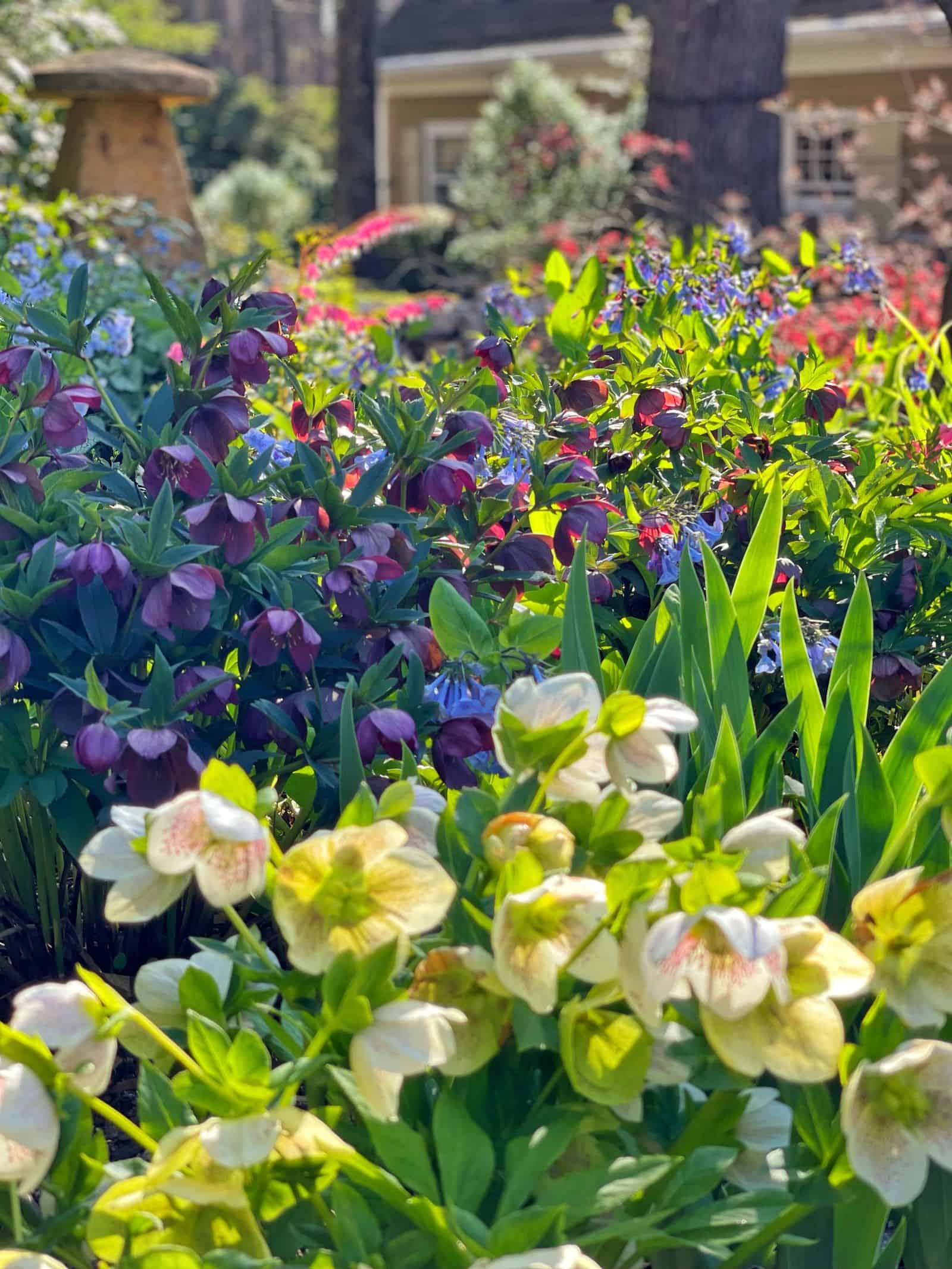
The Best Early Spring Perennials for First Color
Below is a curated list of early-season bloomers that perform consistently in Zone 6B. These include true early-spring perennials that bloom in April and early May, as well as the earliest mid-spring perennials that bridge the gap between bulbs and the stronger flush of color that arrives later in May.
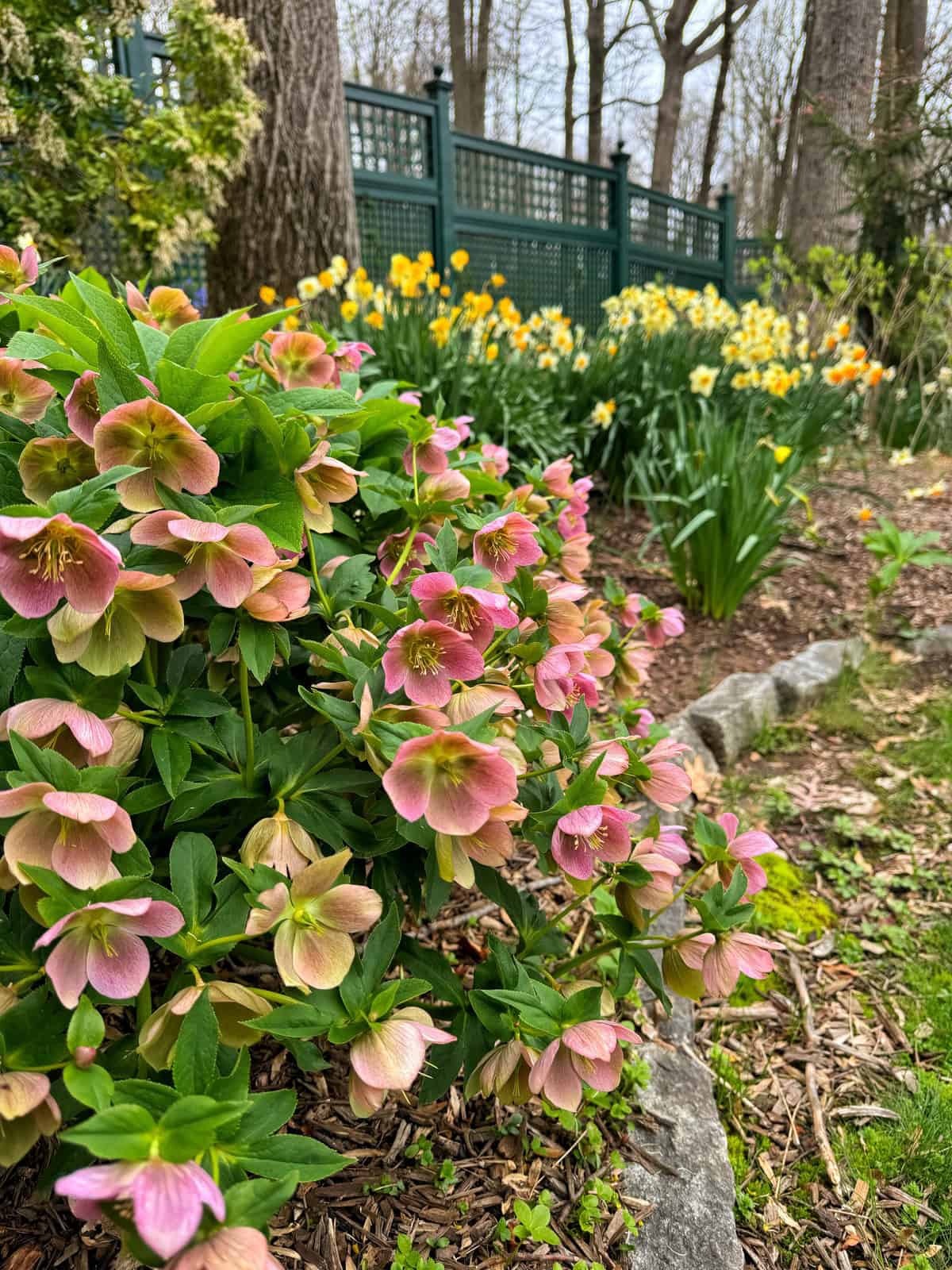
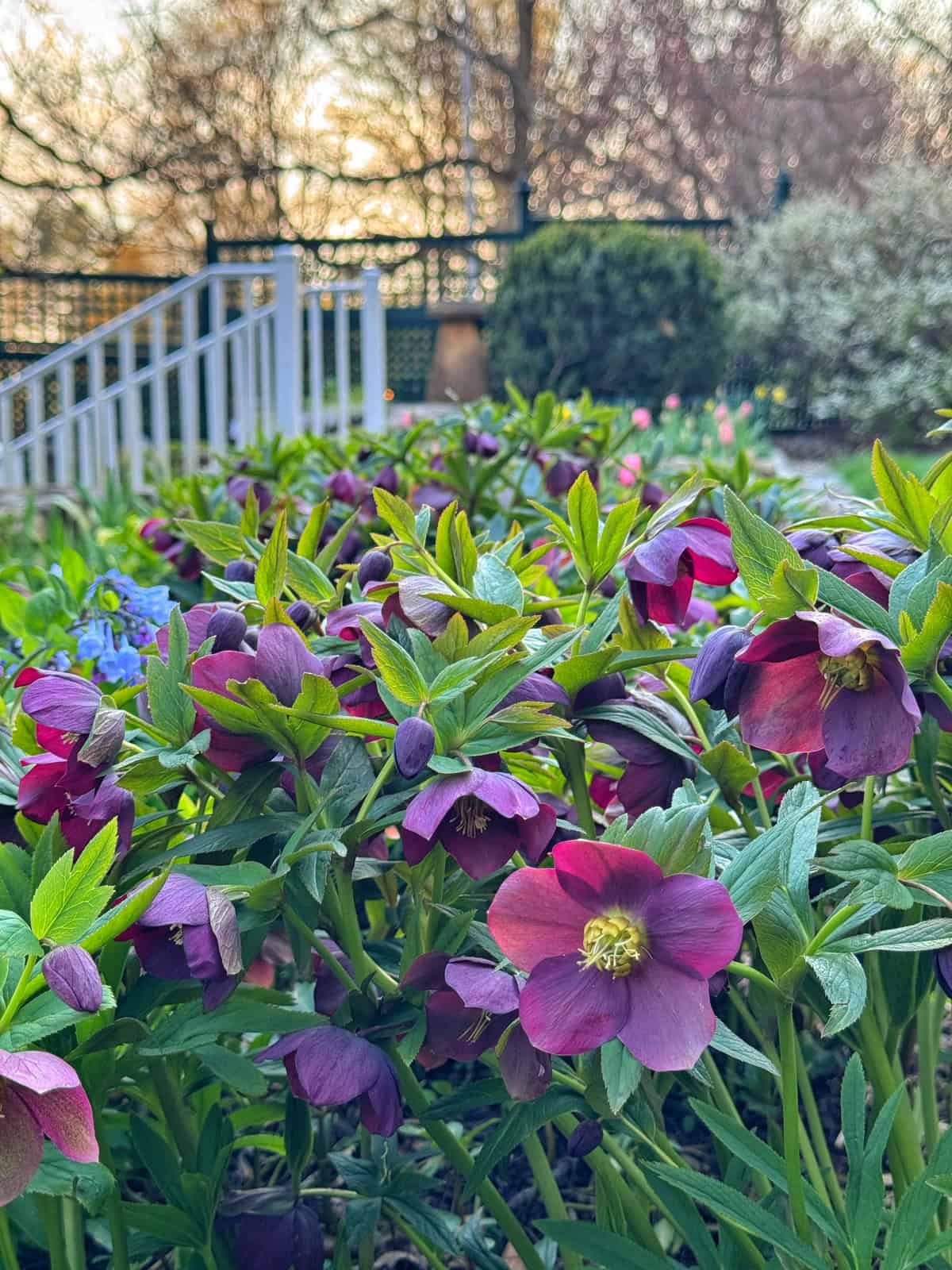
Hellebores (Lenten Rose)
Hellebores are often the very first perennial to bloom in my Zone 6B garden, sometimes flowering while snow is still on the ground. They handle cold snaps with ease and produce long-lasting blooms in pinks, whites, plums, yellows, and speckled varieties.
What I’ve learned:
- Bloom starts in late winter and extends through April
- Thrive in part shade and rich, well-drained soil
- Handle freeze–thaw cycles beautifully
- Require minimal care and return bigger each year
A mature clump can produce dozens of flowers that last for months. Once seed pods form, hellebores also make surprisingly long-lasting cut stems.
To learn more about how I grow lenten rose, please visit: How to Grow Hellebores
Brunnera (Siberian Bugloss)
Brunnera lights up shady areas with tiny sky-blue flowers just as the garden wakes up. While the blooms resemble forget-me-nots, the plant itself is incredibly hardy and offers beautiful foliage all season.
What I’ve learned:
- Blooms reliably in April
- Performs beautifully in part shade or dappled sun
- Tolerates clay soil well when amended with compost
- Spreads gently to create soft drifts in woodland borders
Varieties with silver or variegated leaves provide long-term visual interest after the blooms fade.
To learn more about how I grow siberian bugloss, please visit: How to Grow Brunnera

Bleeding Heart (Dicentra spectabilis)
Bleeding heart is one of the most romantic early spring perennials. With its arching stems and heart-shaped blooms, it adds height and softness to shady borders long before other plants emerge.
What I’ve learned:
- Begins blooming in late April and continues into May
- Thrives in moist, rich soil with partial shade
- Goes dormant by mid-summer, so pair it with hostas or ferns
- Foliage must be allowed to die back naturally for best performance
This perennial has performed beautifully in both of my gardens. It’s a staple for early color under trees.
To learn more about how I grow dicentra, please visit: How to Grow Bleeding Hearts

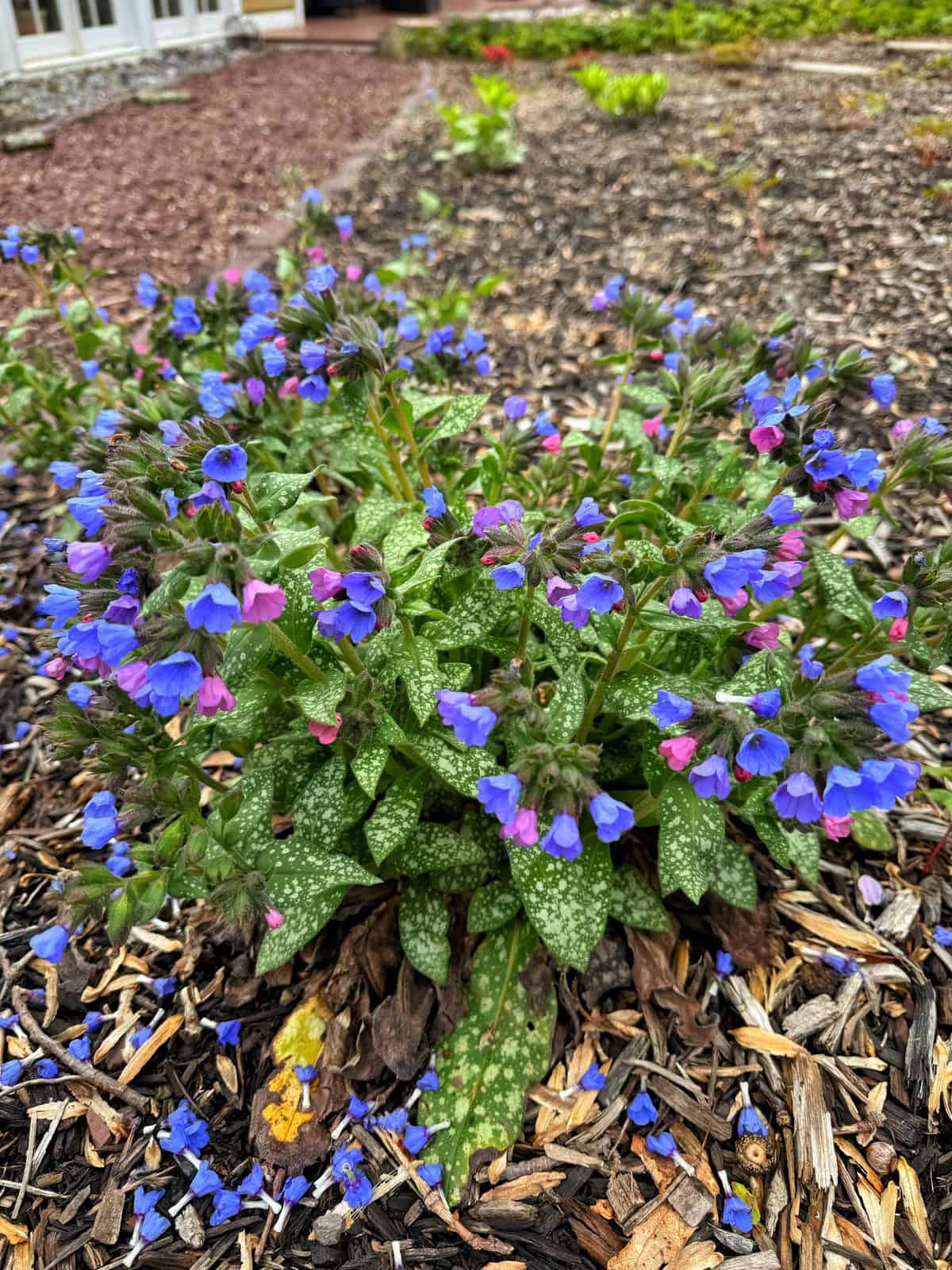
Lungwort (Pulmonaria)
Lungwort produces clusters of small, jewel-toned flowers in April and early May. Many varieties have speckled or silver foliage that adds texture to spring borders.
What I’ve learned:
- Thrives in shade to part shade
- One of the earliest nectar sources for pollinators
- Handles cool, damp spring weather well
- Extremely reliable once established
This plant fills the early-season gap beautifully in shady gardens.
Creeping Phlox (Phlox subulata)
In sunny gardens, creeping phlox is one of the best early spring bloomers. By late April, it forms a vibrant carpet of color across slopes, rock walls, or borders.
What I’ve learned:
- Needs full sun for best blooming
- Thrives in sandy or well-drained soil
- Benefits from light trimming after bloom
- Combines well with early bulbs and candytuft
It’s one of the easiest ways to get a big splash of early color in full sun.

Candytuft (Iberis sempervirens)
Candytuft is an evergreen perennial that explodes with clean white blooms in April. It brightens the front of sunny borders and pairs beautifully with creeping phlox. I haven’t grown it since moving here, but loved it in my former garden.
What I’ve learned:
- Prefers full sun
- Tolerates drought once established
- Blooms early and reliably every spring
- Needs trimming after flowering to maintain shape
A tidy, hardworking perennial for early-season interest.
Virginia Bluebells (Mertensia virginica)
Virginia bluebells are native spring ephemerals with pink buds that open to soft blue flowers in April. They naturalize beautifully in woodland settings.
What I’ve learned:
- Thrive in part shade and moist, rich soil
- Go dormant once heat arrives, so plant them with later fillers
- Look incredible massed under trees
- Draw early-season pollinators
They bring a soft, dreamy quality to spring gardens.

Early–Mid Spring Perennials Blooming Into May
These perennials start blooming in early May and usher in the first bigger flush of color. They’re not true “late-winter” bloomers, but they are essential for keeping the garden colorful before summer arrives.
False Indigo (Baptisia)
False indigo sends up tall spires of blue, purple, or yellow flowers beginning in mid-May. This plant is incredibly tough and long-lived once established.
What I’ve learned:
- Prefers full sun
- Extremely drought tolerant
- Slow to establish but worth the wait
- Adds height and structure early in the season
The seed pods provide bonus interest in late summer so leave them for interest.

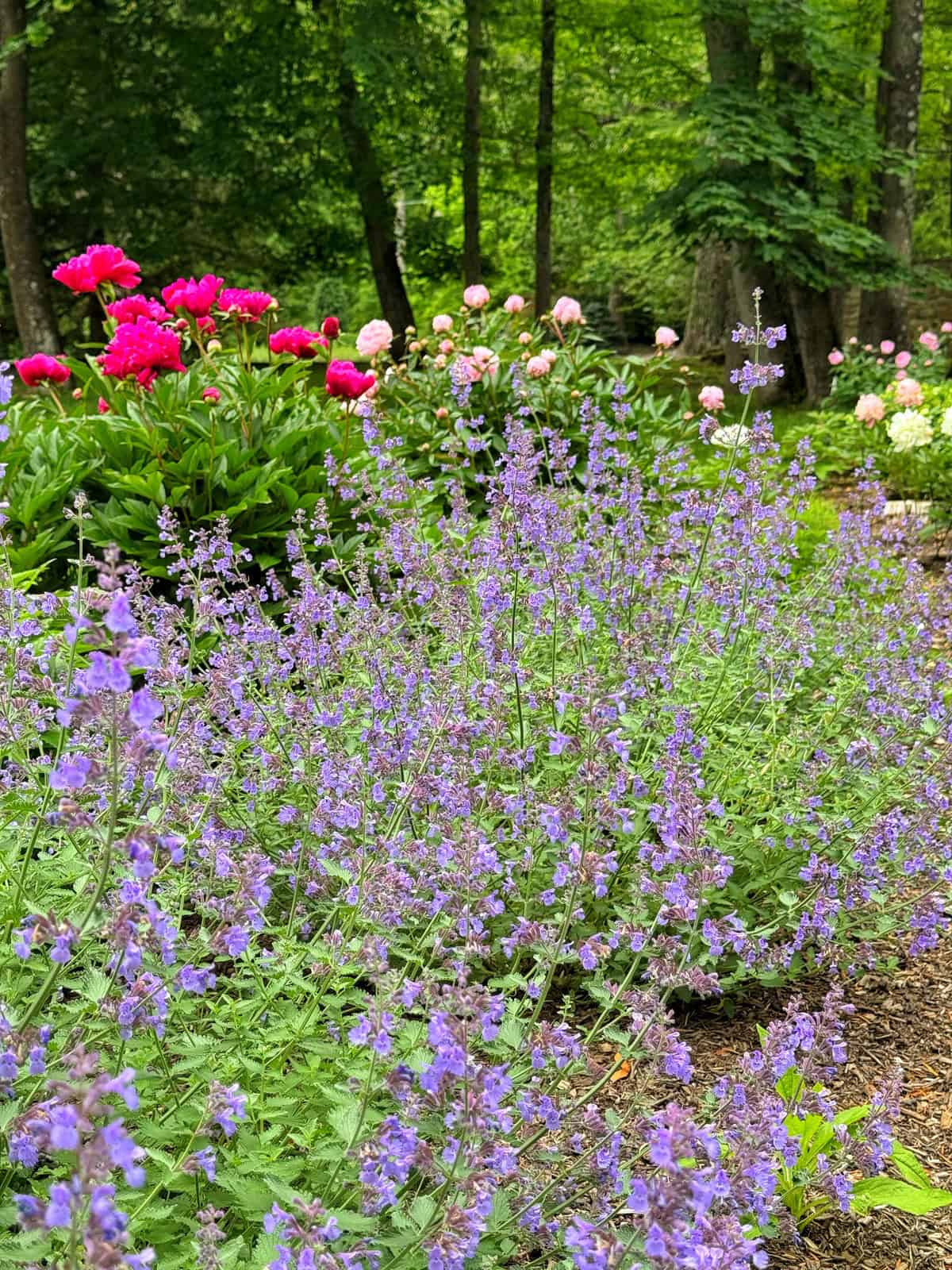
Nepeta (Catmint)
Nepeta begins blooming in early May and continues well into summer with minimal care. It’s one of the longest-blooming perennials I grow.
What I’ve learned:
- Handles heat, drought, and poor soil
- Blooms early, long, and heavily
- Easily reblooms after a quick shearing
- Thrives along walkways and border edges
It’s a foundational plant in my full-sun borders.
To learn more about how to grow catmint, please visit my guide: How to Grow Nepeta
Peonies
Peonies mark the beginning of early-summer blooms in Zone 6B, but their buds appear early and provide spring structure.
What I’ve learned:
- Need full sun and good airflow
- Do not remove foliage early (it weakens next year’s blooms)
- Should be cut in the marshmallow stage for best vase life
- Benefit from early staking
When peonies open in late May, it feels like the garden has officially woken up.
To learn how I grow peonies and keep the flowers upright, please see these guides:

Salvia
Salvia’s first flush arrives in early to mid-May and brings tall spikes of purple or blue that pair beautifully with iris and nepeta.
What I’ve learned:
- Prefers full sun and well-drained soil
- Responds well to cutting back after bloom
- Attracts early hummingbirds and bees
- Extremely reliable in both of my gardens
A great perennial for bridging early spring into summer.
To learn more about how I grow perennial salvia, please visit: How to Grow Salvia

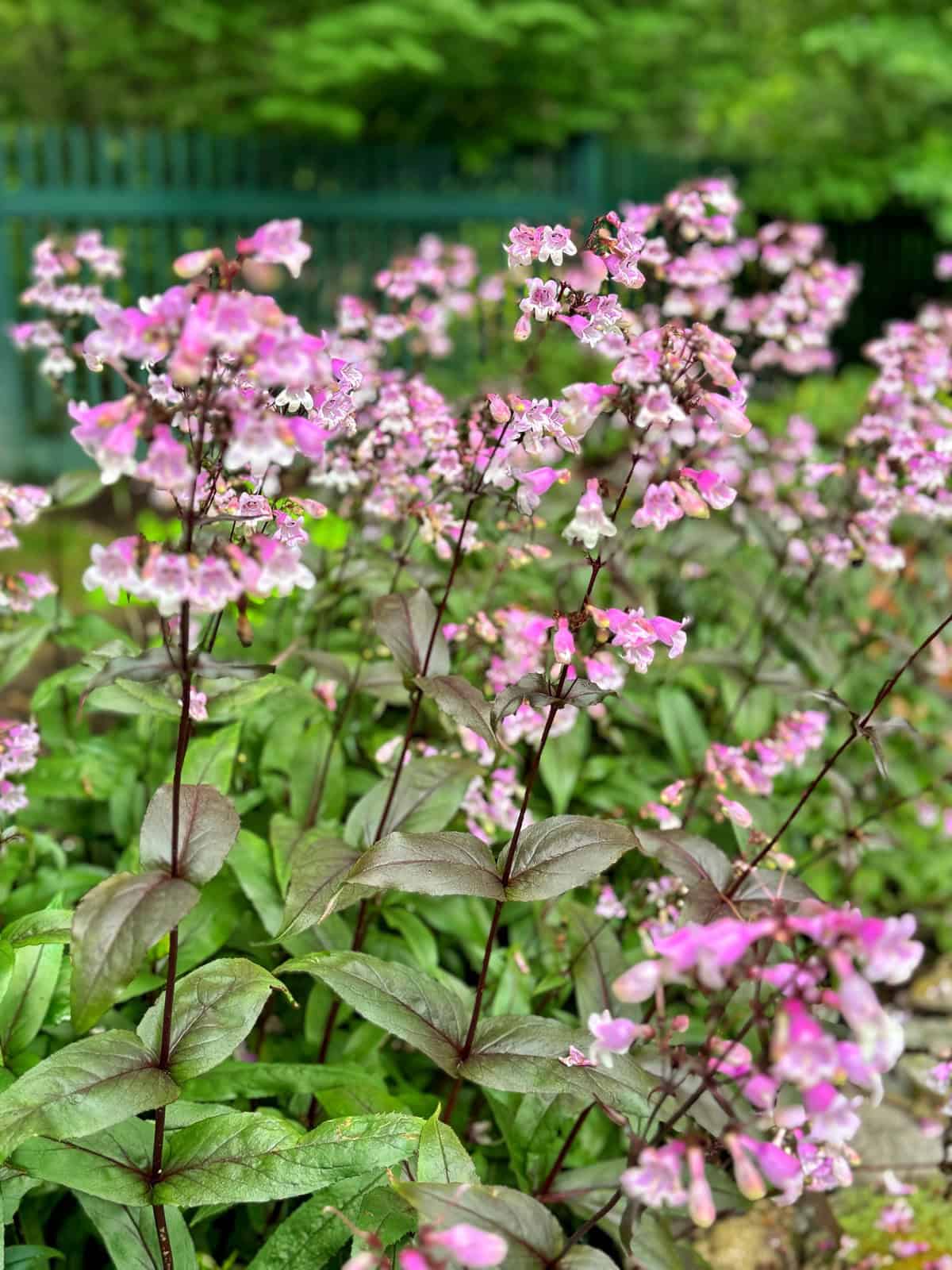
Penstemon
Penstemon begins blooming in mid-May with tall spires of tubular flowers in pinks, purples, whites, and reds.
What I’ve learned:
- Prefers full sun and lean, well-drained soil
- Highly attractive to hummingbirds
- Adds height and movement
- Performs beautifully in my sunny borders
A fantastic spring-to-summer transition plant.
Meadow Rue (Thalictrum)
Meadow rue produces airy, cloud-like flowers that hover above the garden in mid-May. It adds softness and elegance without overwhelming nearby plants.
What I’ve learned:
- Grows best in part shade
- Surprisingly hardy despite its delicate look
- Stays upright with good moisture and airflow
- Lasts several days as a cut flower
It’s a beautiful early-season textural plant.

Bearded Iris (Iris germanica)
Bearded irises are one of the most iconic May bloomers. Their dramatic flowers and arching foliage make them a must-have for early spring color.
What I’ve learned:
- Need full sun and excellent drainage
- Rhizomes must be planted shallowly
- Should be divided every 3 to 4 years
- Produce some of the most photogenic blooms in the garden
They create one of the strongest visual statements of May.
To learn how I grow bearded irises, please visit: How to Grow Bearded Irises

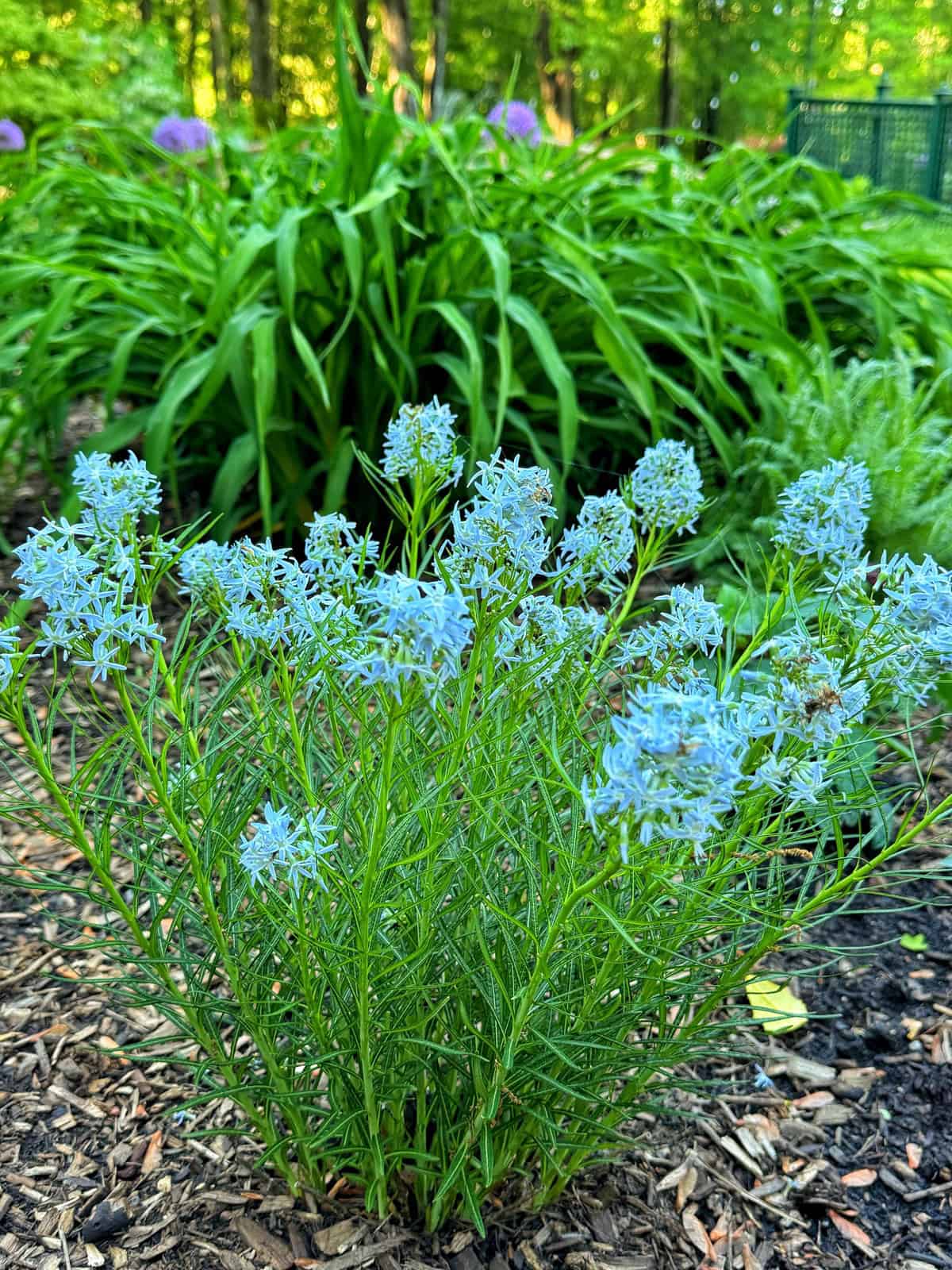
Amsonia (Bluestar)
Amsonia is a newer addition to my gardens, but it has quickly become a plant I reach for when I want structure and calm, upright form in early spring borders. Its soft blue flowers bloom in mid to late spring, followed by narrow, fine-textured foliage that carries the garden beautifully into summer.
What I’ve learned:
- Blooms in mid to late spring with delicate blue, star-shaped flowers
- Prefers full sun to partial shade and well-drained soil
- Forms an upright, clumping habit that adds strong structure to borders
- Requires very little maintenance once established
- Looks especially good paired with peonies, nepeta, and salvia
Amsonia is one of those perennials that quietly does a lot of work in the garden, providing form and stability long after its blooms fade.
How to Help Early Spring Perennials Thrive
Early spring perennials face some of the toughest conditions of the gardening year, including fluctuating temperatures, saturated soil, and sudden cold snaps. Over the years, I’ve learned that a few thoughtful practices early in the season make a big difference in how strong and reliable these plants are long-term
Plant in the Right Conditions
Early-blooming perennials are especially sensitive to poor drainage. When soil stays wet during cool spring weather, crowns and roots can rot before plants ever get going. Before planting, take time to improve drainage by loosening compacted soil and amending heavy clay. Even established plants perform better when excess water can move away from the root zone.
Add Organic Matter
In both of my Zone 6B gardens, early spring perennials have consistently performed best in soil enriched with compost or leaf mold. Organic matter improves soil structure, helping it retain moisture without becoming waterlogged. It also supports healthy root development and gives plants a strong foundation before flowering begins.

Protect During Sudden Frosts
Spring weather can be unpredictable, and tender new growth is often the most vulnerable. If a hard freeze is forecast after plants have emerged, covering them overnight with frost cloth, sheets, or overturned pots can help prevent damage. In my experience, hellebores and brunnera are very cold tolerant, while plants like bleeding heart and penstemon benefit from protection during late frosts.
In all of my years gardening, I’ve seen one really hard freeze after the last frost date. It was not pretty, but can happen! So it’s always a good idea to be prepared.
Clean Up Carefully
After blooming, early spring perennials rely on their foliage to photosynthesize and store energy for the next growing season. Cutting plants back too early or too aggressively can weaken them and reduce flowering the following year. I let foliage die back naturally whenever possible, removing it only once it has yellowed or collapsed on its own.
Pair with Later-Season Plants
Many early spring perennials fade or go dormant by early summer, which is completely natural. To keep borders looking full and intentional, pair them with later-emerging companions like hostas, ferns, nepeta, salvia, or other summer-blooming perennials. This layering approach ensures continuous interest without requiring extra maintenance.
If you need help designing your perennial layers, this resource may help: Perennial Garden Design.

Plan for a Garden That Comes Alive Early Every Spring
One of the greatest rewards of growing perennials is watching your garden wake up a little earlier each year. After nearly 30 years of gardening in Zone 6B, I’ve learned that those first weeks of spring are all about choosing dependable plants that return reliably and layering them so there’s always something beginning to bloom.
If you’re still deciding which perennials to grow or how to combine them for beautiful, season-long color, The Bricks ‘n Blooms Guide to a Beautiful and Easy-Care Flower Garden was written to take the guesswork out of garden planning. Inside, I share my favorite easy-care plants, ready-made garden plans, and the design principles I’ve used to create gardens that are both beautiful and manageable.
One habit that’s completely changed how I garden is keeping track of when each perennial begins blooming in my own landscape. The Bricks ‘n Blooms Beautiful and Easy-Care Flower Garden Planner includes dedicated sections for recording bloom times, garden layouts, plant performance, and seasonal observations so you can build on what you’ve learned instead of starting over each spring. Together, the book and planner give you the knowledge to choose the right plants and the system to create a garden that becomes more beautiful every year.
Final Thoughts on the Best Early Spring Perennials
Early spring perennials bring life to the garden when color is needed most. Whether you’re planting under trees, brightening full-sun borders, or looking for reliable structure after winter, these early bloomers are some of the most dependable plants you can grow. After decades gardening in Zone 6B, these are the varieties I trust year after year for reliable first color and a beautiful start to the growing season.
If you’d like to continue planning a perennial garden that thrives from spring through fall, these guides may help:
- Perennial Garden Design
- Why Perennials Fail to Bloom
- Midsummer Perennial Flowers
- Perennials for Cut Flower Gardens
Planning for continuous bloom means thinking beyond spring. Once early flowers finish, these Late Summer and Fall Blooming Perennials help keep the show going through autumn.
Thank you for visiting the blog today!
Enjoy your day! xo


Originally Published . Last Updated .
