
Why Perennials Fail to Bloom (And How to Fix It Fast)

Why aren’t your perennials blooming? Learn the most common causes and how to fix them so your garden thrives again.
If your perennials didn’t bloom this year or they produced only a few lackluster flowers, you’re not alone. Even healthy-looking plants can suddenly stop blooming, and it’s one of the questions I’m asked most often. After nearly thirty years of growing perennials in two different Zone 6B gardens, I’ve learned that bloom failure always has a reason behind it. Sometimes it’s as simple as too much shade. Other times, the plant is due for division, planted too deeply, or recovering from stress.
Once you understand what caused the problem, the fix is almost always straightforward. And the good news is that most perennials bounce back quickly once their needs are met.
If you’re new to perennial gardening or want to build a strong foundation, this post is a helpful companion: Perennials vs Annuals: What Should You Plant?
Here are the most common reasons perennials fail to bloom and exactly how to bring them back.
(Posts on stacyling.com may contain affiliate links. Click HERE for full disclosure.)

The Most Common Reasons Perennials Don’t Bloom
Before You Troubleshoot: Start With a Soil Test
Before digging into bloom problems, the first thing I always recommend is getting a soil test. When I volunteered on the Master Gardener helpline, this was one of the most common questions we were trained to ask right away because a simple soil test instantly reveals issues that can cause poor blooming, such as incorrect pH, nutrient imbalances, or overly rich nitrogen levels.
Many perennials are sensitive to soil chemistry, and problems aren’t always visible on the surface. A soil test tells you exactly what you’re working with so you can correct deficiencies, avoid over-fertilizing, and create the right conditions for flowering. Soil tests are available through your local cooperative extension and garden nursery.
1. Not Enough Sunlight
This is the number-one cause of bloom failure. Many perennials need at least six hours of direct sun to bloom well. Even if the plant used to receive full sun, nearby trees and shrubs can grow over time and gradually shade the bed.
Common sun-loving plants affected include coneflowers, Shasta daisies, black-eyed Susans, peonies, Russian sage, and phlox.
Signs your plant lacks enough sun include stretched, leggy stems, lots of leafy growth but no buds, blooms only on one side of the plant, or plants leaning toward the light.
How to fix it:
- Move the plant to a sunnier spot in early spring or fall. It is much easier to establish them when temps are more seasonal.
- Prune back nearby shrubs or tree branches.
- Replace with shade-tolerant perennials if the spot stays dim. For ideas, see my guide: Perennial Flowers for Your Shade Garden.

2. Too Much Nitrogen
Overfertilizing is a very common issue. Perennials do not respond to fertilizer the way annuals do. And excess nitrogen produces lots of lush foliage at the expense of blooms.
This often happens when lawn fertilizer leaches into adjacent beds, when fresh manure is used, or when synthetic fertilizers are applied too frequently. If you aren’t sure whether this is the issue or not, I recommend taking a soil test to see.
Plants commonly affected include phlox, daylilies, coreopsis, salvia, and yarrow.
How to fix it:
- Stop fertilizing immediately.
- Add compost, leaf mold, or aged mulch instead of fertilizer.
- Water deeply but less frequently to encourage deeper root systems.
In my own gardens, I rarely use fertilizer on perennials at all. They actually do more harm than good because they act kind of like a steroid. This artificial bump in nutrients produces a lot of new growth, but that is more susceptible to problems. Building healthy soil with compost and mulch has given me the best bloom performance over the years and it is a more organic way to feed your garden.
The only time I use fertilizer with perennials is when I grow them in pots. And that is because over time, nutrients wash out and those plants need the supplemental feeding to thrive.
3. The Plant Needs Dividing
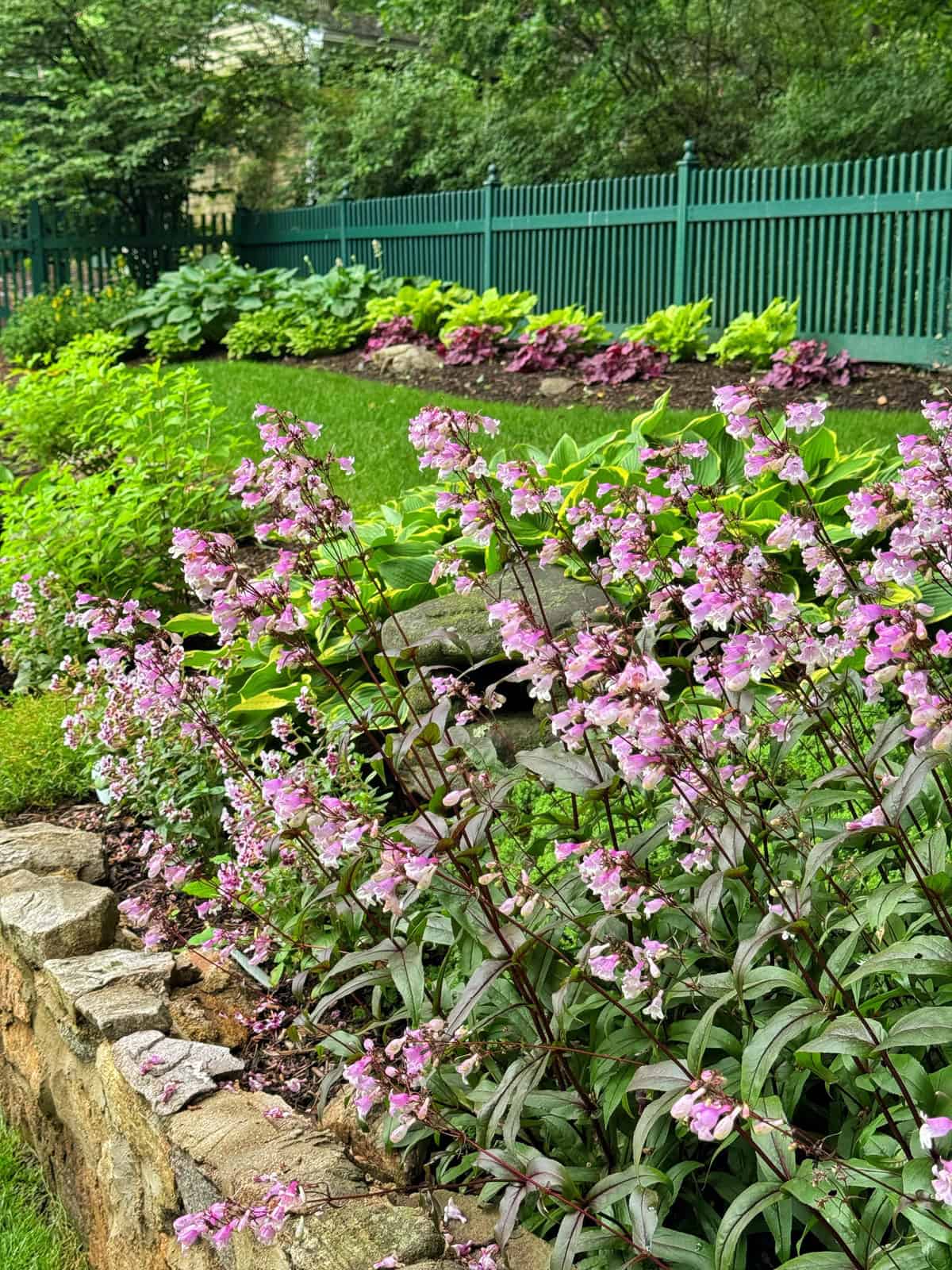
Over time, perennials become crowded or woody in the center. When this happens, the crown becomes less productive and stops sending up bloom stalks. This is extremely common in vigorous growers like coneflowers, rudbeckia, sedum, hostas, and ornamental grasses.
The classic sign is the “donut” shape, a healthy outer ring with a dead or empty center.
How to fix it:
- Divide the plant in early spring or fall.
- Replant the outer, younger sections.
- Amend the soil with compost before replanting.
If you need additional help, here is a step-by-step guide: Dividing Perennials 101.
4. The Plant Is Too Young
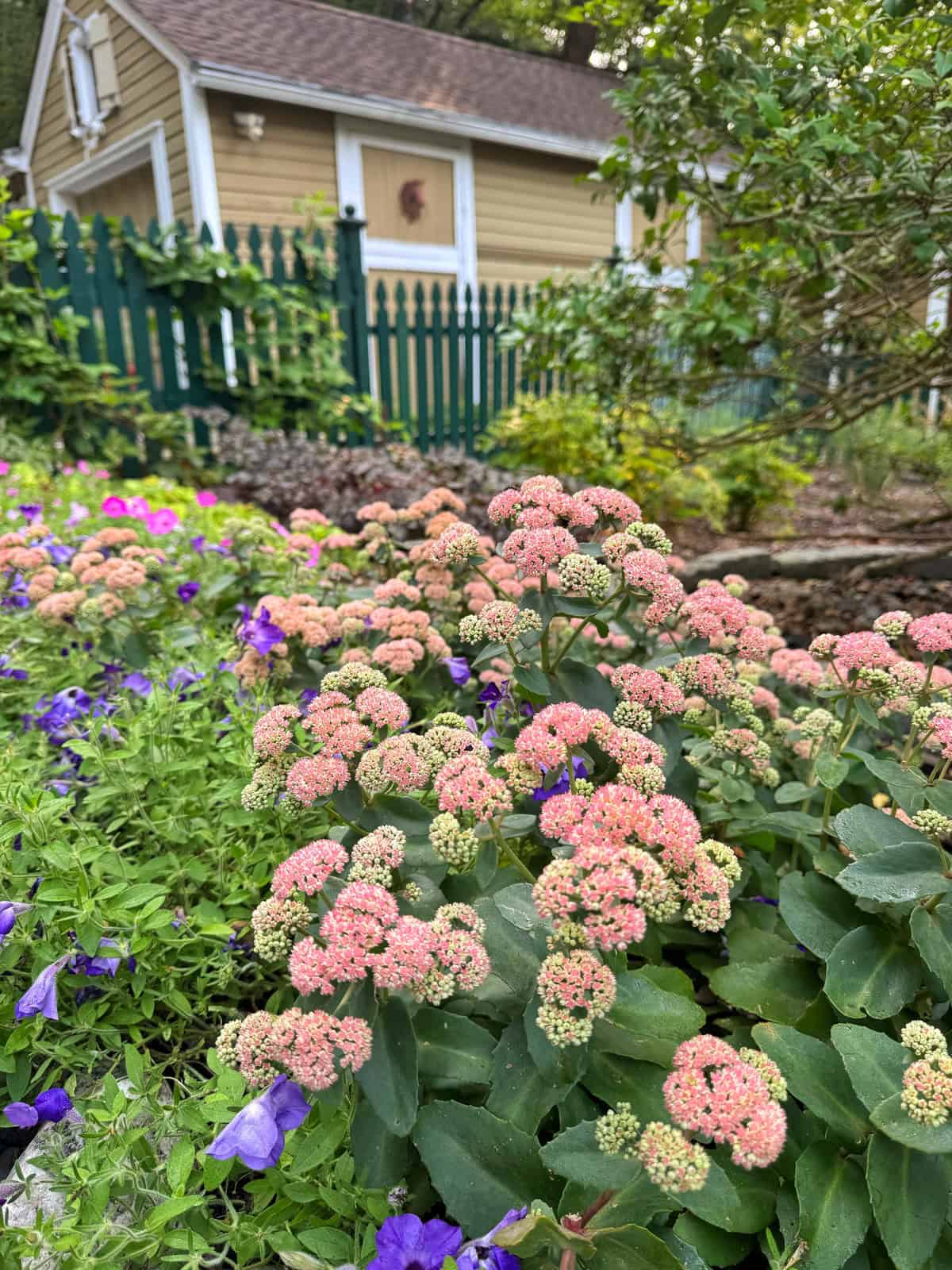
Some perennials simply need time before they will bloom well. Peonies may take up to three years to flower. Newly transplanted perennials may skip a season while establishing roots. And many long-lived perennials prioritize foliage and root growth before flowering.
How to fix it:
- Avoid fertilizing young plants.
- Keep soil evenly moist during the first season.
- Give them a full growing season (or two) to settle in.
If the plant looks healthy overall, youth may be the only issue. In my former garden, I noticed some plants (like peonies) took a while to flower. Some longer than others. Patience is key! And oftentimes, well worth the wait.
5. Incorrect Planting Depth
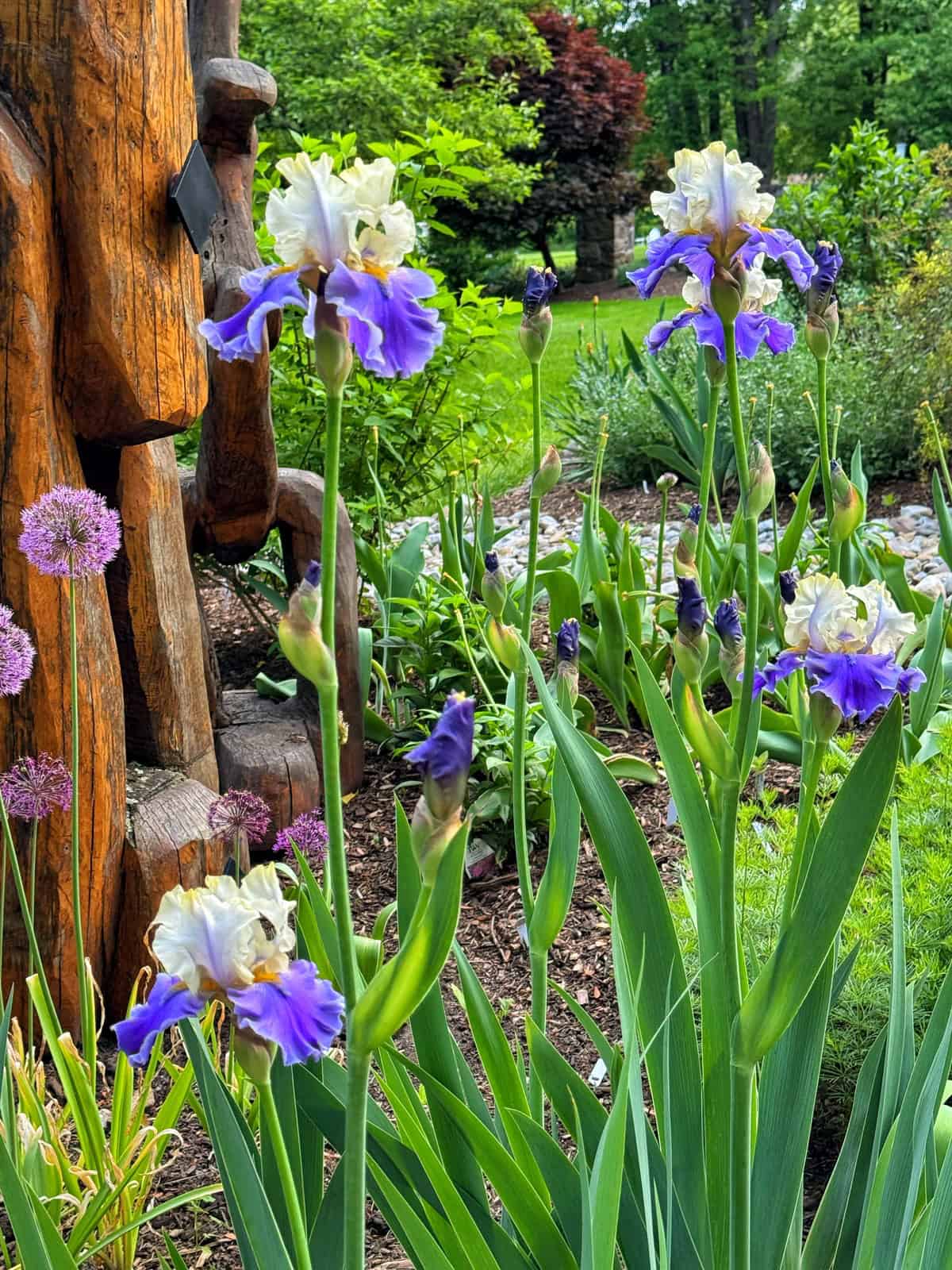
Planting depth is a very common but often overlooked reason perennials don’t bloom.
Examples:
- Peonies planted too deeply will not bloom.
- Iris rhizomes must be partially exposed.
- Crowns buried under heavy mulch can rot.
How to fix it:
- Replant peonies with eyes no deeper than one to two inches. To learn more about how to properly plant your peonies, read my post here: Planting Peonies
- Expose iris rhizomes to sunlight. To learn more about how to properly plant bearded irises, read my post here: How to Plant Bearded Iris
- Pull mulch away from crowns and stems.
- Improve drainage if soil is heavy or compacted.
This made a huge difference in my second garden, where pockets of clay soil caused multiple plants, especially peonies and iris, to struggle until replanted with better quality soil and proper planting technique. I keep any eye on my bearded iris rhizomes throughout the season, cause even one good storm can completely wash mulch right over the plants and prevent them from getting the sunlight needed to flower.
6. Too Much or Too Little Water
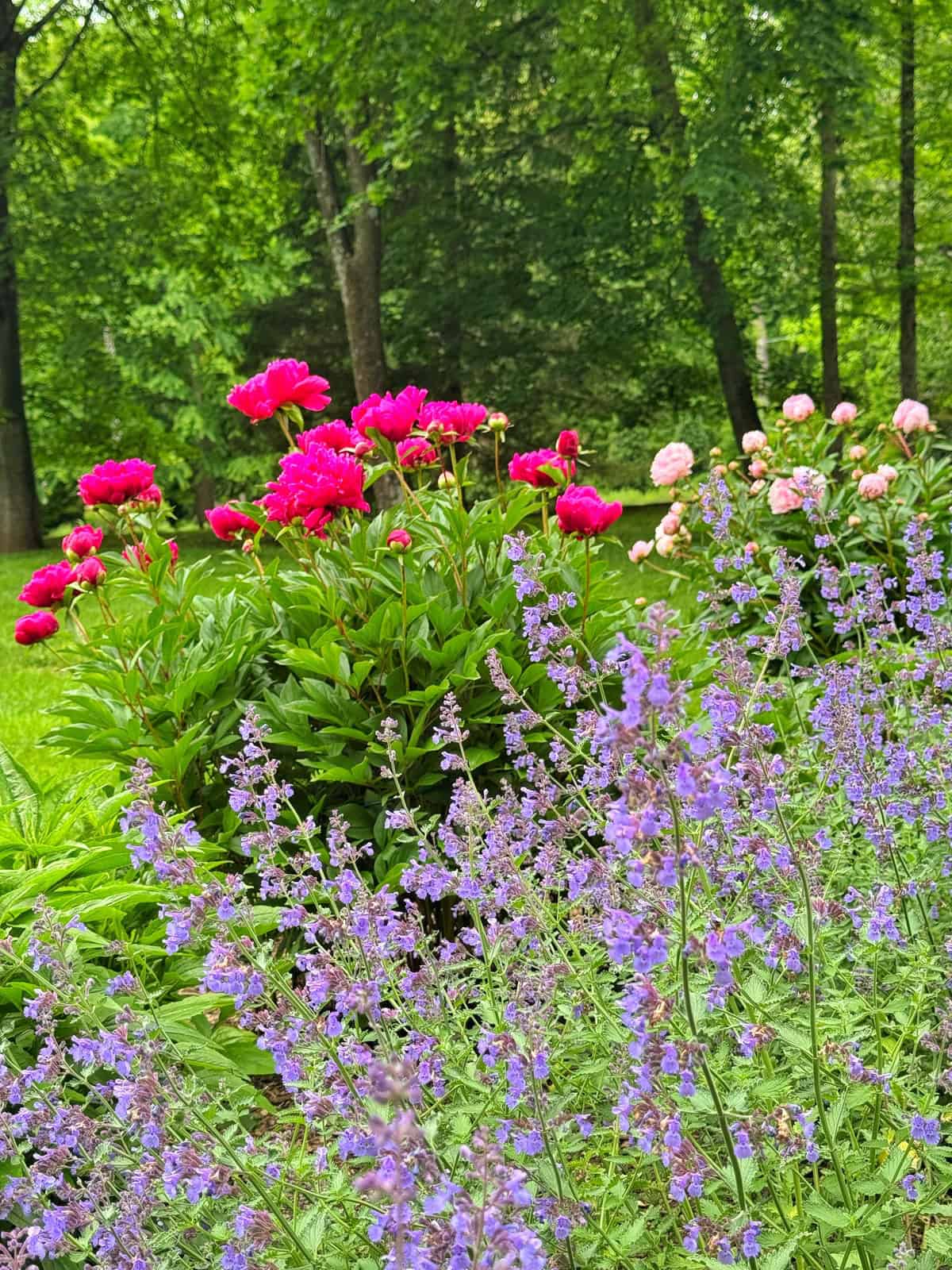
Stress at the root level can cause perennials to skip blooming entirely. Too little water early in the season can cause buds to abort. Too much water can suffocate roots and limit bud development.
How to fix it:
- Water deeply but infrequently.
- Improve drainage with compost or grit if soil stays wet.
- Avoid overhead watering for plants prone to mildew.
If you want more watering tips, see my guide on watering best practices.

7. Cutting Back Too Early Weakens the Plant
Most herbaceous perennials won’t lose next year’s buds from pruning the way some shrubs do. Instead, the issue is cutting them back too early, before the plant has had time to store enough energy in its roots. When the foliage is removed prematurely, the plant can struggle to produce strong stems and blooms the following year.
Perennials affected include:
- Peonies (never remove foliage until it yellows naturally)
- Bleeding hearts (let foliage die back on its own)
- Columbine (cut back only after seedheads mature)
- Tall phlox (wait until blooms fade and foliage declines)
- Daylilies (avoid cutting fresh, green foliage)
How to fix it:
- Allow foliage to remain until it naturally yellows or collapses.
- Avoid aggressive mid-summer cutbacks unless the plant is done blooming.
- When in doubt, leave the green foliage — it’s feeding the plant.
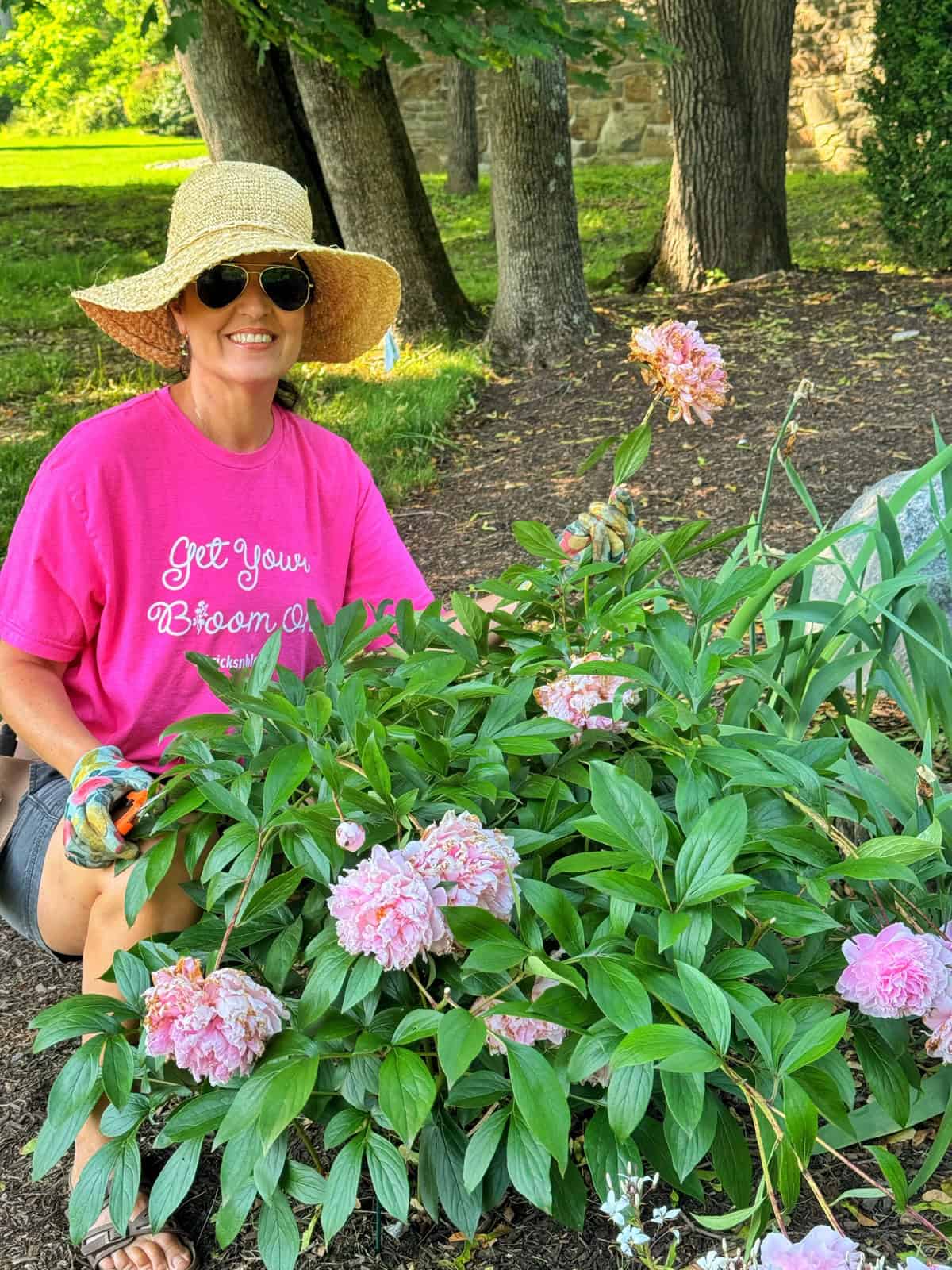
In my zone 6b garden, I typically wait until the plant looks really bad before cutting them bad. When planting them, I consider moving them to middle or back of the border so it’s easier to conceal dieback foliage with other plants.
8. Pests or Disease Are Stressing the Plant
Plants under stress often divert energy away from blooming.
Common issues:
- Powdery mildew on phlox
- Slugs on hostas
- Rabbits eating yarrow.
- Deer browsing buds
- Root rot in poorly drained soil
How to fix it:
- Use organic controls like neem oil for powdery mildew.
- Protect early-season foliage with wire cloches or repellents. For deer, I use this deer repellent and rabbits, I use this one.
- I use this organic slug bait to foliage from slug damage. Works great!
- Improve airflow by dividing or spacing plants properly.
- Add compost to encourage stronger, healthier growth.
If you want help diagnosing midsummer issues, my Midsummer Perennial Flowers post includes notes on common stressors.

9. Wrong Plant for Your Zone
Some perennials struggle to bloom reliably if they are barely hardy in your zone or mismatched to your climate. A plant that thrives in Zone 5 may behave differently in Zone 6B heat and humidity.
How to fix it:
- Choose varieties proven for your zone and microclimate.
- Match the plant’s needs to the location (sun, soil, moisture).
- Replace chronic underperformers with more reliable choices.
My guides on perennial flowers for shade, midsummer perennial flowers, and perennials for cut flower gardens are helpful when choosing reliable performers for different parts of your garden.
10. Incorrect Expectations About Bloom Time
Sometimes the plant is doing exactly what it should but you’re just expecting blooms at the wrong time.
Examples:
- Many perennials bloom only for two to four weeks.
- Some bloom once; others bloom in cycles.
- Seasonal drift in weather can shift bloom times.
If you need help with bloom sequencing, here are useful guides:
- Perennial Flowers for Shade (spring to fall coverage)
- Midsummer Perennial Flowers
- Late-Fall Perennials (coming soon)
How to Get Perennials Blooming Again
If you’re not sure which issue is the culprit, these simple steps revive most underperforming perennials:
- Divide overcrowded plants in spring or fall.
- Move sun-loving plants to brighter areas.
- Stop fertilizing and use compost instead.
- Improve drainage with organic matter.
- Water deeply and less often.
- Cut stems deeply when harvesting or deadheading.
- Refresh mulch, but keep it off the crown.
- Remove diseased or damaged foliage early.
These steps alone resolve the vast majority of bloom problems.

When to Replace a Perennial Instead of Fixing It
Sometimes replacing the plant is the best choice. Consider replacing a perennial when:
- It hasn’t bloomed for more than two to three years.
- It continually battles pests or disease despite treatment.
- Deer pressure is too high for that variety.
- It’s planted in the wrong spot and you can’t change the conditions.
- The plant simply isn’t suited to your growing zone.
Gardens evolve, and replacing underperformers with reliable, high-return perennials is part of long-term success. It is okay to let a plant go for one that is much easier to grow! I do this all the time in my gardens to get maximum bloom performance from perennial plants.

Final Thoughts
Bloom issues can be frustrating, but they’re almost always fixable. After decades of growing perennials in two different Zone 6B gardens, I’ve learned that plants tell you exactly what they need once you understand how to read the signs. Whether it’s adjusting sunlight, dividing an overcrowded clump, improving drainage, or simply giving a young plant time to mature, small adjustments lead to big improvements.
And as you learn the natural rhythms of your garden, troubleshooting becomes second nature. If you’re building out your perennial knowledge, you may also enjoy my foundational guide: Perennials vs Annuals: What Should You Plant?
Let me know what perennial is giving you trouble. I’m happy to help you troubleshoot it! Ask me in the comments below so we can chat more!
If you would like to explore more perennial gardening ideas, here are some related posts:
- Perennials vs Annuals
- Dividing Perennials 101
- Perennial Garden Design
- Perennial Flowers for Shade
- Midsummer Perennial Flowers
- Best Perennials for Full Sun
- Why Perennials Fail to Bloom (And How to Fix It)
- Top Perennials for a Cut Flower Garden
- How to Renew an Aging Perennial Border
- Low-Maintenance Cottage Garden Ideas
Thank you for visiting the blog today!
Enjoy your day! xo

Originally Published . Last Updated .
