
Top Perennials for a Cut Flower Garden: Easy, Reliable Blooms for Seasonal Bouquets

Grow beautiful cut flowers year after year with these easy, reliable perennials. Learn my favorite long-lasting bloomers for a productive, low-maintenance cutting garden.
If you’re building a cut flower garden, you might assume the best blooms come from annuals like zinnias, cosmos, celosia, and dahlias. And while those annuals are incredible performers, there’s a whole other category of plants that often gets overlooked in cutting gardens: perennials.
As a gardener in Zone 6B for nearly thirty years, I’ve grown hundreds of flowers across two very different properties. And one thing I’ve learned is that perennials are the secret to creating a cutting garden that’s not only beautiful but also lower maintenance and dependable year after year. They reduce the amount of seed starting you need to do, they fill your garden with structure and texture, and they offer incredible seasonal color without the yearly workload of growing everything from scratch.
If you’re new to cut flower gardening, you might find this helpful: Cut Flower Gardening for Beginners. And if you’re still learning how annuals and perennials complement each other, check out my perennial pillar post here: Perennials vs Annuals.
Now let’s explore why perennials are such a smart and beautiful addition to your cutting garden and which ones I consider my favorites after decades of growing.
(Posts on stacyling.com may contain affiliate links. Click HERE for full disclosure.)
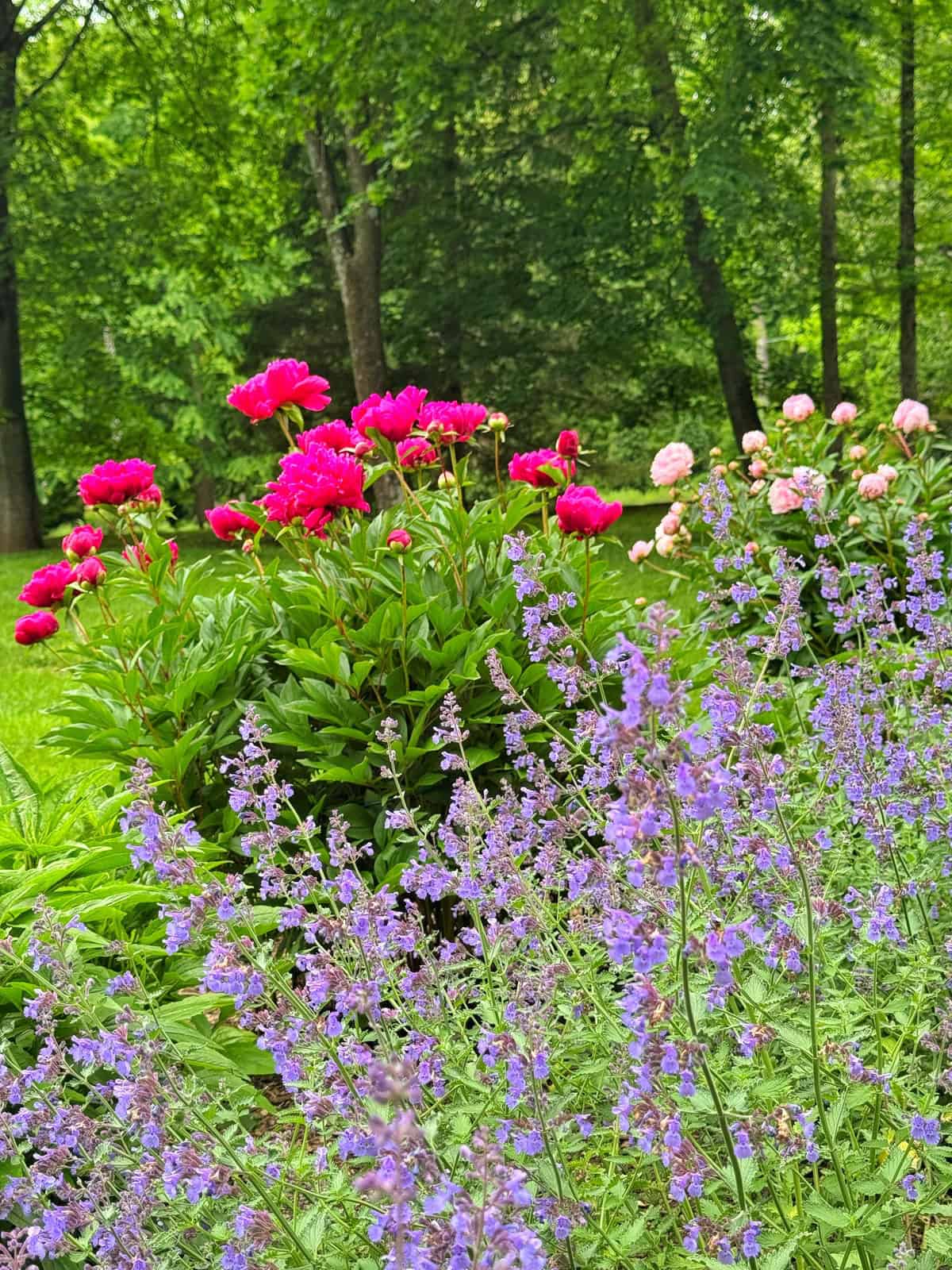
Why Perennials Belong in a Cut Flower Garden
Annuals tend to steal the spotlight in cut flower gardens, but perennials quietly do the heavy lifting. Here are a few reasons why they deserve a place in your bouquet garden:
They come back every year
Perennials save you from starting absolutely everything from seed each season. Once they’re established, their blooms return with very little effort on your part.
They add structure and texture
Unlike annuals, which are often planted in rows or blocks, perennials give your garden backbone. Tall, medium, and low growers contribute to a full, layered look while also providing fantastic stems for arrangements.
They offer long-lasting foliage
Perennials like hostas, heuchera, and Solomon’s seal provide some of the most reliable filler foliage for bouquets.
They fill seasonal bloom gaps
Some perennials bloom earlier or later than annuals, helping you keep the bouquets coming from spring through fall.
They’re low maintenance
Once established, many perennials tolerate heat, humidity, and variable weather far more easily than annuals.
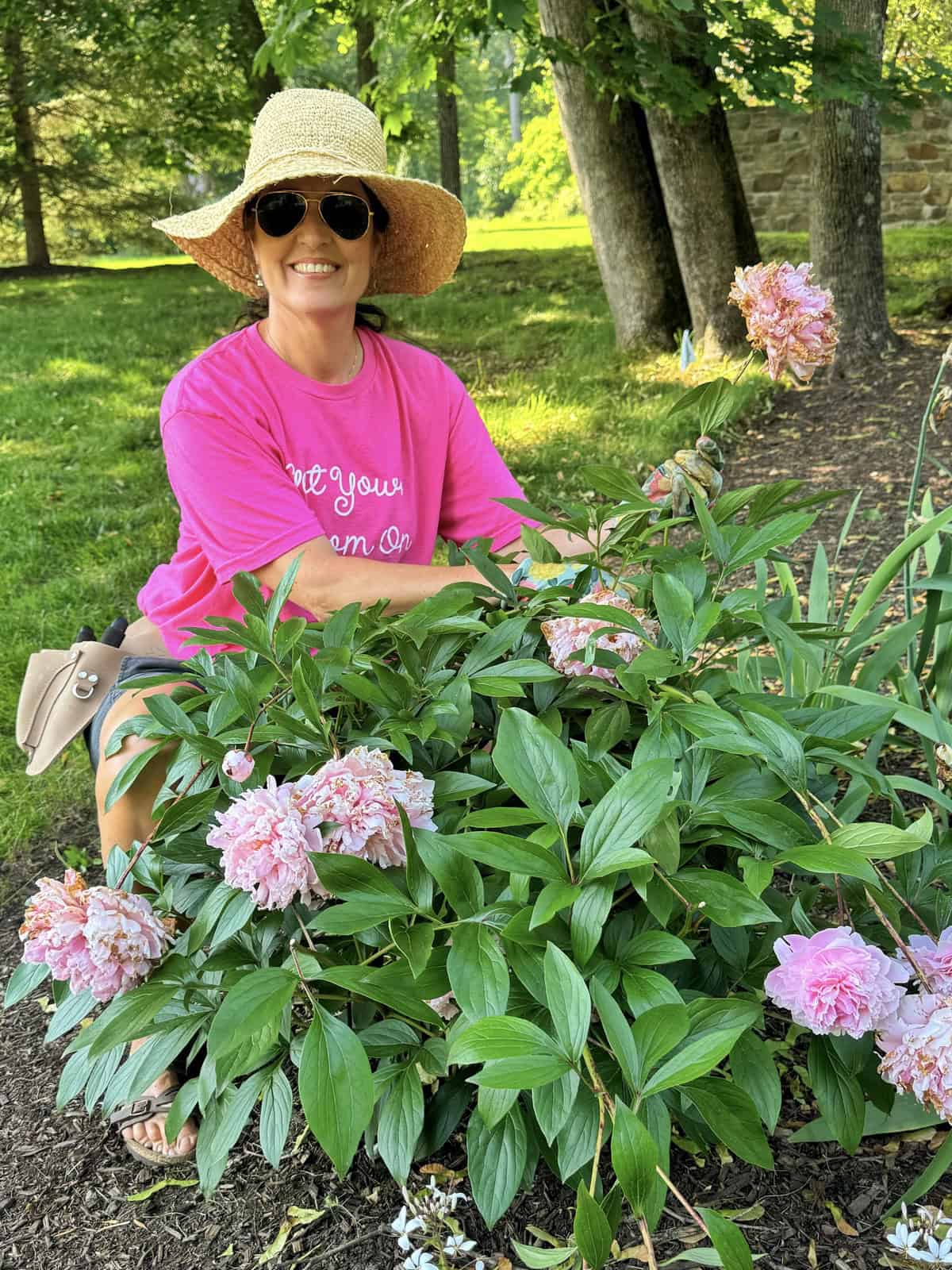
My Experience Using Perennials for Cut Flowers
I’ll be honest. For a long time, I struggled with the idea of cutting perennials for arrangements. I loved how they looked in the garden and didn’t want to ruin the display by taking too many stems. So I mostly relied on annuals for bouquets.
But as I expanded my gardens over the years, I learned a few things. First, cutting most perennials actually encourages better reblooming and stronger growth (nepeta and salvia, I’m looking at you!). Second, the right perennials can completely level up a homegrown bouquet with movement, texture, and seasonal beauty. Third, you can easily grow perennials in drifts so you always have extras to cut. Planting three to five of each perennial means you can cut a few stems while still leaving plenty of color and structure in the landscape.
Perennials now play a huge role in my cutting gardens. And in my current Zone 6B garden, where I grow an abundance of flowering shrubs, perennials, and annuals, these perennial plants have become some of my most dependable bouquet ingredients.
Here are the best ones to add to your cutting garden.
Top Perennials for Cut Flowers
These are the perennial flowers I reach for again and again when I’m gathering stems for seasonal bouquets. These perennials aren’t in any particular order. They’re simply my favorites after nearly 30 years of growing flowers in Zone 6B.
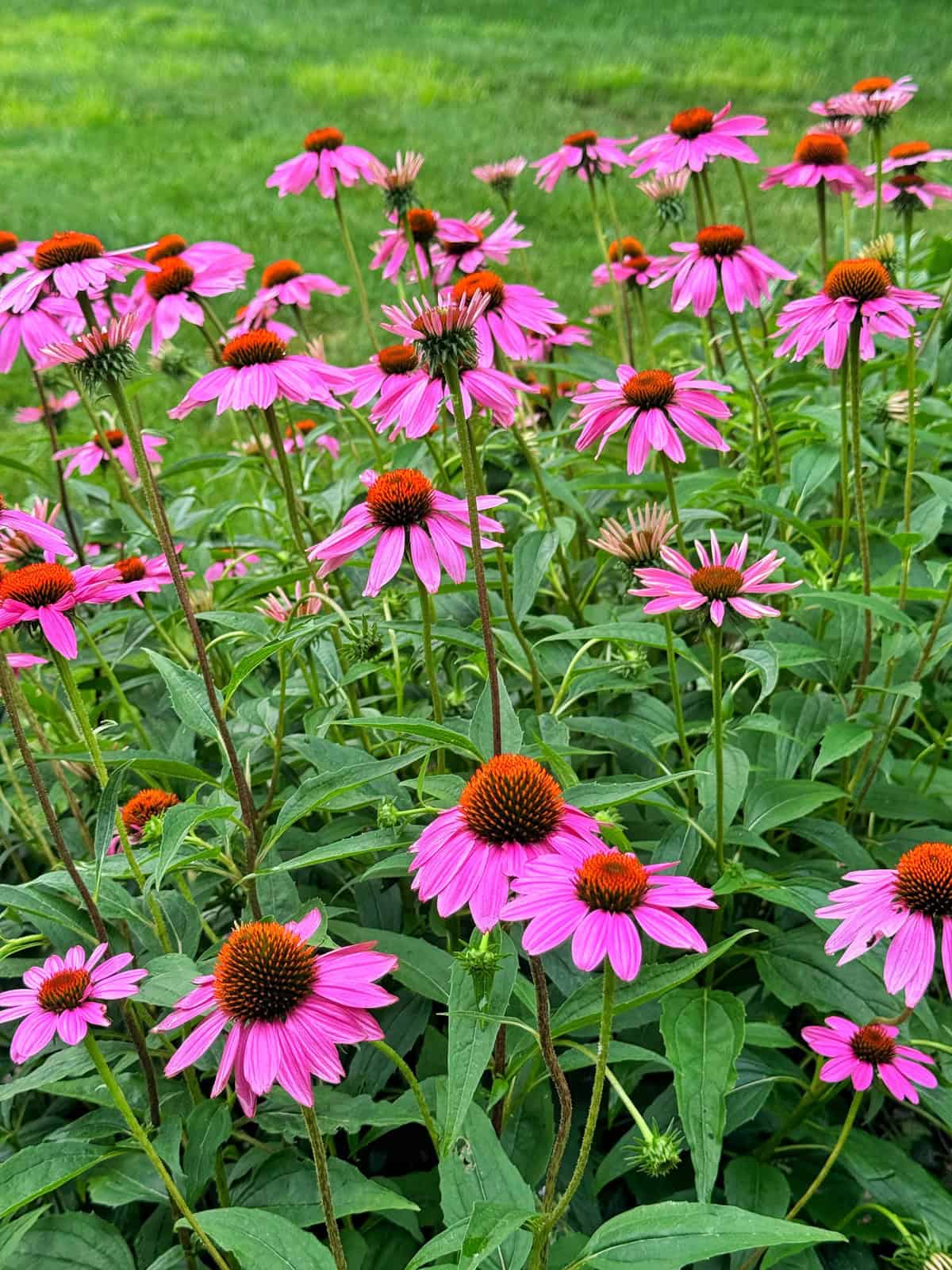
Coneflowers (Echinacea)
Coneflowers add bold color and sturdy structure to bouquets. Their unique centers add texture and interest, while their long stems make them easy to arrange. They’re also incredibly reliable in Zone 6B and bloom from midsummer through fall with proper deadheading. When I leave the seed heads up to feed the birds, I’ve found they spread more easily in my gardens.
Learn how I grow coneflowers here: Purple Coneflower Care
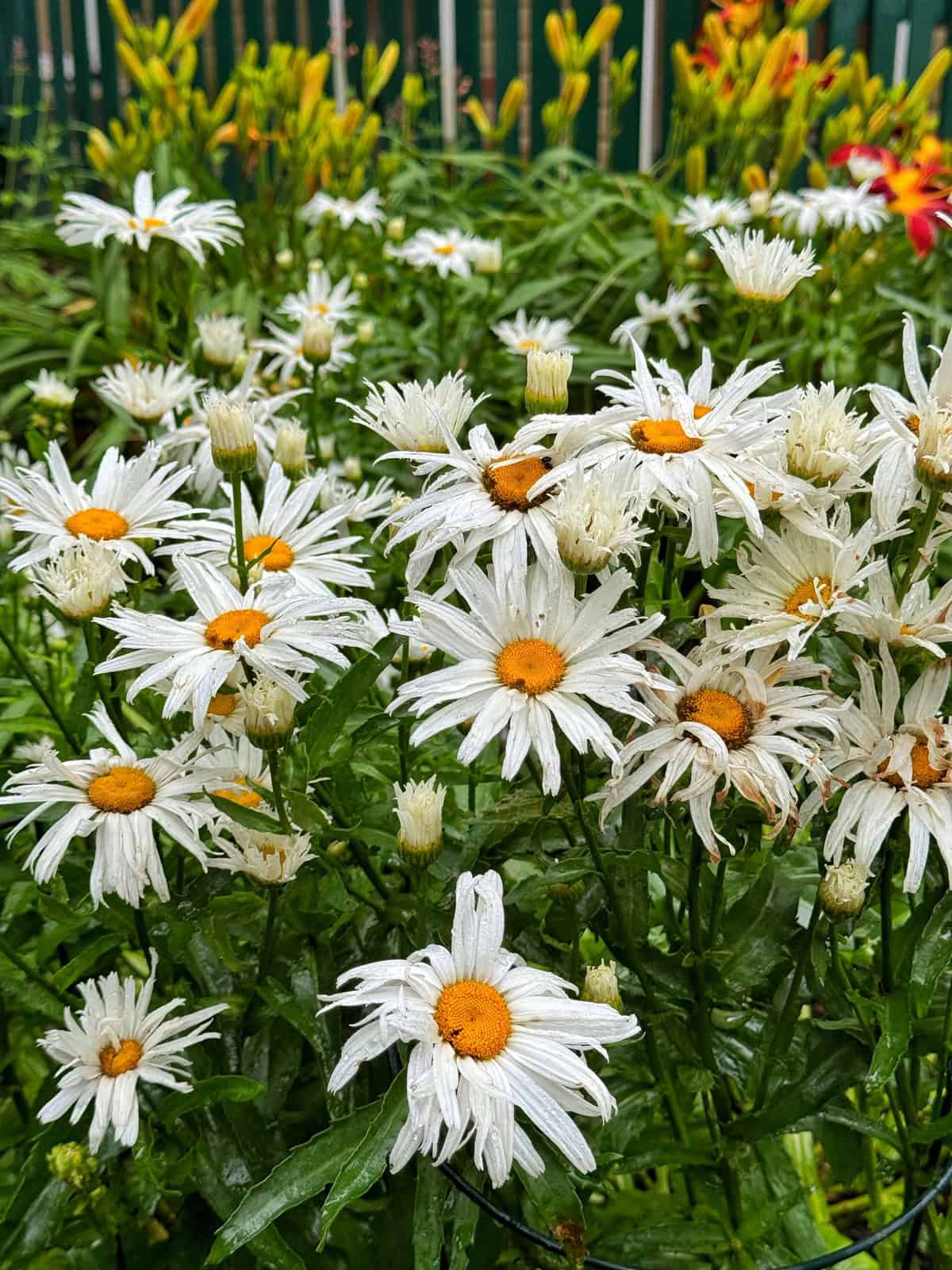
Shasta Daisies (Leucanthemum)
Shasta daisies are a timeless cut-flower favorite, and for good reason. Their bright white petals and sunny yellow centers bring instant cheer to any arrangement, adding a clean, crisp look that pairs beautifully with both bold and delicate blooms. The stems are sturdy and reliable, making them easy to work with, and their vase life is surprisingly long for a perennial.
In my Zone 6B garden, Shasta daisies are true workhorses from early to midsummer. They grow best in full sun with well-drained soil, and regular deadheading keeps the blooms coming. I love cutting them when the flowers are fully open and fresh, as they hold up beautifully in both rustic cottage-style bouquets and more formal arrangements. They’re also excellent plants to divide every few years, which gives you even more stems to grow and cut.
Yarrow (Achillea)
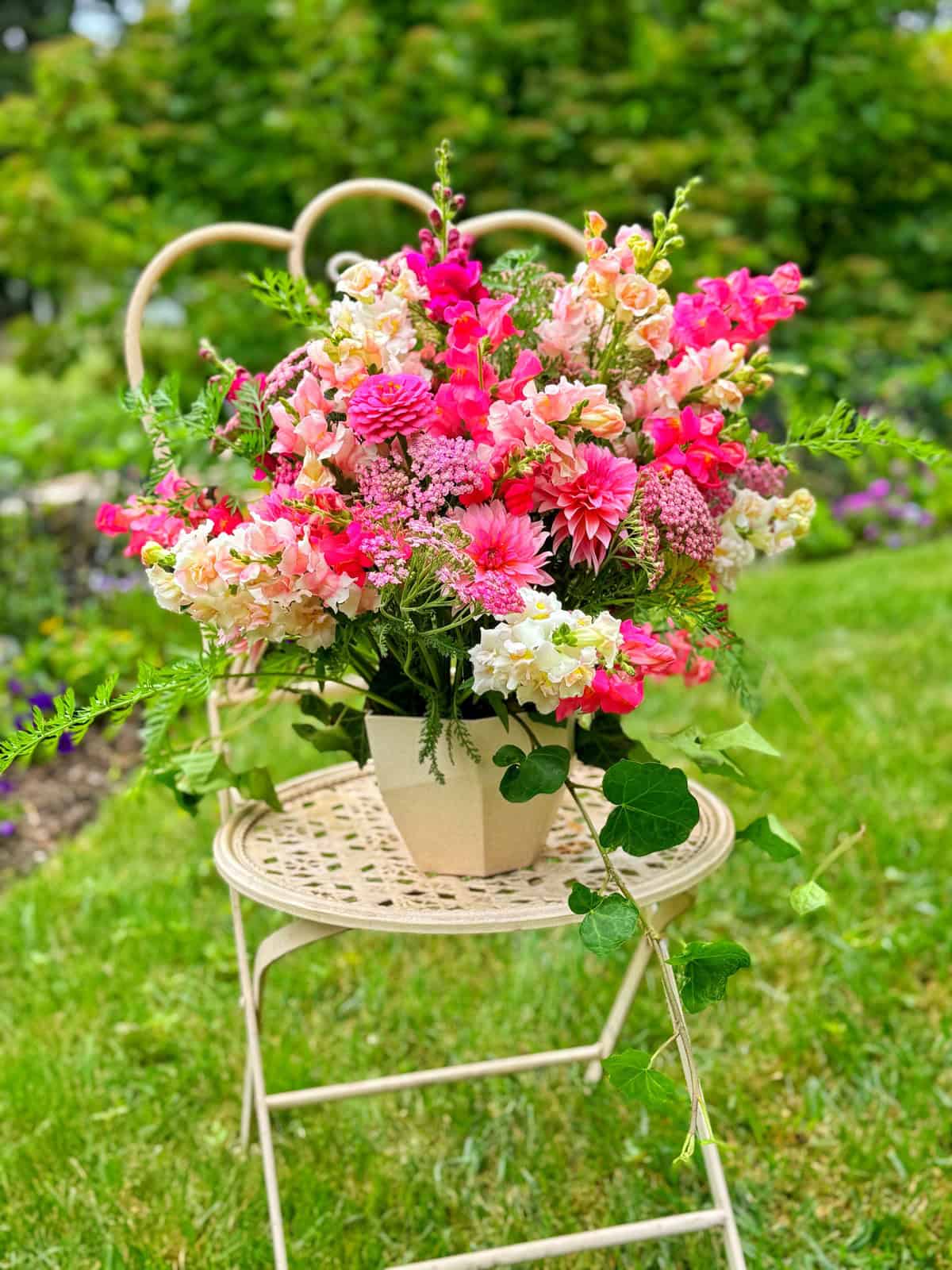
Yarrow is one of the hardest-working perennials you can grow for your cut flower garden. Its flat-topped umbels act like ready-made bouquet fillers, adding structure, softness, and a beautiful, natural texture to arrangements. The flowers come in a wide range of colors, from soft pastels to rich golds and reds, making it easy to find varieties that blend with your seasonal palette. Yarrow also has excellent vase life and can last well over a week when cut at the right stage.
In my Zone 6B garden, yarrow is incredibly reliable and thrives in full sun with well-drained soil. It’s also one of the easiest perennials to divide, so once you have a healthy plant, you can multiply it quickly to fill your beds or create dedicated cutting patches. The only challenge is that rabbits consider yarrow a favorite snack in early spring. To protect young plants, I use a good rabbit repellent and sometimes place wire cloches over new growth until the plants size up. Once established, they’re tough, heat-tolerant, and bloom beautifully through summer.
Learn how I grow yarrow here: How to Grow Yarrow (Achillea)

Tall Phlox (Phlox paniculata)
Tall garden phlox is one of the most reliable midsummer perennials for adding fullness, fragrance, and beautiful color to your bouquets. The large panicles of blooms create instant volume, and the long, sturdy stems make them easy to arrange. Phlox comes in a wide range of shades, from soft pinks and whites to vibrant purples and corals, and it holds up surprisingly well in the vase when cut in the cool morning hours.
After growing tall phlox for years in my Zone 6B gardens, I’ve learned that it performs best with good air circulation and consistent watering during hot, humid stretches. Some varieties are prone to powdery mildew, but treating with neem oil or choosing mildew-resistant cultivars helps keep the foliage looking its best. Deadheading encourages repeat blooming, which means even more stems to cut later in the season.

Liatris (Blazing Star)
Liatris brings bold vertical structure to bouquets with its striking bottlebrush spikes of purple or white blooms. These upright flower wands add instant movement and height, making arrangements feel more dynamic and garden-inspired. Liatris is also incredibly sturdy, long-lasting in the vase, and a magnet for pollinators in the garden, especially butterflies.
In my Zone 6B garden, Liatris thrives in full sun and well-drained soil, blooming from mid to late summer. The stems are strong and slim, which allows them to tuck beautifully into mixed bouquets without overpowering softer blooms. Cut the stems when about one-third of the flowers on the spike have opened for the best vase life. It’s a reliable perennial that adds both elegance and structure to floral designs.

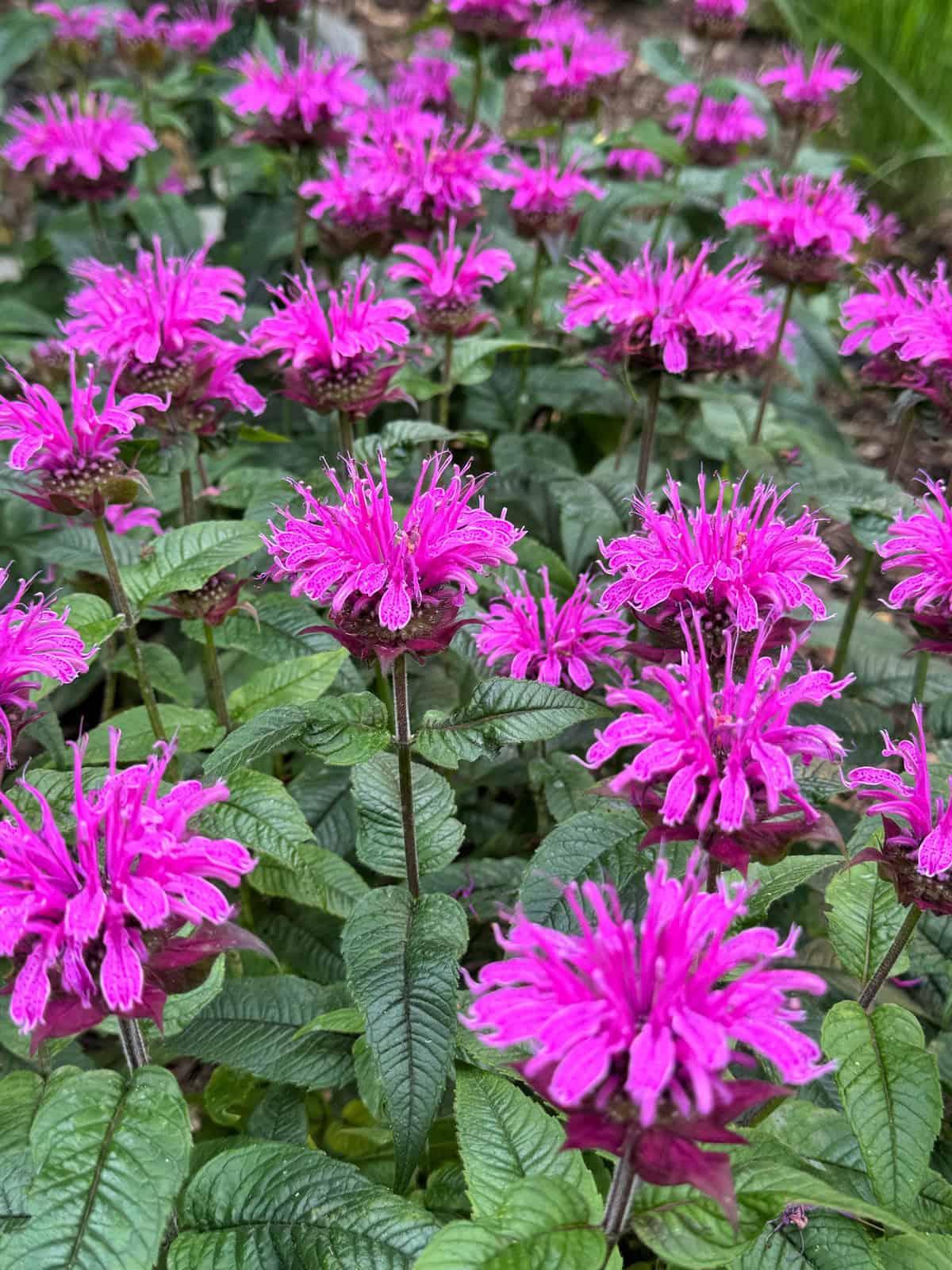
Bee Balm (Monarda)
Bee balm brings a loose, airy, and slightly whimsical quality to bouquets with its distinctive tufted blooms and naturally informal shape. The flowers add wonderful color and texture, especially in vibrant shades of red, pink, purple, and coral. Bee balm’s long stems and unique form make it a fantastic accent flower in cottage-style arrangements, and the soft herbal fragrance is a lovely bonus.
In my Zone 6B garden, bee balm is a vigorous grower that thrives in full sun with evenly moist, well-drained soil. Some varieties, especially native types, can spread enthusiastically and quickly fill a bed. While I adore bee balm in the landscape and in arrangements, I’ve learned to give it a dedicated space where it can expand without overtaking its neighbors. Dividing it every few years helps keep the clumps healthy and manageable. With a little oversight, bee balm becomes a generous and endlessly useful perennial for both cutting and garden display.
Sedum
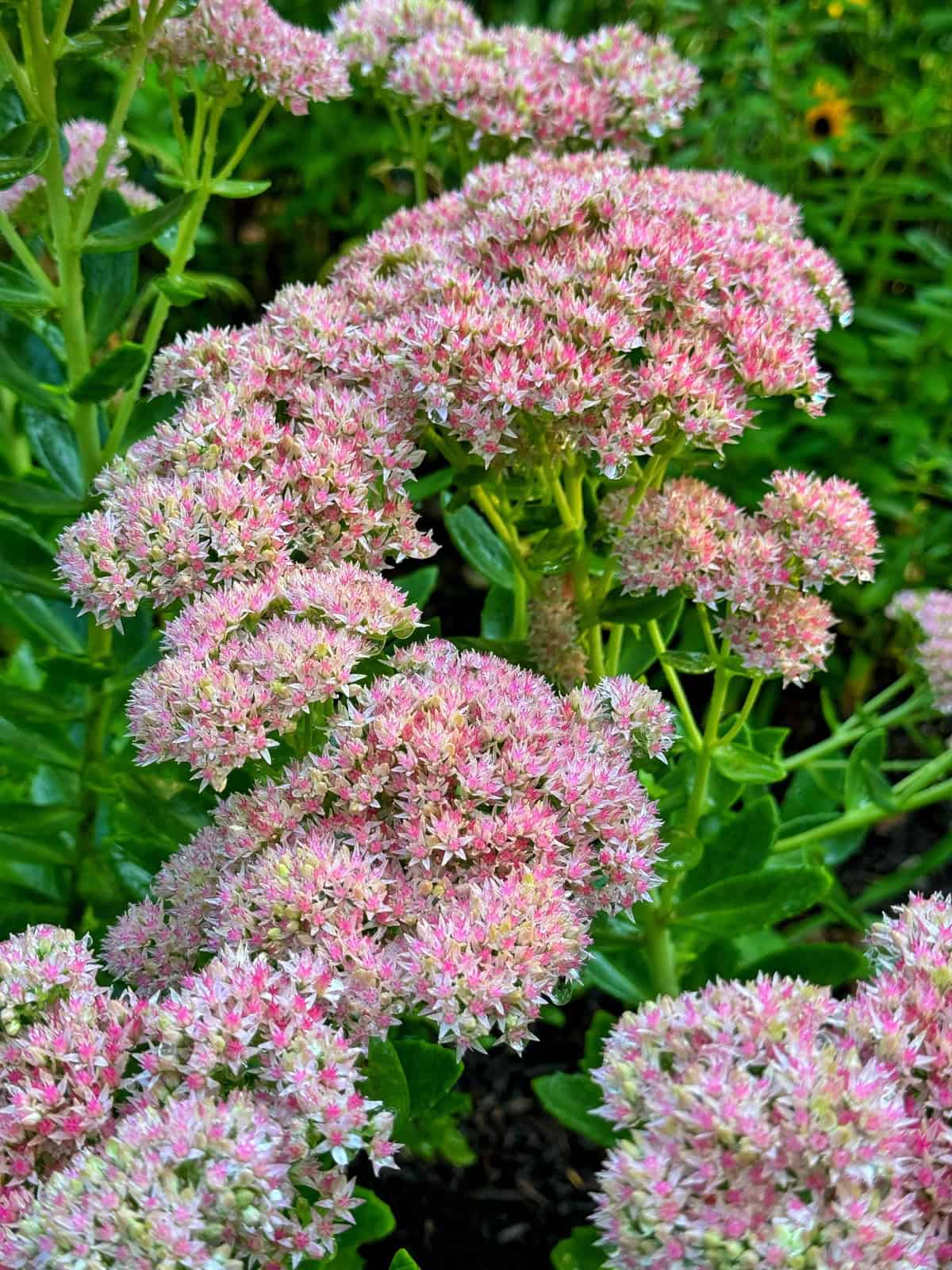
Sedum is one of my go-to perennials for late-summer and fall arrangements because it brings incredible structure, longevity, and rich texture to bouquets. The large, domed flower heads act like natural filler clusters and hold up beautifully in the vase, often lasting more than a week. As the season progresses, the blooms deepen in color, giving your arrangements a gorgeous transition from soft summer tones to the richer hues of fall.
While I have a long-standing love for the classic sedum ‘Autumn Joy’ in both the garden and the cutting bucket, there are so many newer varieties that offer fresh colors and interesting textures. Cultivars like ‘Coraljade’ have warm, peachy tones that pair beautifully with sunflowers, rudbeckia, and zinnias, while ‘Back in Black’ brings dramatic foliage and dusky flower clusters that elevate any fall arrangement. All are sturdy, drought-tolerant, easy to grow in my Zone 6B garden, and incredibly easy to divide, making them perfect for expanding your perennial cutting stock year after year.
Learn how I grow sedum ‘autumn joy’ here: Sedum Autumn Joy Care
Hellebores
Hellebores are one of the very first perennials to bloom in late winter into early spring, bringing much-needed color and elegance to the garden when little else is awake. Their nodding, cup-shaped flowers come in stunning shades of cream, green, plum, pink, and even speckled varieties. When cut at the right stage—typically when the seed pods begin to form—hellebores hold up beautifully in the vase and make exquisite early spring arrangements that feel both fresh and timeless.
However, hellebores do come with one important caveat. The stems exude a sap that can shorten the vase life of other flowers in a mixed arrangement. To avoid this, I always condition my hellebore stems in a separate vase for about 24 hours before adding them to any bouquet. Once conditioned, they play nicely with your other spring blooms and last surprisingly long indoors. In my Zone 6B garden, hellebores are reliable, deer-resistant, evergreen, and one of the most enchanting perennials to cut from during those first hopeful weeks of spring.
Learn how I grow hellebores here: Growing Hellebores (Lenten Rose)

Astilbe
Astilbe adds soft, feathery plumes that bring instant romance and delicate texture to floral arrangements. Their airy flower spikes in shades of pink, white, red, and lavender complement both structured and loose garden-style bouquets, making them a versatile choice for any cut flower collection. I also love using astilbe foliage as filler, especially varieties like ‘Dark Side of the Moon,’ which has deep, dramatic leaves that add an unexpected richness and contrast to arrangements.
In my Zone 6B garden, astilbe is remarkably easy to grow as long as its basic needs are met. These plants thrive in partial to full shade and prefer consistently moist yet well-drained soil. When they’re happy, they form beautiful clumps that return reliably year after year and can be divided to expand your shade-friendly cutting garden. Astilbe brings a gorgeous, woodland-inspired elegance to bouquets and is one of my favorite perennials to cut from the shadier corners of the garden.

Peonies
Peonies are one of the most beloved perennials in any cutting garden, and it’s easy to see why. Their lush, romantic blooms and incredible fragrance make them the star of early summer arrangements. With huge, ruffled flowers available in shades of pink, white, red, coral, and even soft yellow, peonies bring instant elegance and drama to any bouquet.
For the best vase life, harvest peonies in the “marshmallow stage,” when the bud is soft and just beginning to open. In this stage, they can last over a week indoors. Once established, peonies are remarkably low maintenance, returning year after year with more blooms than the last. In my Zone 6B garden, they’re among the first reliable perennials I cut from each season, and I always plant extra so I can enjoy them both in arrangements and out in the landscape.
To learn how I grow peonies, read this post: How to Grow Peonies
I’ve found peonies don’t last very long in the garden, so the key to extend their bloom time is to plant different varieties. To learn more about which peony varieties to plant, read this post: How to Make Your Peonies Bloom Longer

Meadow Rue (Thalictrum)
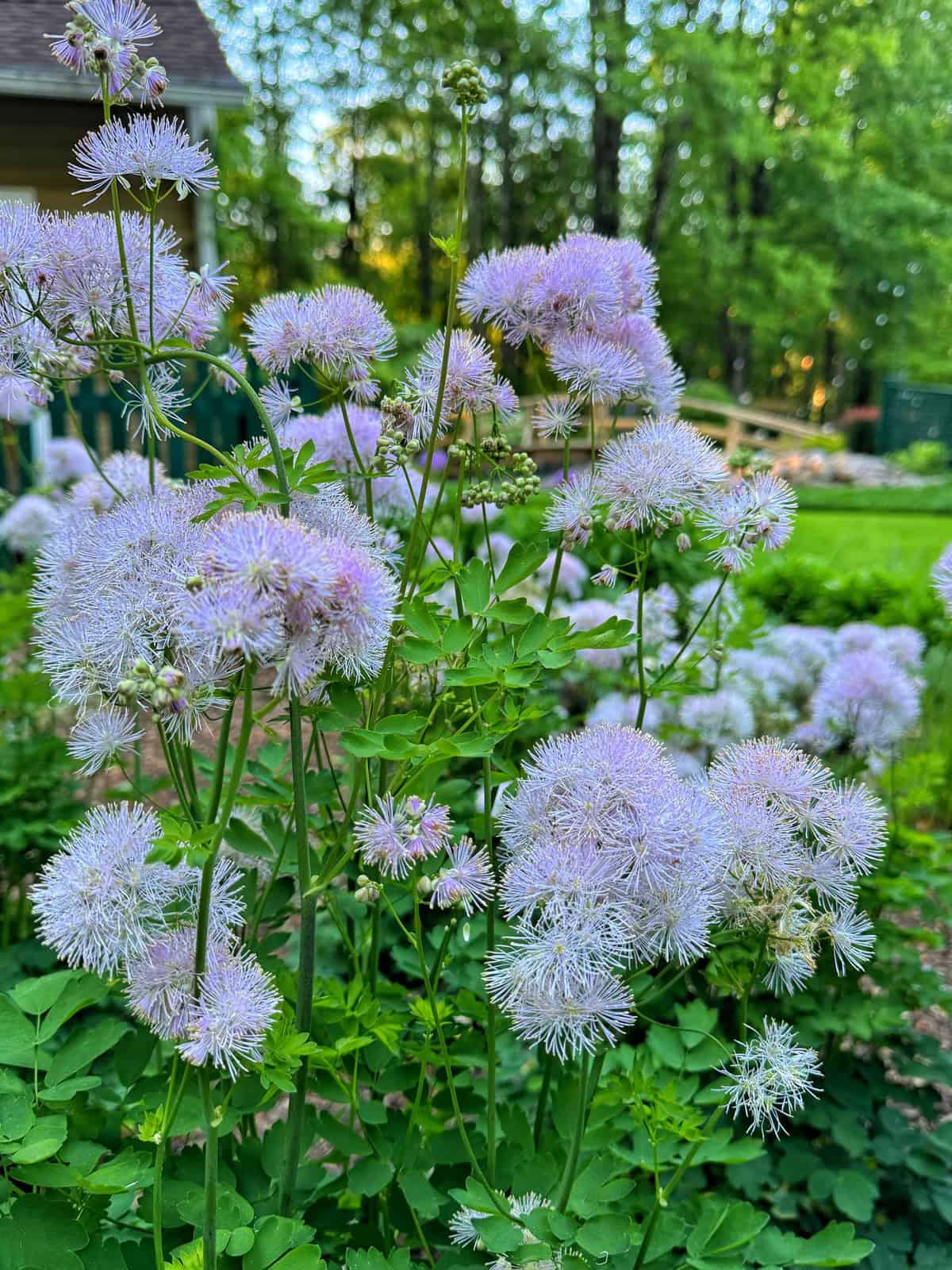
Meadow rue brings a soft, ethereal quality to bouquets with its airy, cloud-like clusters of tiny blooms. The delicate, dancing panicles add beautiful movement and a gentle, wildflower-like charm that pairs well with just about anything. Despite its lightweight appearance, meadow rue holds up surprisingly well in the vase, typically lasting five to seven days when harvested as the flowers first begin to open.
In my Zone 6B garden, meadow rue thrives in partial shade to full sun, depending on the variety, and adds wonderful height and texture to perennial borders. Its stems are long, slender, and naturally graceful, making them easy to tuck into floral arrangements without overwhelming the other blooms. It’s a true hidden gem for cut flower gardeners who want arrangements that look soft, natural, and effortlessly elegant.
Veronica (Speedwell)
Veronica adds striking vertical accents to bouquets with its slender, elegant flower spikes. Available in shades of purple, blue, pink, and white, these spires complement rounder blooms like peonies, daisies, and coneflowers by adding height, contrast, and a sense of movement. Their clean lines help anchor an arrangement while still keeping it light and garden-inspired.
In my Zone 6B garden, Veronica is a dependable early-to-midsummer bloomer that thrives in full sun and well-drained soil. The stems are sturdy and easy to work with, and the flowers hold up beautifully in the vase when cut just as the spikes begin to color up. Deadheading encourages repeat blooms, making Veronica a generous and hardworking perennial for both the garden and the cutting garden.

Nepeta (Catmint)
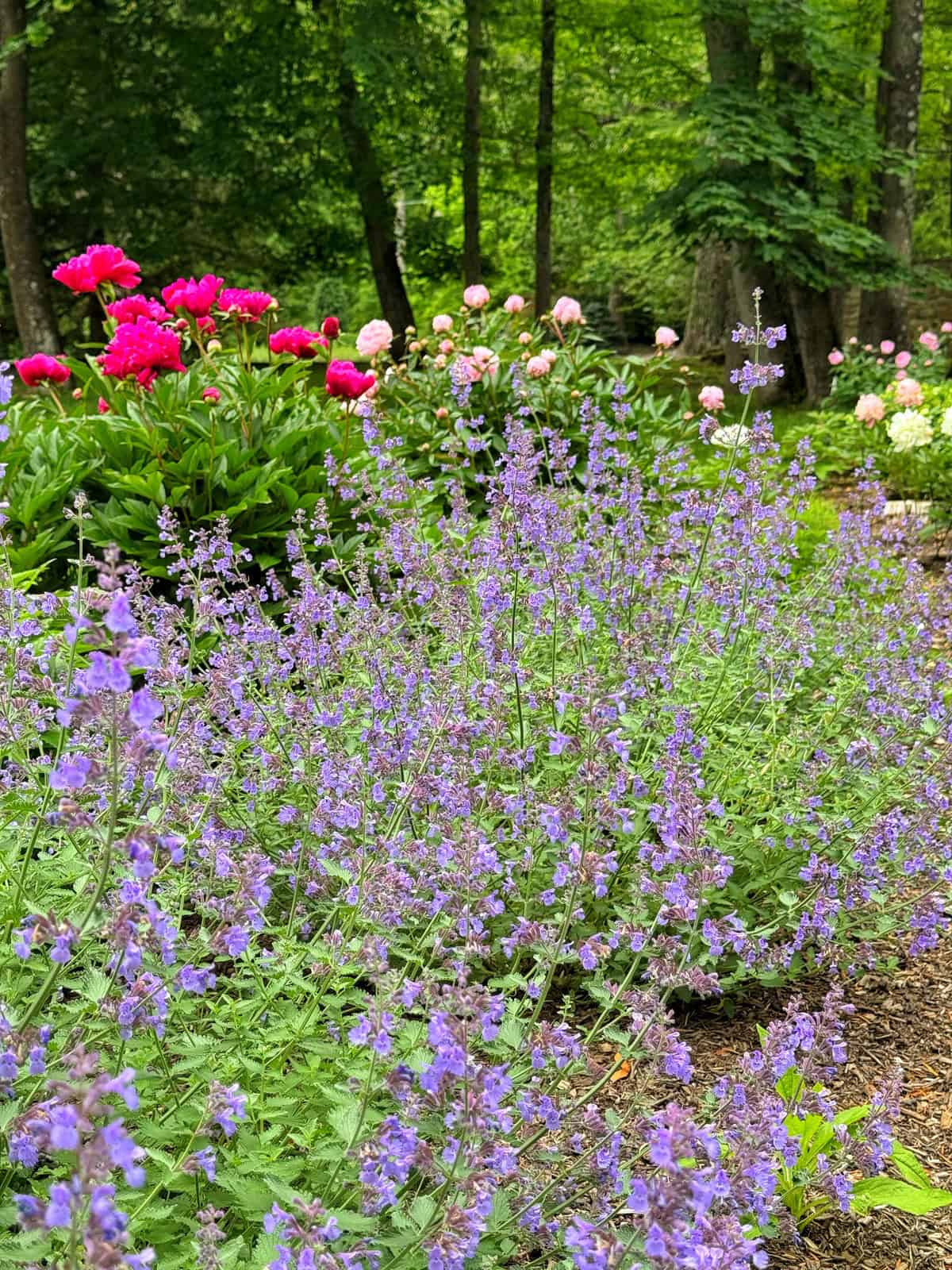
Nepeta is one of my favorite low-maintenance perennials for both the flower garden and the cutting garden. Its soft, airy spires of lavender-blue blooms and fragrant foliage make it an excellent early-to-midsummer cut flower. It brings movement and a relaxed, cottage-garden feel to bouquets. Nepeta is also one of the easiest perennials to grow in my Zone 6B garden and is incredibly easy to divide, which means you can plant extra clumps specifically for cutting. Cut it back after the first flush, and you’ll often get a beautiful second round of blooms.
Learn how I grow nepeta here: How to Grow Nepeta (Catmint)
Salvia
Salvia adds strong vertical lines and rich color to bouquets, especially in shades of purple, blue, and rosy pink. The stems are sturdy, the flowers last surprisingly well in the vase, and the plants rebloom with a good cutback. Salvia is a pollinator magnet and thrives in full sun with minimal fuss. Like nepeta, it responds beautifully to shearing after its first bloom cycle and is one of the easiest ways to add height and texture to early-summer arrangements.
Learn more about how I grow salvia in my gardens here: How to Grow Salvia Plant

Rudbeckia (Black-Eyed Susans)
Rudbeckia brings warm, sunny color to midsummer and fall bouquets. Its strong stems, cheerful daisy-like flowers, and long vase life make it a fantastic perennial cut flower, especially for more rustic, wildflower-style arrangements. It’s a vigorous grower in my Zone 6B garden, sometimes a little too vigorous, but that just means more stems available for cutting. Plant in drifts and feel free to thin and divide as needed. You’ll always have plenty to cut without leaving your garden bare.
Learn how I grow black-eyed susans: How to Grow Rudbeckia (Black-Eyed Susan)

Lavender
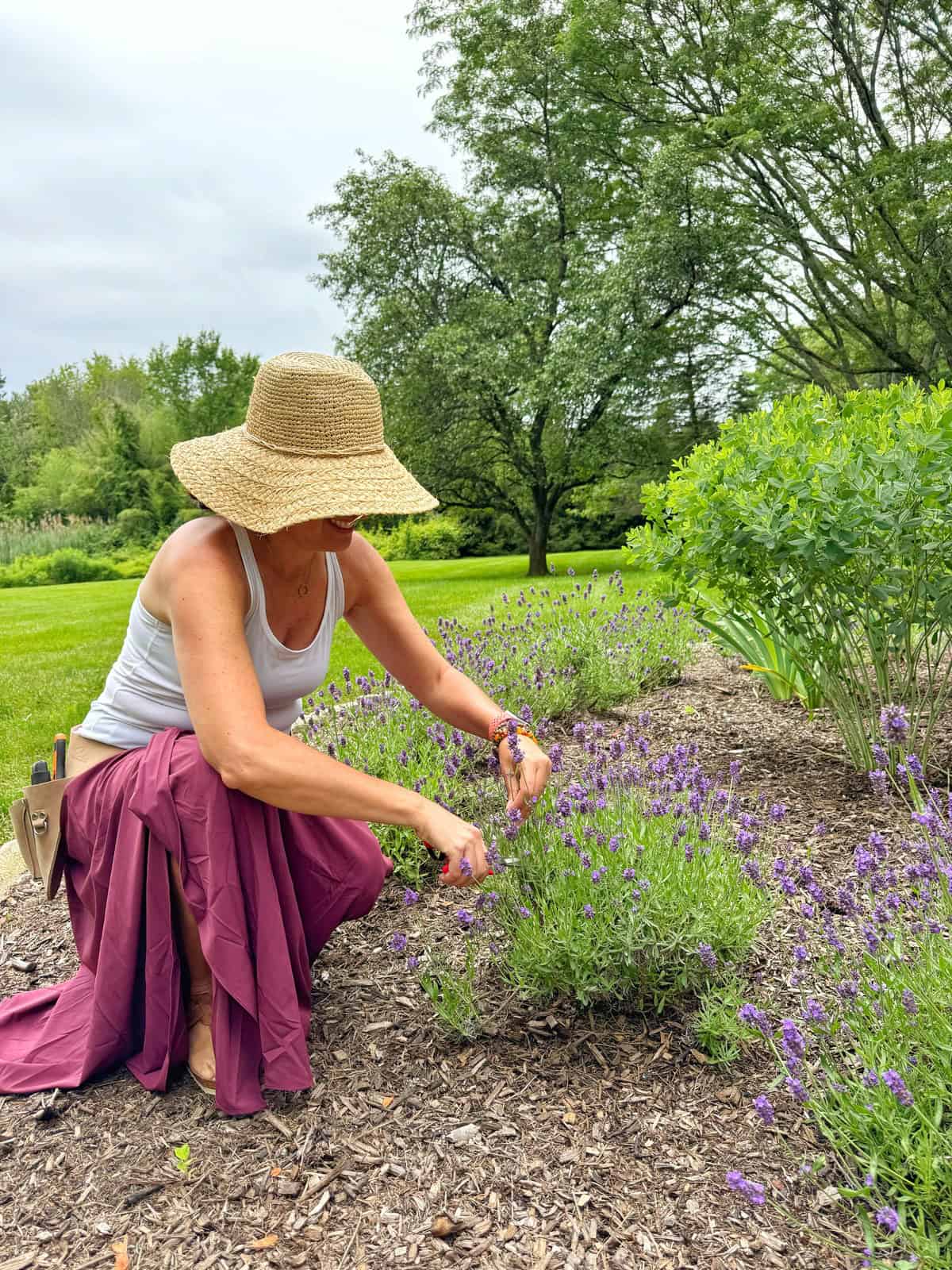
Lavender is a classic cut flower for a reason. Its fragrant stems, calming purple-blue color, and long-lasting blooms make it perfect for both fresh and dried arrangements. In my gardens, lavender thrives in full sun and well-drained soil and is wonderful for adding a soft, wispy element to bouquets. Harvest when about one-third to half of the buds are open for the longest vase and drying life. It’s also fantastic filler foliage and pairs well with almost anything.
Learn how I grow lavender in my gardens: How to Grow English Lavender

Asters
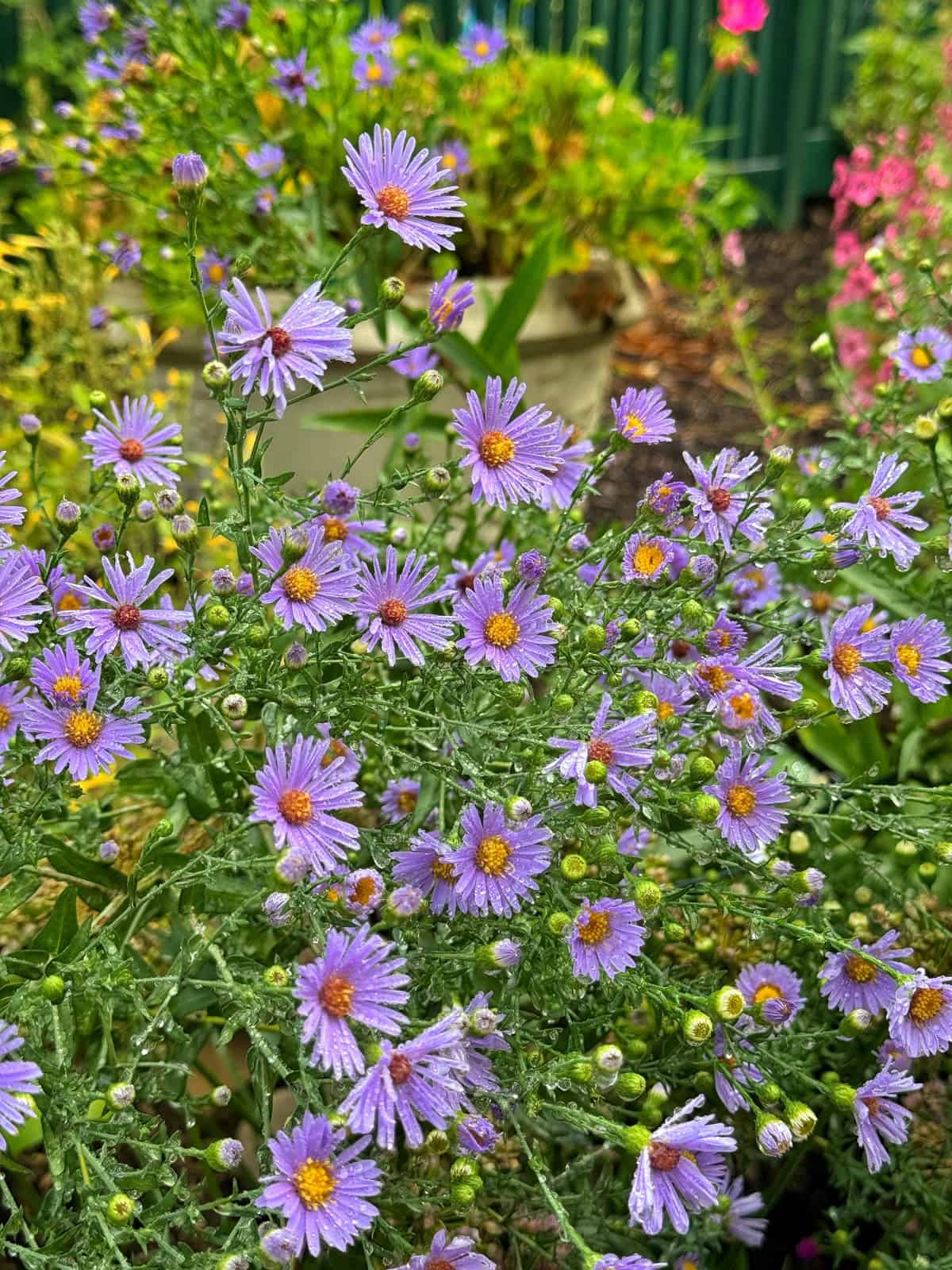
Asters are one of the best late-season perennials you can grow for cut flowers. They bloom just when the garden is starting to wind down, filling a much-needed gap with clouds of daisy-like blooms in purples, blues, pinks, and whites. Their stems are long and sturdy, and they hold up well in arrangements for about a week. I love using asters to transition my bouquets from summer into fall because they bring a fresh pop of color and pair beautifully with rudbeckia, sedum, and ornamental grasses. If you grow them, be ready to divide them every few years to keep them from spreading too aggressively.
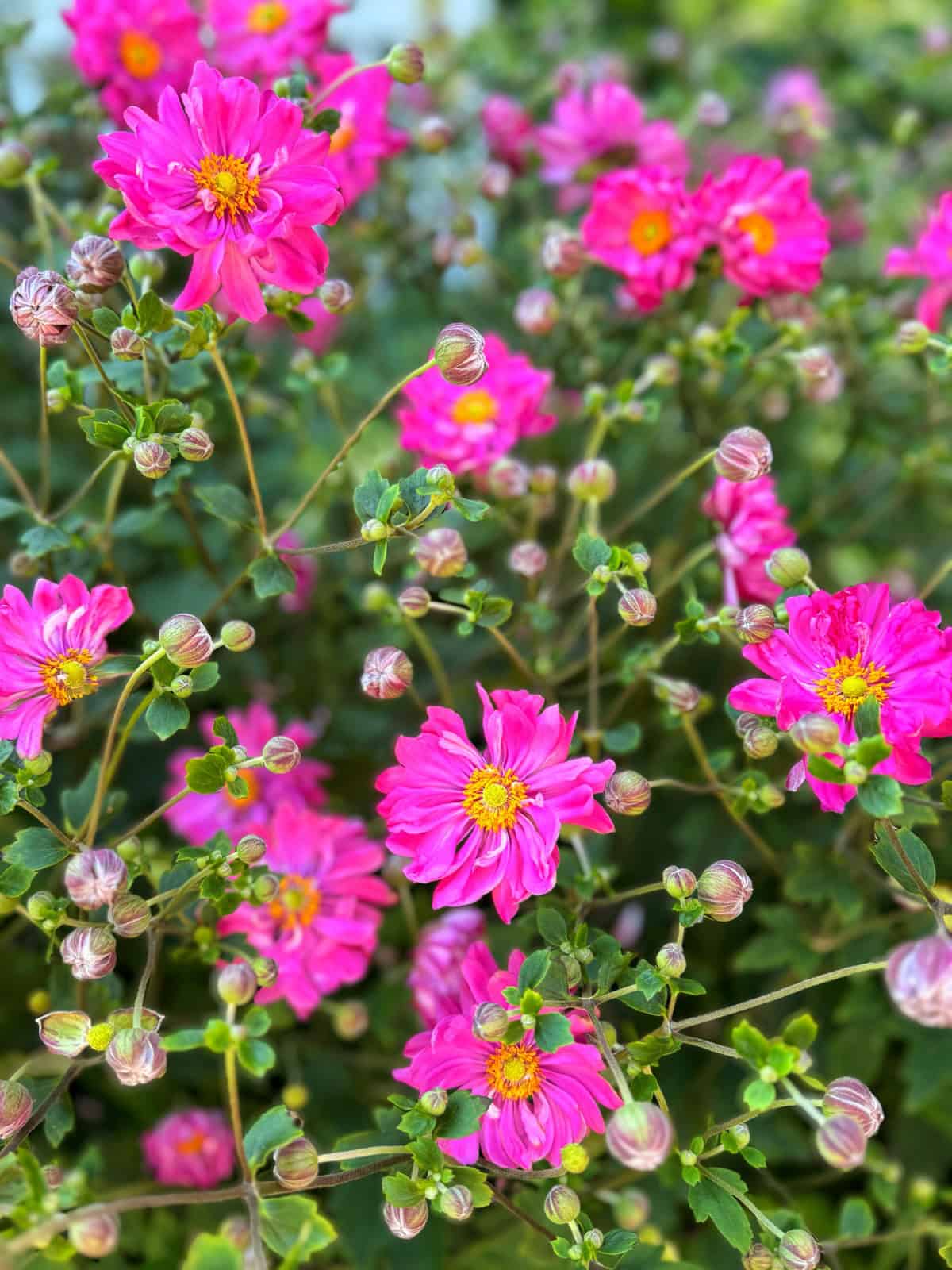
Japanese Anemones (Anemone hupehensis / Anemone x hybrida)
Japanese anemones are some of the most elegant late-summer-to-fall perennials in my garden. Their tall, wiry stems and delicate, cup-shaped flowers add movement and lightness to bouquets. They last surprisingly well in the vase when cut in the early morning while the buds are just opening. These plants are vigorous growers in my Zone 6B garden, so give them some room to spread or be prepared to thin them occasionally. Their airy blooms pair beautifully with meadow rue, asters, and grasses for soft, romantic arrangements.
As an aside, I am a HUGE fan of the variety ‘Fall in Love Sweetly’.
Penstemon
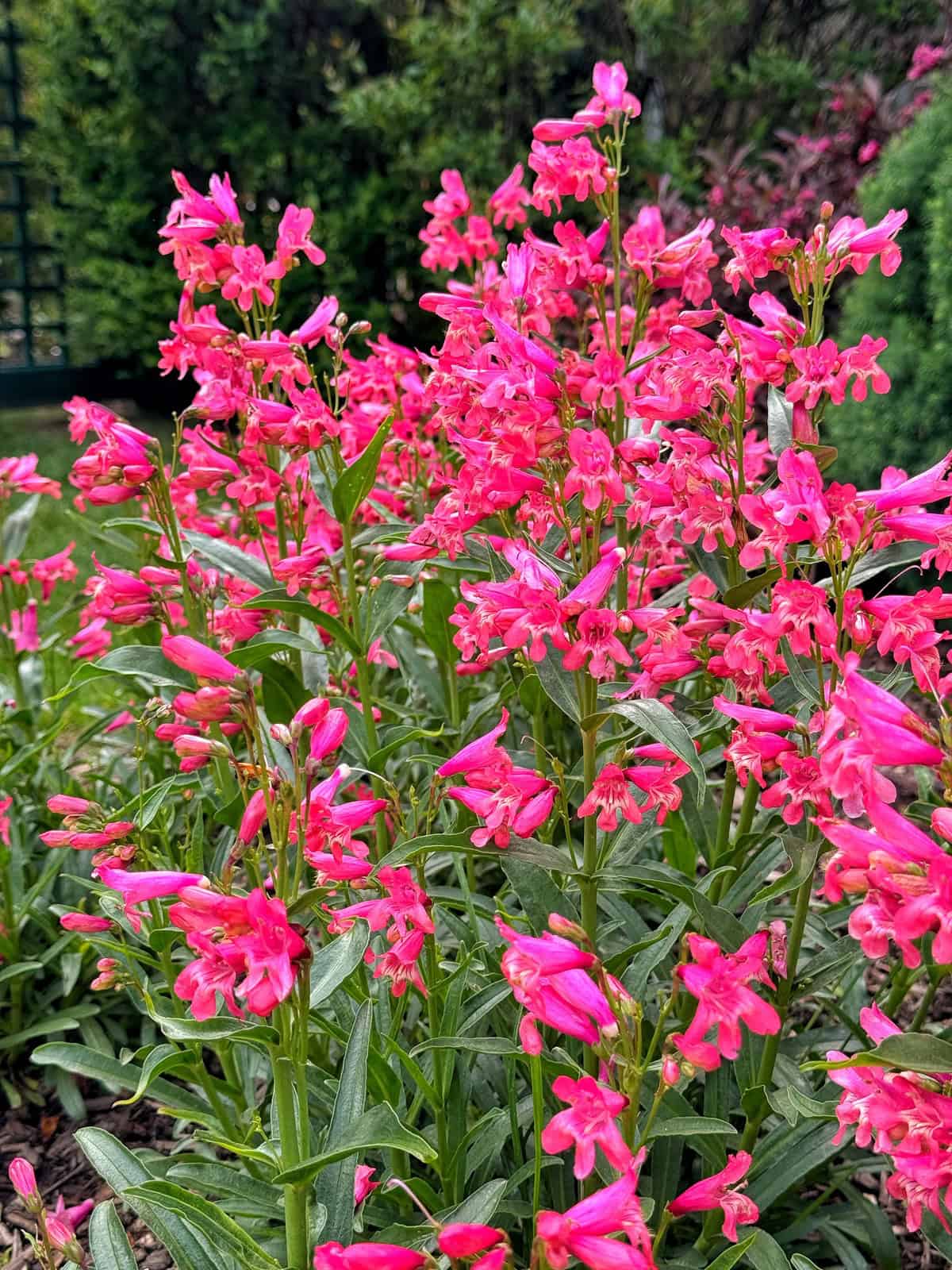
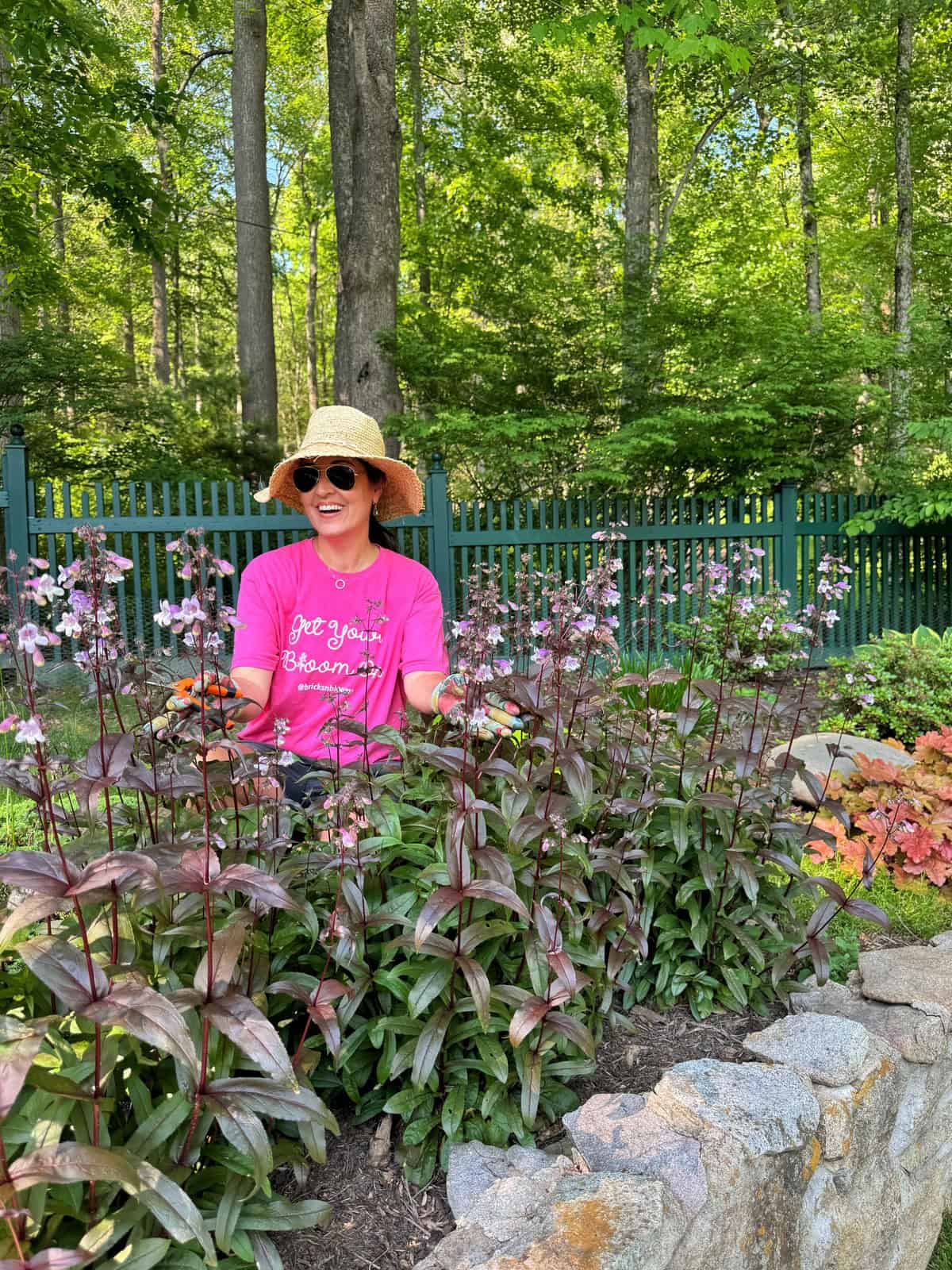
Penstemon brings wonderful vertical interest to bouquets with its tubular, bell-shaped flowers in shades of pink, white, purple, and red. The stems are sturdy, the flowers last well, and the plant overall is very easy to grow in full sun with good drainage. Penstemon blooms heavily in early summer, and with deadheading, many varieties will give you a second flush. It’s also a pollinator favorite, drawing hummingbirds and bees all season. I love using penstemon in loose garden-style arrangements because it adds height, shape, and a touch of wildflower charm.

Perennial Foliage That Is Amazing in Bouquets
Perennials aren’t just valuable for their blooms. Some of the most beautiful, long-lasting foliage for bouquets comes straight from your perennial beds. These plants add texture, structure, movement, and color variation that elevate arrangements far beyond what flowers alone can do. Here are my favorite perennial foliage plants to grow specifically for cutting.
Hostas
Hosta leaves are some of the most striking foliage you can add to a bouquet. Their bold shapes, impressive size range, and endless color variations bring instant drama and structure. Blue, green, variegated, and chartreuse varieties all add their own unique flair. The leaves hold up well in water and are perfect for both large statement arrangements and more elegant, minimal designs. In my Zone 6B garden, hostas thrive in shade and return larger and better each year. But they are prone to deer damage. So I’ve got to spray them heavily with deer repellent all season long or grow them in a fenced in area.
Learn how I grow and care for hostas here: Hosta Plant Care Guide

Heuchera (Coral Bells)
Heuchera foliage is a cut flower gardener’s dream. With leaves in shades of burgundy, caramel, lime, silver, and deep plum, heuchera adds gorgeous color depth and texture to bouquets. The leaves are sturdy, long-lasting, and versatile, pairing beautifully with everything from spring hellebores to summer coneflowers. Heuchera thrives in part shade, making it a great way to maximize less sunny areas of the garden while still producing valuable bouquet material.
Learn how I grow coral bells here: How to Grow Heuchera (Coral Bells)

Solomon’s Seal
Solomon’s seal offers elegant, arching stems with soft green leaves that bring a graceful, woodland quality to arrangements. The stems add gorgeous movement and instantly elevate any bouquet, especially when paired with peonies, hellebores, or meadow rue. They hold up beautifully in the vase and are effortless to grow once established. This is one foliage plant I grow specifically for cutting because it’s so unique and adds such a sophisticated line to arrangements.
The one caveat with growing them in my zone 6b garden is they are prone to deer damage. So I’ve got to spray them heavily with this deer repellent all season long.

Lamb’s Ear
Lamb’s ear brings soft, velvety texture and a soothing silvery tone to bouquets. The leaves are especially beautiful in spring and early summer when they are at peak freshness. They pair well with romantic flowers like roses and peonies, but also complement more rustic or wildflower-style arrangements. Their soft texture adds a cozy, tactile element that makes bouquets feel warm and inviting.

Artemisia
Artemisia offers fine, silvery foliage that works just as well as eucalyptus in fresh arrangements. It brings softness, movement, and a muted color tone that helps balance more vibrant flowers. The stems last a surprisingly long time in water, and many varieties are drought-tolerant and easy to grow. In my garden, artemisia is a go-to for softening the edges of a bouquet or adding a little cool-toned contrast.
I haven’t grown this one in a while but used to have ‘silver mound’ planted in the front of my former garden.
Brunnera
Brunnera leaves are heart-shaped and beautifully textured, often with silver or variegated patterns that reflect light beautifully in arrangements. The foliage adds a gentle, woodland elegance and works wonderfully in spring bouquets. Though the stems aren’t as long as some other foliage plants, the leaves hold up well and add distinctive charm.
Learn more about how I grow brunnera here: How to Grow Brunnera (Siberian Bugloss)

Ferns
Ferns bring an ethereal, lacy texture to bouquets that feels both fresh and timeless. Their fronds add movement and fill space without feeling heavy, making them perfect companions for hellebores, astilbe, and meadow rue. Ferns do best in shade and moist soil, but once established, they provide an endless supply of gorgeous foliage through spring, summer, and fall.

Amsonia (Bluestar)
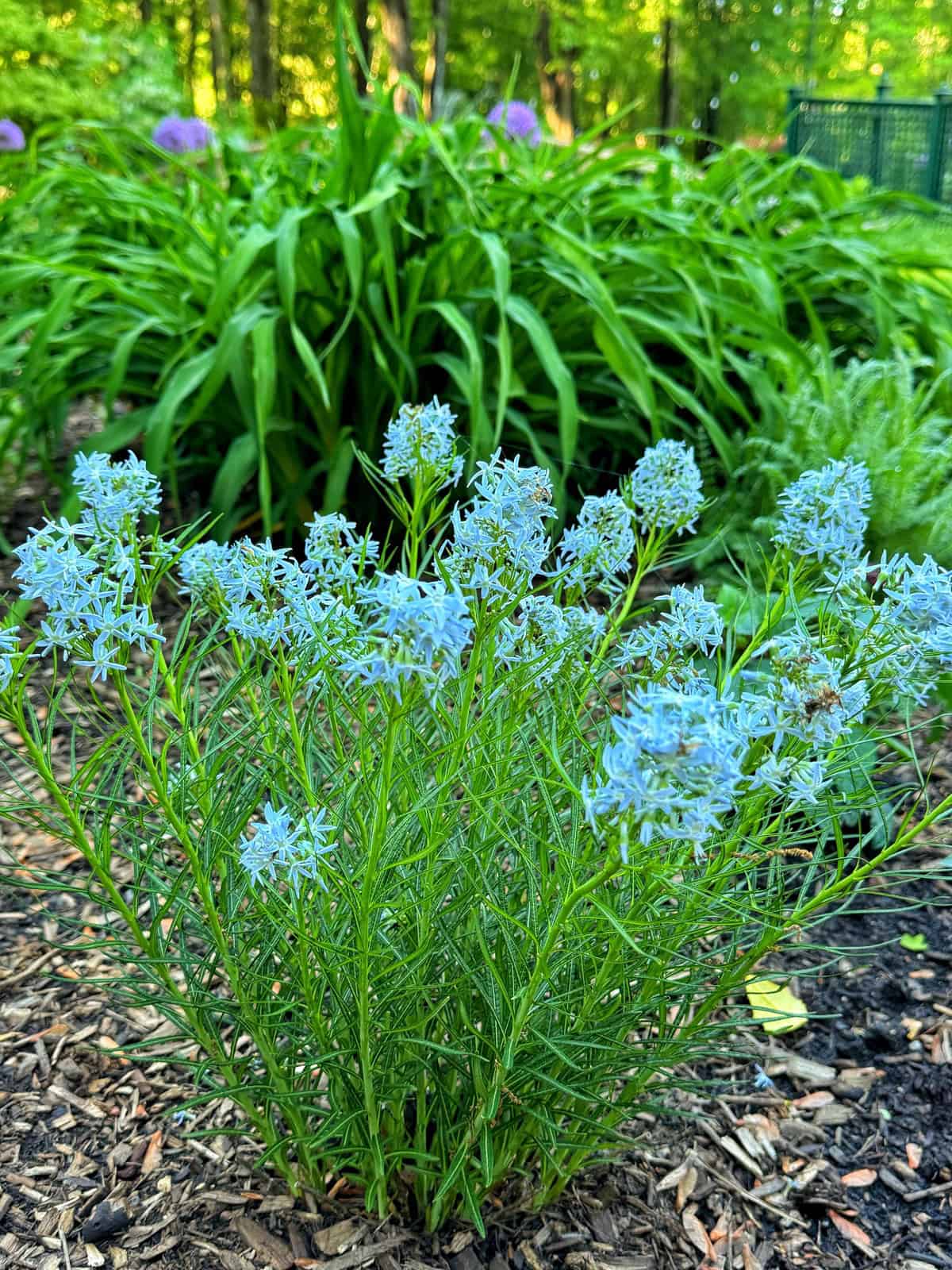
Amsonia is one of the most underrated foliage plants for cut arrangements. Its fine, airy leaves create a soft, cloud-like filler that blends effortlessly with almost any flower. In the vase, stems typically last seven to ten days. In the garden, amsonia is tough, low-maintenance, and incredibly reliable in Zone 6B. I use its foliage all season long because it adds texture without overwhelming other elements.
Ornamental Grasses
Grasses add height, movement, and a breezy, naturalistic feel to bouquets. Their fine textures and subtle colors are especially beautiful in late-summer and fall arrangements. Whether you choose feather reed grass, switchgrass, or a smaller fountain grass, these stems instantly give your bouquets a professional, garden-gathered quality.

Sedum Foliage and Stems
Sedum foliage adds structure and substance to bouquets, especially in late summer and fall. The fleshy leaves hold up extremely well in arrangements, and the developing flower heads make fantastic textural accents even before they fully bloom. As the season progresses, sedum shifts in color and becomes even more beautiful, offering endless options for seasonal bouquet styles.
Learn how I grow stonecrop sedums here: How to Grow Stonecrop Sedum
How to Design a Perennial Cut Flower Garden
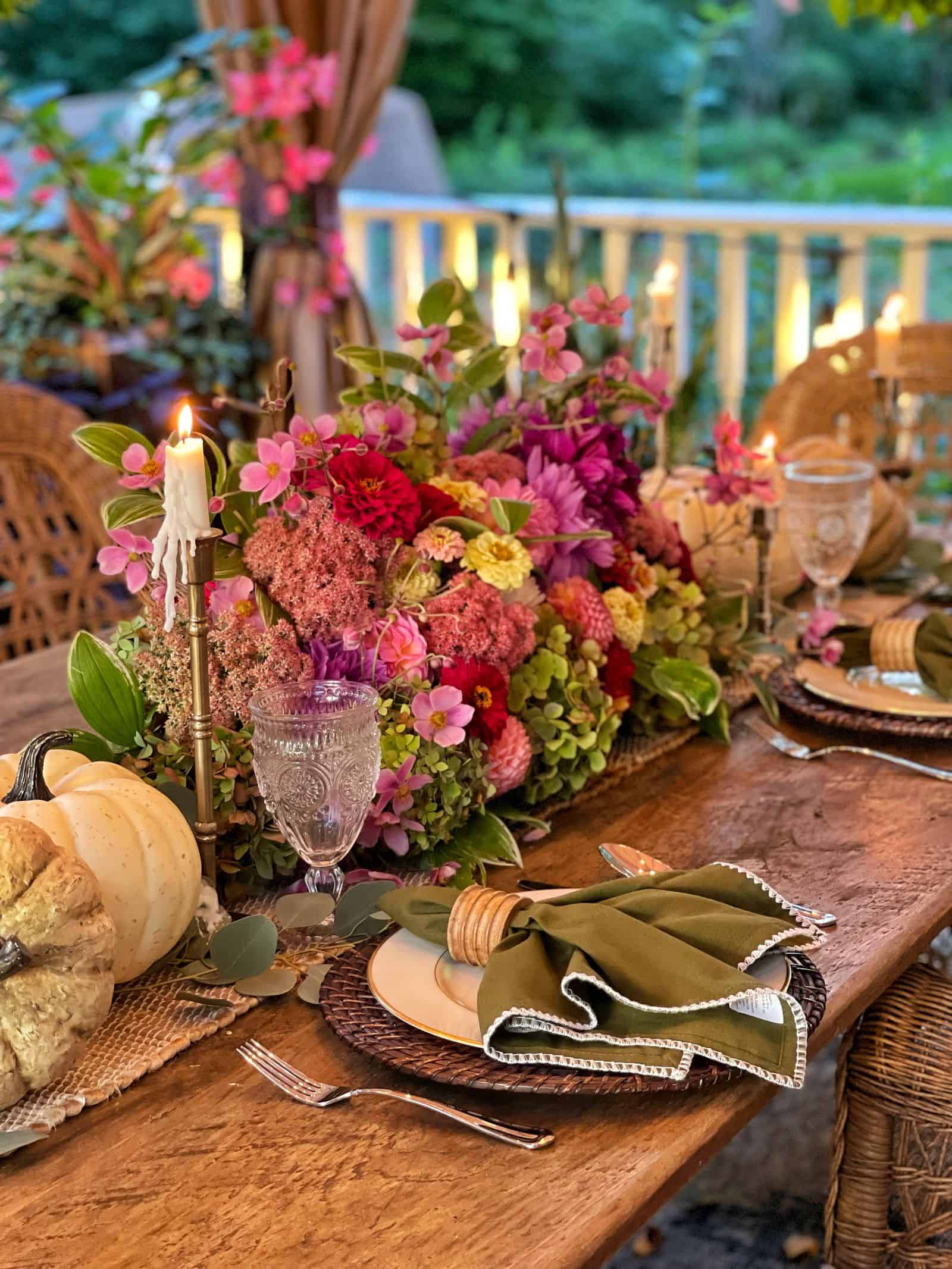
Designing a cutting garden that includes perennials is a little different from designing a traditional annual cutting patch. Perennials offer structure, texture, and long-term reliability, but they also require thoughtful placement so you can cut from them freely without sacrificing the look of your borders. Over the years, I’ve learned a few tips that make all the difference.
Plant in Drifts
One of the best ways to incorporate perennials into a cutting garden is to plant them in groups of three to five. Clumps of the same plant create visual impact in the landscape and give you enough stems to cut without leaving empty gaps. I started doing this intentionally in my current garden, and it has made cutting so much easier and far less stressful because I know there’s always enough to take from.
Layer the Heights
Just like designing a mixed perennial border, you’ll want to layer your cutting garden for both beauty and function. Taller perennials like meadow rue, rudbeckia, and liatris should be placed toward the back of the bed, medium height plants like coneflowers and Shasta daisies go in the middle, and low growers like lamb’s ear, heuchera, or creeping foliage plants perform beautifully at the front. When layered well, the garden looks full and intentional, and you’ll have easy access to stems at all heights when cutting.
Mix Annuals and Perennials
Annuals are powerhouses when it comes to bloom production, while perennials bring the structure and long-term investment. I love mixing them together because annuals like zinnias, cosmos, and celosia help fill in bloom gaps at times when the perennials are either just getting started or taking a brief rest. Perennials anchor the design and add a natural, garden-grown feel to the arrangements, while annuals pump out armfuls of flowers all season long.
If you’re still learning how annuals and perennials work together in the garden, you may find this helpful: Perennials vs Annuals: What Should You Plant?
Create Space for Access
Perennials can get big, so it’s important to design with access in mind. I always make sure there are pathways or stepping stones throughout the bed so I can reach in and cut without flattening plants. This is especially important around vigorous perennials like bee balm or tall phlox. Good access keeps the garden tidy, prevents plant damage, and makes the cutting process much more enjoyable.
Design With Bloom Sequence in Mind
Having color all season long is the key to a productive cutting garden. Incorporate early spring bloomers like hellebores and brunnera, midsummer powerhouses like coneflowers and phlox, and late-season bloomers like asters, Japanese anemones, and sedum. If you’d like help designing perennial layers and bloom sequences, you may enjoy this post: Perennial Garden Design.

How to Keep Perennial Cut Flowers Blooming Longer
A perennial-heavy cutting garden is incredibly rewarding, but a little ongoing care will keep your plants producing strong, healthy stems for years.
Deadhead Regularly
Removing spent blooms encourages many perennials to keep flowering. Plants like coneflowers, yarrow, phlox, and Shasta daisies all respond well to deadheading and will often rebloom if kept tidy. Deadheading also prevents the garden from looking tired or messy.
To learn more about how I deadhead flowers in my garden, read this post: Deadheading Flowers 101
Cut, Don’t Just Pinch
For many perennials, cutting stems down deep encourages better regrowth than simply removing the bloom. When you cut longer stems for arrangements, you’re essentially pruning the plant, which stimulates fresh growth and sometimes a second round of blooms.
Divide Every Few Years
Perennials that begin to decline in bloom production often just need division. Splitting and replanting clumps keeps them vigorous and productive. I divide plants like nepeta, sedum, phlox, hostas, and daylilies regularly in my garden. If you need a step-by-step guide, here’s how I do it: Dividing Perennials 101.
Refresh Aging Borders
If your perennial beds are losing shape, color, or structure, they may benefit from a larger refresh. Over time, some perennials drift forward, spread aggressively, or outcompete their neighbors. Periodic editing, dividing, and repositioning keeps borders balanced and productive. You can see exactly how I approach this in my post: How to Renew an Aging Perennial Border.
Improve Soil Yearly
Healthy soil equals healthy perennials. Each year, I add compost, mulch, and sometimes worm castings to improve soil structure and feed the garden naturally. This slow, steady approach to soil building helps perennials produce stronger stems, better blooms, and more vigorous growth overall. While you can purchase compost at your local nursery, it’s super easy to make your own compost at home. To learn how I make compost, read: How to Make a Compost Pile.
Give Them the Right Light and Spacing
Crowded perennials won’t bloom as well and are more likely to develop disease. Make sure each plant has enough breathing room and receives the right amount of sunlight. Many perennials for cutting thrive in full sun, but some, like astilbe, ferns, and hostas, perform beautifully in shade.

Final Thoughts
Perennials bring a beautiful, dependable rhythm to your cutting garden. They return year after year, add structure and texture, and blend seamlessly with your favorite annuals for bouquets that look natural, layered, and incredibly charming.
After nearly thirty years of gardening, perennials have become some of my favorite plants to cut from because they make the work so much easier and the bouquets so much more dynamic. Plant them in drifts, mix them with annuals, and watch how your arrangements transform.
If you’d like more perennial gardening inspiration, here are a few posts you may find helpful:
- Perennials vs Annuals
- Renew an Aging Perennial Border
- Perennial Garden Design
- Dividing Perennials 101
- Best Full Sun Perennials
- Perennial Flowers for Shade
- Midsummer Perennial Flowers
- Cut Flower Gardening for Beginners
Thank you for visiting the blog today!
Enjoy your day! xo


Originally Published . Last Updated .

I really love this post. If only we women had all the time in the world. I love your idea, and that’s the kind of design I hope to create someday. Right now, I have very limited resources—or maybe it’s motivation I’m lacking.
Hopefully in the future, I’ll stop thinking so much about spending every moment with my husband and just focus on gardening instead—haha.
But with nine dogs who are incredibly attached to me, it’s not easy. The constant barking and whimpering whenever I try to garden is one of the things that holds me back.
I’m deeply attached to my family, and because of that, the dream of having a beautiful garden often remains just that—a dream.