
15 Midsummer Perennial Flowers for Non-Stop Color (Easy, Long-Blooming Favorites)

Looking for nonstop midsummer color? These 15 long-blooming midsummer perennial flowers are easy-care, reliable, and some of my favorites to grow.
If you love having flowers in bloom all season long, timing really matters — especially in midsummer when some early bloomers start fading out. I’ve always paid close attention to when and how long different perennials bloom. When I’m out shopping at the garden nursery, the first thing I check is the plant tag for bloom time. And throughout the growing season, I’m constantly looking around my neighborhood, local gardens, and my own beds to see what’s peaking and when.
As a gardener for almost thirty years (first in my former garden where I learned so much through trial and error, and now in my larger Zone 6B gardens) I’ve grown every single perennial on this list many times over. These are the plants that consistently shine for me in midsummer, even through heat, humidity, and unpredictable weather. Each one has earned its spot here because it’s reliable, long-blooming, and brings incredible color during the height of summer.
Today, I’m excited to share my favorite midsummer perennials and what makes each one so special.
If you’re new to perennial gardening or still learning the difference between annuals and perennials, you can start with my guide: Perennials vs. Annuals: What Should You Plant?
(Posts on stacyling.com may contain affiliate links. Click HERE for full disclosure.)
My Top 15 Perennial Flowers List that Bloom in Midsummer
While I love mixing in summer annuals for continuous color, I rely heavily on perennials during midsummer because they bring beautiful, dependable blooms without needing to be replanted every year. Over the years, I’ve learned which perennials can handle heat, humidity, and different light conditions — and which ones really shine during the peak of summer.
I’m always hunting for low-maintenance, easy-care plants that bloom well, look great in a cottage garden border, and return reliably year after year. The perennials below check all those boxes. They’re plants I’ve grown for decades across two gardens, divided many times, and come back to again and again.
If you want to learn how I design my perennial gardens, you might find this post helpful: Perennial Garden Design for Continuous Color
Here is my go-to list of midsummer perennial flowers for maximum color in your garden.
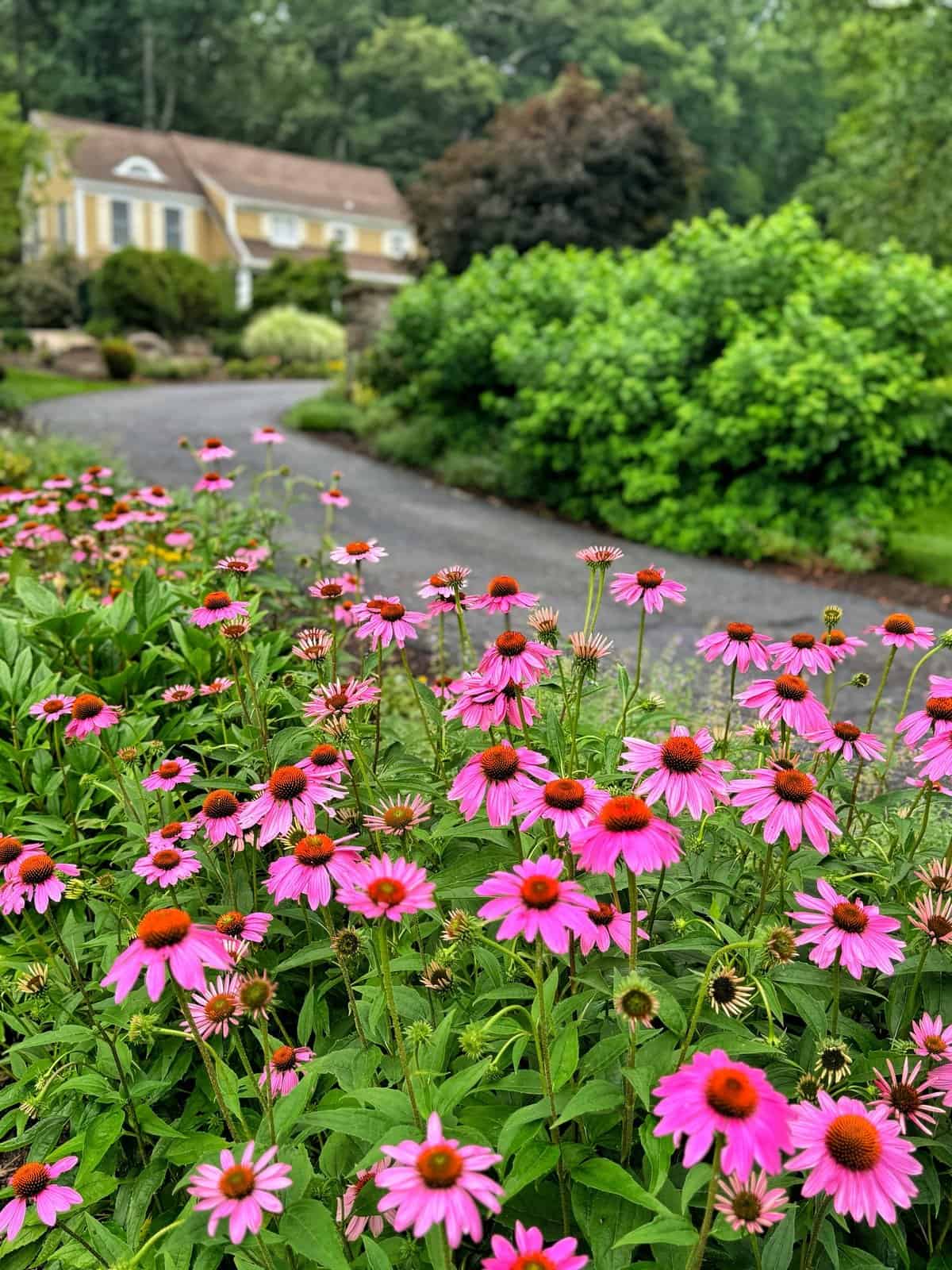
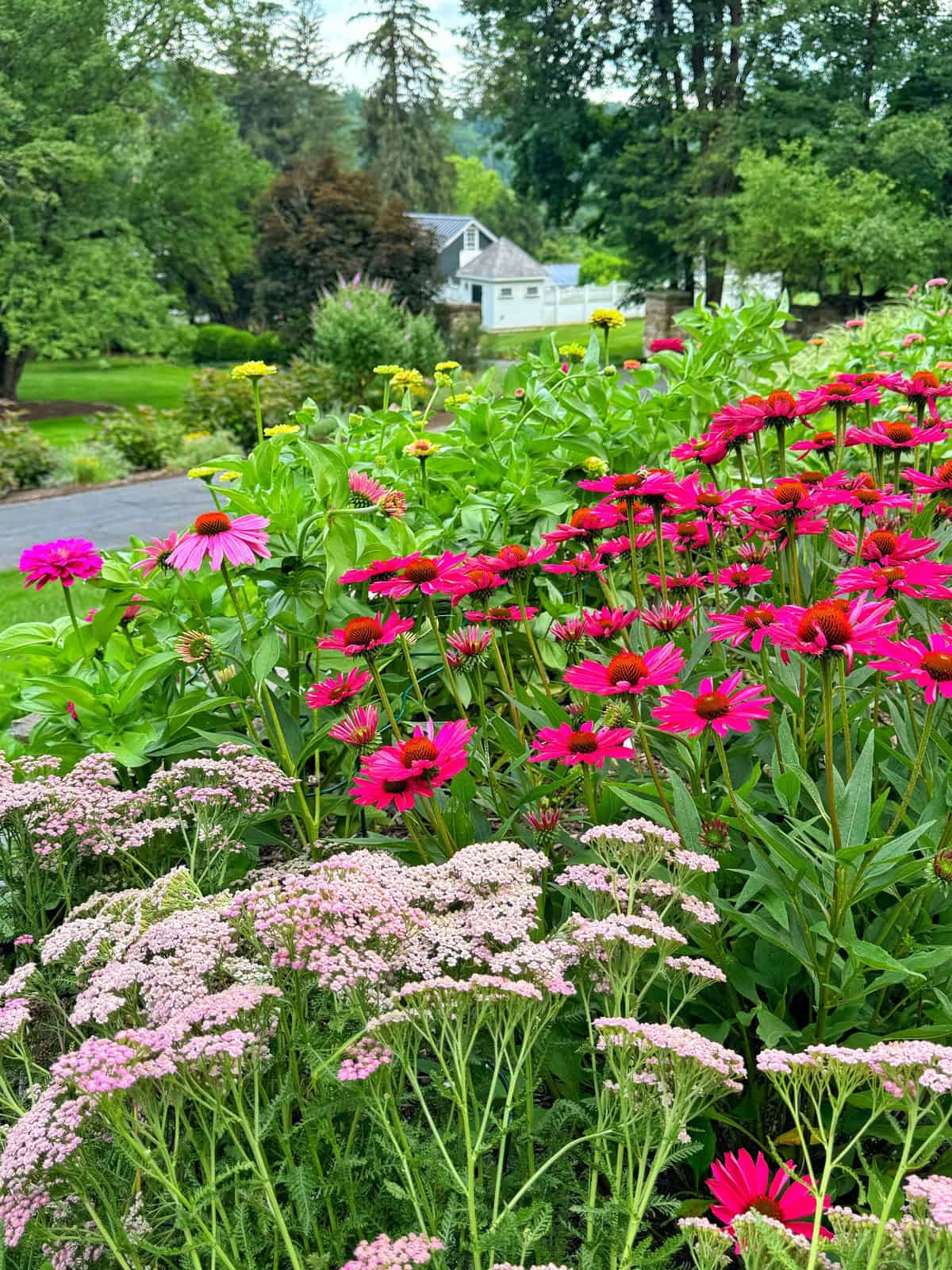
Echinacea (Coneflowers)
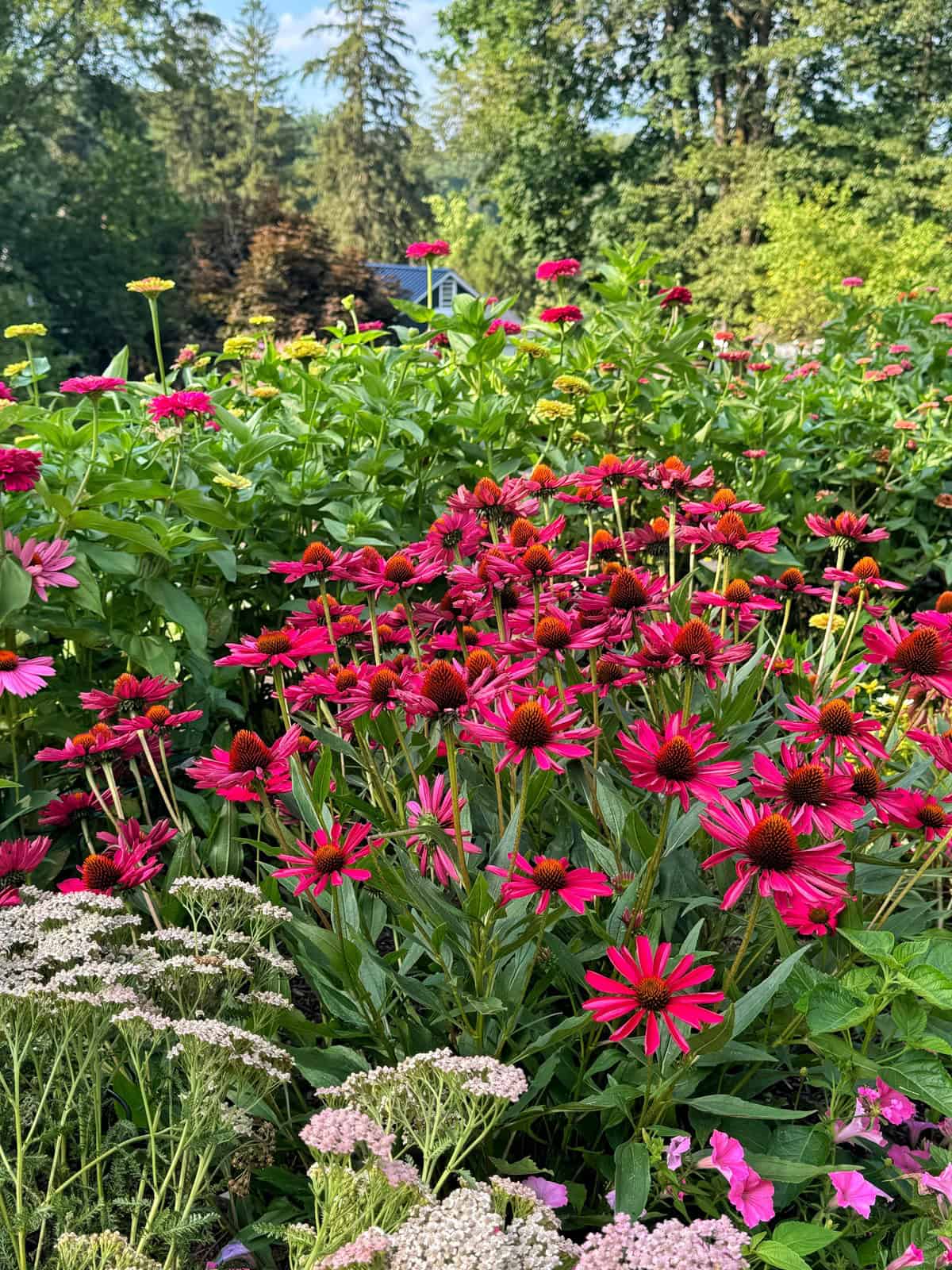
Is there anything prettier or more reliable than coneflowers in midsummer? With so many varieties and colors to choose from, echinacea is one of those plants I’ve grown in every garden I’ve had. They’re hardy from Zones 3–8, handle heat like champs, and bring instant cheer to summer borders.
Coneflowers typically grow 2–4 feet tall and are native to the eastern and central United States, which makes them tough, resilient, and incredibly pollinator-friendly. Bees, butterflies, and even hummingbirds flock to them all summer long. They also bring that classic cottage-garden look that I love.
Learn more about growing purple coneflowers here.
I’ve planted (and divided!) countless coneflowers over the last thirty years. In my former garden, I grew the taller traditional varieties, but in my new gardens I’ve been experimenting with lower-growing, more compact cultivars. This year, I added two new favorites:
- ‘Kismet Raspberry’ – a gorgeous deep fuchsia that stays around 24–30″ tall
- ‘Powwow Wild Berry’ – a more classic coneflower color but still lower-growing and perfect for the front of a border
Both are thriving in my poolside cottage garden and near the front porch—areas where I wanted reliable midsummer color without blocking sightlines.
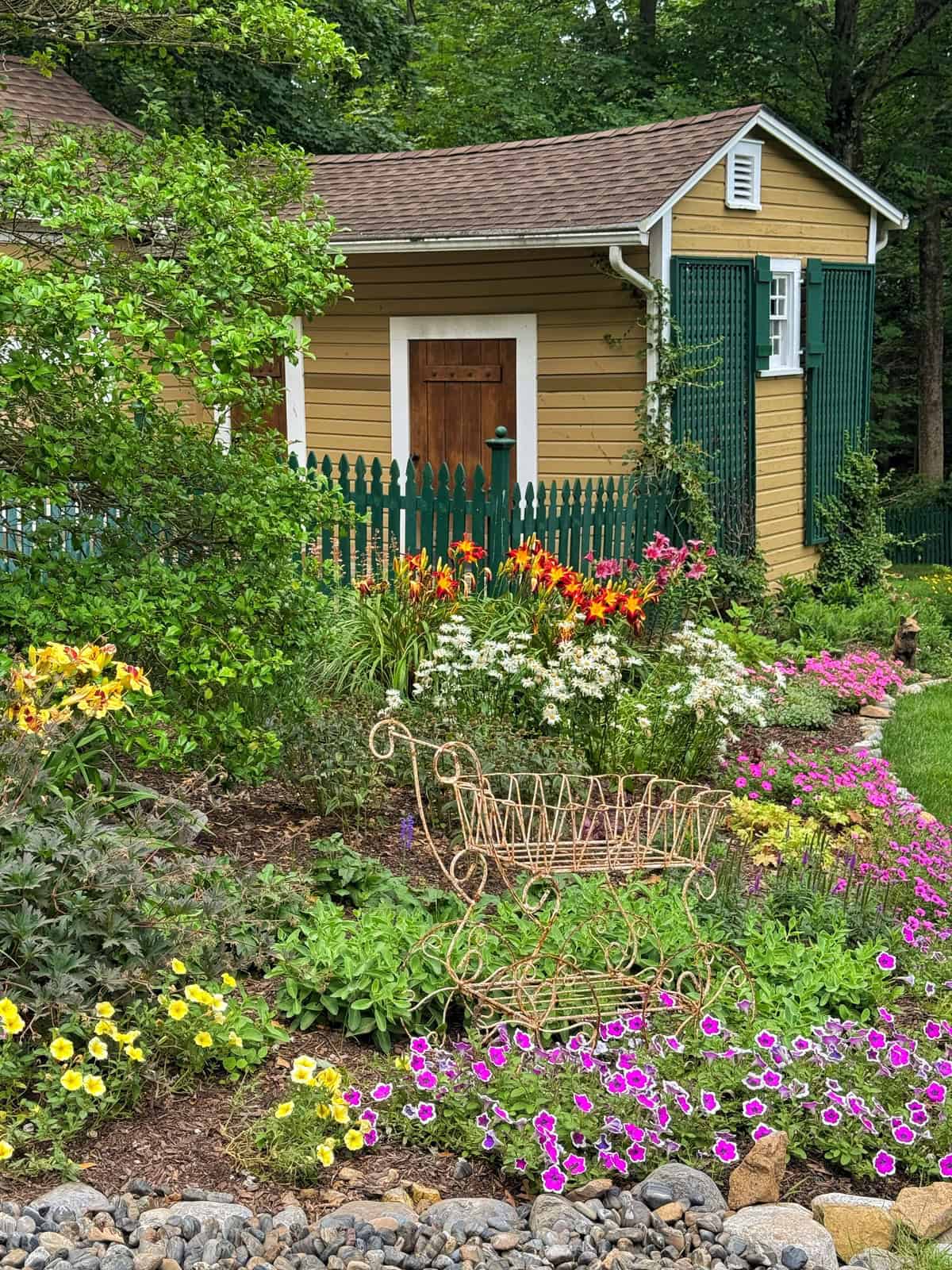
Pro Tip: Coneflowers benefit from being dug up and divided every few years to keep them vigorous and prevent the centers from hollowing out. In my former garden, a single clump eventually grew dense enough that I was able to create an entire drift of coneflowers just from divisions. If you peek at the garden photos later in this post, you’ll see just how lush they can become over time!

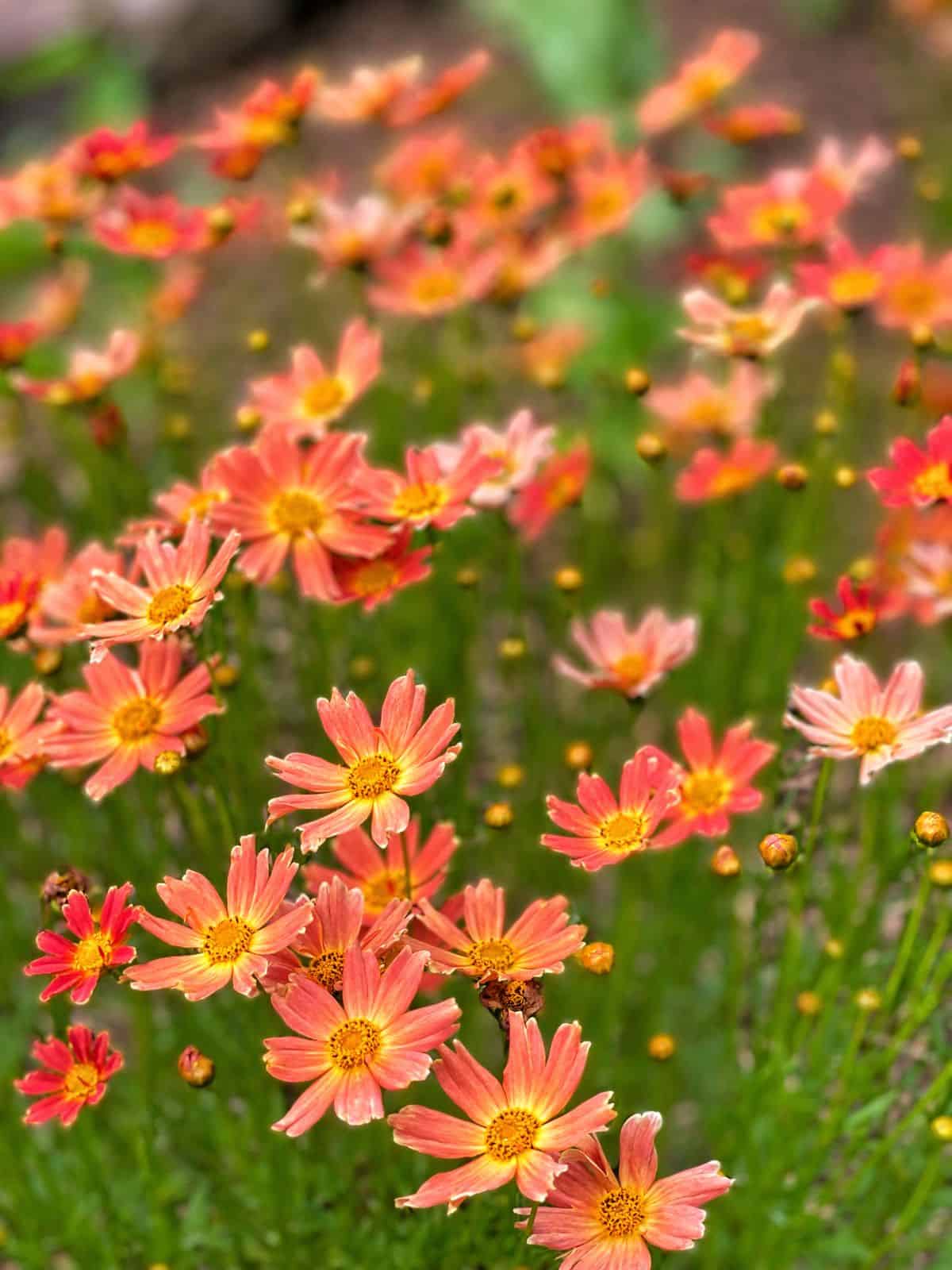
Coreopsis (Tickseed)
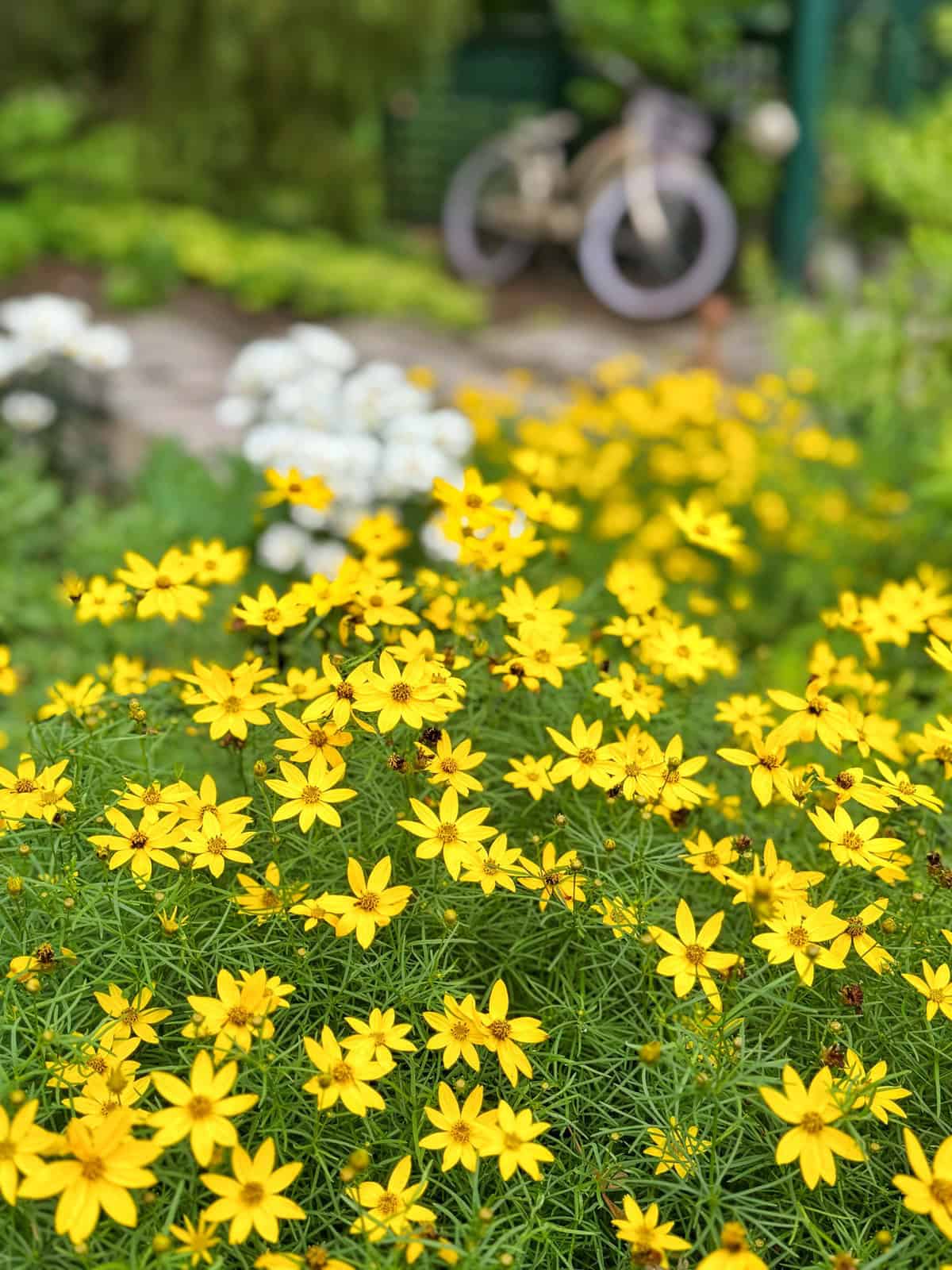
Whenever I think of coreopsis, I immediately picture ‘Moonbeam’—one of the first varieties I grew in my former garden. Those soft, dainty yellow flowers are so cheerful, and the plant stays nicely compact at around 24–30″ tall and wide. It’s hardy in Zones 2–11, incredibly easy to care for, and a true cottage-garden favorite.
Learn how to grow coreopsis here.
But coreopsis has come a long way since the classic Moonbeam days, and there are so many gorgeous options now. Over the years, I’ve grown multiple varieties in both of my gardens, and they’re always some of the most reliable midsummer bloomers I plant. They handle heat well, bloom for weeks, and look fantastic mixed with coneflowers, salvia, sedum, or nepeta.
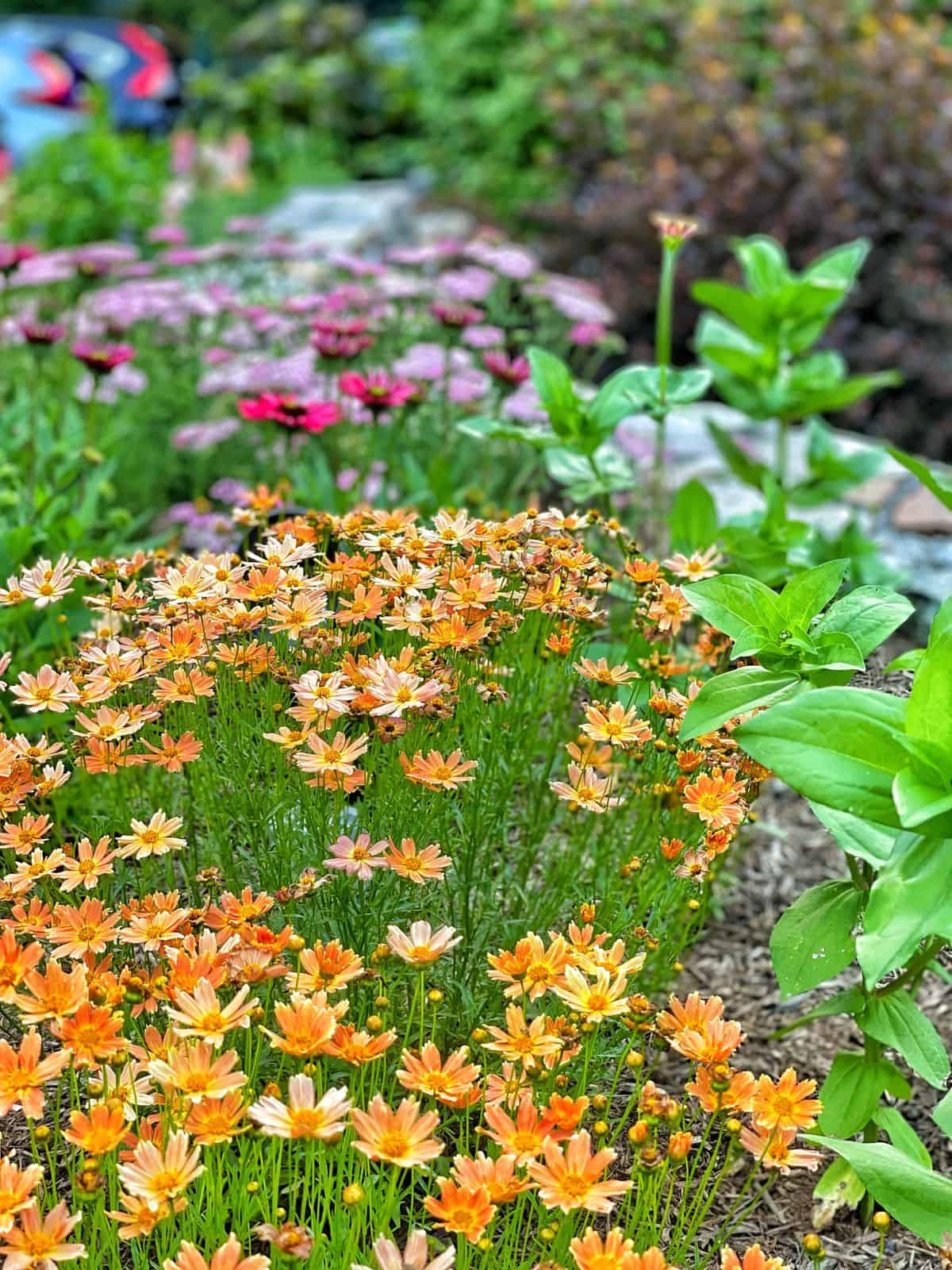
Most recently, I added ‘Crème Caramel’ to my new beds—and oh my goodness, the color is stunning. The peachy-yellow tones are so soft and romantic, and the plant has been a standout performer in the border. It may just become my new favorite coreopsis variety.
Pro Tip: Coreopsis benefits from occasional division and deadheading to keep blooms coming. In my former garden, one small plant quickly multiplied into a pretty drift after a few years of dividing and replanting.
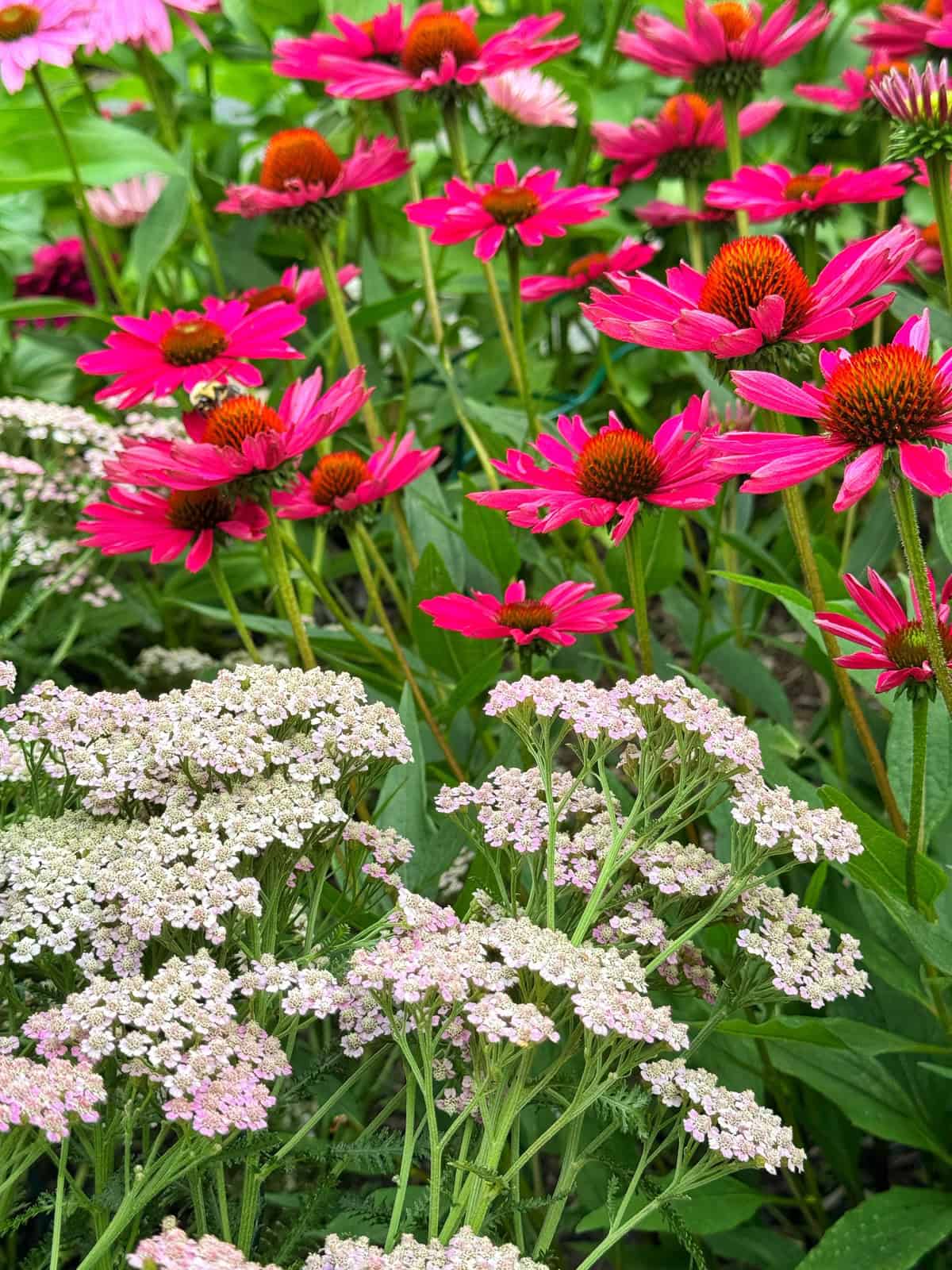
Yarrow (Achillea millefolium)
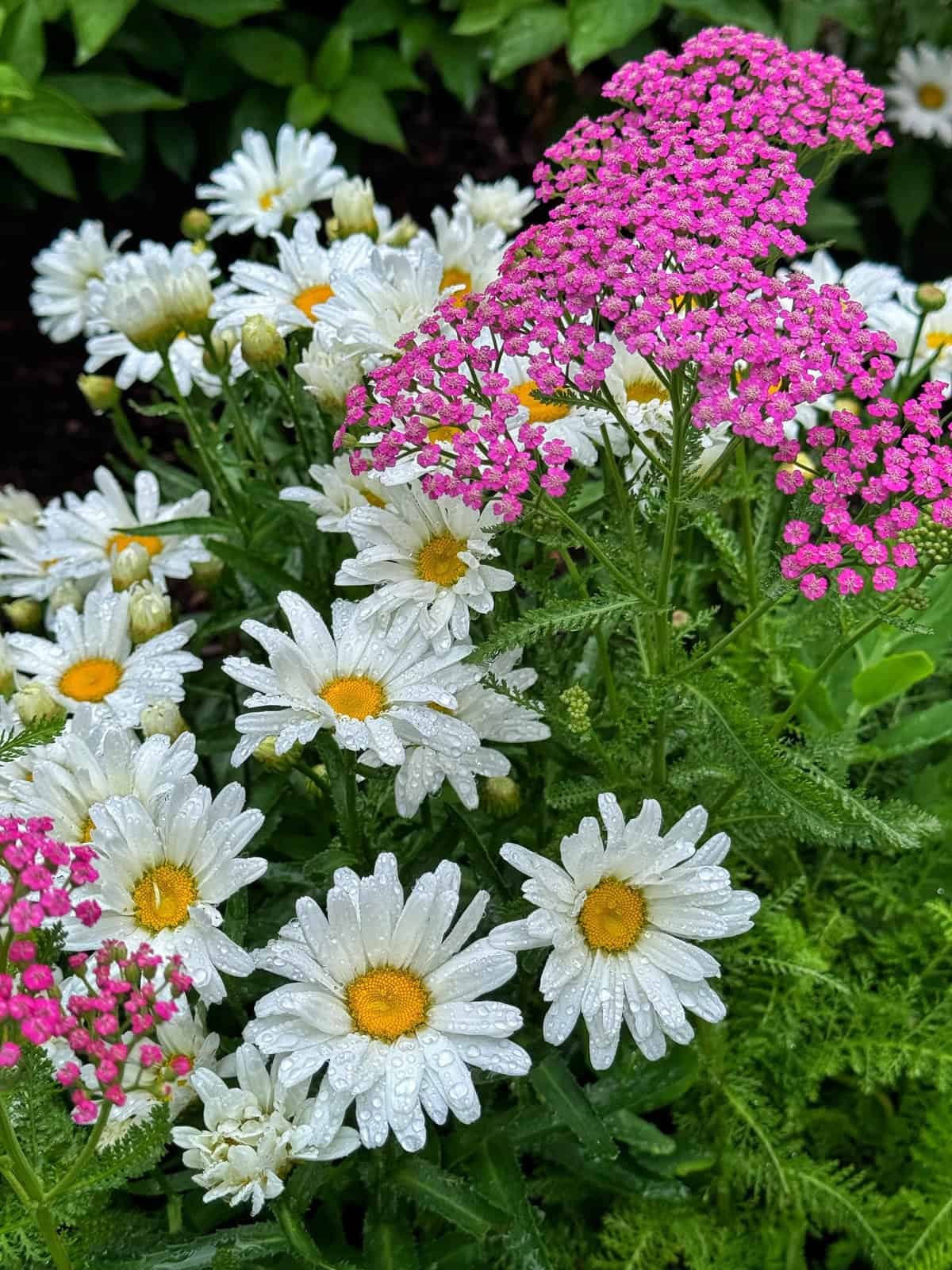
Hardy in Zones 3–9, yarrow is one of those dependable, carefree perennials that looks just as beautiful in a cottage flower bed as it does tucked into an herb garden. It grows about 24–30″ tall and wide, produces the prettiest little umbels of flowers, and adds gorgeous texture with its soft, lacy foliage. I love how it brings a slightly wild, meadowy look to a border and holds up beautifully in summer heat.
Learn how to grow yarrow with these simple tips.
I’ve grown yarrow for years across both of my gardens, and it’s always been one of my easiest plants to maintain. The blooms last a long time outside, and they’re fantastic in cut-flower arrangements too. Oh, and they dry beautifully if you like a little dried-flower moment indoors. And yes, it divides easily, which means one plant can quickly turn into several.
But here’s something worth mentioning (and this is from a lot of firsthand experience): yarrow is rabbit candy. If you have hungry critters like I do, you’ll want to protect young plants. I either:
- spray them with a reliable rabbit repellent (I use this one)
- pop a simple wire cloche over the plant until it gets established. (I use these)
Once it fills out, rabbits tend to nibble less, but those first few weeks are prime snack time, so a little protection goes a long way. As an aside, I love them paired with coneflowers. It’s a striking plant combination!

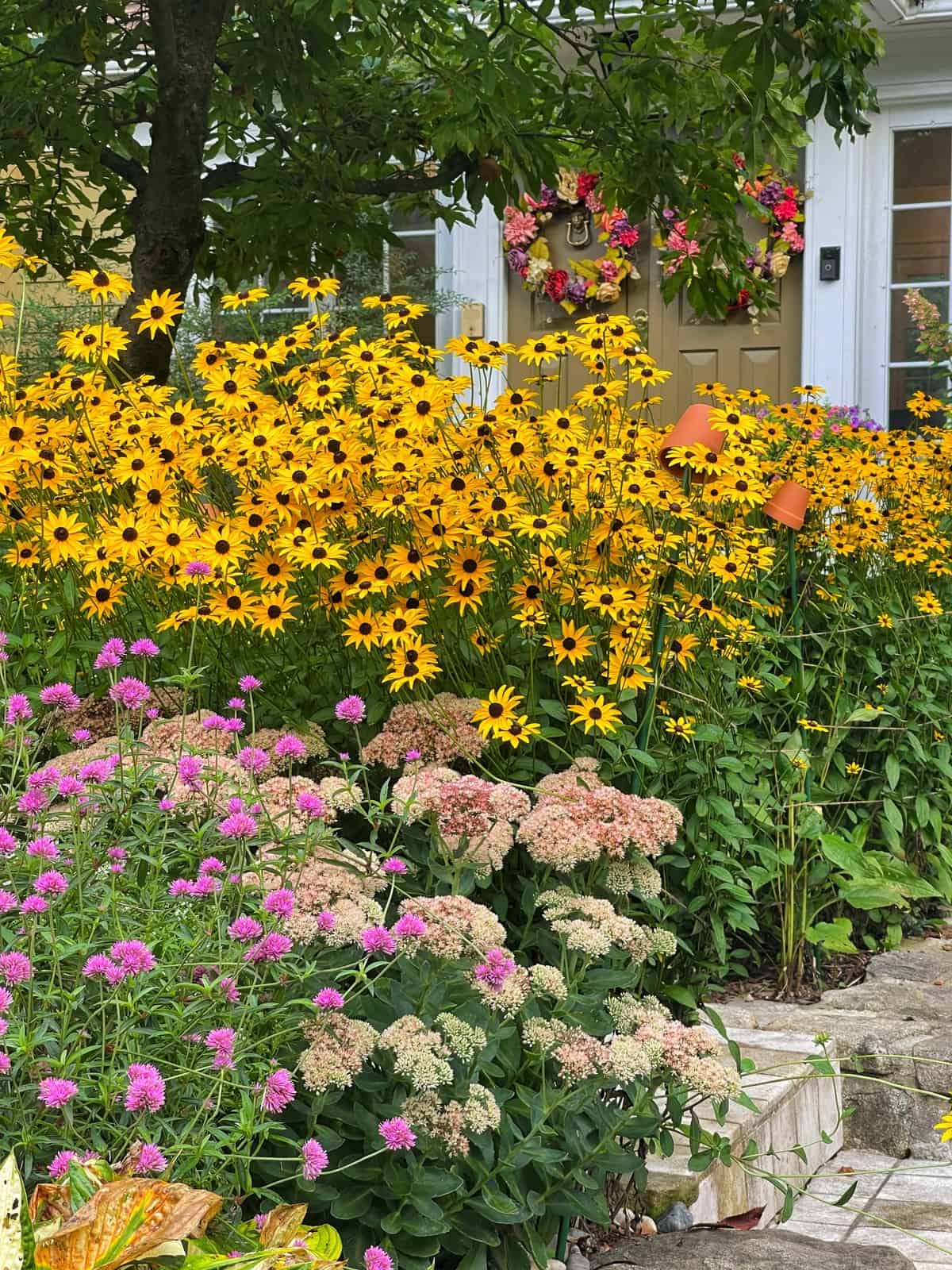
Rudbeckia (Black-Eyed Susans)
If you live in a climate that can grow black-eyed Susans, trust me — you need them in your midsummer garden. Rudbeckia is one of the most reliable, hardworking perennials I’ve ever grown. It loves full sun (6+ hours), tolerates partial shade, and thrives in evenly moist, well-drained soil. Once established, it’s wonderfully drought tolerant too.
Hardy in Zones 3–7, rudbeckia typically reaches 2–3 feet tall and spreads about 1–2 feet wide. It’s a classic cottage-garden staple with bright golden-yellow blooms that look incredible in the height of summer and blend beautifully into early fall. I’ve grown rudbeckia for nearly thirty years, and it’s always been one of my “sure thing” plants — even in tough summers.
Learn how to grow black-eyed susans here.
This is also one of the easiest perennials to divide. In my former garden, a single clump quickly turned into enough plants to line an entire border. And in my current, much larger gardens, rudbeckia has become one of my go-to fillers because it grows vigorously and reblooms reliably with very little fuss.
It’s a true workhorse — cheerful, low-maintenance, heat loving, and perfect for adding that punch of midsummer color every cottage garden needs.

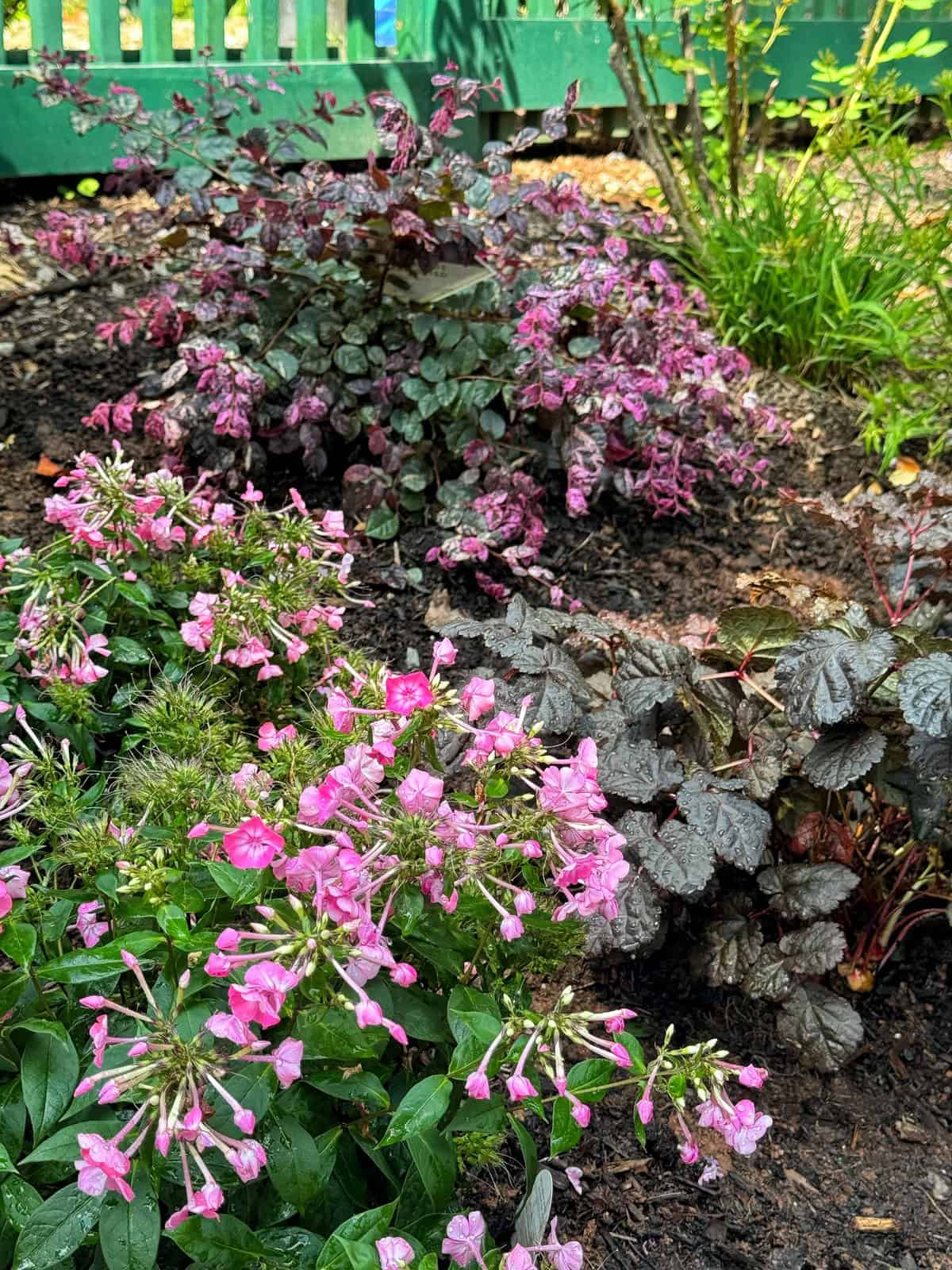
Tall Phlox (Garden Phlox)
Hardy in Zones 4–8, tall garden phlox is one of those classic summer perennials that brings a big pop of color right when the garden needs it. The 3–4 foot stems are topped with large, fragrant panicles that flutter with butterflies and even attract hummingbirds. If you want height, fullness, and that soft cottage-garden look, phlox is a must-have midsummer bloomer.
I’ve grown tall phlox for many years in my Zone 6B gardens, and while it’s wonderfully low-maintenance, it does have one little quirk: powdery mildew. When our nights get cool and the days stay warm and humid (hello, New Jersey summers!), phlox leaves can start to show those telltale white spots.
The good news? It’s totally manageable.
Neem oil has always worked well for me in both of my gardens to keep powdery mildew in check and extend the plant’s bloom time. A quick treatment early in the season or at the first sign of disease usually does the trick.
Another thing I love about phlox: If you leave the blooms on instead of deadheading, they reseed and self-sow beautifully. I’ve had entire drifts of phlox pop up over the years in the prettiest, most unexpected places. It’s like cottage-garden magic at its finest.
Whether you deadhead for tidiness or let them go wild, tall phlox adds gorgeous structure and color to midsummer borders with very little effort.

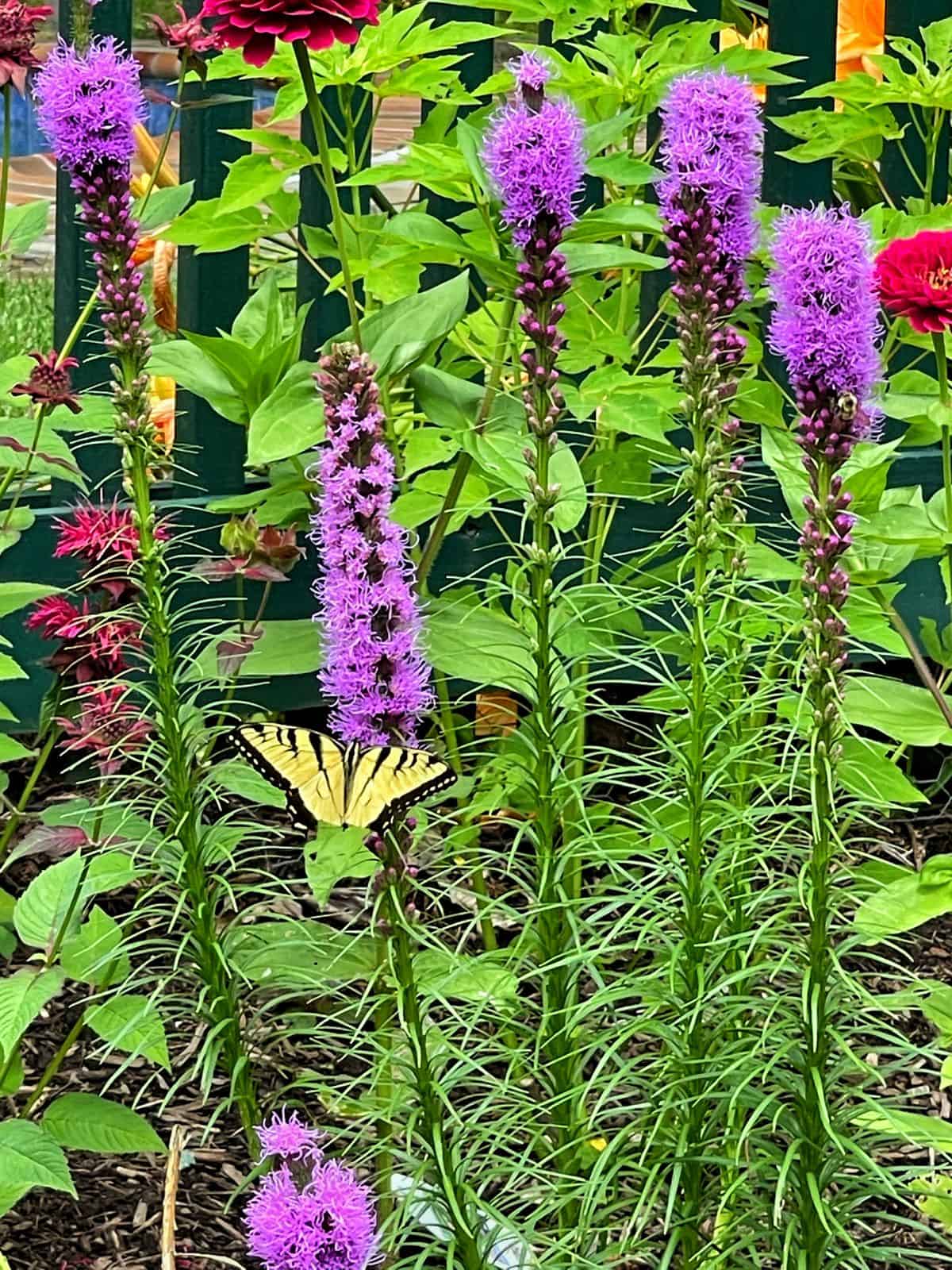
Liatris (Blazing Star or Gayfeather)
Native to eastern North America, liatris is one of the most striking long-blooming perennials you can grow in midsummer. Those upright bottle-brush flower spikes are so unique — they almost look like little fireworks in the garden. Most gardeners are familiar with the classic purple varieties, but there are a few gorgeous pink and white cultivars as well.
Also known as blazing star or gayfeather, liatris is a pollinator magnet. Butterflies absolutely flock to it, and I’ve often seen hummingbirds hovering around the blooms in both my former garden and my current beds. If you want more pollinator activity in midsummer, this is a must-grow plant.
Liatris typically grows 2–4 feet tall and about 9–18 inches wide, so it tucks beautifully into cottage-style plantings and mixed borders. It prefers moist, well-drained soil and is hardy in Zones 3–9, making it a great choice for gardeners in a wide range of climates.
One thing I love most about liatris is how effortlessly it adds vertical interest without feeling stiff or formal. It’s bold but still blends beautifully with other midsummer favorites like coneflowers, rudbeckia, phlox, and yarrow.

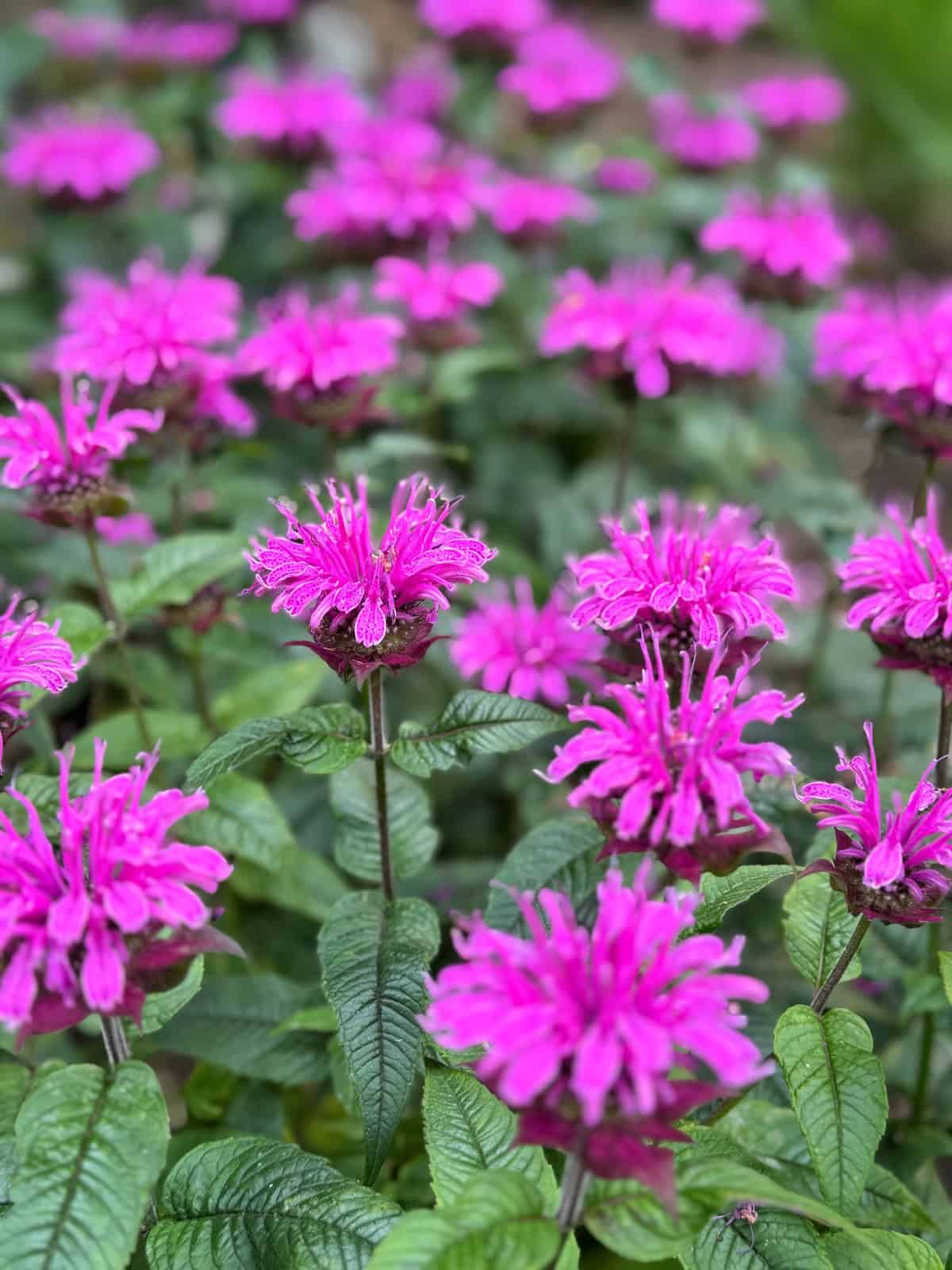
Monarda (Bee Balm)
Bee balm, also known as monarda, is one of those perennials that instantly brings life, color, and movement to a midsummer garden. It’s a fast grower that often reaches full height and bloom in its very first season, and once it’s established, it becomes a reliable favorite year after year. Hardy in Zones 4–9, monarda comes in vibrant shades of red, pink, purple, and even coral…all of which attract bees, butterflies, and hummingbirds like crazy.
Bee balm typically grows 2–4 feet tall, and while the foliage is pleasant enough, it’s really the flower’s unique shape and bright color that make this plant such a standout in summer borders. In my gardens, I’ve always loved how it pairs with coneflowers, phlox, and rudbeckia for that true cottage-garden look.
That said, some monarda varieties have a mind of their own as it can spread quickly if you give it the space. In both my former and current gardens, I’ve seen it happily take over any open patch of soil. The good news is, it’s incredibly easy to dig up, divide, and transplant wherever you want more color. I’ve used those free divisions to fill new beds and repeat color throughout my garden without spending a dime.
If you want a bold, pollinator-friendly midsummer bloomer that practically grows itself, monarda is a must.

Echinops (Globe Thistle)
Globe thistle is one of the most striking and low-maintenance perennials you can grow for midsummer interest. Those perfectly round, steel-blue flower heads add incredible texture to a border and look beautiful from a distance, especially when the sun catches them. They’re true garden workhorses: drought tolerant, deer resistant, and absolute magnets for bees and butterflies thanks to their nectar-rich blooms.
Echinops is also one of the few perennials that critters tend to avoid entirely. Between the spiky foliage and rough-textured blooms, rabbits, groundhogs, and deer usually leave them alone. In both my former garden and my current property, these were some of the few plants I never had to protect from hungry wildlife, which is always a win.
Hardy in Zones 3–9, globe thistle typically grows 2–5 feet tall and spreads 1–2 feet wide, making it ideal for the middle or back of a sunny border. It prefers well-drained, slightly acidic soil and will reward you with blooms that last well into fall. And don’t cut them back too early because the dried seed heads are absolutely gorgeous and provide food for birds late in the season.
If you want a bold, architectural perennial that thrives in heat, shrugs off drought, and attracts pollinators without attracting pests, echinops is a fantastic choice.

Butterfly Weed (Asclepias tuberosa)
If you want to attract more butterflies to your garden—especially monarchs—look no further than butterfly weed. Hardy in Zones 3–9, this summer-blooming perennial produces vibrant clusters of orange or yellow flowers that absolutely glow in the midsummer sun. It’s a classic cottage-garden favorite and one of the best pollinator plants you can grow.
Butterfly weed typically reaches about 24″ tall and 12–18″ wide, making it perfect for sunny borders, meadow-style gardens, and naturalized areas. It prefers dry, well-drained soil and actually thrives in tougher conditions where some other perennials might struggle. Once established, it’s wonderfully drought tolerant.
I’ve grown butterfly weed for many years across both of my gardens, and one thing has always been true: butterflies (and bees!) can’t resist it. I’ve seen more pollinator activity around butterfly weed than almost any other perennial I grow. And because it reseeds easily, you’ll often find little seedlings popping up nearby. It is lovely for filling in bare spots or expanding your pollinator patch without spending a dime.
If you want long-lasting color, movement, and an easy way to support local pollinators, butterfly weed is a must-have midsummer perennial.

Hardy Hibiscus (Rose Mallow)
Hardy in Zones 4–9, these show-stopping perennials are true summer drama queens but in the best way. Unlike their tropical cousins, hardy hibiscus is genuinely cold tolerant. It dies back to the ground each winter and then re-emerges late in spring (don’t panic; it always takes its sweet time!). Once it gets going, though, it grows fast and fills in quickly with lush foliage and incredible dinner-plate blooms.
Depending on the variety, hardy hibiscus can reach 3–7 feet tall and 2–4 feet wide, and those massive flowers can span 6–12 inches across. They come in beautiful shades of white, pink, red, and even striking bicolors with contrasting centers; each bloom somehow bigger and more dramatic than the last.
Hardy hibiscus thrives in full sun and prefers consistently moist, well-drained soil. In my gardens, I’ve found they enjoy a little extra moisture, so I often plant them near downspouts or areas that naturally retain water. They’re surprisingly low-maintenance for how bold they are. Just keep them watered during dry spells and mulch them well to help retain moisture.
One of the best things about hardy hibiscus is how much they attract hummingbirds and butterflies, yet deer typically leave them alone. And because they’re late to emerge each year, they’re perfect for filling those awkward early-season gaps in the garden. By midsummer, they explode with color just as some of the earlier perennials begin to fade.
I’ve got a huge dramatic border filled with them and they are really striking! If you want a big, bold, statement-making perennial that turns heads every summer, hardy hibiscus is a must-grow plant.

Balloon Flower (Platycodon grandiflorus)
Hardy in Zones 3–8, balloon flower is one of those charming perennials that always makes me smile. A member of the bellflower family, it grows about 1–2 feet tall and wide and produces those adorable balloon-like buds that pop open into star-shaped blooms. They’re such a whimsical addition to a cottage-style garden.
Balloon flowers prefer full sun to part shade and grow best in rich, loamy, well-drained soil. I’ve grown them for several years in both my former garden and my current one, and I’ve learned that while they’re incredibly low-maintenance, they do benefit from a little support. Without it, the stems can flop, especially after heavy rain, so a small plant ring or a subtle support tucked in early helps keep them upright and looking tidy.
For plant support ideas, read this post about how to support floppy flowers.
One of the things I love most about balloon flowers is how long they bloom and how reliably they return each year. They pair beautifully with other midsummer perennials like coneflowers, phlox, and yarrow, and their unique buds make them a fun talking point when friends walk through the garden.

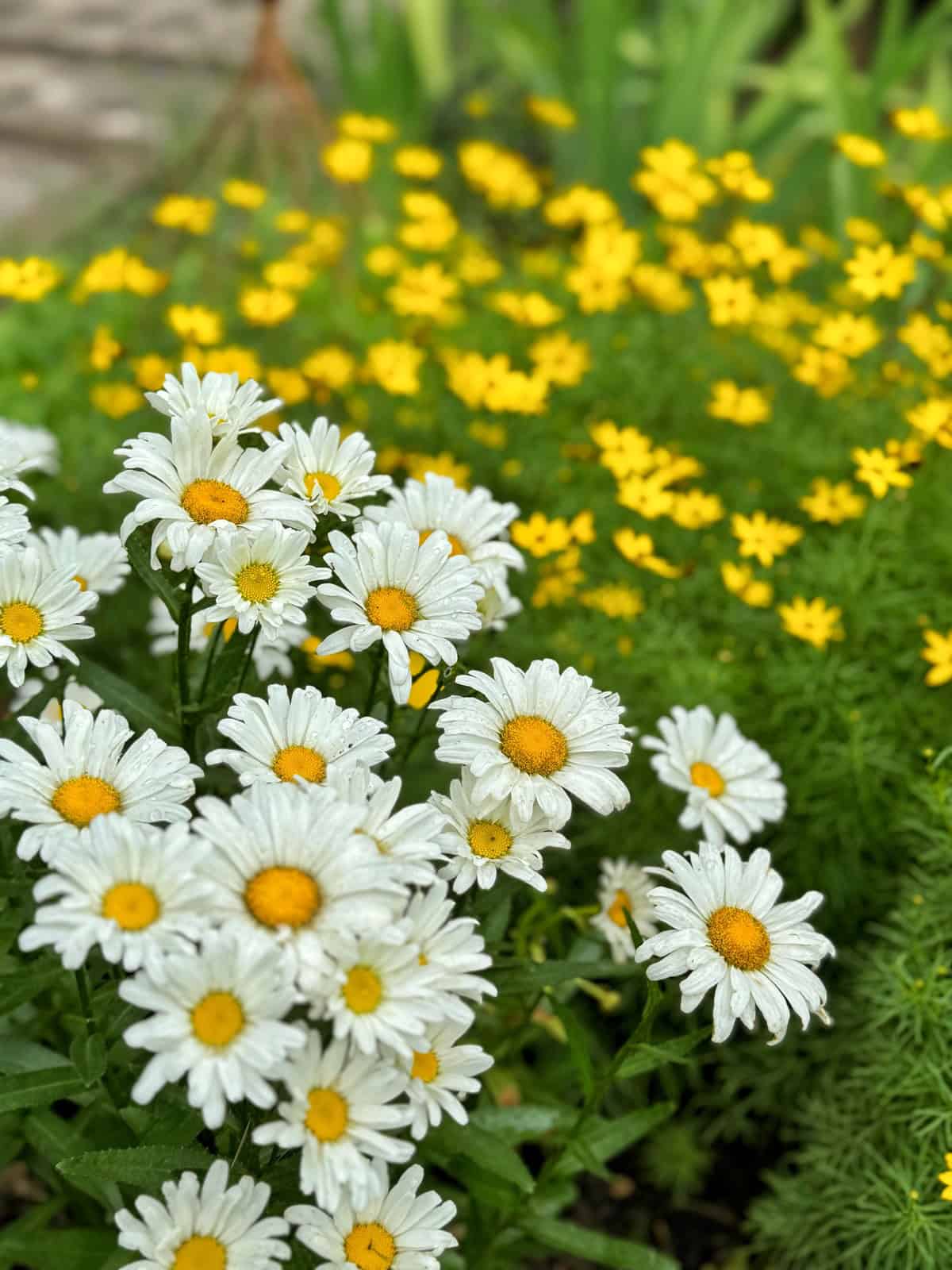
Leucanthemum (Shasta Daisy)
Hardy in Zones 4–9, the classic Shasta Daisy is one of those quintessential midsummer bloomers that instantly brightens a garden. With crisp white petals and sunny yellow centers, these cheerful flowers add a fresh, clean contrast to all the bold summer colors. Depending on the variety, Shasta daisies typically grow 1–3 feet tall and 1–2 feet wide, giving garden beds a strong vertical element and a timeless cottage-garden feel.
One of the most popular varieties (and one I’ve grown for years) is ‘Becky’. It’s exceptionally hardy, has sturdy stems that don’t flop, and produces long-lasting blooms even through heat and humidity. I’ve used it in borders, mixed beds, and cutting gardens, and it performs beautifully in all of them.
Shasta daisies thrive in full sun and well-drained soil, and once established, they’re wonderfully drought tolerant. They’re also generally resistant to pests and diseases, which makes them a reliable choice for low-maintenance gardeners. Regular deadheading will keep the flowers coming from early to late summer, giving you weeks of bright, happy blooms.
And because they make excellent cut flowers, you can enjoy their cheerful faces both outside in the garden and inside in a vase. It is one of my favorite things about them!
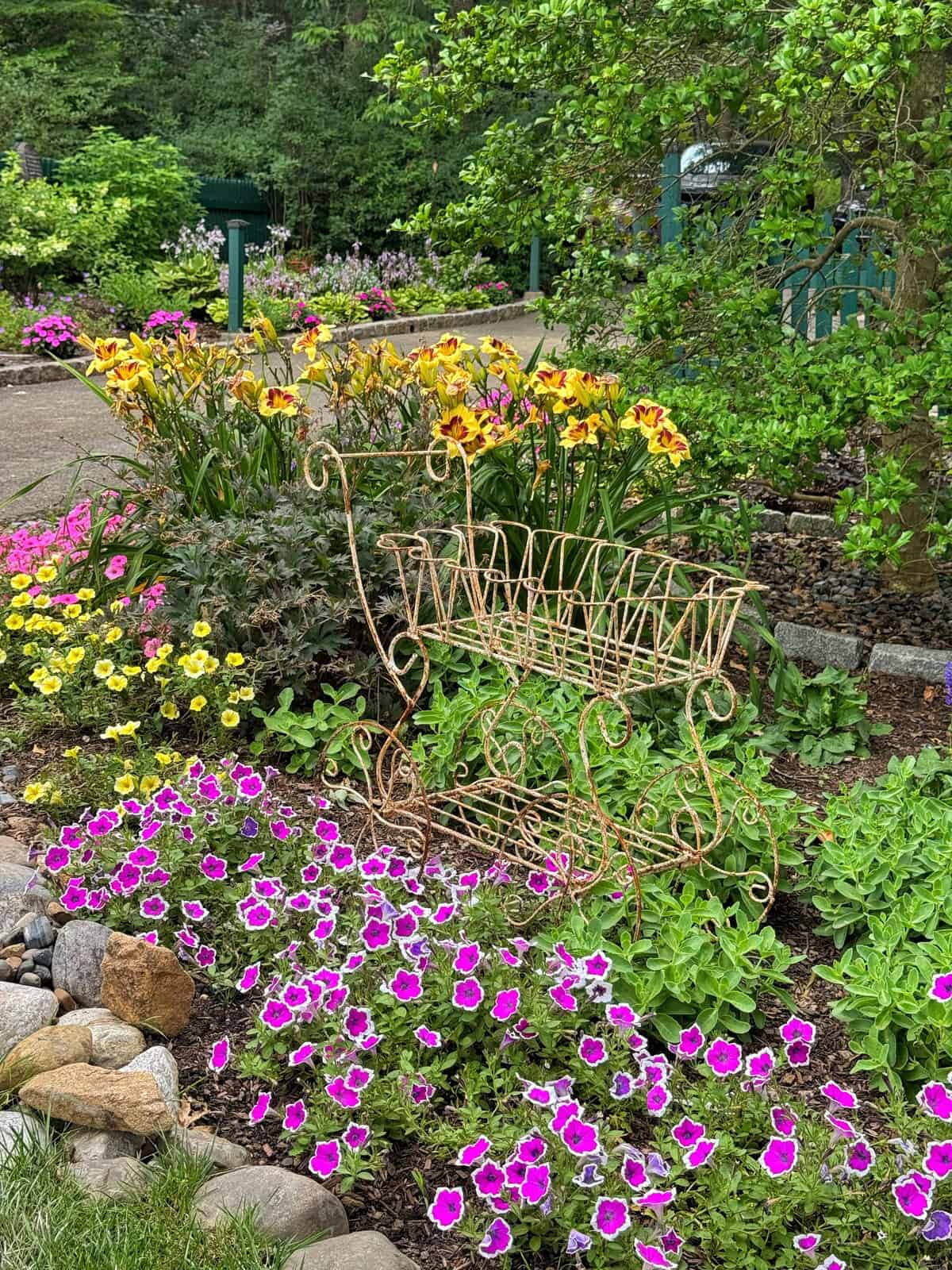
Daylily (Hemerocallis)
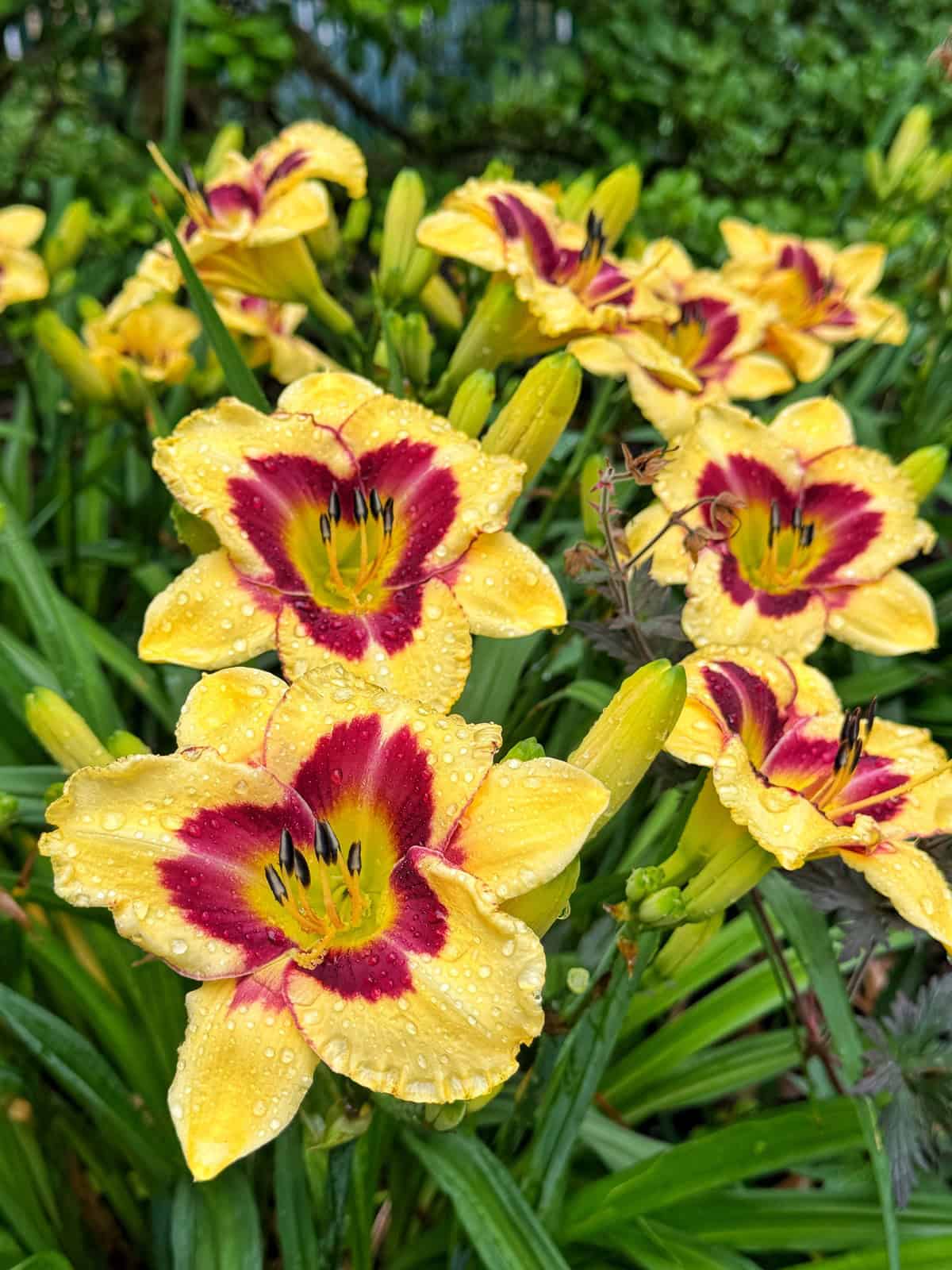
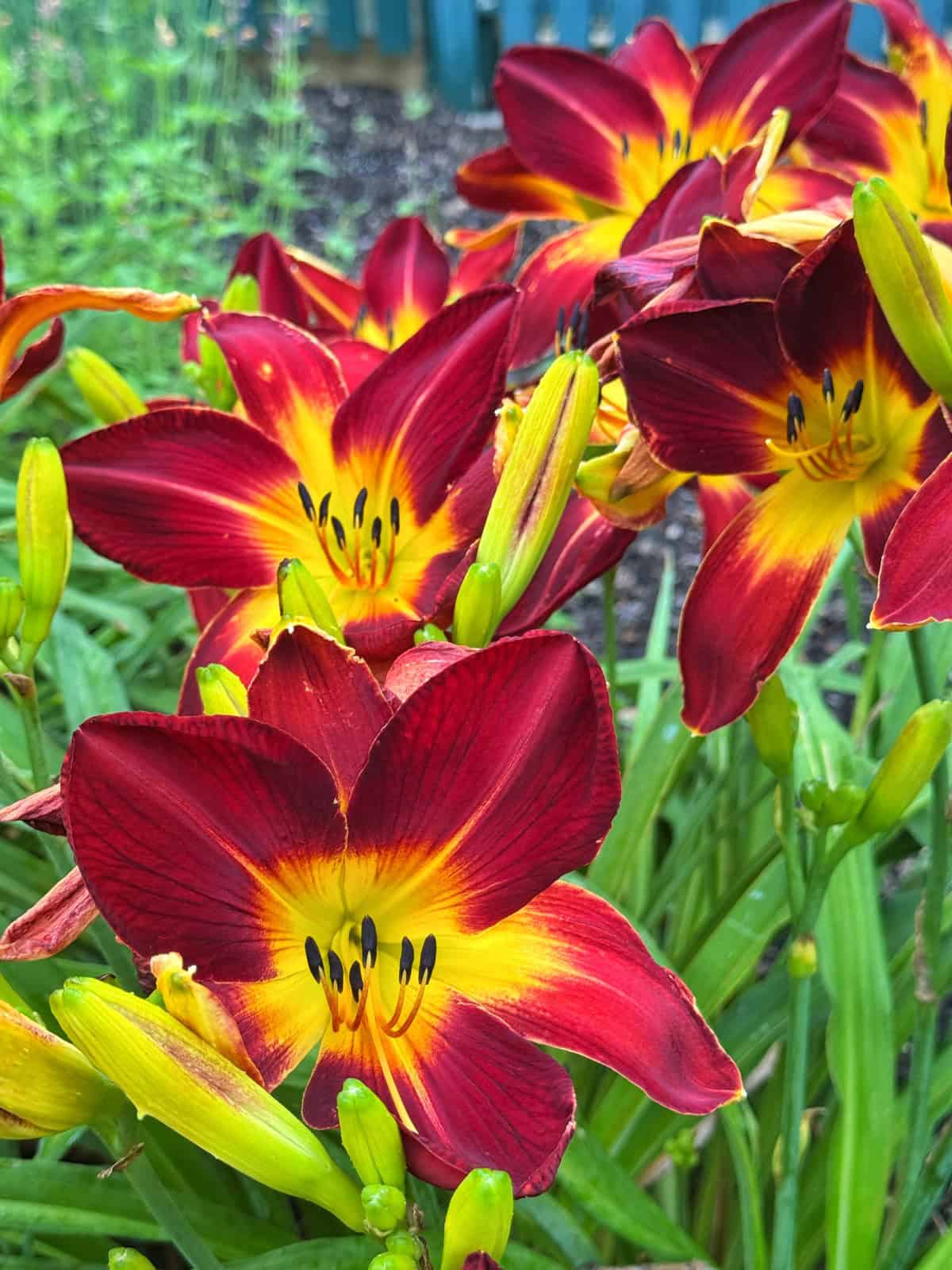
Hardy in Zones 3–9 (and sometimes even a bit beyond depending on the cultivar), daylilies are the definition of easy-care perennials. Their vibrant, trumpet-shaped flowers are iconic in midsummer gardens. While each bloom lasts only a single day, giving them their name, most varieties produce so many buds that you’ll enjoy color for weeks on end. Some even rebloom later in the season.
Daylilies come in an incredible range of sizes, from compact varieties under a foot tall to tall, dramatic types that can easily exceed 3 feet. I’ve grown daylilies for decades across two gardens, and they’ve always been some of my most dependable plants. They tolerate everything: different soil types, full sun to partial shade, heat, humidity, and drought once established. They’re rarely bothered by pests or diseases, making them nearly foolproof.
And the colors! Daylilies come in an astonishing spectrum — pinks, reds, oranges, yellows, peaches, purples, and even near-black, plus a variety of flower forms, from ruffled to spider types to doubles. There truly is a daylily for every garden palette and every style.
If you’re looking for a low-maintenance, long-blooming, incredibly rewarding midsummer perennial, daylilies are a must. They’re some of the easiest perennials to divide too, which is one of the reasons I’ve been able to spread them throughout my gardens for nearly thirty years.
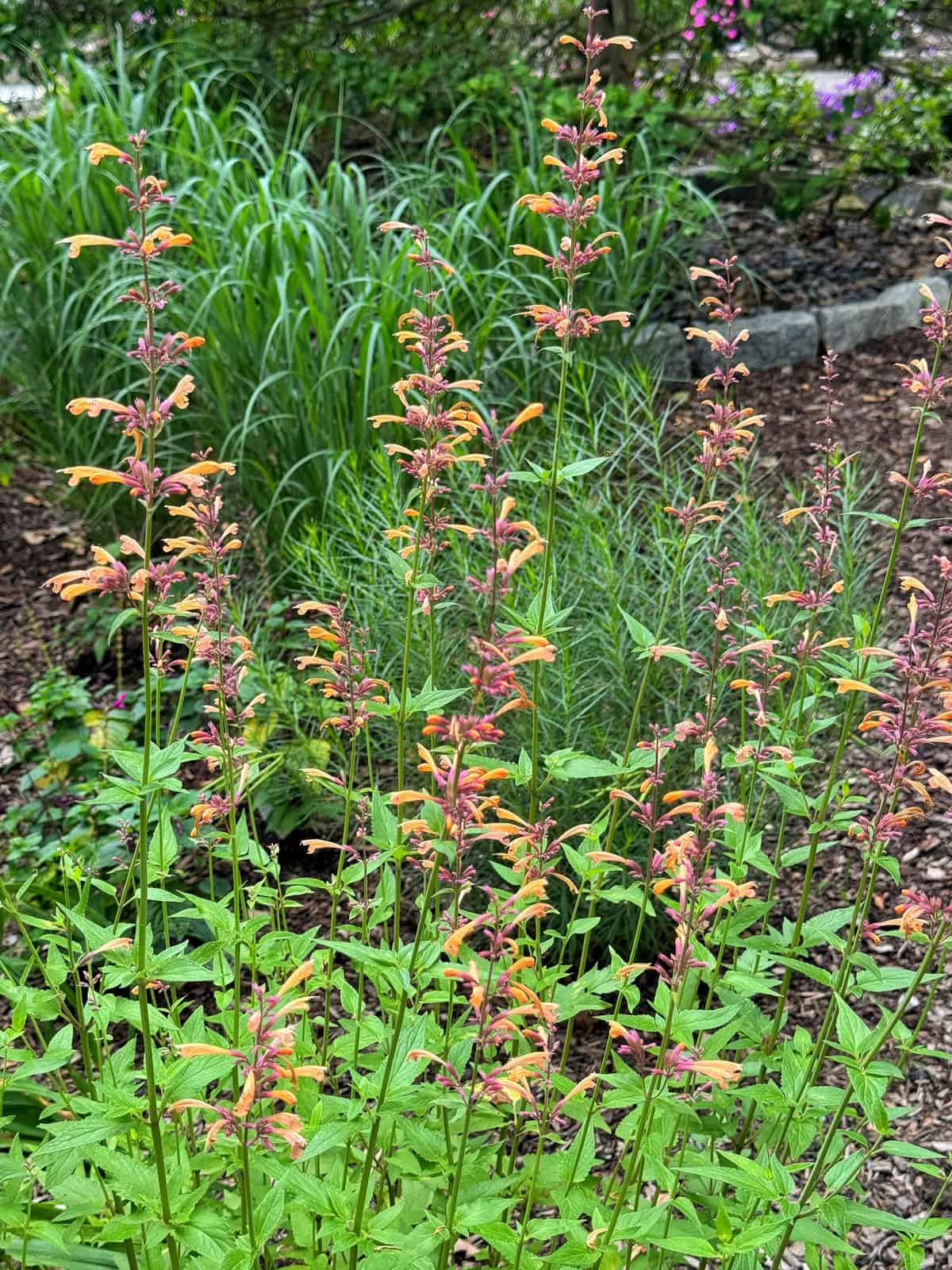
Agastache (Hummingbird Mint or Hyssop)
Hardy in Zones 4–10 (depending on the variety), Agastache is a phenomenal choice if you want nonstop color and constant pollinator activity in your midsummer garden. These aromatic perennials produce upright spikes of tubular flowers in gorgeous shades of purple, blue, pink, orange, or white, blooming steadily from mid-summer straight into fall. Depending on the cultivar, they typically grow 2–5 feet tall and 1–3 feet wide, which makes them incredibly versatile for borders, pollinator gardens, and cottage-style plantings.
Agastache thrives in full sun and well-drained (even poor!) soil, making it a top pick for low-maintenance gardeners. Once established, it’s wonderfully drought tolerant — a huge bonus during hot, dry summers. And unlike some of my more delicate midsummer plants, this one has never been bothered by deer or rabbits in either of my gardens. The foliage often has a sweet, minty or licorice-like scent that critters dislike but pollinators adore.
Speaking of pollinators: Agastache is one of the busiest plants in my summer garden. The nectar-rich blooms attract hummingbirds, butterflies, and bees nonstop. I’ve had mornings where I counted multiple hummingbirds darting back and forth between the spikes — it’s that good.
With its long blooming season, tough nature, and incredible wildlife value, Agastache is truly invaluable for extending your garden’s peak midsummer display.
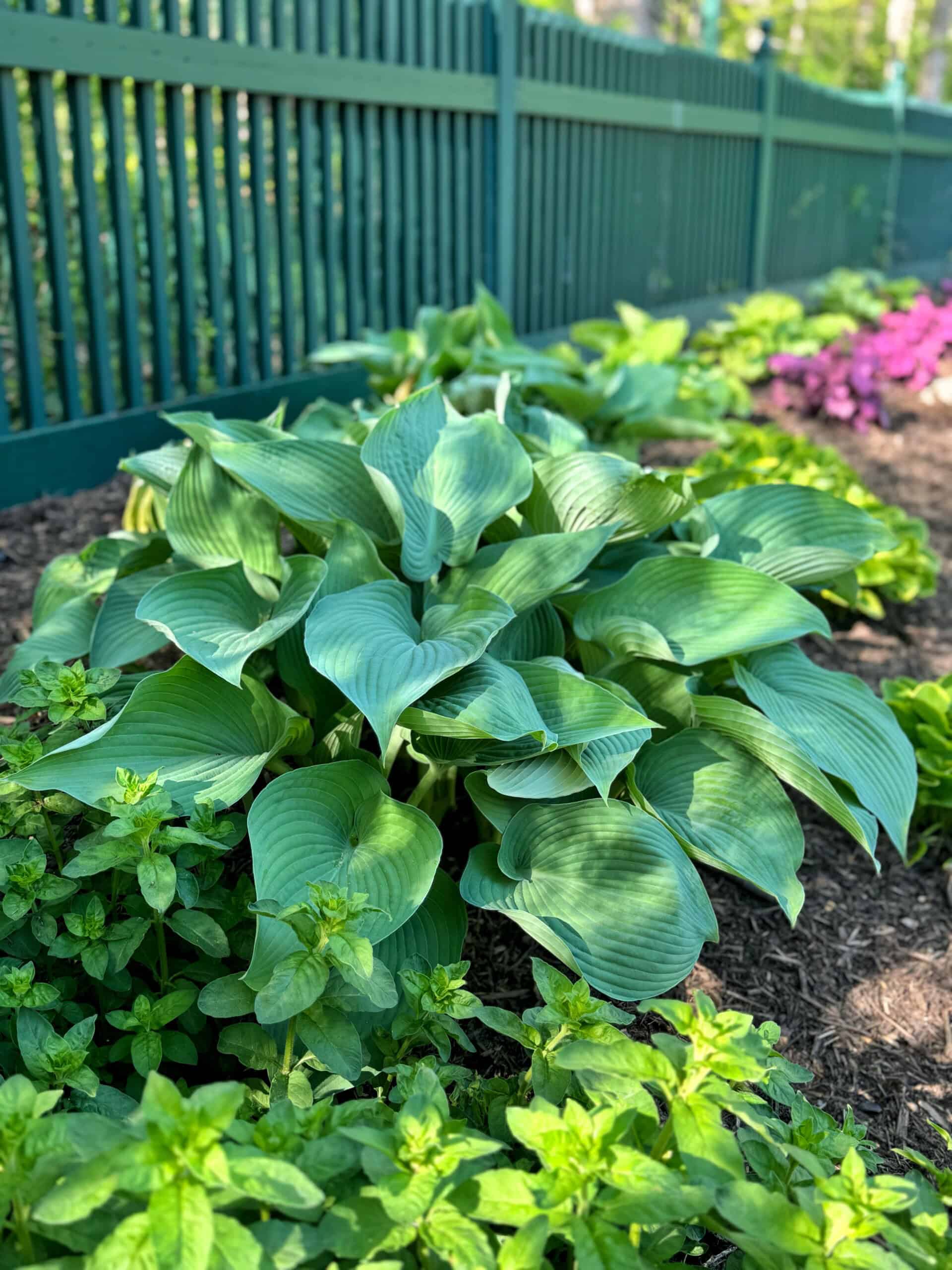
Hosta
Hardy in Zones 3–9, hostas are hands-down one of the most beloved foliage plants for shade gardens — and for good reason. They come in an astonishing range of sizes, shapes, and colors, from tiny miniatures you could tuck into the palm of your hand to giant varieties with leaves as big as dinner plates. Their foliage spans deep greens, blues, and golds to beautiful variegated patterns that brighten even the shadiest corners of the garden.
While most gardeners grow hostas for their lush leaves, their flowers deserve attention too. In midsummer, tall scapes rise above the foliage and open into bell-shaped or trumpet-shaped blooms in shades of lavender or white. Many varieties are delightfully fragrant, and in my gardens, I’ve noticed hummingbirds visiting them often.
Hostas are the quintessential shade-garden workhorse. They thrive in partial to full shade where other plants might struggle, and they prefer consistently moist, well-drained soil. Once established, they’re wonderfully low-maintenance and bring instant texture, fullness, and calm to the garden.
I’ve grown hostas for nearly thirty years across two properties, and they’ve always been one of my favorite plants to divide. A single mature clump can give you multiple new plants, making them a budget-friendly way to fill large shady areas — something I’ve done over and over again in my current expansive gardens. If you’re looking for an easy plant that brings big impact, hostas are always a great choice.
For more details on growing and dividing hostas, you can check out my full hosta guide.
Astilbe
Hardy in Zones 4–9, astilbes bring a delicate yet vibrant elegance to shaded and partially shaded gardens. Their feathery plumes rise in midsummer in shades of pink, red, lavender, or white, floating above beautiful fern-like foliage. Depending on the variety, they typically grow 1–4 feet tall and wide, adding dimension, softness, and height to those trickier low-light areas.
I’ve grown astilbes for many years in both my former garden and my current shade-heavy areas, and they’ve always been one of my favorite ways to add reliable midsummer color where other perennials struggle. They thrive in moist, well-drained soil rich in organic matter and prefer partial to full shade, though I’ve found that some varieties can handle a bit more sun as long as the soil stays consistently moist. Mulching around the plants helps a lot during dry spells.
Astilbes are also wonderfully deer and rabbit resistant, which is such a gift if you garden in an area with hungry wildlife like I do. Their airy plumes attract pollinators, and once established, they require very little fuss beyond regular moisture.
If you’re looking to bring long-lasting color, lush texture, and a sense of movement to your shade or part-shade garden, astilbe is an absolute standout perennial — and one I rely on year after year.

My Best Tips for Thriving Midsummer Perennial Flowers in Your Gardens
Creating a beautiful perennial garden that flourishes in midsummer with minimal fuss and returns year after year is achievable with a few key practices. Here’s how to ensure your easy-to-grow, long-blooming perennials truly shine:
1. Smart Soil Preparation and Planting
- Foundation First: Perennials are long-term residents, so proper bed preparation is crucial. Improve your soil and address drainage issues before planting. A good rule of thumb for drainage is that water should drain from a filled hole within 8-10 hours.
- Soil Testing is Key: Conduct a soil test to understand your soil’s pH and nutrient levels. Most perennials prefer a pH of 6.0 to 6.5. This helps avoid unnecessary fertilization or amendments.
- Organic Matter is Your Friend: Amend perennial beds with generous amounts of organic matter like composted yard waste, peat moss, or well-rotted manure. This improves soil structure, water retention, and nutrient availability.
- Planting Depth Matters: When planting, position the crown of the plant at or just below the soil surface. Planting too deeply can lead to crown rot. Gently untangle and spread roots before filling the hole and watering thoroughly.
- Space for Growth: Know the mature size of your perennials and space them accordingly. This prevents overcrowding, ensures good air circulation (reducing disease risk), and minimizes the need for extra mulch for weed control. Grouping plants in masses rather than single specimens also increases visual impact.
2. Watering With Intent
- Deep and Infrequent: Avoid frequent, light waterings, which encourage shallow root growth. Instead, water deeply when the soil feels dry a few inches down. This promotes deep root systems, making plants more drought-tolerant. To learn more of my best watering practices, read this post.
- Morning is Best: Water in the morning to allow foliage to dry quickly, which helps prevent fungal diseases like powdery mildew.
- Mulch for Moisture: Apply 2-3 inches of organic mulch (pine bark, pine straw, wood chips) around plants once the soil warms. Mulch conserves moisture, regulates soil temperature, suppresses weeds, and prevents soil crusting. Keep mulch a few inches away from plant crowns to prevent rot. For more information about how to mulch your garden, check out this informative post.
3. Fertilization and Feeding
- Balanced Approach: In my gardens, I don’t fertilize my perennial flowers at all and recommend focusing on the soil instead. Add compost, earth worm castings, and fresh mulch yearly and your plants will reward you with lots of beautiful blooms and lush foliage.
- Follow Directions: If you choose to use fertilizer anyway, go organic and always follow fertilizer label instructions. Over-fertilization can be detrimental.
- Water After Application: And water the bed after applying any type of fertilizer to ensure it penetrates the soil and is available to the plants.
4. Pruning and Deadheading for Prolonged Blooms
- Deadhead Regularly: Remove spent blooms (deadhead) to prevent seed formation and redirect the plant’s energy into producing more flowers. This can significantly prolong the blooming period for many perennials, including Echinacea, Coreopsis, Rudbeckia, and Russian Sage. Large groups of plants can sometimes be sheared.
- Support Tall Varieties: Many top-heavy perennials may require support to prevent them from bending or falling over in wind and rain. Read this post that I wrote that shares the different options for supporting tall, heavy blooms.
- Strategic Cutting Back: Some perennials benefit from being cut back by a third or even by half in early summer to control height and encourage a bushier habit, which can also lead to more blooms later in the season. For example, nepeta and salvia can get a second flush of blooms midsummer if you cut them back after the first set of blooms. And some varieties of phlox can be pinched back to promote robust stems and larger flower clusters.
- Remove Dead Foliage: In the fall, remove dead foliage and stems. While it’s natural for many perennials to die back to the ground with frost, cleaning up helps control diseases and pests.
5. Pest and Disease Management
- Choose Resistant Cultivars: Select disease-resistant varieties when possible, especially for plants prone to issues like powdery mildew (e.g., Tall Phlox). Newer varieties are bred to be more resilient to these types of issues so read your plant tags and descriptions well before purchasing!
- Good Air Circulation: Avoid crowding plants and ensure adequate air circulation to reduce the risk of fungal diseases.
- Monitor and Act: Regularly inspect plants for pests or signs of disease. Address problems early with appropriate organic solutions like insecticidal soap for mites or by removing affected plant material.

My Best Tips for Helping Midsummer Perennials Thrive
After nearly thirty years of growing perennial flowers across two very different gardens, I’ve learned that a few simple habits make a huge difference in how well midsummer bloomers perform. These are the exact things I do in my own gardens to keep my perennials happy, healthy, and blooming their hearts out during the hottest time of the year.
Give Them the Right Start
Before I plant anything, I always take a moment to check the soil. Good drainage and a bit of organic matter go a long way, especially for perennials that return year after year. I’m a big fan of amending with compost and making sure the crown sits at the correct depth — not too deep!
Water Deeply, Not Often
One of the biggest lessons from my former garden is that deep, infrequent watering builds stronger, more resilient plants. I always water in the morning, and I rely on mulch to help retain soil moisture and keep roots cool during heat waves.
Focus on Soil, Not Fertilizer
Healthy soil truly is the secret. I rarely fertilize my perennials; instead, I add compost and earthworm castings each year. Plants respond so much better to this gentle, natural feeding than to quick fertilizers.
Deadhead + Tidy for More Blooms
So many midsummer perennials — like coneflowers, coreopsis, rudbeckia, and salvia — bloom longer when deadheaded. In my gardens, a quick tidy-up every week or so keeps everything looking fresh and encourages new blooms.
Don’t Be Afraid to Cut Them Back
Some perennials actually bloom better after a light haircut. Nepeta and salvia, for example, often give me a second flush of color if I cut them back after their first bloom cycle. Tall phlox appreciates a little pinching early on to reduce flopping.
Keep an Eye Out for Pests & Disease
A quick garden walk makes a huge difference. I check for early signs of powdery mildew on phlox or nibbling from critters and treat them before they become an issue. A little prevention goes a long way — neem oil and insecticidal soap are usually all I need.
Plan for Season-Long Color With Confidence
One of the biggest lessons I’ve learned after nearly 30 years of gardening is that a beautiful midsummer garden doesn’t happen by chance. It comes from choosing plants with different bloom times and layering them so that as one perennial finishes, another is ready to take center stage. That kind of planning is what keeps a garden looking full and colorful all season long.
If you’d like more guidance on choosing dependable perennials and combining them into beautiful, low-maintenance garden beds, The Bricks ‘n Blooms Guide to a Beautiful and Easy-Care Flower Garden walks you through my easy-care approach with plant recommendations, ready-made garden plans, and the design principles I’ve developed through years of gardening.
One thing that’s completely changed how I garden is tracking what blooms when in my own landscape. The Bricks ‘n Blooms Beautiful and Easy-Care Flower Garden Planner includes dedicated sections for recording bloom times, plant performance, bed layouts, and seasonal observations so you can build on what you’ve learned instead of trying to remember it all next year. Together, the book and planner give you both the knowledge to design a beautiful flower garden and the system to make it even better every growing season.
More About Flowers that Bloom in Midsummer
Midsummer is one of my favorite times in the garden because so many perennials hit their stride — and after nearly 30 years of gardening (between my former home and my much larger gardens now), I can confidently say these plants earn their keep every single season. They’re reliable, long-blooming, beautiful, and incredibly rewarding once you understand what they need.
What I love most is that you don’t need dozens of fancy plants to create a show-stopping summer garden. A thoughtful mix of long-blooming perennials, planted in the right spots and given just a little care, will return stronger and fuller every year. And if you ever want to expand your garden on a budget, many of these plants divide beautifully — I’ve grown entire borders from just a few starter clumps!
As midsummer flowers begin to fade, these Late Summer and Fall Blooming Perennials help carry the garden beautifully into autumn.
If you’re looking to learn more about perennial gardening, you might enjoy exploring some of my other guides too. They all work together to help you build a thriving, long-lasting perennial garden:
- Perennials vs Annuals: What Should You Plant?
- Dividing Perennials 101
- How to Renew an Aging Perennial Border
- Why Perennials Fail to Bloom (and How to Fix It Fast)
- Top Perennials for a Cut Flower Garden
- Best Full Sun Perennials
- Perennials for Shade
- Perennial Garden Design
- Cottage Garden Perennials
Whether you’re filling in new beds, refreshing old ones, or just getting started with perennials, I hope this midsummer list inspires you to try something new. And as always, if you have questions about any of these plants or want help choosing the right ones for your garden, let’s chat more in the comments below.
Happy gardening, friend! 🌿🌸
Thank you for visiting the blog today!
Enjoy your day! xo

Originally Published . Last Updated .

Your mid-summer flowers are beautiful Stacy! Thank you for your gorgeous garden tour!
This is a great list. Thank you so much. Happy summer gardening.
Thanks Renae!