
Long-Blooming Perennials for Continuous Color All Season

Want nonstop color? These long-blooming perennials keep your garden looking beautiful from spring through fall.
When you’ve been gardening as long as I have, you learn quickly which plants truly earn their space. After nearly 30 years of gardening in Zone 6B across two very different properties, I’ve come to rely on perennials that don’t just bloom once and disappear, but carry the garden forward for weeks or even months at a time. These long-blooming perennials form the backbone of my gardens, providing reliable color, texture, and structure without constant replanting.
If you’re still deciding between annuals and perennials or want a refresher on how they perform differently in the garden, you may find this helpful: Perennials vs Annuals: What Should You Plant?
The perennials below are the ones I consistently turn to when I want continuous color with minimal effort.
(Posts on stacyling.com may contain affiliate links. Click HERE for full disclosure.)
Hellebores
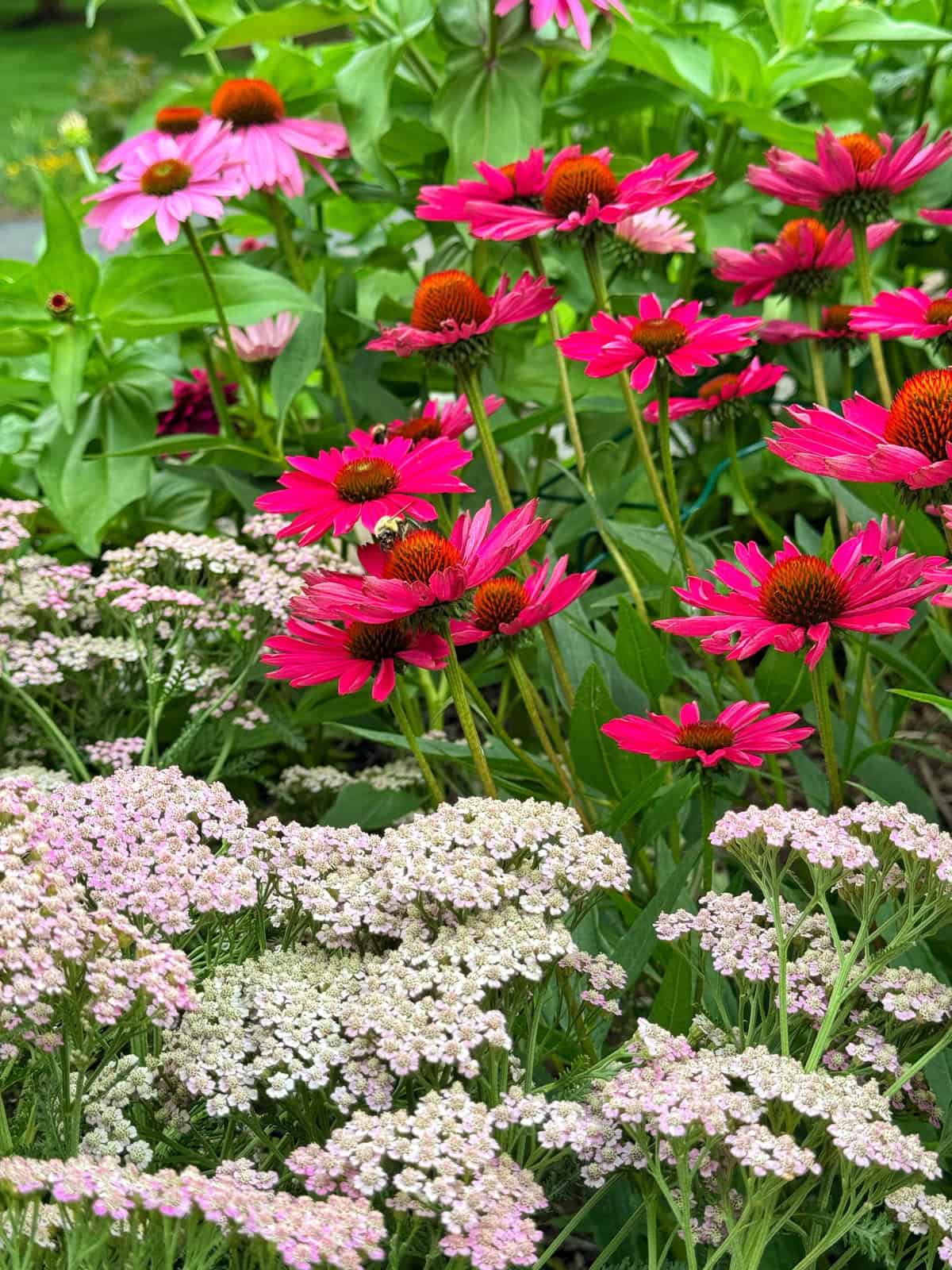
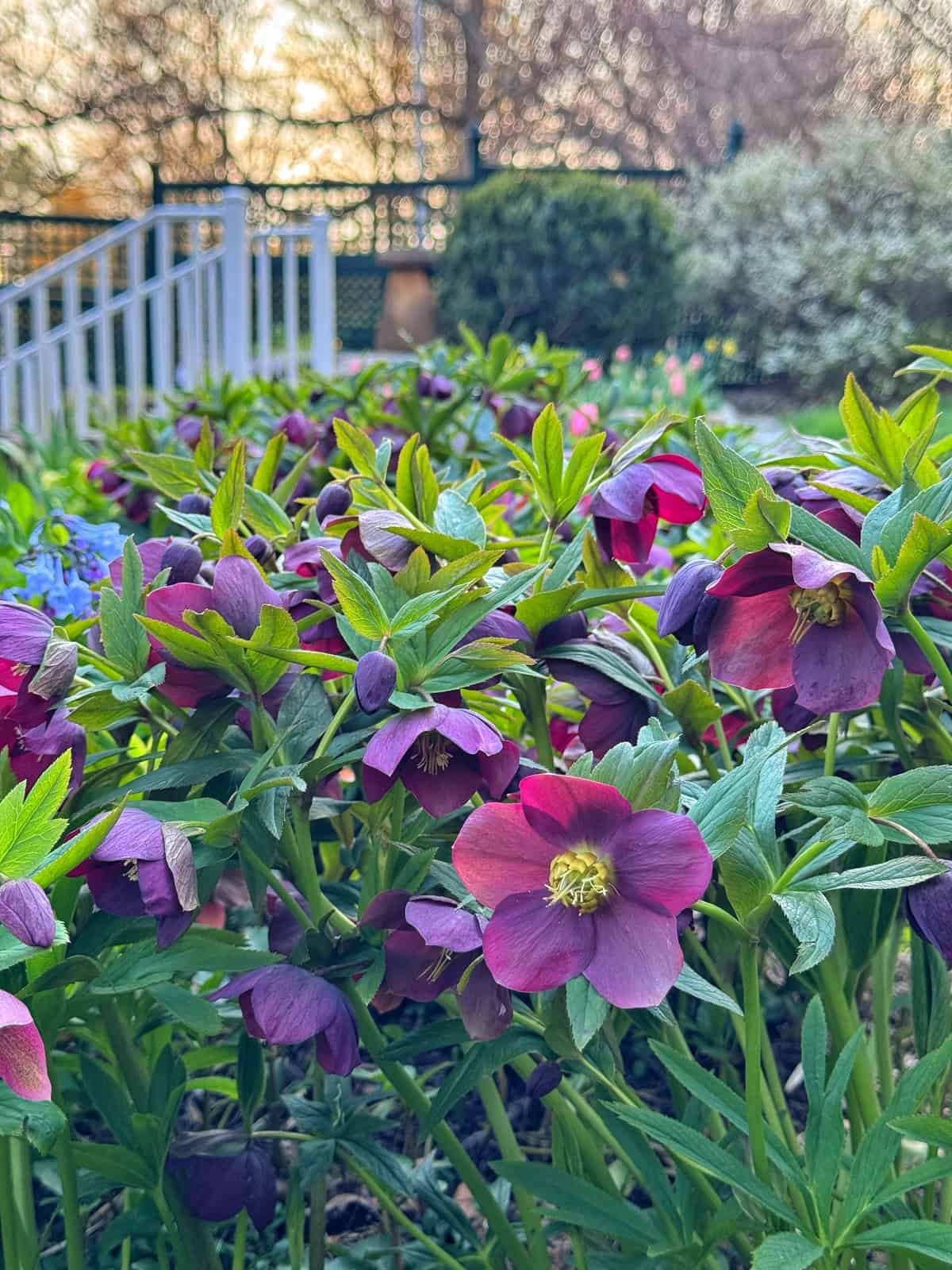
Hellebores are one of the earliest perennials to bloom in the garden, and their staying power is unmatched. In my gardens, they begin flowering in late winter or very early spring and often look good for months as the blooms age and fade into soft, muted tones.
What I’ve learned:
Hellebores prefer part shade and well-drained soil. Their foliage remains attractive long after flowering, making them valuable well beyond bloom time. Because their flowers last so long, they help bridge the gap between winter and spring better than almost any other perennial. I love them in my shade gardens with brunnera, bleeding hearts and virginia bluebells.
To learn more about how I grow lenten rose, please visit: How to Grow Hellebores

Nepeta (Catmint)
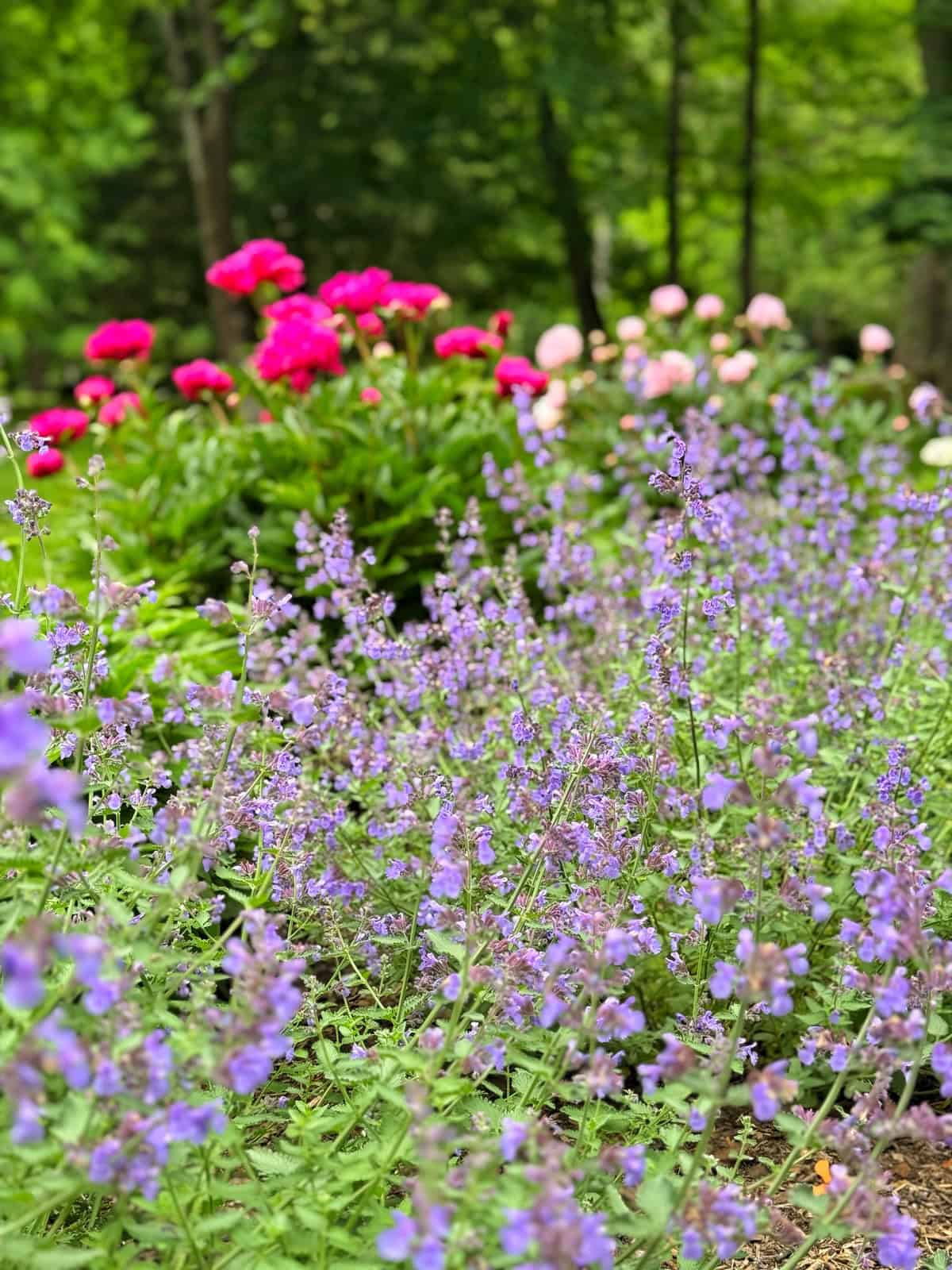
Nepeta is one of the hardest-working perennials I grow. It begins blooming in late spring and, with a simple cutback, continues producing flowers well into summer.
What I’ve learned:
Nepeta thrives in full sun and well-drained soil. Cutting it back after the first flush of blooms encourages a second, often stronger round of flowers. It also adds a soft, flowing quality that ties other plants together. I love it paired with peonies, roses, and hardy hibiscus.
To learn more about how I grow nepeta in my gardens, please visit: How to Grow Nepeta (Catmint)
Salvia
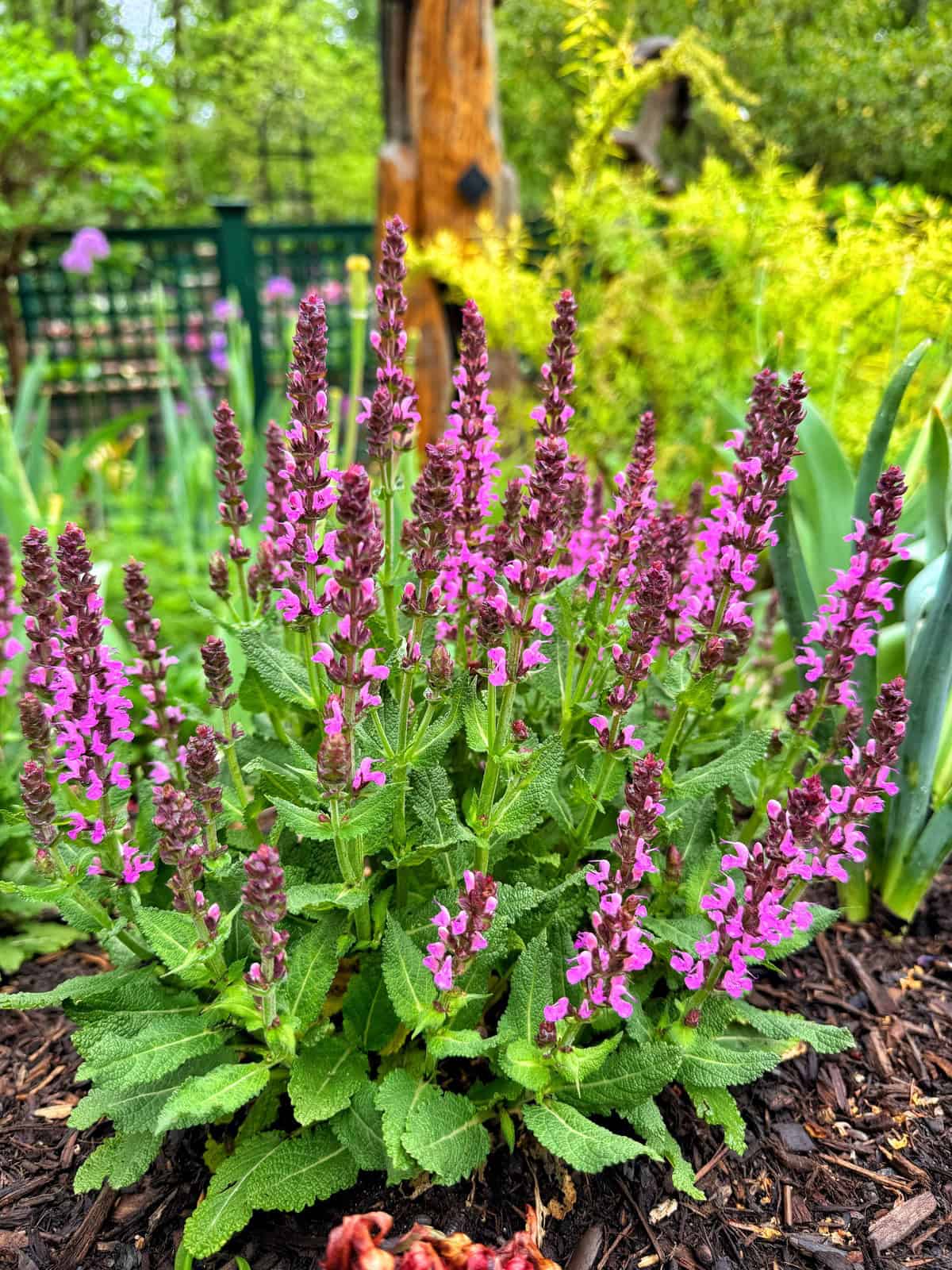
Salvia provides strong vertical color and blooms for an impressively long period, especially when deadheaded or lightly trimmed.
What I’ve learned:
Most salvias bloom from late spring into summer and rebloom reliably when cut back. They prefer full sun and good drainage and pair beautifully with nepeta, coreopsis, and coneflowers. I grow several different varieties here that include: May Night, Pink Profusion, Indiglo Girls, and Azure Snow.
To learn more about how I grow salvia in my gardens, please visit: How to Grow Salvia
Coreopsis
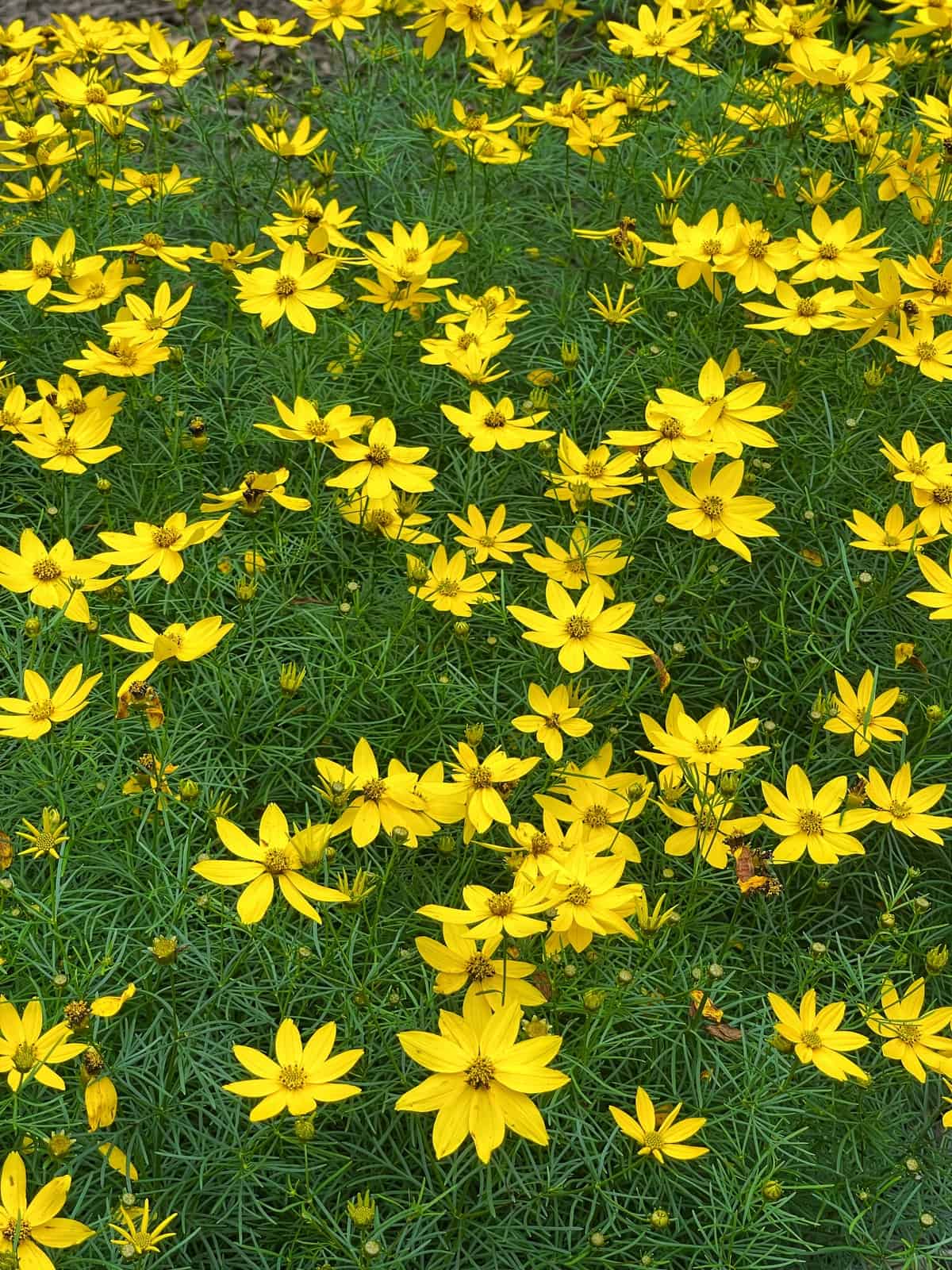
Coreopsis is one of the most dependable long-blooming perennials for summer color. Once it starts blooming, it rarely stops until late summer.
What I’ve learned:
Deadheading makes a big difference. In my gardens, coreopsis blooms longest when spent flowers are removed regularly. It tolerates heat and drought well once established. Plus, the deer completely leave it alone.
To learn more about how I grow tickseed in my garden, please visit: How to Grow Coreopsis
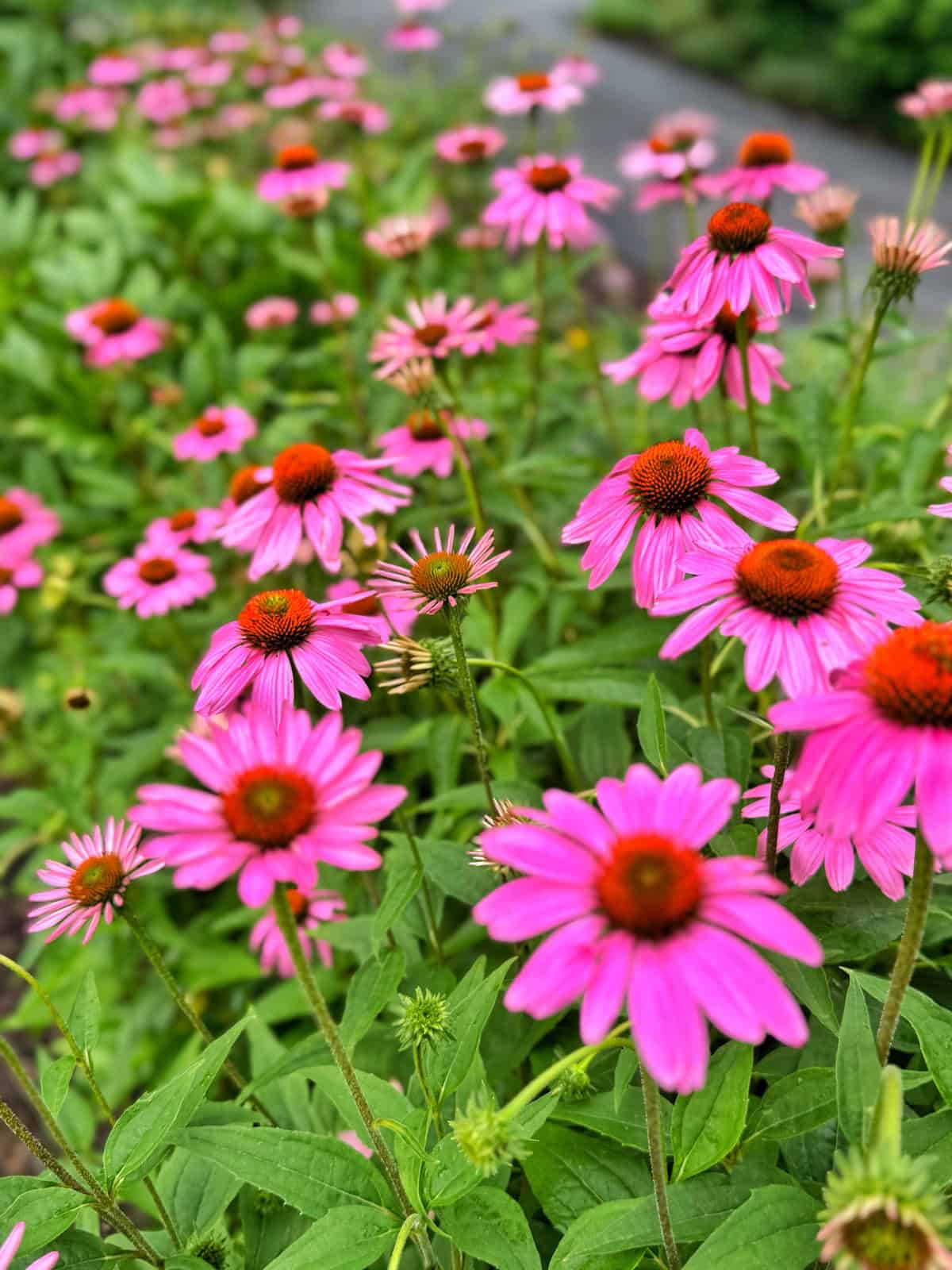
Coneflowers (Echinacea)
Coneflowers may not bloom nonstop on their own, but their long flowering window and sturdy structure earn them a place in continuous-color gardens.
What I’ve learned:
Leaving some spent flowers encourages reseeding and provides seed heads for birds, while deadheading others keeps blooms coming. They thrive in full sun and well-drained soil. It’s a pollinator favorite in my gardens! I love pairing it with nepeta, black-eyed susan, and coreopsis.
To learn more about how I grow coneflowers in my gardens, please visit: Purple Coneflower Care
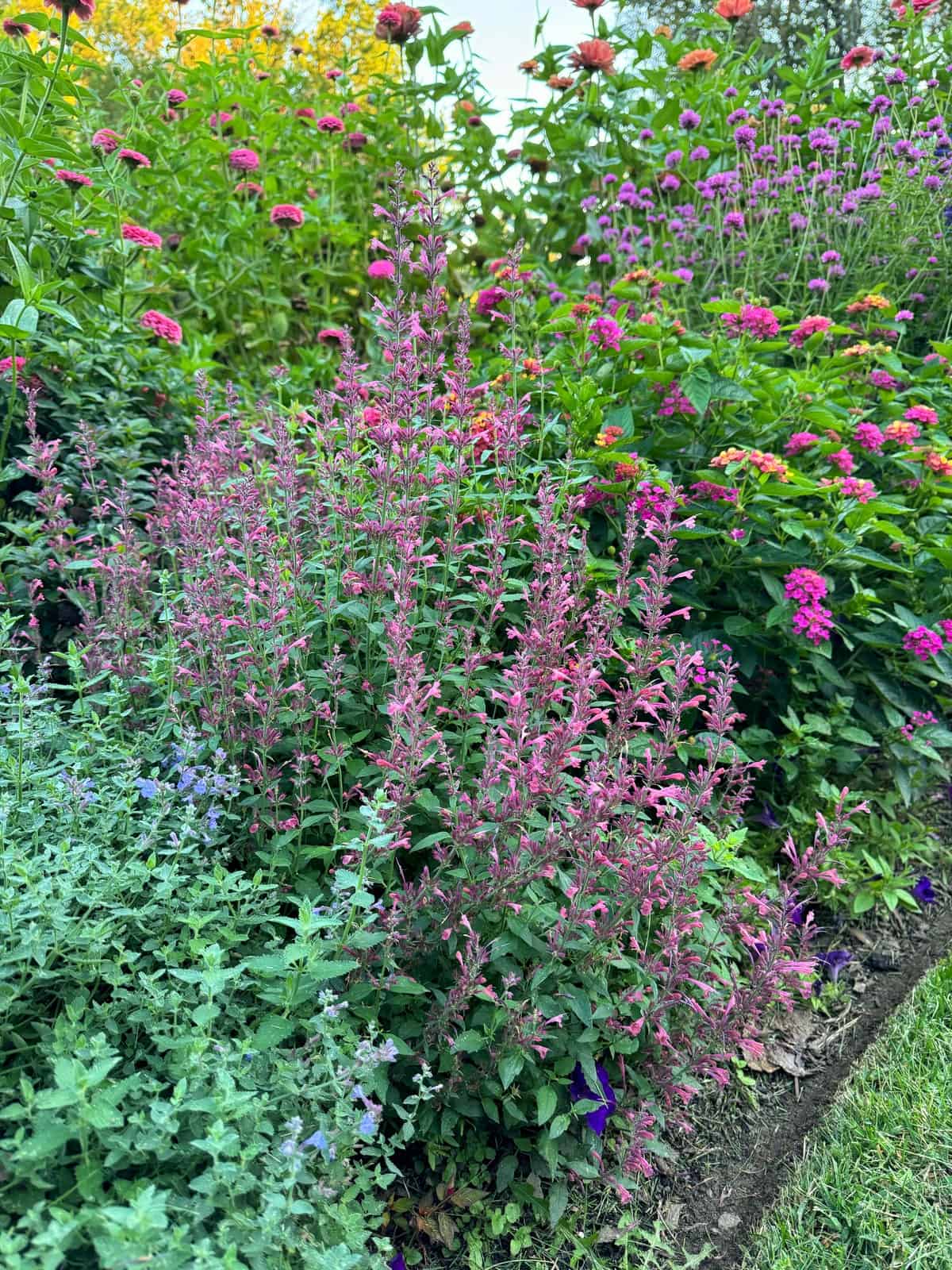
Agastache
Agastache brings long-lasting color and movement to summer borders while attracting pollinators nonstop.
What I’ve learned:
Once established, agastache blooms steadily from early summer into fall. It prefers lean, well-drained soil and does best when not overwatered. In my zone 6b gardens, agastache is not fussy and thrives in full sun to part-shade.
Yarrow
Yarrow blooms early and keeps going well into summer, especially when cut back after flowering.
What I’ve learned:
Yarrow is drought tolerant and thrives in full sun. Cutting back spent blooms encourages fresh growth and additional flowering, making it one of the longest-lasting performers in my gardens. Not to mention looks so pretty in a bouquet! They are highly susceptible to rabbit damage early in the season, so I cover them with wire cloches in late fall to protect them the following spring.
To learn more about how I grow yarrow, please visit: How to Grow Yarrow

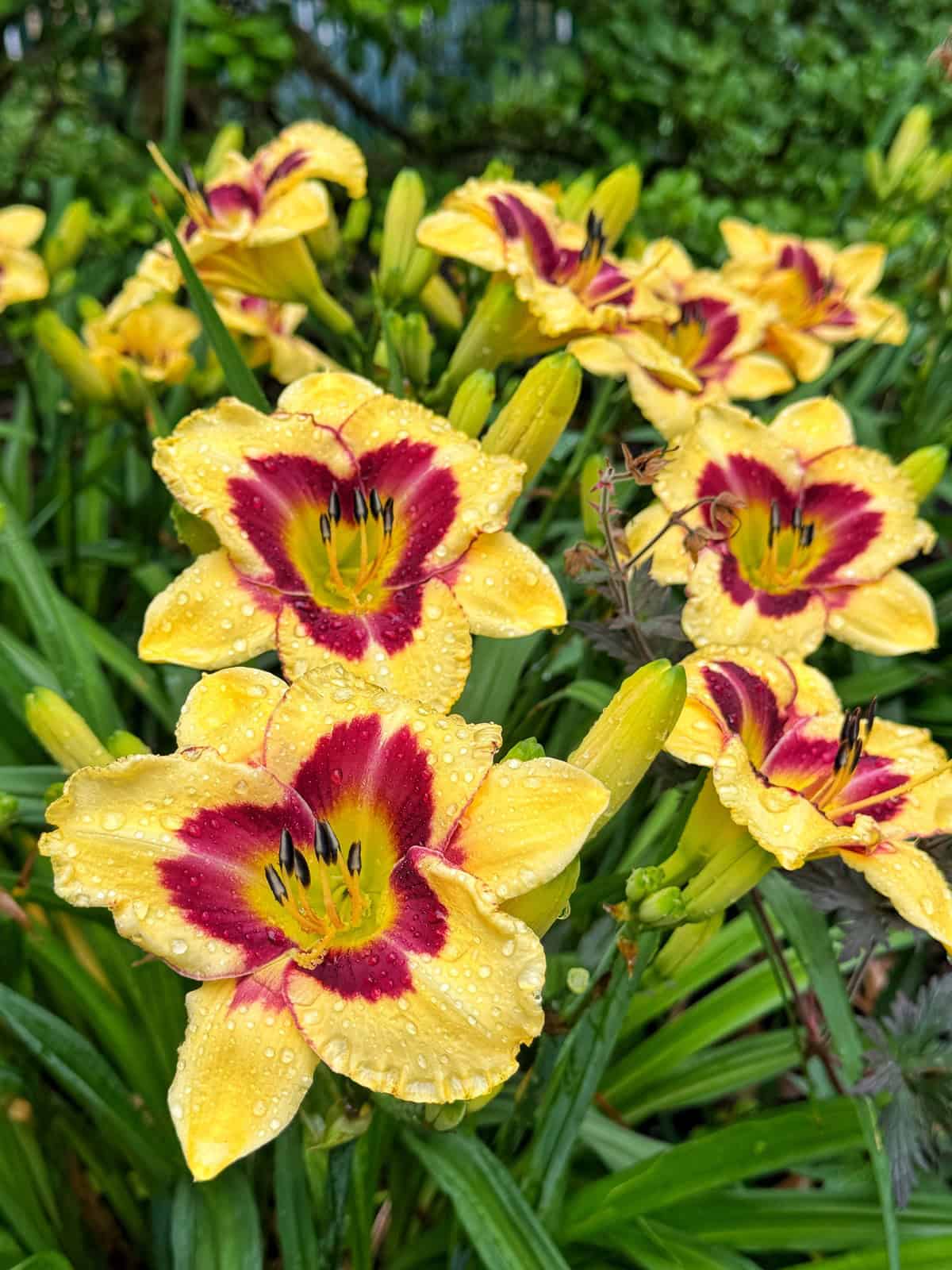
Daylilies (Reblooming Varieties)
Not all daylilies bloom for long, but reblooming varieties can extend color for weeks.
What I’ve learned:
Choosing reblooming cultivars makes all the difference. While individual flowers last only a day, the plant produces enough buds to maintain color over a long period. I’ve also found the foliage to be a bonus, adding movement and texture to the garden even between blooms.
Hardy Geranium (Cranesbill)
Hardy geraniums quietly bloom for weeks and often rebloom if trimmed back.
What I’ve learned:
These plants work especially well at the front of borders, weaving through other perennials and filling gaps with color well into summer. Deer love to nibble on it in my gardens, so I need to protect it with this deer repellent.

Lavender
Lavender offers long-lasting blooms along with fragrance and structure.
What I’ve learned:
When harvested or lightly trimmed after flowering, lavender maintains a neat appearance and can produce a second flush of blooms. It prefers full sun and excellent drainage. I struggled to grow lavender in my former garden because the soil retained too much moisture. My soil drains much better here and my lavender plants thrive.
To learn more about how I grow lavender, please visit: How to Grow Lavender

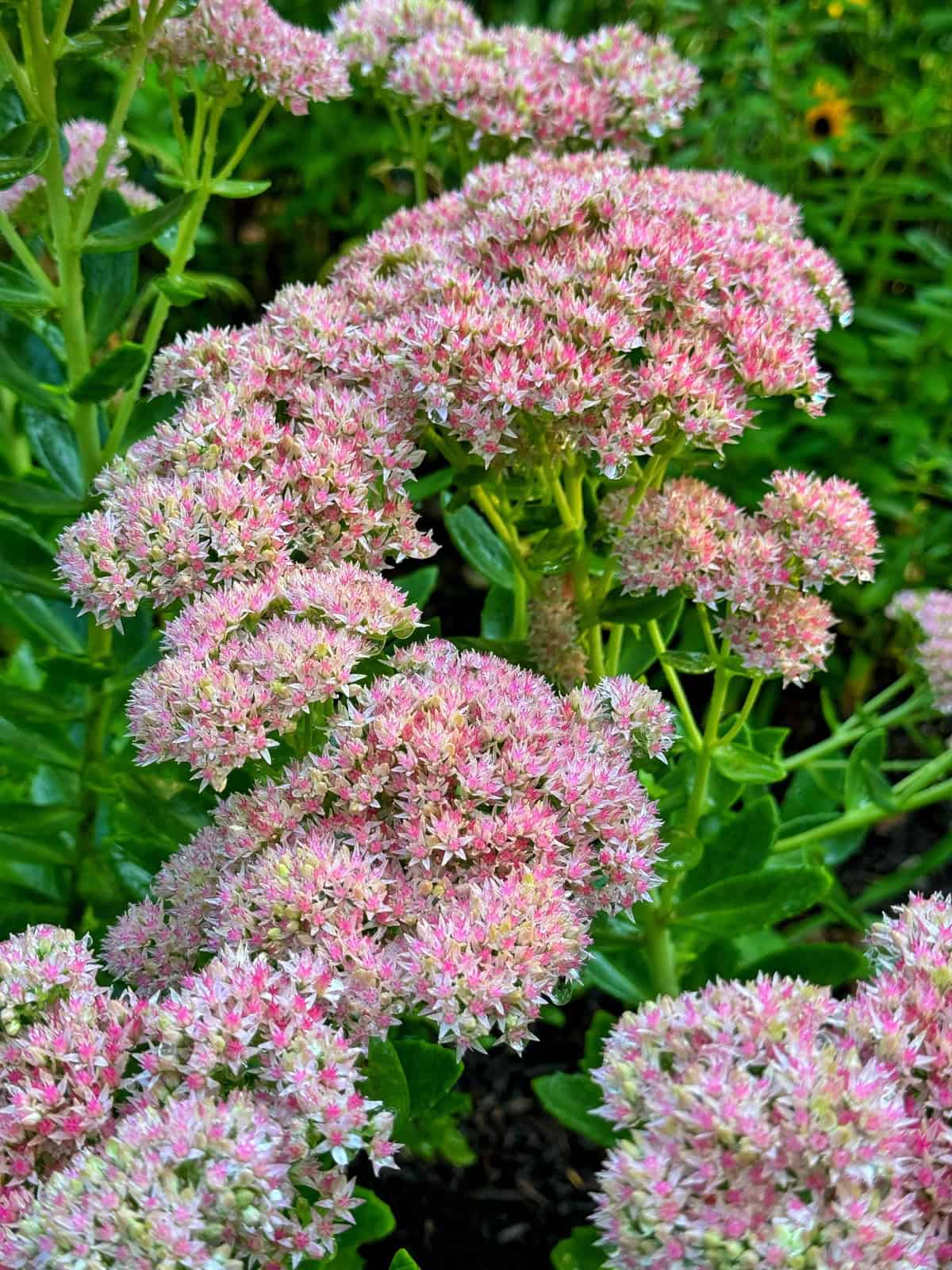
Sedum (Early to Midseason Varieties)
Some sedums begin blooming earlier than autumn and carry interest well into fall.
What I’ve learned:
Sedum provides long-lasting structure even after flowering ends. Their blooms transition beautifully into fall color, extending interest long after peak summer. Stonecrop sedums, like sedum autumn joy, are four-season plants that add a lot of color and seasonal interest throughout the year.
To learn more about how I grow sedum autumn joy, please visit: How to Grow Sedum Autumn Joy
How Long-Blooming Perennials Work in the Garden
I use long-blooming perennials as connectors in my garden beds. They help smooth the transition between early spring bloomers and late-season performers, reducing bare spots and minimizing the need for constant replacements. When paired with seasonal bloomers, they keep borders looking intentional and full for much longer.
While these plants provide months of color, you’ll also want to include dependable late-season bloomers that peak as summer winds down. Here are my favorite Late Summer and Fall Blooming Perennials. And if you are looking for more than just perennials, please visit my late summer flowers for a colorful garden guide here.
For more guidance on layering and structure, you may enjoy Perennial Garden Design: How to Create a Low-Maintenance Garden That Blooms All Season. And for peak summer color ideas, Midsummer Perennial Flowers List is a great companion.
Create a Garden That Delivers Color All Season
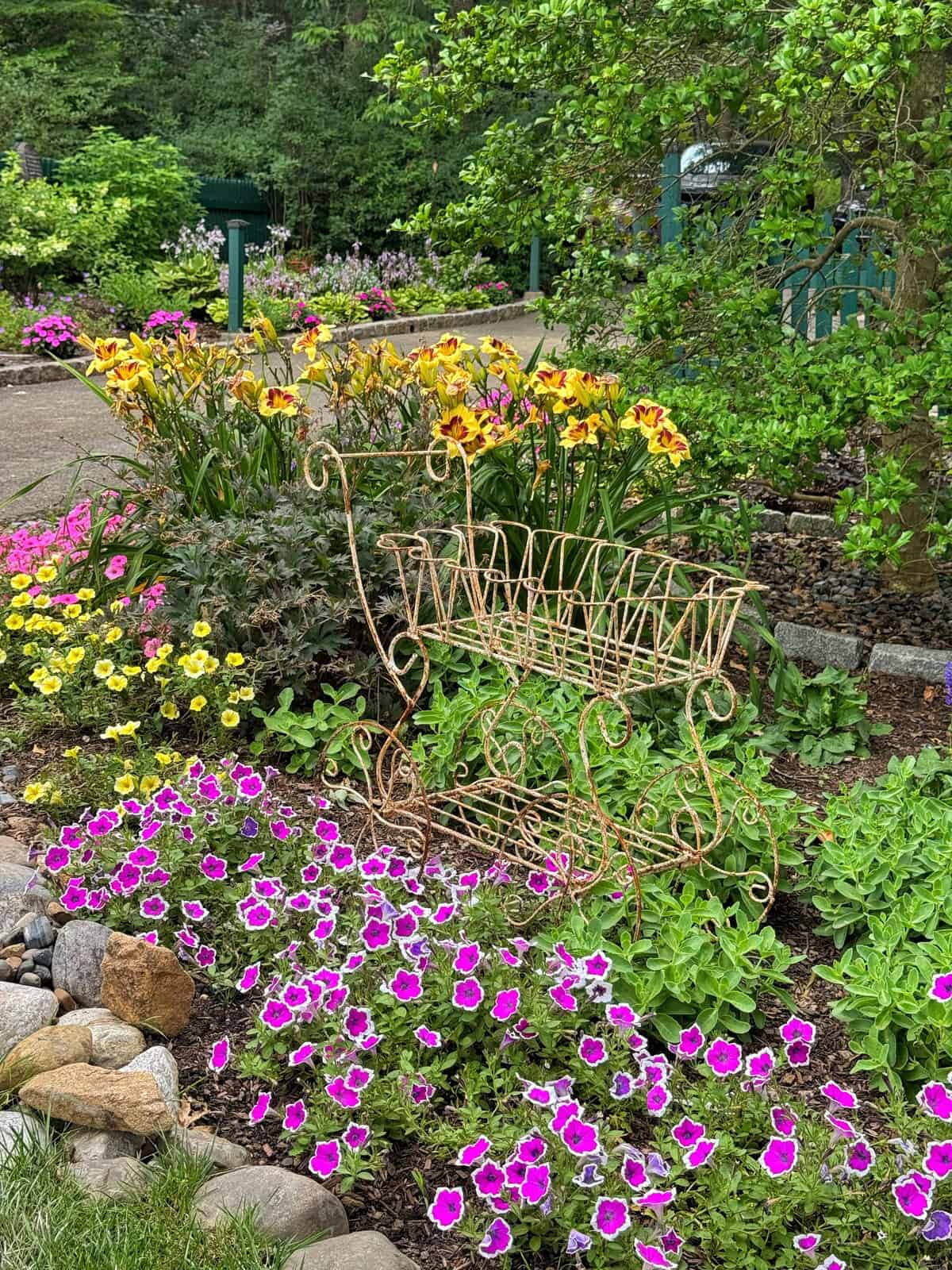
One of the biggest shifts in my gardening happened when I stopped chasing short-lived blooms and started choosing plants that performed beautifully for weeks instead of days. Long-blooming perennials have become the backbone of my gardens because they provide reliable color, reduce maintenance, and create a landscape that always feels full and evolving.
If choosing the right plants or figuring out how to combine them feels overwhelming, that’s exactly why I wrote The Bricks ‘n Blooms Guide to a Beautiful and Easy-Care Flower Garden. It walks you through my easy-care approach to plant selection, layering, and garden design with ready-made planting plans inspired by my own gardens. If you’re looking for a roadmap to create a beautiful flower garden with less guesswork, you can learn more about the book here.
As your garden grows, keeping track of which perennials bloom the longest and perform best becomes just as valuable. That’s where The Bricks ‘n Blooms Beautiful and Easy-Care Flower Garden Planner comes in. I use mine to record bloom times, plant performance, and seasonal observations so I can continue improving my gardens year after year instead of relying on memory. You can learn more about the planner here.
Final Thoughts on Long-Blooming Perennials
Over the years, I’ve found myself planting more long-blooming perennials again and again. They give me more color for longer stretches of time, without the constant work of replacing plants every few weeks. These are the plants that quietly carry the garden from season to season, filling gaps and keeping things interesting with very little intervention.
For me, long-blooming perennials are what make it possible to enjoy a garden that always feels alive and changing, without turning it into a full-time job.
While long-blooming perennials are an important part of any landscape, they’re only one piece of the puzzle. I combine them with flowering shrubs, bulbs, annuals, and plants with different bloom times to create an everblooming flower garden that stays colorful from spring through fall.
Thank you for visiting the blog today!
Enjoy your day! xo

Originally Published . Last Updated .
