
Best Full Sun Perennials: Hardy, Low-Maintenance Plants That Perform

Discover the best full sun perennials for nonstop color. These reliable, low-maintenance plants thrive in heat and return bigger each year.
Gardening in full sun can feel like both a gift and a challenge. On one hand, sunny garden beds have the potential to deliver the biggest, boldest, longest-lasting displays of color. On the other, not every perennial can handle hours of bright, direct light, reflected heat, and dry soil without putting up a fight. After nearly thirty years of gardening in two different Zone 6B properties, I’ve learned which perennials truly thrive in the sun and which ones wilt, flop, or burn out by midsummer.
Full-sun perennials are some of the hardest-working plants in my garden. Many bloom for months, attract pollinators, tolerate drought once established, and return larger each year with very little maintenance. The key is choosing the right plants for your climate and soil conditions. In my former garden, we had tons of sun with rocky clay soil. Some sun lovers thrived effortlessly and others…not so much! In my current garden, with rocky clay pockets and some slightly shadier spots, I’ve had to observe more closely to see which varieties can withstand the conditions.
If you’re designing or refreshing a full-sun perennial border, these are the plants I return to again and again. They’ve proven themselves in my Zone 6B gardens through heat waves, humidity, drought spells, and everything in between.
If you’re new to perennial gardening or want to understand how perennials behave compared to annuals, you may find my perennial pillar post helpful: Perennials vs Annuals: What Should You Plant? It’s a great starting point before building or refreshing a full-sun garden
If you’re building or refreshing a full-sun perennial border, you may find this helpful: Perennial Garden Design.
Here are my top, time-tested choices for full-sun perennials.
(Posts on stacyling.com may contain affiliate links. Click HERE for full disclosure.)
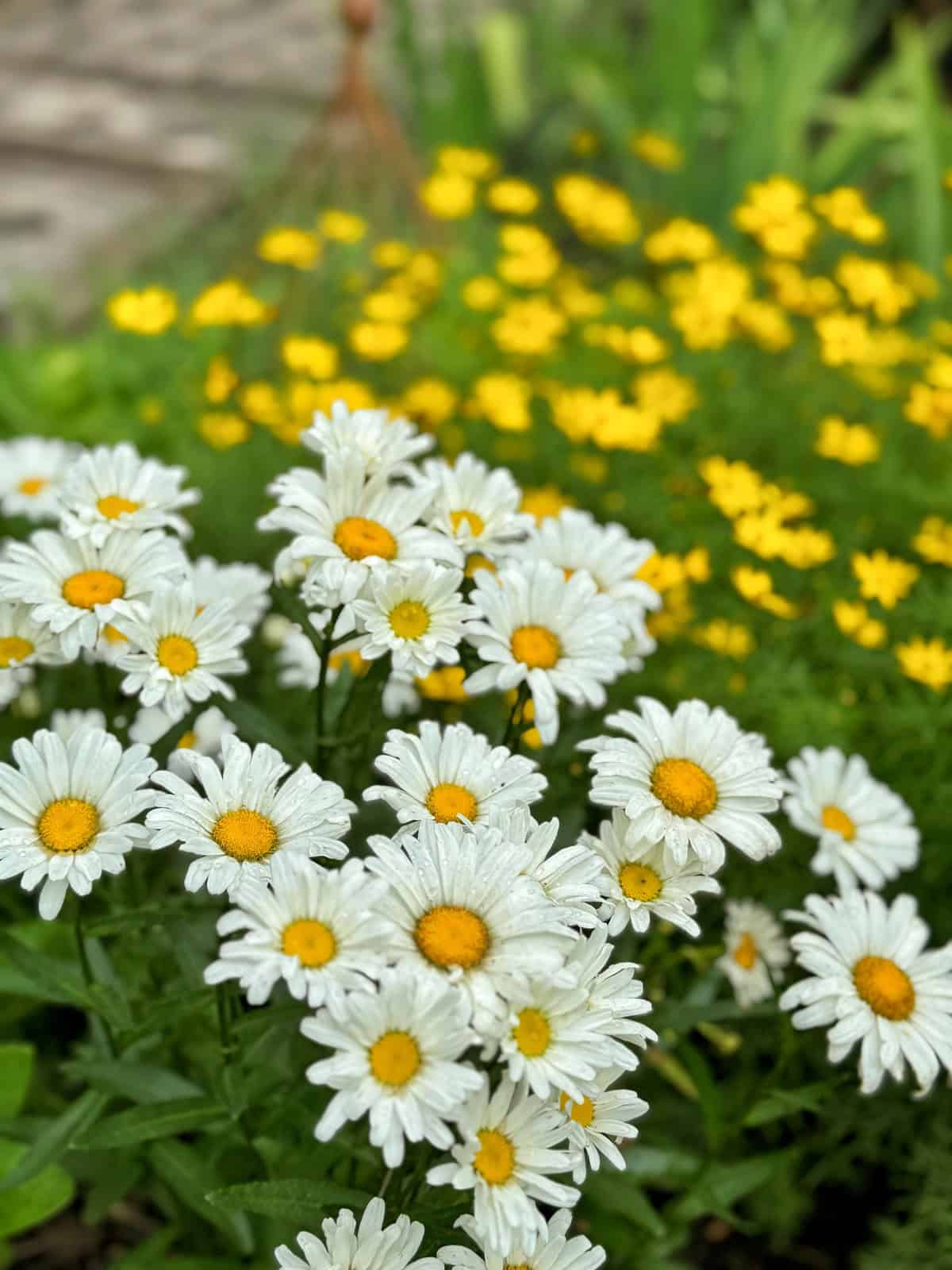
The Best Perennials for Full Sun
Coneflowers (Echinacea)
Coneflowers are one of the most dependable and iconic full-sun perennials. They tolerate heat, drought, poor soil, and humidity, and bloom from early summer into fall. In my Zone 6B gardens, they are a backbone plant in sunny borders because they attract bees, butterflies, and goldfinches, and return reliably each year.
Why they thrive in full sun:
- Excellent heat tolerance
- Prolonged flowering period
- Strong drought resistance
- Beneficial for pollinators
Varieties like ‘Kismet Raspberry’ and ‘PowWow Wild Berry’ have performed exceptionally well for me. For more guidance, see my post on growing purple coneflowers here.

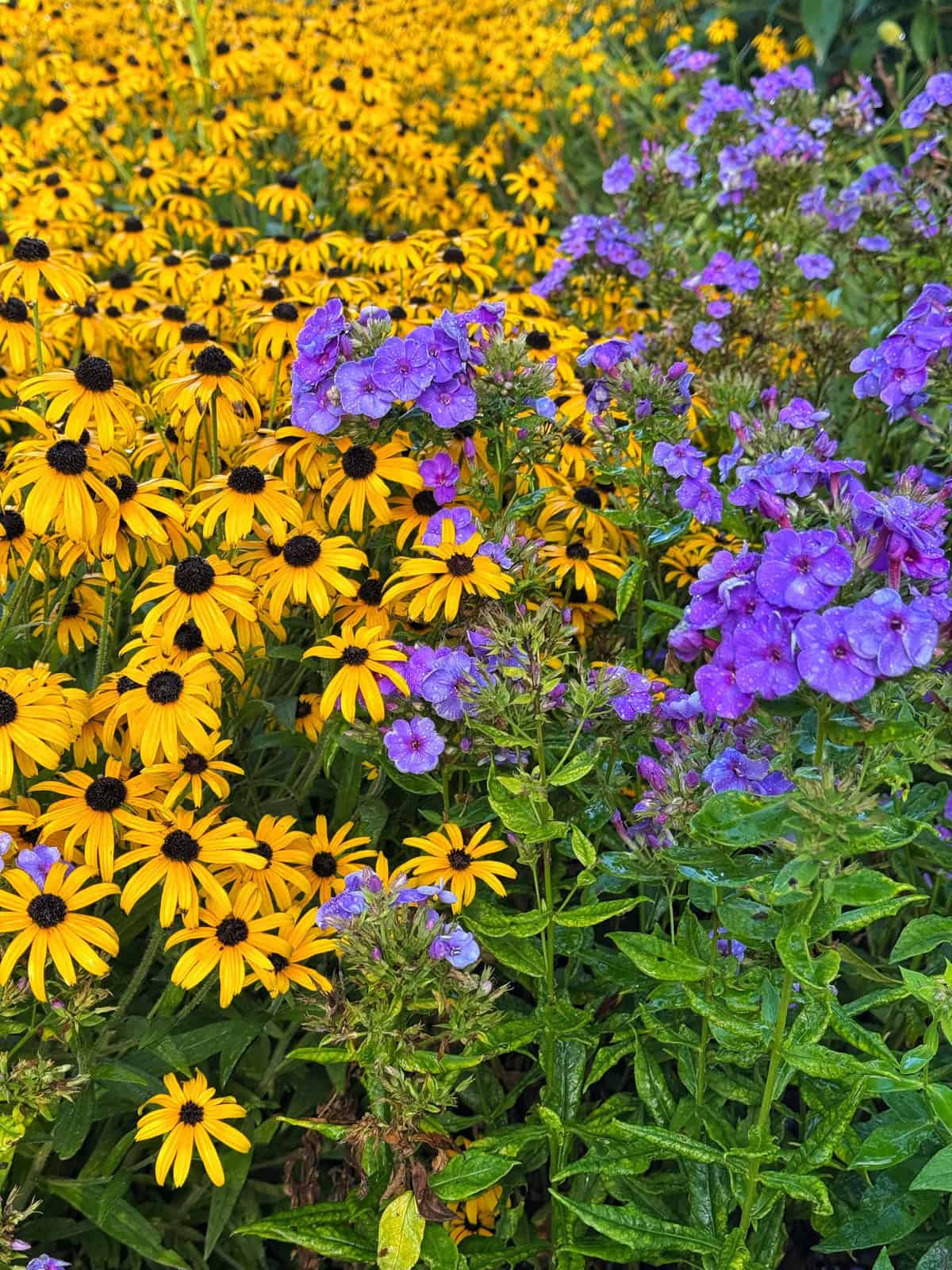
Black-Eyed Susans (Rudbeckia)
Rudbeckia brings cheerful golden color to full-sun gardens from midsummer through fall. It spreads easily, produces abundant blooms, and handles heat beautifully. In one of my home gardens, rudbeckia expanded so vigorously that I eventually had to thin it out, but its reliability makes it a staple in sunny borders.
Why they thrive in full sun:
- Thrive in hot, bright conditions
- Long bloom window
- Excellent for cut arrangements
Divide every few years to prevent overcrowding because they are almost a little too easy to grow! LOL! I neglected to do this the last few years in my front porch gardens, they reseeded, and took over. Loved them…but recently relocated them to other areas of my garden. To learn more about I grow rudbeckia, please visit this post: How to Grow Black Eyed Susans

Russian Sage (Perovskia atriplicifolia)
Russian sage is a drought-tolerant, airy-textured perennial that thrives in hot, dry full-sun locations. Its lavender-blue plumes sway beautifully in the breeze and pair well with sturdier plants like coneflowers and sedum.
Why they thrive in full sun:
- Exceptional drought tolerance
- Excellent heat resistance
- Adds height and movement
This plant excels in poor, well-drained soil. I have a mass planting of russian sage in my formal garden that is not on drip irrigation and thrives in my hot, zone 6b New Jersey climate with little to no help from me. If you want easy and pretty for summer blooms? This is your perennial plant. I love to plant mine in the middle or back of the border.

Yarrow (Achillea)
Yarrow is a heat-loving, long-blooming perennial that thrives in full sun. Its flat umbels make excellent bouquet fillers, and its fern-like foliage adds soft texture to sunny borders. Yarrow grows exceptionally well in my gardens, though I protect it early in the season from rabbits, which tend to enjoy snacking on new growth. (To learn more about how I protect it from rabbits, please visit this post: How to Keep Rabbits Out of Your Garden)
Why they thrive in full sun:
- Handles heat and drought
- Long, dependable bloom season
- Great pollinator plant
Colors range widely from pastel pinks to rich golds and reds. It looks incredible both in the garden and when cut for use as a vase filler in bouquets. For my best tips on growing achillea, please visit this post: How to Grow Yarrow

Lavender
Lavender loves full sun, heat, and dry soil, making it one of the most iconic full-sun perennials. Its fragrant foliage, long bloom season, and ability to attract pollinators make it a wonderful addition to sunny borders. In my Zone 6B garden, lavender performs beautifully when planted in well-drained soil with plenty of airflow.
Why they thrive in full sun:
- Require heat to bloom well
- Naturally drought tolerant
- Stunning fragrance and structure
Avoid overwatering, especially in clay soils. From my experience growing lavender for close to thirty years, it needs seriously well-draining soil. I tried growing it in my former garden and every few years it would peter out from overly saturated soil. In my gardens here, they are planted in areas that have much better drainage and they are thriving! I’m currently growing over 30 plants!
To learn more about how I grow and harvest lavender, please visit these posts:

Salvia
Salvia adds brilliant pops of color to full-sun beds and reblooms readily when sheared back after the first flowering flush. These plants attract hummingbirds and bees and handle heat extremely well.
Why they thrive in full sun:
- Heat and drought tolerant
- Long bloom window
- Excellent for pollinators
Cut back by one-third after blooming to encourage a second flush of flowers. I’ve been growing salvia in my gardens for nearly thirty years and it continues to be one of my favorite perennials to grow, both for it’s extended bloom time, as well as it’s easy-going nature.
To learn how I grow and care for salvia plant, please visit these posts:
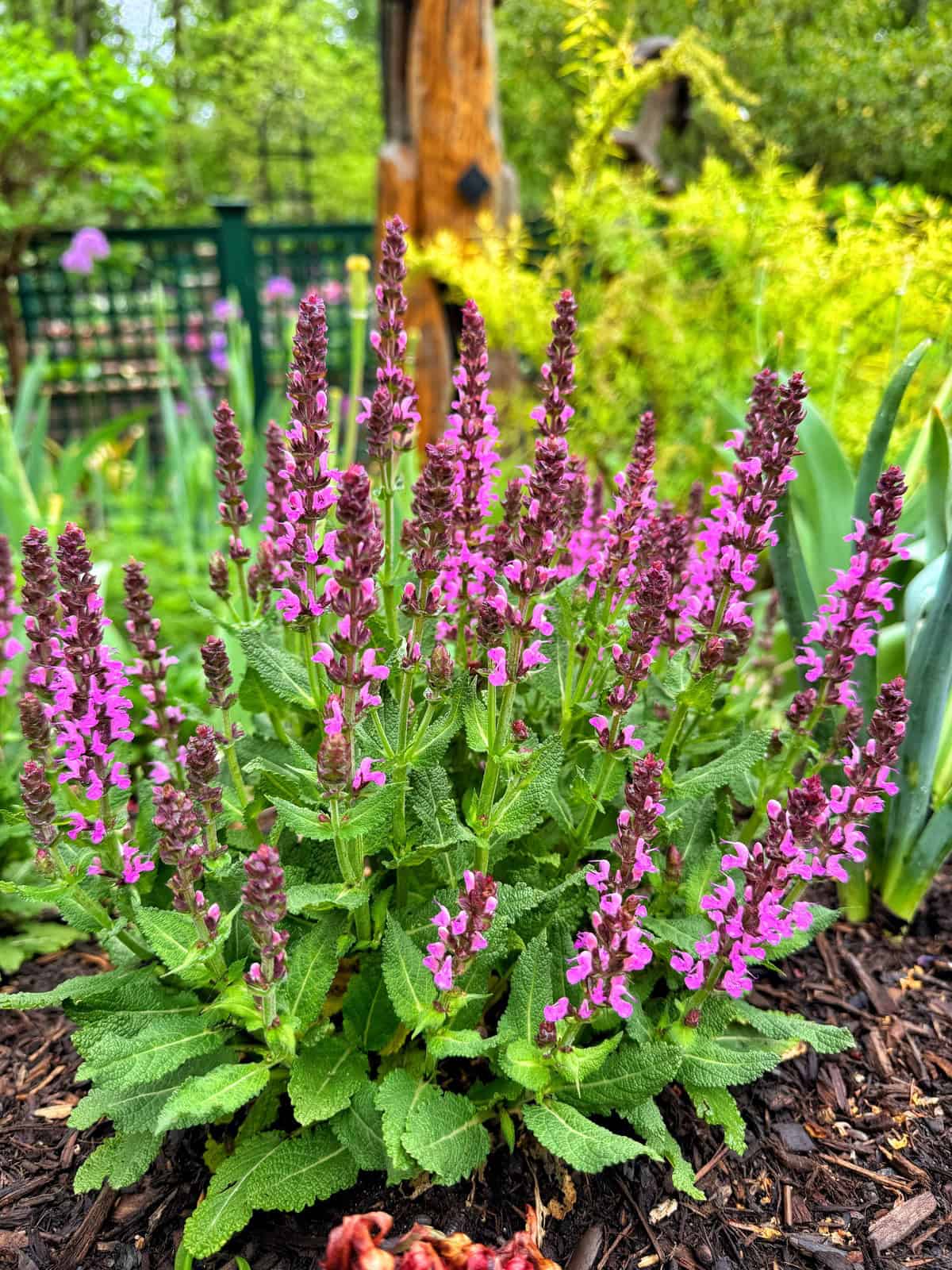
Sedum (Stonecrop)
Sedum is a bulletproof perennial for full sun. It thrives in poor soil, handles drought, and becomes a fall focal point as its flower heads deepen in color. In both of my Zone 6B gardens, sedum has exceeded expectations in heat and dry soil, especially varieties like ‘Autumn Joy,’ ‘Coraljade,’ and ‘Back in Black.’
Why they thrive in full sun:
- Excellent in lean or rocky soil
- Strong structural presence
- Fantastic fall color
Divide every few years to keep stems from flopping. Sedums are easily one of my favorite perennials that perform well and look incredible during all four seasons in my New Jersey gardens.
If you’d like to learn more about how to grow sedum in your gardens, please visit this post: How to Grow Sedum Autumn Joy
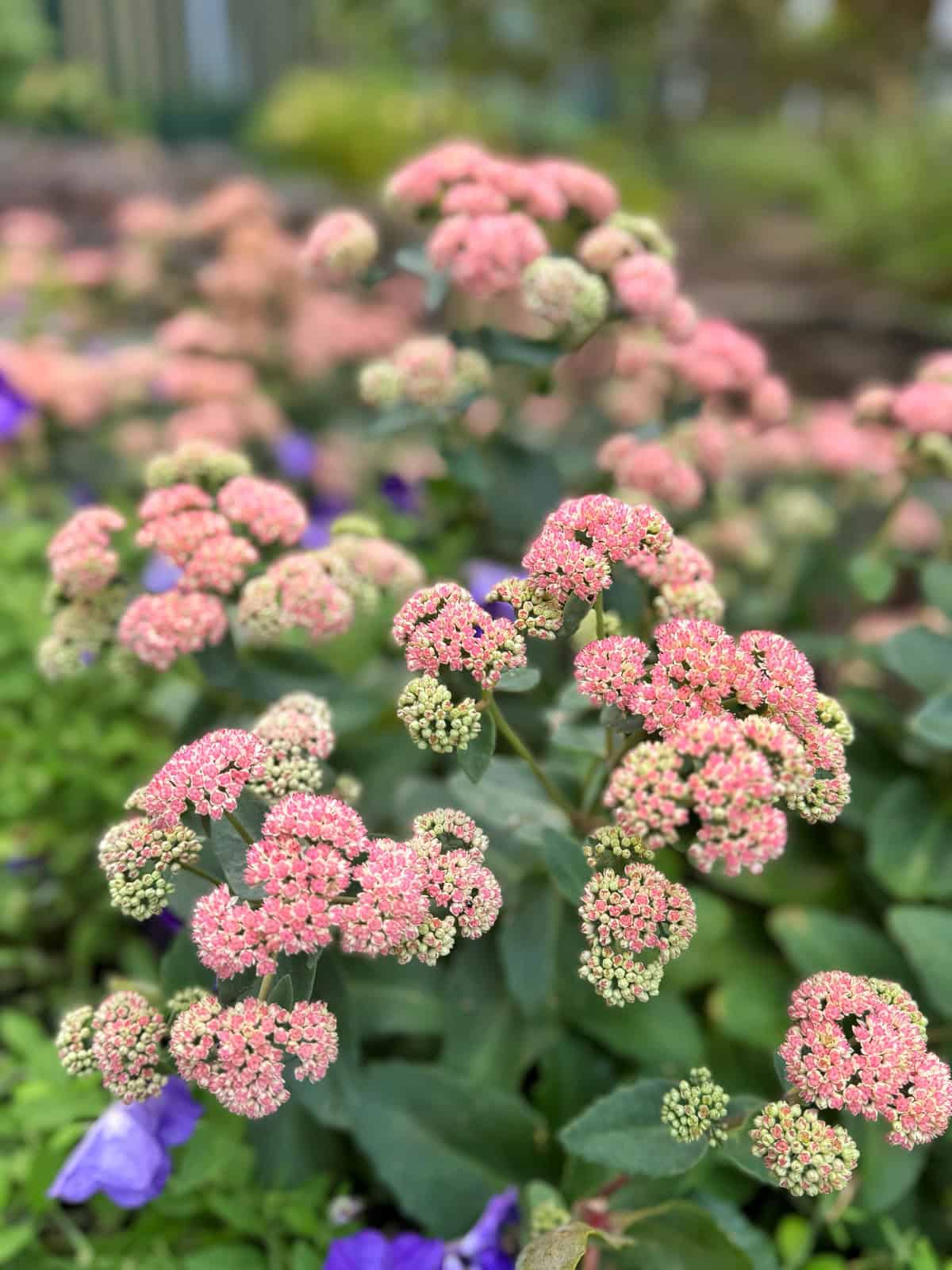
Catmint (Nepeta)
Nepeta is a soft, airy perennial that blooms for months in full sun. Its lavender-blue flowers attract pollinators and create a romantic, billowy feel along garden edges. In my gardens, nepeta has been one of the most low-maintenance plants I grow.
Why they thrive in full sun:
- Extremely long bloom time
- Heat and drought tolerant
- Aromatic foliage deters pests
Shearing back after the first bloom produces fresh new growth and more flowers. After growing nepeta in my zone 6b gardens for nearly thirty years, I can honestly tell you this is a plant that will forever be a staple in my garden because it is super easy to grow and always looks so pretty.
I love it paired with peonies and roses. And I also like to cut mine back after that first set of flowers to neaten the plant up so it’s more compact and a little less wild in the border.
To learn more about how I grow nepeta, please visit this post: How to Grow Catmint
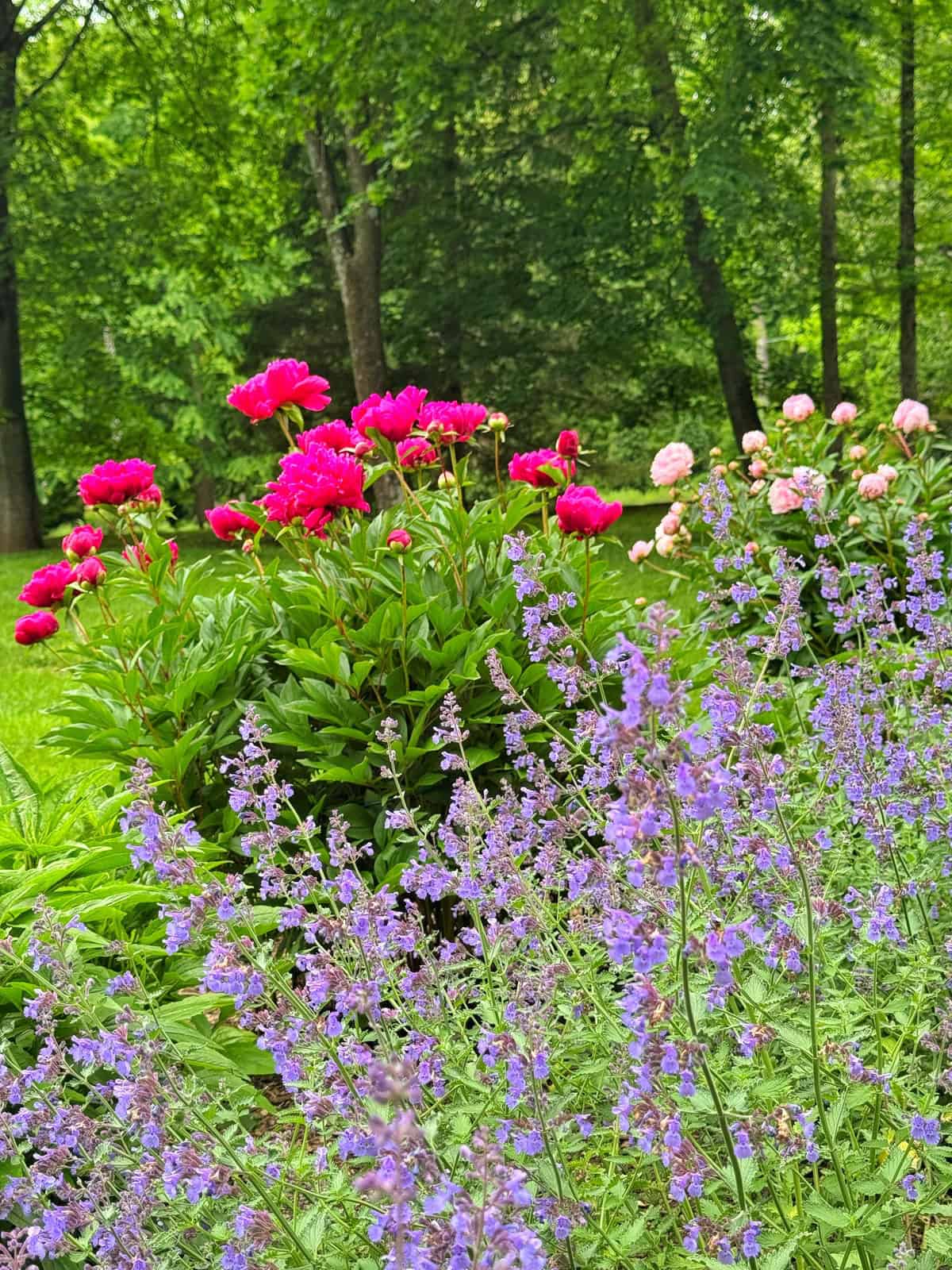
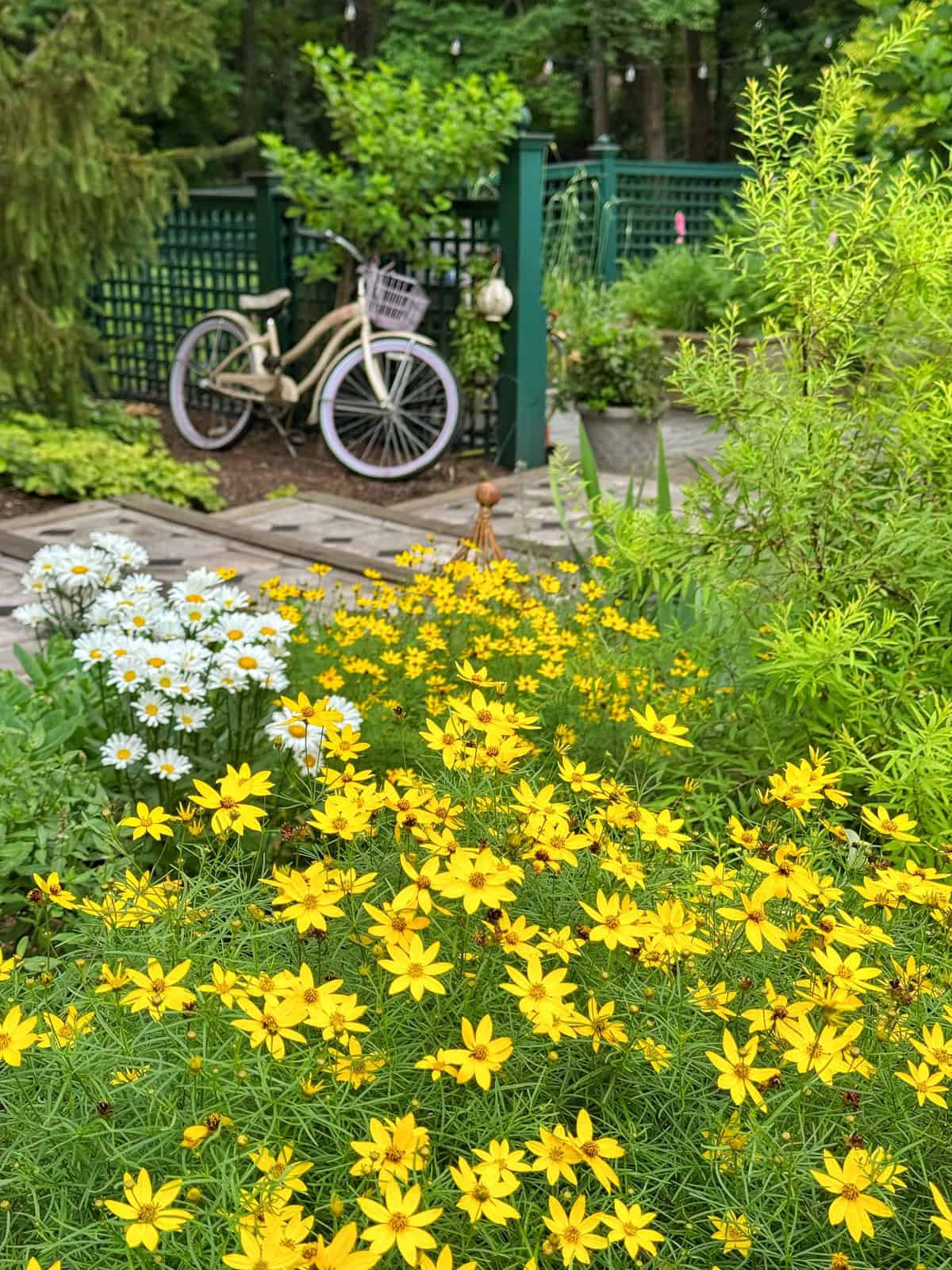
Coreopsis (Tickseed)
Coreopsis is a cheerful, long-blooming perennial that handles heat effortlessly. It adds bright pops of color and thrives in sandy, rocky, or average soils. In my full-sun gardens, varieties like ‘Moonbeam’ and ‘Crème Caramel’ have been particularly reliable.
Why they thrive in full sun:
- Prolific bloomer
- Excellent heat tolerance
- Great for mass plantings
Deadhead to extend the bloom season. I love it paired with nepeta, salvia, coneflowers and shasta daisies. Not to mention, the pollinators love it in my zone 6b garden. To learn how I grow tickseed, please visit this post: How to Grow Coreopsis.
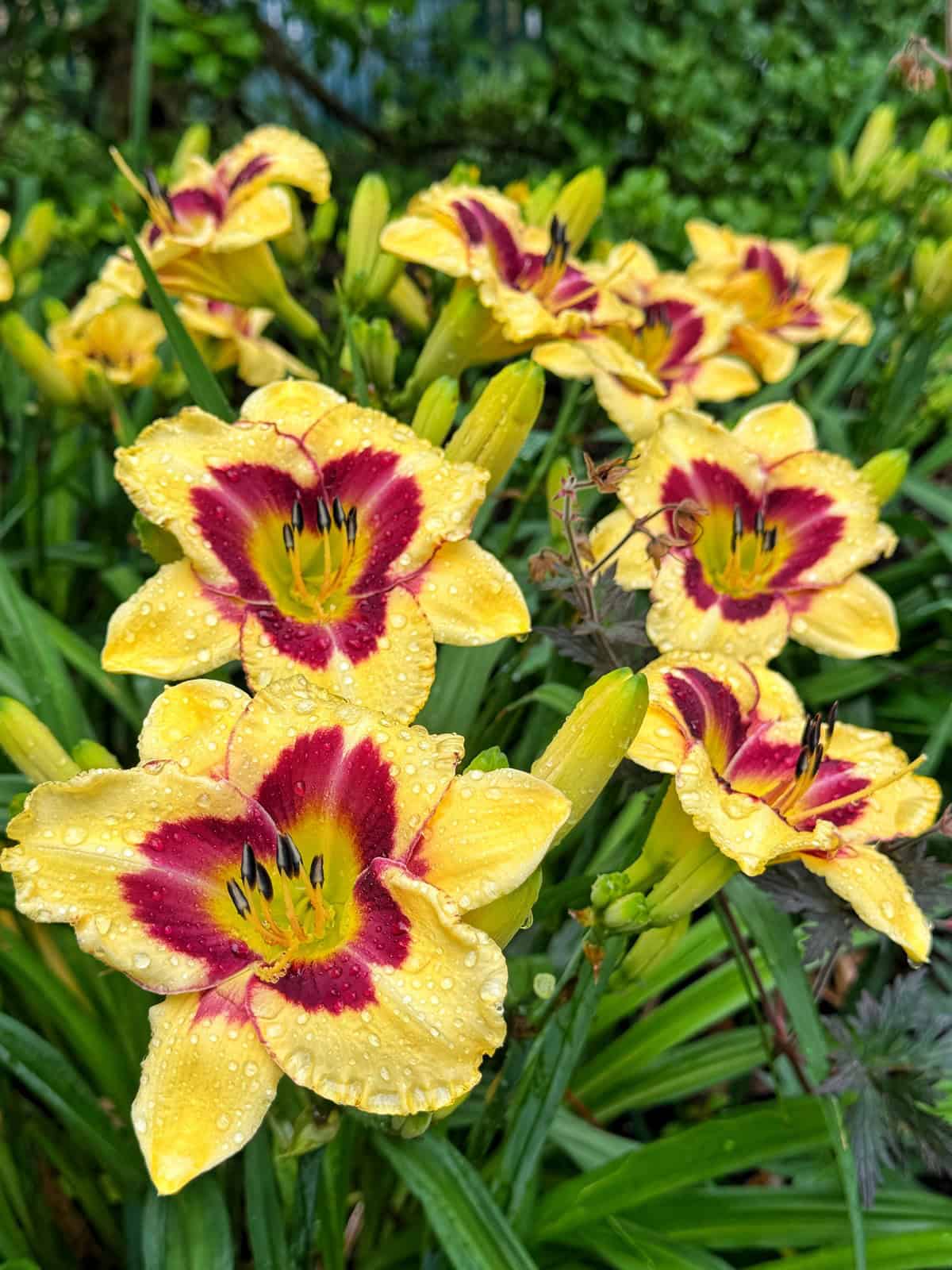
Daylilies (Hemerocallis)
Daylilies are some of the hardiest, easiest full-sun perennials you can grow. They bloom heavily for weeks and many varieties rebloom through the summer. They tolerate poor soil, heat, and inconsistent watering.
Why they thrive in full sun:
- Thrive in heat and humidity
- Come in endless colors and forms
- Drought tolerant once established
Remove spent blooms and divide every few years. While daylilies are crazy easy to grow, the deer LOVE to snack on them here in my gardens. I spray the foliage with this deer repellent the moment it breaks ground and every few weeks after to ensure they leave it alone.
Liatris (Blazing Star)
Liatris adds striking vertical accents to full-sun borders. Its bottlebrush blooms attract butterflies and provide excellent cut flowers. I’ve grown liatris for many years, and it has always performed exceptionally well in hot, dry conditions.
Why they thrive in full sun:
- Excellent drought tolerance
- Strong vertical structure
- Long bloom window
Plant in groups for best visual impact. I’ve found butterflies flock to blazing star in my gardens. And I love the vertical interest it adds midsummer.

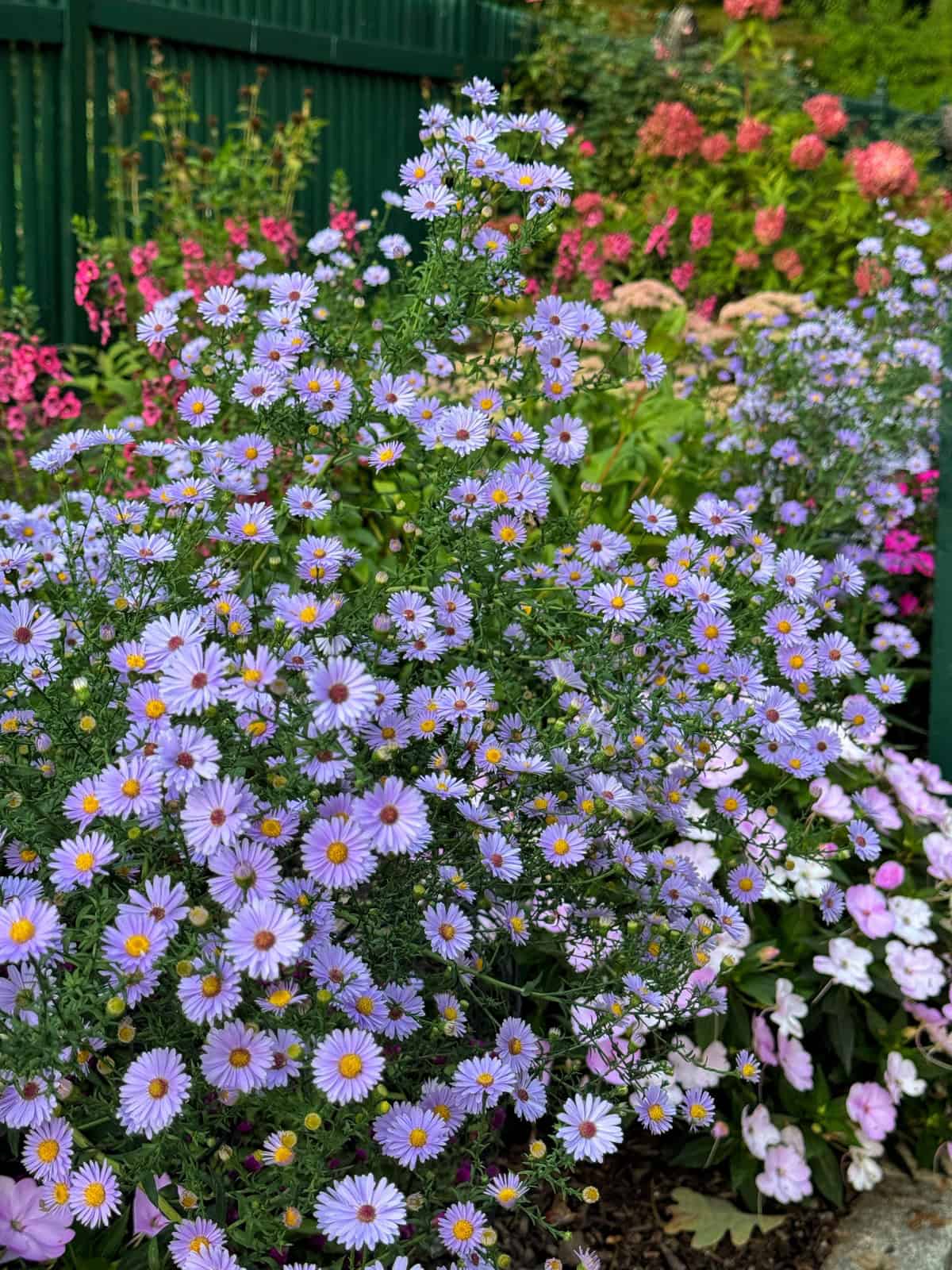
Asters
Asters extend color into late summer and early fall, making them an essential perennial for full-sun borders. They thrive in bright light and attract a wide variety of pollinators. Cutting them back in early summer encourages bushier growth.
Why they thrive in full sun:
- Dependable late-season color
- Attracts beneficial insects
- Adds soft texture
Pair with sedum and ornamental grasses for incredible fall interest. Since asters can get a little leggy, I cut mine back halfway until July 4 to help it grow more compact.
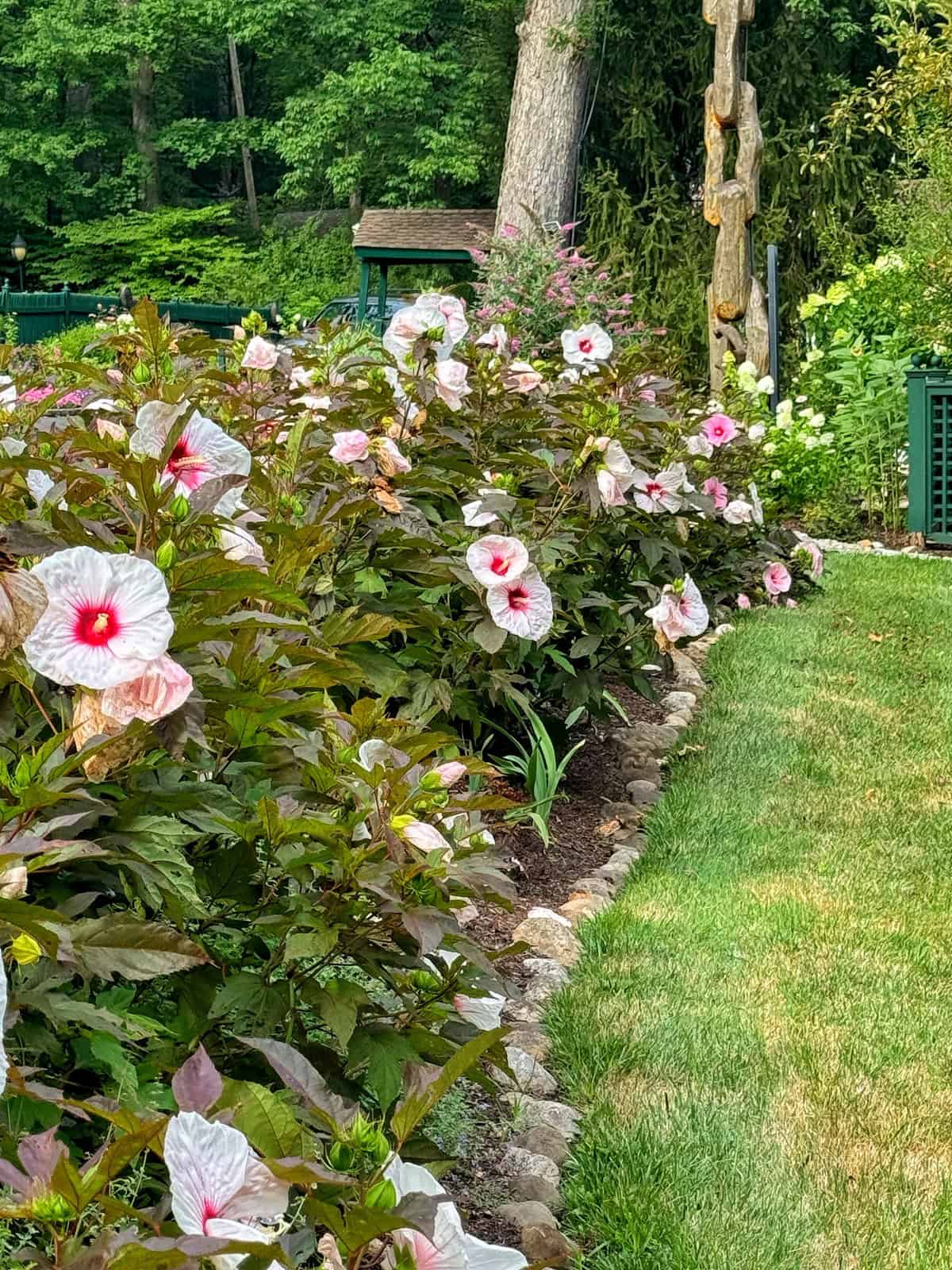
Rose Mallow (Hardy Hibiscus)
Hardy hibiscus delivers massive, dramatic flowers that stop you in your tracks. These perennials thrive in heat and moisture and become focal points in full-sun borders. In my Zone 6B garden, they emerge late in spring but grow rapidly once warm weather arrives.
Why they thrive in full sun:
- Heat fuels strong growth and bloom production
- Moist, well-drained soil supports continuous flowering
- Deer tend to leave them alone
Deadhead to keep plants looking fresh. When we first moved here, I had no idea we had a mass planting of them in the driveway border. It was a pleasant surprise when they came up and bloomed that first summer. If you have the space, I highly recommend planting them en masse. They are beyond gorgeous!
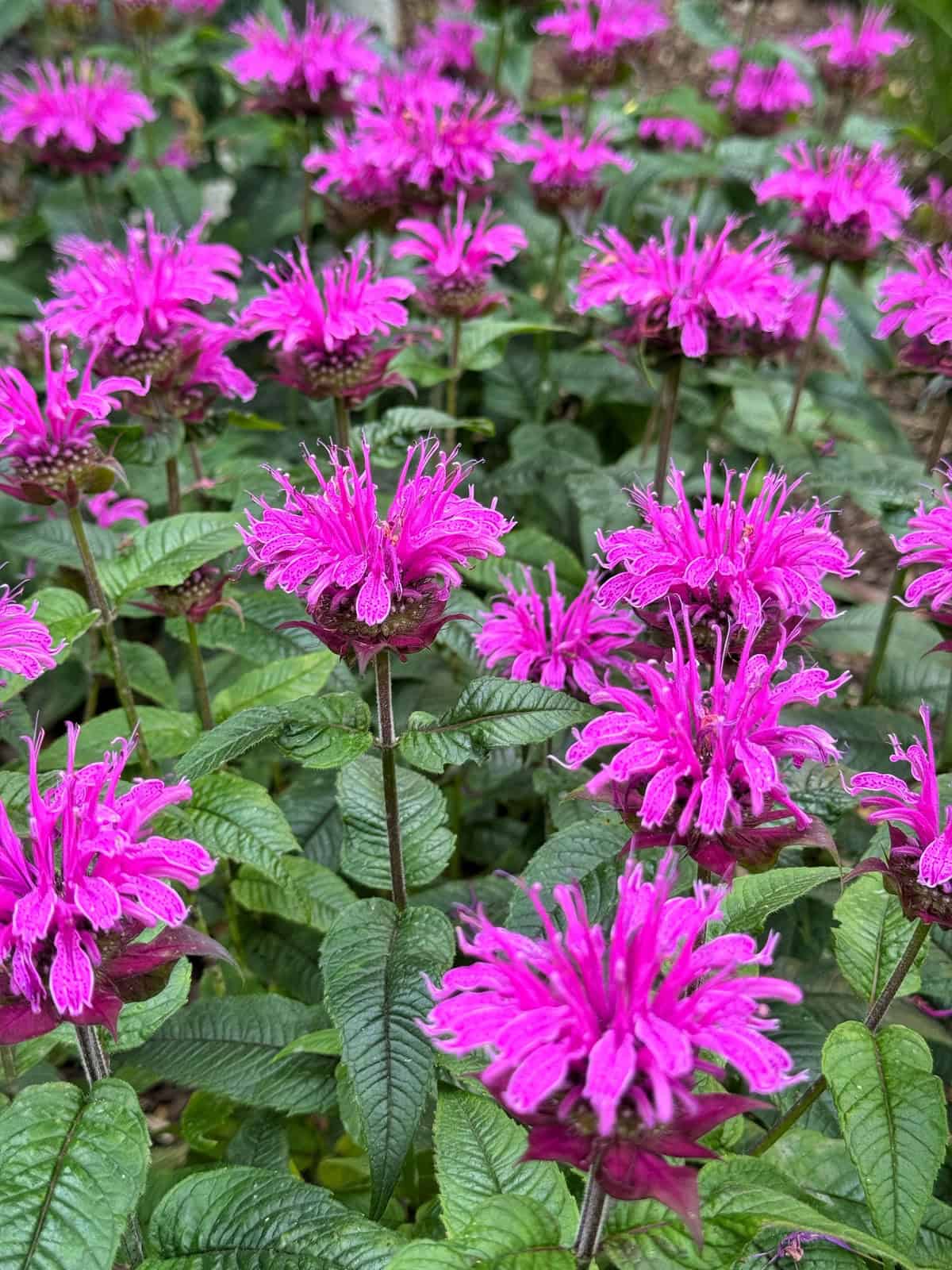
Monarda (Bee Balm)
Monarda thrives in full sun and brings loads of vibrant color and pollinator activity to the summer garden. In my gardens, bee balm grows vigorously, so I divide it regularly to prevent it from spreading too aggressively.
Why they thrive in full sun:
- Upright, strong stems need bright light
- Heat encourages steady blooming
- Aromatic foliage reduces pest pressure
Ensure good airflow to prevent mildew. They are super easy to grow and I’ve added a few different varieties to my gardens over the last few seasons.
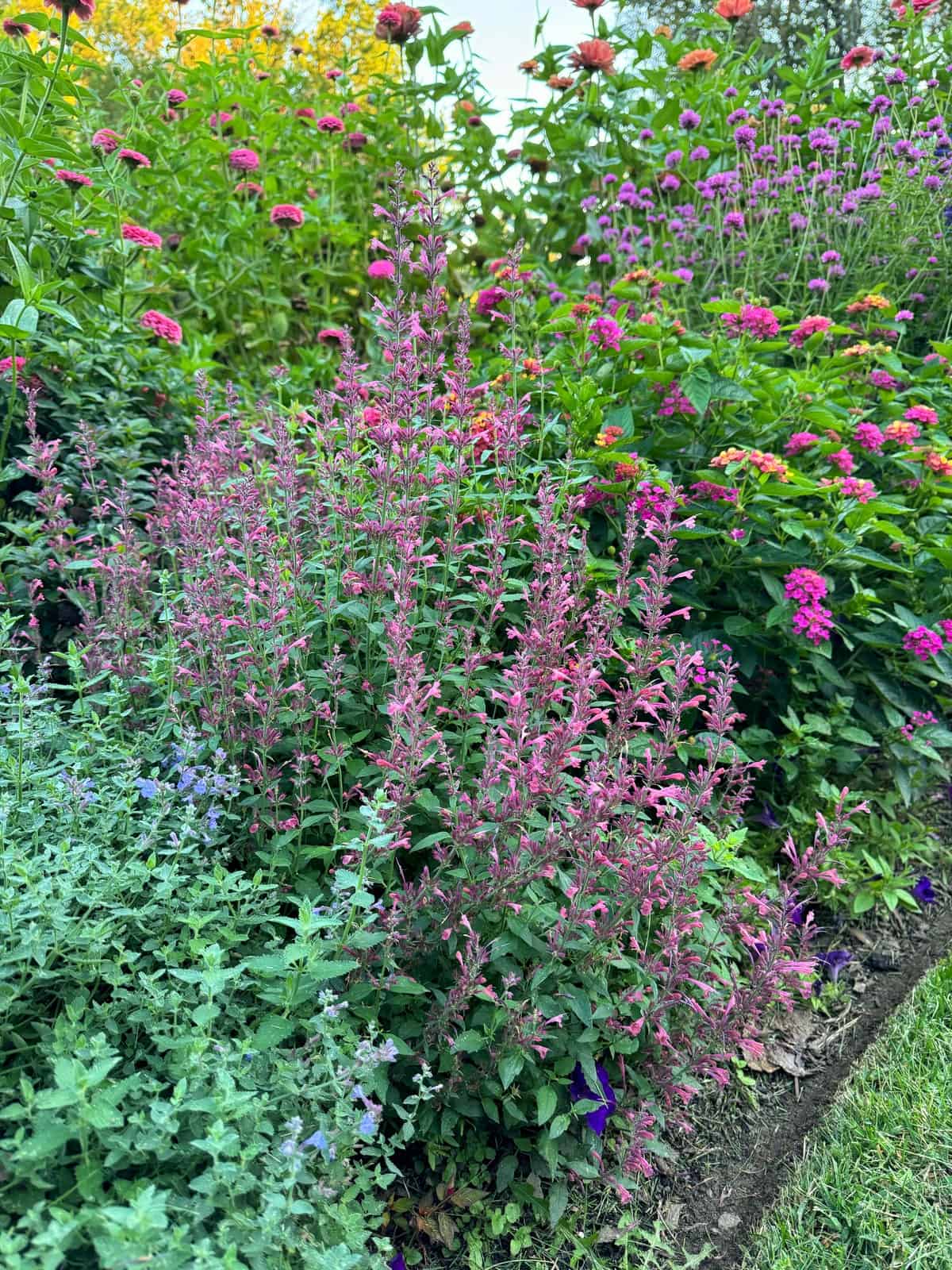
Agastache (Hyssop)
Agastache is one of the longest-blooming, most drought-tolerant perennials you can grow in full sun. Its spiky flowers come in rich oranges, purples, and pinks and attract constant pollinator activity. I rely on agastache heavily in my low-maintenance full-sun borders.
Why they thrive in full sun:
- Require heat for continuous blooming
- Thrives in lean, dry soil
- Aromatic foliage is naturally pest-resistant
Pair with coneflowers, rudbeckia, and ornamental grasses for long-season color.
How to Help Full-Sun Perennials Thrive
Full-sun perennials are tough, but the right care will keep them blooming longer and growing stronger. After years of tending sunny borders, these practices consistently make the biggest difference in my gardens.
Prepare the Soil
Full-sun beds dry out quickly, especially those with sandy or clay soil. Add compost each spring and fall to improve soil structure and moisture retention. If your soil is heavy, loosen it well and add organic matter to improve drainage. It’s a great idea to start a compost pile in your garden, if you haven’t already. To learn more about it, please visit my post, How to Make a Compost Pile
Water Deeply and Consistently
Water at the base of the plant early in the morning, allowing the soil to dry slightly between waterings. Deep watering encourages deep root systems, helping plants better withstand summer heat. To learn more about my best watering practices, please visit this post: How to Water Your Garden
Mulch to Regulate Soil Temperature
Apply two to three inches of mulch to keep soil cool, retain moisture, and suppress weeds. Keep mulch pulled back from plant crowns to prevent rot. For best mulching practices, please read my full post here: How to Mulch Your Garden

Deadhead to Extend Blooming
Removing spent blooms encourages many perennials to rebloom or continue producing fresh growth. Plants like salvia, coreopsis, and nepeta respond especially well to regular deadheading or midseason shearing. To learn more about which flowers to deadhead (or not), please visit this post here: Deadheading Flowers
Divide Overcrowded Plants
Crowded perennials often bloom less. Divide coneflowers, rudbeckia, daylilies, nepeta, and sedum every few years. My guide Dividing Perennials 101 will walk you through the process.
Watch for Stress Signals
Flopping stems, sparse blooms, yellowing foliage, or stunted growth often indicate stress. Adjust water, improve drainage, divide plants, or relocate them if needed.
Design for Long-Lasting Color
Plant early-, mid-, and late-season bloomers together for continuous color. For layout inspiration or help layering perennials, see my post: Perennial Garden Design.

Building a Full-Sun Garden That’s Beautiful and Manageable
Choosing perennials that thrive in full sun is one of the smartest ways to create a garden that performs year after year. But success isn’t just about individual plants — it’s about selecting varieties that work well together, suit your climate, and keep maintenance realistic.
In The Bricks ’n Blooms Guide to a Beautiful and Easy-Care Flower Garden, I walk through the exact framework I use to design gardens that look abundant without becoming overwhelming. From plant selection to layout strategy, it’s all about building a system that supports long-term success.
And when it comes time to map out your beds and track bloom times, The Bricks ’n Blooms Beautiful and Easy-Care Flower Garden Planner helps you organize plant placement and seasonal performance so your full-sun garden improves each year.
Final Thoughts About the Best Full Sun Perennials
Full-sun gardens offer some of the most vibrant and rewarding planting opportunities. With the right mix of tough, dependable perennials, your sunny borders can come alive with color from early summer through fall. After decades of gardening in full sun across two Zone 6B properties, these are the plants I trust the most for reliable blooms, strong structure, and minimal maintenance.
If you’re looking to build a full-season bloom plan or need help choosing plants for tricky spots, my other perennial guides can help you create a garden that thrives from spring through fall. You may enjoy these next:
- Perennials vs Annuals
- Best Perennials for a Cut Flower Garden
- Perennial Garden Design
- Why Perennials Fail to Bloom
- Perennial Flowers for Shade
- Midsummer Perennial Flowers
Thank you for visiting the blog today!
Enjoy your day! xo

Originally Published . Last Updated .
