
What to Do With Annuals in Fall: What to Keep, Pull & Save

Not sure what to do with annuals at the end of the season? Learn what to pull, save, compost, overwinter, and leave standing in your fall garden.
By mid-September, my flower gardens are usually a mixed bag. Some annuals are still blooming their hearts out, while others are leggy, tired, diseased, or clearly finished for the season.
And after decades of growing annuals in my New Jersey gardens, I’ve learned there’s no reason to wait for the first frost to deal with all of them at once.
Knowing what to do with annuals at the end of the season really comes down to looking at each plant individually. Some are worth keeping until frost, some can come out now to make room for fall color, and others are worth saving through seed collection, cuttings, or overwintering indoors.
I also don’t treat fall garden cleanup as a one-weekend event. I gradually remove plants as they finish, which keeps the beds looking good while making my [fall garden chores] feel much more manageable later.
Before tossing anything on the compost pile, though, there are a few decisions to make. Is the plant healthy enough to compost? Do you want to [save seeds for next year]? Could it be overwintered? Or is it still providing flowers, seeds, or shelter that are worth leaving in the garden a little longer?
Let’s walk through how I make those decisions in my own gardens so you’ll know exactly what to keep, pull, save, and compost this fall.
(Posts on stacyling.com may contain affiliate links. Click HERE for full disclosure.)
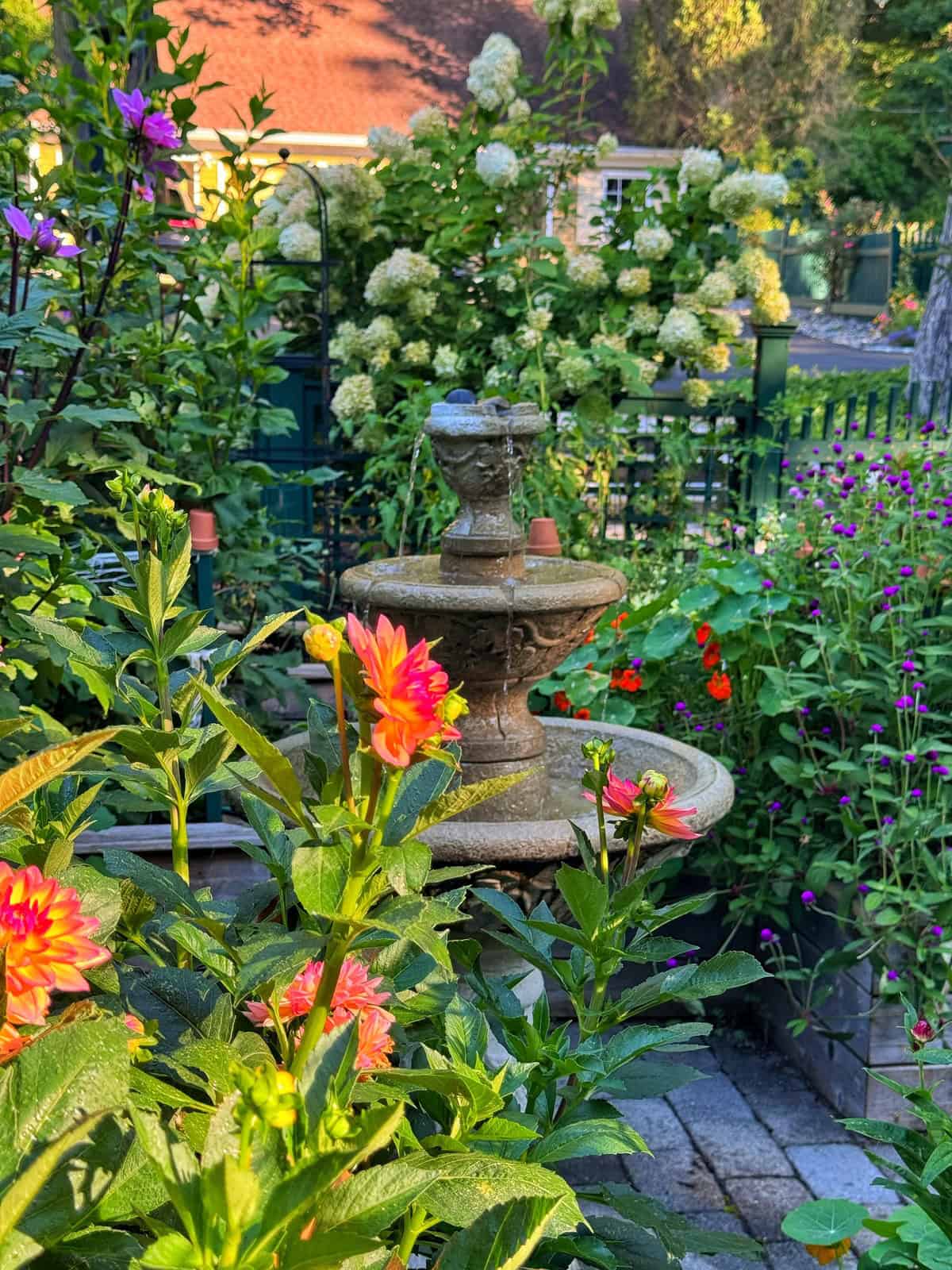
See How I Transition My Planters for Fall
Some of my summer containers start looking tired long before the first frost, and I have no problem cleaning them out when they’re no longer adding anything to the garden.
But an empty planter doesn’t mean I immediately run out and fill it with mums.
In this video, I’m taking you along as I clean out my tired summer planters and explain why I think it’s still too early for mums, even though they’re everywhere at the garden centers.
Watch how I’m transitioning my planters for fall without rushing the season.

1. Start With the Annuals That Are Still Going Strong
First things first: just because fall is approaching doesn’t mean everything needs to come out.
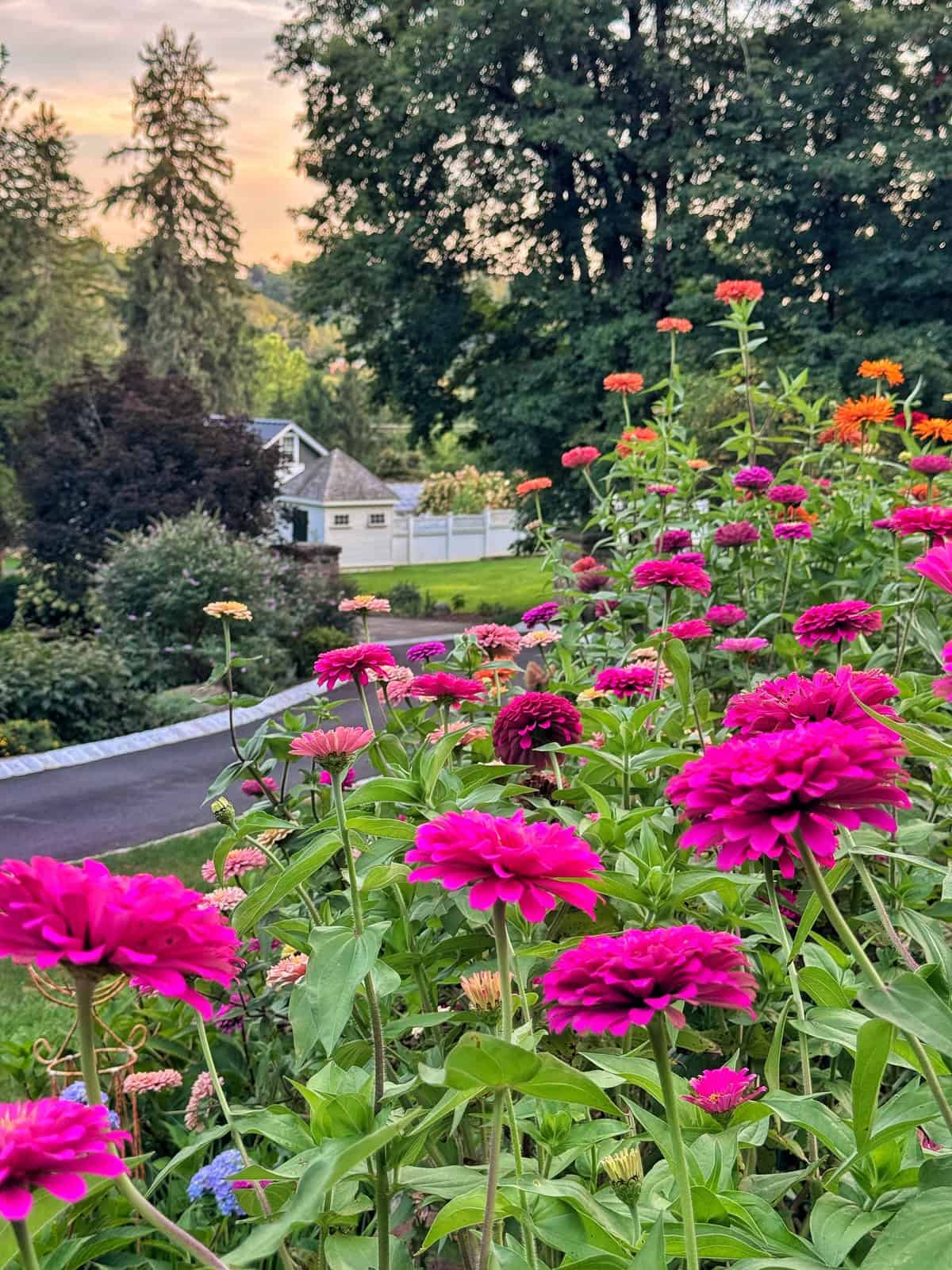
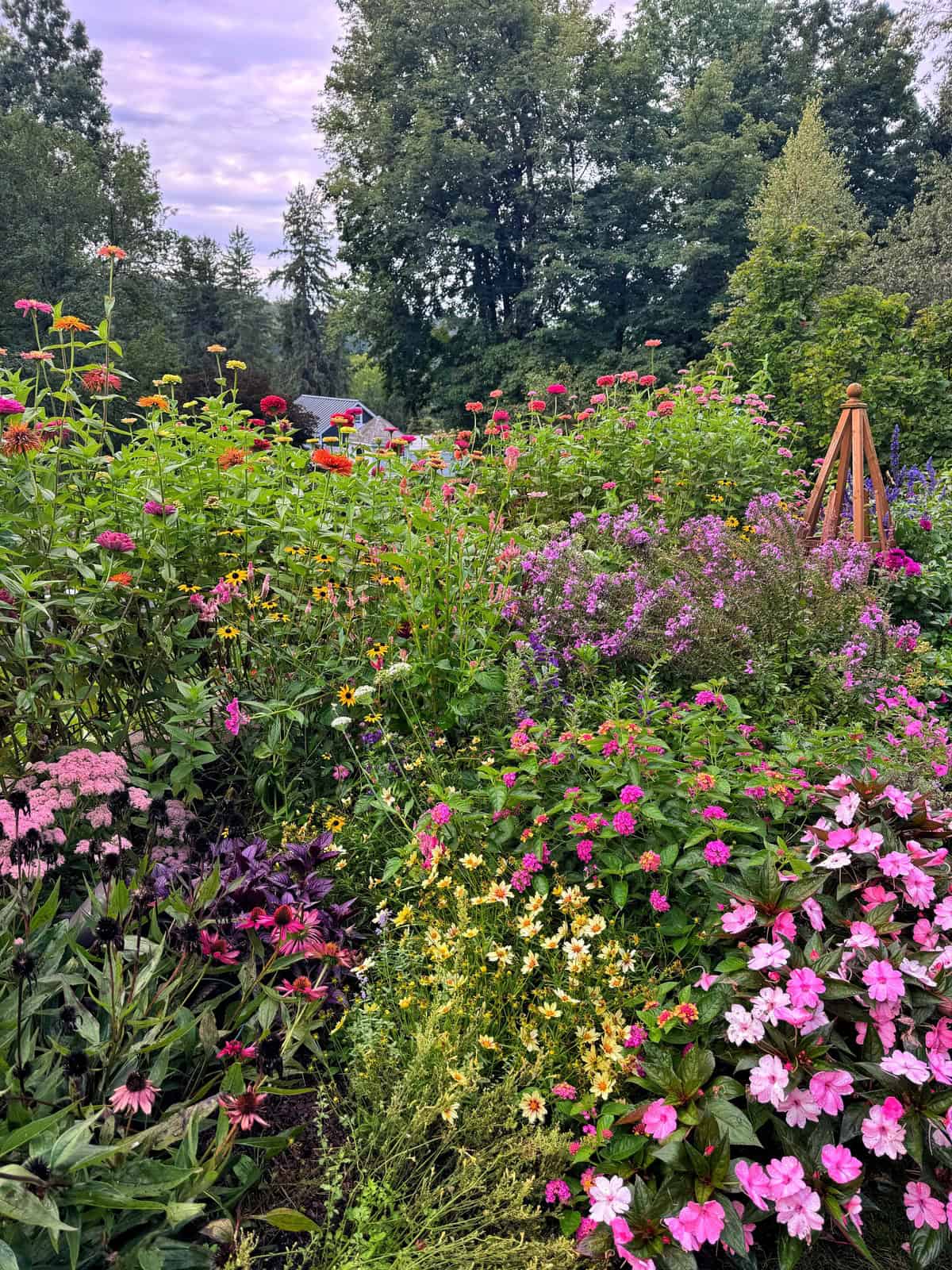
Some of my annuals look their best in late summer and early fall. My zinnias, celosia, and other warm-season flowers can keep blooming beautifully right up until frost when the weather cooperates.
So I don’t clean up my annuals according to the calendar. I look at how each plant is performing.
If an annual is healthy, blooming, and still adding something to the garden, I leave it alone and enjoy it.
Keep deadheading flowers that benefit from it, continue cutting flowers for arrangements, and water plants when they need it. There can still be plenty of growing season left.
And some flowers are just hitting their stride when other annuals start fading. That’s one of the reasons I love mixing plants with different bloom times throughout my gardens.
To see what I love to plant in the fall, please visit my guides on the Best Fall Flowers and Plants for Fall Color
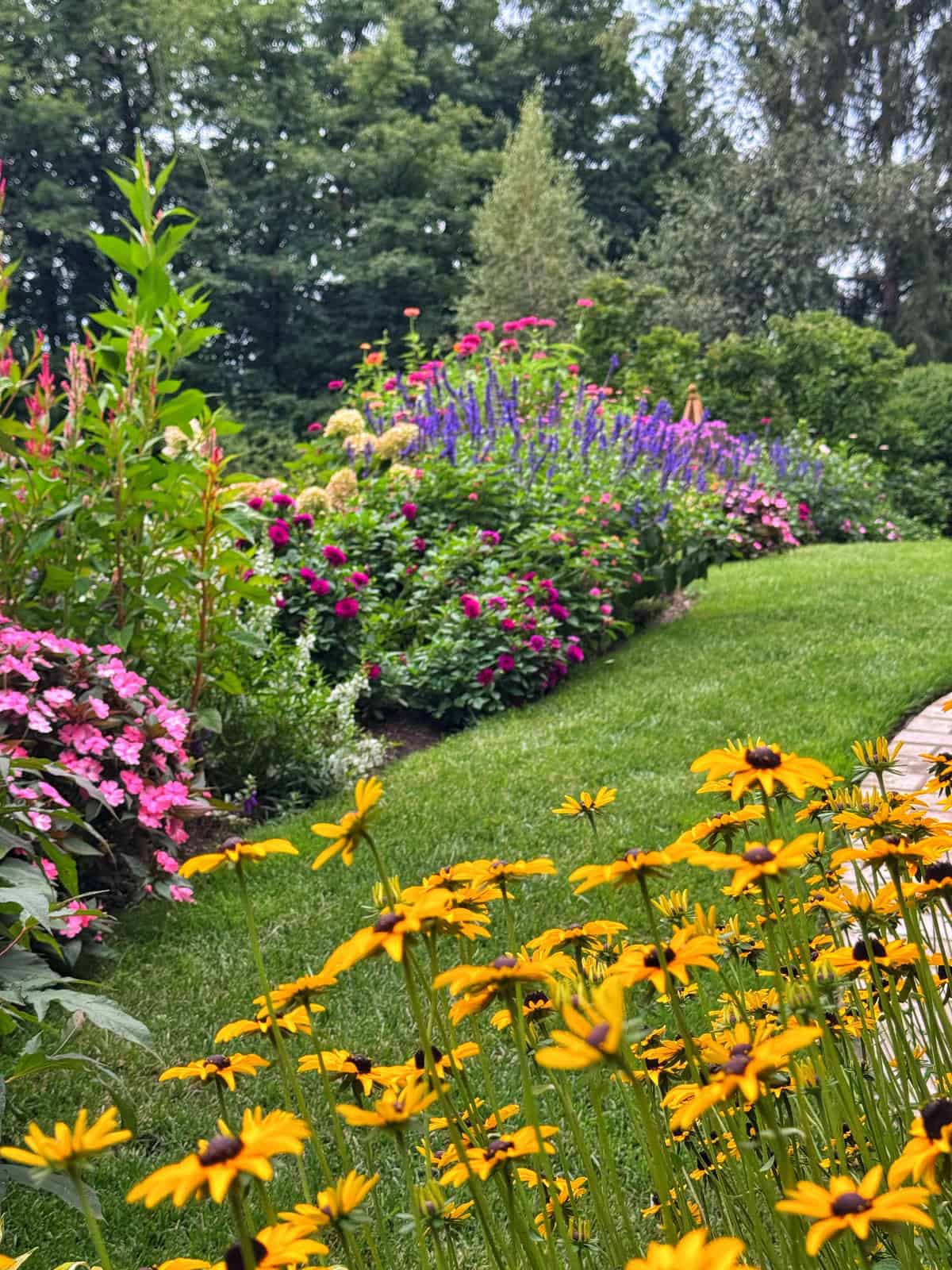
2. Pull Annuals That Are Past Their Prime
On the other hand, some annuals wrap up their season much earlier. They may become leggy, stop flowering, develop disease problems, or simply start looking tired.
You do not have to wait until frost kills them to pull them out.
I’ve gardened long enough to know that keeping a declining annual around for another month rarely makes me happier with the garden. Sometimes removing one tired plant makes the entire bed look better.
We are in mid September here, and I’ve already pulled some calibrachoa and petunias that were past their prime.
This is especially true in prominent areas around patios, walkways, porches, and other places where I want the garden to continue looking good through fall.
Once an annual is finished, I pull it and decide whether that space really needs to be filled.
Sometimes neighboring plants have grown enough to disguise the opening. Other times I’ll add something with great fall color or texture.
And sometimes?
I leave the space alone. Because not every hole needs another plant.
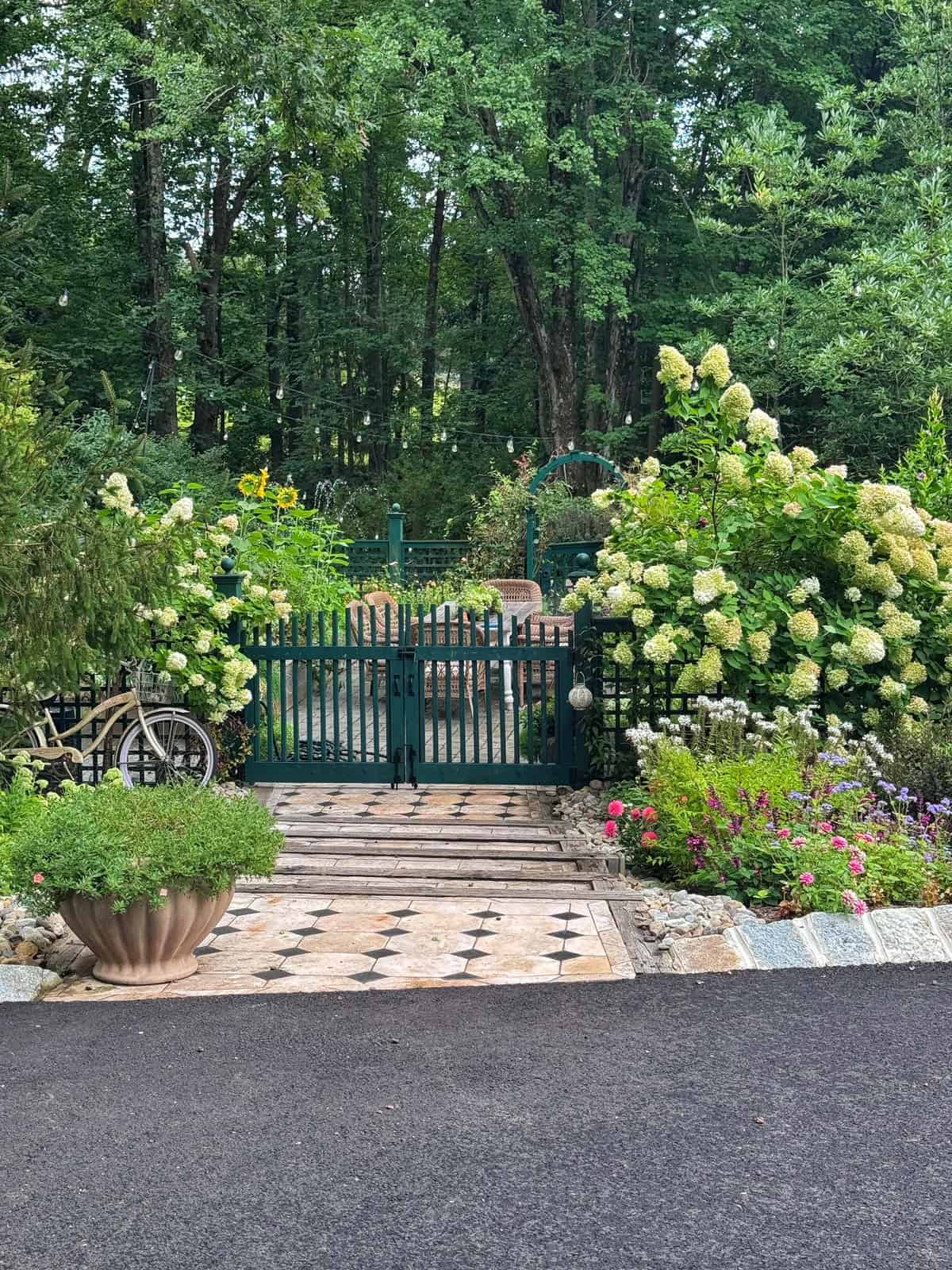
Don’t Be Afraid to Transition the Garden Gradually
This is how my gardens naturally begin transitioning into fall.
I don’t wake up one morning and rip out every summer annual. The change happens little by little as individual plants finish.
This also keeps fall garden cleanup from becoming one enormous weekend project later.
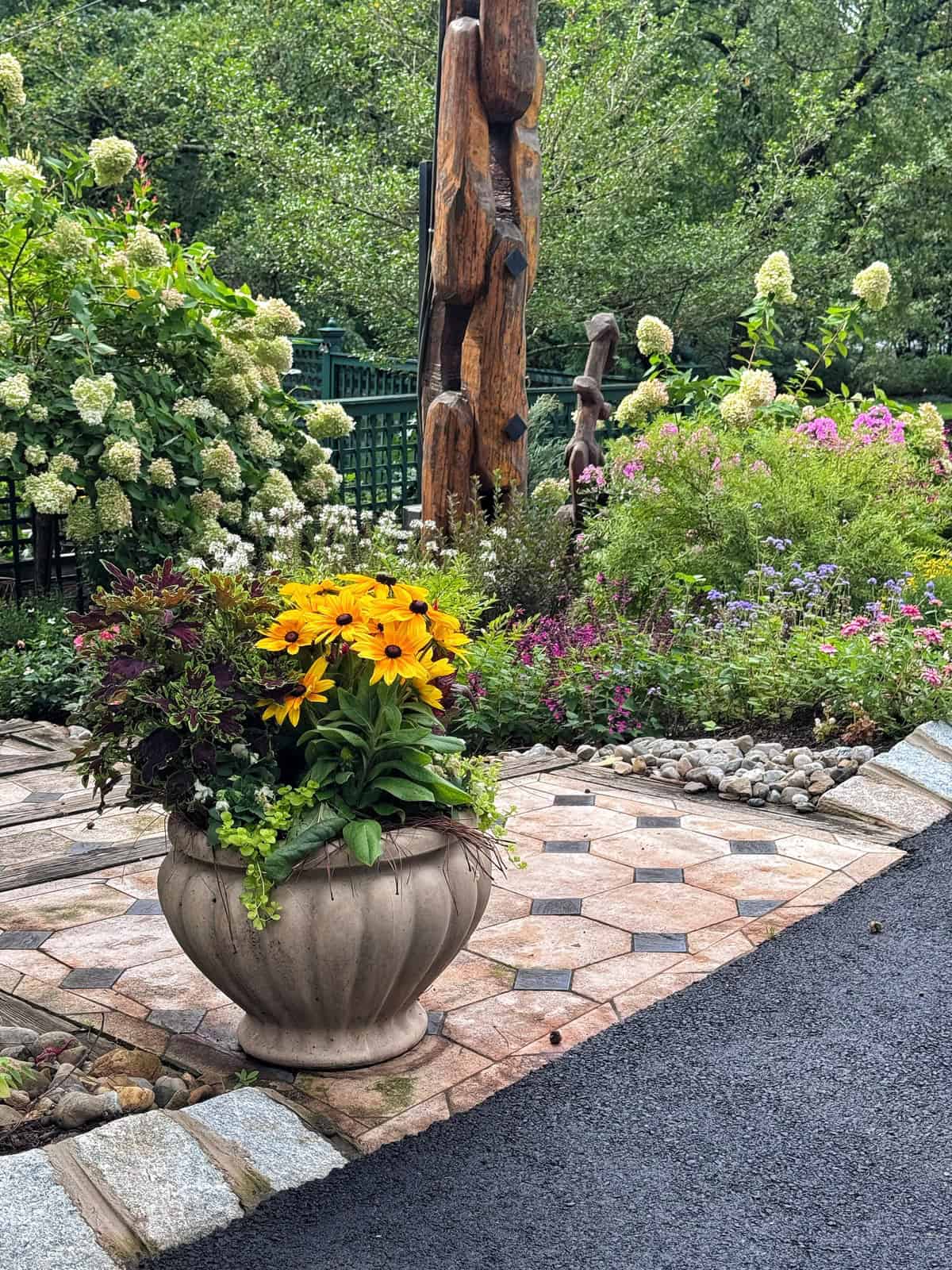
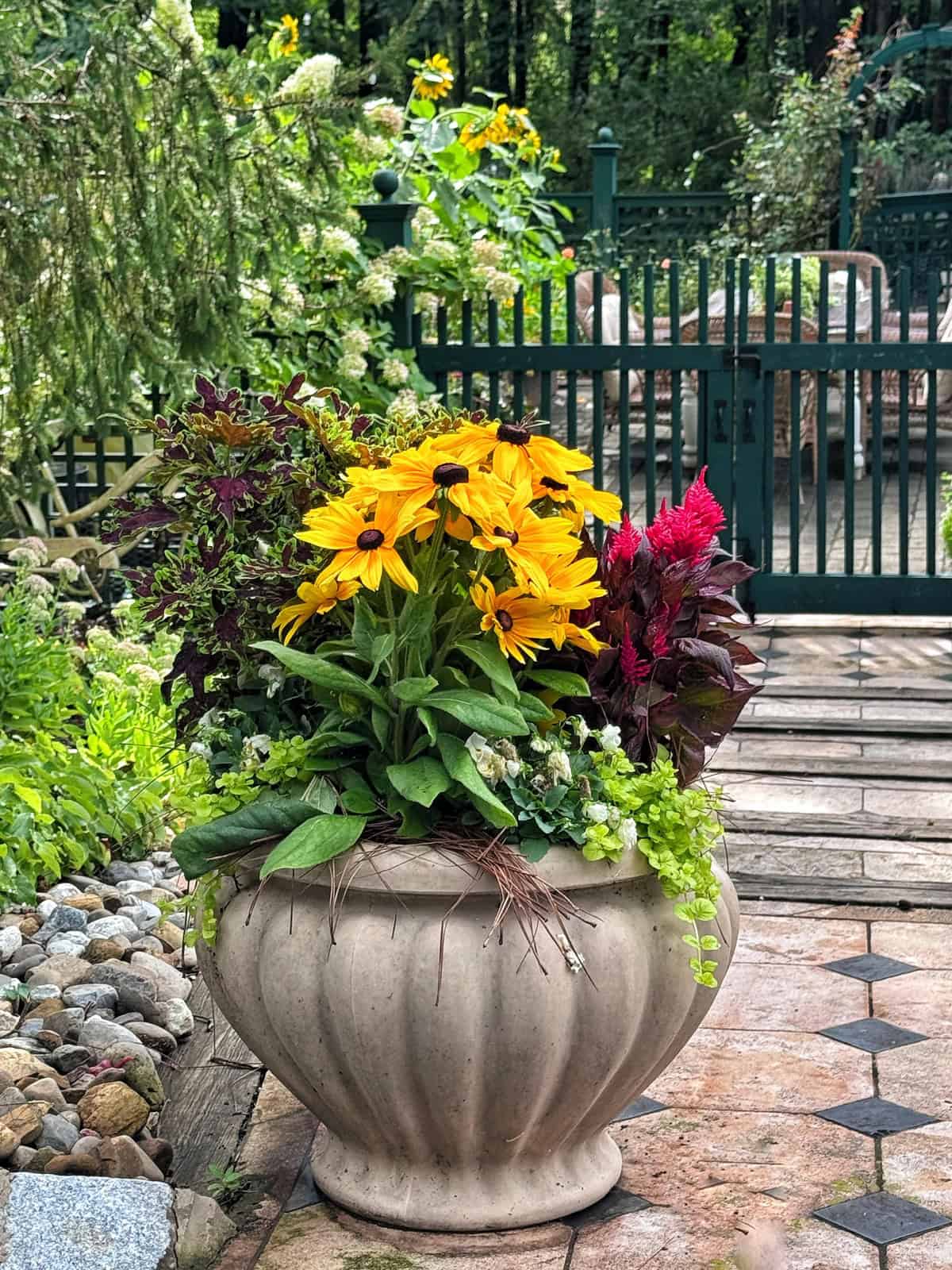
3. Fill Gaps With Fall Color, But Don’t Rush to Buy Mums
Garden centers are packed with mums long before I’m ready to buy them. I love mums, but I don’t love buying them when the weather is still hot.
Those containers can dry out incredibly fast, and I don’t want to spend weeks fawning over thirsty mums just because the stores decided fall started before the weather did.
Instead, I wait until temperatures cool down so I can actually enjoy my mums during the heart of fall. (To learn more about when to buy mums and how to care for them, please visit my guide here.)
If I want to fill a gap earlier, I look for plants that bring fall color and texture without relying solely on mums.
Heucheras are one of my favorites for containers because their foliage provides instant color. And at the end of the season, I can move them from the pot into the garden.
Or I’ll use plants like ornamental cabbage and kale, pansies, ornamental grasses, and other cool-season plants as the weather cools.
For more fall container garden ideas, please visit my guide here.

4. Save Seeds Before You Pull Everything
Before an annual heads to the compost pile, stop and think about whether you want to grow it again next year.
This is something that’s easy to forget when you’re in cleanup mode.
If I know I want seeds from a particular plant, I’ll stop deadheading some of the flowers and allow the seed heads to fully mature on the plant.
But I don’t save seeds from everything.
I save seeds when there’s a plant I particularly enjoyed growing, when collecting them is worthwhile, or when I simply want to experiment with growing them again.
Keep in mind that seeds collected from hybrids may not produce plants that look exactly like the parent plant. That’s part of the fun sometimes, but it’s worth knowing before you fill an envelope expecting an exact copy next year.
And only collect seed from healthy plants. If a plant has struggled with significant disease, I don’t use it as my seed source.
Don’t Forget the Sunflowers
Sunflowers are one of my favorite plants to save at the end of the season because those giant flower heads can produce so many seeds.
You can harvest them for planting, use them for other purposes, or leave some seed heads standing for the birds.
I’ve got a complete tutorial that walks you through how I know when sunflower seeds are ready and how I harvest them. You can read it here: How to Harvest Sunflower Seeds

5. Take Cuttings From Annuals You Don’t Want to Lose
Seeds aren’t the only way to save a favorite plant. Some tender plants we grow as annuals in colder climates can be propagated from cuttings and kept indoors through winter.
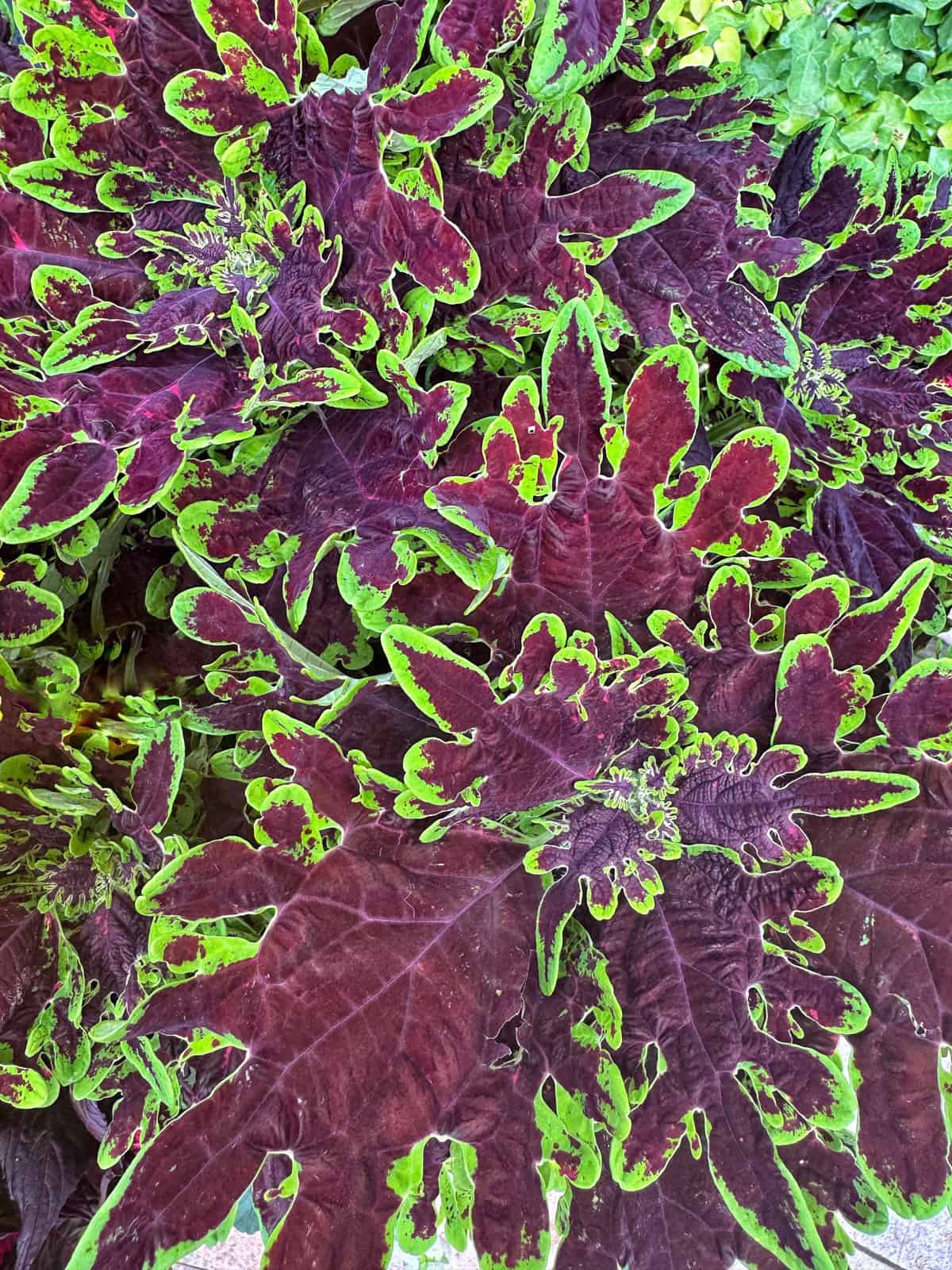
Coleus is a great example.
Rather than trying to bring an enormous coleus inside after it has spent the entire summer growing outdoors, you can take a few healthy cuttings and root smaller plants.
Geraniums, begonias, and impatiens are among the other plants that can be propagated from cuttings for the following season.
Take cuttings from vigorous, healthy growth before cold weather damages the plant.
This can be a great way to keep a plant you particularly loved without finding room in your house for a giant container all winter.
If you’d like to learn more about how I save some of my annuals for next year, please read my guides here on: How to Overwinter Geraniums, How to Overwinter Begonias, and How to Overwinter Dahlias
6. Decide What Is Worth Overwintering
Some plants deserve a little more effort. I grow several plants outdoors that aren’t hardy enough to survive winter in my climate, so part of my fall routine is deciding which ones I want to save.
That might mean digging up and storing a plant, moving a container into a protected location, taking cuttings, or bringing something indoors.
But I don’t save everything simply because I can.
Before committing to overwintering a plant, I ask myself whether I really loved it enough to care for it for the next several months.
Because indoor space becomes precious very quickly!
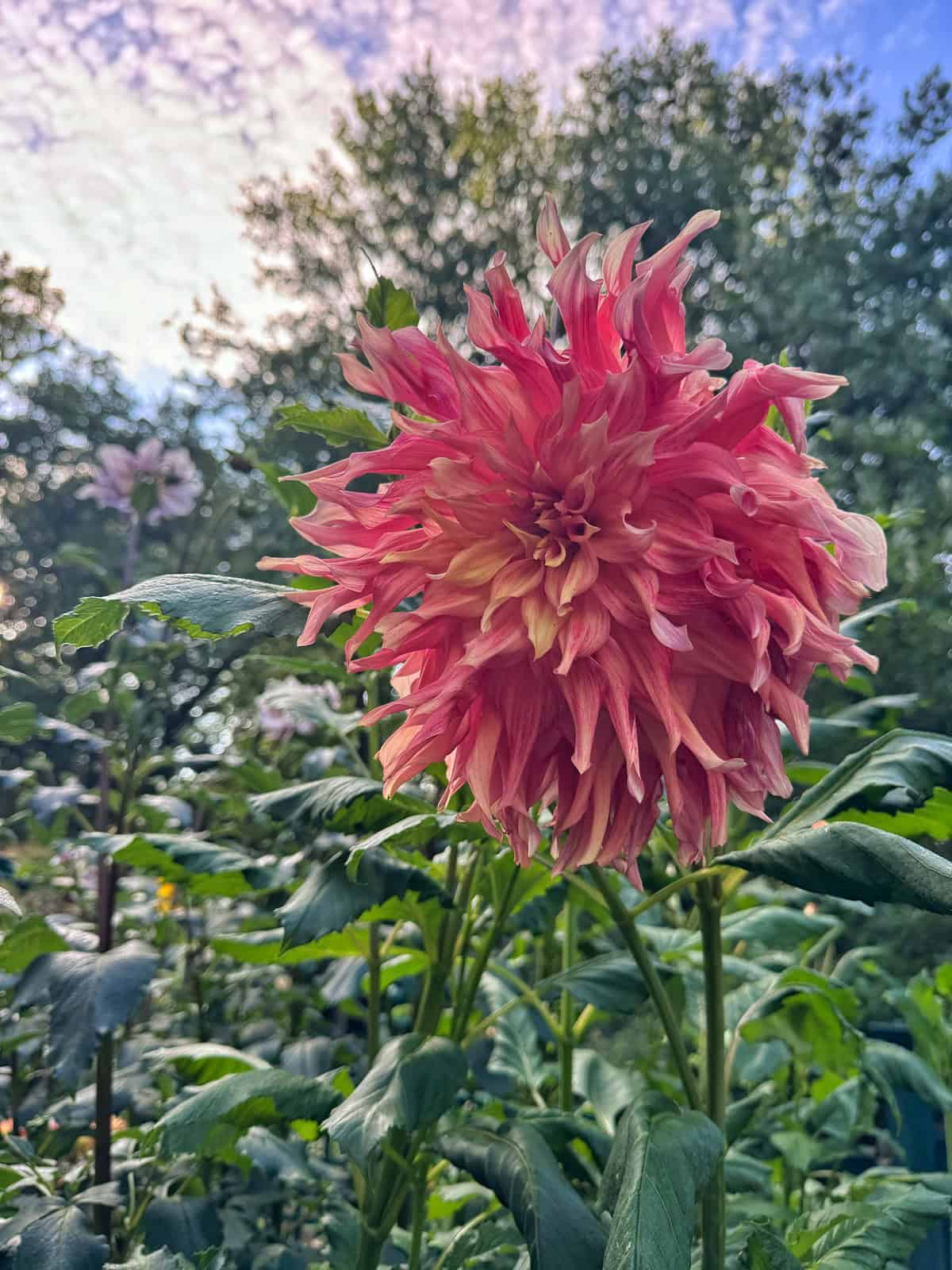
Plants like geraniums, begonias, caladiums, and bougainvillea all have different winter care requirements, so I’ve put together separate guides for the plants I regularly save.
If you’d like to learn more about how I save some of these tender annuals for next year, please read my guides here on: How to Overwinter Caladiums, How to Save Your Bougainvillea for Next Year, How to Overwinter Geraniums, How to Overwinter Begonias, and How to Overwinter Dahlias
7. What Annuals Can Go in the Compost Pile?
Healthy annuals are great additions to a compost pile. Once I pull them, I remove any materials that shouldn’t be composted and add healthy plant debris to the pile along with the other organic material I’m collecting from the garden.
Fall is actually a great time to start or build up a compost pile because there is so much material available from garden cleanup and falling leaves.
But there’s an important exception.
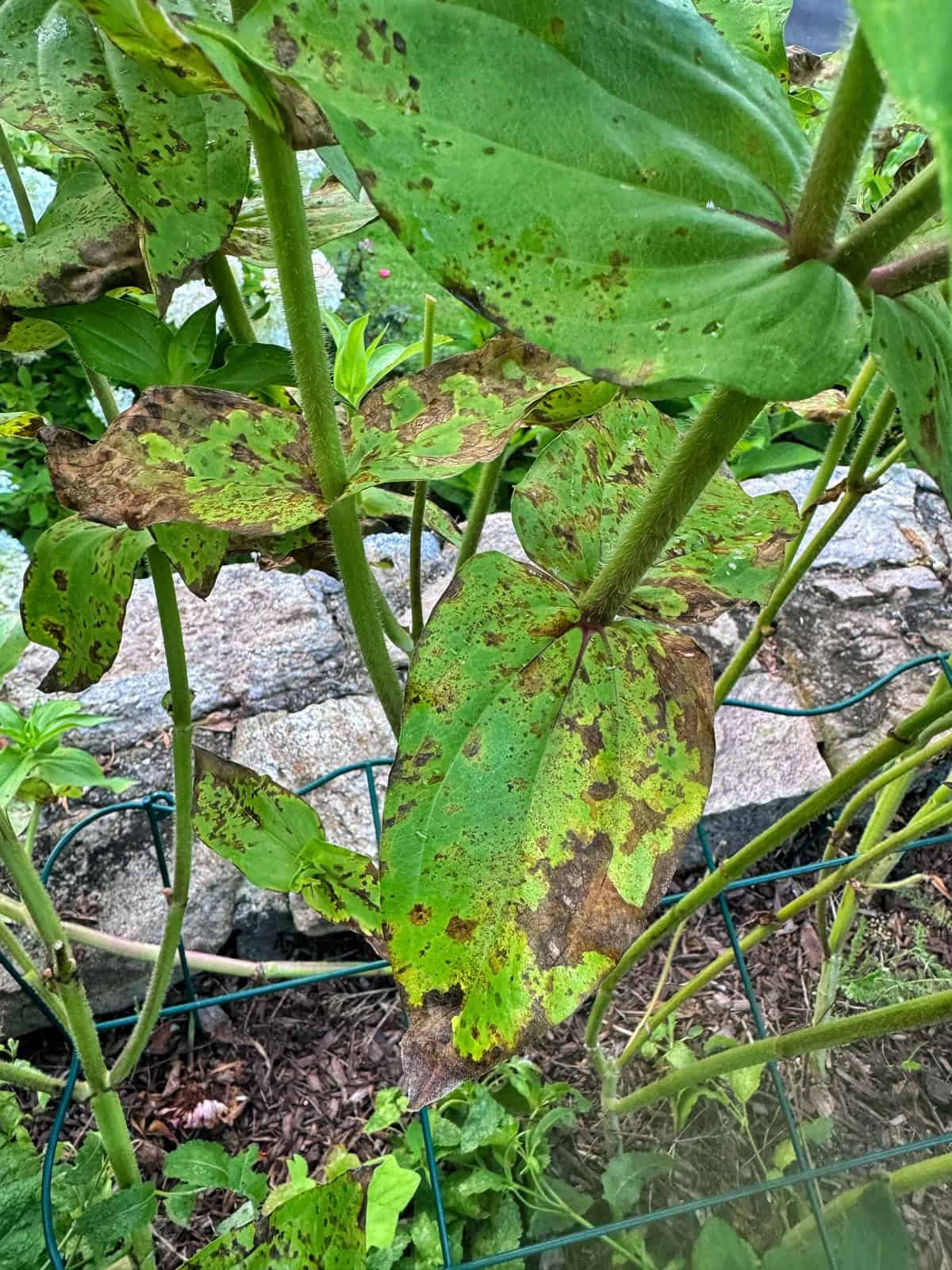
Don’t Put Diseased Annuals in a Typical Home Compost Pile
I am much more careful with plants that have had significant disease problems.
Many backyard compost piles don’t consistently reach and maintain temperatures high enough to destroy plant pathogens. Because of that, I remove heavily diseased plant material from the garden rather than adding it to my home compost.
This is particularly relevant for me this year because I’ve been dealing with leaf spot on some of my zinnias.
I don’t want to take diseased foliage out of the garden only to potentially reintroduce the problem later through unfinished or inadequately heated compost.
When in doubt, keep diseased material separate and follow your local guidelines for disposing of yard waste.
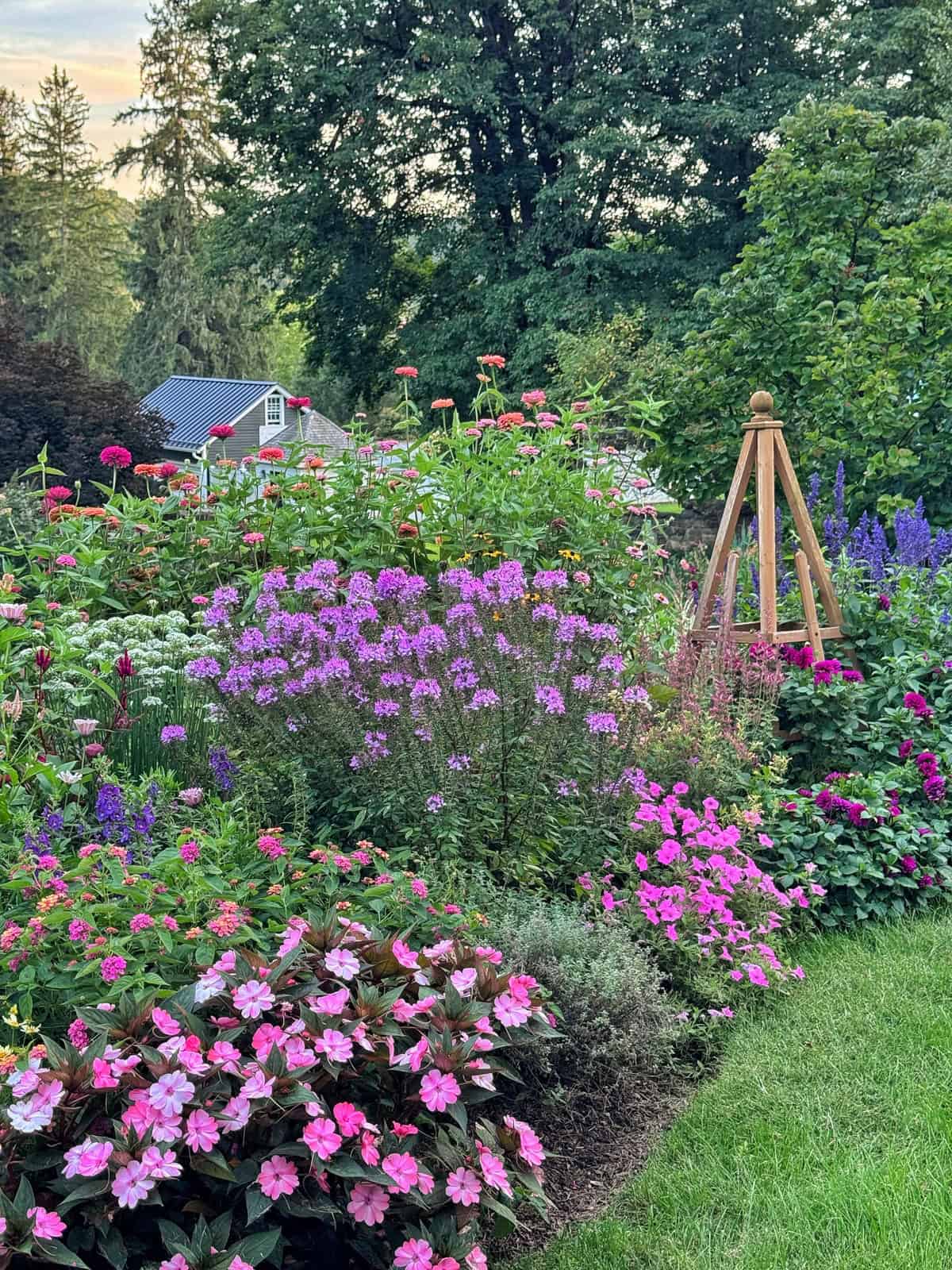
8. Put All Those Fall Leaves to Work
While you’re pulling annuals, another incredibly useful garden material is probably beginning to fall all around you: leaves.
I don’t look at fall leaves as waste.
Leaves can be composted, used to make leaf mold, or allowed to remain in appropriate garden areas where they can break down naturally.
Leaf mold is one of my favorite ways to turn something we already have into useful organic material for the garden.
And you don’t need to scrub every ornamental bed completely clean. Fallen leaves and standing plant material can provide important overwintering habitat for beneficial insects and other wildlife.
The exception, again, is diseased plant material. That’s where I’m much more intentional about cleanup. To learn more about how I make leaf mold to naturally support my gardens and improve the soil, please visit my complete guide here: How to Make Leaf Mold.
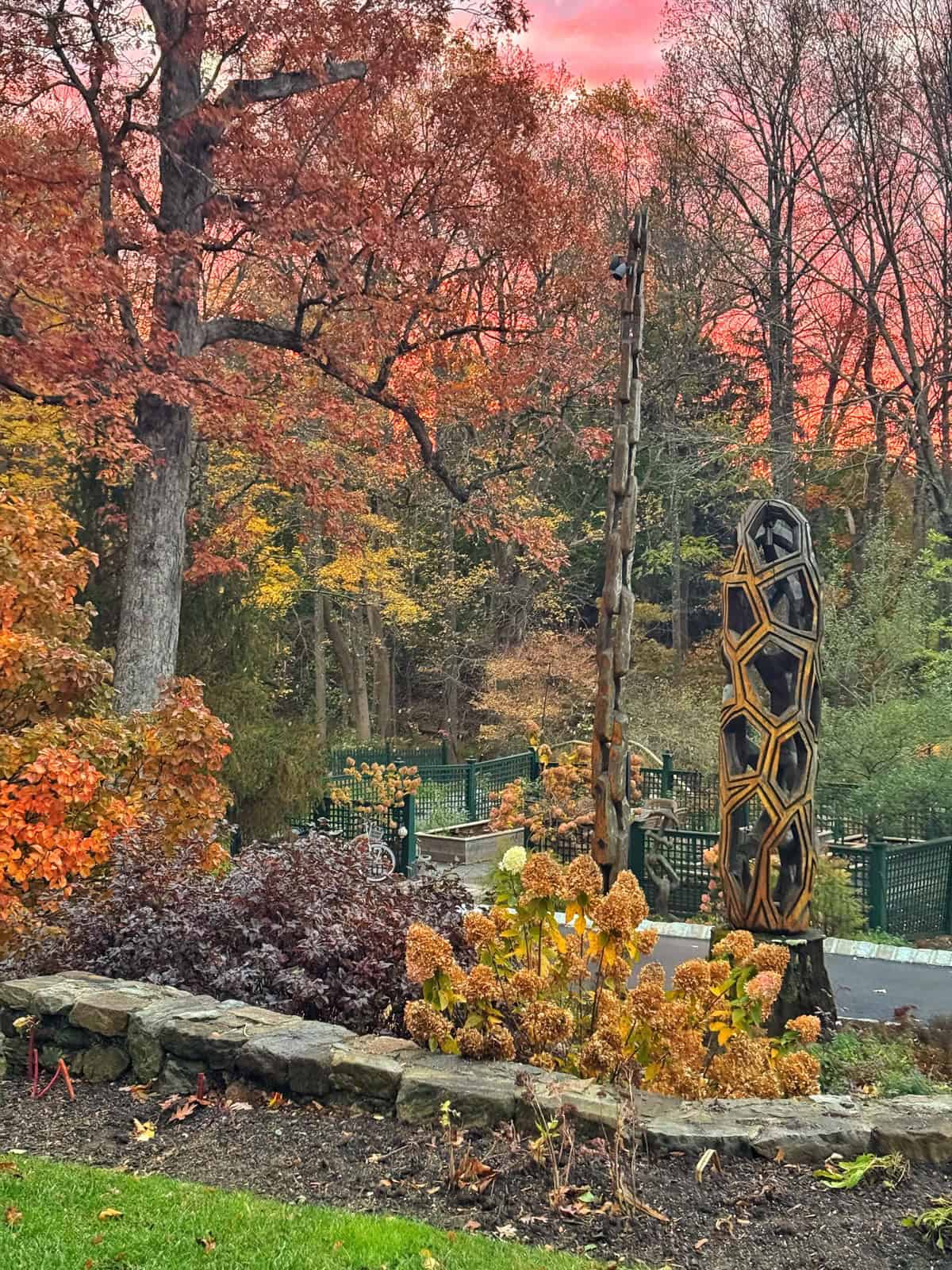
9. Leave Some Annuals Standing
Not every annual needs to be pulled when it finishes blooming. Some seed heads can continue adding texture and interest to the garden while providing food for birds.
Others may self-sow if allowed to drop their seed.
Depending on the look you’re going for, leaving some plant material standing can also provide habitat for insects and other wildlife through winter.
This is another reason I’ve moved away from the idea that the entire garden needs to be perfectly cleaned up in fall.
I want my gardens to look cared for, but that doesn’t mean they need to be stripped bare.
I focus more heavily on removing diseased plants and anything that’s become messy or problematic while allowing other healthy plants to remain where it makes sense.

10. Take Notes Before You Forget
This might be one of the most valuable things you can do at the end of the annual growing season.
Take pictures.
Make notes.
Which annuals flowered nonstop?
Which ones constantly needed water?
What developed disease?
Which varieties handled your growing conditions beautifully?
What colors worked together?
Where did you have gaps in bloom?
And most importantly, which plants do you actually want to grow again?
I learn something new every growing season, and those observations influence what I grow the following year.
For example, when one variety performs noticeably better than another growing nearby in similar conditions, that’s information I want to remember when I’m ordering seeds in winter.
Don’t assume you’ll remember all of it in January. I promise, you won’t!
This is why I write it all down in my garden planner.
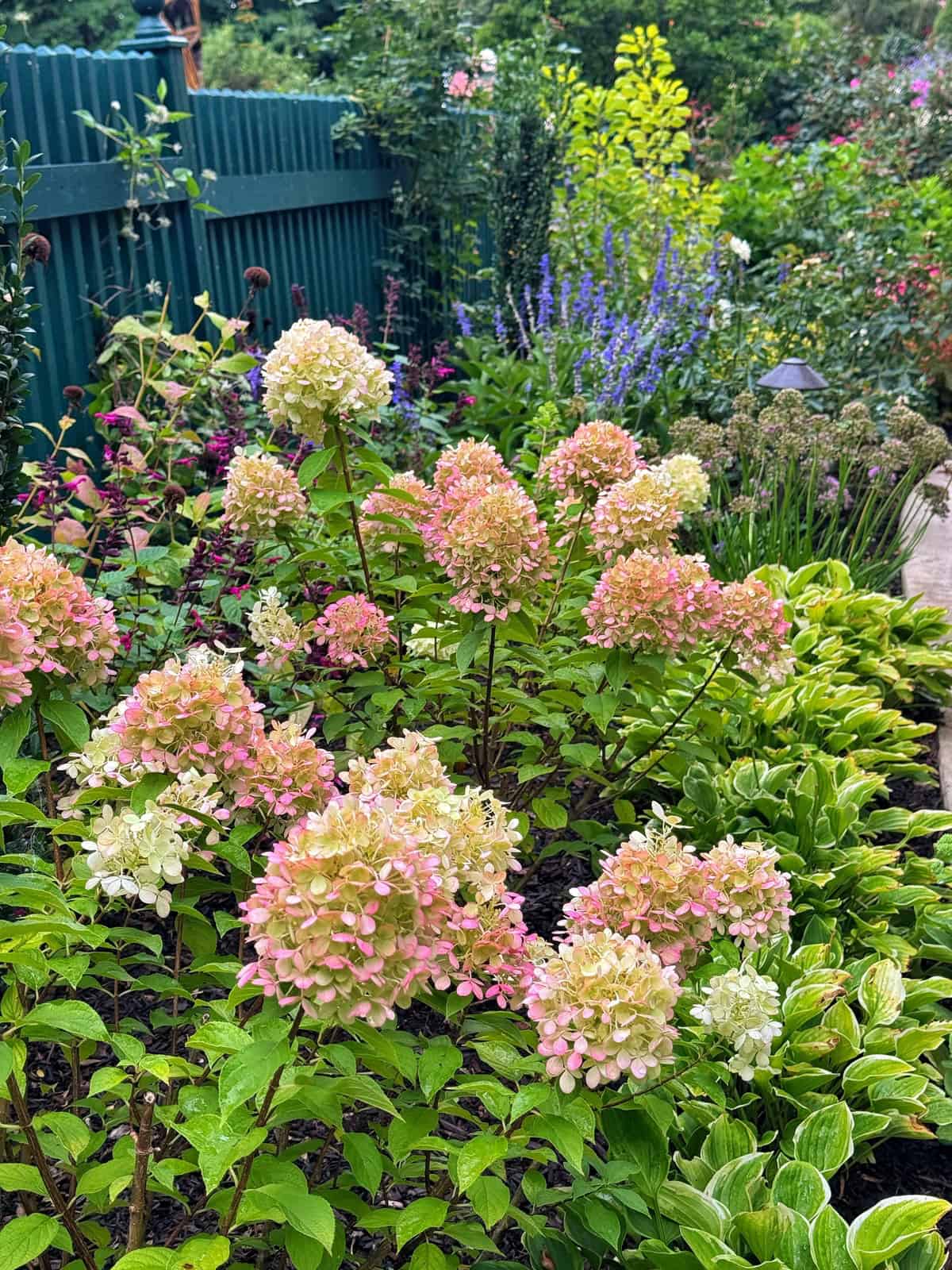
While You’re Making Changes, Take Another Look at the Garden
Pulling a tired annual can do something interesting. Suddenly you can see the garden around it a little differently.
Maybe what you really want is that full, layered, abundant look where plants seem to flow together, there’s always something interesting happening, and the whole garden feels pulled together instead of like a collection of individual plants.
And getting there isn’t always about adding more.
It’s knowing when the garden needs more height or another layer of color. When something needs to move. When a perfectly healthy plant isn’t helping the overall picture anymore. And when there really is something missing that would make everything come together.
Those are the decisions I make constantly in my own gardens.
Inside The Fall Garden Edit, I’m bringing that eye to your garden through a guided workshop designed to feel like I’m right there beside you.
You’ll choose one garden bed, and I’ll walk you through how I look at a garden and make those decisions so you can apply that same thinking to your own space.
Because the goal isn’t simply to “edit” a garden bed.
It’s to help you get closer to the beautiful, layered garden you’ve been picturing and understand how to keep making it better long after we’re finished.
The Fall Garden Edit is open now, but closes this weekend.
What I Do With My Annuals at the End of the Season
My fall garden cleanup doesn’t happen in one weekend. It starts slowly as individual plants finish for the season.
I pull what’s done. I keep what’s still beautiful. I collect seeds from plants I want to grow again, take cuttings or overwinter the plants worth saving, compost healthy garden debris, and remove diseased material.
Then I let the rest of the garden keep going.
Some years frost arrives before I’m ready for it. Other years, the flowers keep going much longer than expected.
Either way, I don’t rush the garden simply because September has arrived.
There is still plenty to enjoy out there.
And by gradually dealing with annuals as they finish, I’m making the eventual fall cleanup easier while keeping my gardens looking beautiful for as long as possible.
To see more of what I do in my gardens in autumn, please visit my 10-Step Fall Garden Chores Checklist.
Thank you for visiting the blog today!
Enjoy your day! xo

Originally Published .

My impatiens look amazing this time of year!
Mine too! I have not pulled them and won’t until after the first frost!