
Winter Sowing: The Lazy Gardener’s Guide to Starting Seeds Outdoors

New to seed starting? Winter sowing is the easiest way to grow healthy seedlings outdoors with zero fuss. Here’s how I’ve done it successfully for nearly 30 years in Zone 6B
Winter sowing is a seed-starting method where seeds are sown outdoors in covered containers during winter, allowing natural cold and moisture to trigger germination in spring. The containers act like mini greenhouses, protecting seeds while exposing them to natural temperature fluctuations. This method works especially well for cold-tolerant annuals, perennials, and vegetables and eliminates the need for grow lights, indoor space, or hardening off.
Winter sowing is the easiest way to start seeds outdoors – and the best part? You can use recycled containers like milk jugs and rotisserie containers that you’d normally throw away. Talk about a win-win!
Hi, I’m Stacy Ling, a trained Master Gardener gardening in Zone 6B for nearly three decades, and winter sowing has completely transformed the way I start seeds. I began experimenting with this method years ago when I needed a low-maintenance, budget-friendly way to start lots of plants without grow lights or indoor space.
Since then, I’ve winter-sown everything from hardy annuals to perennials and cool-season vegetables, testing different techniques across two very different properties. What I’m sharing here is exactly what has worked consistently in my own garden, so you can skip the guesswork and get amazing results your very first year.
Here’s why I love winter sowing:
- More space for seedlings: No more crowded windowsills or battling for space under grow lights.
- No more hardening off: Seedlings grow strong and resilient outdoors, so they transition effortlessly into the garden.
- Super simple and inexpensive: Just grab some containers from your recycling bin and you’re good to go!
A few years ago, I was overwhelmed by the space and time it took to start seeds indoors. Then I discovered winter sowing, and it was a total game-changer! I still start some seeds indoors, but winter sowing lets me grow so much more.
If you’re curious about how I start seeds indoors (for the plants that don’t winter sow well), you can check out my full indoor seed-starting guide here: How to Start Seeds Indoors Without a Greenhouse
Ready to give it a try? I’ve put together this foolproof guide to get you started, even if you’re a total newbie:
Let’s do this!
(Posts on stacyling.com may contain affiliate links. Click HERE for full disclosure.)

Prefer to Watch Instead?
If you’d rather watch than read, I share what winter sowing is, why I started doing it, and how it fits into the way I garden here in Zone 6b, New Jersey.
This video isn’t a step-by-step tutorial — it’s a behind-the-scenes look at how winter sowing changed my confidence and approach to growing from seed.
(Watch the video below.)

What is Winter Sowing?
Winter sowing is a revolutionary technique that lets you get a head start on spring by planting seeds directly outdoors, right in the heart of winter.
This low-maintenance method is perfect for beginners who have never started seeds before because it’s less of a process than starting seeds indoors. Imagine waking up to a vibrant garden bursting with life, weeks before your neighbors even think about planting. That’s the magic of winter sowing!
You’ll save time and indoor growing space when you winter sow seeds outdoors. So, ditch the indoor stress and embrace the frosty freedom. Winter sowing is your ticket to earlier blooms, bountiful harvests, and a season of gardening joy, all without the usual fuss.
I’ve grown flowers, vegetables, and herbs using the winter sowing method in my own zone 6b garden for several years. It is so easy to do, saves time in the long run, and I’ve noticed certain plants grow much better from seed using this method.

Benefits of Winter Sowing Flowers and Vegetables
Winter sowing flowers and vegetables offer a surprising array of benefits for both seasoned and newbie gardeners alike. Here are some key advantages to entice you to try this easy and rewarding method:
Early Blooms & Bountiful Harvests
Winter sowing gives plants a head start on spring, allowing them to germinate and establish themselves early. This translates to earlier blooms for flowers and a longer growing season for vegetables, leading to a bountiful harvest come summer.
Hardy & Stress-Resistant Seedlings
Winter sowing eliminates the need for “hardening off“, the process of gradually acclimating seedlings to outdoor conditions. The natural cold and fluctuating temperatures toughen up your seedlings, making them more resistant to pests, diseases, and transplant shock. This means stronger plants and less work for you!
Low-Maintenance & Cost-Effective
Winter sowing requires minimal equipment and resources. You can use recycled containers and simple compost mixes, eliminating the need for expensive grow lights and heating mats. Plus, you can sow seeds directly in the ground, saving space and avoiding the hassle of transplanting.
Because winter sowing makes it possible to start more seeds with less indoor setup, I’ve found it’s especially helpful to plan ahead so you don’t overwhelm yourself — I share how I approach seed starting decisions across different methods in my seed starting planning guide.
Reduced Seed Loss
Winter sowing helps prevent damping-off, a fungal disease that often plagues indoor seedlings. The natural environment outdoors allows for better air circulation and soil drainage, minimizing the risk of this devastating disease.
Sustainable & Eco-Friendly
Winter sowing utilizes natural processes and recycled materials, making it a sustainable and eco-friendly gardening practice. You are working with nature, not against it, and reducing your carbon footprint in the process.
Sense of Accomplishment & Gardening Joy
Watching your seeds germinate and thrive through the winter months brings immense satisfaction and a sense of accomplishment. It extends your gardening season and allows you to enjoy the beauty and bounty of nature even when the world outside is still slumbering.
Those benefits are exactly what I experienced once I started winter sowing consistently.
Winter sowing completely changed how many seeds I could realistically start each season — I shared exactly how it expanded my seed starting (and what surprised me most) here: how winter sowing expanded my seed starting

When Should I Start Winter Sowing?
As a general rule, you don’t want to start winter sowing seeds before the winter begins (December 21). And with the holidays immediately following that time, to me, January is a great time to get started. New year new plants, am I right?
How Late Can I Winter Sow?
How late you winter sow seeds really depends on the type of seeds you plan to grow. If certain seed varieties have a chill requirement (like larkspur), then they need to be started at least 4-5 weeks before the temperatures rise above freezing. However, if seeds do not require that chill period, then you can sow them later. I garden in zone 6b New Jersey, and usually start winter sowing in January and early February.
Can You Winter Sow Anything?
Not everything can be winter-sowed outdoors. In general, herbs, perennials, cold-hardy annuals, and cool-season vegetables are the best types of seeds to winter sow outdoors.
I’m going to start a few cold-hardy annuals like sweet peas, larkspur, and snapdragons using this method. I’ve been winter sowing seeds for a few years now and it couldn’t be easier to do. You just have to be cognizant of the type of seeds you try. And I’m sharing a list below to give you some ideas.
If you want to learn how I start some flowers from seed using the winter sowing method, please read the following posts:
- Why I Start Sweet Peas From Seed Using the Winter Sowing Method
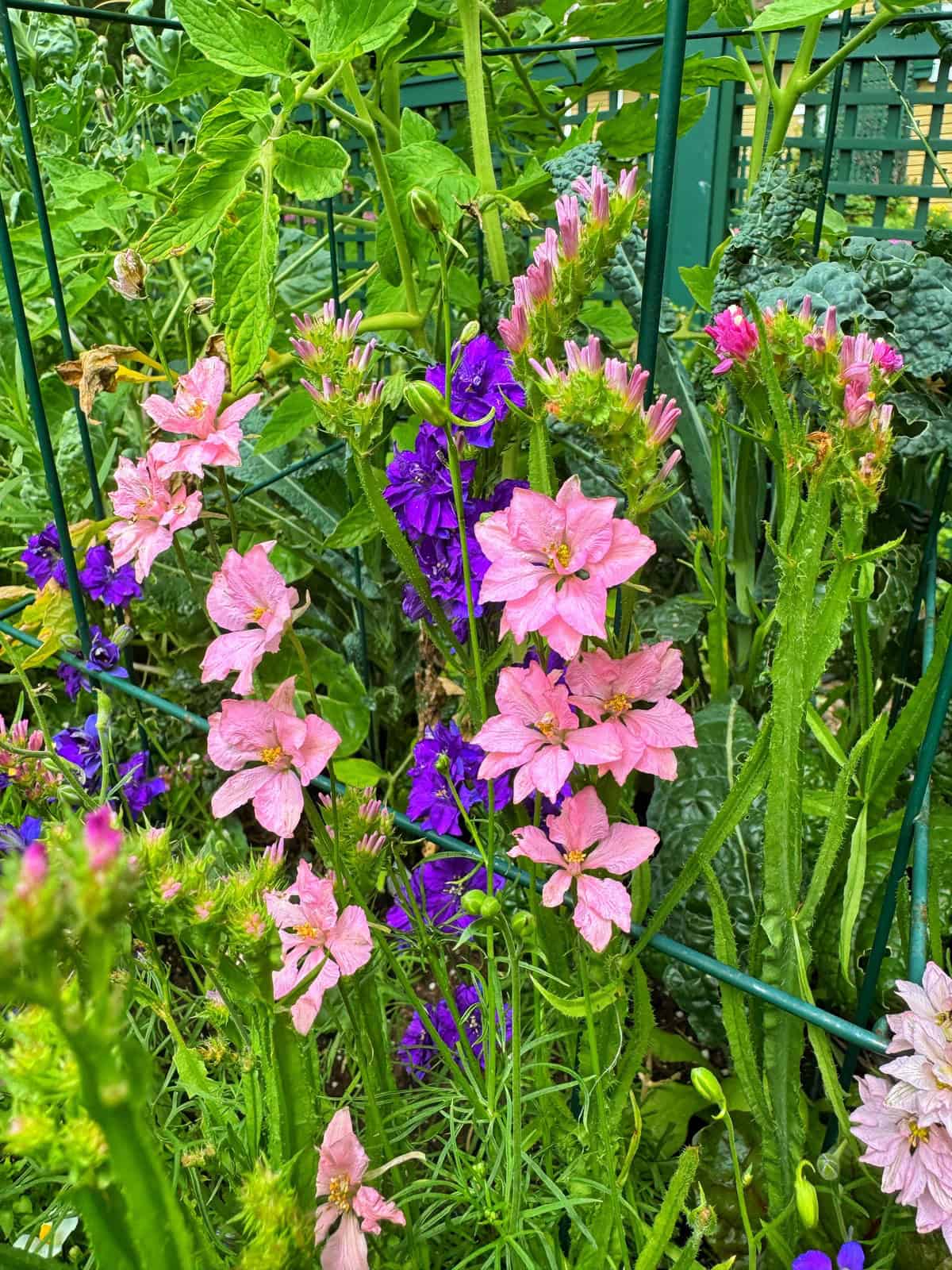
- Winter Sowing Larkspur
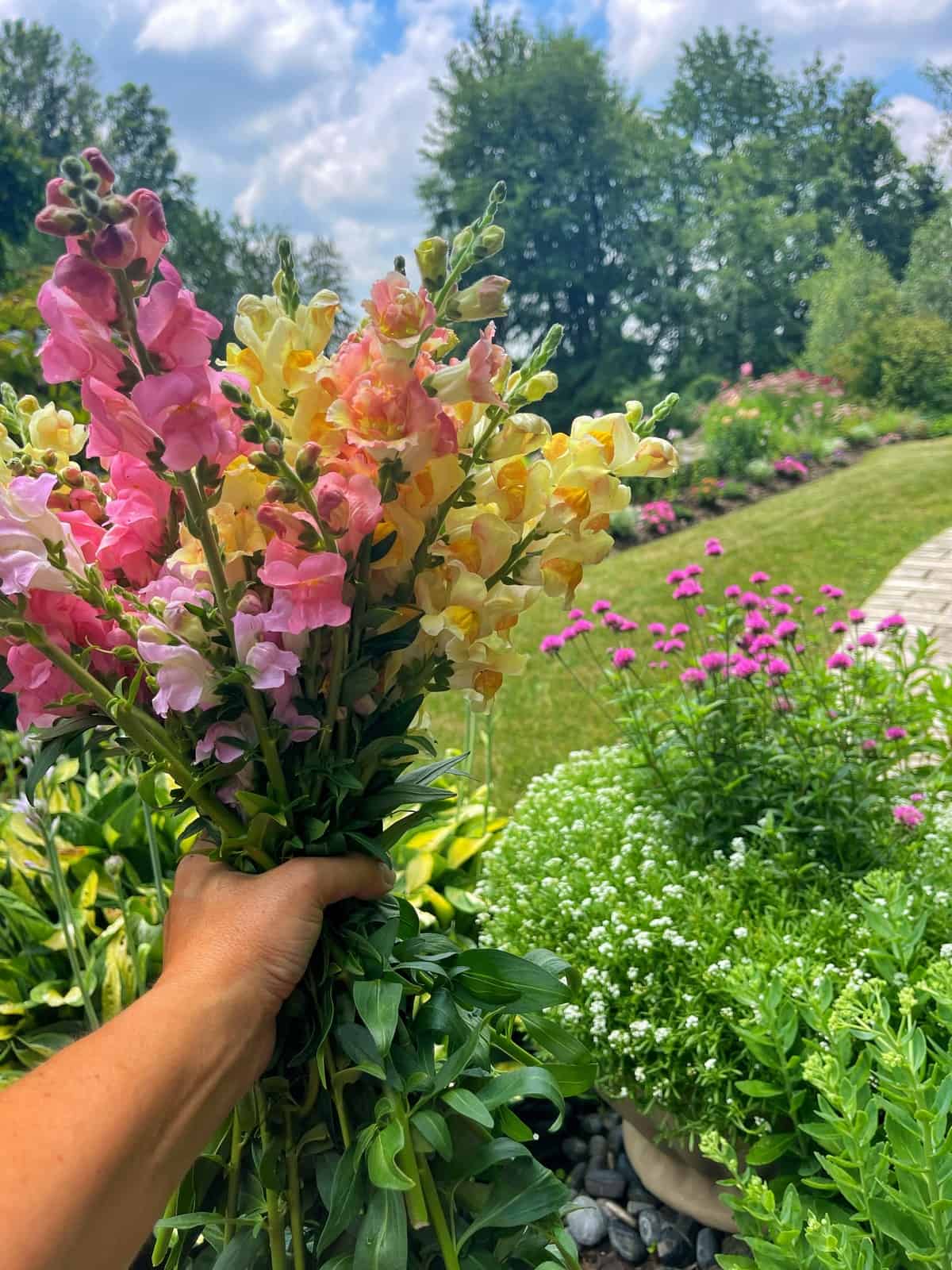
- Starting Snapdragon Seeds Using the Winter Sowing Method
What Seeds Are Good For Winter Sowing?
When you start seeds using the winter sowing method, it’s important to know that not all seeds respond the same way. Choosing the right seeds is key to getting strong, healthy plants, not just successful germination.
The good news is that many flowers and vegetables thrive when started this way, especially those that naturally tolerate cold or benefit from an early outdoor start.
Hardy Annuals
These plants tolerate cool temperatures and readily germinate outdoors. Winter sowing often produces sturdy seedlings that are well adapted to spring conditions. Good options include larkspur, calendula, sweet peas, and snapdragons.
Perennials
Many perennials either require or tolerate cold exposure to germinate, making them excellent candidates for winter sowing. Plants like columbine, poppies, and foxglove often perform especially well when started this way and can return year after year.
Cool-Season Crops
Leafy greens and brassicas thrive in cooler weather and benefit from an early start. Spinach, kale, lettuce, broccoli, and cabbage can be winter sown to jumpstart the growing season.
Root Vegetables
Some root crops actually benefit from cooler conditions early on. Carrots, beets, and radishes can be winter sown so they mature earlier and are less likely to bolt once temperatures rise.
Here are a few specific seeds that tend to do well with winter sowing:
- Butterfly weed
- Foxglove
- Calendula
- Larkspur
- Snapdragons
- Sweet peas
- Poppies
- Coreopsis
- Yarrow
- Broccoli
- Cabbage
- Spinach
- Carrots
For more information about the best flowers for winter sowing, please visit: Best Flowers to Winter Sow
Seeds That Are Not Ideal for Winter Sowing
While winter sowing works beautifully for many plants, some seeds are better started using other methods. These plants typically need consistent warmth to germinate and grow well, and extended cold exposure doesn’t give them an advantage.
Tender Annual Flowers (Warm-Season Blooms)
Tender annuals generally require warm soil to germinate and develop strong seedlings. Flowers such as petunias, zinnias, impatiens, and coleus are best started indoors under grow lights or sown directly outdoors once the soil has warmed, following the method and timing recommended on the seed packet.
Heat-Loving Vegetables
Crops like tomatoes, peppers, eggplant, and basil need steady warmth to germinate and grow. Winter sowing can delay germination or result in weak plants, particularly in cooler climates.
Seeds With Specific Germination or Growth Needs
Some seeds may germinate outdoors but still struggle to grow into strong plants when started this way. I’ve experienced this firsthand – after misreading a seed packet, I once winter sowed China asters, assuming they were perennial asters when placing them in my winter sowing pile. While the seeds germinated, the plants were noticeably weaker and less vigorous than when I started them indoors under grow lights. It was a helpful reminder that successful germination doesn’t always mean a plant is well suited to a particular seed-starting method.
When deciding whether a seed is a good candidate for winter sowing, I often ask myself whether the plant naturally reseeds outdoors in my climate. If it does, winter sowing is usually a good fit. If not, another seed-starting method is often more successful.
Here’s a quick video of how I winter sow seeds using the same method I’ve refined over nearly 30 years of gardening in Zone 6B:
Supplies Needed for Winter Sowing
Sowing seeds outdoors in winter requires much less than doing them inside. Plus, it’s a great way to recycle items from around the house such as milk jugs and rotisserie chicken containers. Thus, winter sowing is very eco-friendly!
- Recycled container to start seeds
- Organic potting soil
- Seeds
- Tape
- Sharp utility knife or scissors
Where to Buy Good Quality Seeds
Starting with good-quality seeds makes a noticeable difference, especially when winter sowing. Local nurseries are often a great place to shop because their seed selections are usually suited to your growing region and conditions. I also regularly order seeds from Johnny’s Selected Seeds, which has been consistently reliable for germination and plant performance in my garden.

Winter Sowing Containers
The best containers for winter sowing are often things you already have around the house! Repurposing and recycling items like milk jugs and plastic containers means you don’t have to spend money on expensive seed starting trays.
Containers should generally be at least 4 inches deep and hold a few cups of soil. Gallon-sized milk jugs work well, but smaller containers like salad boxes can also be used (just keep in mind they might need more frequent watering). For larger seeds or fast-growing plants, choose a larger container to avoid overcrowding.
Here are a few options to save and resuse:
- Chicken rotisserie containers
- Plastic milk jugs
- Plastic storage boxes (just need clear lids)
- Mixed green salad containers
Regardless of what you choose, you’ll need to make sure they are cleaned and sterilized well before potting and planting them up. I usually try to wash them out with Dawn dish soap and soak them for a few minutes in a 1:10 ratio of bleach to water solution.

Winter Sowing in Milk Jugs and Rotisserie Container Directions
While we’re focusing on winter sowing outdoors today, remember that you can still start seeds indoors too. Depending on the type of plant you want to grow, it’s not too late to get started. But wait until you see how easy winter sowing is! Once you try this method, you’ll want to start more seeds this way.
In my zone 6b garden, I grow a little more and a little more using this method every year!
1. Gather Your Supplies and Prepare Your Containers
- Drainage: To ensure proper drainage, punch several holes about the size of a pencil eraser in the bottom of the container. This will prevent the soil from becoming waterlogged and harming your seedlings.
- Milk Jug Prep: If using a milk jug, cut the jug in half, leaving a hinge on one side so it can be opened and closed. Remove any nutrition labels from the jug so light can reach the seeds.
- Lids and Covers: If your container has a lid, remove any labels and consider adding a few small ventilation holes.


2. Fill with Potting Soil Mix
Fill the bottom of the container about halfway with a pre-moistened potting mix. The mix should be damp but not soggy—you should be able to gently squeeze it into a ball without it dripping water. Pre-moistening the mix helps ensure good contact between the seeds and the mix, which is important for germination. To keep things neat in my workspace, I used THIS tray to hold the potting soil and THIS tray beneath my containers.

3. Plant Your Seeds
- Planting Depth: Now it’s time to sow your seeds! Refer to your seed packet for the recommended planting depth, as this is crucial for successful germination. If you don’t have a seed packet, a general rule is to plant seeds at a depth two to three times their width.
- Why Depth Matters: Planting depth affects germination. Some seeds need light to germinate, while others need darkness. Proper depth also ensures the seedlings have enough energy to reach the surface. For example, tiny seeds like lettuce may only need a light covering of soil, while larger seeds like beans might need to be planted an inch deep.
- Firm the Soil: Once you’ve sown your seeds, gently firm the soil to ensure good seed-to-soil contact.

4. Close and Label
Close the container securely, using duct tape if necessary. Label the containers clearly with the plant name and date so you know what’s planted.

5. Provide Airflow
If your container has a lid, ensure there are a few small holes for ventilation. If you’re using a milk jug, you can leave the cap off.
6. Choose an Outdoor Location
Move the containers to an outdoor location that receives sunlight and rain but is protected from harsh weather. If you live in a warmer climate, place them in a shadier spot where they’ll receive moisture but won’t get too hot.

7. Water and Monitor
Check the containers weekly to make sure the soil is moist. Water if needed, allowing excess water to drain out.
Additional Tips for Winter Sowing
- Sow one type of seed per container – do not mix varieties. Label everything well with plant variety and the date sowed. Keep seed packets for easy reference.
- When to start depends on your zone and the type of seeds. I’m in zone 6b and generally start filling jugs, rotisserie chicken containers, and anything else I have laying around that can double as a mini-greenhouse in late January and early February.
- The potting soil you use matters! I love Coast of Maine Bar Harbor Blend. Soil can be moistened in a bucket or watered after placing it in the bottom of the prepared jug.
- The seeds you use matter! Always buy from high quality grower.
- Labeling inside the jug helps ensue the sun doesn’t fade your label (It’s happened to me before). I also label on the outside so I know what it is because oftentimes I cannot read that same exterior label when it’s time to plant. And trust me, you won’t remember what’s in there so label it in two places
- Set your jugs together on the ground that has sun, rain, snow, etc. Check them once a week to make sure containers stay evenly moist.
- Normally, the jugs don’t need anything because the weather takes care things. But, if it’s exceptionally dry, you’ll want to add some moisture.
- The seeds should sprout and be ready to plant in the spring when the weather warms up.
- Before planting, take the tape off and leave the jugs without tape for a day or 2 so you can open the for a few days to get them used to the elements before planting.

My Zone 6b Winter Sowing Seed List for 2026
Through the years, I seem to add more and more to list. This my 2026 winter sowing seed list:
- Sweet Peas
- Larkspur
- Calendula
- Some Snapdragons (I like to also start some indoors under grow lights)
- Foxgloves
- Yarrow
- Dara
- Feverfew
- Nigella
- Lupines
- Campanula
- Delphiniums
- Kale
- Broccoli
- Cauliflower
- Carrots
- Lettuce
- Spinach
- Swiss Chard
- Cilantro
- Dill
- And a few others I can’t remember but this is a good chunk of my list!
I’m leaning into growing more vegetables and herbs through winter sowing and want to expand my perennial gardens with more cottage-style flowers.

Winter Sowing Troubleshooting & FAQ
After almost 30 years of gardening in Zone 6B and winter sowing more containers than I can count, I’ve run into just about every strange situation you can imagine. These are the questions I’m asked the most and the little issues that tend to pop up—especially when you’re first getting started.
What if we get a warm spell after I winter sow? Will everything sprout too early?
Don’t worry. Most cold-hardy seeds are smarter than we think. They need a certain amount of chill time before they’re triggered to germinate, so a random winter warm-up usually doesn’t fool them. In all my years winter sowing, I’ve never lost a batch to a short thaw. If anything does sprout early, the container naturally protects the seedlings, and they handle temperature swings beautifully.
My containers keep blowing over. What should I do?
Wind happens, especially in open gardens. Tuck your jugs inside a milk crate, a shallow bin with drainage holes, or even between a couple of bricks. I like to add a small handful of gravel at the bottom of lighter containers for extra weight, just enough to keep them upright without affecting drainage. I usually keep mine in a protected area that is a little less susceptible to strong winds.
Can I winter sow older seeds or inexpensive seed packets?
Yes! In fact, winter sowing can actually improve germination on older seeds because natural cold stratification helps wake them up. I’ve sprouted 3–4 year old poppy, lupine, and columbine seeds this way with great success. If the seeds are borderline fresh, winter sowing gives you the best chance of getting something.

Can I winter sow if there’s deep snow on the ground?
Absolutely. You can prep your containers indoors, tape them shut, and set them right on top of the snow. Snow acts like insulation and cushions the containers until they settle into place. I’ve winter sown during snowstorms more times than I can count—it’s one of the easiest ways to get it done.
How do I know when to open the lids?
As the weather warms and days hover around 45–50°F, your jugs can start to get a little steamy. When I see moisture building or seedlings stretching toward the light, I crack the lids open for more airflow. After a few days of venting, I fully remove the tops so the seedlings can adjust to outdoor conditions. One of the biggest perks of winter sowing is that they’re naturally hardened off, so they transition quickly.
In my zone 6b garden, I usually wait for a warmish-day, sunny day to get them acclimated to the weather. And I’ve found once I do this and start leaving the lids off, the seedlings really thrive!
There’s green slime or algae on my soil. Should I worry?
Not at all. Algae just means the container is staying a little too damp or lacks airflow. Scrape off the top layer and replace it with fresh, dry mix, then add a few more ventilation holes. The seedlings won’t mind at all.
My seedlings sprouted and then stopped growing. Is something wrong?
This is totally normal for winter-sown seedlings. They sprout during a warm spell, then “pause” when cold weather returns, and take off again once spring settles in. This slow, steady development actually produces sturdier, more resilient plants and is something I’ve seen year after year in both gardens I’ve grown in.
If your containers look quiet and nothing has sprouted yet, it doesn’t always mean something went wrong. I walk through the common reasons winter-sown seeds don’t germinate and when it’s normal to wait longer before assuming failure.
Can critters get into my winter sowing containers?
It’s rare, but curious squirrels and raccoons exist everywhere. If you’ve had issues, place your containers inside a wire crate or keep them on a table or shelf. In my experience, out-of-reach is usually enough to deter nighttime explorers.
What if my soil dries out early?
Winter sowing doesn’t usually require much watering, but long dry spells or sunny 50–60° days can dry containers out faster than you’d think. I check mine weekly once we’re past deep winter. If the soil has pulled away from the edges or looks pale and dry, give it a light drink—just enough to remoisten the mix without flooding the container.
Can I reuse last year’s potting mix?
Yes, with a quick refresh. Break up any clumps, add a scoop or two of fresh potting mix, and mix in a little perlite if it looks compacted. I reuse winter sowing mix all the time and get excellent results. As long as it drains well and feels light, it’s perfectly good for another season. But if I am being honest here, I always use fresh soil in my zone 6b garden because I don’t want to risk the seeds having issues.
Do you need to water winter-sown containers?
Usually, no. Winter sowing works because nature regulates moisture through rain, snow, and freeze–thaw cycles. I check containers weekly, but I only intervene if they’re clearly drying out. Overwatering causes more failures than under-watering so it’s best not to intervene.

Try These Next: Easy Flowers to Winter Sow
If you’re excited to try winter sowing and want a few reliable, cold-tolerant flowers to get started with, these guides will walk you through exactly how I grow some of my favorite early bloomers. Each one is perfect for winter sowing and thrives in my Zone 6B garden.
👉 Winter Sow Sweet Peas for Early, Fragrant Blooms
Sweet peas love the cold and germinate beautifully outdoors. Here’s how I winter sow them step-by-step: Winter Sowing Sweet Peas
👉 How to Winter Sow Larkspur for a Cottage-Garden Look
Larkspur is one of the easiest hardy annuals to winter sow and adds incredible height and color to spring beds. Winter Sowing Larkspur Flower
👉 Winter Sowing Calendula for Effortless Spring Color
Calendula is a tough, cheerful bloomer that handles frost like a champ. It’s a great confidence-builder if you’re new to winter sowing. Winter Sowing Calendula
👉 Start Snapdragon Seeds the Easy Way (Indoor or Winter Sown)
Snapdragons are surprisingly cold-tolerant, and winter sowing produces strong, stocky seedlings ideal for cut flower gardens. Winter Sowing Snapdragons
👉 How to Grow Yarrow (A Hardy Perennial That Winters Sows Beautifully)
Yarrow is one of my favorite low-maintenance perennials to winter sow because it’s tough, drought-tolerant, and blooms reliably all summer. Winter Sowing Yarrow

More About Sowing Seeds Outdoors in Winter
Winter sowing has been one of my go-to seed-starting methods for nearly three decades of gardening here in Zone 6B, and it continues to amaze me with how simple, reliable, and beginner-friendly it is. You don’t need grow lights, special equipment, or a greenhouse at all. Just a few recycled containers, the right seeds, and trust in the process can do wonders for your garden.
I’ve used this method in two very different gardens, through harsh winters and mild ones, and it consistently produces strong, resilient seedlings that outgrow anything I’ve started indoors. If you’re new to winter sowing, don’t overthink it. Follow the steps, keep an eye on your containers as the weather shifts, and let nature take the lead. With a little patience, you’ll be rewarded with healthy, hardened-off plants that are ready to thrive in your garden. And who knows? Like many of us, you might just find yourself winter sowing more and more each year.
I start flowers, vegetables and some herbs using this method and it is such an easy way to get the season going in January! To learn more about the different types of plants you can start from seed using this method, check out my starter guides for:
If you want to learn more about how I start seeds indoors using grow lights or directly outdoors in the spring, read these posts:
So what do you think? Give winter sowing in milk jugs and rotisserie chicken containers a try and see for yourself the magic of planting seeds in the heart of winter and reaping the rewards come spring!
Have you ever tried the winter sowing method before? Do you think you’ll try it now? I would love to know more in the comments below.
For more information about winter sowing seeds, please read this article from the Rutgers Cooperative Extension.
Thank you for visiting the blog today!
Enjoy your day! xo



Starting Seeds: A Grow With Me Gardening Series
Want to learn how to start a garden from seed indoors? You don’t need a greenhouse to do it! I successfully started over 1400 flowers in my basement through this series. Whether you want to grow flowers, herbs, or vegetables, follow these tips, tricks, and inspiration to start your garden from seed.
- How to Start Seeds Indoors Without a Greenhouse: An Overview
- Supplies for Starting Seeds Indoors Without a Greenhouse
- What You Need to Know About Sowing Seeds Indoors
- What You Need to Know About Hardening Off Plants
- How to Plant a Garden After Starting Seeds Indoors
- Cut Flower Gardening for Beginners


Originally Published . Last Updated .

I’ve never tried this either! It’s on my “to-do someday” list.
I had to try this! I started some sweet peas and this week I’m doing more. Speaking of sweet peas, my seedlings sprouted in the sunroom already. Yay!
Stacy
I’m going to try this. I didn’t have good luck inside last year but this might work for me. Thanks so much!
Thank you Rachel! It’s worth trying – I am hoping it all germinates. Bring on da flowers!
This is such a great idea, Stacy. I would really love to try this one day.
Thanks! I hope it all germinates!
This is such an informative post. I have never heard of winter seeding. So hood to know. Thanks for sharing!
Thank you its so cool right? SAves room when you start seeds indoors and works well!
Great ideas! You have encouraged me to start sowing my seeds. I’m excited. Thank you.
Thanks so much Renae!! Enjoy your weekend!
Stacy,
These tips are so helpful.
Thanks Rachel!
Stacy
So much great information here. Can’t wait to see your spring gardens.
Thank you! I can’t wait to get started after the holidays! xo
Will the flower sprout if i put them in a unheated greenhouse?
I am not sure as I don’t have one and have never tried it – why not test it out with some seeds like sweet peas or larkspur? I don’t see why it wouldn’t work, but you may need to harden them off when you move them outdoors because even though it’s not heated, they are still more protected than if they were started outdoors in all of the elements. Either way, it’s worth testing out to see! I would try it with a test packet of seeds.
Great article with a lot of valuable insights. What about places like WA where it rains in winter and hardly any sun? Will this method still work?
I know gardeners in the northwest that do this! What zone are you in?
Stacy
Such a great idea. I’m going to try this! Happy new year.
Thank you Rachel! LMK how it works for you! xoxo