
How to Grow Calendula in a Low-Maintenance Flower Garden

Learn how to grow calendula with easy planting, care, companion planting, and winter sowing tips for a low-maintenance flower garden.
Calendula is one of the easiest cool-season flowers to grow, making it a great choice for gardeners who want early color, pollinator-friendly blooms, and a low-maintenance garden. In this guide, I’ll show you how to grow calendula from seed, when to plant it, how to care for it, and why it’s become one of my favorite companion plants for roses, dahlias, zinnias, and vegetable gardens.
I’ve been growing calendula for several years, and it’s a flower I look forward to every season. I used to direct sow it, but because calendula thrives in cool weather, I found it didn’t start blooming until much later in summer in my Zone 6b garden. Once I switched to winter sowing, the difference was remarkable. My plants bloomed much earlier, required very little attention, and quickly became one of the easiest flowers I grow from seed. I also love cutting the cheerful blooms for bouquets, and I’ve found calendula works beautifully as a companion plant because it often acts as a trap crop for aphids, helping protect nearby roses, dahlias, and zinnias.
Whether you’re planting your first flower garden or looking for another dependable annual to add to your beds, calendula is well worth growing. If you’re deciding how to start your seeds, be sure to read my guides to winter sowing flowers, starting seeds indoors without a greenhouse, and direct sowing flowers outdoors. And if you enjoy growing flowers for arrangements, don’t miss my cut flower gardening guide for more ideas on creating beautiful bouquets straight from the garden.
(Posts on stacyling.com may contain affiliate links. Click HERE for full disclosure.)
What Is Calendula?
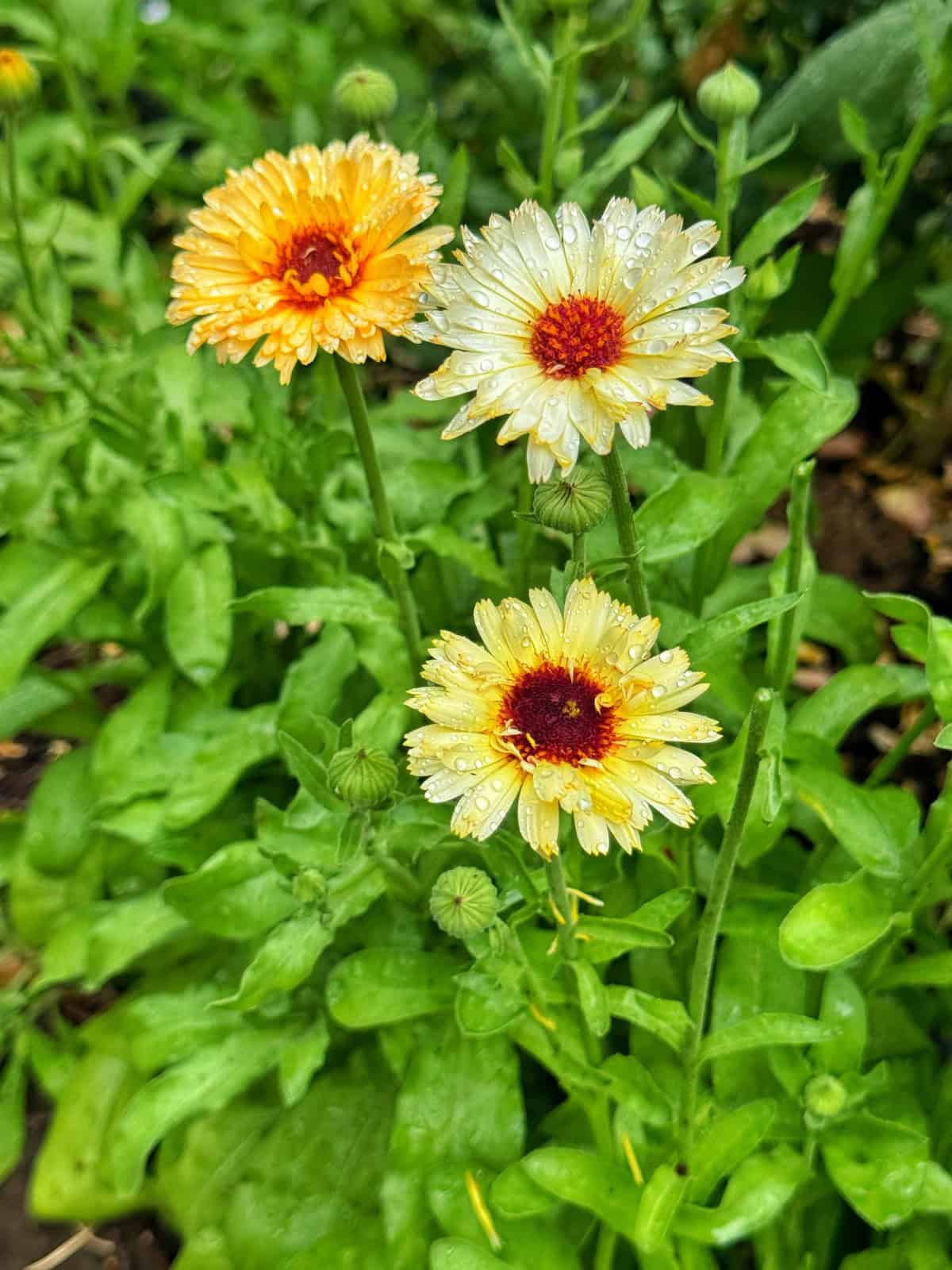
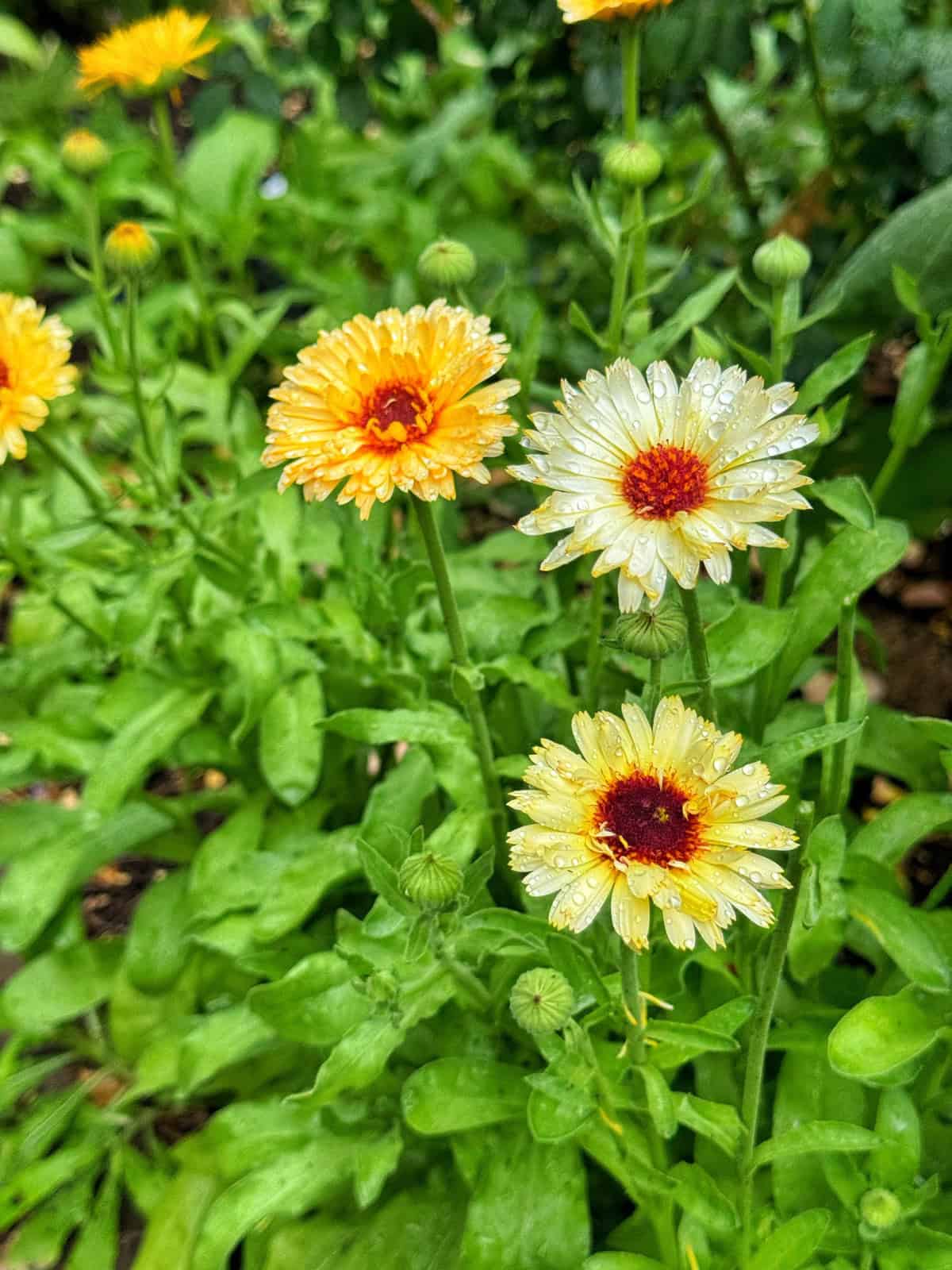
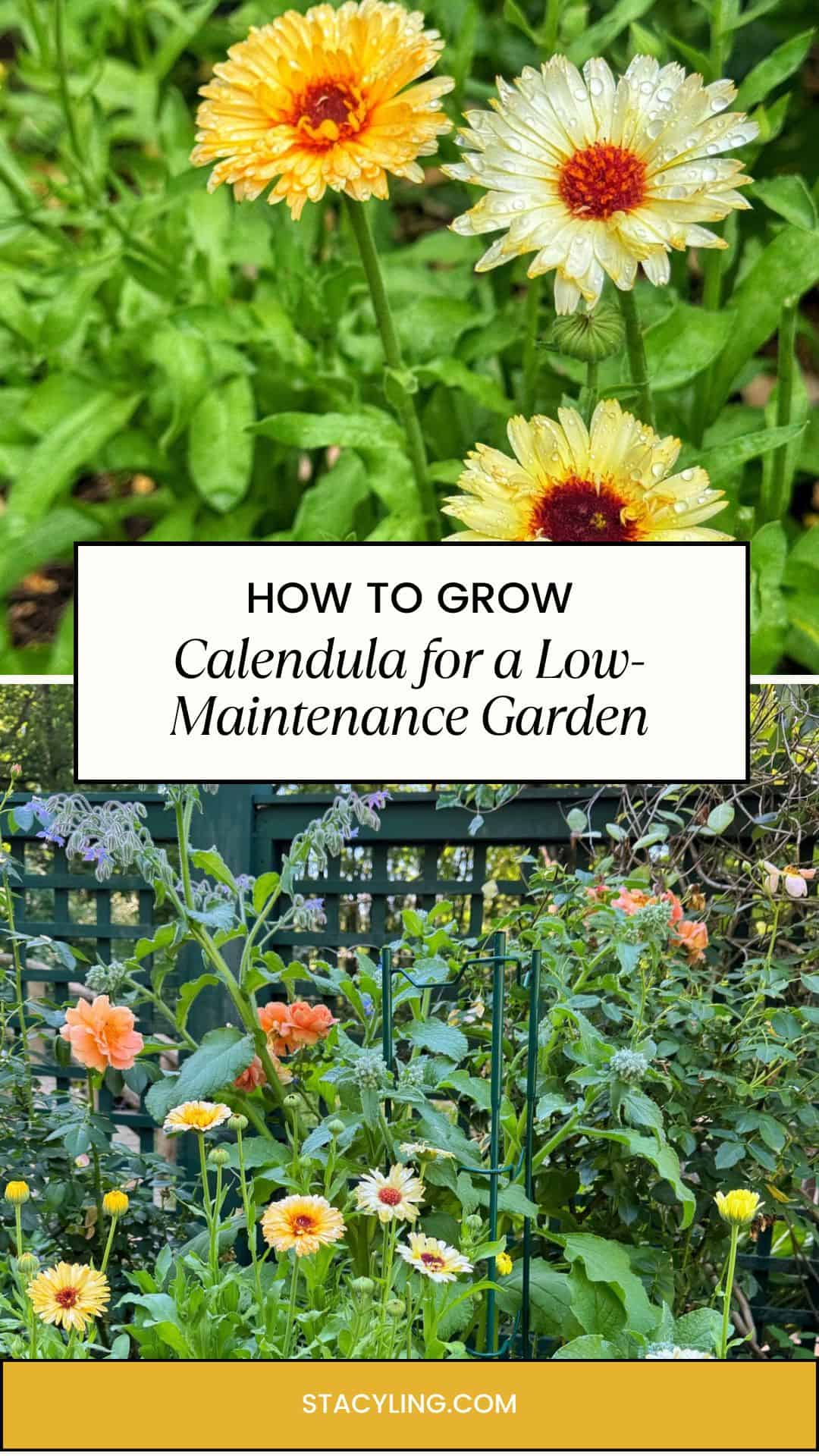
Calendula (Calendula officinalis), commonly known as pot marigold, is one of the easiest cool-season annual flowers to grow. Loved for its cheerful daisy-like blooms in shades of yellow, orange, gold, and apricot, calendula adds months of color to flower beds, vegetable gardens, containers, and cut flower gardens.
One of the things I appreciate most about calendula is how hard it works in the garden. Not only is it beautiful, but it also attracts pollinators, can help support beneficial insects, and often reseeds itself when growing conditions are right. In my Zone 6b garden, I grow it as both a companion plant and a cut flower, making it one of the most versatile annuals I grow from seed.
Calendula typically grows 12 to 24 inches tall with a bushy habit and blooms from spring until hot summer weather arrives, often reblooming again when cooler temperatures return. It thrives in full sun, tolerates light shade, and performs best in well-drained soil.
Calendula Quick Facts
- Common Name: Pot Marigold
- Plant Type: Annual/Perennial
- Hardiness Zone: 2-11 (annual)
- Light: Full sun to partial shade
- Soil Requirements: Well-drained, average
- Height: 1-2 feet
- Width: 1-1.5 feet
- Flower Color: Yellow, orange
- Foliage Color: Green
- Bloom Time: Spring to fall

Planting Calendula From Seed
Calendula is one of the easiest flowers to grow from seed, which is one of the reasons I plant it every year. While you can purchase transplants from local nurseries, I find starting calendula from seed is inexpensive, simple, and gives me access to a much wider selection of varieties.
Over the years, I’ve tried a few different planting methods. I used to direct sow calendula every spring, and while it grew well, the plants didn’t begin flowering until much later in the season. Because calendula is a cool-season flower in my Zone 6b garden, I wanted blooms much earlier.
Once I switched to winter sowing, the difference was remarkable. My calendula germinated beautifully outdoors, established quickly, and started flowering weeks earlier than my direct-sown plants. Today, winter sowing is my preferred way to grow calendula, although direct sowing and indoor seed starting are both excellent options depending on your growing space and gardening goals.

Winter Sowing Calendula
Calendula is one of my favorite flowers to winter sow because the seeds germinate reliably and require very little attention. Since the seedlings naturally harden off outdoors, they’re ready to grow as soon as the weather cooperates.
If you’ve never tried winter sowing before, I walk through the entire process in my guide to How to Winter Sow Seeds Outdoors, including the containers I use, when to sow, and how I care for seedlings before planting them in the garden.

Starting Calendula Seeds Indoors
Calendula can also be started indoors several weeks before your last expected frost date. This gives you a head start on the growing season and works well if you already have an indoor seed-starting setup.
Personally, I usually reserve my indoor growing space for flowers that truly need an early start, like snapdragons, lisianthus, and other slower-growing annuals. Since calendula performs so well with winter sowing, that’s the method I prefer. But if indoor seed starting works better for your gardening style, calendula is an easy flower to grow under lights.
For complete instructions, check out my guide to How to Start Seeds Indoors Without a Greenhouse.

Direct Sowing Calendula
Calendula can also be direct sown outdoors after the danger of hard frost has passed. Sow seeds about ¼ to ½ inch deep in well-drained soil and keep the area evenly moist until seedlings emerge. Once they’re established, thin plants according to the spacing recommended on your seed packet.
Direct sowing is still a simple, reliable way to grow calendula. I just prefer winter sowing because it gives me flowers much earlier in the season. To learn more how I direct sow calendula, please visit my complete guide to direct sowing flowers here.
Planting Nursery Transplants
If you’d rather enjoy blooms sooner without starting seeds yourself, calendula transplants are often available at local garden centers in spring. Plant them in a sunny location with well-drained soil, spacing them according to the mature size listed on the plant tag.
Whether you start from seed or purchase transplants, calendula quickly establishes itself and becomes one of the easiest annual flowers to grow.

Simple Calendula Care
Calendula is one of the easiest annual flowers to grow, which is one of the reasons I plant it every year. Once established, it requires very little attention beyond occasional watering, deadheading, and harvesting flowers. Here’s the simple care routine I follow.
Deadheading: Regularly removing spent flowers encourages more blooms throughout the season. That said, I usually stop deadheading toward the end of the season so I can collect seed for next year’s garden. If you’d like more tips, read my guide to deadheading flowers for more blooms. Regular deadheading can significantly increase the number of flowers your calendula plants produce. So the more you cut, the more they’ll bloom!
Watering: Calendula prefers evenly moist soil, especially while plants are becoming established. After that, I water deeply during dry spells, always directing water at the base of the plant rather than over the foliage to help reduce fungal diseases. If you’d like to see exactly how I water my flower gardens, check out my guide to watering flowers the right way.
Mulching: A 2 to 3-inch layer of organic mulch helps conserve moisture, suppress weeds, regulate soil temperature, and gradually improves the soil as it breaks down. I use mulch throughout my flower gardens because it significantly reduces maintenance. Learn more about how I use mulch to reduce watering, weeding, and garden maintenance.
Fertilizing: Calendula isn’t a heavy feeder, so I rarely fertilize plants growing in the ground. Instead, I focus on building healthy soil by adding compost and other organic matter each year. If you’re growing calendula in containers, a balanced slow-release fertilizer in spring is usually all that’s needed.
Staking: Most calendula varieties stay compact and don’t require support. Taller varieties or plants growing in windy locations may benefit from light staking to keep stems upright.

Common Calendula Problems
One of the reasons I enjoy growing calendula is that it’s generally a healthy, low-maintenance flower. While it’s rarely bothered by serious problems, there are a few things worth watching for throughout the growing season.
- Aphids: Aphids are the pest I see most often on calendula. Interestingly, that’s one of the reasons I intentionally plant it near my roses, dahlias, and zinnias. In my garden, calendula often acts as a trap crop by attracting aphids away from neighboring plants. If populations become heavy, I simply spray them off with a strong stream of water or use insecticidal soap if needed.
- Powdery Mildew: Like many flowering plants, calendula can develop powdery mildew during periods of high humidity or poor air circulation. Proper spacing, watering at the base of the plant, and avoiding overcrowding help keep this problem to a minimum.
- Spider Mites and Whiteflies: These pests occasionally appear during hot, dry weather but are usually easy to manage with regular monitoring and a strong spray of water. Encouraging beneficial insects in the garden also helps keep their populations under control.

Is Calendula Deer Resistant?
Calendula is generally considered deer resistant, although no plant is completely deer proof. In my experience, deer have shown very little interest in mature calendula compared to many other flowering annuals.
Young seedlings are a different story. Like many annuals, tender new growth can occasionally attract browsing from deer and rabbits before the plants become established. If wildlife is a challenge in your garden, I recommend protecting newly planted seedlings with temporary netting or wire cloches until they’re growing well. After that, calendula typically becomes much less appealing to browsing animals.
If deer are a persistent problem where you garden, you may also want to read my guide to protecting flowers from deer for the strategies that have worked best in my Zone 6b garden.

Best Companion Plants for Calendula
One of the biggest reasons I grow calendula every year is because it works so hard in the garden. Beyond its cheerful flowers, calendula attracts pollinators and beneficial insects while fitting beautifully into flower beds, vegetable gardens, and cutting gardens.
One thing I’ve noticed in my own garden is that calendula often acts as a trap crop for aphids. Instead of finding heavy aphid populations on nearby flowers, I frequently see them gathering on my calendula instead. While companion planting results can vary from one garden to another, this has been my experience for several growing seasons.
Here are some of my favorite places to plant calendula.
Roses
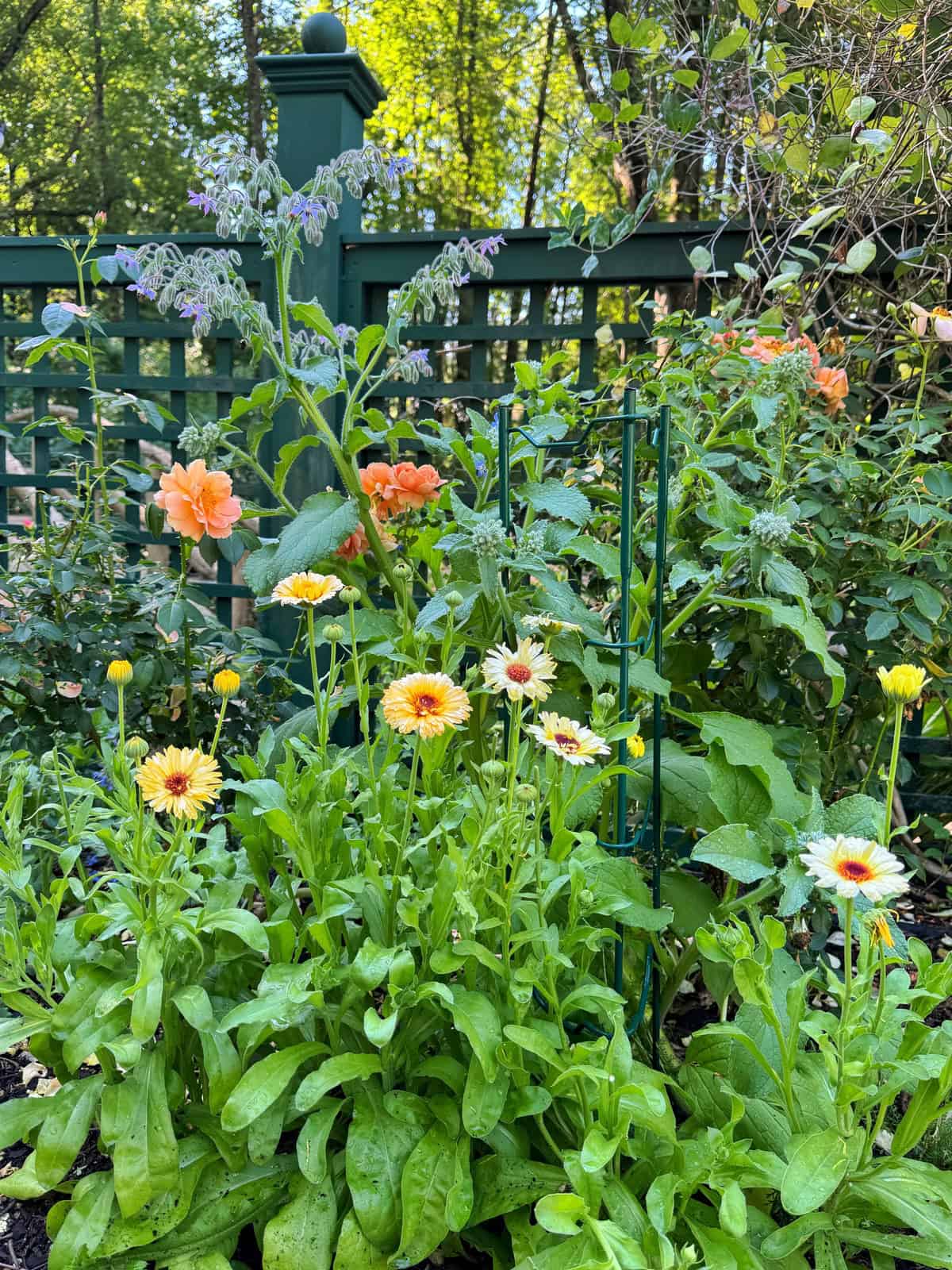
I love tucking calendula around my roses. Not only do the warm blooms complement the flowers beautifully, but calendula often attracts aphids before they become a problem on my rose bushes. At the same time, the flowers bring in bees and other beneficial insects that help support a healthy garden ecosystem.
To learn more about how I grow roses in my gardens, please visit my complete guide to growing roses here.
Dahlias
Calendula has become one of my favorite companions for dahlias. It flowers earlier in the season, attracts pollinators, and in my garden frequently serves as a trap crop for aphids before they migrate to my dahlias.
To learn more about how I grow dahlias in my cut flower garden, please visit my complete guide to growing dahlias here.
Zinnias
Since I grow lots of zinnias for cutting, I always like including calendula nearby. The combination adds early-season color while helping attract pollinators and beneficial insects to my cutting garden.
To learn more about how I grow zinnias in my cutting garden, please visit my complete guide to growing zinnias here.

Vegetable Gardens
Calendula has long been grown alongside vegetables such as tomatoes, cucumbers, potatoes, and asparagus because many gardeners believe it helps attract beneficial insects while reducing pest pressure. While research is still evolving, it’s an easy flower to include around vegetable beds because it supports pollinators and adds beautiful color throughout the season.
If you are new to growing vegetables, please visit my beginner’s guide to growing a vegetable garden here.
Pollinator Gardens
Calendula’s open, nectar-rich flowers attract bees, butterflies, hoverflies, ladybugs, and other beneficial insects. I like mixing it with other pollinator-friendly flowers to create a garden that’s both beautiful and full of activity throughout the growing season.
While no companion plant is a magic solution for pest control, I’ve found calendula to be one of the most useful annual flowers I grow. Between the pollinators it attracts, the aphids it often draws away from nearby plants, and the cheerful blooms I can cut for bouquets, it has earned a permanent place in my flower garden every year.

Growing Calendula in Pots
Calendula grows beautifully in containers, making it a great choice for patios, porches, balconies, and other small spaces. As long as the plants receive plenty of sunshine and consistent moisture, they’ll reward you with months of cheerful blooms.
Choose a container that’s at least 12 inches wide and deep with plenty of drainage holes. Fill it with a high-quality, well-draining potting mix and place it where it will receive 6 to 8 hours of direct sunlight each day.
Because containers dry out much faster than garden beds, potted calendula will need more frequent watering, especially during warm weather. I like using drip irrigation on a timer whenever possible because it keeps watering consistent and makes container gardening almost effortless.
Since nutrients are washed out of containers over time, I recommend mixing a balanced slow-release fertilizer into the potting mix once seedlings have developed a few sets of true leaves. After that, regular deadheading will keep plants blooming for as long as the weather remains cool.
If you’d like more tips on choosing containers, potting mixes, watering, and designing beautiful container plantings, be sure to read my complete Container Gardening Guide.
Using Calendula in Cut Flower Arrangements
Calendula is one of my favorite flowers to cut because it adds cheerful pops of yellow, orange, and apricot to summer bouquets. While it isn’t the longest-lasting cut flower, it’s so easy to grow and so productive that I never mind harvesting fresh stems every few days.
For the longest vase life, harvest calendula early in the morning after the dew has dried and while the blooms are fully open and fresh. Using clean garden snips, cut stems just above a set of healthy leaves and immediately place them in cool water.
One of the things I love most about calendula is how well it mixes with other flowers from my cutting garden. I often pair it with zinnias, dahlias, roses, and gomphrena to create colorful cottage-style bouquets with lots of texture and seasonal charm.
Regular harvesting also encourages calendula to produce even more flowers throughout the season. Between cutting stems for bouquets and deadheading spent blooms, my plants continue flowering for weeks.
If you’re growing calendula for culinary or herbal uses, harvest flowers that are fresh, fully open, and free from pests or disease. The petals can be used fresh or dried for later use. To dry them, spread the blooms in a single layer in a warm, well-ventilated location out of direct sunlight until completely dry, then store them in an airtight container. (To learn more about how I dry flowers, please visit my complete guide to drying flowers for your home here.)
If you love bringing flowers indoors as much as I do, don’t miss my Cut Flower Gardening Guide, where I share my favorite flowers to grow, harvest, and arrange throughout the season.

How to Save Calendula Seeds
One of the things I love most about growing calendula is how easy it is to save seed. In fact, if you leave a few flowers on the plant at the end of the season, calendula will often self-seed and surprise you with volunteer seedlings the following year. I still like collecting seed because it lets me save my favorite varieties and grow them again the next season.
To save calendula seeds, allow a few flower heads to remain on the plant until they turn brown and dry. Once the petals have faded and dropped, the curled seeds inside the seed head will darken and become easy to remove.
Gently snip off the dried seed heads and place them in a paper bag or shallow container. Separate the seeds from any remaining plant material, then spread them out in a single layer for a few days to make sure they’re completely dry before storing them.
Store the dried seeds in a labeled envelope or airtight container in a cool, dark, dry location. Properly stored calendula seeds remain viable for several years, making it easy to grow your favorite flowers again or share them with fellow gardeners.
Frequently Asked Questions (FAQ)
Is Calendula an Annual or Perennial?
In most of the United States, calendula is grown as a cool-season annual. However, in USDA Zones 9-11, it can behave as a short-lived perennial. Even where it doesn’t survive the winter, calendula often reseeds itself, rewarding gardeners with volunteer seedlings the following season.
How Long Does Calendula Take to Bloom?
Calendula typically begins blooming about 6 to 8 weeks after sowing seed, although timing depends on the growing conditions and planting method.
In my Zone 6b garden, I used to direct sow calendula each spring, but the flowers didn’t bloom until much later in the season. Since switching to winter sowing, I’ve enjoyed much earlier blooms because the plants are already established as soon as spring arrives.
Does Calendula Reseed Itself?
Yes! Calendula is one of the easiest annual flowers to allow to self-seed. If you leave a few flower heads on the plant at the end of the season, you’ll often find volunteer seedlings popping up the following spring. I still like collecting seed from my favorite varieties so I can decide exactly where to grow them the following year.
Can Calendula Grow in Shade?
Calendula grows best in full sun, where it receives at least six to eight hours of direct sunlight each day. In warmer climates, however, a little afternoon shade can help plants continue blooming longer once temperatures begin to rise.
Can You Eat Calendula Flowers?
Yes. Calendula petals are edible and have a mild, slightly peppery flavor. They’re often used to brighten salads, garnish dishes, or infuse oils and vinegars. If you plan to harvest calendula for culinary use, be sure the flowers have been grown without pesticides or other chemicals that aren’t labeled for edible crops.

Plan a Beautiful, Easy-Care Flower Garden
If you love easy-to-grow flowers like calendula and want to create a garden that’s colorful, pollinator-friendly, and manageable, my books can help you take your garden to the next level.
In The Bricks ‘n Blooms Guide to a Beautiful and Easy-Care Flower Garden, I share the same practical approach I use in my own Zone 6b garden. You’ll learn how to choose plants that thrive together, create long-lasting seasonal interest, and design a garden that’s as beautiful as it is easy to maintain.
When you’re ready to turn those ideas into a personalized garden plan, The Bricks ‘n Blooms Beautiful and Easy-Care Flower Garden Planner helps you organize planting layouts, track bloom times, record favorite varieties, and create a flower garden that gets even better every year.
Whether you’re growing calendula for its cheerful blooms, companion planting benefits, or beautiful bouquets, these resources will help you garden with greater confidence and enjoy more success season after season.
Final Thoughts About Growing Calendula
Over the years, calendula has become one of those flowers I simply can’t imagine leaving out of my garden. While I used to direct sow it each spring, switching to winter sowing completely changed how I grow it. My plants bloom much earlier, require very little maintenance, and provide cheerful color just when the garden is beginning to wake up.
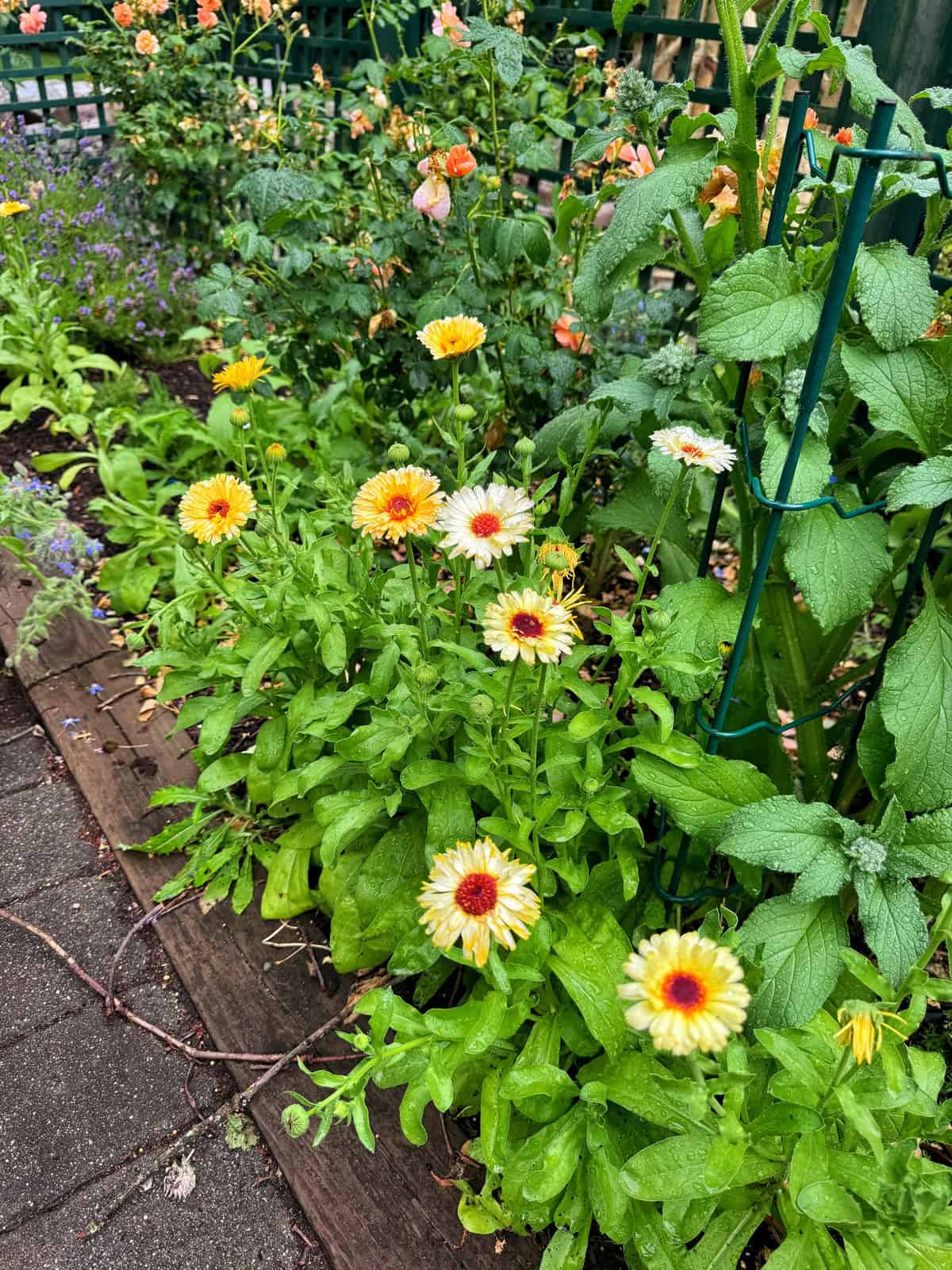
I also love that calendula does so much more than look pretty. In my gardens, I’ve found it to be a valuable companion for roses, dahlias, and zinnias, where it often acts as a trap crop for aphids while attracting bees, butterflies, and other beneficial insects. And when it’s time to cut flowers, I never hesitate to bring calendula indoors because those bright blooms add beautiful color and a relaxed cottage garden feel to fresh bouquets.
Whether you’re looking for an easy flower to grow from seed, want to build a more pollinator-friendly garden, or are planning a cut flower garden filled with blooms you can enjoy indoors, calendula is one annual I highly recommend growing. It’s productive, beautiful, and one of the hardest-working flowers in my garden every season.
Do you grow calendula in your garden? I’d love to hear about your favorite varieties or how you like to use it.
Happy gardening!
For more information about growing calendula in your flower garden, read this article from the Utah State University Extension.
Thank you for visiting the blog today!
Enjoy your day! xo


Originally Published . Last Updated .

Stacy, I have never grown calendula but use the dried blooms in my nesting beds for the chickens. Dried rose blossoms, lavender and calendula sprinkled on the hay, keeps the bugs away while they are laying eggs. I need to try and grow my own. Thanks for the post.
What a great idea Mary! I did not know that!