
How Winter Sowing Expanded What I Grow From Seed

How winter sowing gave me a low-maintenance way to grow more from seed, experiment freely, and expand what I grow in my garden.
When I first started winter sowing a few years ago, I wasn’t trying to change how I garden or optimize my seed-starting system. I was drawn to it because it felt low-maintenance as it is a simpler, slower way to start seeds. And, I just wanted to see what would happen.
At the time, I picked one plant to experiment with: sweet peas.
I had tried growing sweet peas indoors under grow lights before, and they never really took off once they went outside. They were leggy, slow to settle in, and always felt a little behind. When I winter sowed them instead, the difference was immediate. The seedlings were sturdier, healthier, and far better adapted to the garden from the start.
That single success made me curious. Not about growing more for the sake of it, but about what else winter sowing might make possible. It opened up an entirely new world of plants and varieties I had never grown before, and just as importantly, a new way of learning by doing.
(Posts on stacyling.com may contain affiliate links. Click HERE for full disclosure.)

Before Winter Sowing: What Felt Limited
Before winter sowing, my seed starting felt constrained by space and timing.
I didn’t have a greenhouse, and my indoor growing setup was limited. Every tray under lights mattered. Because cut flowers are such a big part of what I grow, flowers always took priority indoors.
Vegetables, especially cool-season crops, often felt like too much to manage inside. I wasn’t willing to give up precious indoor space for them, so instead of starting them from seed, I usually bought transplants from the nursery. It worked, but it was more expensive and far less rewarding than growing from seed.
It wasn’t a lack of interest, but rather, it was a system that didn’t support more.

What Winter Sowing Unlocked
After sweet peas, I expanded carefully.
The following year, I added more flowers to the experiment — larkspur, snapdragons, and perennials like yarrow, foxgloves, and delphinium. Watching those seeds germinate outdoors, on their own schedule, was a turning point. The plants didn’t need babying or perfect conditions…they just grew.
Along the way, I learned important lessons.
One year, I accidentally started China asters outdoors after misreading the seed packet. I saw “asters” and assumed I was dealing with the perennial, not the annual — a reminder of how easy it is to rush through seed season. That same year, I also learned how critical proper drainage is after losing seedlings that quite literally drowned.
None of it felt like failure. It felt like information.

How It Changed My Seed-Starting Rhythm
As winter sowing became part of my process, my entire seed-starting rhythm began to shift.
I found myself increasingly inspired by vegetable gardeners who grow these incredibly beautiful, abundant food gardens. Spaces that are productive but also thoughtful and visually pleasing. Seeing those gardens made me want to experiment more with edibles, herbs, and how they could live alongside my cutting garden.
Before winter sowing, that kind of expansion felt unrealistic. Indoor space and time were already stretched thin, and the idea of adding more to the mix felt overwhelming.
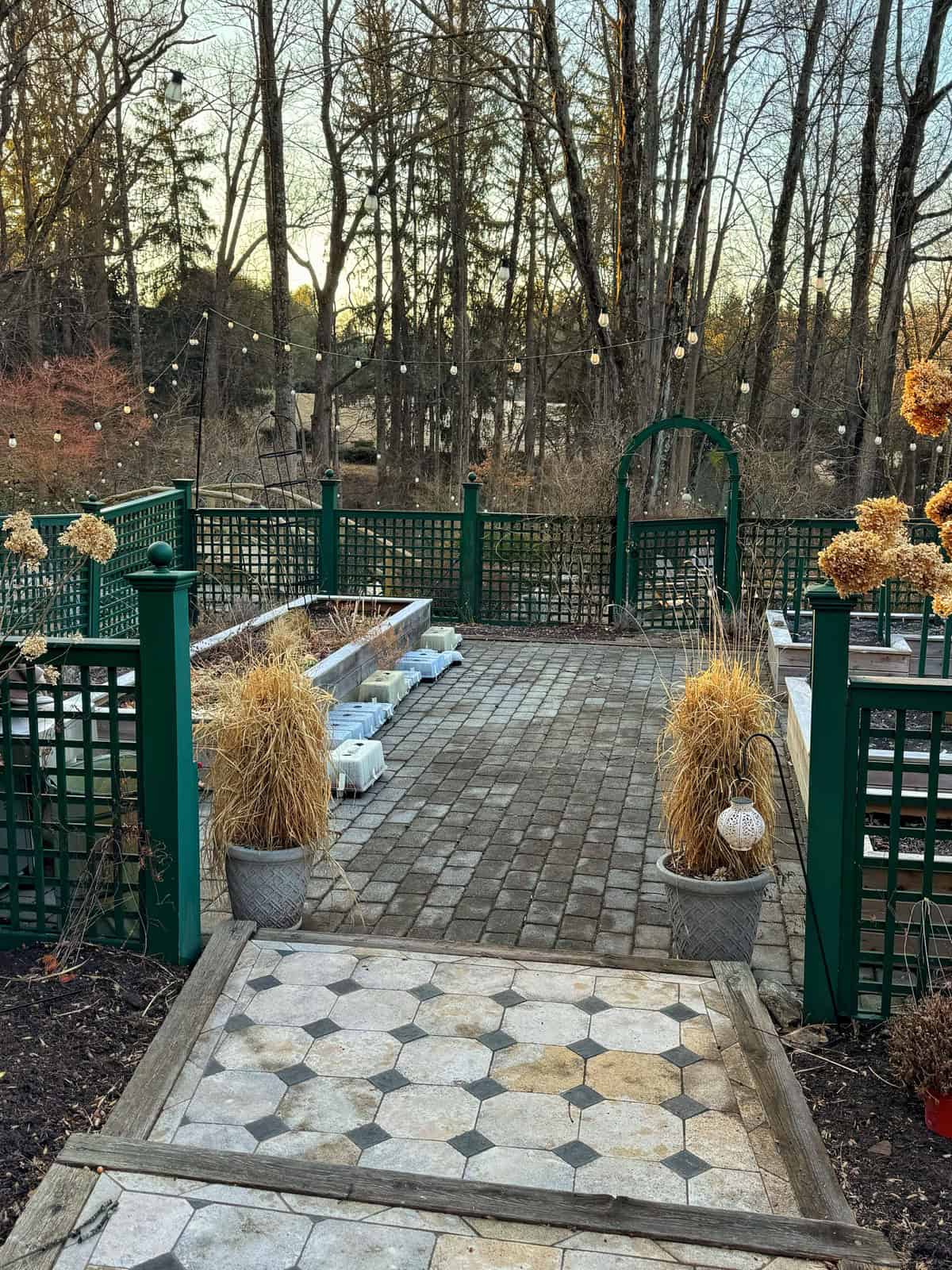
Winter sowing changed the pacing. By moving so much of the early work outdoors, I had more room, both physically and mentally, to imagine what my potager garden could become. Instead of rushing or cramming everything into a narrow window, seed starting slowed down and spread out.
That slower, more spacious rhythm gave me the confidence to think beyond what I had always grown and start shaping a garden that blends vegetables, herbs, and cut flowers in a way that feels intentional and creative.

What I Grow From Seed Now
As much as I enjoy indoor seed starting, it was starting to feel bogged down.
There is only so much space under lights, and only so many trays I can realistically manage indoors. Add in the time and effort it takes to move plants in and out during the hardening-off process, and seed starting was beginning to feel like a bottleneck.
Winter sowing changed that dynamic completely.
By starting so much outdoors first, I freed up indoor space for the plants that truly need it. Instead of everything competing for the same limited resources, seed starting now happens in stages. Outdoor sowing carries the early weight of the season, and indoor seed starting becomes the next step…not the entire system.
That shift has truly expanded what I can, and want to, grow from seed. Because we have so much outdoor space, the more I can do out there, the better. Winter sowing lets me take advantage of that space instead of fighting against indoor limits.
And that’s not to say that I don’t start seeds indoors still, because I do. But now start different types of seeds with a lot more intention. If you’d like to learn more about how I plan it all out, please visit: How I Plan Seed Starting

Why Winter Sowing Will Always Be Part of My Process
Winter sowing gave me a way to grow more without sacrificing what I love most.
It let flowers keep their priority indoors while opening the door to vegetables and perennials that thrive outdoors from the start. Now that it’s part of my process, I can’t imagine going back.
Winter sowing isn’t something I add on because it’s built in. Half the joy for me is simply growing things, observing what works, and seeing what happens next.
Are you winter sowing anything in your garden this year? Let’s chat more about it in the comments below!
If you’d like to learn more about how to winter sow seeds outdoors, please visit my guide: How to Winter Sow Seeds Outdoors.
Thank you for visiting the blog today!
Enjoy your day! xo


Originally Published . Last Updated .

Hi – I’m new to gardening and am going to try winter sowing for the first time. I’m also in Zone 6b and I’m wondering what veggies that you’re planting and when you start your winter sowing? Thanks!
Hi Linda! How fun! Have you started seeds before? Cool season veggies like lettuce, spinach, kale, cabbage, broccolli, cauliflower, carrots, and beans. If this is your first time, make sure your containers have good drainage holes and aeration in the lids.