
How I Plan Seed Starting (and Order Seeds) Without Overdoing It

How I plan seed starting by breaking it into winter sowing, indoor starts, and direct sowing, so seed season stays manageable and joyful.
This year, I want to share my seed-starting journey in a way that feels honest, manageable, and rooted in experience…not overwhelm. Over the years, I’ve learned that the key to not overbuying (or over-stressing) is breaking seed starting into three distinct phases: winter sowing, indoor seed starting, and direct sowing. Thinking this way lets me focus on what I love to grow, when it actually makes sense to grow it, and how much space and energy I realistically have.
This approach has completely changed how I plan, order, and start seeds, and it’s the reason seed season now feels exciting instead of chaotic.
(Posts on stacyling.com may contain affiliate links. Click HERE for full disclosure.)

Watch: My 3-Part Approach to Starting Seeds
If you’re still deciding which seeds to start indoors, winter sow, or direct sow, I walk through my simple 3-part framework in this video. It’s the exact approach I use in my own Zone 6b garden to keep seed starting manageable.

Phase 1: Winter Sowing — The Low-Effort Foundation
Winter sowing is where my seed season really begins, and it sets the tone for everything that follows. These are the seeds that don’t need babying, heat mats, or grow lights…just time, cold, and patience.
I focus on:
- Hardy perennials
- Cold-tolerant annuals
- Self-sowers and natives
Because winter-sown seedlings grow at their own pace and are naturally acclimated, they don’t demand much attention. This phase lets me scratch the itch to start seeds early without creating a major commitment.
When I’m ordering seeds, I mentally set aside a category just for winter sowing. If a seed fits here, I know it won’t compete for indoor space later—which helps me say yes without overdoing it.
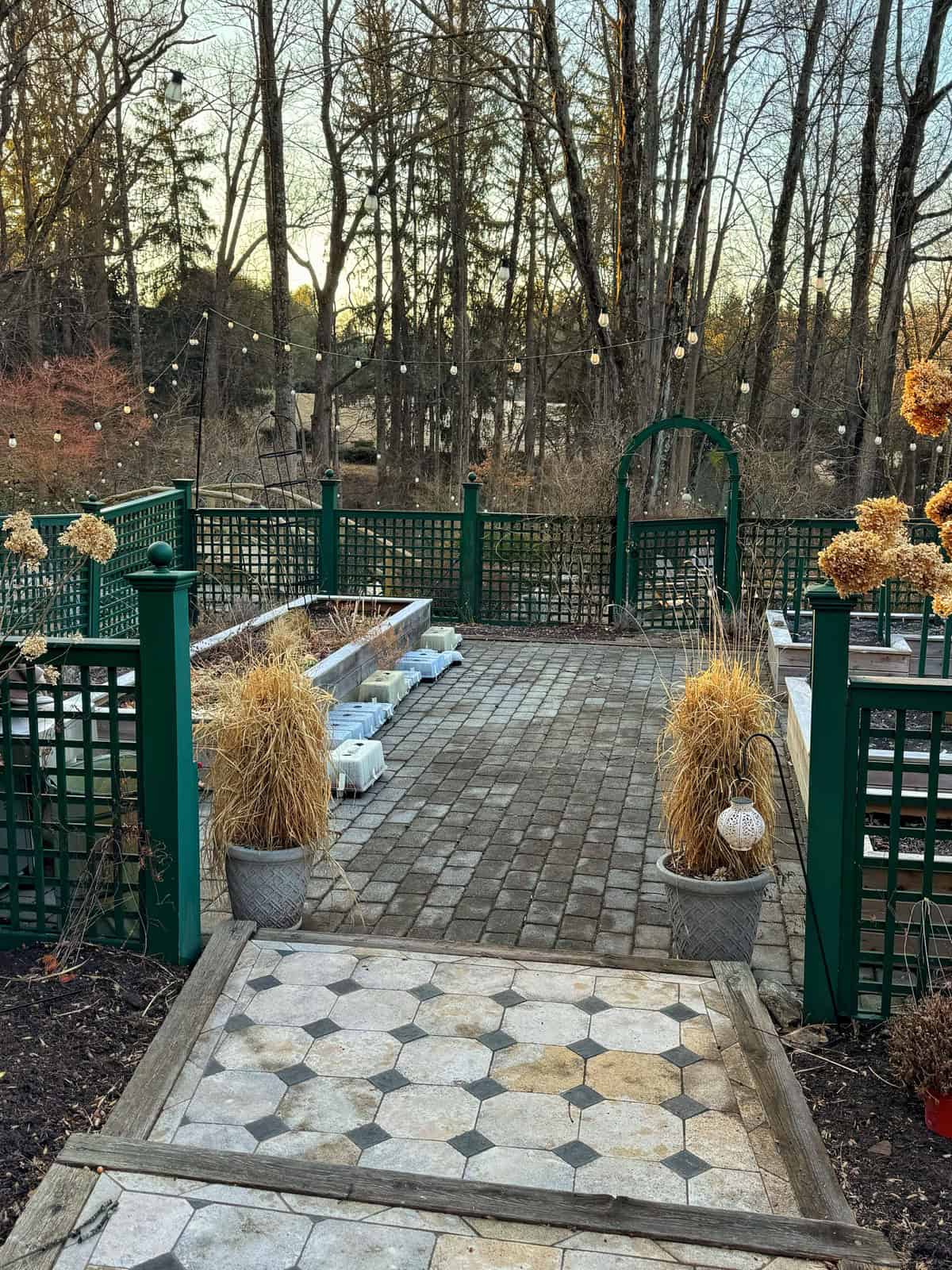
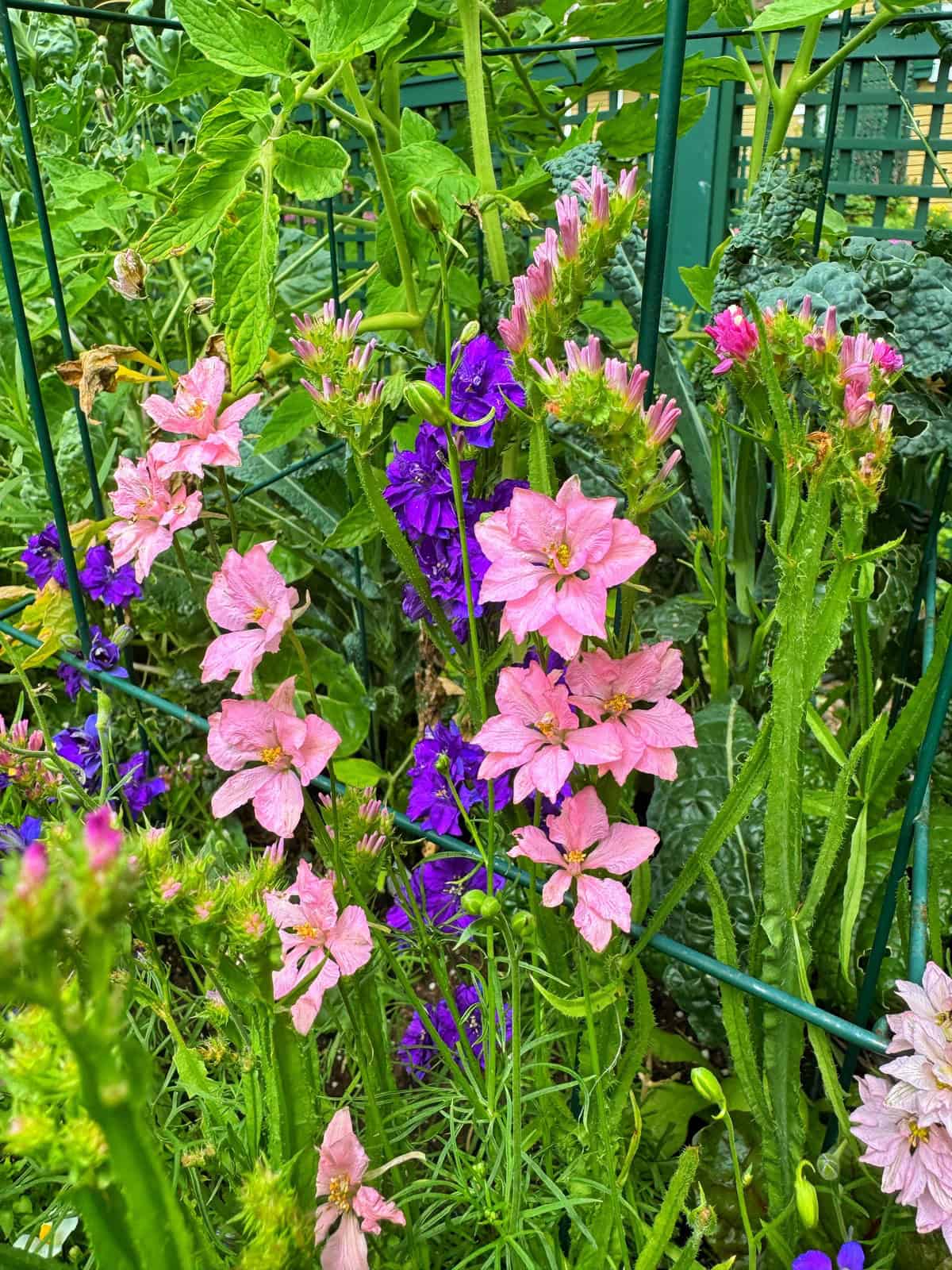
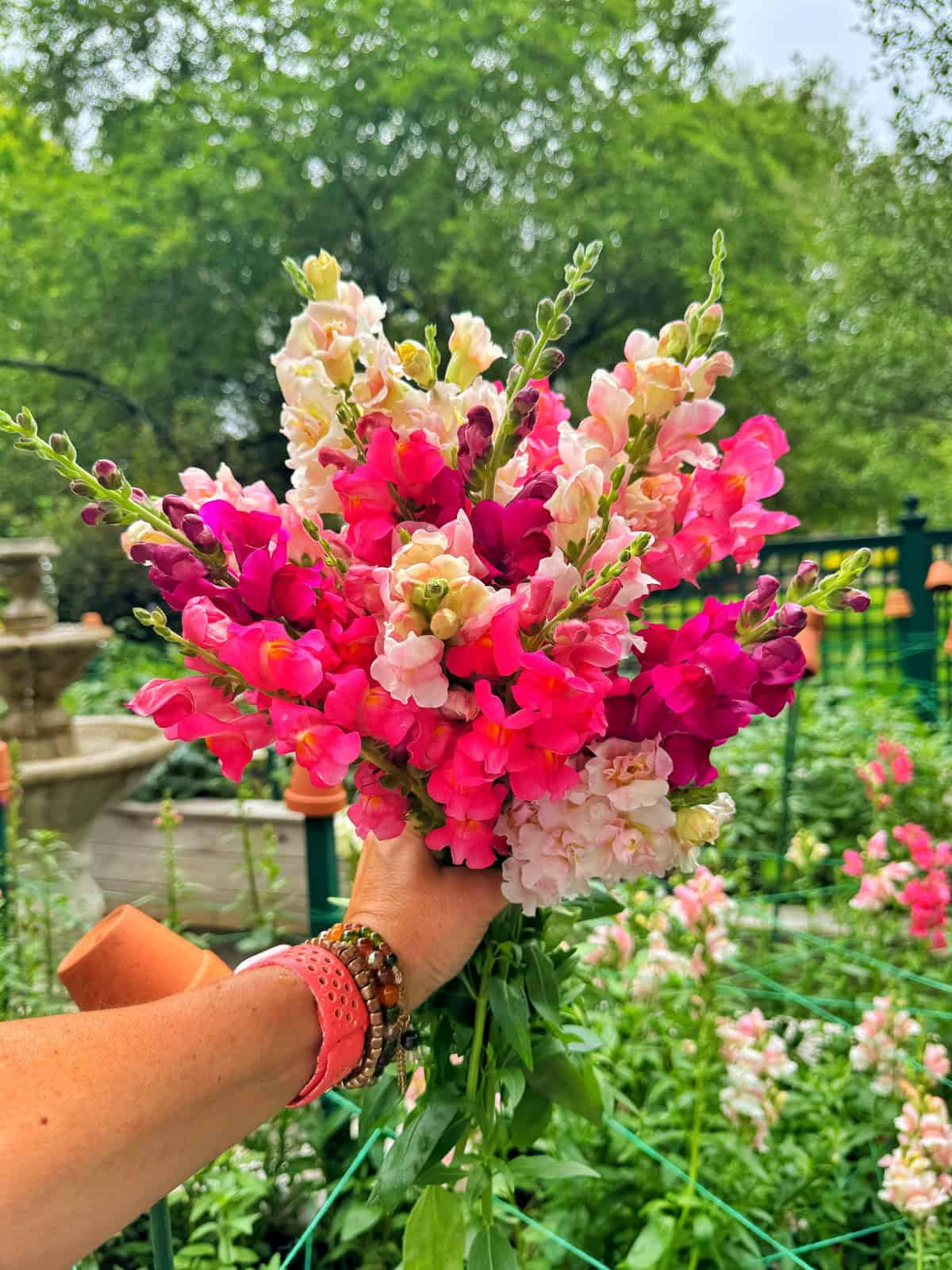
So what am I starting using this method? Hardy flowers like snapdragons, larkspur, and calendula are staples for me here, along with a growing list of cool-season vegetables


Phase 2: Indoor Seed Starting — The High-Intent Favorites
Indoor seed starting is where things can spiral quickly if I’m not careful. Lights, trays, heat mats, potting up because it all adds up fast.
So I’m selective.
These are the plants that earn their spot indoors:
- Long-season crops
- Heat lovers
- Things I grow every single year because I truly love them
Before I order, I ask myself:
- Do I actually have space under lights for this?
- Will I be excited to care for it for weeks?
- Is this something I can’t easily buy as a plant later?
If the answer isn’t a clear yes, it doesn’t make the cut.
Breaking indoor starting into its own phase helps me keep this list tight and intentional. This is where I spend the most focus and where restraint matters most.
So what am I starting indoors this year? Only my long-season, heat-loving favorites earn space under lights. While some of these I can directly sow, I prefer to start them under grow lights because I have more control over the process: zinnias, gomphrena, and strawflowers.


Phase 3: Direct Sowing — Letting the Garden Decide
Direct sowing is my permission slip to relax.
These are the seeds I don’t need to plan months in advance:
- Fast-growing annuals
- Cut flowers
- Fillers and fun experiments
Because these seeds go straight into the garden, I don’t need to account for indoor space or early timing. I can order them knowing I’ll decide later exactly how and where they’re used.
This phase gives me flexibility. It’s where spontaneity lives, and where I can still try new things without committing to extra work in late winter.
What plants do I directly sow? Nasturtiums, sunflowers, borage, sometimes calendula, tithonia and cosmos (although this year, I’ve decided not to grow it).


Why My Seed Cart Looks Huge (And Why I’m Okay With That)
At some point in seed season, my cart always looks a little alarming, and this year is no exception.
The reason is simple: I’ve shifted a large portion of my growing into winter sowing. Last year was the first time I expanded winter sowing beyond annual and perennial flowers and into cool-season vegetables, and the results were honestly incredible. I had healthy, resilient plants and a surprisingly abundant harvest in 2025.
So I’m doing it again, but on a much larger scale.
Winter sowing lets me grow far more without needing indoor seed-starting space (I don’t have a greenhouse), and it completely eliminates the hardening-off process for these crops. That alone saves me an enormous amount of time, stress, and plant loss. The seedlings are naturally acclimated, tougher, and can be planted straight into the garden when they’re ready.
The key shift for me isn’t buying fewer seed varieties but it’s sowing fewer seeds at a time.
While my order includes a lot of packets, especially vegetables, many of those seeds will be saved for later successions and harvests rather than all being sown at once. Being mindful of how densely I sow helps me avoid ending up with more plants than I can realistically use, while still giving me flexibility throughout the season.
In other words: a big seed order doesn’t automatically mean an overwhelming garden. Intention matters more than quantity.
Most of what’s filling my cart right now, are cool-season vegetables and hardy flowers I know will thrive when winter sown.

How This Three-Phase System Keeps Me From Overdoing It
Instead of one giant seed list, I end up with three smaller, clearer ones.
- Winter sowing satisfies my early-start enthusiasm
- Indoor starting stays focused on what matters most
- Direct sowing leaves room for creativity and change
By the time I place my seed order, I already know:
- What season each seed belongs to
- What resources it will require
- Whether it fits my actual gardening life
The result? Fewer impulse buys, less stress, and a seed-starting season that feels aligned with how I actually garden.
A More Experiential Way to Talk About Seeds
This is why seed planning has become such a meaningful part of my gardening year. It’s not about having everything; rather, it’s about moving through the seasons with intention.
Each phase has its own rhythm, its own joys, and its own lessons. And sharing that process feels far more valuable than sharing a checklist.
If there’s one thing I’ve learned, it’s this: when seed starting feels manageable, it stays joyful and that’s what keeps me gardening year after year.
How about you? Are you starting anything from seed this year? What are you growing? Let’s chat more about it in the comments below.
Thank you for visiting the blog today!
Enjoy your day! xo


Originally Published . Last Updated .

I’m curious which cold hardy vegetables are you starting this year and when? I’m 6B in NY and I’m thinking of expanding to include them also
This year, I’m growing more varieties of kale, spinach, romaine lettuce, beans, carrots, swiss chard, cauliflower, broccolli, and I’m going to try some herbs this year – dill and cilantro.
Where do you get the domes on your winter sowing trays?
Thank you fir your clear, well-thought out plan. It really helped straighten out an otherwise chaotic, perhaps lack of understanding of the seed starting timing, methods and process. I was on my way with a few of your concepts and your outline really helps me plan the next steps. Thank you.
Barbara, I am so glad you found this helpful!!!! Thank you so much for your feedback – I truly appreciate it.
You’ve inspired me to give winter sowing a try and I’m now collecting gallon mile containers. If a seed packet contains 100 seeds, how many milk containers will I need for those seeds?
Hi Marie! Can you tell me what you are growing?