
Best Flowers to Winter Sow: Beginner-Friendly Picks That Actually Work

Best flowers to winter sow for beginners, including reliable favorites and cool-season experiments, based on years of gardening experience in Zone 6b.
If you’re new to winter sowing, choosing the right seeds makes all the difference. Some flowers are naturally suited to cold conditions, while others struggle or perform better when started another way.
I’ve been gardening for many years in a Zone 6b climate, and winter sowing has become one of my favorite ways to start flowers. It’s simple, low-maintenance, and works with nature instead of forcing seedlings under artificial conditions. If you are new to winter sowing and want to learn how to do it, please visit my winter sowing guide here.
Over time, I’ve tested winter sowing with a wide range of flowers — some with great success, and others that taught me valuable lessons. Below are the flowers I’ve found to be the most beginner-friendly, along with a few experiments I’m excited to try this season.
(Posts on stacyling.com may contain affiliate links. Click HERE for full disclosure.)

Watch: My Favorite Easy Flowers to Winter Sow
I just finished sowing my winter sowing containers this week, and these are some of the flowers I reach for every single year — plus a few new varieties I’m excited to try this season.
If you’d like to see exactly what I’m planting and why these flowers do so well with winter sowing, I walk through everything in the video below.
Why Winter Sowing Is Great for Beginners
Winter sowing involves starting seeds outdoors in winter using simple containers like milk jugs or plastic bins. Cold temperatures, moisture, and time work together to naturally prepare seeds for germination.
This method is especially beginner-friendly because:
- You don’t need grow lights or heat mats
- Seedlings harden off naturally
- Plants tend to be sturdier and less leggy
- There’s less daily maintenance than indoor seed starting
If you’re brand new to the process, you can find a detailed explanation in my winter sowing guide, but below I’ll focus on what to grow.
n the list below, flowers I’ve labeled as reliable are ones I’ve winter sown successfully for multiple seasons, while experimental flowers are plants I’m currently testing or refining in my garden. These have worked well for me in a Zone 6b garden, but winter sowing results can vary depending on climate, timing, and local conditions.

Reliable, Beginner-Friendly Flowers for Winter Sowing
These are flowers I’ve winter sown successfully for years and have found to be especially forgiving for beginners.
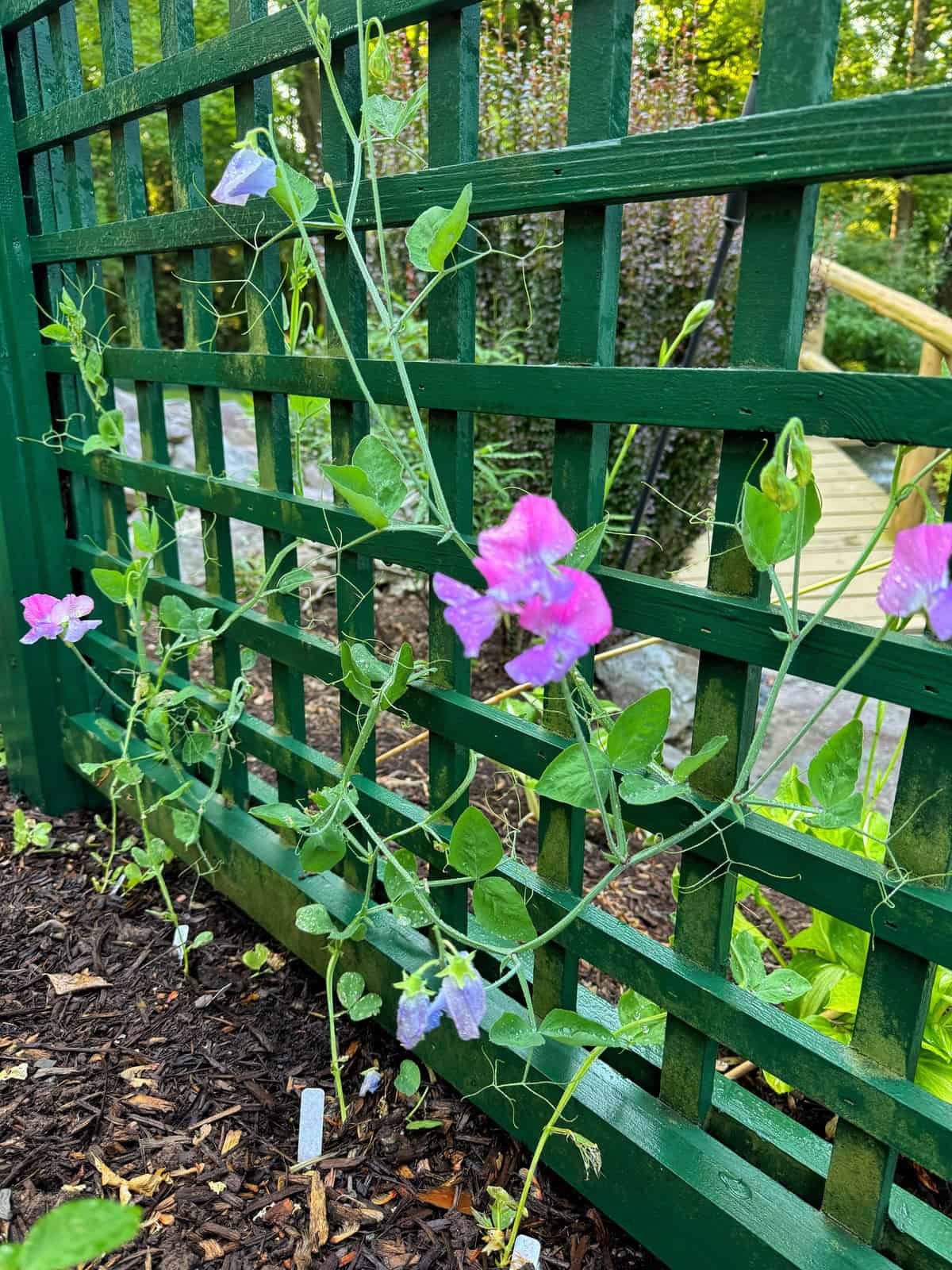
Sweet Peas
Sweet peas are excellent candidates for winter sowing because they tolerate cold well and benefit from early growth in cool conditions.
I’ve had good results starting them this way, especially since they prefer cooler temperatures early on. My sweet peas performed better in my gardens using winter sowing versus indoors under grow lights.
Just be sure to use a deeper container, as sweet peas develop long roots quickly.
To learn more about winter sowing sweet peas, please visit my guide: How to Winter Sow Sweet Peas

Larkspur
Larkspur is one of the easiest flowers to winter sow and one I’ve grown successfully this way many times.
It needs cold stratification to germinate well, which winter sowing provides naturally. Once established, it’s low-maintenance and blooms beautifully in late spring to early summer.
I’ve started larkspur both indoors under grow lights and outdoors via winter sowing and found the flowers grow and bloom much better using the winter sowing method.
To learn more about winter sowing larkspur, please see my winter sowing larkspur guide

Snapdragons
Snapdragons grow slowly at first, which makes winter sowing a great option.
Starting them outdoors gives them a head start without taking up indoor space, and they handle cool temperatures well. They’re a good choice for patient beginners who want sturdy transplants by spring.
I’ve started them both indoors under grow lights and winter sowing, and do a hybrid approach yearly to save seed starting space indoors while ensuring I still have a crop.
To learn more about growing snapdragons from seed, please visit: How to Grow Snapdragons From Seed

Calendula
Calendula is extremely forgiving and one of the most beginner-friendly flowers you can grow.
It germinates easily, tolerates cold, and blooms early. If you want quick, confidence-building success with winter sowing, calendula is a great place to start. I have grown these from seed both with winter sowing and direct sowing and found I get a longer bloom time through when starting them outdoors in winter.
To learn more about how I start calendula from seed, please visit: How to Grow Calendula

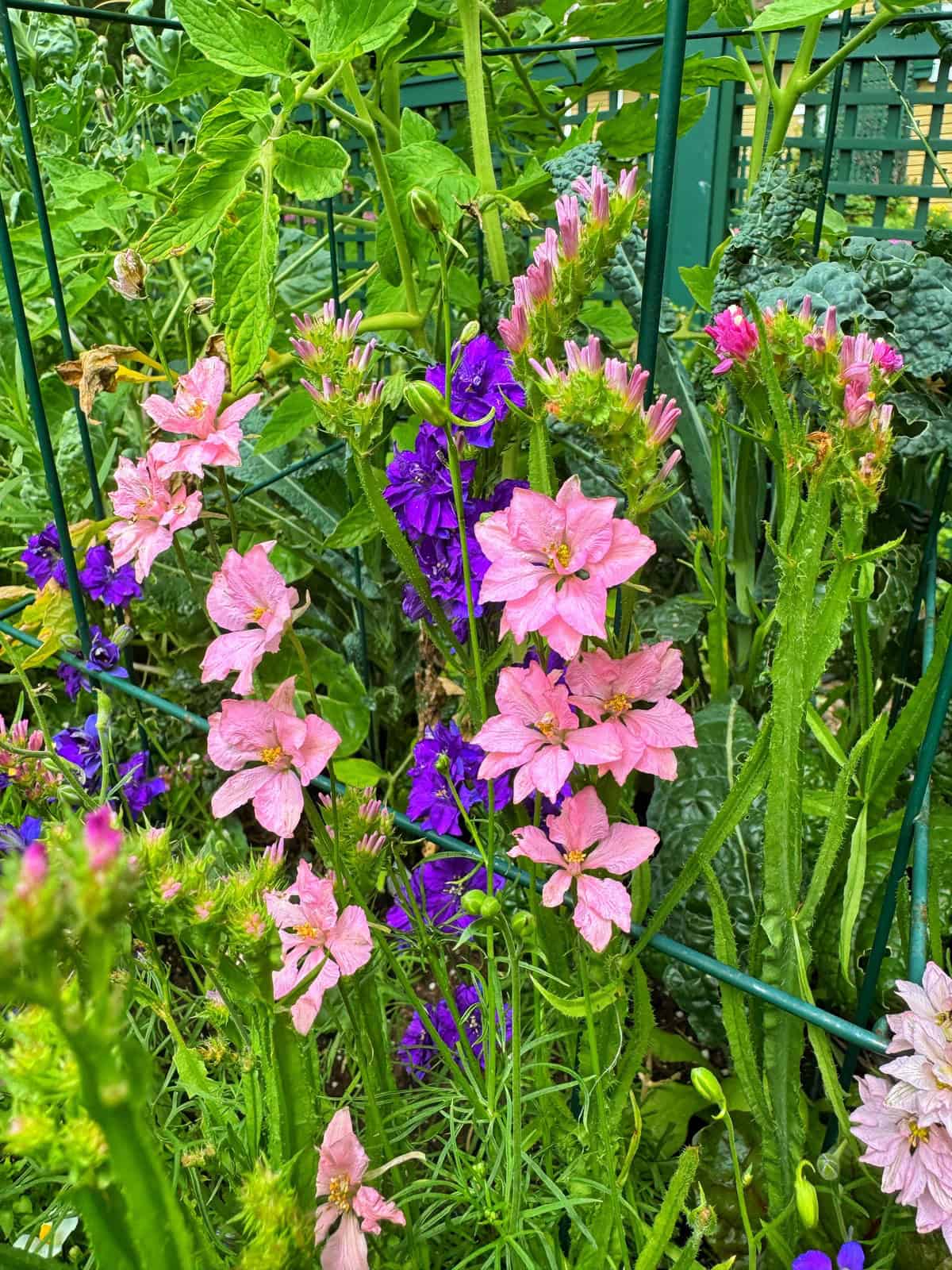
Statice
Statice is a tough, drought-tolerant flower that handles cooler conditions well, but it’s one I struggled with when starting indoors under grow lights. The plants took a long time to flower and never performed as well as I hoped in the garden.
When I switched to winter sowing, the difference was noticeable. The seedlings established more easily, grew stronger once planted out, and flowered better overall. After seeing how much better statice performed when winter sown, this is now the only way I plan to start it from seed.
Yarrow
Yarrow is a tough, cold-hardy perennial that benefits from winter exposure, making it well-suited to winter sowing. While it’s easy to find as a nursery plant, it was one of the first perennials I tested with winter sowing to see how well it would establish when started from seed.
What’s kept me growing yarrow from seed is the range of colors that simply aren’t available at local nurseries. Winter sowing has been a reliable way for me to establish those seedlings in the garden with minimal transplant stress, and it’s now how I prefer to start yarrow when growing specific varieties.
To learn more about how I grow yarrow in my gardens, please visit: How to Grow Yarrow

Flowers I’m Experimenting With This Year to Winter Sow
These are cool-season annuals and perennials I’m experimenting with through winter sowing this year. Some are plants I’ve grown before with mixed results as transplants, while others are new to me and ones I’m excited to try.
I don’t start every flower from seed. When it comes to perennials that are easy to find locally, I usually prefer to plant established nursery plants. I began experimenting with starting perennials from seed through winter sowing when certain flowers struggled for me as transplants or when I wanted varieties I couldn’t find at the nursery.
I approach annuals with the same level of intention. I grow annuals from seed when I’m looking for specific varieties I can’t find at the nursery, especially flowers grown for my cut flower garden. Many nursery-grown annuals aren’t selected for long, sturdy stems, so starting from seed allows me to grow better varieties for bouquets.
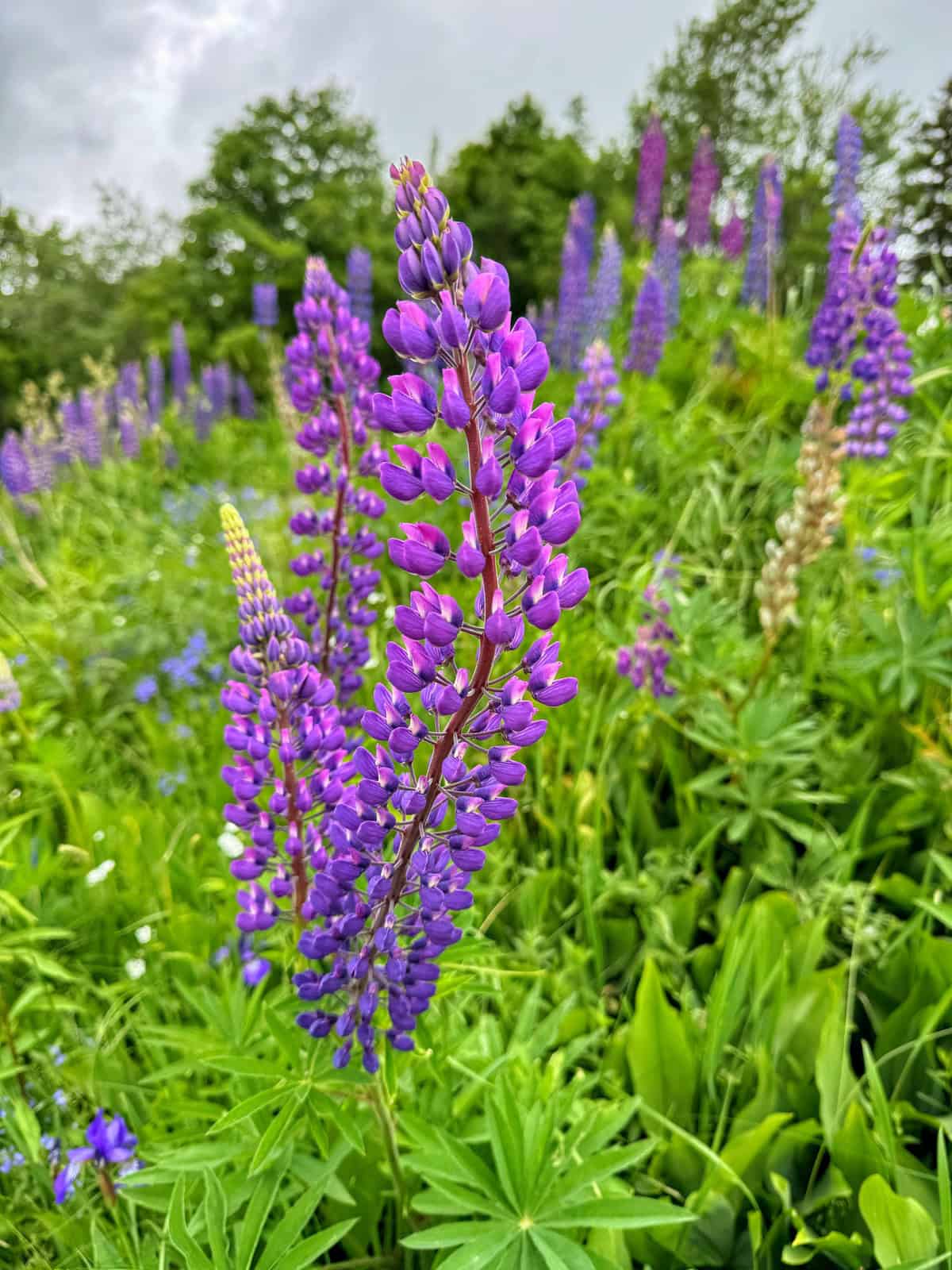
Lupines
I’ve always planted lupines as nursery transplants, but they tend to peter out after planting.
Since lupines are perennials that dislike root disturbance, I’m testing winter sowing this year to see if seedlings establish better when started this way. Allowing them to grow undisturbed from the beginning may lead to stronger plants long-term.

Hollyhock
I began winter sowing hollyhocks because nursery transplants have never performed well for me here.
When I tried winter sowing them last year, the seeds germinated easily and showed strong early growth. Unfortunately, rabbits got to the seedlings, so I’m trying again. Wildlife issues aside, winter sowing gave me much better early results than transplants ever did. So I’m trying them again!

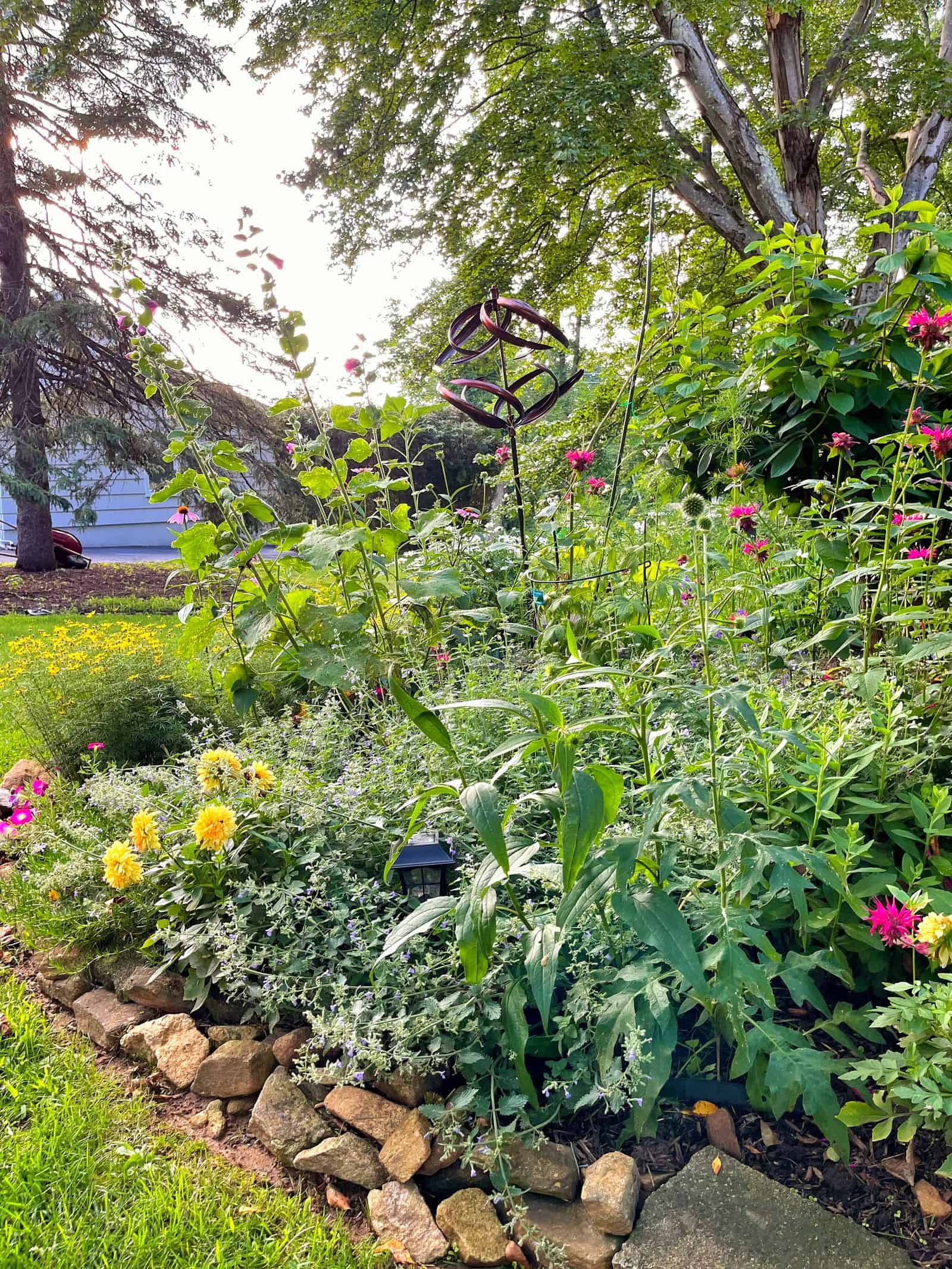
Delphiniums
Delphiniums are another perennial I’ve struggled with as transplants, similar to my experience with hollyhocks.
They grew, but never thrived the way I hoped. Because they prefer cool conditions, I’m experimenting with winter sowing to see if starting them this way improves their overall performance.

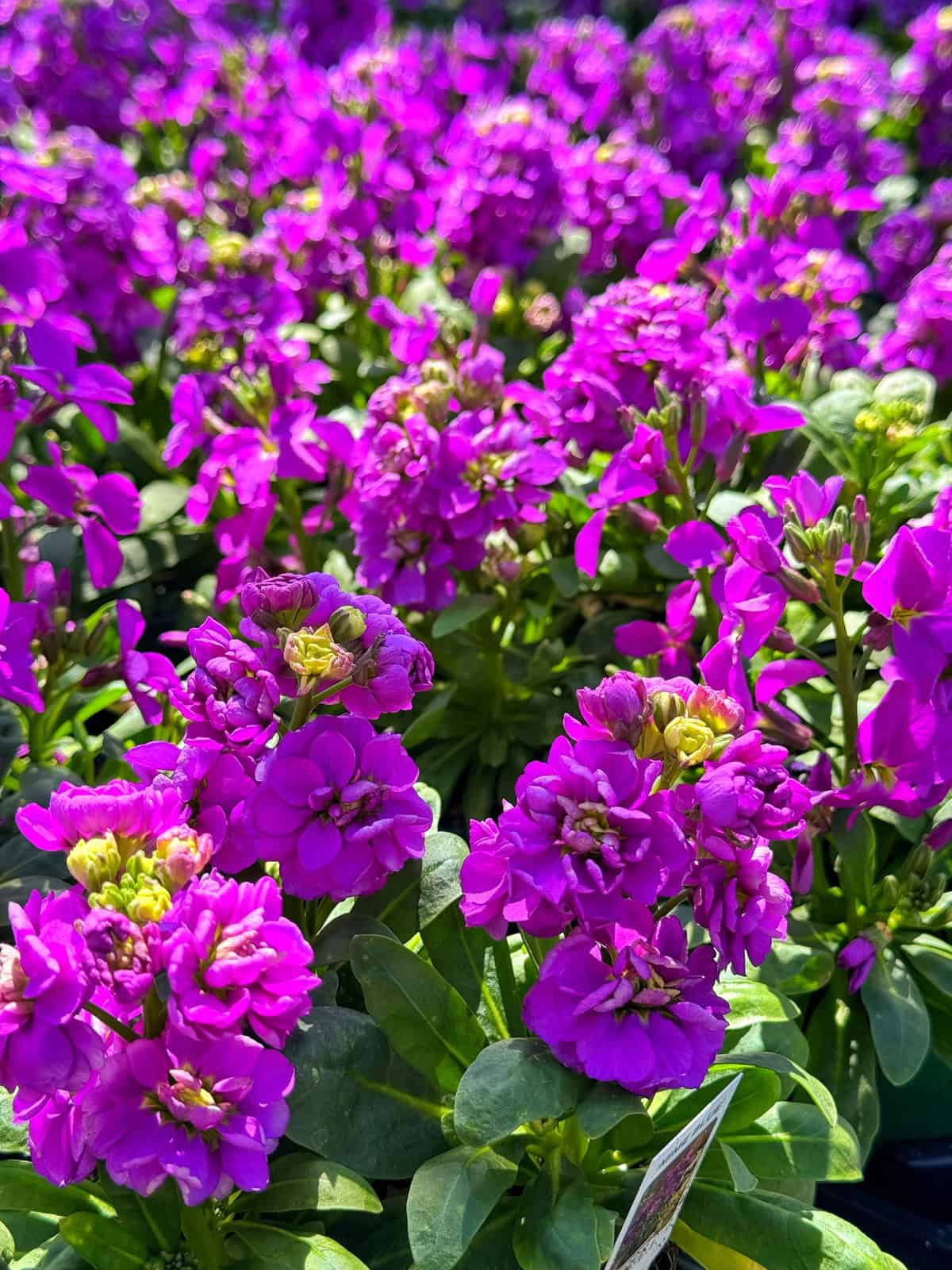
Stock
Stock is a cool-season flower that doesn’t love heat, which is where I’ve run into problems with it in the past.
When I started stock indoors, it grew well at first but struggled once planted out as temperatures warmed. Since it prefers cool conditions, I’m trying winter sowing this year to see if it performs better when grown this way from the start.

Nigella (Love-in-a-Mist)
This is my first time growing nigella, and I’m really excited to try it.
One of the things I love about gardening, and winter sowing in particular, is the opportunity to experiment. Testing different plants and methods is how I’ve learned what works best in my garden over time.
Nigella is cold hardy and well-suited to cool conditions, which makes it a great candidate for winter sowing. I’ll be updating this section later in the season as I see how it performs.
Dara (Queen Anne’s Lace)
Seed packets often recommend direct sowing Dara, but I haven’t had much luck with it that way.
Since Dara is a cool-season flower that benefits from cold exposure, I’m trying winter sowing this year to see if it leads to stronger, more reliable plants.
Feverfew
Feverfew is a flower I’ve never grown before, but it’s one I’m excited to try through winter sowing. It’s a cool-season annual or short-lived perennial in zones 5–10 and tolerates cold well, which makes it a good candidate for this method.
Because feverfew can self-sow once established, I’m curious to see how winter-sown seedlings perform in the garden and whether starting it this way leads to stronger, more resilient plants from the beginning.

A Quick Note About Warm-Season Annuals
Not every flower is a good candidate for winter sowing.
Warm-season annuals generally need warm soil and consistent heat to grow well, even if they germinate outdoors. I learned this lesson the hard way with China asters.
I knew they perform best when started indoors under lights, but during a busy planting session I accidentally put the packet in the wrong pile and winter sowed them. The seeds did germinate, but the plants were weaker and the flowers were much smaller than China asters I’ve started indoors.
It was a good reminder that germination alone doesn’t mean a plant is suited to winter sowing. Warm-season annuals like China asters are best started indoors or direct sown once the soil warms.

Final Thoughts on the Best Flowers to Winter Sow
One of the things I enjoy most about winter sowing is the opportunity to experiment and see how different flowers grow when they’re given a natural start. Some plants quickly become reliable favorites, while others surprise me or teach me something new each season. That process of learning and refining is one of the reasons this method has become such an important part of my garden.
Before discovering winter sowing, most of my seed starting happened indoors under lights or by direct sowing in the garden. Using the winter sowing method opened up a whole new door for me and allowed me to grow more flowers from seed than I ever dreamed possible, especially flowers that benefit from cool conditions or don’t love being transplanted later on. It’s been a game changer for both my cut flower garden and my cottage-style garden beds.
If you’re new to the method, starting with reliable, cold-tolerant flowers makes winter sowing far less intimidating. Once you understand the basics, experimenting becomes part of the fun and each season brings new possibilities. If you’d like a step-by-step explanation of the process, you can find it in my winter sowing guide. And for flowers that prefer warmer conditions, my indoor seed starting guide walks through when and how to start seeds under lights instead.
Winter sowing perennials isn’t necessary for most gardens, but it can be useful in specific situations – especially when you’re growing hard-to-find varieties or trying to improve long-term establishment. Most of the time, I prefer purchasing perennials from the nursery or getting divisions from friends.
Even with the right flowers, winter sowing can take time. If your containers haven’t sprouted yet, this guide on why winter-sown seeds don’t germinate right away explains what’s normal and when to keep waiting.
And remember, you don’t need to try all of these — starting small is part of learning what works in your garden.
Thank you for visiting the blog today!
Enjoy your day! xo

Originally Published . Last Updated .
