
Common Reasons Winter-Sown Seeds Don’t Germinate (and When to Wait)

Why winter-sown seeds may not germinate yet, including dormancy, timing, and natural conditions specific to winter sowing.
If you’ve tried winter sowing and nothing seems to be happening yet, you’re not alone. I’ve been winter sowing seeds outdoors for multiple seasons in my Zone 6b garden, and while I’ve had a lot of success with this method, I’ve also had containers that sat quietly for weeks or even months before showing any signs of life.
Early on, I assumed a lack of germination meant I had done something wrong. Over time, I learned that winter sowing doesn’t behave like indoor seed starting. Seeds respond to natural temperature cycles, moisture, and timing, and many simply need more time than we expect. What looks like failure is often dormancy or delayed germination, especially with cold-hardy flowers and perennials.
This post focuses specifically on winter sowing and the most common reasons winter-sown seeds don’t germinate right away. It does not apply to indoor seed starting or other seed-starting methods. These are lessons I’ve learned through both trial and error and years of observing how seeds respond outdoors.
If you’re new to the process or want a step-by-step overview, you can start with my guide on how to winter sow seeds outdoors. And if you’re wondering whether the seeds you chose were a good fit for this method, my post on the best flowers to winter sow can help you decide what’s most likely to succeed.
(Posts on stacyling.com may contain affiliate links. Click HERE for full disclosure.)

The Most Important Thing to Understand About Winter Sowing
Winter sowing does not follow the same timeline as indoor seed starting. Seeds started outdoors rely on natural temperature cycles rather than consistent warmth, which means germination often happens later than expected.
Many winter-sown seeds will sit quietly through winter and early spring with no visible activity. This does not mean they have failed. In many cases, seeds are still dormant and waiting for the right combination of warming soil and daylight to trigger germination.
Understanding this upfront prevents a lot of unnecessary frustration.

Common Reasons Winter-Sown Seeds Don’t Germinate
Too Much Water Collected in the Container
One of the biggest mistakes I made early on with winter sowing was not making large enough drainage holes in my containers. After periods of heavy rain and melting snow, water collected inside several containers instead of draining out properly.
I remember opening a few containers and seeing pooled water sitting on top of the soil. In those containers, the seeds never germinated. They were not slow or dormant. They had simply been drowned.
Winter sowing containers are exposed to real weather, including rain, snowmelt, and freeze-thaw cycles. If water cannot drain freely, soil stays saturated for too long and seeds can rot before they ever have a chance to sprout.
Once I started using larger and more numerous drainage holes, this problem nearly disappeared.
One of the biggest lessons I learned is that winter sowing works best when containers are left alone once set up properly, with watering only needed during extended dry spells when the soil fully dries out.

The Seeds Have Not Had Enough Cold Exposure Yet
Some seeds require a longer period of cold exposure before they will germinate. If winter temperatures are mild or inconsistent, seeds may not receive enough cold stratification right away.
This is especially common with perennials and biennials. In those cases, seeds may remain dormant well into spring or even wait until the following year to germinate.
This is normal behavior for many plants and not a sign that winter sowing failed.
The Seeds Are Waiting for Warmer Temperatures
Cold-tolerant does not always mean cold-germinating. Many seeds tolerate winter conditions but still require warmer soil temperatures to sprout.
Winter sowing allows seeds to go through winter naturally, but germination may not happen until late spring once temperatures are consistently warm. Containers that appear empty early in the season can still surprise you weeks later.
This is one of the most common reasons winter-sown seeds seem slow.

Some Seeds Are Simply Slow by Nature
Certain plants take their time, especially perennials and biennials. These seeds often prioritize root development before producing visible growth, which means nothing may appear above the soil for quite a while.
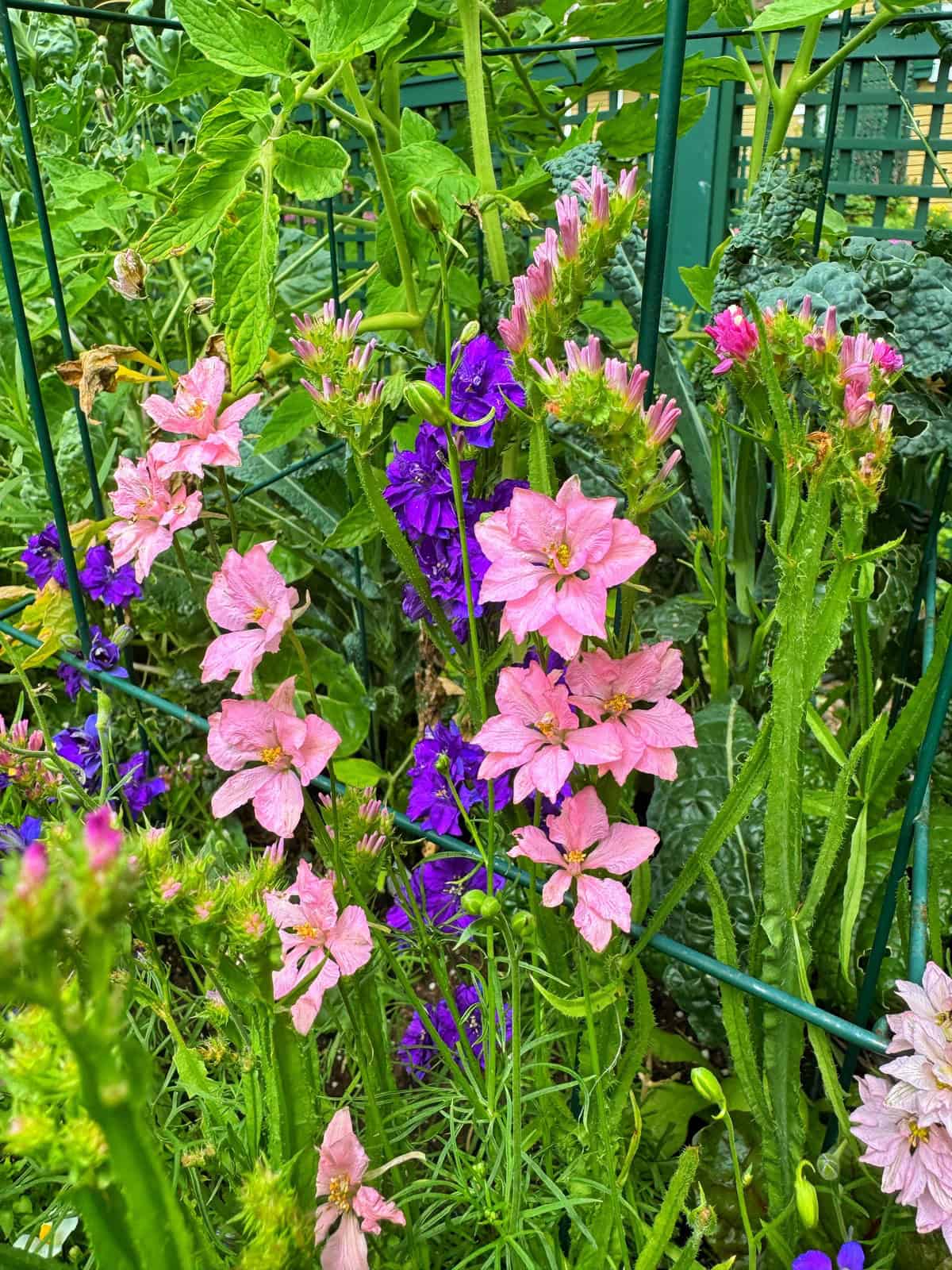
In winter sowing, this is common with plants like delphiniums, lupines, foxgloves, and other cold-hardy perennials. These seeds may germinate later than annuals or sprout unevenly rather than all at once. Patchy or delayed germination is normal and not a cause for concern.
I have had containers that looked completely inactive for months, only to sprout long after I stopped checking them daily. It really is like watching a pot boil. The moment you stop hovering is often when something finally happens.

Containers Dried Out During Warm or Windy Weather
This has happened to me before, especially during periods with little rain followed by unexpected warm or windy weather. Even though winter sowing happens outdoors, containers can dry out faster than anticipated once temperatures rise.
I usually check my winter sowing containers once or twice a week (depending on the weather), but during these stretches the soil dried out sooner than I expected. When that happens during a critical germination window, seeds may fail to sprout even if everything else was done correctly.
Because containers sit outdoors for months, it is easy to miss short periods when moisture evaporates quickly. Since noticing this pattern, I pay closer attention during warm spells and check containers more frequently to make sure the soil stays lightly moist.

Seeds Were Disturbed by Wildlife
Outdoor winter sowing containers are not immune to interference from animals. Birds, rodents, and squirrels can disturb the soil or remove seeds entirely if they can get into the containers or knock them over.
I have had seedlings disappear overnight due to wildlife activity. In those cases, lack of germination had nothing to do with winter sowing itself and everything to do with hungry visitors.
Securing containers and using protective coverings that are taped closed can help reduce this risk. But placement also matters. Setting jugs or planters in a location where they are less likely to be disturbed can make a big difference. My dogs have accidentally run into a few containers over the years, and those jugs never germinated.
Once containers are in place, it is best to leave them alone rather than moving them around frequently.


Seed Viability Was Low to Begin With
Not all seeds are viable, even under ideal winter sowing conditions. Older seed, seed that was improperly stored, or seed with naturally lower germination rates may never sprout.
This is one reason I try to purchase seeds from reputable growers or trusted local nurseries. Poor storage conditions before you ever open a seed packet can affect germination, and that has nothing to do with how well the winter sowing process was done.
When this happens, it is not a winter sowing failure. It is simply part of working with seeds outdoors and allowing nature to take the lead.
This is also why I always winter sow more seeds than I think I need.
Some Seeds Do Not Germinate the First Year
This surprises many gardeners, but it can be normal with winter sowing. Some seeds, especially perennials and biennials, have more complex dormancy requirements and may need more than one winter cycle to break dormancy.
That said, winter sowing is not always the best method for every plant. I have winter sown foxgloves and delphiniums that failed to germinate outdoors, even though those same seeds performed much better for me when started indoors under grow lights. In those cases, the seeds were viable, but the outdoor conditions simply did not trigger germination the way controlled indoor conditions did.
Winter sowing closely mimics nature, and nature does not operate on a strict schedule. Some seeds will sprout the first spring, others may take longer, and some may respond better to a different seed-starting method altogether. Learning which plants prefer which approach is part of the process.

When to Stop Waiting and Move On
Before giving up on a winter sowing container, I always wait until temperatures have fully warmed and other winter-sown seeds are actively growing.
If a container remains inactive after a full growing season, I may reuse the soil, but I never rush to discard it early. Some of my biggest surprises have come from containers I nearly tossed aside and almost forgot about.
Patience is part of the process.

Final Thoughts on Winter Sowing Germination
Winter sowing is not about control. It is about observation, timing, and learning how seeds respond to natural conditions. After winter sowing for multiple seasons in my Zone 6b garden, I have learned that germination does not always follow a predictable schedule. Some seeds sprout quickly, others take much longer, and some need more than one season before showing any signs of life.
Lack of germination does not automatically mean failure. In many cases, seeds are doing exactly what they are meant to do. Understanding that difference has helped me avoid giving up on containers too early and has led to some unexpected successes over time.
If you are unsure whether something went wrong, giving seeds more time is often the best next step. Winter sowing rewards patience far more often than intervention. If you want a refresher on the process itself, my guide on how to winter sow seeds outdoors walks through the method step by step. And if you are still deciding what to grow, my post on the best flowers to winter sow can help you choose seeds that are more likely to succeed with this approach.
Thank you for visiting the blog today!
Enjoy your day! xo


Originally Published .
