
7 Common Zinnia Growing Mistakes That Ruin Your Garden by August

Avoid these common zinnia growing mistakes that lead to fewer blooms, poor airflow, and early powdery mildew in your summer garden.
Growing zinnias is often described as easy. And it is. But a few small mistakes can lead to fewer blooms, poor airflow, and plants that start declining earlier than they should.
After decades of growing zinnias in a hot, humid New Jersey garden, I’ve learned that small missteps can make a big difference in how they perform over the season.
Most zinnia problems don’t come from doing something completely wrong. They come from skipping simple steps or not realizing how early decisions affect what happens later, especially when it comes to airflow, plant structure, and bloom production. I cover the full process from seed to bloom in my guide on how to grow zinnias successfully, but these common mistakes are often what hold gardeners back the most.
These are the most common zinnia growing mistakes I see (and have made myself), along with what I do instead to get healthier plants and more blooms all summer long.
(Posts on stacyling.com may contain affiliate links. Click HERE for full disclosure.)
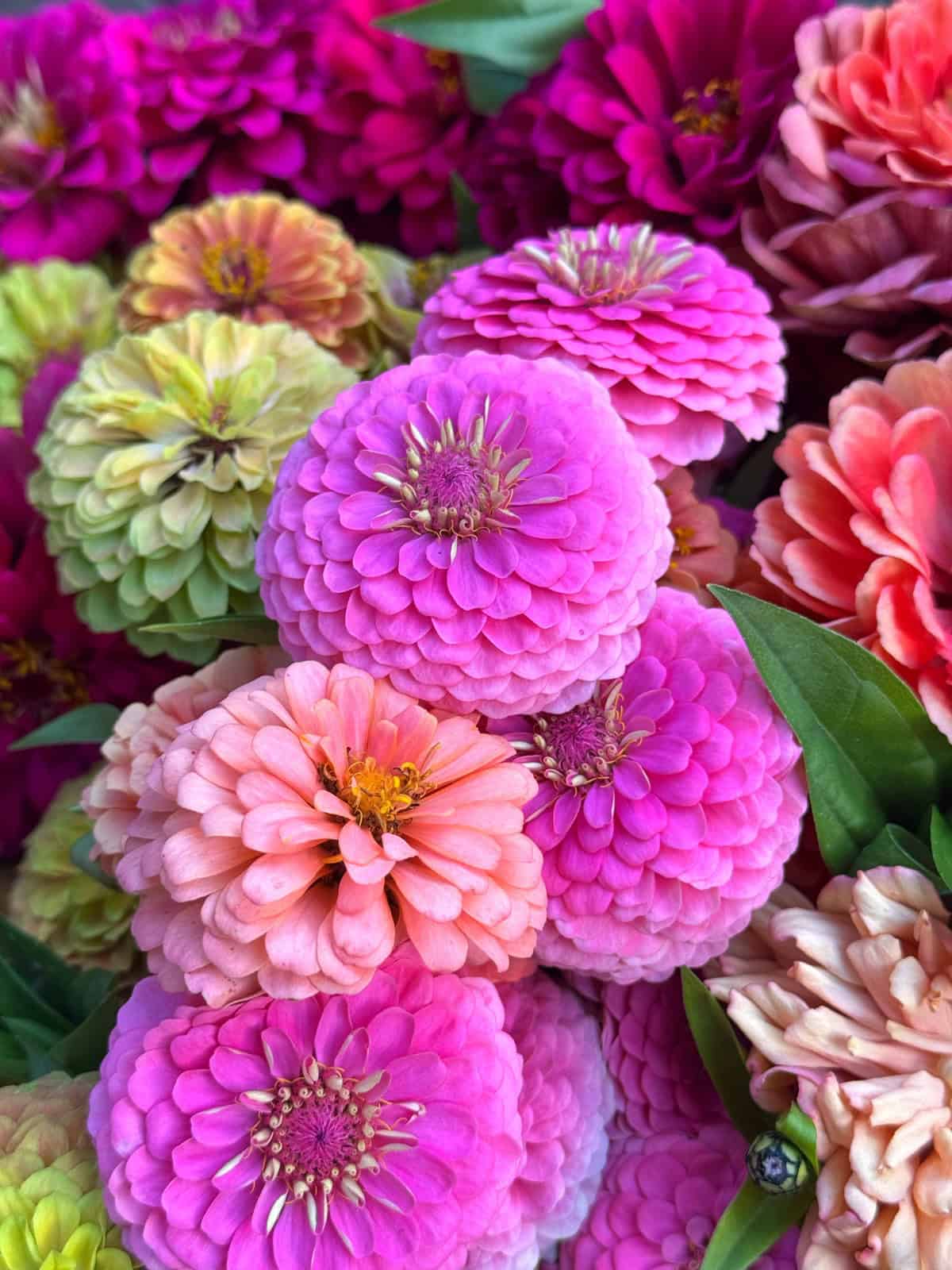
Zinnia Growing Mistakes Explained (Video)
Before we get into the full list, I also put together a quick video walking through these common zinnia mistakes and what to do instead. If you prefer to see how this plays out in a real garden, you can watch it here:

1. Planting Zinnias Too Close Together
Planting zinnias too close together might look great early in the season, but it quickly creates problems as the plants grow.
When spacing is too tight, airflow is reduced and moisture lingers on the foliage. In humid climates, that creates ideal conditions for powdery mildew to show up much earlier in the season. I go deeper into what actually helps prevent it and what tends to make it worse in my guide on powdery mildew on zinnias.
What I do instead
In my Zone 6b New Jersey garden, where summer humidity is relentless from late June on, tight spacing is the single fastest path to powdery mildew arriving weeks ahead of schedule. I’ve watched it move through a crowded bed in days. Nine inches between tall varieties like Benary’s Giant gives you the full, lush look without creating the conditions that work against you later.
If you want a deeper look at how spacing affects airflow and bloom production, read my guide on how far apart to plant zinnias.

2. Skipping Pinching
Pinching is one of the easiest steps to skip and one of the most noticeable later in the season. Unpinched plants grow taller and more sparse with fewer flowering stems. You still get blooms, just not nearly as many.
What I do instead
I pinch my zinnias once they reach about 8 to 12 inches tall, cutting just above a leaf node to encourage branching. I have seen the difference side by side in my own garden, and it is significant. You can see exactly what happens here in what happens when you skip pinching zinnias.
There is plenty of advice out there that says pinching is optional, and technically that’s true. Zinnias will bloom without it. But optional doesn’t mean inconsequential. The difference between pinched and unpinched plants in the same bed, same soil, same water, is not subtle. I’ve seen it play out across multiple seasons and multiple varieties.

3. Not Supporting Taller Varieties
Taller zinnias do not always hold themselves up as well as people expect, especially once they are loaded with blooms. Without support, plants can flop, lean, and tangle. This reduces airflow and can limit how many usable stems you get.
What I do instead
I support my zinnias early so they grow upright and stay productive. I tested this in my own garden and the unsupported plants produced noticeably fewer flowers. You can see that here in my accidental zinnia support experiment and learn more about techniques in my guide on how to support tall flowers.
4. Not Cutting or Deadheading Regularly
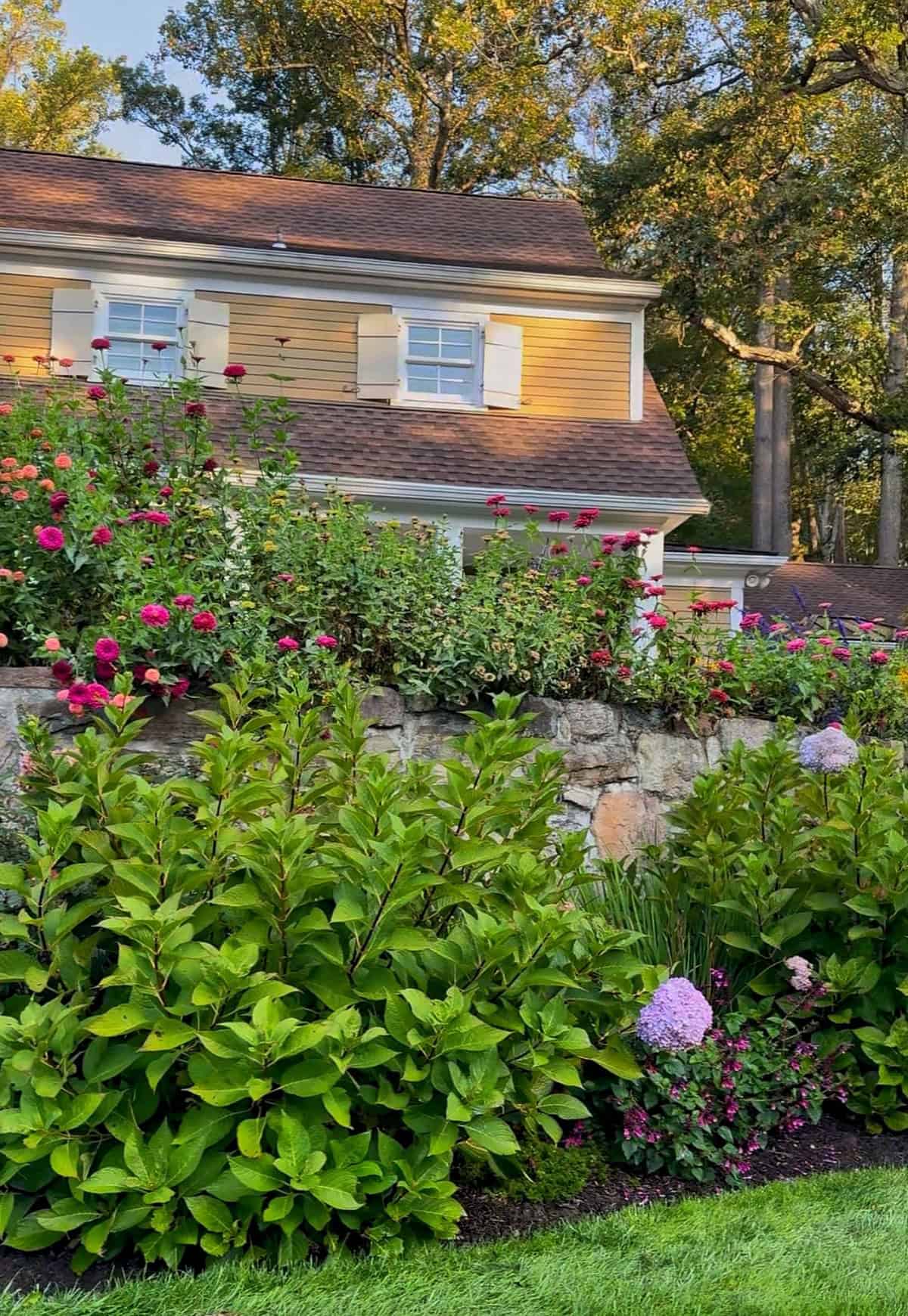
When I’ve left flowers on the plant longer than I should, the plant doesn’t produce as many new blooms because they focus more on seed production. Why give up the opportunity for more flowers? Zinnias are cut and come again flowers, but only if you keep cutting them. When blooms are left on the plant too long, it shifts energy into seed production instead of channeling it into new growth.
What I do instead
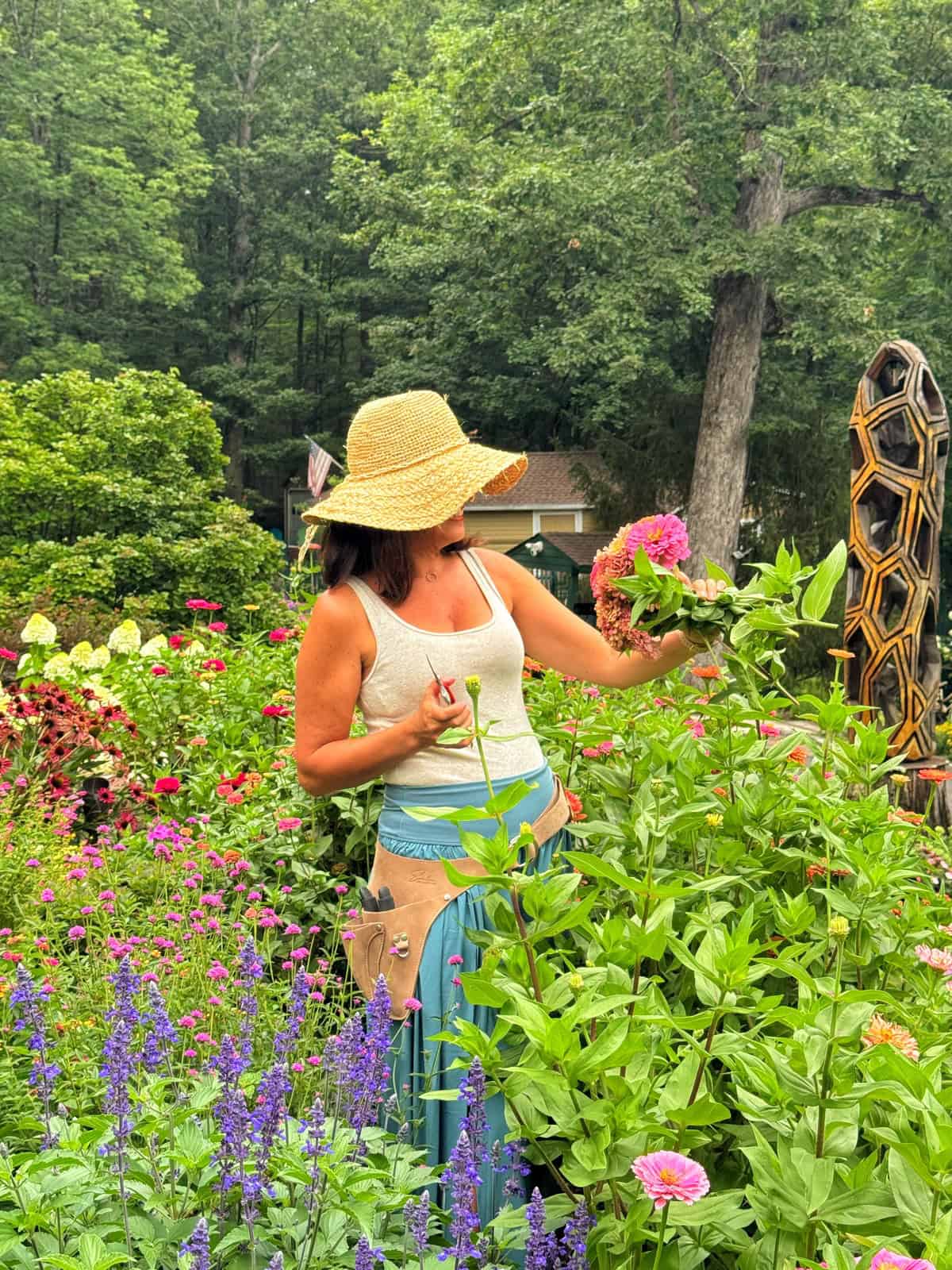
I cut flowers regularly for bouquets or deadhead spent blooms about once a week. This keeps the plants producing consistently and improves overall performance in the garden. For my deadheading tips, please visit my complete guide to deadheading flowers here.
5. Watering the Wrong Way
In my cut flower gardens, my zinnias are on drip irrigation and soaker hoses, which deliver water directly to the roots rather than onto the foliage. Overhead watering can keep leaves wet longer, creating conditions that favor bacterial and fungal leaf-spot diseases, especially in a humid climate like New Jersey. After dealing with increasingly severe spotting in my own garden this year, I share what I learned and how I’m managing it in my guide to zinnia leaf spot.
What I do instead
I water at the base of the plants whenever possible to keep foliage dry and reduce disease pressure. I share exactly how I manage watering in my garden in how I water my flower gardens.
6. Expecting Zinnias to Stay Perfect All Season
This might be the mistake I see most often in gardening content…the implication that with the right steps, your zinnias will look magazine-perfect from June through frost. After decades of summers in New Jersey, I can tell you that’s not how it works, and chasing that expectation leads to frustration rather than enjoyment. Natural decline is part of the cycle.
Your job isn’t to prevent it. But rather, to delay it as long as possible through good early decisions.
Proper spacing, airflow, beetle management, and consistent harvesting all work together to extend the healthy part of the season, and you’ll find those details threaded throughout every guide linked in this post.
What I do instead
I focus on extending the healthy part of the season rather than expecting perfection. Proper spacing, airflow, and consistent care help delay issues so I get the most out of my plants before natural decline begins.
Japanese beetles are one of the biggest factors that can accelerate that decline by damaging foliage early in the season. If you want to see how I’ve significantly reduced that pressure in my own garden, you can read more here → How to Beat Japanese Beetles on Zinnias.
7. Choosing the Wrong Varieties for Your Space
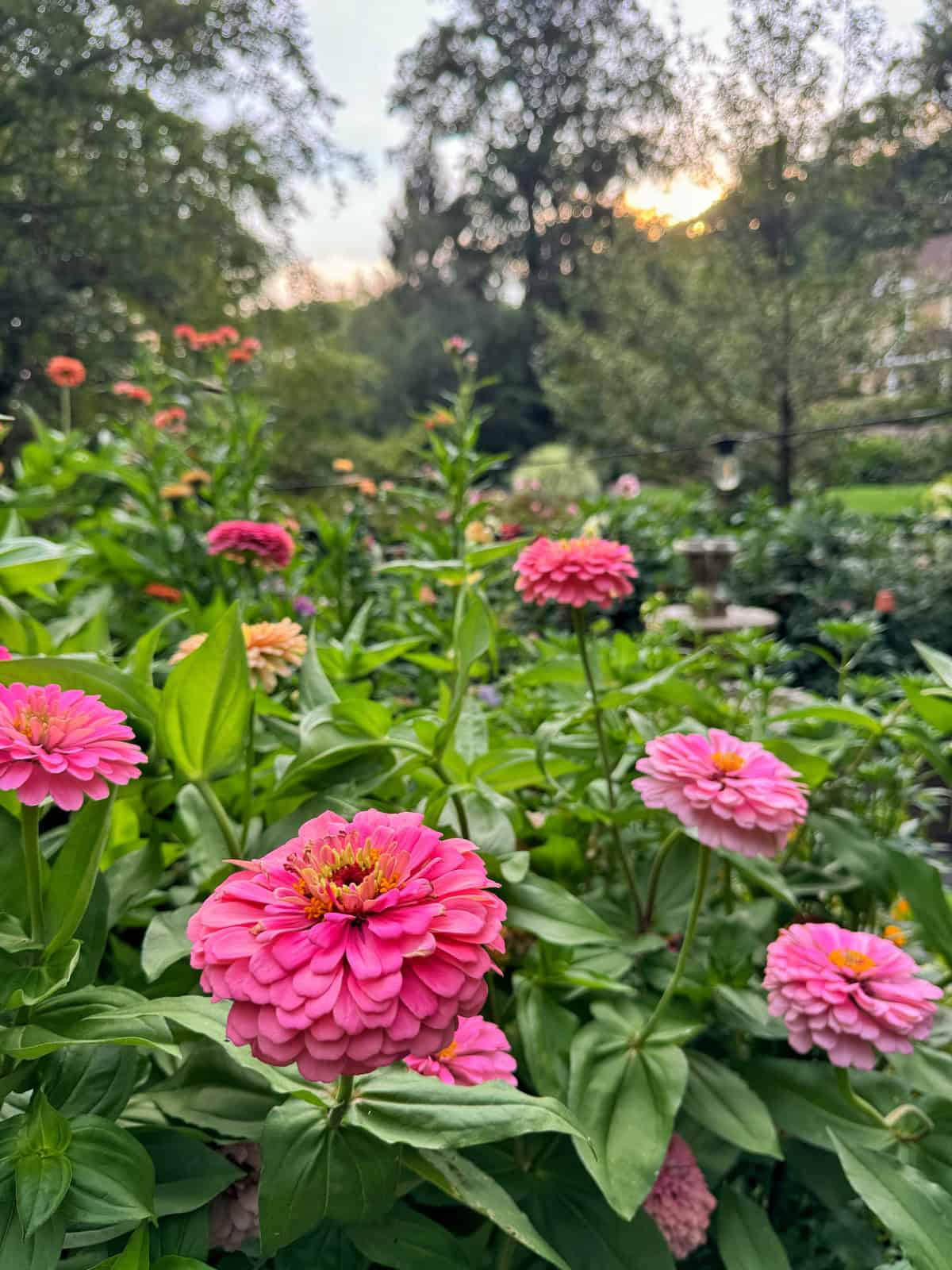
Not all zinnias grow the same way, and I’ve learned this firsthand by putting tall varieties in places where they technically fit but never quite looked right. Tall varieties like Benary’s Giant in a standalone container, for example, tend to look unfinished. It’s all height and stem with nothing to ground them visually. They’re bred for cutting gardens and borders where surrounding plants fill in the space around them naturally.
What I do instead
I match zinnia variety to purpose. Tall varieties go in my cutting beds and borders where they have room to perform. If I’m growing zinnias in pots or smaller spaces, I look for compact varieties or underplant taller varieties with companions that fill in around them. You can find some of my favorite pairings here in my guide to the best companion plants for zinnias.
Grow a Garden That Performs Better Every Year
Small decisions like spacing, pinching, and how you care for your plants over the season can completely change how your garden performs. Once you start paying attention to those details, everything begins to click.
That’s exactly what I focus on in The Bricks ‘n Blooms Guide to a Beautiful and Easy-Care Flower Garden. While I share tips on growing flowers like zinnias, the book also walks through how to design a garden that works for your space, whether you’re building a cutting garden, leaning into a cottage garden style, or just trying to grow flowers that actually thrive.
And if you’ve ever found yourself thinking, “I want to remember what worked this year,” my Bricks ‘n Blooms Beautiful and Easy-Care Flower Garden Planner helps you do exactly that. It’s how I track what’s working in my own garden, from plant choices to spacing to seasonal adjustments, so each year gets a little better than the last.
The book gives you the foundation. The planner helps you build on it.
How to Grow Healthier, More Productive Zinnias
Zinnias are genuinely forgiving flowers. But forgiving isn’t the same as effortless, and “easy to grow” shouldn’t be confused with “it doesn’t matter what you do.” After more than 20 years of growing them in hot, humid New Jersey gardens — across cottage beds, raised beds, cutting patches, and a potager, I’ve seen firsthand how small early decisions ripple through an entire season.
Spacing, pinching, support, and consistent harvesting aren’t complicated steps. But skipping them creates a chain reaction that shows up in flopped stems, powdery mildew arriving weeks early, and plants that exhaust themselves before August. The gardeners who get the most out of their zinnias aren’t doing anything magical. They’re just not skipping the fundamentals.
For the full detail on each of these, you’ll find it in my guides on zinnia spacing and airflow, what happens when you skip pinching, how support changes everything, powdery mildew on zinnias, zinnia leaf spot, and my complete guide to how to grow zinnias successfully.
Get the fundamentals right early, and your zinnias will reward you with healthier plants and more blooms all season long.
Thank you for visiting the blog today!
Enjoy your day! xo

Originally Published . Last Updated .
