
What I’m Changing in My Garden This Year (and Why It Matters)

Learn how to set simple, realistic garden goals for a thriving, low-maintenance garden. Skip the pressure and grow smarter this season.
As the calendar turns to a new year, I always find myself thinking about the garden — what worked, what didn’t, and what I want to do differently moving forward. After years of gardening through successes, failures, and plenty of learning curves, I’ve found that a thoughtful plan makes a bigger difference than any single plant or trend.
Gardening has taught me that progress doesn’t come from pressure or unrealistic resolutions. It comes from setting clear, manageable goals that fit your space, your lifestyle, and the amount of time you truly have to give. Over the years, I’ve learned that when I slow down, observe, and plan with intention, the garden thrives and I enjoy it far more.
In this post, I’m sharing how I approach setting realistic garden goals, how to plan for them in a practical way, and why this method leads to a healthier, more rewarding garden. At the end, I’ll also share the specific goals I’m setting for my own garden this year that is shaped by experience and a desire for a garden that’s both beautiful and manageable.
(Posts on stacyling.com may contain affiliate links. Click HERE for full disclosure.)

Setting Goals: A Better Path Than Creating New Year Resolutions
While New Year’s resolutions are often associated with fresh starts, they can sometimes feel restrictive and daunting. Setting goals, however, offers a more flexible and sustainable approach to personal growth and achievement, particularly in the gardening realm.
I love to set goals for my personal, professional, and gardening life each year because it gives me something to look forward to while making improvements in areas I wish to grow.
There’s a reason I’ve gone from attorney to master gardener to marathoner to blogger and author. And it’s because I set small manageable goals for myself at the onset of each new year that I met and decided to aim and achieve more.

Goal Setting vs. Resolutions
After years of setting both resolutions and goals both in the garden and in everyday life, I’ve found that goals consistently lead to better results and far less frustration. Gardening, in particular, has taught me that progress happens over time, through observation, adjustment, and patience.
That’s why I prefer goal setting over traditional New Year’s resolutions. Goals allow for flexibility, reflect real-life constraints, and support steady improvement rather than all-or-nothing thinking. The reasons below explain why this approach has worked so well for me and why it’s a framework I return to year after year.
- Focus on the Long Term: Unlike resolutions, which are typically limited to a single year, goals can be set for any timeframe, allowing you to focus on long-term aspirations and develop a roadmap for your progress.
- Increased Motivation: When you set goals based on your own values and desires, they become intrinsically motivating. This intrinsic motivation is far more powerful than the external pressure associated with resolutions, leading to greater commitment and sustained effort.
- Flexibility and Adaptability: Life is full of surprises, and rigid resolutions can often crumble under unexpected circumstances. Goals, on the other hand, are more adaptable. You can adjust them as needed, allowing you to navigate life’s changes while still moving towards your desired outcomes.
- Emphasis on Process and Progress: Resolutions often focus solely on the end result, neglecting the importance of the journey. Goals, however, encourage you to celebrate the process and acknowledge the progress you make along the way. This reinforces positive behavior and promotes a sense of accomplishment, further fueling your motivation.
- Personalized Growth: New Year’s resolutions often follow popular trends or societal expectations, which may not align with your individual needs and desires. Setting goals allows you to tailor your ambitions to your unique personality, interests, and values, creating a growth path that is truly meaningful and fulfilling.
- Empowering and Self-Reliant: When you set and achieve goals, you gain a sense of control over your life and a deep belief in your own capabilities. This self-confidence empowers you to tackle future challenges and pursue your dreams with greater determination and optimism.
So, instead of making fleeting New Year’s resolutions, why not embrace the power of setting goals? By outlining your ambitions, charting your course, and celebrating your progress, you’ll embark on a journey of personal growth that is not only rewarding but also sustainable and empowering.

Identifying Your Garden Goals
Before diving headfirst into resolutions, take a moment to reflect on your previous gardening year. What worked well? What could be improved? And what are your ultimate goals for your garden? Ask yourself the following questions to help you drill down on what you want to achieve in your garden.
- What did you enjoy most about gardening last year?
- What challenges did you face?
- What aspects of your garden would you like to improve?
- What do you hope to achieve with your garden in the coming year?
- How much time and effort can you realistically dedicate to gardening?
Once you have a clearer picture of your desired outcomes, you can start setting SMART, attainable, and realistic goals. Specific, Measurable, Achievable, Relevant, and Time-bound goals are more likely to be successful, keeping you focused and motivated throughout the year.
So instead of establishing a New Year’s resolution, think about it in terms of what you want to accomplish this year, how you’ll get there, and what is reasonable that you’ll do. This has been my personal roadmap for growth every year of my life.
One of the problems with establishing a resolution is that they start off feeling reasonable and attainable but in reality, they are tough to maintain without a flexible plan. And once you start falling off the wagon, it’s pretty easy to give up. Am I right?
Identifying goals, regardless of whether they are in the garden are not, sets us on a path that is flexible, reasonable, and achievable.
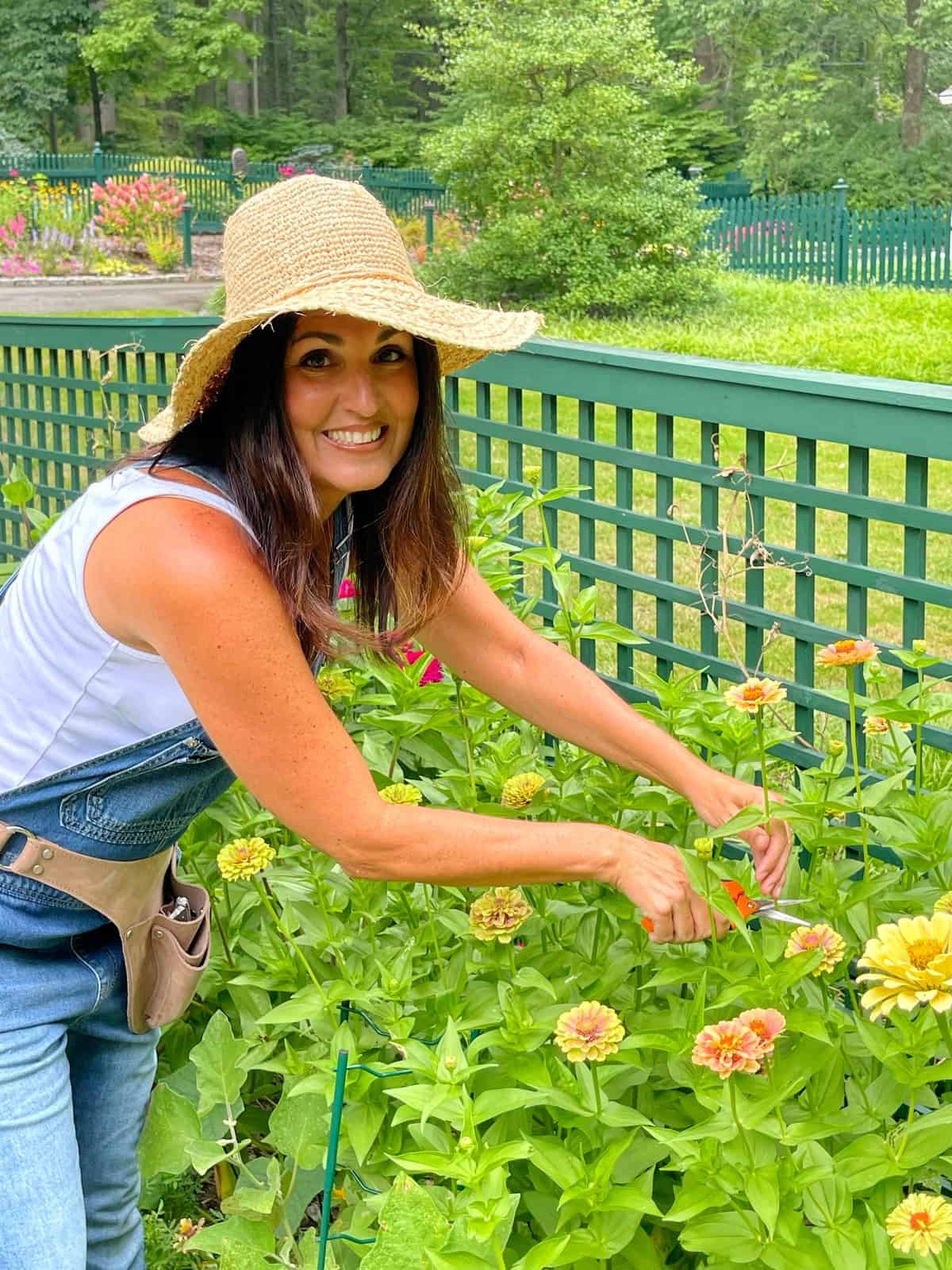
Exploring Your Garden Goals
Now comes the fun part: brainstorming specific tasks to help you reach your gardening goals! Here are some garden ideas to spark your creativity. Just keep in mind to keep it manageable so you don’t feel overwhelmed during the growing season.
Growing Techniques
- Master a new skill: Learn about composting, seed starting, container gardening, or a specific gardening technique like cut flower gardening that interests you.
- Experiment with new plants: Try growing different plants and flower varieties you’ve never tried before or experiment with different planting methods.
- Go green: Implement sustainable gardening practices like rainwater harvesting, organic pest control, or reducing your reliance on chemical fertilizers.
After growing here for the past four seasons, I feel like I finally understand our gardens with respect to what thrives, what struggles, and how much time and energy each space truly requires. That clarity has shifted my mindset. Instead of continually adding more, this year I’m intentionally stepping back and looking at the overall workload with a more experienced eye. I want the garden to remain beautiful and productive, but also sustainable for the long term. Scaling back isn’t about doing less carelessly; it’s about making smarter, more informed choices based on what I’ve learned, so the garden continues to bring joy rather than pressure.

Garden Design & Layout
- Create dedicated spaces: Designate specific areas for vegetables and herbs like a potager garden, or planting more native plants that support pollinators, or a serene meditation space like a zen garden.
- Boost aesthetics: Incorporate decorative elements like sculptures, stepping stones, or a water feature to enhance your garden’s beauty.
- Optimize functionality: Organize spaces for efficient movement and easy access to tools and garden supplies.
To give you an example, last year taught me a lot about how thoughtful design and planting choices can completely change how a garden functions and looks. In the potager, I experimented with planting more densely, especially after winter sowing several vegetables, and the results surprised me. Not only did the garden look fuller and more beautiful, but it was also far more productive. The combination of raised beds, closer spacing, and a mix of vegetables and flowers created a space that felt both intentional and abundant.
Because of how well that approach worked, I’m leaning into it even more this year — growing a wider variety of vegetables, refining my spacing and succession planting, and continuing to improve my vegetable gardening skills. The goal is a potager that blends structure and abundance, where productivity and beauty naturally work together.

Plant Selection & Care
- Focus on low-maintenance plants: Choose varieties that require minimal watering and fuss, leaving you more time to enjoy your garden.
- Attract pollinators: Plant flowers and herbs that attract butterflies, bees, and other beneficial insects, promoting biodiversity and healthy ecosystems.
- Learn plant care: Research the specific needs of your plants and learn how to properly water, fertilize, and prune them.
Not sure what to plant that is a low-maintenance plant? Start with these easy-care flowers for a beautiful garden.
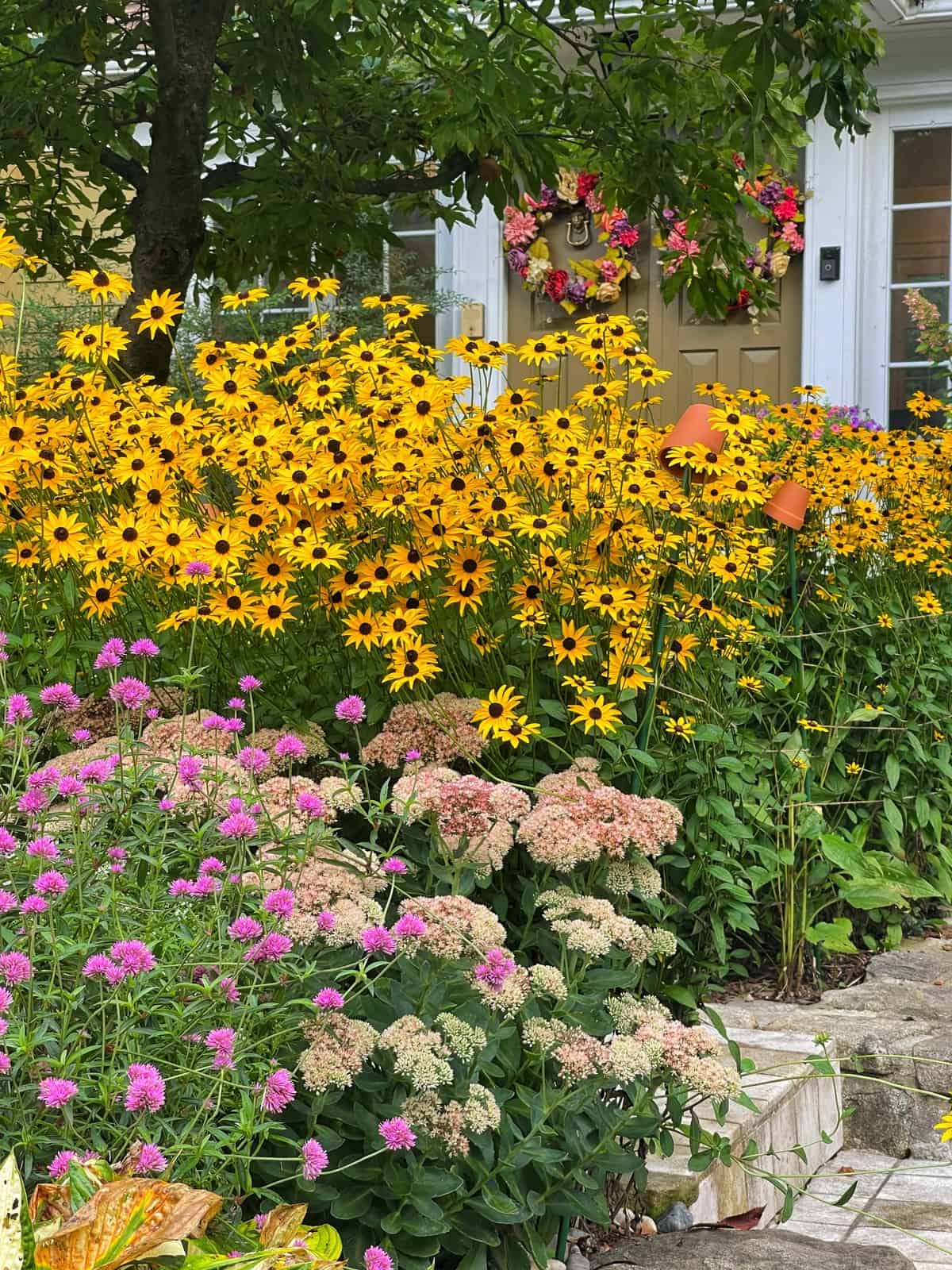
- Black Eyed Susan (Rudbeckia)
- Coneflowers
- Peonies
- Lavender
- Pansies Flowers
- Zinnias
- Sunflowers
- Catmint (Nepeta)
- Bearded Iris
Time Management & Efficiency
- Develop a gardening schedule: Plan your tasks and create a realistic routine to maximize your time and effort.
- Utilize time-saving tools: Invest in tools like mulching, drip irrigation, or raised garden beds to simplify your gardening tasks.
- Share the work: Delegate tasks or involve family and friends to lighten the workload and create a shared experience.

Achieving Your Garden Goals: Tips for Success
Remember, achieving goals is a journey, not a destination. Here are some tips to keep you on track during the new year:
- Break down your goals into smaller, manageable steps.
- Plan how you will execute your garden goals and think them through.
- Focus on consistency and regular maintenance.
- Don’t be afraid to ask for help or join a gardening community.
- Celebrate your successes, no matter how small.
- Embrace the learning process and enjoy the journey!
My Garden Goals for the New Year
With all this talk about setting garden goals, you might be wondering what mine look like this year. After a few seasons of experimenting, expanding, and adding new spaces, my focus has shifted.
This year is about simplifying and setting the garden up to work with me — not against me.
Last fall, I started rehabbing several garden beds with more perennials, shrubs, and evergreens, laying the groundwork for a garden that looks good in every season and requires less hands-on maintenance. I want to continue in that direction, gradually reducing the number of high-maintenance plantings and making more thoughtful, long-term choices.
I’m also planning to scale back on containers a bit and put more energy into my potager garden, blending function and beauty by growing more edibles in a way that still feels intentional and decorative.
Another goal this year is being more proactive about pest management, especially with rabbits. They did quite a number on my yarrow and gomphrena early last season, so staying ahead of that will be an important part of protecting new growth this year.
Overall, these goals are less about doing more and more about doing things better and more sustainably. I’m approaching them gradually, knowing that small, thoughtful changes add up to a garden that’s easier to care for and more enjoyable to spend time in.

Pulling It All Together
Setting goals for your garden can be incredibly fun…not because everything goes perfectly, but because it gives you a clear direction as the season unfolds. After years of gardening, I’ve learned that the most successful gardens aren’t built in a single season. They evolve through observation, small adjustments, and a willingness to learn along the way.
Thoughtful garden goals help you focus your time and energy where it matters most, whether that’s simplifying maintenance, improving plant health, or creating spaces you genuinely enjoy being in. They give you something to work toward while allowing room for flexibility when nature inevitably has other plans.
This year, instead of chasing perfection, consider approaching your garden with intention and patience. Grow alongside your plants, make changes as you learn, and trust that each small step contributes to a healthier, more beautiful garden — one that reflects your lifestyle and brings you joy season after season.

More About Setting Garden Goals for the New Year
What gardening goals will you be striving for this new year? I would love to know more in the comments below. Let’s chat!
For more information about setting gardening goals, read this post from the Illinois Cooperative Extension.
Thank you for visiting the blog today!
Enjoy your day! xo



Originally Published .

Great article. I am a second year gardener and I can’t wait for it to wake-up this spring so I can see what worked and didn’t this past summer.
What is your plan to manage rabbits? they are a pest in my garden too
Hi Glenda! They are such a pain! They hit my yarrow very early on every season so this year – I am ready!!!! I already have wire cloches over them so I don’t miss them breaking ground. I placed them in the fall to preemptively protect them. These are what I use (affiliate links): https://urlgeni.us/amzn/wireclocheswremovabletop In addition to that though – I use this repellent for early season issues https://urlgeni.us/amzn/plantskyyd and this one for later (doesn’t smell as bad) https://urlgeni.us/amzn/rabbitandgroundhogrepellent
Stacy
I love your blog and posts but it seems that you have a lot of “helpers” in your photos which certainly makes it less of a chore/ challenge
I’m just jealous of course
Thank you for sharing and inspiring!
Hey Claudia! Thank you! I have a little bit of help here once a month (more often if the project is huge like mulching, if there is a lot of heavy lifting or I get behind) but I do a large majority of the work myself cause I love to be out there – I try to get out for an hour or two a day during the season in a different bed to manage it all. Back in the day, I used to do it all by myself, including mulching like 15 yards every year! That used to take me a full week to do and it was my least favorite LOL.