
How I Read My Garden (and What It’s Telling Me)

Discover how I read my garden to spot problems early, make smarter decisions, and grow a healthier, lower-maintenance garden.
One of the biggest changes I’ve made as a gardener over the years has nothing to do with the plants I grow or the tools I use.
It’s learning to slow down.
Every morning, I grab my coffee and walk through the gardens before I touch a single weed or flower. Some days I don’t even carry pruners. I simply observe.
I look for what’s changed since yesterday.
Did something bloom overnight? Is a shrub looking stressed? Did a rabbit discover a favorite plant? Is an irrigation emitter doing its job? Are the annuals ready for another feeding? Are the roses asking for a quick deadheading session?
My garden tells me exactly what it needs.
I just have to pay attention.
The more seasons I’ve gardened, the more I’ve realized that beautiful gardens aren’t created by constantly working harder. They’re created by noticing the little things before they become big problems and understanding that not every imperfection needs fixing.
Here’s what I look for every time I walk my garden.
(Posts on stacyling.com may contain affiliate links. Click HERE for full disclosure.)
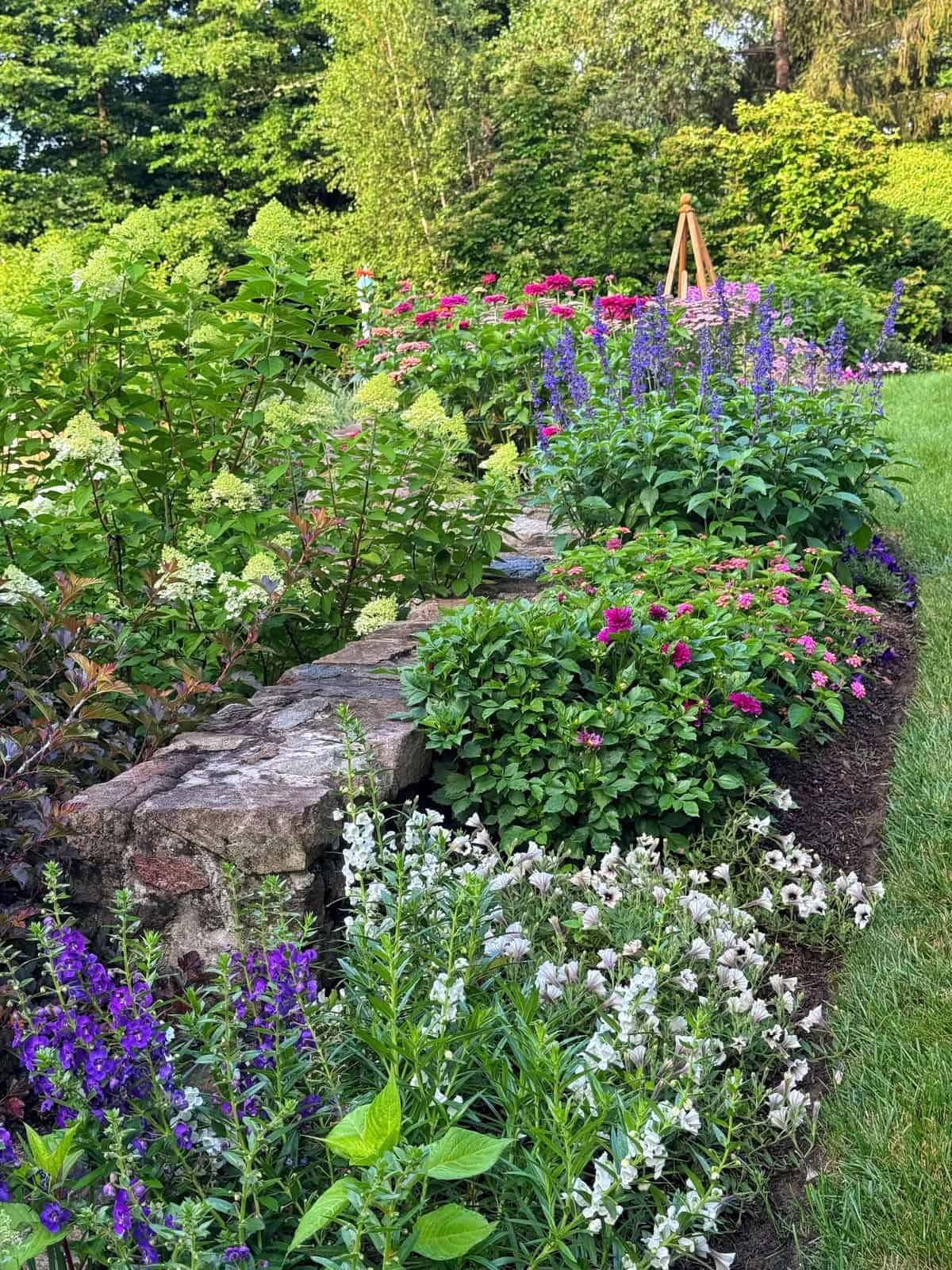
I Look for Plants That Are Telling a Story
One mistake I see gardeners make is assuming every problem started yesterday.
Often, the clues I’m seeing today actually began weeks or even months ago.
This year is a perfect example.
We had an unusually warm stretch in early spring followed by a hard freeze that damaged many emerging plants. My hostas were some of the hardest hit. Even now, months later, many of them still aren’t looking their best. Torn, browned, and misshapen leaves remind me of that weather event every time I walk through my shade garden.
If I forgot about the freeze, I might assume something was wrong with the plants themselves.
Instead, I know they’re still recovering from a difficult spring.
Not every damaged leaf means you have a new problem to solve. Sometimes your garden is simply showing the effects of an earlier season.
That’s why I always ask myself what happened before I decide what to do next.
What My Garden Told Me: Not every problem starts today. Sometimes your plants are still telling the story of yesterday.
To learn more about how I care for hostas and what to plant around them, please visit these posts:
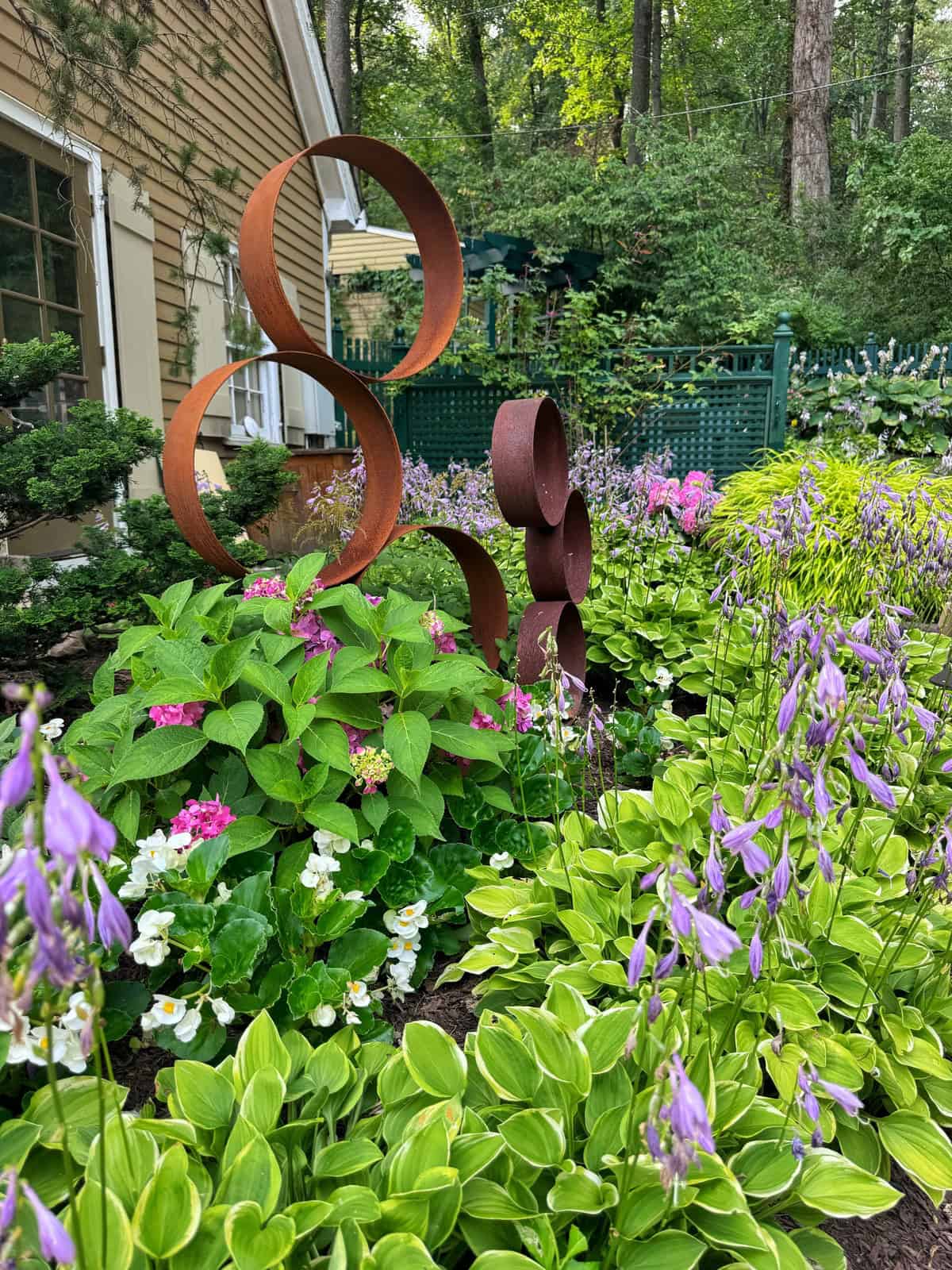
I Look for Small Problems Before They Become Big Ones
Most pest and disease issues don’t appear overnight.
They start with one chewed leaf.
One cluster of aphids.
One Japanese beetle.
One stem with powdery mildew.
One wilted annual.
That’s why I walk the garden often. Catching problems early almost always gives me more options.
Earlier this summer, I noticed aphids gathering on my sunflowers. Instead of immediately reaching for an insecticide, I grabbed the hose.
Every morning, I blasted them off with a strong stream of water.
It took a few minutes each day, but it gave beneficial insects time to catch up, and I avoided spraying chemicals throughout the garden.
That approach won’t solve every pest problem, but it reminded me that the least aggressive solution is often the best place to start.
What My Garden Told Me: Small problems are much easier to manage when you catch them early.
To learn more about how I organically address pest problems in my gardens please visit the following posts:
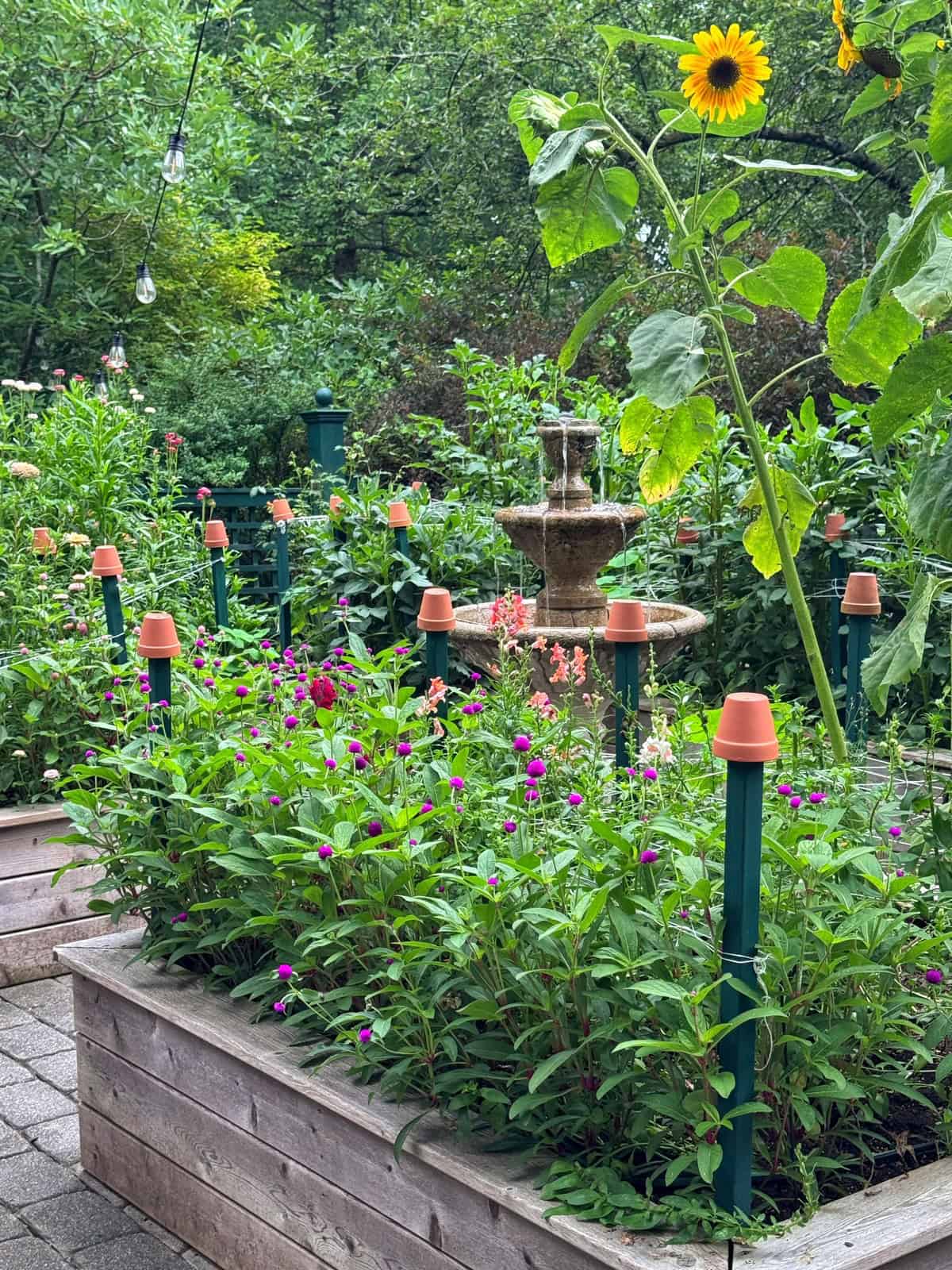
I Check the Systems That Keep My Garden Growing
Sometimes the plants aren’t the problem.
The system supporting them is.
I rely on drip irrigation throughout much of my garden because it saves time, conserves water, and delivers moisture where it’s needed most. But every now and then, an emitter pops off, a line shifts, or something gets clogged.
If I assume everything is working perfectly, one section of the garden can become stressed before I even realize there’s an issue.
During my morning walks, I take a quick look at my irrigation while it’s running. It’s a simple habit that prevents much bigger problems later.
The same goes for plant supports after summer storms, fencing that keeps wildlife out, and netting that’s holding up heavy flowers.
The little systems matter just as much as the plants themselves.
What My Garden Told Me: Never assume your garden systems are working. Take a minute to make sure they are.
For more information about how I water my flower gardens, protect the beds from wildlife and support tall flowers, please visit the following guides:
- How I Water My Flower Gardens
- How to Keep Rabbits Out of Your Garden
- How to Keep Deer Out of Your Garden
- Best Deer Repellents
- How I Support Tall Flowers
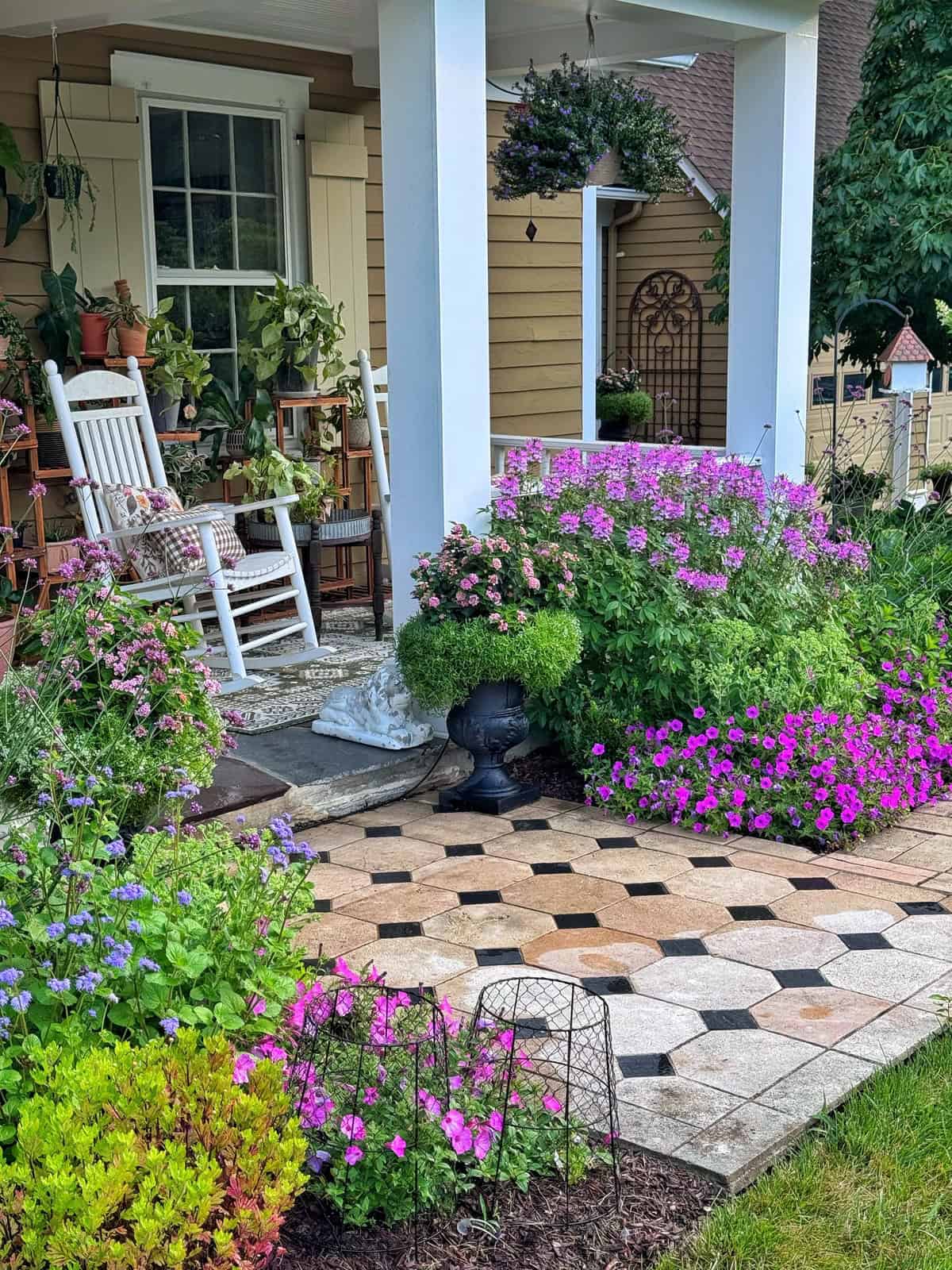
I Notice When My Efforts Are Paying Off
Reading the garden isn’t just about spotting problems.
It’s also about recognizing what’s working.
This spring, I used a little more Preen than I normally do in several ornamental beds to help suppress weeds before they had a chance to germinate.
Now that we’re well into summer, I’m seeing the payoff.
I’m spending far less time pulling weeds, which means I have more time to deadhead flowers, harvest vegetables, and simply enjoy being outside.
Those kinds of observations are important because they help shape future decisions.
When something works well, I want to remember it.
Gardening isn’t just trial and error.
It’s trial, observation, and improvement.
What My Garden Told Me: The work you do early in the season often determines how much work you’ll have later.
To learn more about how I reduce my garden maintenance tasks and manage so many beds, please visit the following guides:
- How I Use Mulch to Reduce Weeding, Watering and Garden Maintenance
- How I Manage So Many Garden Beds Without the Overwhelm
I Look Beyond Individual Plants
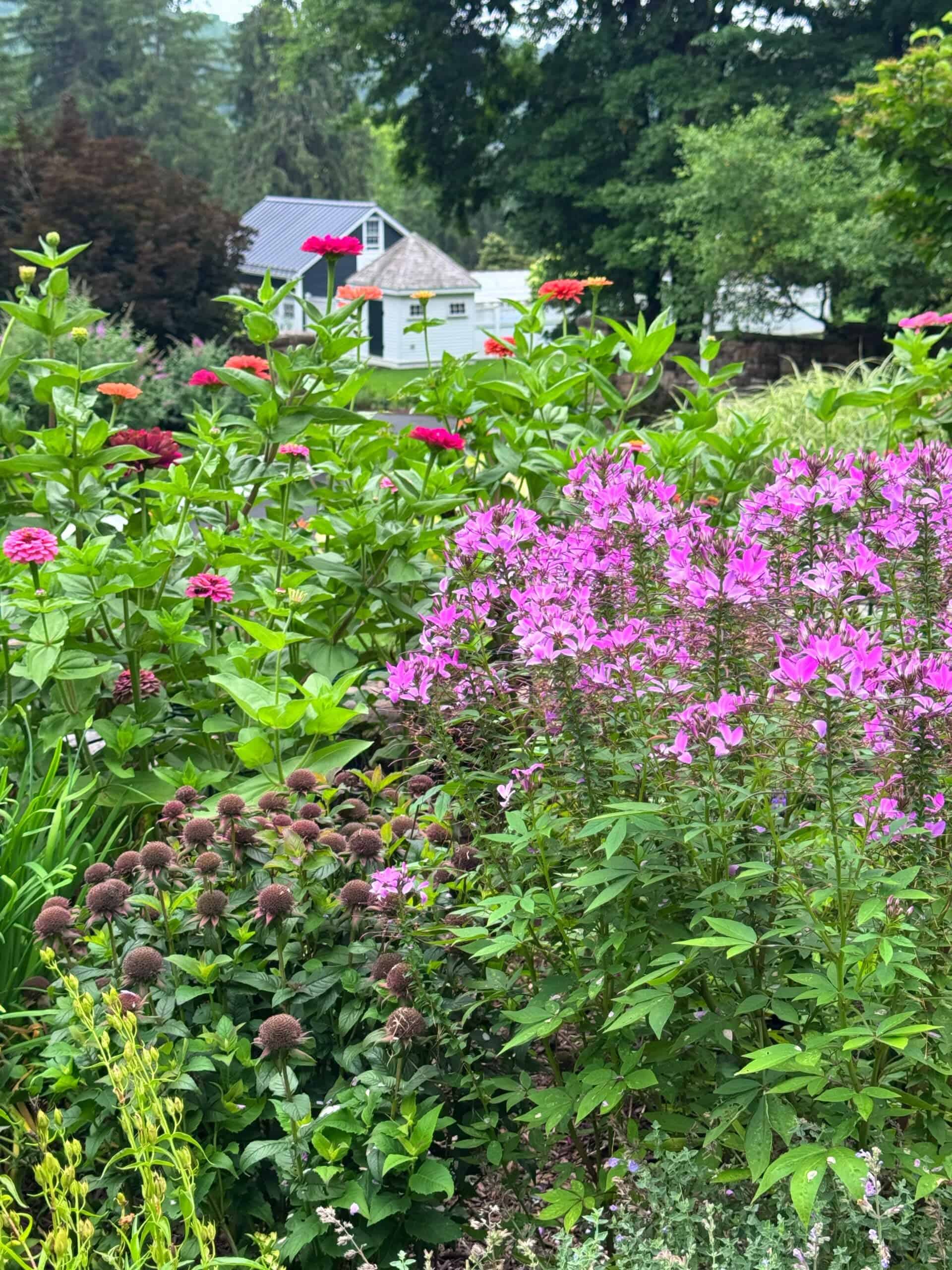
Sometimes I’m not looking at a single flower.
I’m looking at the entire border.
One shrub can completely change the way a garden feels.
Earlier this year, one of my ninebark shrubs developed a problem that could have easily thrown off the balance of the entire planting.
Instead of removing large sections or replacing the shrub altogether, I spent several hours carefully pruning it one branch at a time.
It wasn’t glamorous work but rather, required patience.
But preserving that shrub helped maintain the structure of the border, and today the garden still feels cohesive and full.
That’s something I’ve learned over time.
Every decision affects the overall picture, not just one plant.
What My Garden Told Me: Sometimes the slower solution creates the most beautiful result.
To learn more about what happened to my ninebark shrub this spring and how I took care of it, please visit How to Treat Scale on Ninebark
I Stay Flexible When the Garden Doesn’t Go According to Plan
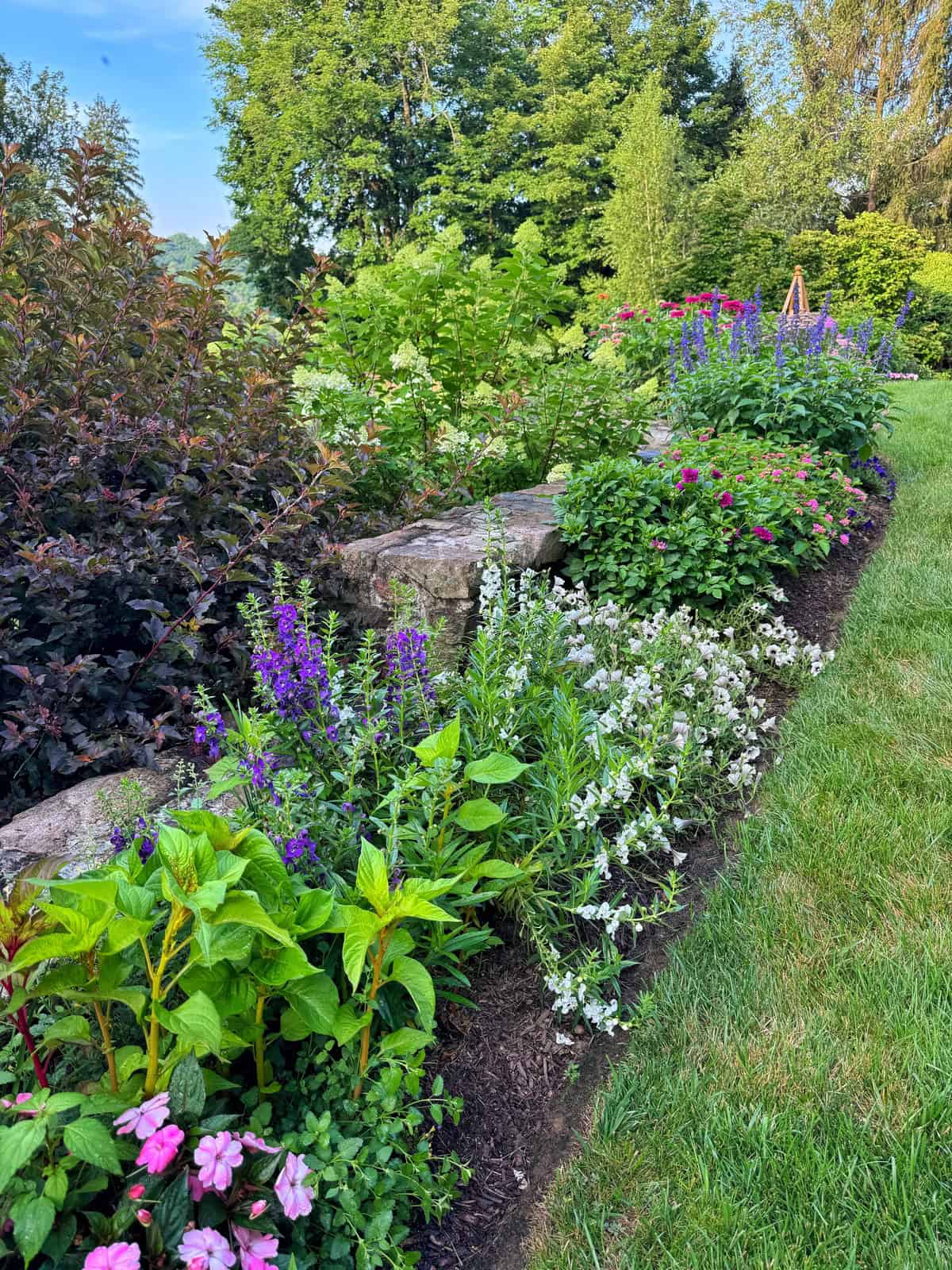
If gardening has taught me anything, it’s that every season comes with surprises.
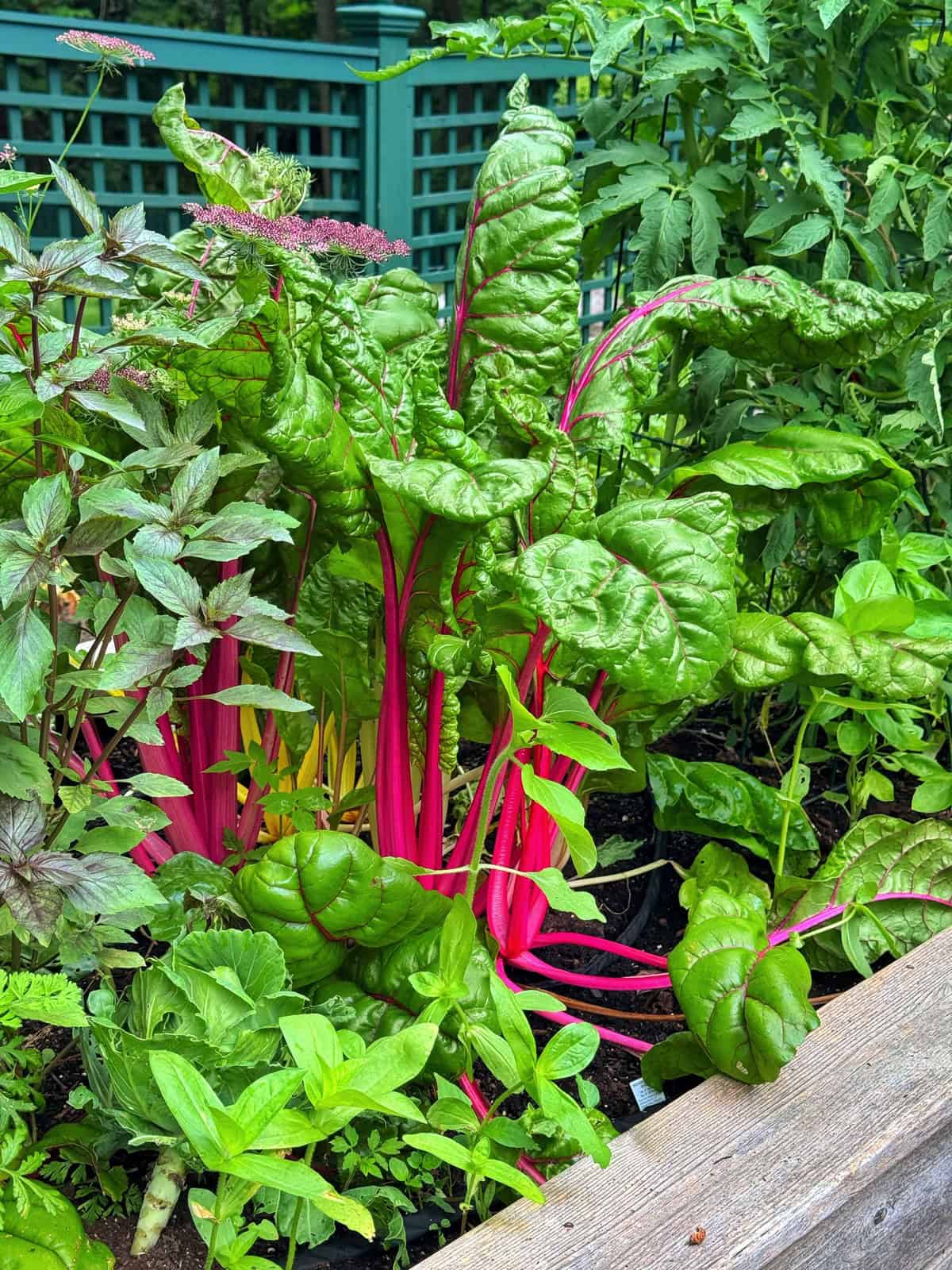
This year, a determined groundhog found its way into my potager garden, where I grow vegetables alongside flowers.
It completely devoured my leafy greens and left several beds looking sparse. Between the plants it ate and the digging it did, my carefully planned kitchen garden suddenly had empty spaces.
For a moment, I considered heading to the nursery to buy flowering annuals to fill the gaps.
Instead, I paused.
After moving a few plants around, I looked through my seed collection and found packets of zinnias and sunflowers. I direct sowed them into the open spaces instead.
It saved me money and allowed me to work with what I already had.
As they’ve grown, I’ve realized something else.
I’m not sure I love the final result.
Some of those flowers may come back out because they aren’t creating the look I originally imagined.
And that’s okay.
Gardens are living spaces, not static displays. Sometimes the best lesson isn’t whether something survived. It’s whether you’d make the same choice again.
Even though the potager looks different than I planned back in spring, it’s still doing exactly what I hoped it would do. I’m harvesting vegetables, cutting flowers for bouquets, supporting pollinators, and spending time in one of my favorite places on the property.
It doesn’t have to look exactly as I imagined to be a successful garden.
What My Garden Told Me: A changed plan isn’t a failed plan. Sometimes the best gardens are the ones that evolve.
To learn more about my potager and kitchen garden, please visit the following guides:
- Potager Gardens: How to Create a Beautiful, Productive Kitchen Garden
- How My Kitchen Garden Has Changed
- How I Plan My Kitchen Garden
I Ask One Simple Question
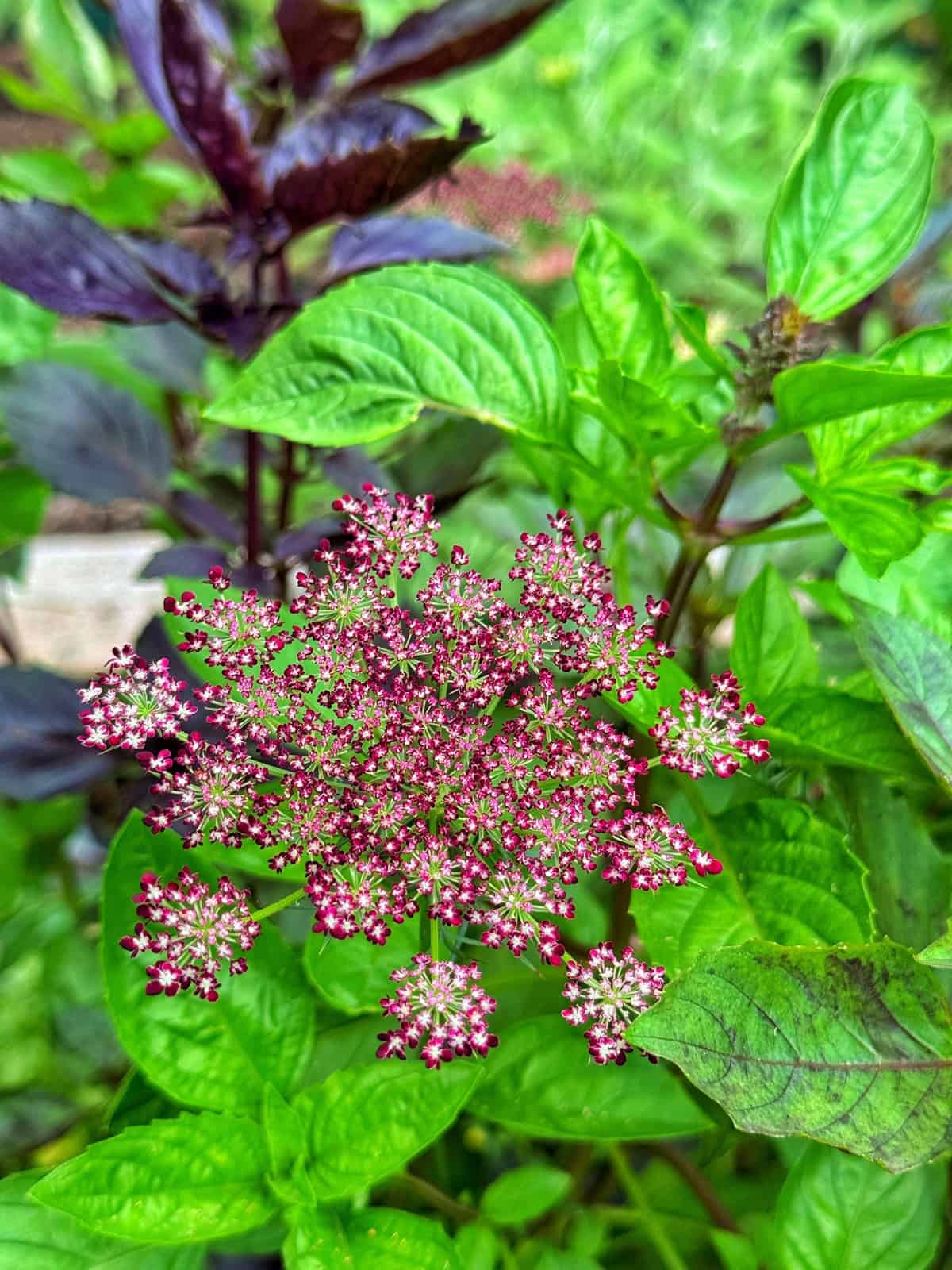
Whenever I notice something unusual, I stop and ask myself one question.
Why?
Why is this plant struggling and this one thriving?
How did the deer skip this bed?
Why are these flowers blooming longer?
Why is one container drying out faster than another?
The answers help me become a better gardener every season.
Instead of reacting immediately, I try to understand what my garden is telling me first.
Curiosity has made me a better gardener than any tool I’ve ever purchased.
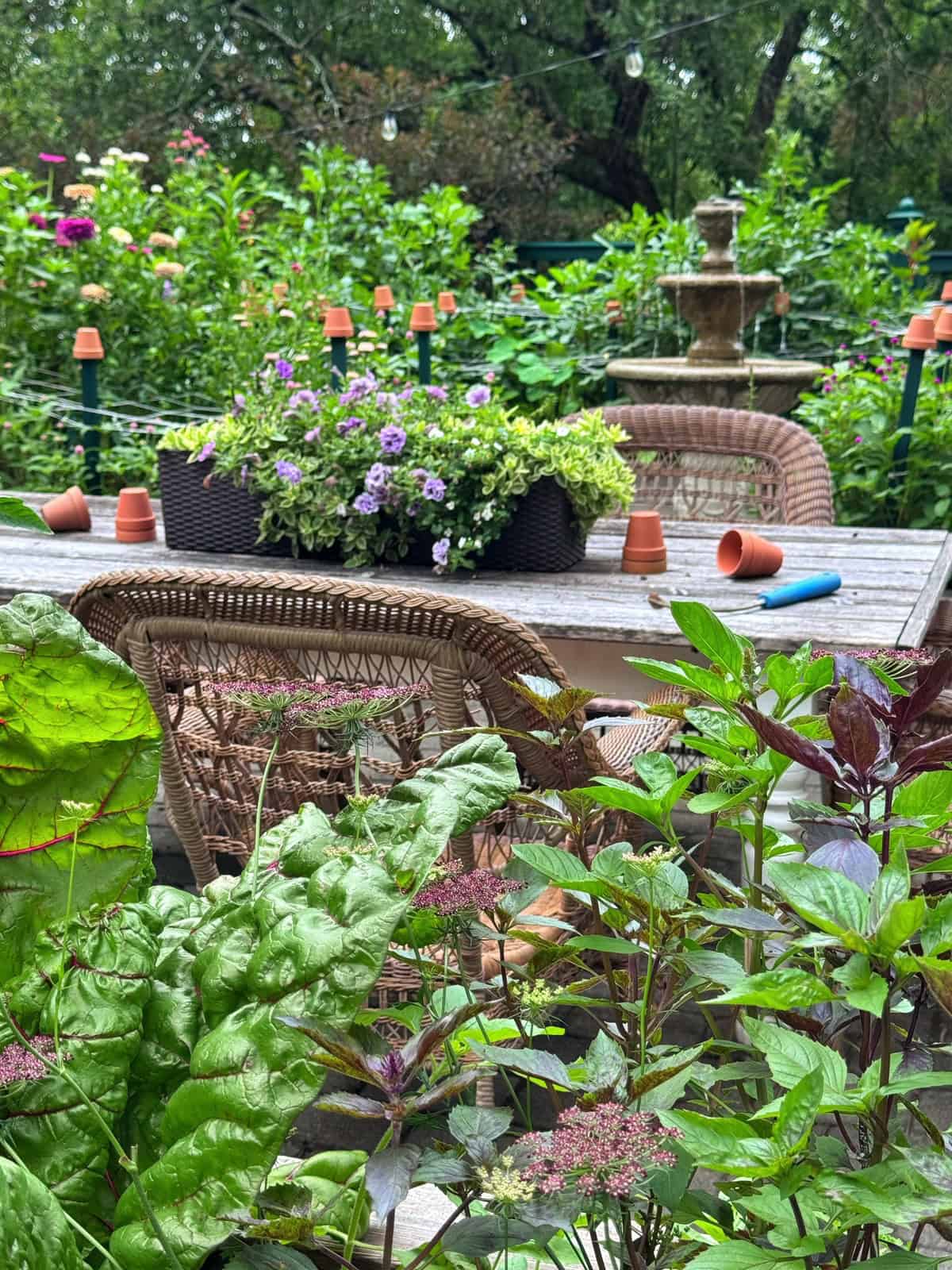
I Decide What Needs Attention…and What Doesn’t
One of the hardest lessons to learn is that not everything needs fixing.
Some flowers benefit from deadheading because they’ll continue producing blooms for weeks or even months.
Others are better left alone so they can reseed naturally, provide food for birds, or add winter interest to the garden.
Some plants simply need more time.
Others have already finished their seasonal show.
Knowing the difference comes from observation.
The more I pay attention, the easier it becomes to recognize when to step in and when to simply let nature do what it does best.
What My Garden Told Me: Sometimes the best thing you can do for your garden is nothing at all.
To learn more about how I deadhead flowers and the blooms I skip, please visit my complete guide to deadheading flowers here.
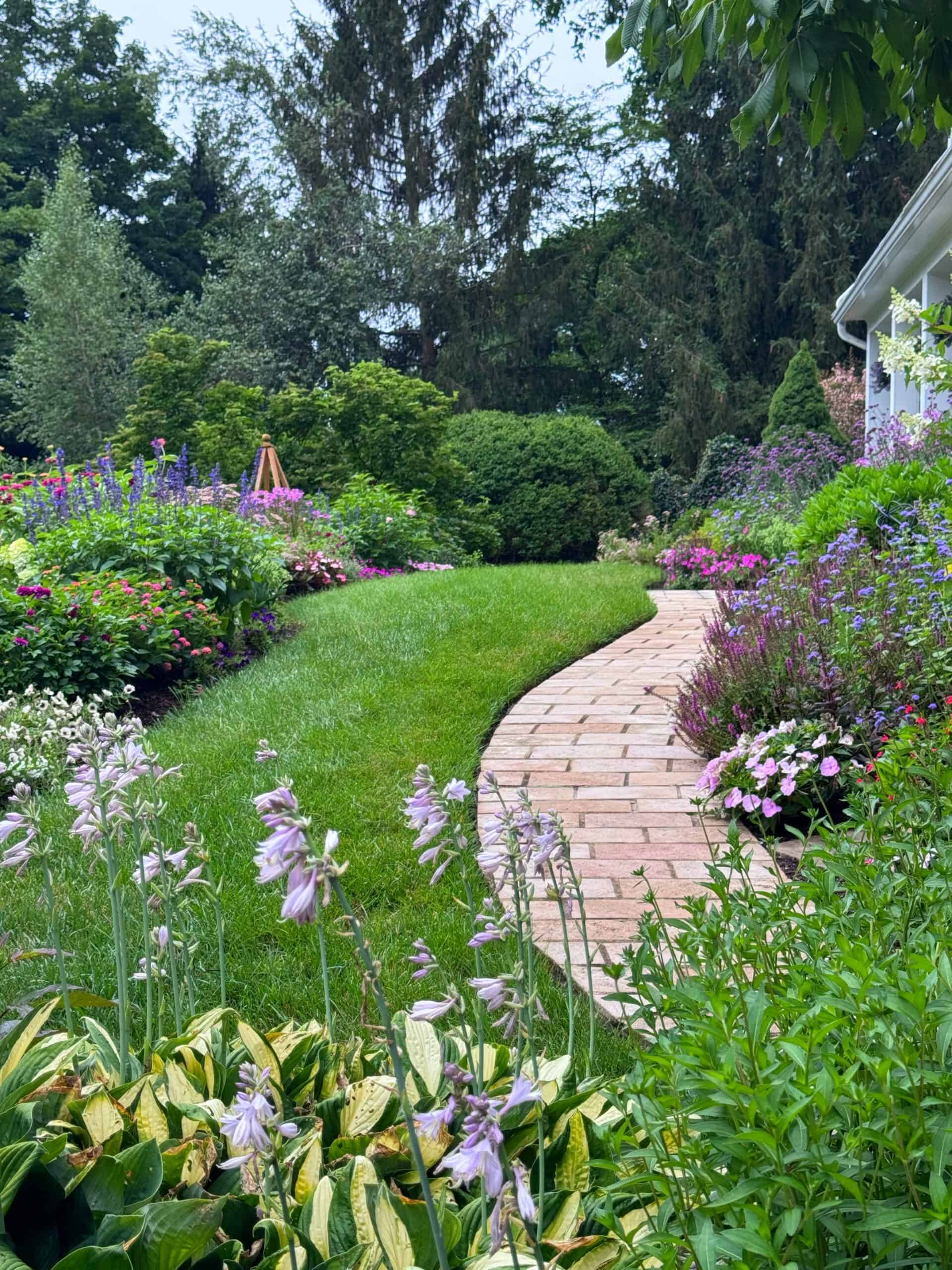
I Take Notes for Future Me
Every walk through the garden teaches me something.
Maybe I want to move a perennial this fall or a color combination didn’t work the way I envisioned.
After a morning stroll I may notice that I need more salvias in one bed or fewer annuals in another.
Or maybe a shrub deserves another companion plant.
I don’t try to remember all of those ideas.
I write them down.
Those notes become next season’s plan, and each year the garden gets a little better because I’m building on what I’ve already learned. This is the garden planner that I use.
To read more about why I use a garden planner yearly, please visit the essential garden planner: track, learn, and grow your best garden yet.
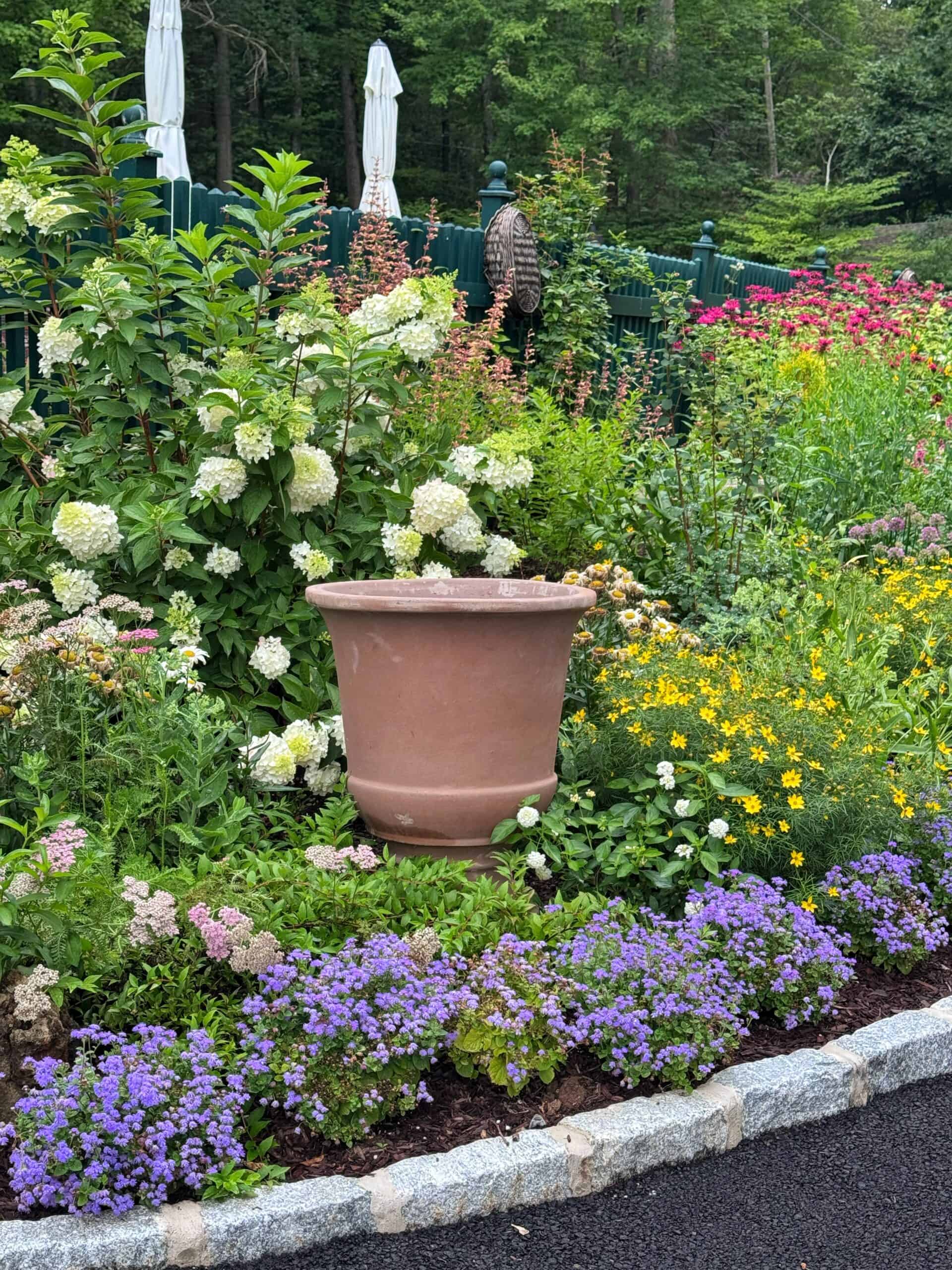
Want to Garden Alongside Me?
One of the reasons I love sharing my gardens online is because every season teaches me something new. Over the years, I’ve gathered those lessons into resources that help gardeners create beautiful, lower-maintenance landscapes with more confidence.
If you’d like to dive deeper, here are three of my favorite resources:
Bricks ‘n Blooms Guide to a Beautiful and Easy-Care Flower Garden
If you’re looking for practical advice on designing a flower garden that’s both beautiful and manageable, this book walks you through everything from choosing the right plants to creating gardens that thrive with less work.
Bricks ‘n Blooms Beautiful and Easy-Care Flower Garden Planner
Every great garden starts with a plan—and gets even better when you keep notes from season to season. This planner is the same approach I use in my own garden to record what worked, what didn’t, and what I want to change next year.
Filling Your Home with Life: A No-Fail Guide to Styling Your Home with the Perfect Plants
The garden doesn’t stop at the back door. My newest book will help you confidently choose, grow, and style houseplants so you can enjoy the beauty of plants indoors, too.
→ Order Filling Your Home with Life
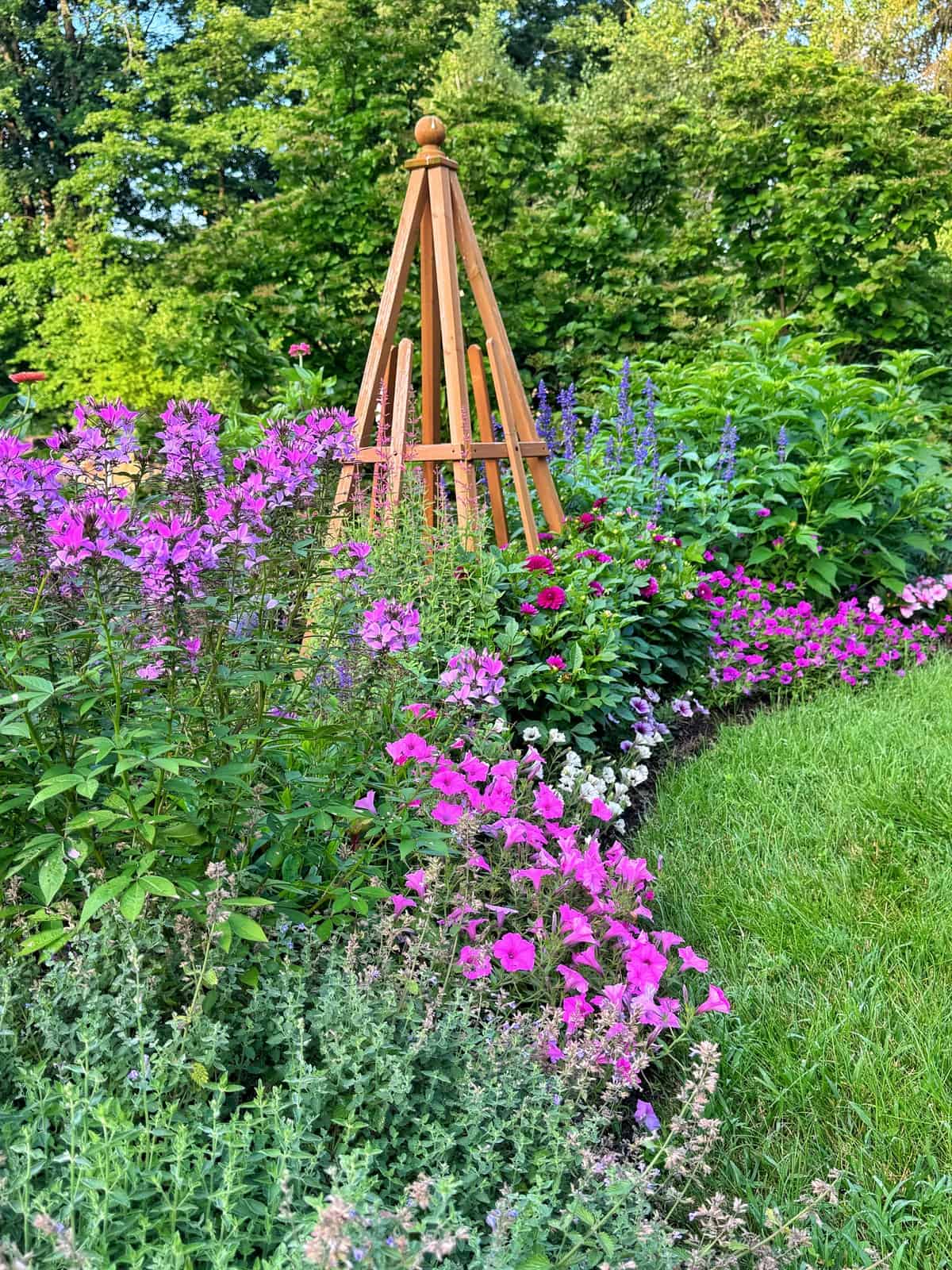
The Garden Is Always Talking
One of the greatest joys of gardening is realizing that the learning never stops.
Every season brings different weather, different challenges, and different surprises.
Some years the hostas steal the show.
Other years they’re still recovering from a late freeze.
Some years wildlife changes your entire planting plan.
And in others, a little extra weed prevention gives you back hours of your summer.
The garden is always telling us something.
The more closely we observe, the more confident we become—not because we’ll prevent every problem, but because we’ll understand how to respond when they happen.
So tomorrow morning, before you reach for your pruners or your trowel, take a slow walk through your garden.
You might be surprised by what it’s trying to tell you.
Thank you for visiting the blog today!
Enjoy your day! xo

Originally Published .

First I’ll share I’m loving your blog! Great info, reminders and solutions. As long time gardeners 50 years we know every year is a different experience. Some exemplary booms, some fails, some problems that simply need a change. And then there’s redesign urges and scaling down because now in our 70s we can’t so it on the scale we once did. I was thinking this morning on our coffee stroll to check how things are doing as we also do every morning even in the snow cover; how as we age our life gets a bit smaller, but our bodies have gotten bigger😊. Even though we take care of ourselves 🤔. Maybe it’s natures balance. This years problem is my clematis which wowed us in June have now succumbed to verticillium wilt. UGH! We’re in zone 6 in PA
Oh no!!! What a shame…what variety of clematis is it?