
How I Control Japanese Beetles Naturally in My Garden

How I control Japanese beetles naturally in my garden using proven methods that reduce damage without harming pollinators or plants.
Japanese beetles used to absolutely devastate my gardens every summer.
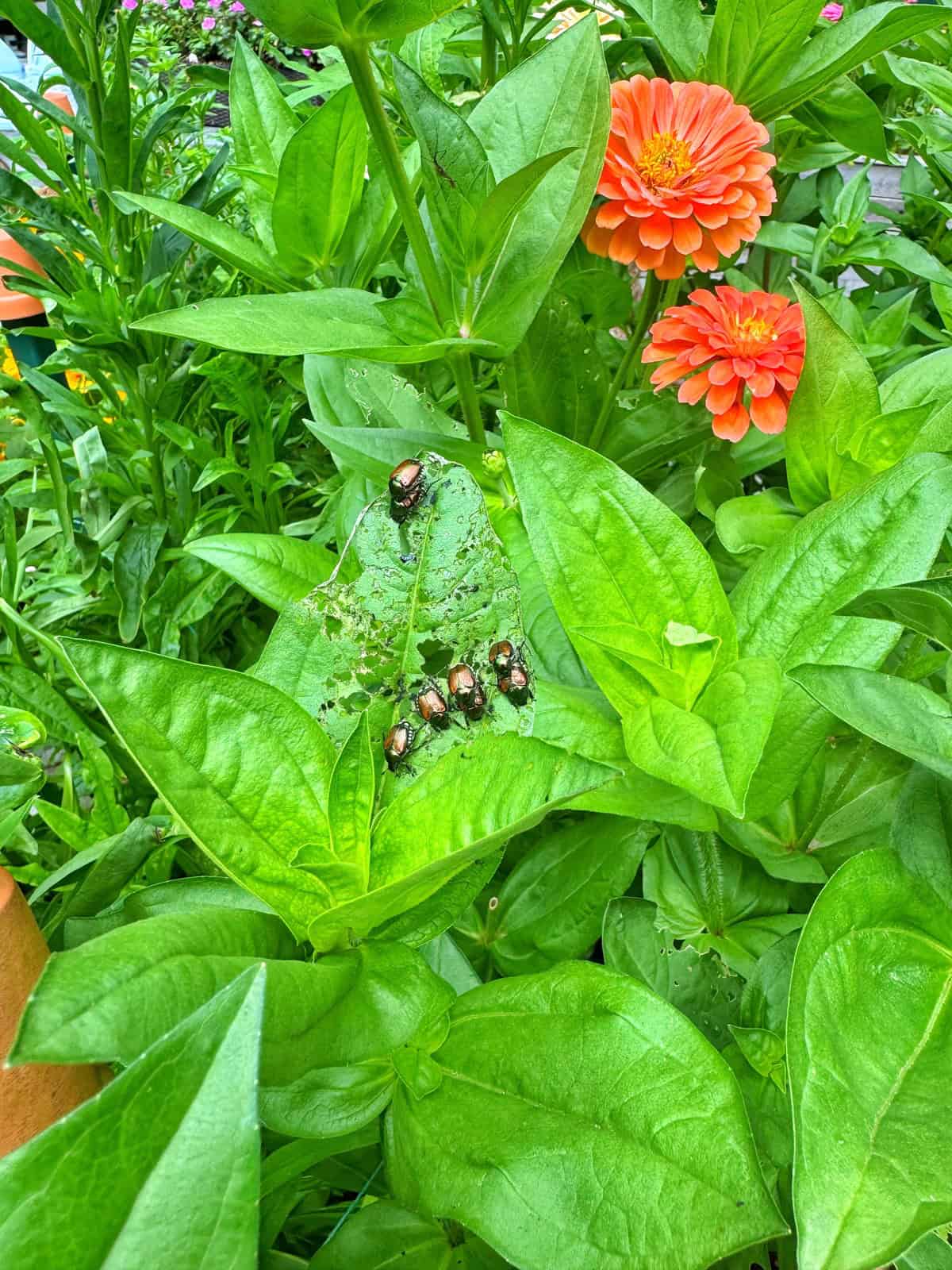
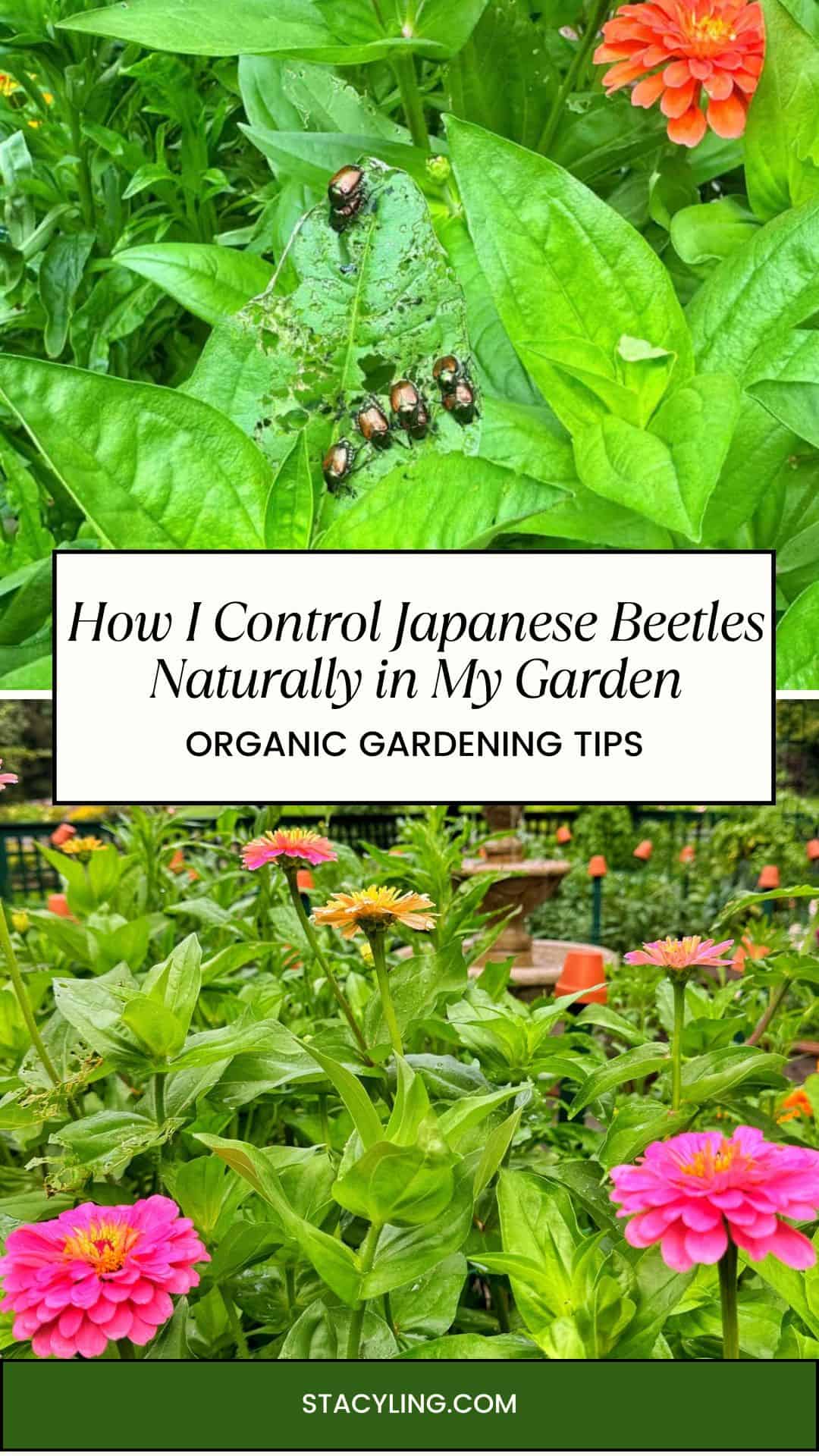
They skeletonized my roses, destroyed raspberry foliage, and completely overtook plants I had spent years nurturing. At my former home, the infestation was so bad that I would walk outside and find multiple beetles piled on a single leaf. It was disgusting.
Like most gardeners, I tried all the usual recommendations. Pheromone traps. Buckets of soapy water. Constant hand-picking in the middle of July heat.
Some methods helped temporarily, but nothing truly reduced the overall population long term.
Then while studying through the Rutgers Master Gardener program, I learned something that completely changed the way I approached Japanese beetle control naturally.
And after using this method first in my former half-acre garden and now again on our much larger property in New Jersey, I can honestly say it made a significant difference.
Do we still get Japanese beetles? Absolutely. There’s really no way around that.
But compared to the massive damage we had when we first moved in, the reduction has been dramatic.
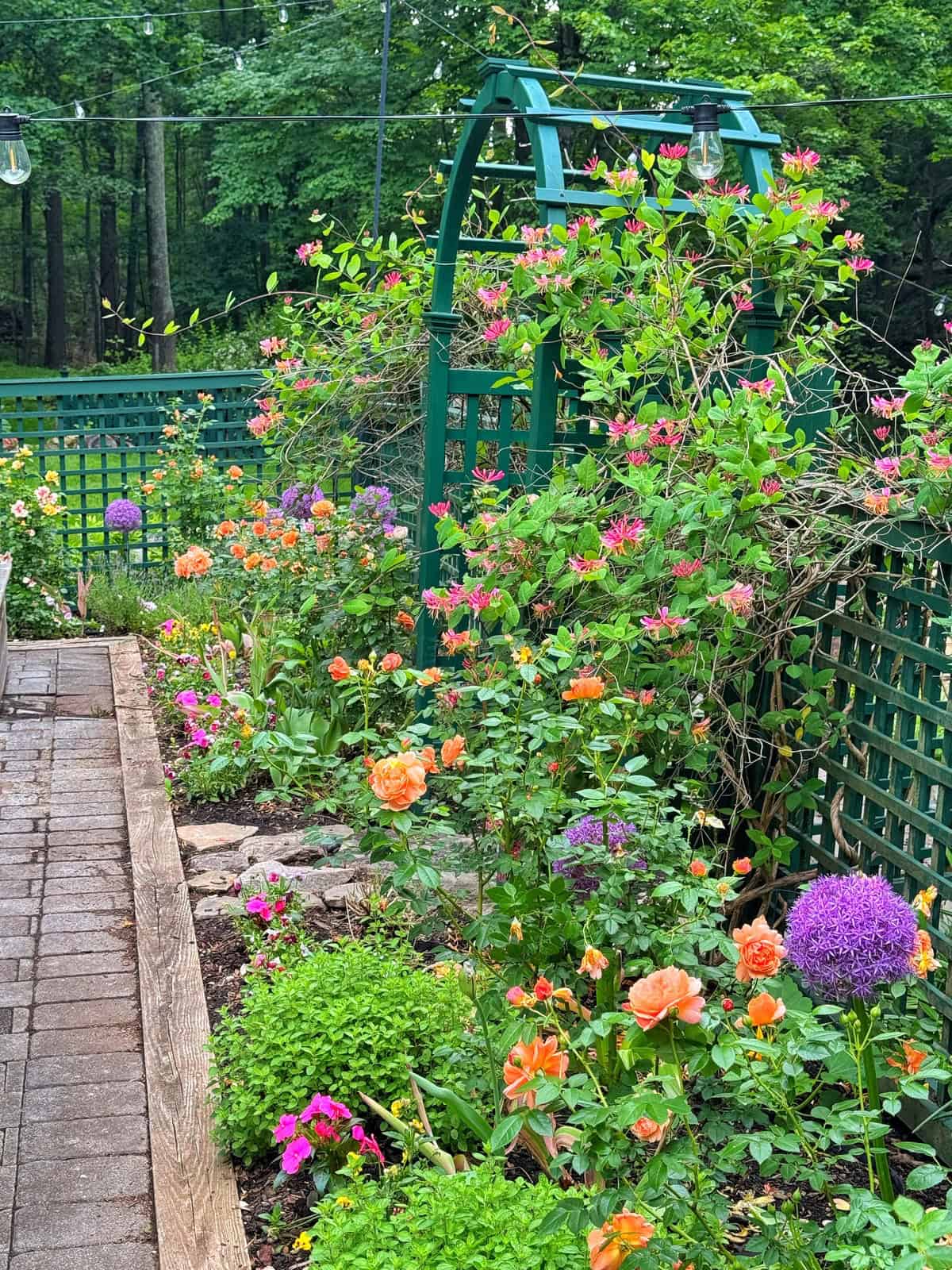
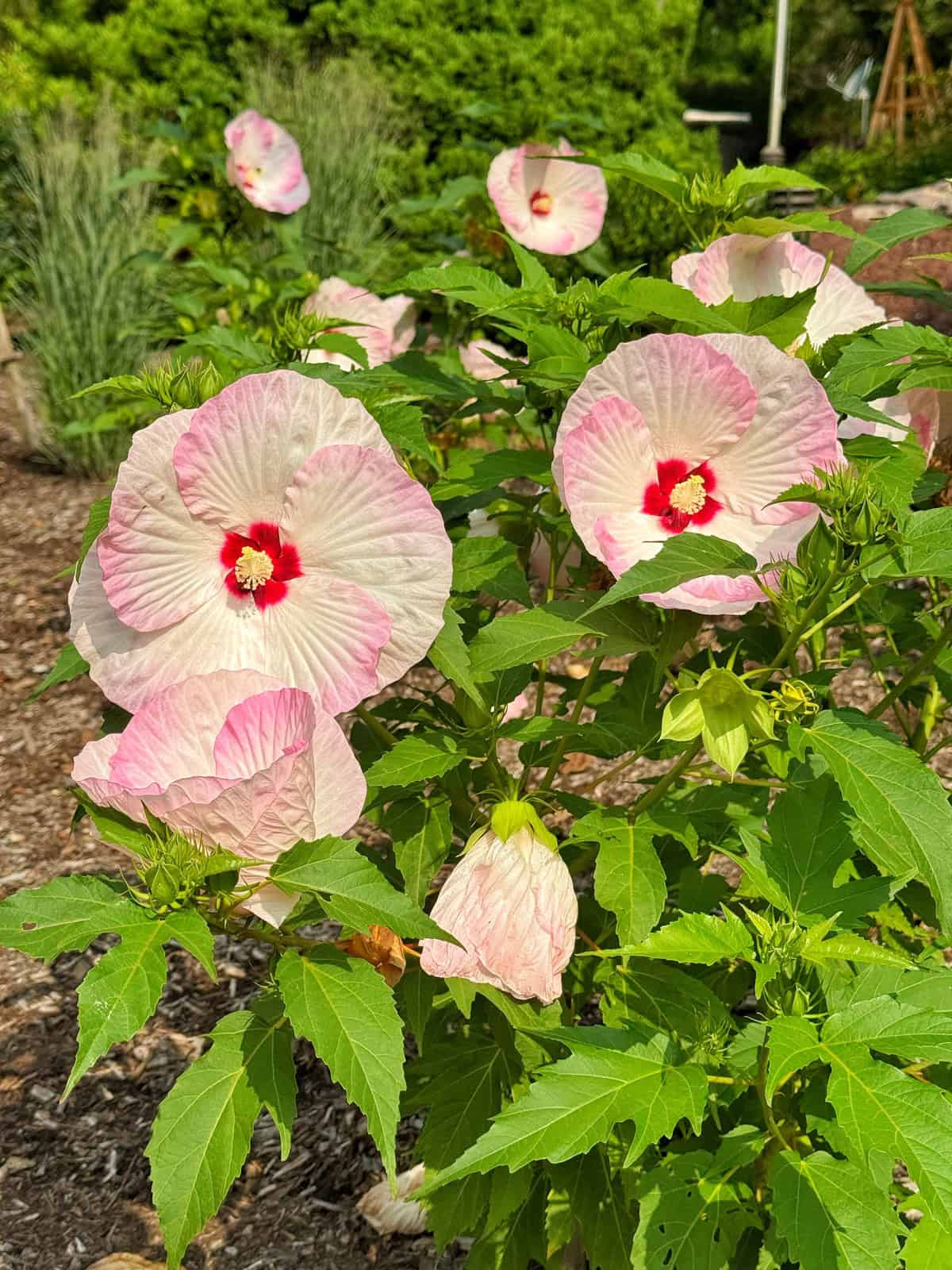
The plants I see Japanese beetles attack the most in my own gardens are roses, zinnias, hardy hibiscus, and raspberries. During our first summer here, the damage on my hardy hibiscus border was especially bad. The foliage looked terrible and the sheer number of beetles was honestly gross.
That’s when I decided to implement the same long-term organic approach that worked so well for me at our former home.
And thankfully, it’s working here too.
(Posts on stacyling.com may contain affiliate links. Click HERE for full disclosure.)
Why Japanese Beetles Are So Difficult to Control
One of the biggest misconceptions about Japanese beetles is that there’s a quick fix. In my experience, there really isn’t.
Japanese beetles have a lifecycle that makes them incredibly difficult to manage because the adults feed on garden plants while the larvae, or grubs, develop underground in lawns and turf areas.
So even if you eliminate beetles on your plants today, more can emerge tomorrow. And to make things even more frustrating, they can fly in from neighboring properties too.
That’s why I stopped looking for a “one spray fixes everything” solution years ago and started focusing on reducing the overall population naturally over time instead.
What Didn’t Work for Me
Before learning about this long-term approach, I tried just about everything.
Pheromone Traps
Pheromone traps filled up quickly, which initially made me think they were working. But the reality is they were attracting even more beetles into the garden.
The traps may capture some beetles, but they also lure additional ones directly to your property. So while you feel productive hanging them up, you may actually be increasing pressure on nearby plants.

Buckets of Soapy Water
I also spent years walking around with buckets of soapy water knocking beetles off leaves almost daily. And while that can temporarily reduce damage, it’s exhausting to maintain during peak beetle season.
Back then, I felt like I was constantly reacting to the problem instead of actually reducing it.
If you prefer a more balanced approach to pest management that protects pollinators and beneficial insects too, check out my guide to organic pest control for flower gardens here.

The Rutgers Study That Changed My Approach
While studying lawn care management through the Rutgers Master Gardener program, I learned about research conducted through Rutgers Cooperative Extension involving different turf grass varieties and drought tolerance.
But one of the most interesting takeaways had nothing to do with drought.
Researchers found that Japanese beetles were less likely to lay eggs in Tall Fescue lawns compared to shallower-rooted turf types like Kentucky Bluegrass and some ryegrass blends.
Tall Fescue develops a much deeper root system, which improves drought tolerance, but it also appears to create less favorable conditions for Japanese beetle egg laying.
That information completely changed how I thought about managing Japanese beetles organically. Because instead of constantly fighting the adult beetles every summer, the goal became making my property less attractive to them in the first place.
And seriously? That shift made all the difference.
How Overseeding With Tall Fescue Helped Reduce Japanese Beetles
At our former home, I began overseeding the lawn with Tall Fescue in late summer and continued again the following spring.
The first year, I noticed fewer beetles in the garden. By the second year, the difference was significant. The infestation that once covered my roses and raspberries became much more manageable.
Now at our current home, I’ve implemented the same strategy again after seeing heavy Japanese beetle damage during our first summer here, especially on the hardy hibiscus border.
Because this property is much larger than our former half-acre lot, it’s taking longer to fully transition the lawn and reduce the overall population. But we’ve already seen a major improvement.
Do we still get Japanese beetles? Of course. There’s no completely eliminating them.
But there are far fewer than when we first moved in, and I’m no longer watching entire plants get destroyed overnight.
My Experience Using Milky Spore
In addition to overseeding with Tall Fescue, I also started applying Milky Spore with the applicator at our current home.
Milky Spore is a naturally occurring bacteria that targets Japanese beetle grubs in the soil. Like Tall Fescue overseeding, this is not an overnight fix. It takes time.
And it takes time, not just in how it works, but I also found it takes time when applying it. That said, it’s not something we need to apply yearly so the time spent doing that application is well worth it in the long run.
But in my experience, combining both approaches has helped significantly reduce pressure in the garden over time.
And I prefer this slower long-term approach over repeatedly spraying pesticides throughout summer. Especially in a garden filled with pollinators.
How I Manage Japanese Beetles Naturally Now
These days, I focus on reducing overall beetle pressure instead of trying to completely eradicate them.
My approach includes:
- Overseeding with Tall Fescue
- Applying Milky Spore
- Early season neem oil application before beetles arrive (usually in early June)
- Hand-picking beetles when populations spike
- Avoiding pheromone traps
- Supporting pollinators and beneficial insects
- Accepting that some seasonal damage is inevitable
That last one took me years to learn. Gardening became much less stressful once I stopped expecting perfection.
And while I still occasionally knock beetles into a bucket of soapy water during heavy outbreaks, I no longer spend my summers obsessively battling them every single day.
If you want to learn more about creating a healthier, more resilient flower garden naturally, check out my guide to organic flower gardening methods here.
My Organic Approach to Pest Control in the Flower Garden
Over the years, one of the biggest mindset shifts I’ve made in gardening is moving away from trying to completely eliminate every pest problem. That approach usually leads to frustration, excessive spraying, and a garden that feels out of balance.
Instead, I focus on building a healthier ecosystem overall and reducing pest pressure naturally over time.
That means encouraging pollinators and beneficial insects, improving soil health, choosing resilient plants, and using targeted organic methods only when truly necessary.
Japanese beetles are just one part of that bigger picture.
If you want to learn more about the organic methods I use throughout my flower gardens to manage pests naturally while still protecting pollinators, beneficial insects, and the health of the garden overall, read my complete guide to organic pest control for flower gardens here.
Japanese Beetles on Zinnias
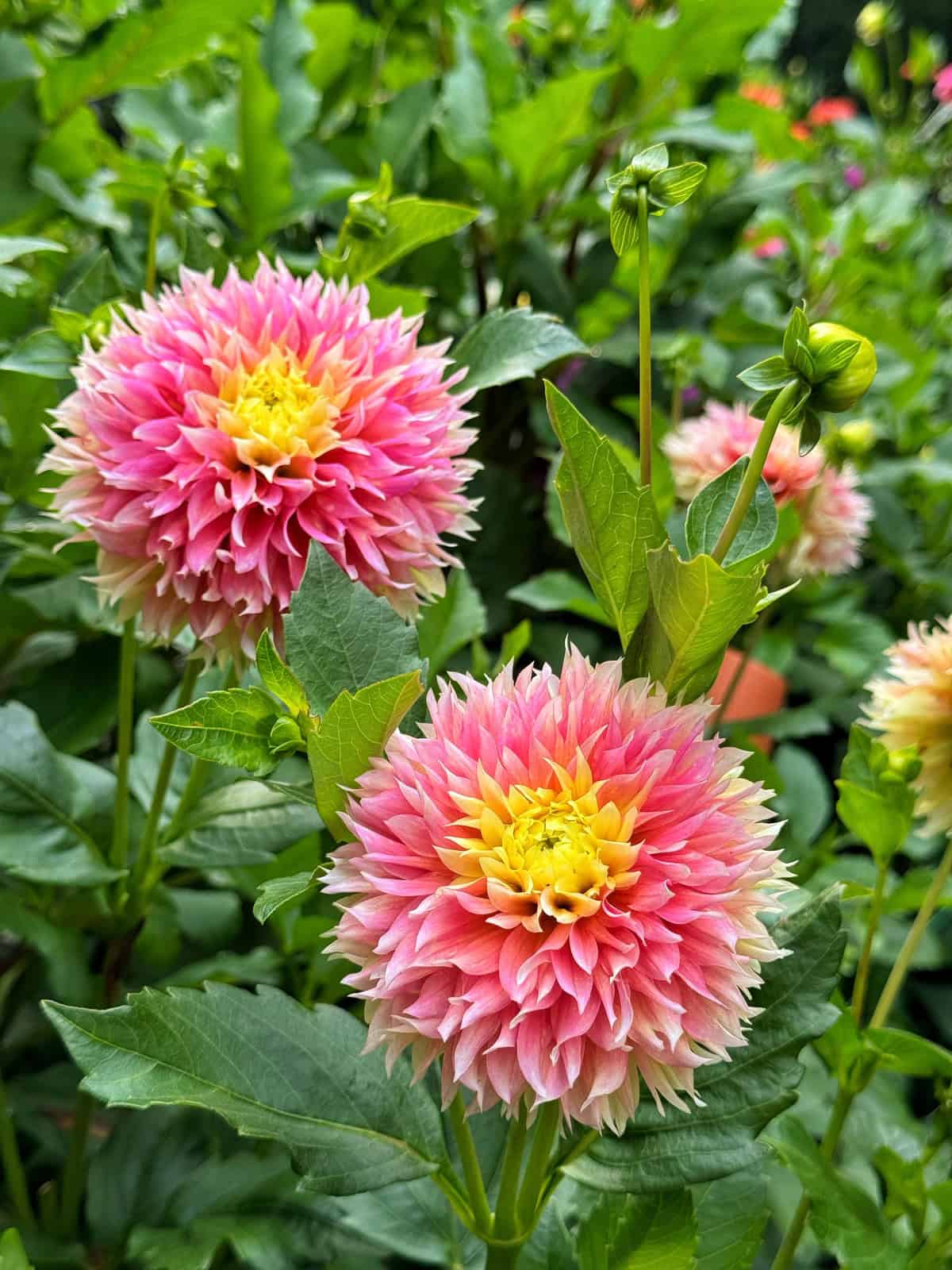
One plant that Japanese beetles absolutely love in my garden is zinnias. And because zinnias are such important flowers in my summer cutting garden, protecting them became a major priority for me.
Over the years, I’ve learned a few simple strategies that help reduce damage while still keeping the garden pollinator friendly.
If Japanese beetles are destroying your zinnias too, read my full guide on how I protect zinnias from Japanese beetles here.

Plants Japanese Beetles Damage Most in My Garden
Over the years, I’ve noticed Japanese beetles consistently target the same plants in my gardens. The worst damage usually happens on:
Roses and zinnias especially seem to attract them quickly once summer heat kicks in.
If you grow roses too, you may also enjoy my guides on growing healthy roses naturally and creating a low-maintenance flower garden that works with nature instead of against it.
Gardening Is Easier When You Stop Chasing Perfection
One of the biggest shifts in my gardening happened when I stopped fighting every single garden problem and started building a more resilient, low-maintenance garden instead.
That whole mindset is really the foundation of my book, The Bricks ‘n Blooms Guide to a Beautiful and Easy-Care Flower Garden. If you’ve ever felt overwhelmed by pest problems, plant choices, or trying to figure out what actually works long term, this is exactly the approach I walk through in the book. It’s filled with plant combinations, garden design ideas, and the easy-care methods I use in my own gardens. Grab your copy here.
And this is also the kind of thing that’s incredibly helpful to track year after year.
When Japanese beetle pressure spikes, when treatments were applied, what plants suffered most, and what strategies actually worked are all things worth documenting because otherwise it’s surprisingly easy to forget from season to season.
That’s exactly why I created my Bricks ‘n Blooms Beautiful and Easy-Care Flower Garden Planner. It’s the system I use to track plant performance, seasonal garden challenges, and what I want to improve each year so I’m not starting from scratch every spring. Take a look here.

Final Thoughts on Controlling Japanese Beetles Naturally
After dealing with Japanese beetles for decades in two different New Jersey gardens, I’ve learned there’s rarely one perfect solution.
The biggest improvements came when I stopped chasing quick fixes and started focusing on long-term garden balance instead.
For me, that meant changing the lawn composition, improving the ecosystem in the garden, reducing pesticide use, and accepting that some beetle activity is simply part of summer gardening.
But the difference between then and now is huge.
I’m no longer watching Japanese beetles completely devastate my roses, raspberries, zinnias, and hardy hibiscus the way they once did.
And that alone has made the long-term approach completely worth it.
Thanks for stopping by the blog today!
Enjoy your day! xoxo

Originally Published . Last Updated .

Great post, Stacy! We have known about milky spore but the tall fescue sounds faster than the milky spore with immediate benefits. Will give this a try!
Thank you Leslie! I’m glad you found it helpful – it works extremely well!
Stacy,
We really need this information. We are going to try this technique to get our lawn looking better and hopefully getting rid of those pests. . Thanks so much for sharing!
Thanks Rachel – it is a very effective long-term strategy. I’m planning to do it here this fall.
Wow! I never knew that. I always learn something from you. Your gardens are beautiful.
Thanks so much Renae! Looking forward to seeing you soon!
I just saw this article – thank you for this information. I had to look up the Japanese beetle, and have actually seen a few of these in my yard. Down here in north central Texas we have lots of june bugs, who also lay eggs that hatch out as grubs and can destroy a lawn quick-like! I do not like using chemicals that can leach into the ground. Folks in our area have livestock and we know eventually the chremicals will reach pastures and feeding areas. We laid zoysia sod last year, that is really struggling in the summer heat. That and the grubs are doing their best to do away with our grass!
They sound tough to deal with! We don’t have them here in NJ. Grubs are so destructive to the lawn right?
Hi Stacy, the applicator for Milky Spore is no longer available at Amazon. Do you have another source for this item?
Thank you for such an informative article. I’ve increased the number of roses in my garden and went a little overboard with zinnias. So I am preparing for the inevitable.
I’m so glad you found it helpful – here is another one and I’ll update the post with it. Thank you for letting me know – it must have sold out. (affiliate) https://amzn.to/4v65DyO
Your gardens are beautiful! The beds are so full and thick….how do you get in there to weed?
Thank you! As plants grow closer together there is much less weeding to do!