
How My Kitchen Garden Has Changed Over the Last Few Seasons

After years of growing vegetables and herbs, I share how my kitchen garden has evolved by blending food, flowers, and function over several seasons.
For most of my gardening life, I grew vegetables with one main goal in mind: productivity. I focused on healthy soil, companion planting, and reliable harvests, but I rarely thought about how the garden looked as a whole. Flowers lived elsewhere, and the vegetable garden existed purely as a working space.
That perspective began to shift when we moved here.
An old basketball court stood out immediately as the most promising place for a garden. It was sunny, partially enclosed, and already defined as its own space. Instead of treating it like another vegetable plot, I saw the potential to create a potager-style kitchen garden that blended vegetables, herbs, and flowers into one cohesive, functional space.
I did not have a finished vision right away. Over the last few seasons, this garden has evolved through observation, experimentation, and a lot of learning. Raised beds built by my husband, changing light patterns throughout the day, and the flow of flowers used for cutting all played a role in shaping how the space functions now.
This post is a look at how my kitchen garden has changed over time. It is about the transition from growing vegetables without regard to aesthetics to building a garden that balances beauty, productivity, and daily use. Each season has added clarity, and every year, the garden gets a little closer to what it is meant to be.
(Posts on stacyling.com may contain affiliate links. Click HERE for full disclosure.)
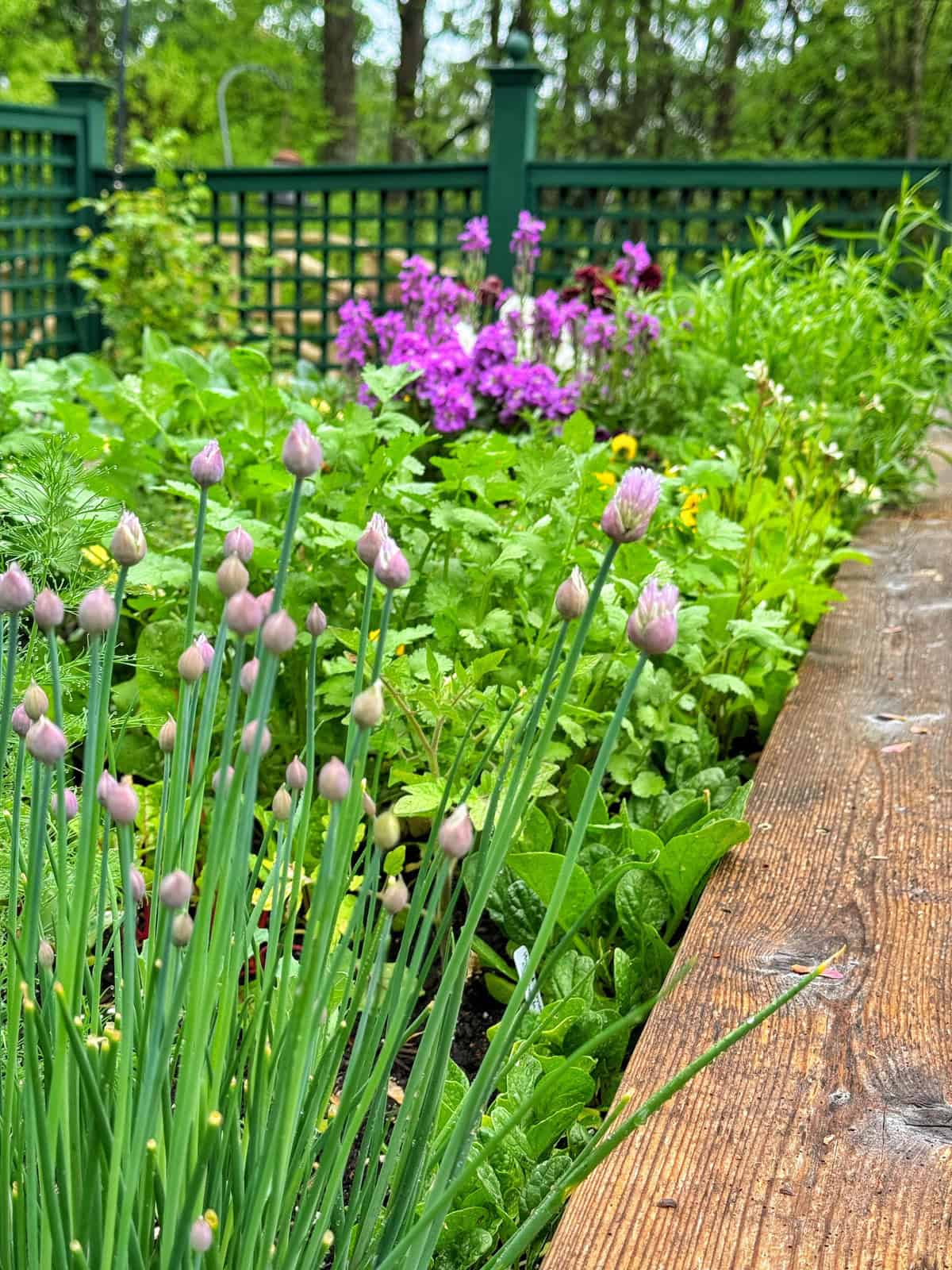
Before Moving Here: Growing for Productivity, Not Presence
Before we moved here, my vegetable garden served a very specific purpose. It was about feeding my family, using the space efficiently, and getting the most reliable harvests possible during a busy season of life. With young children at home, the garden needed to work hard and be practical above all else.
I grew vegetables, herbs, and flowers, but they lived in separate worlds. Vegetables were planted with spacing in mind, beds were laid out for access and efficiency, and success was measured by how much food came out of the garden. Companion planting played an important role, but it was used primarily as a functional tool rather than a design choice.
That approach made sense at the time. Life was full, schedules were busy, and the garden fit neatly into the margins of family life. It provided fresh food, moments outdoors, and a sense of accomplishment, even if it was not especially beautiful to look at.


As my children began to grow and leave the nest, my relationship with gardening started to shift. I found myself wanting more time in the garden, not just working in it. I wanted a space that invited lingering, one that felt calming and intentional rather than purely productive.
Looking back, those earlier gardens gave me a strong foundation. They taught me how to grow vegetables well, how to work with the seasons, and how to adapt when things did not go as planned. What they did not give me was a sense of presence or visual cohesion, and that realization helped shape how I wanted to grow as a gardener in this next chapter.

Seeing the Potential in This Space
When we moved here, the old basketball court immediately stood out. It was one of the few open, sunny areas on the property and already defined as its own space. Unlike a traditional garden tucked into a corner of the yard, this area felt contained and purposeful, even before anything was planted.
Instead of seeing it as an odd leftover feature, I saw possibility. The hardscape gave the garden structure, the partial enclosure offered protection, and the openness created an opportunity to design something that felt intentional rather than temporary. It did not feel like a place for rows of vegetables. It felt like a space that could become a garden room.
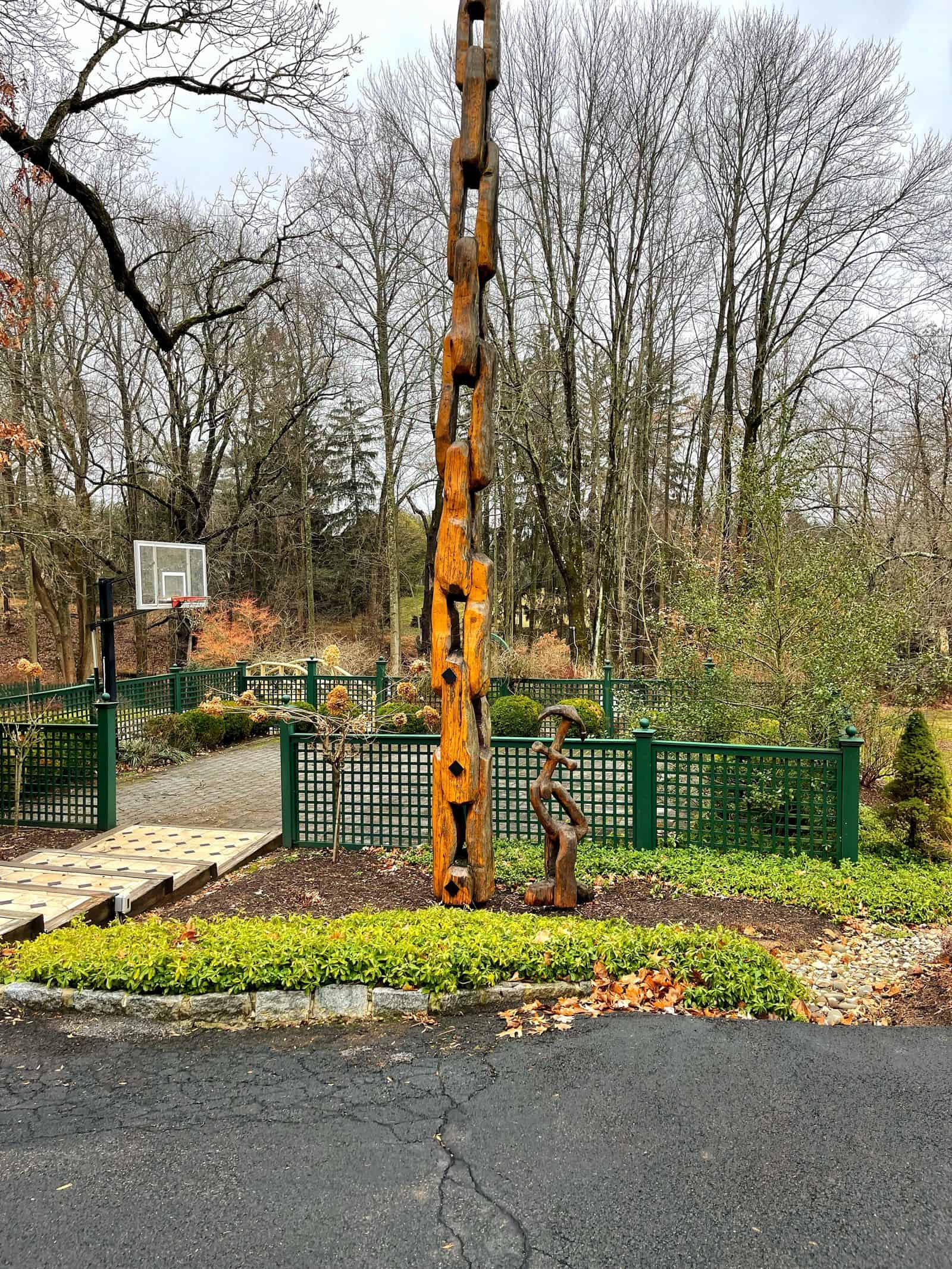
At the time, I did not have a clear plan for how vegetables, herbs, and flowers would all live together. What I did know was that this space deserved more than a purely functional approach. I wanted to create a kitchen garden that invited time and attention, one that felt just as enjoyable to sit in as it was to harvest from.
That realization shaped everything that came next. Instead of rushing to plant, I allowed the garden to develop slowly. The focus shifted from filling space to understanding it, and from maximizing output to creating a garden that felt balanced and welcoming throughout the season.

Learning the Space, the Structure, and the Flow of the Garden
2022 Growing Season
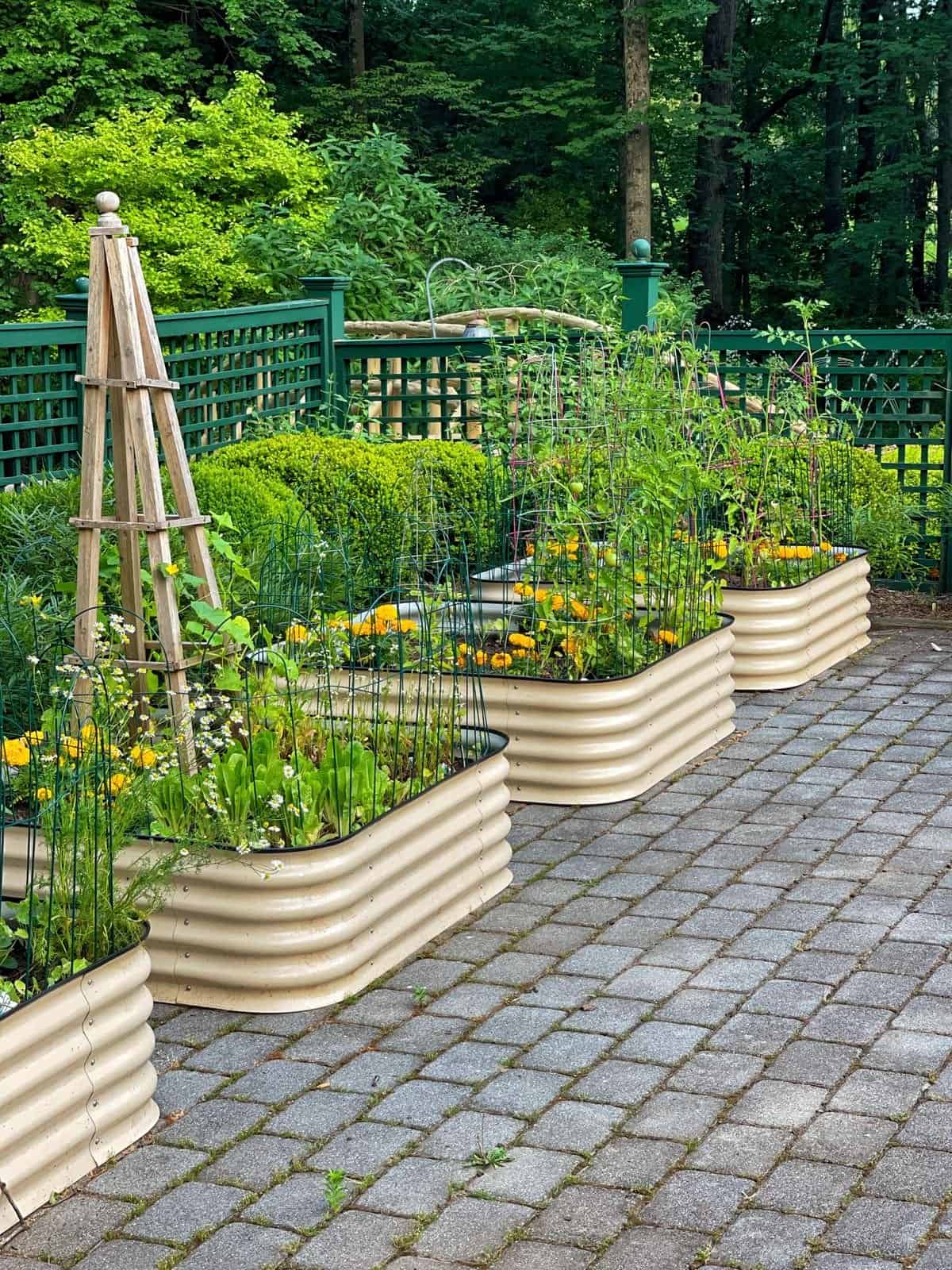
When we first moved here, I brought my corrugated metal raised beds with me, fully intending to use them in this space. They had worked well in my previous garden, and at the time, they felt like the easiest way to get planting quickly. That first growing season in 2022 taught me an important lesson. While the beds were functional, they did not feel right in this setting. Visually, they felt disconnected from the rest of the space and did not support the kind of garden I was beginning to imagine.

2023 Growing Season
At the same time, the boxwoods that surrounded the interior of the garden had clearly seen better days. They were overgrown, tired, and no longer contributing anything meaningful to the space. In 2023, I made the decision to pull them out entirely and replant the area with shrub roses, choosing At Last and Ringo for their structure, bloom, and overall garden presence. That change alone softened the space and immediately made it feel more intentional.
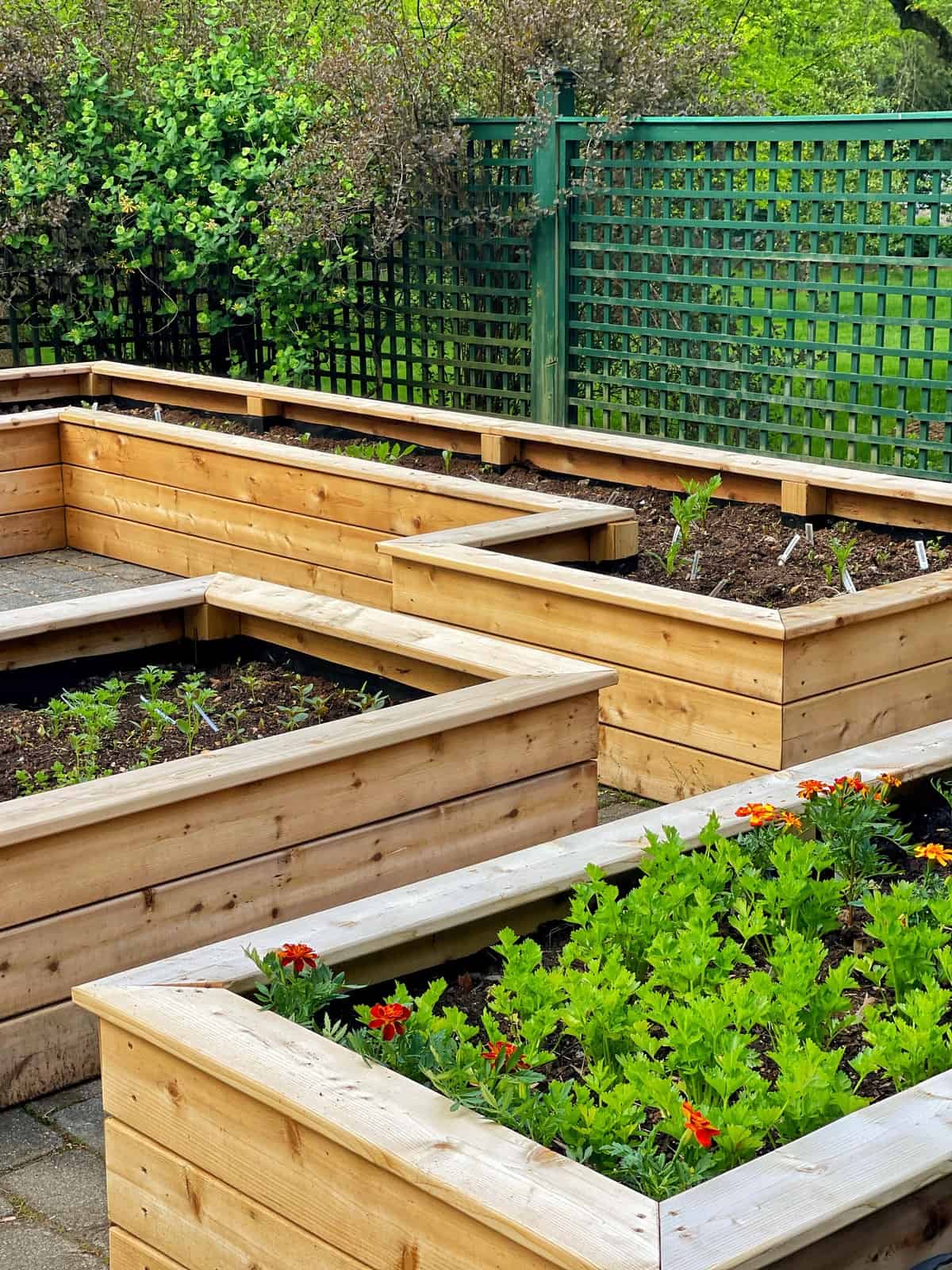
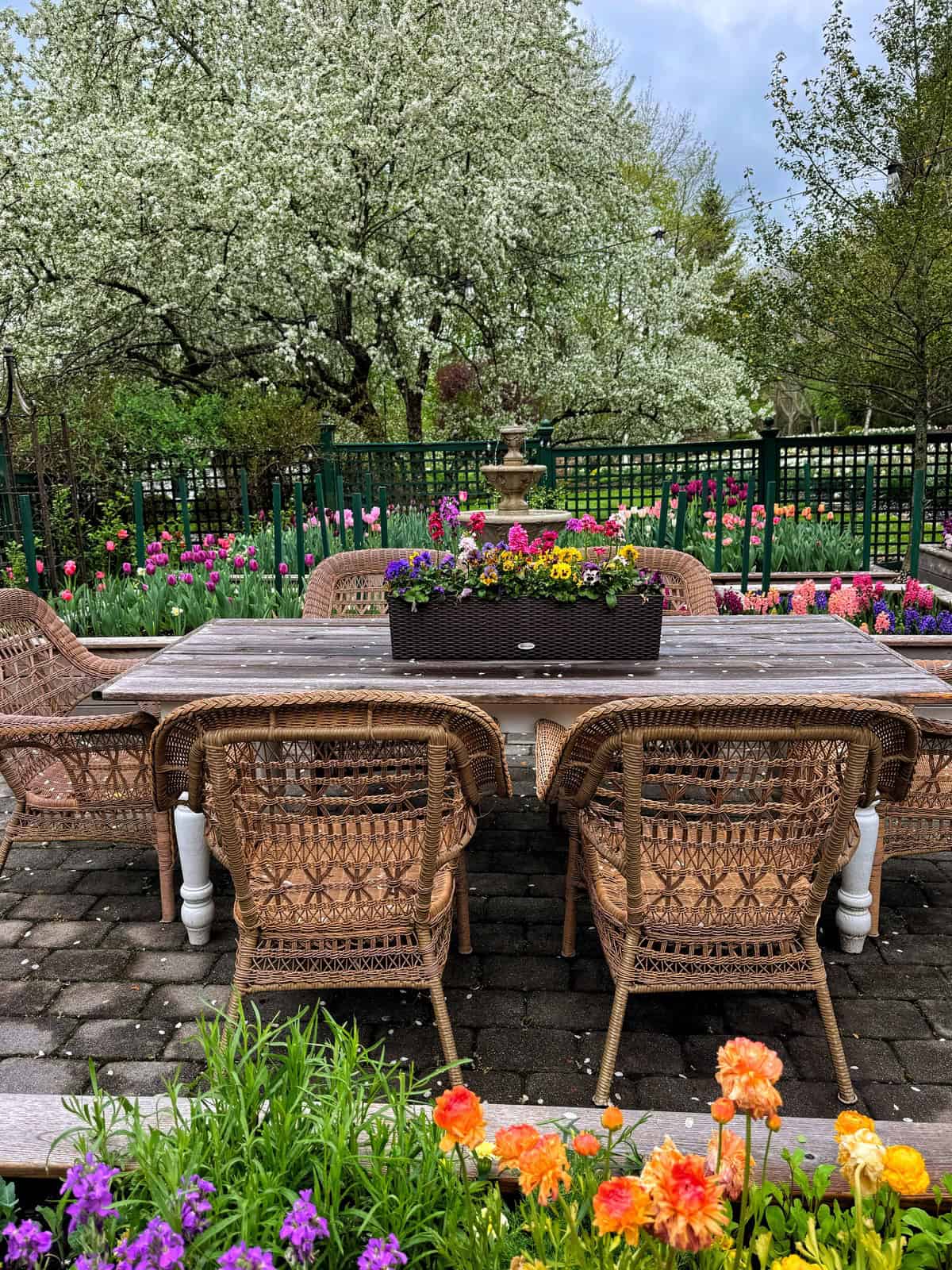
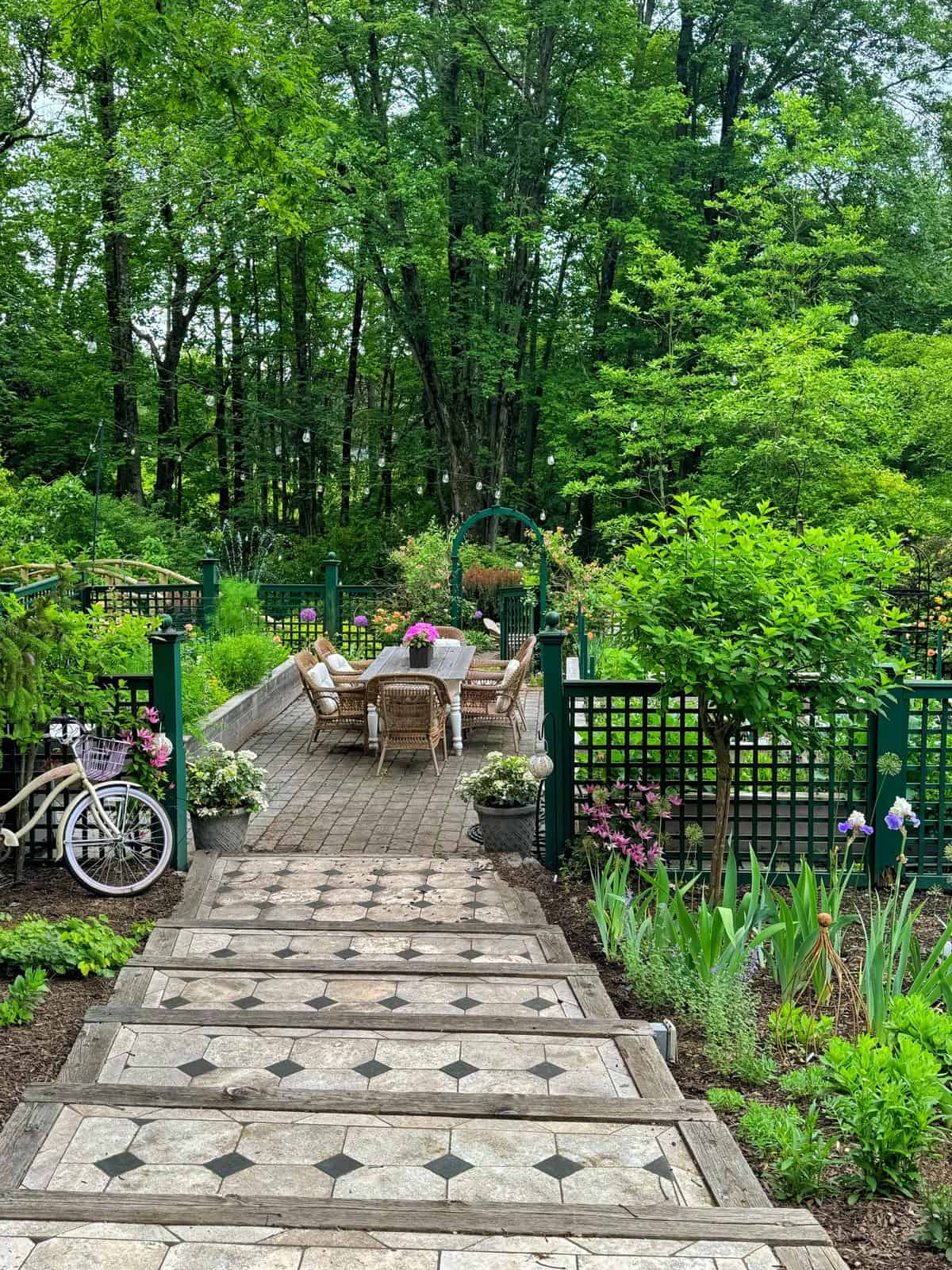
That same year, my husband built the raised beds that now define the garden. We took our time thinking through their size and placement, leaving room not just for planting, but for how the garden would be used. Space was intentionally set aside for a fountain and an outdoor dining table and chairs, reinforcing the idea that this was meant to be a place to spend time, not just a place to work.
This phase of the garden taught me how important structure is to flow. The beds, the surrounding plantings, and the open areas all began to work together instead of competing for attention. It was less about filling every inch and more about creating a garden that felt balanced, welcoming, and easy to move through.


Learning How to Blend Flowers, Herbs, and Vegetables
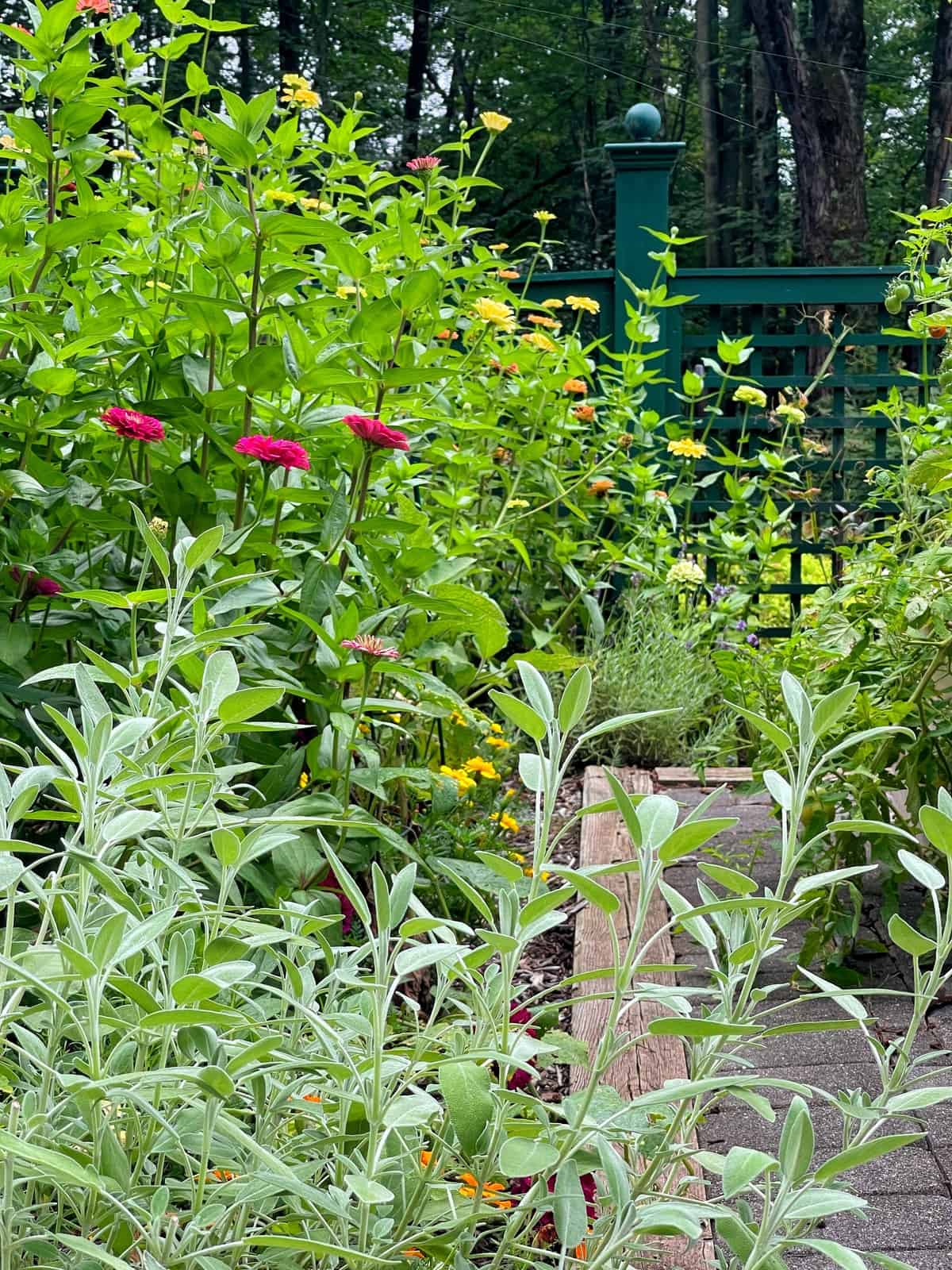
Once the structure of the garden was in place, the real learning began. I had plenty of experience growing vegetables, herbs, and flowers, but growing them together in a way that felt cohesive was new territory. For the first few seasons, the garden felt somewhat divided, even though everything shared the same space.
I leaned heavily into flowers at first, especially cut flowers, focusing on how they moved through the beds and how the garden looked throughout the season. Vegetables and herbs were grown alongside them, but often felt like an afterthought rather than an integrated part of the design. While everything grew well, the balance was not quite right.
Each season became an opportunity to observe and adjust. Some combinations worked beautifully, while others felt crowded or visually disconnected. I paid attention to how different plants matured, how quickly they filled space, and how the garden changed from early spring through late summer. Over time, those observations began to inform better choices.


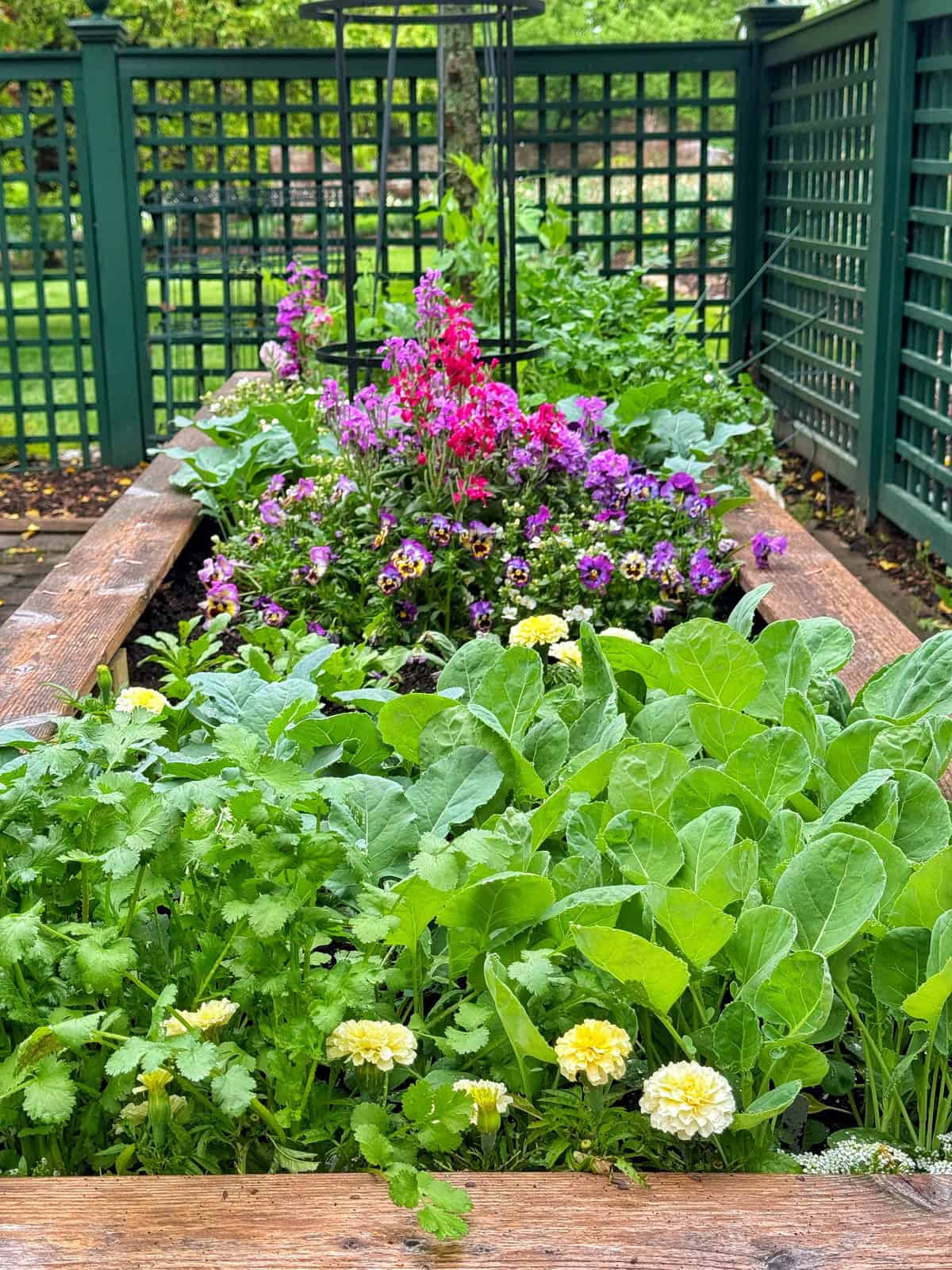
Gradually, the lines between ornamental and edible plants started to blur. Herbs became natural fillers and connectors, vegetables took on more visual presence, and flowers were chosen not just for cutting, but for how they supported the overall rhythm of the garden. The space began to feel less like separate gardens sharing a footprint and more like a single, unified kitchen garden.
This stage of experimentation was essential. It gave me the confidence to move beyond planting by habit and start planting with intention, knowing that balance comes from paying attention, not from getting it right the first time.
What Dense Planting Changed for Me
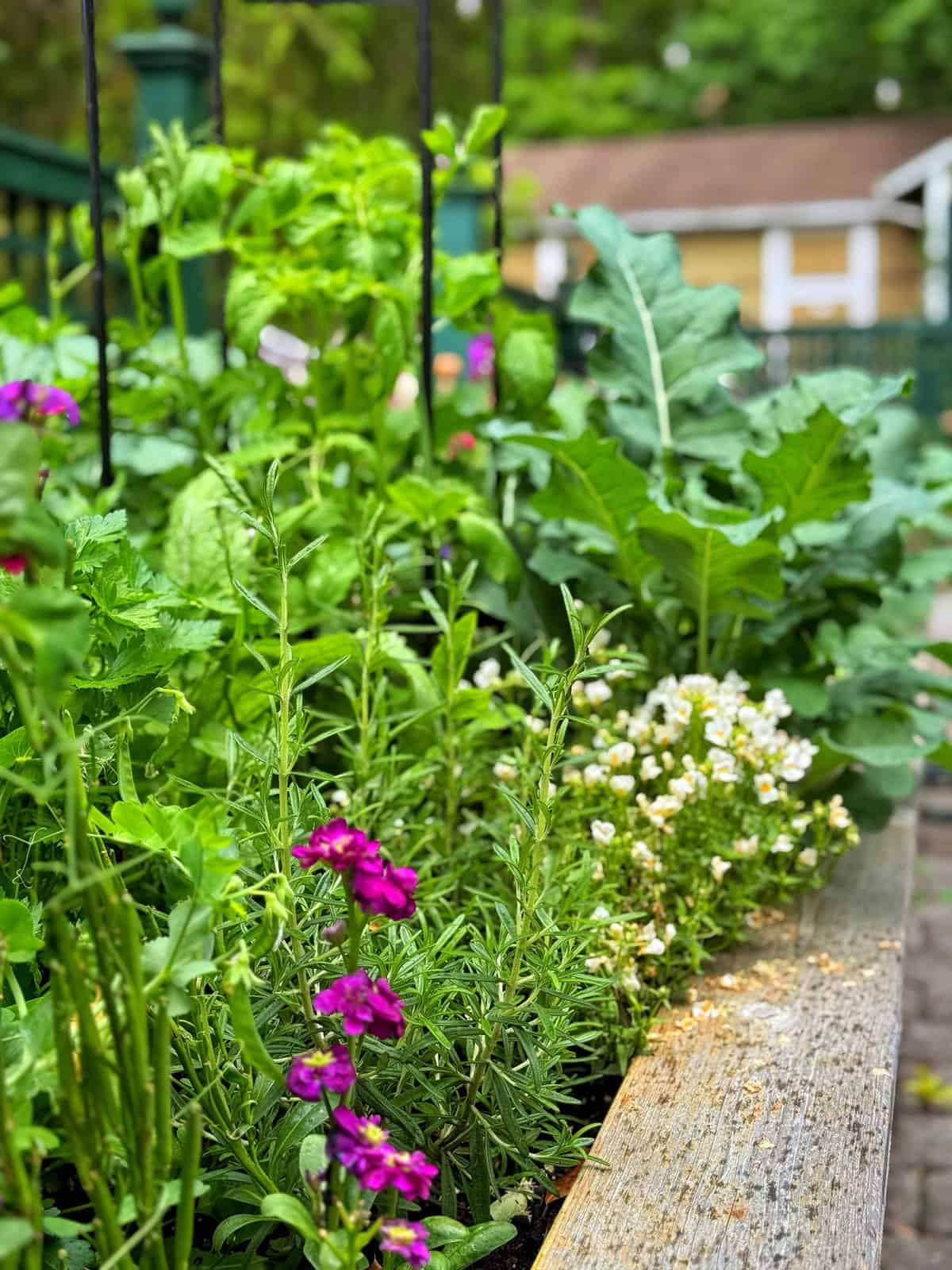
Last season was when everything began to click. After years of spacing plants generously, I decided to try denser plantings throughout the garden. It was not a dramatic overhaul, but it ended up making one of the biggest differences I had seen in any of my gardens.
As the beds filled in more quickly, the garden felt calmer and easier to manage. Fewer open areas meant fewer weeds, and the plants themselves created a more stable growing environment. Harvests improved as well. The garden stayed productive longer, and the overall yield was noticeably better than in previous seasons.
Because I was already mixing flowers, herbs, and vegetables and practicing companion planting, the denser spacing did not create the problems I once worried about. Airflow remained good, pests were manageable, and disease pressure stayed low. Instead of competing with one another, the plants seemed to support the system as a whole.
Visually, the garden changed too. The beds felt fuller and more intentional, and the space finally began to look the way I had imagined when we first moved here. Dense planting helped bridge the gap between function and beauty, making the garden feel both productive and cohesive throughout the season.
Seeing these results firsthand gave me clarity. Dense planting was not about pushing limits or maximizing yield at all costs. It was about using space thoughtfully and allowing the garden to work with itself rather than against it.
Why 2026 Feels Like a Turning Point
After several seasons of observing, adjusting, and learning, 2026 feels different. The garden no longer feels like a work in progress in the same way it once did. Instead, it feels like a space I finally understand.
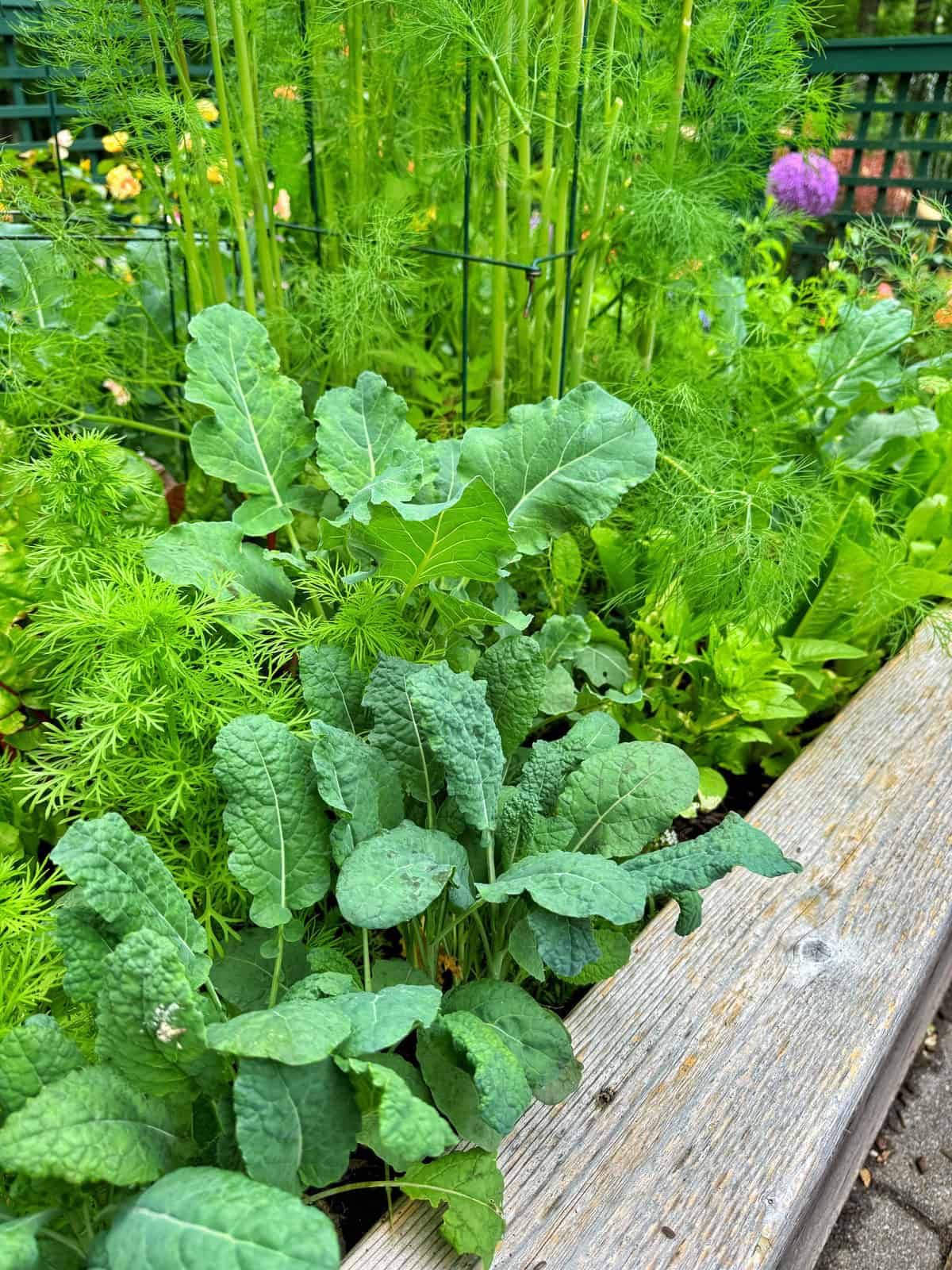
I know how the light moves across the beds throughout the day. I understand which areas fill in quickly and which need support. I have a clearer sense of which flowers earn their place, which vegetables thrive in this space, and how everything works together when it is planted with intention. The guesswork has been replaced with confidence built from experience.
Last year’s success with denser plantings was a major factor in that shift. Seeing how well the garden responded gave me the reassurance to lean into this approach fully. Rather than holding back or spacing plants out of habit, I am planning this season with purpose, designing the beds to stay full, productive, and visually balanced from early spring through fall.
This year also feels like an opportunity to be more deliberate with what I grow. After years of experimenting, I am choosing varieties because I genuinely want to grow them here, not because I feel like I should. There is a sense of freedom in that decision, and it has made the planning process more enjoyable than ever.
2026 is not about perfection. It is about applying everything I have learned so far and allowing the garden to reflect that growth. The foundation is there. Now it is about leaning in and letting the garden become what it has been slowly working toward all along.
Growing for Joy and Learning to Use More of What I Grow
One of the interesting things I have learned about myself as a gardener is that I do not grow everything with the intention of eating it. I genuinely love the process of growing. Watching plants develop, experimenting with varieties, and spending time in the garden has always been just as rewarding as the harvest itself. Over the years, I have happily given a lot of what I grow to friends and neighbors simply because there was more than we could use.
That is still part of the joy for me, and it always will be. But this year, something feels different.
Because I am growing so many interesting and thoughtfully chosen varieties, I want to be more intentional about using what comes out of the garden. I want the kitchen garden to support how we eat just as much as it supports how I garden. That does not mean forcing myself to use every single harvest, but it does mean paying more attention to what I grow and how it fits into everyday meals.
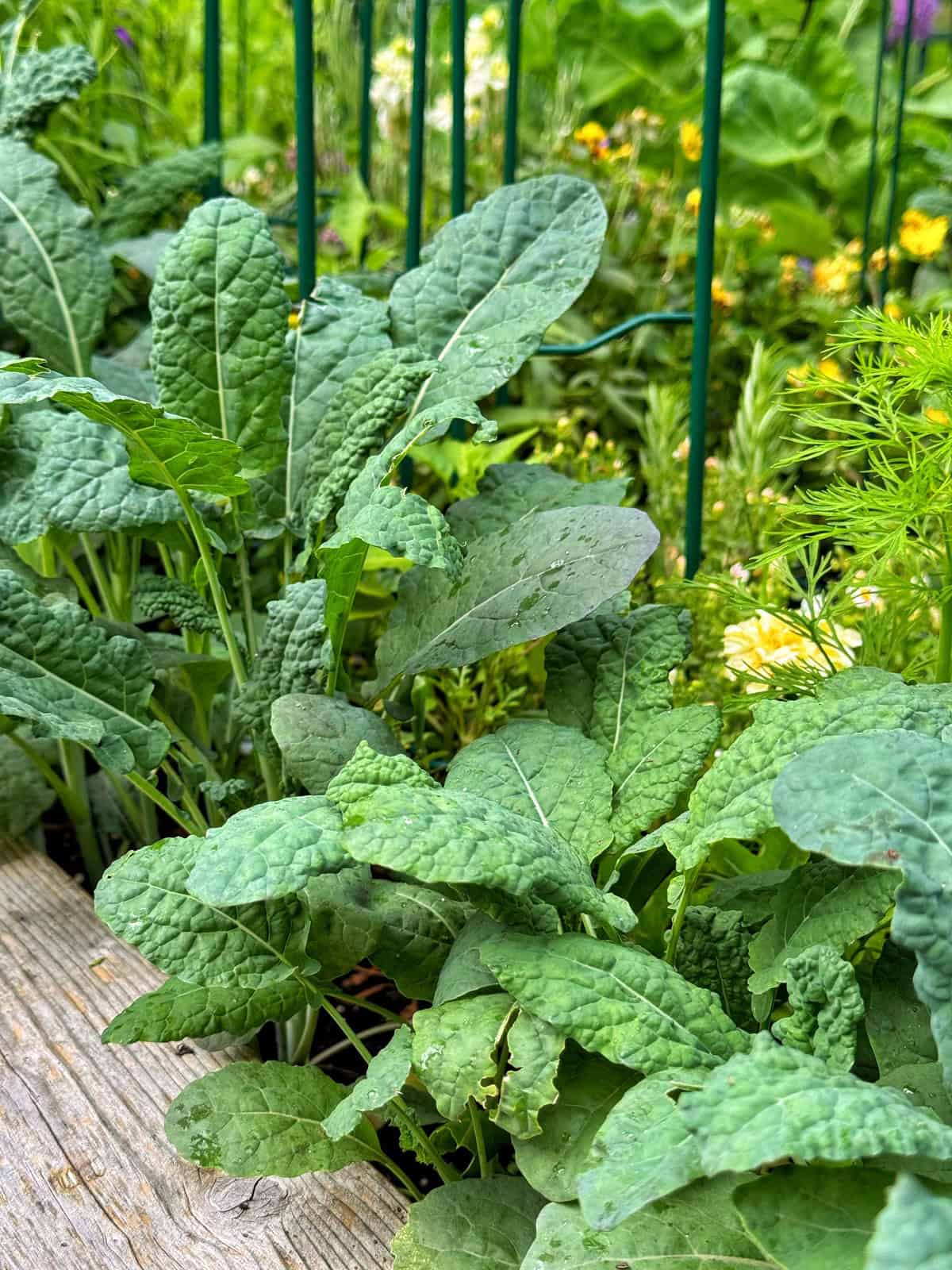


This shift feels like a natural extension of everything I have learned so far. As my children have grown and life has slowed in different ways, the garden has become more personal. It is no longer just a productive space or a creative outlet. It is part of the rhythm of daily life, from planning and planting to harvesting, cooking, sharing, and enjoying the process along the way.
This kitchen garden is still evolving, and it always will be. But each season brings more clarity, more confidence, and more alignment between how the garden looks, how it functions, and how it is used. That growth, both in the garden and in myself as a gardener, is what keeps me coming back year after year.


A Garden That Continues to Evolve
Looking back over the last few seasons, this kitchen garden feels less like a finished project and more like an ongoing conversation. Each year has brought new lessons, better decisions, and a clearer understanding of how I want this space to function and feel. What started as a practical vegetable garden has gradually become something more integrated, more personal, and far more enjoyable to spend time in.
This evolution is closely tied to the way I now garden through a potager-style kitchen garden, where flowers, herbs, and vegetables are planned together rather than treated as separate elements.
Dense planting, companion planting, and seasonal planning have all played a role in shaping this space. If you are interested in how those ideas translate into day-to-day growing, my vegetable gardening and herb gardening posts explore what I grow, how I adapt each season, and what has worked best over time.
And because planning earlier has become such an important part of how this garden functions now, winter sowing has been a key piece of that process. I share more about how I use that method in my winter sowing vegetable posts, especially for building strong starts and extending the season.
This garden will keep changing, just as I do. But each season brings it closer to what it is meant to be: a kitchen garden that supports how I grow, how I cook, and how I want to spend time outdoors in this stage of life.
Thank you for visiting the blog today!
Enjoy your day! xo


Originally Published .

Dear Stacy,
Your space transformation, and garden are beautiful. Your willingness to share it via your blog, and YouTube is a blessing to all my senses! I (truly), can almost smell the fragrance of the flowers and soil. The tinkling of the water fountain, transports me to a lovely spot near a bubbling brook, and the colors and textures are a feast for my eyes! Super nice job. Well done there girl!
I appreciate hearing that so much Patti! Thank you so much!!!