
How to Create a Pollinator Garden: Ideas From My Butterfly & Hummingbird Gardens

Pollinator garden ideas from my butterfly and hummingbird gardens, with photos, lessons learned, and what actually worked.
Very early on in my gardening journey — one that now spans nearly 30 years — I knew I wanted a garden filled with butterflies and hummingbirds. Bees weren’t part of the plan back then. Like many gardeners, I didn’t fully understand their role and, frankly, they had a bad reputation. Over time, that perspective changed as I learned just how essential bees are to a healthy garden ecosystem and to the world beyond my backyard.
Because butterflies and hummingbirds were my starting point, I focused on plants that would thrive in my Zone 6b New Jersey garden, but with a few non-negotiables. They had to work within a cottage garden design, offer as much deer resistance as possible in a high-pressure area, be easy to grow, and actually perform year after year. Along the way, I’ve grown everything from native and non-native plants to a few accidental “thugs” that tried to take over entirely. I’ve tested plants in sun and shade, moved them, removed them, and learned which ones truly earned their place.
In this post, I’m sharing how I bring all of that experience together to create pollinator-friendly gardens in different spaces – what worked, what didn’t, and how I’ve shaped gardens that attract wildlife without sacrificing design.
(Posts on stacyling.com may contain affiliate links. Click HERE for full disclosure.)

What a Pollinator Garden Really Needs to Work
A pollinator garden isn’t about planting a few flowers and hoping for the best. What actually makes a difference is understanding why certain plants attract butterflies, hummingbirds, and bees — and how those needs change throughout the growing season.
At its core, a successful pollinator garden provides nectar, host plants, and continuity. Nectar plants supply food, while host plants support the full life cycle of butterflies. Bloom timing matters just as much as plant choice; having flowers available in early spring and late fall often has a greater impact than planting everything at once.
Design plays a role too. Grouping plants together, mixing heights, and allowing some areas to grow a bit wild creates shelter and makes it easier for pollinators to find what they need. In my own gardens, observation has been just as important as planning — noticing which plants are visited repeatedly and which are ignored has guided more decisions than any plant tag ever did.
Rather than trying to cover every detail in one place, I approach pollinator gardening by focusing on specific pollinators. My butterfly gardens emphasize host plants and bloom succession, while my hummingbird gardens prioritize flower shape, placement, and seasonal performance. Those approaches come together in the ideas below.

How Native Plants Fit Into My Pollinator Gardens
Native plants have played an important role in my pollinator gardens, but they’ve never been the only factor in my planting decisions. In a Zone 6b New Jersey garden with heavy deer pressure, I’ve learned that performance matters just as much as origin. Some native plants have been incredibly reliable for supporting butterflies, bees, and hummingbirds, while others struggled in my specific conditions.
The native plants that worked best for me tend to support multiple pollinators, return consistently each year, and blend naturally into a cottage-style design. Others required trial and error, especially when balancing wildlife value with aesthetics and deer resistance.
Because plant performance varies so much by region and garden conditions, I’ve shared the specific native plants I grow and why they work in a separate guide. Here, the focus is on how native and non-native plants work together in my gardens to support pollinators without sacrificing structure, color, or longevity.
To learn more about my top native plants, please visit: 10 Native Plants for a Pollinator Garden
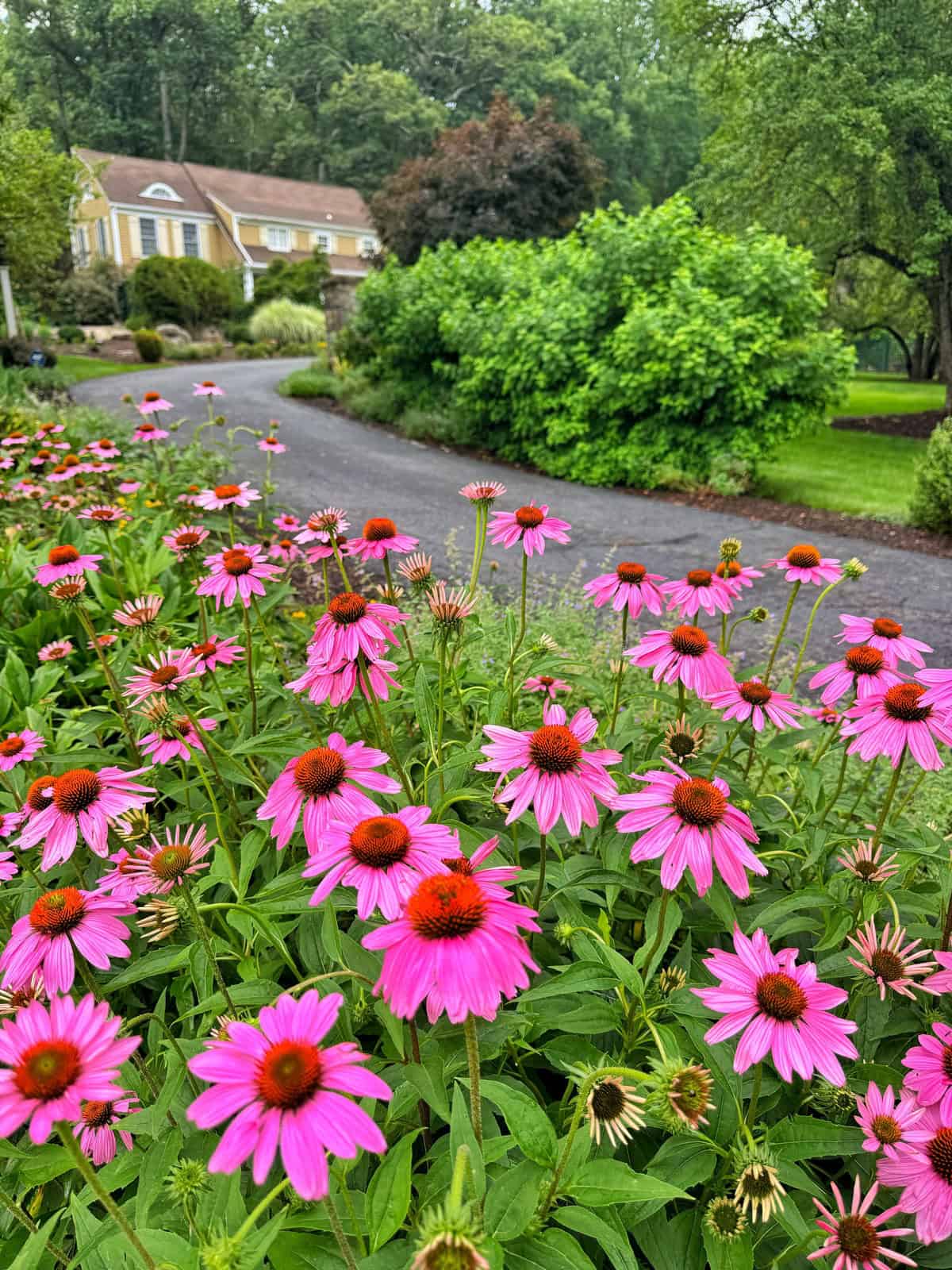
Pollinator Garden Ideas That Actually Attract Wildlife
Some of the most effective pollinator gardens I’ve grown weren’t overly planned — they evolved through observation and adjustment. Pollinators respond to patterns, repetition, and consistency more than perfect layouts.
Grouping the same plants together has always attracted more activity than scattering individual specimens. Mixing flower shapes and heights creates opportunities for different pollinators, while leaving seed heads and spent plants standing provides shelter and food beyond peak bloom time.
I’ve also found that small changes make a big difference. Adding early-blooming plants brought pollinators in sooner, while extending late-season blooms kept them visiting well into fall. These ideas form the foundation for both my butterfly and hummingbird gardens.
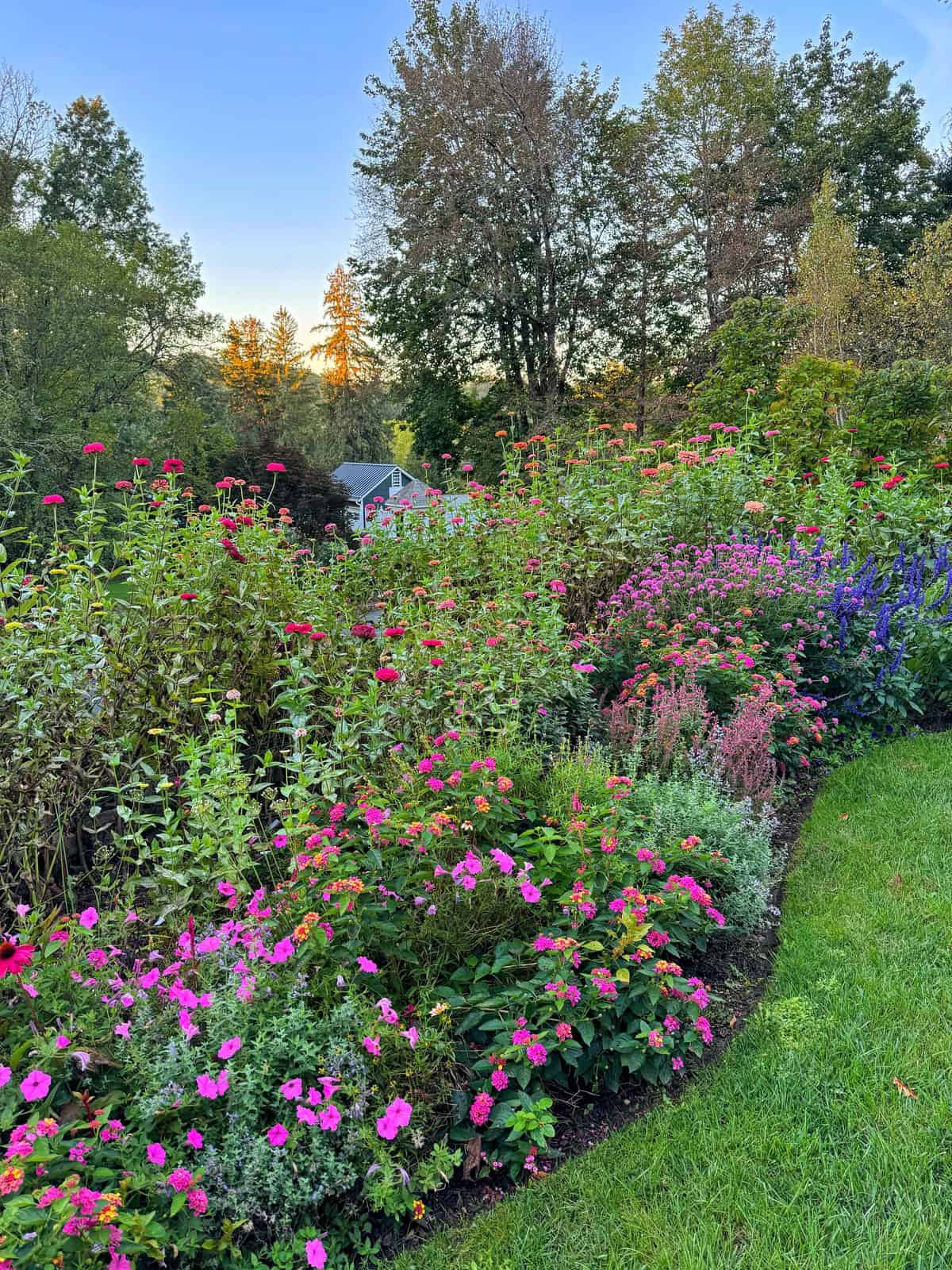

Butterfly Garden Ideas From My Cottage Garden
Butterfly gardening became one of the most rewarding parts of my pollinator garden because it forced me to think beyond flowers alone. Host plants matter just as much as nectar plants, even if they don’t always look their best.
In my cottage garden, I focus on layering host plants among flowering perennials so they feel intentional rather than messy. Some plants were instant successes, while others took time before butterflies appeared. Watching caterpillars develop and knowing I was supporting the full life cycle completely changed how I viewed “perfect” foliage.
If you want a closer look at how I design and maintain these spaces, I share a full butterfly garden tour and a breakdown of the plants that consistently attract butterflies. Please visit: How to Create a Butterfly Garden and 10 Easy-Care Plants That Butterflies Love


Hummingbird Garden Ideas That Worked in My Zone 6b Garden
Hummingbirds are surprisingly selective, and not every bright flower earns repeat visits. In my garden, flower shape and placement mattered more than color alone.
Tubular blooms positioned near shrubs or trees were visited more often, especially early and late in the season. Some plants performed beautifully but attracted few hummingbirds, while others became reliable feeding stations year after year.
They are tough to snap photos of when they drop by, but I’ve seen them frequent my buckeye tree, nepeta, salvia, dahlias, zinnias, monarda, and penstemon quite a bit!
I’ve also learned that hummingbird gardens evolve over time. Plants that seemed quiet in the first season often became magnets once they matured. I share more detail about those lessons and the flowers that consistently worked in my hummingbird garden guides here: Gardening for Hummingbirds and Easiest Hummingbird Flowers for Your Garden

Plants I Grow That Support Multiple Pollinators
Some of the most valuable plants in my garden are the ones that support more than one type of pollinator. These plants earn their space by attracting butterflies, hummingbirds, and bees while holding their own in a cottage-style design.
I’ve grown a mix of native and non-native plants that fall into this category, paying close attention to bloom time, deer resistance, and long-term performance. Instead of focusing on a single “best” list, I look at how plants work together across seasons and garden spaces.
For a deeper look at specific plants and why they’ve earned a permanent place in my garden, I break those details out in dedicated posts.
- Purple Coneflower Care
- How to Grow Black-Eyed Susans
- Growing Sedum Autumn Joy
- How to Grow Coreopsis
- How to Grow Nepeta
- Growing Salvia Plant
- How to Grow Zinnias
- Growing Dahlias
- How to Grow Gomphrena
And so many more!

Pollinator-Safe Pest Control in My Garden
Creating a pollinator-friendly garden goes beyond plant selection — it also means being thoughtful about how pests and diseases are managed. I’m a strong proponent of organic gardening methods, especially in spaces designed to support butterflies, hummingbirds, and bees.
One of the most effective ways to reduce pest and disease issues is to start with plants that don’t require frequent intervention in the first place. Before buying and planting, I pay close attention to plant labels, research disease-resistant cultivars, and consider whether a plant is truly well-matched to my growing conditions. Choosing varieties suited to your climate, soil, and light levels often prevents problems long before they start.
Even products considered organic, such as neem oil or insecticidal soap, can harm pollinators if they’re used incorrectly. Over the years, I’ve learned that timing matters just as much as the product itself. When treatment is necessary, I apply it very early in the morning or later in the day, when pollinators are far less active. This simple step alone can significantly reduce unintended harm.
Avoiding harmful chemicals and choosing organic pest control helps protect pollinators and beneficial insects. Learn more about organic alternatives here.
I also rely heavily on observation before reaching for any treatment. In many cases, minor pest damage is temporary and part of a healthy ecosystem. Allowing beneficial insects to do their job often solves the problem naturally, especially in established gardens.
By prioritizing well-adapted plants, using organic methods thoughtfully, and applying treatments only when truly needed, I’ve been able to manage pests while still maintaining a garden that actively supports pollinators throughout the growing season.
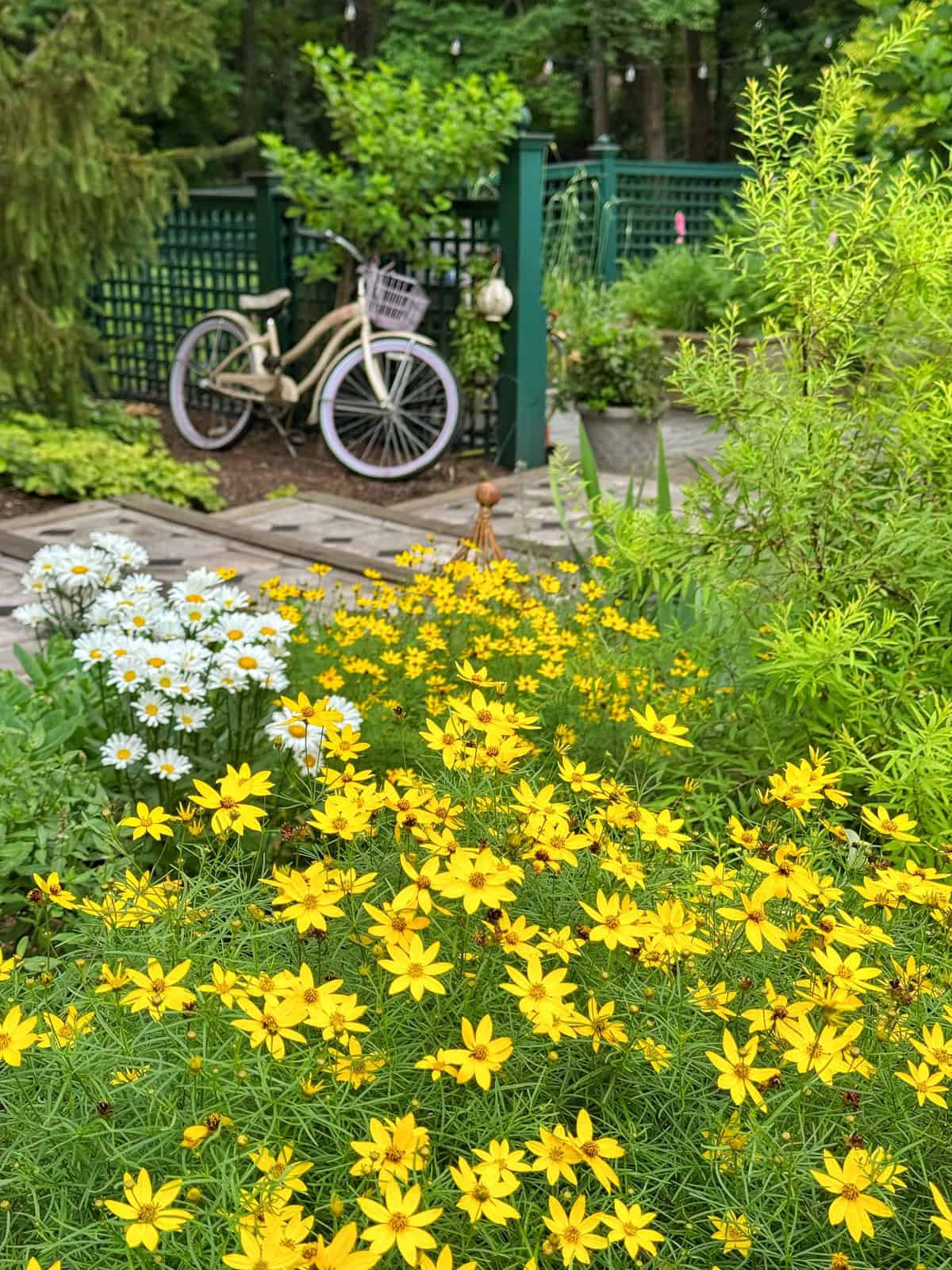
Pollinator Garden Mistakes I’ve Made (So You Don’t Have To)
Not every experiment was a success. I’ve planted flowers that bloomed beautifully but attracted very little wildlife, and others that spread far more aggressively than expected.
Some of my early mistakes included planting everything to bloom at the same time, overlooking host plants, and underestimating how long it takes for a pollinator garden to mature. Learning what didn’t work helped refine what eventually did.
These lessons shaped how I approach pollinator gardening today with patience, flexibility, and a willingness to adjust.

How Long It Took for My Pollinator Garden to Attract Wildlife
Pollinator gardens don’t usually reach their full potential in the first season. In my experience, the real transformation happened over several years.
The first year brought curiosity and occasional visitors. By the second year, repeat activity increased as plants matured. By the third year and beyond, pollinators returned consistently, following familiar patterns through the garden.
That timeline reinforced the importance of long-term thinking. A pollinator garden isn’t an instant result. It’s a relationship built over time.
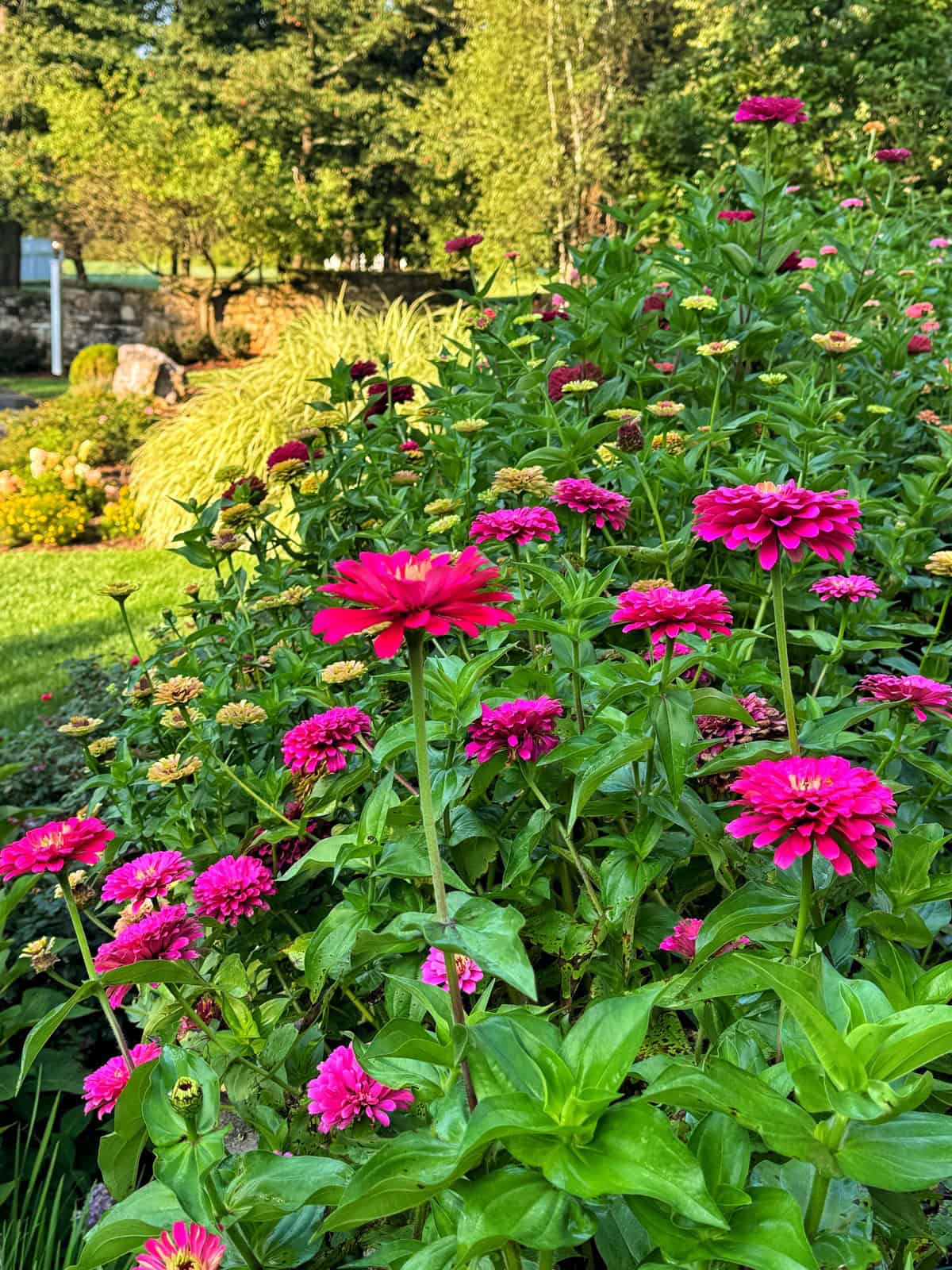
Final Thoughts: Creating a Pollinator Garden That Lasts
Creating a pollinator garden has been one of the most rewarding parts of my nearly 30 years of gardening, but it’s also been one of the most educational. What I’ve learned, often through trial and error, is that there’s no single formula that works for every garden. Pollinator-friendly spaces are built over time, shaped by observation, patience, and a willingness to adjust as plants and wildlife respond.
While butterflies and hummingbirds were my original focus, learning how bees and other pollinators fit into the ecosystem completely changed how I garden. Supporting pollinators doesn’t mean sacrificing design, nor does it require perfection. It’s about choosing plants thoughtfully, managing gardens responsibly, and allowing nature to play an active role in the space.
If you’d like to explore specific aspects of pollinator gardening in more detail, I’ve shared my experience across several focused guides. My butterfly garden tour walks through how I design and maintain spaces that support the full butterfly life cycle, while a separate butterfly plant list focuses specifically on easy-care plants that reliably attract butterflies with minimal maintenance.
For hummingbirds, I’ve broken things out in a similar way. My hummingbird garden guide explains how I create spaces that attract hummingbirds through flower choice, placement, and seasonal planning, while my hummingbird plant list highlights the plants that consistently performed best in my Zone 6b garden.
I’ve also put together a separate guide on the native plants I grow for pollinators and why they work in my garden, which may be helpful if you’re interested in balancing native plants with design and deer resistance.
No matter where you’re starting, the most important step is paying attention to your own garden. Pollinators are excellent teachers and when you give them what they need, they’ll show you what works.
f you’re newer to gardening or want to build confidence before planting, I also share the basics in Flower Gardening for Beginners and ideas for creating relaxed, easy-care spaces in Low-Maintenance Cottage Garden Ideas.
Thank you for visiting the blog today!
Enjoy your day! xo

Originally Published .
