
Easy Flowers to Start From Seed in Winter

Easy flowers to start from seed in winter using winter sowing and indoor seed starting, based on real results in my garden.
As winter settles in and the garden sleeps, I’m already thinking ahead to summer blooms. Winter is actually one of my favorite times to start flower seeds, not because it’s complicated, but because the right methods make it surprisingly easy.
Even without a greenhouse, you can successfully start flowers from seed in winter using two reliable approaches: starting seeds indoors under grow lights and winter sowing outdoors in simple containers. Both methods work well when you choose flowers that are naturally suited to early-season growing.
I’ve used both approaches for years and have learned that success in winter seed starting comes down to choosing the right flowers, not doing more work.
The key to winter seed starting success isn’t squeezing more plants into your schedule. But rather, it’s choosing flowers that germinate easily and grow well when started early. Over the years, I’ve tested a wide range of flowers and narrowed it down to the ones that consistently perform with minimal fuss.
Below are my favorite easy flowers to start from seed in winter, grouped by the method that’s worked best for me.
(Posts on stacyling.com may contain affiliate links. Click HERE for full disclosure.)
Watch: Easy Flowers I Start From Seed Indoors
If you’re planning your winter seed starting, it can really help to focus on flowers that germinate easily and grow reliably indoors.
In the video below, I’m sharing some of the easy flowers I love to start from seed indoors under grow lights. These are varieties that have performed consistently well for me over many seasons of gardening here in Zone 6b.
If you’re new to starting flowers from seed — or simply want plants that tend to grow well without a lot of fuss — these are great options to begin with.
Watch the video below to see which flowers I recommend starting indoors and why they work so well.

Why Start Flower Seeds in Winter?
Winter seed starting might feel counterintuitive, but it’s one of the most productive times of year for me in the garden. Instead of waiting for spring, I use winter to get a head start on flowers that benefit from early growth or natural cold exposure.
Starting seeds in winter allows you to:
- Get earlier blooms once spring arrives, especially for cool-season flowers
- Grow varieties you won’t find as transplants, including unique colors and hard-to-find favorites
- Stretch your garden budget, since seeds cost far less than mature plants
- Stay connected to gardening during the quiet winter months
Whether I’m starting seeds indoors under grow lights or using winter sowing outdoors, winter seed starting helps spread the workload and sets the garden up for a strong season.

Easy Flowers to Start With Winter Sowing
Winter sowing is one of the easiest ways to start seeds in winter because nature handles much of the timing. I rely on this method for flowers that prefer cooler conditions or benefit from natural temperature fluctuations.
These are the flowers I consistently find easy to start using winter sowing:
Sweet Peas
Sweet peas are one of my favorite flowers to winter sow. In my garden, they perform much better this way than when started indoors. Winter-sown seedlings are sturdier, don’t require hardening off, and establish quickly once planted.
I grow them along fences and obelisks in my potager garden, where they thrive with strong support. Wildlife loves them, so some protection from rabbits and deer is usually necessary.
For more information about how I winter sow sweet peas, please visit: How to Winter Sow Sweet Peas

Larkspur
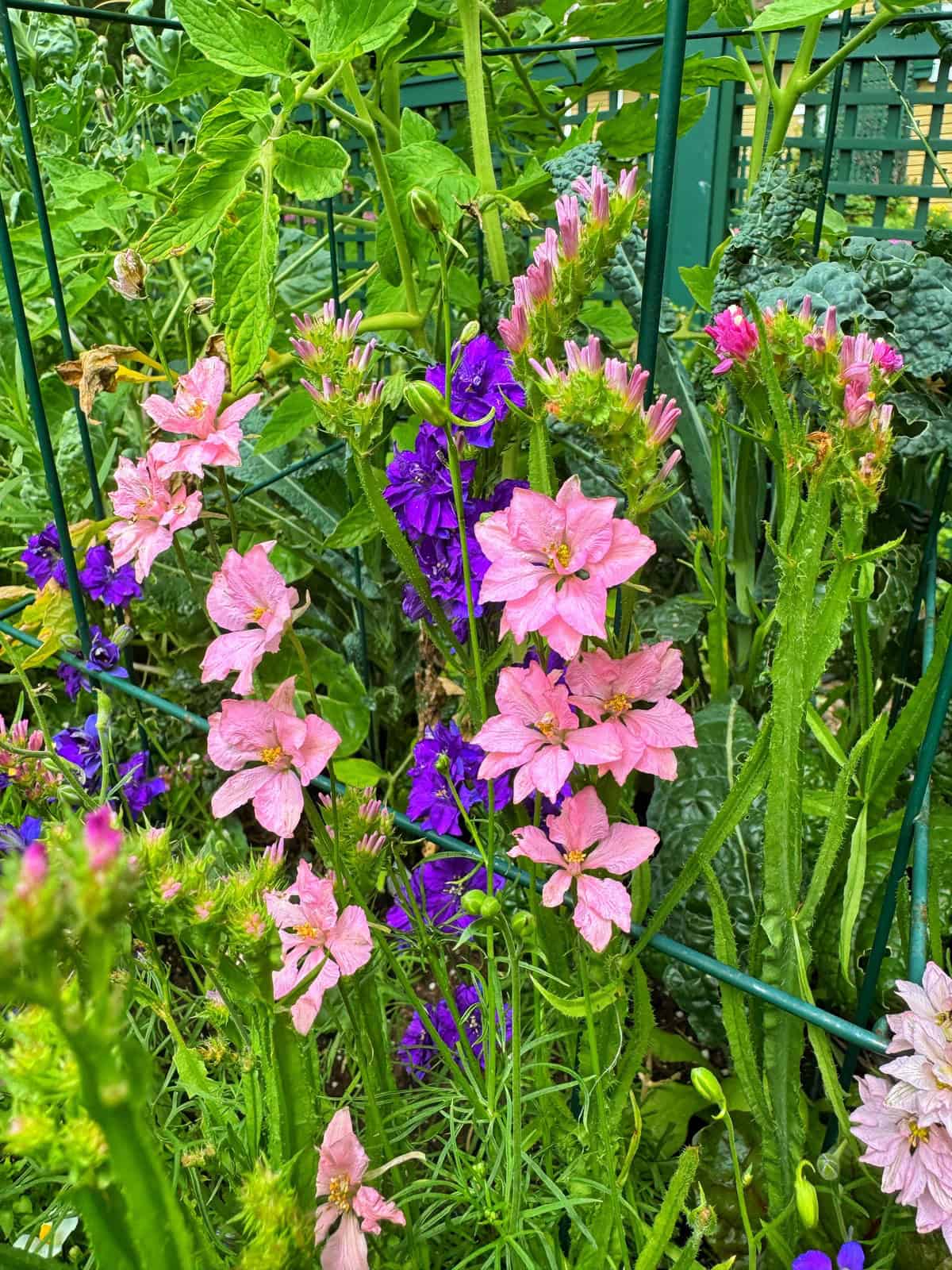
Larkspur is one of those flowers that truly benefits from winter sowing. The natural cold exposure improves germination, and seedlings emerge at just the right time for spring planting without any extra effort on my part.
When I first started growing larkspur, I started the seeds indoors under grow lights, but I found the plants performed much better in my garden after winter sowing. Winter-sown seedlings were sturdier and established more easily once planted out.
To learn more about how I start larkspur from seed using the winter sowing method, please visit: Winter Sowing Larkspur

Calendula
Calendula germinates easily and handles cool weather well, which makes it an excellent candidate for winter sowing. I’ve started calendula both by direct sowing after my last frost date and through winter sowing, and winter sowing has consistently given me better results. The plants are stronger, establish more quickly, and bloom for a much longer period when started this way. Because it’s so reliable, calendula is one of the simplest flowers to grow from seed and a great confidence booster for winter seed starting.
To learn more about how to grow calendula, please visit: How to Grow Calendula


Yarrow
Yarrow has been very easy for me to start with winter sowing, especially when I want more plants than I can easily buy or divide. Winter-sown seedlings establish well and transition smoothly into the garden once planted. I’ve found that young plants do need some early protection from rabbits, but once established, yarrow is tough and low-maintenance.
For more information about how I grow yarrow, please visit: How to Grow Yarrow

Statice
Statice performed much better for me when winter sown than when started indoors under grow lights. Germination was more consistent, and the seedlings developed more evenly without the extra attention indoor starting required. Once planted in the garden, winter-sown statice grew more steadily and produced stronger plants overall, making this my preferred method for starting it from seed.
Still Testing With Winter Sowing
I’m also trialing a few additional flowers with winter sowing this year, including stock, dara, and nigella. I’ll update this list once I see how they perform in my garden and whether they earn a permanent spot among my winter sowing favorites.
A Note on Flexible Flowers
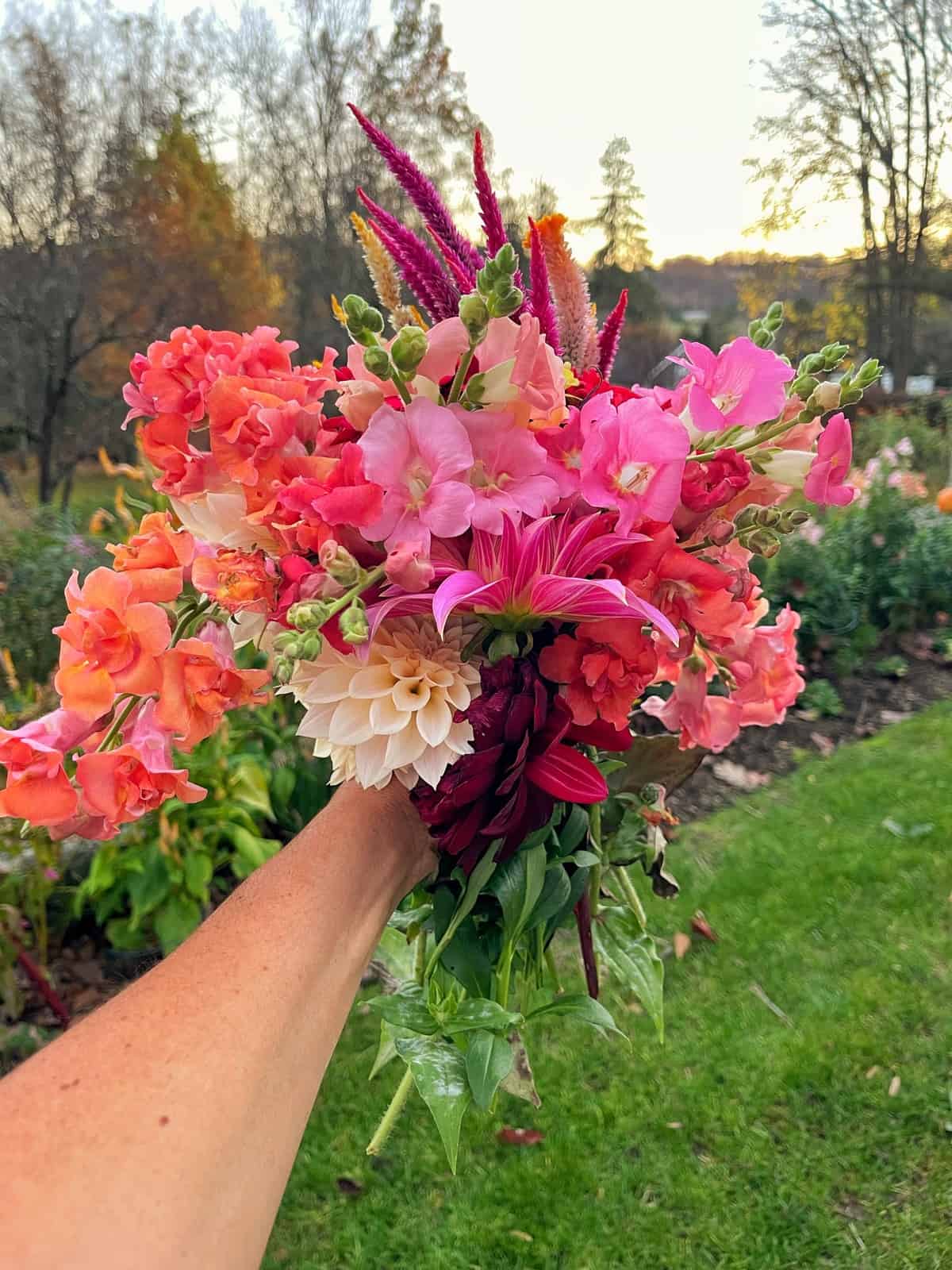
A few flowers, like snapdragons, can be started either indoors under grow lights or with winter sowing, depending on your space and timing. I use both methods for snapdragons, choosing the approach that best fits my seed-starting setup each year.
To learn more about how to winter sow and timing, please visit my winter sowing guide and winter seed starting calendar.
For a complete list of the best flowers for winter sowing, please see my guide: Best Flowers to Winter Sow
Easy Flowers to Start Indoors Under Grow Lights
Some flowers germinate quickly and reliably indoors when given consistent light and stable conditions. For these, I prefer starting seeds indoors under grow lights during winter.
These are my go-to flowers for indoor winter seed starting:
Snapdragons
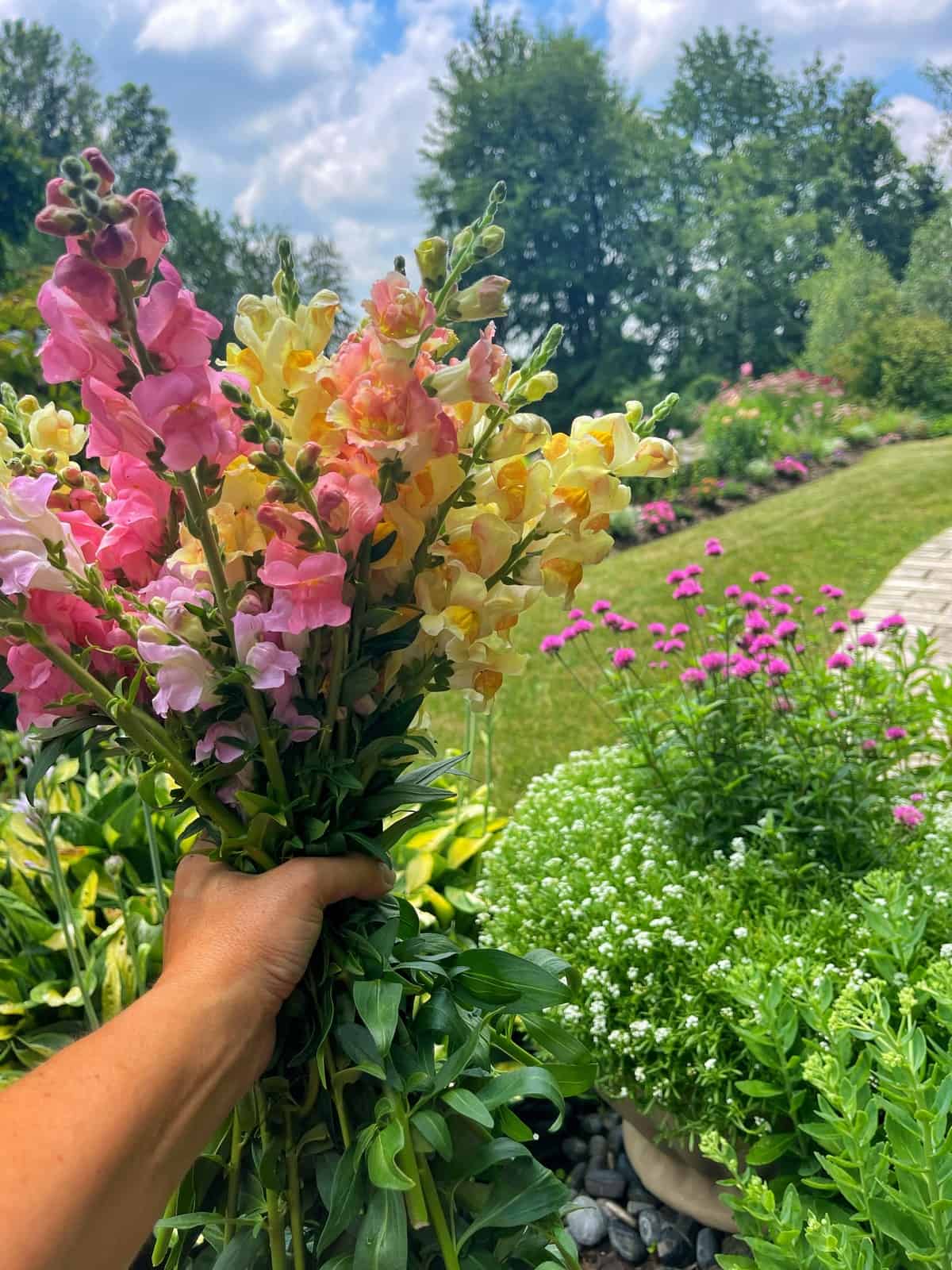
Snapdragons are versatile and can be started either indoors under grow lights or with winter sowing. When started indoors, they don’t need a heat mat — cooler temperatures are just fine for germination. I usually do a mix of both methods to ensure I get a good crop each year while also saving valuable indoor seed-starting space. Because they tolerate cool conditions so well, snapdragons transition easily into the garden and reliably produce long-lasting blooms.
To learn more about how I start snapdragons from seed, please visit: How to Start Snapdragon Seeds
Gomphrena
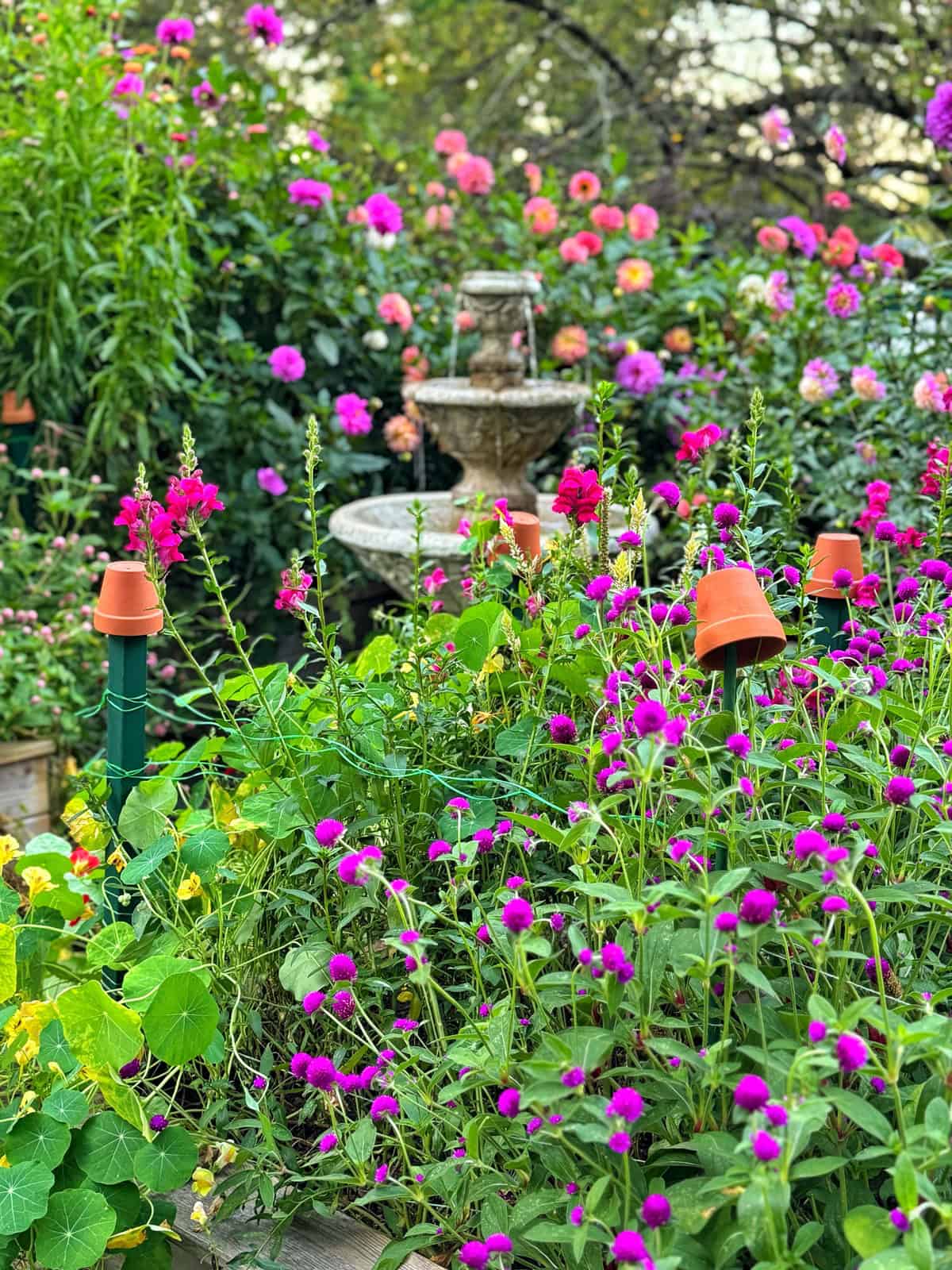
Gomphrena is easy to start indoors under grow lights and grows into strong, durable plants. Once established, it handles summer heat well and performs reliably in the garden. It’s one of my favorite flowers for bouquets and drying, adding lots of texture and long-lasting interest both in arrangements and in the garden itself.
To learn more about how I grow globe amaranth, please visit: How to Grow Gomphrena
Zinnias
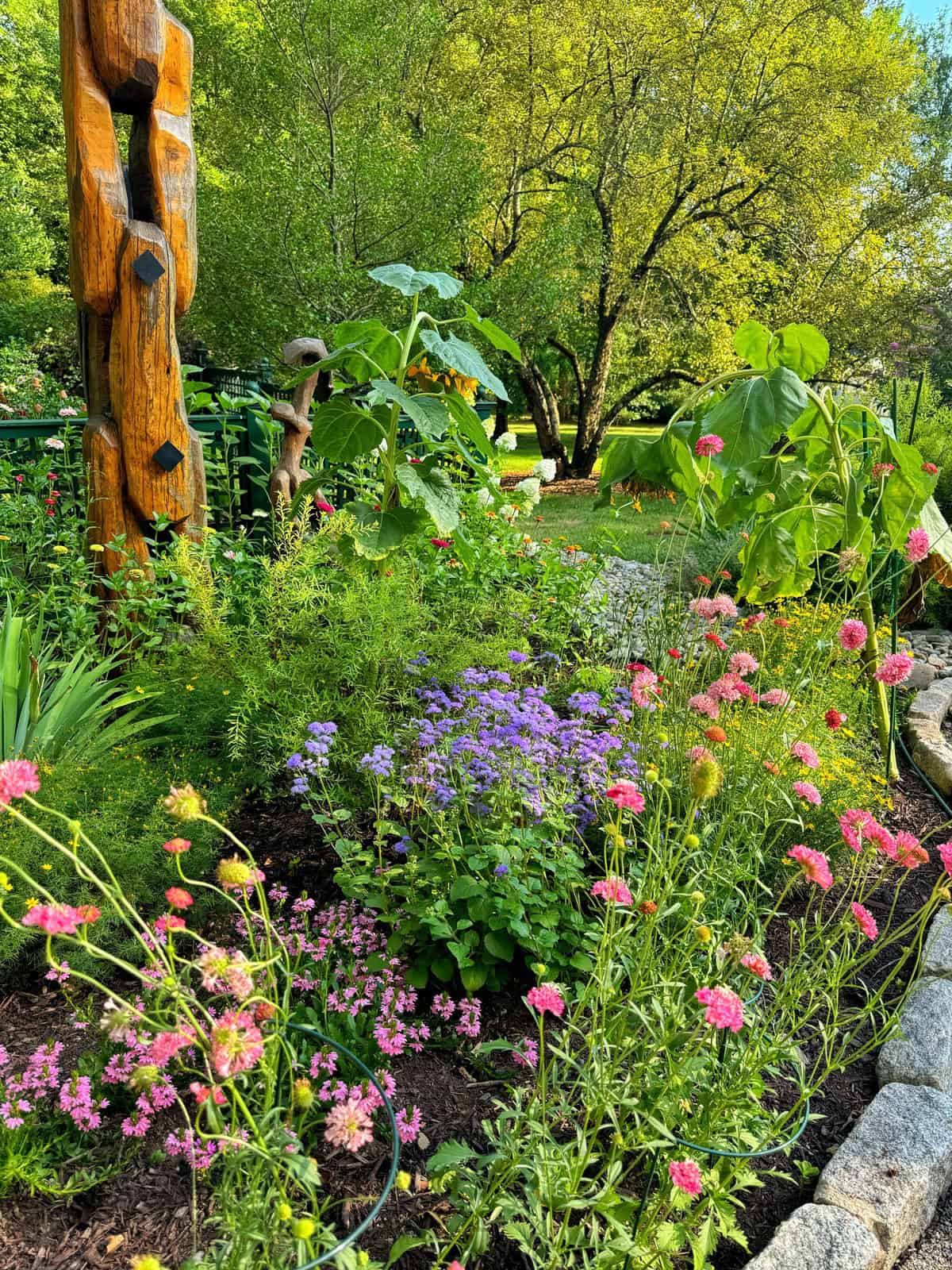
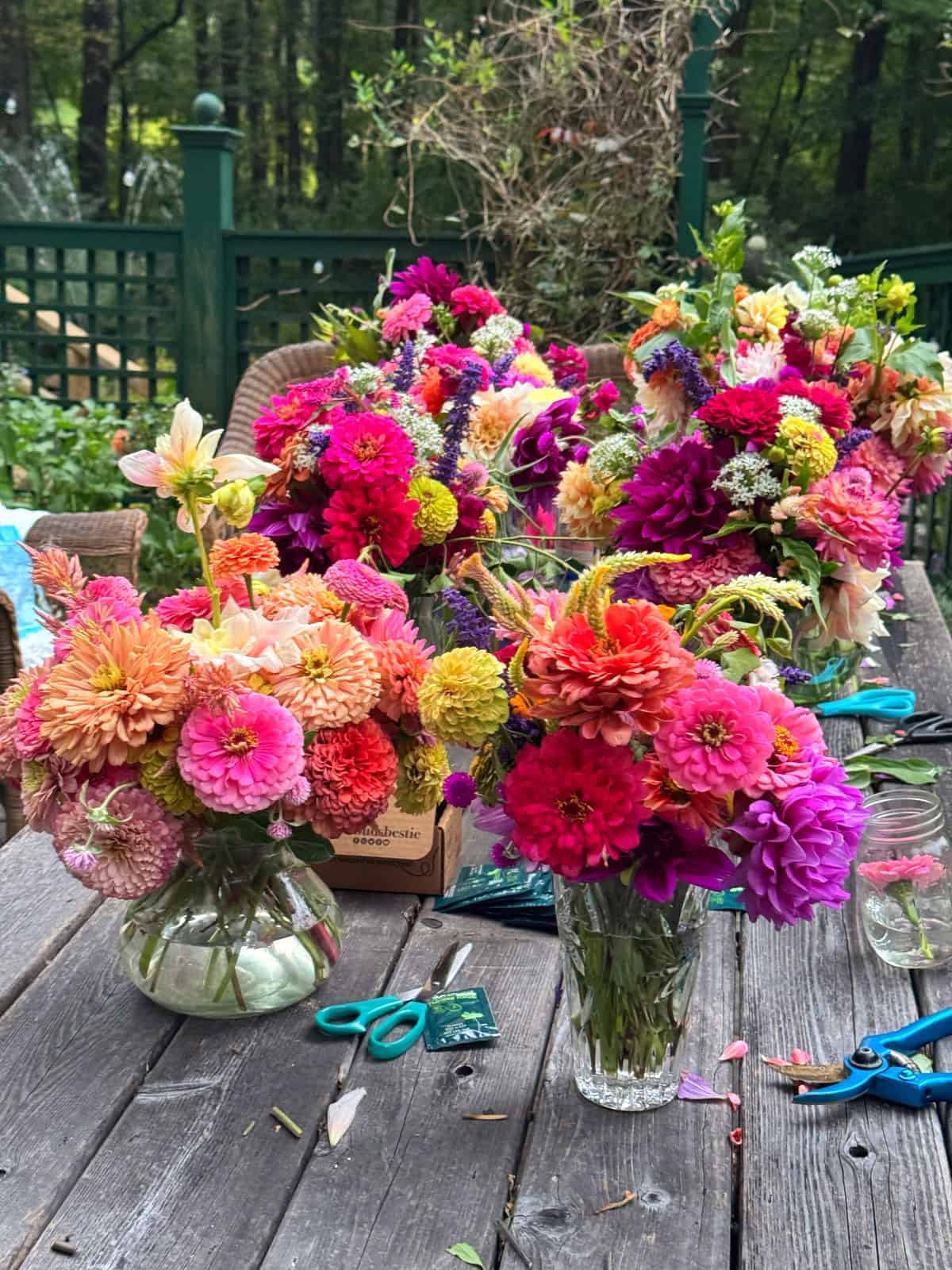
Zinnias are one of the easiest flowers I start from seed indoors under grow lights. They germinate quickly, grow fast, and produce strong seedlings with very little fuss. I typically grow around ten different varieties each year because they’re incredibly diverse, perform reliably in the garden, and are outstanding for bouquets. Once planted out, zinnias handle summer heat well and attract pollinators, making them one of my most dependable cut flowers season after season.
To learn more about how to grow zinnias from seed, please visit: How to Start Zinnia Seeds
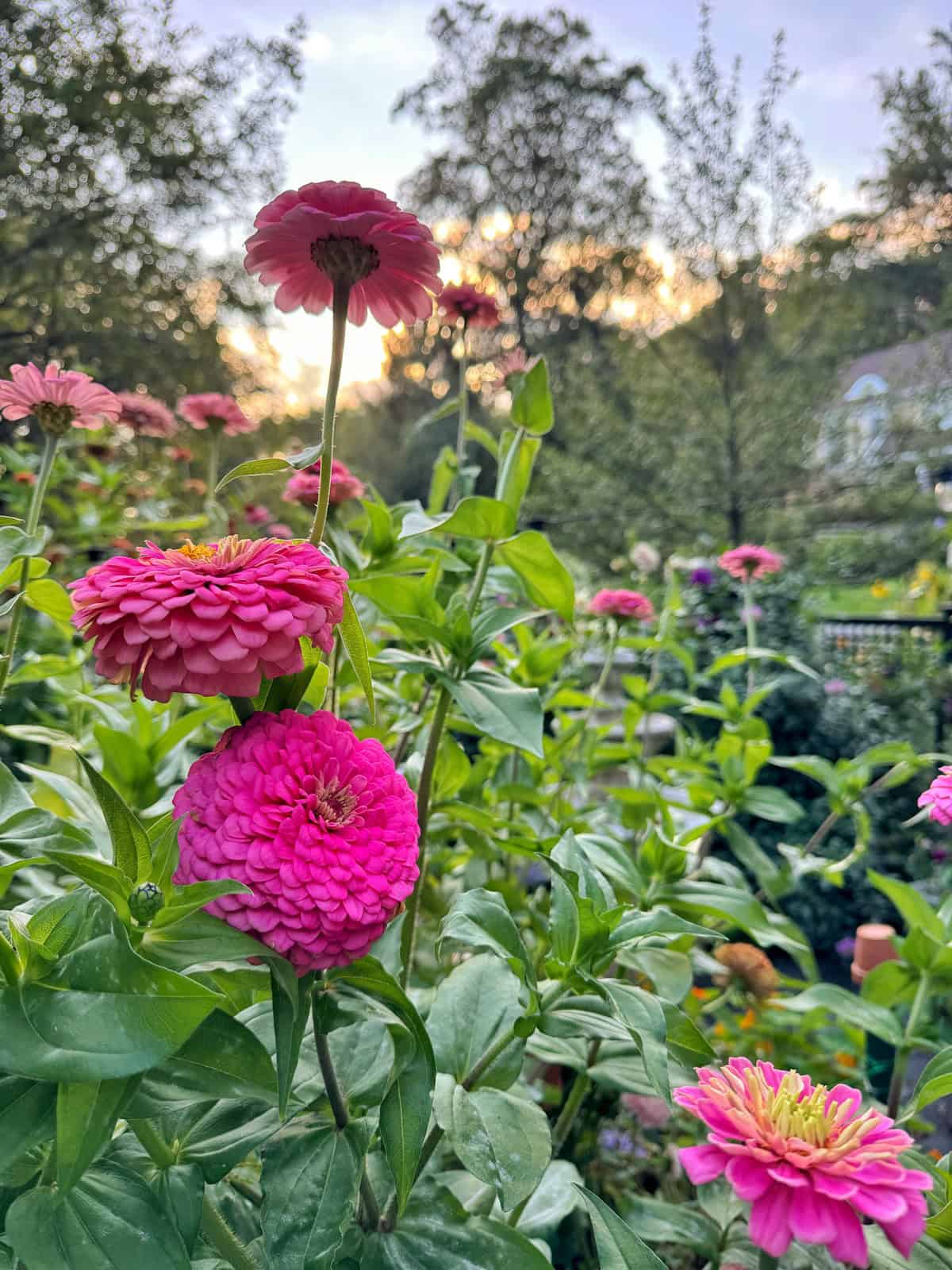

Celosia
Celosia is one of the easiest flowers I start from seed indoors. In my zone 6b garden, it germinates quickly, grows fast under lights, and hits its stride in late summer, often lasting through the first hard frost. I’ve also found that it readily reseeds here, making it even lower-maintenance over time.
To learn more about how I start celosia seeds please visit: How to Grow Celosia


Strawflowers
Strawflowers are easy to start indoors under grow lights and quickly grow into tough, reliable plants. Like gomphrena, I love how they look in the garden just as much as I value them for bouquets — their papery blooms last a long time fresh and dry beautifully for indoor decorating projects.
Once established, strawflowers handle heat and dry conditions well, though taller varieties benefit from early support to keep stems upright. Their durability and versatility make them a staple in my winter seed-starting lineup.
To learn more about how I grow strawflowers, please visit: How to Grow Strawflowers

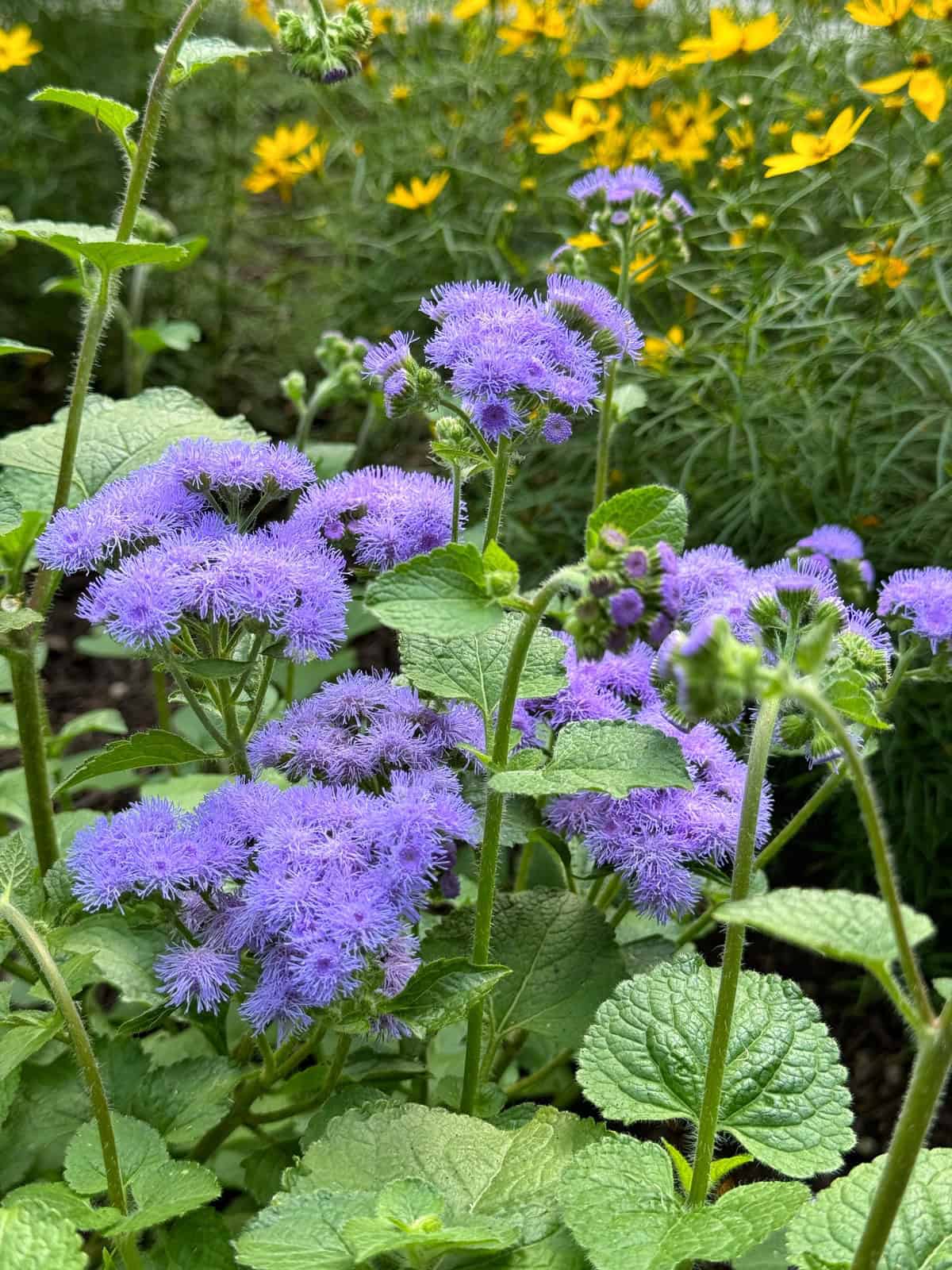
Ageratum
Ageratum germinates well indoors under grow lights and produces compact plants that are easy to manage early in the season. In my garden, it’s been reliably deer resistant and adds beautiful texture both in the landscape and in bouquets. I also love that ageratum dries well, making it a versatile flower to enjoy long after the growing season ends.
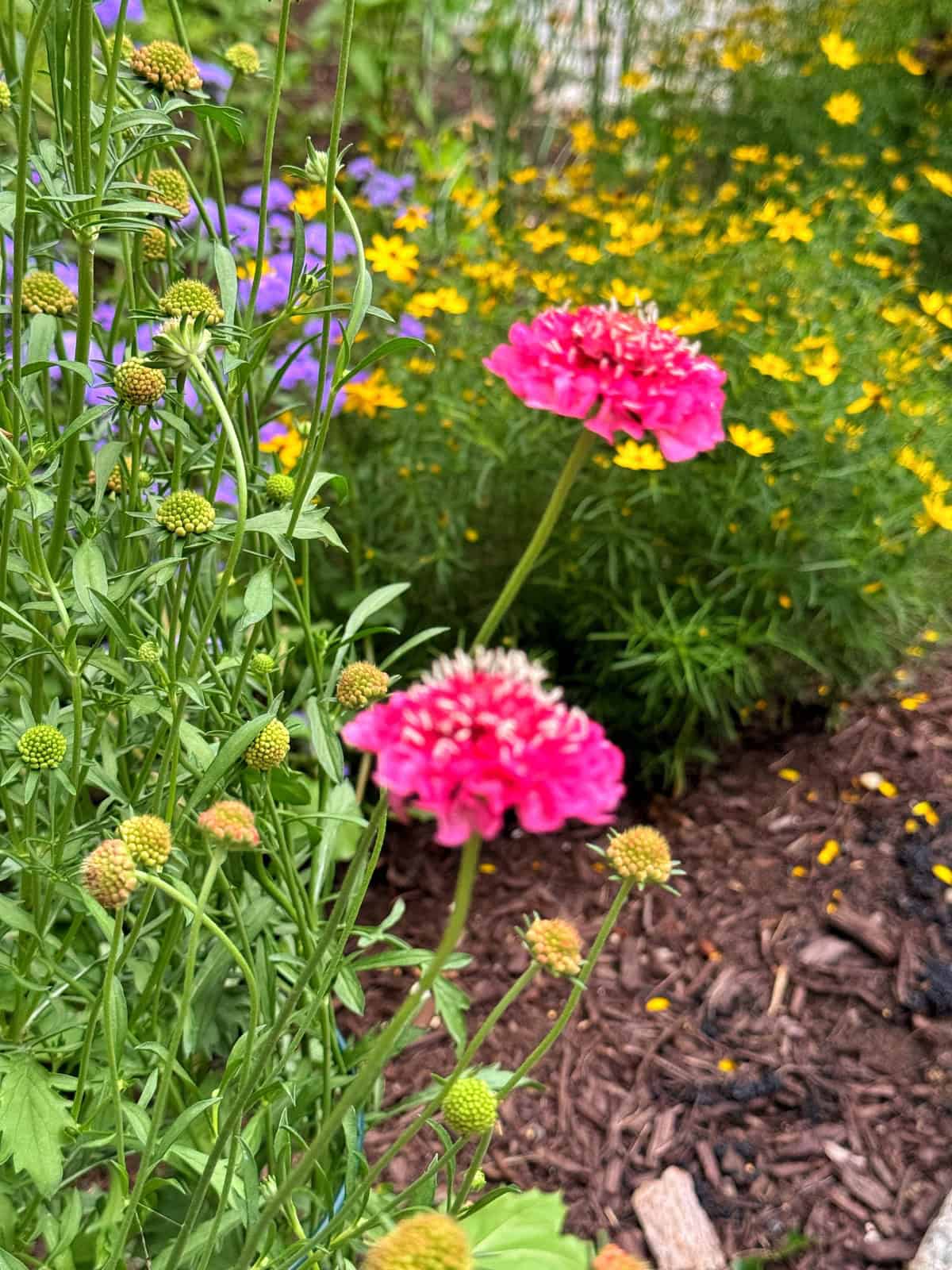
Scabiosa
Scabiosa starts well indoors under grow lights and transitions smoothly into the garden, producing airy blooms that work beautifully in mixed plantings. From a seed-starting perspective, it’s an easy flower to grow and germinates reliably. That said, while I’ve grown scabiosa successfully, I’ve learned that I’m not a fan of how it looks in my own garden, so it’s not something I regularly grow anymore. It’s a good option if you love the look, but for me, other flowers earn that space instead.tings.
Foxgloves
Starting foxgloves from seed is the only way I’ve been able to successfully grow and enjoy them in my gardens. Nursery-grown plants have never established well for me, but seed-grown foxgloves have consistently performed much better. When started indoors under grow lights, seedlings establish reliably and transition smoothly into the garden once planted out. This method has made foxgloves a dependable part of my garden rather than a gamble.
For more information about how I grow foxgloves in my garden, please visit: How to Grow Foxgloves
To see more of my indoor seed starting set up, please visit: Indoor Seed Starting System DIY

A Note About Growing Dahlias From Seed
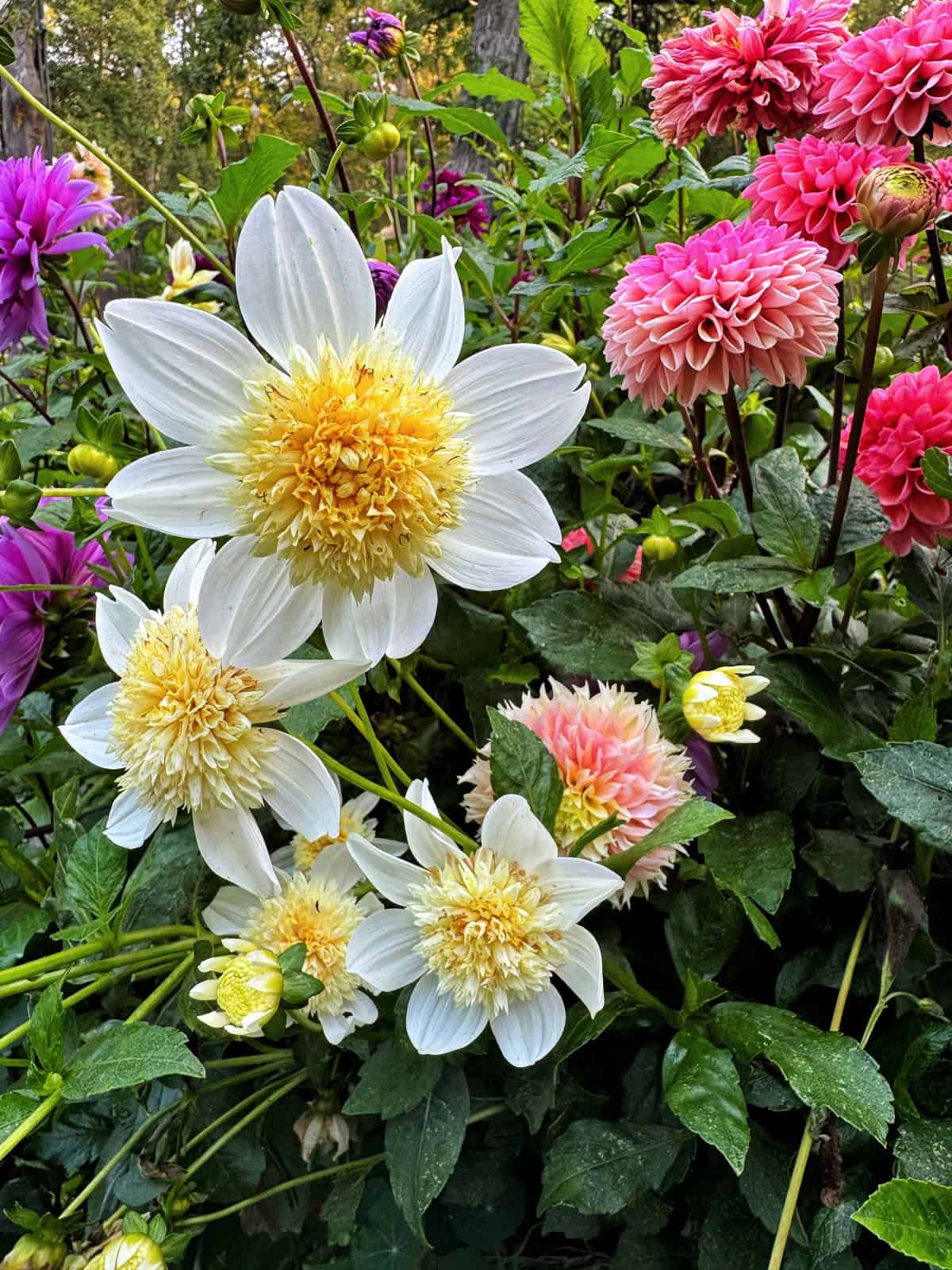
I usually grow dahlias from tubers, but I’ve also started them from seed and was surprised by how quickly and easily they germinated. Seed-grown dahlias aren’t identical to tuber-grown varieties, but they’re a fun option if you enjoy experimenting and don’t mind a little variation.
For more information about how I grow dahlias, please visit: How to Grow Dahlias
Why These Flowers Are So Reliable
All of the flowers on this list have a few things in common:
- They germinate consistently
- They tolerate early-season conditions well
- They grow into strong seedlings without constant intervention
Choosing flowers that match the right winter seed-starting method makes success far more predictable.
If seed starting hasn’t gone well for you in the past, it’s often a matter of method mismatch, not lack of skill.
👉 Internal link opportunity: Why Flower Seeds Fail to Germinate

Quick Tips for Winter Seed Starting Success
- Start with high-quality seed from reputable sources
- Use a well-draining seed-starting mix
- Provide consistent light indoors, especially during winter
- Maintain even moisture, avoiding soggy soil
- Be patient — winter seed starting rewards steady progress

Ready to Grow More? Start With a Simple, Proven Framework
Growing flowers from seed doesn’t have to feel complicated — especially when you start with varieties that are naturally resilient and beginner-friendly. But the real confidence comes from understanding how to choose the right plants for your climate, space, and lifestyle so your garden stays manageable long term.
In The Bricks ’n Blooms Guide to a Beautiful and Easy-Care Flower Garden, I walk through the exact approach I use in my own garden — from selecting dependable plants to designing beds that look full and beautiful without constant upkeep. It’s the step-by-step foundation that helps new gardeners move from “trying seeds” to growing a garden they truly love.
If you’re especially interested in growing flowers for bouquets, 3 Easy Ways to Start a Cut Flower Garden dives deeper into seed-starting methods and planning for continuous blooms.
More About Easy-Care Flowers to Start From Seed This Winter
Starting flowers from seed in winter doesn’t have to be complicated or overwhelming. Over the years, I’ve learned that success comes down to choosing the right flowers and matching them to the method that works best — whether that’s starting seeds indoors under grow lights or using winter sowing to let nature handle the timing.
If seed starting hasn’t gone well for you in the past, it’s usually not a lack of skill. More often, it’s a mismatch between the flower, the method, or the conditions. Once you focus on reliable flowers and proven approaches, winter seed starting becomes one of the most rewarding parts of the gardening season.
If you run into issues along the way, this guide on why flower seeds fail to germinate can help you troubleshoot common problems and make small adjustments that lead to better results.
Starting with flowers that are easy to grow from seed in winter builds confidence — and that confidence carries straight into a more productive, enjoyable garden.
Do you start seeds during the winter too? If so, what are your favorite plants to start from seed? Which easy flowers to grow are your favorites? I would love to know more in the comments below – let’s chat!
Thank you for visiting the blog today!
Enjoy your day! xo



Originally Published . Last Updated .

I purchased several calathea plants online. Now I have something chewing on the leaves. Don’t know what it is. The only thing I have in the house is nats. Which I have pulled the plants up looking for the worms. Have found nothing. I have put several different things on them from dispel dust to dipel Final stop organic gardening (suppose to kill aphids, white flies mites caterpillars Darwin’s cowboy beetles and more. I am so sad. They were doing so well. Any suggestion would be appreciated.
If you send me photos of the leaf damage to bricksnblooms@gmail.com I can try to better DX what’s going on with your plant! How long ago did you get it?
Thank you Stacey for your gardening advice.
Please have on proper breathing ware when using perlite. It has silica in it which, as you know, can destroy your lungs as can lime because of the silica in it. There is one brand that doesn’t have silica in it and it’s a bit expensive. Think I saw it on Amazon.
Thank you for showing us how to get out of the winter blues.
That is such a great tip Diana and so true! Thank you for sharing!