
Winter Seed Starting Calendar: What Flowers to Start in Winter

Wondering what flowers to start in winter? This winter seed starting calendar shows when to winter sow or start flower seeds indoors.
By mid-winter, I’m more than ready to get my hands back in the dirt — even if the garden outside is still frozen solid. Using a combination of winter sowing and indoor seed starting under grow lights allows me to get a jump on flower season instead of waiting until I can finally direct sow seeds outdoors in spring.
I’ll admit it — I’m a little impatient when it comes to gardening. Long, cold, dark New Jersey winters can feel endless, and starting seeds in winter is one of the best ways I’ve found to keep gardening year-round. It gives me something to tend during the off-season and consistently results in stronger plants and earlier blooms once spring arrives.
This winter seed starting calendar for flowers is based on how I start seeds in my own Zone 6b garden using both winter sowing and indoor seed starting. Some flowers benefit from cold exposure and are well suited to winter sowing, while others perform better when started indoors under lights.
Whether you’re looking to get a head start on the growing season or simply want a way to stay connected to your garden during the winter months, starting flower seeds early is a rewarding way to make the most of the off-season.
(Posts on stacyling.com may contain affiliate links. Click HERE for full disclosure.)

How to Use This Winter Seed Starting Calendar
This winter seed starting calendar is based on my own growing conditions, but it can easily be adapted to other climates. Indoor seed starting dates are tied to your average last frost date, which varies depending on where you garden.
Before starting seeds indoors, I recommend looking up your last frost date using the Farmer’s Almanac and your zip code. From there, you can adjust the timing in this calendar to match your specific growing zone. Winter sowing, on the other hand, is far more flexible since seeds naturally germinate when conditions are right.
Use this calendar as a guide rather than a strict schedule. Weather patterns shift from year to year, and learning to observe how your garden responds is just as important as following exact dates.
How Winter Seed Starting Works
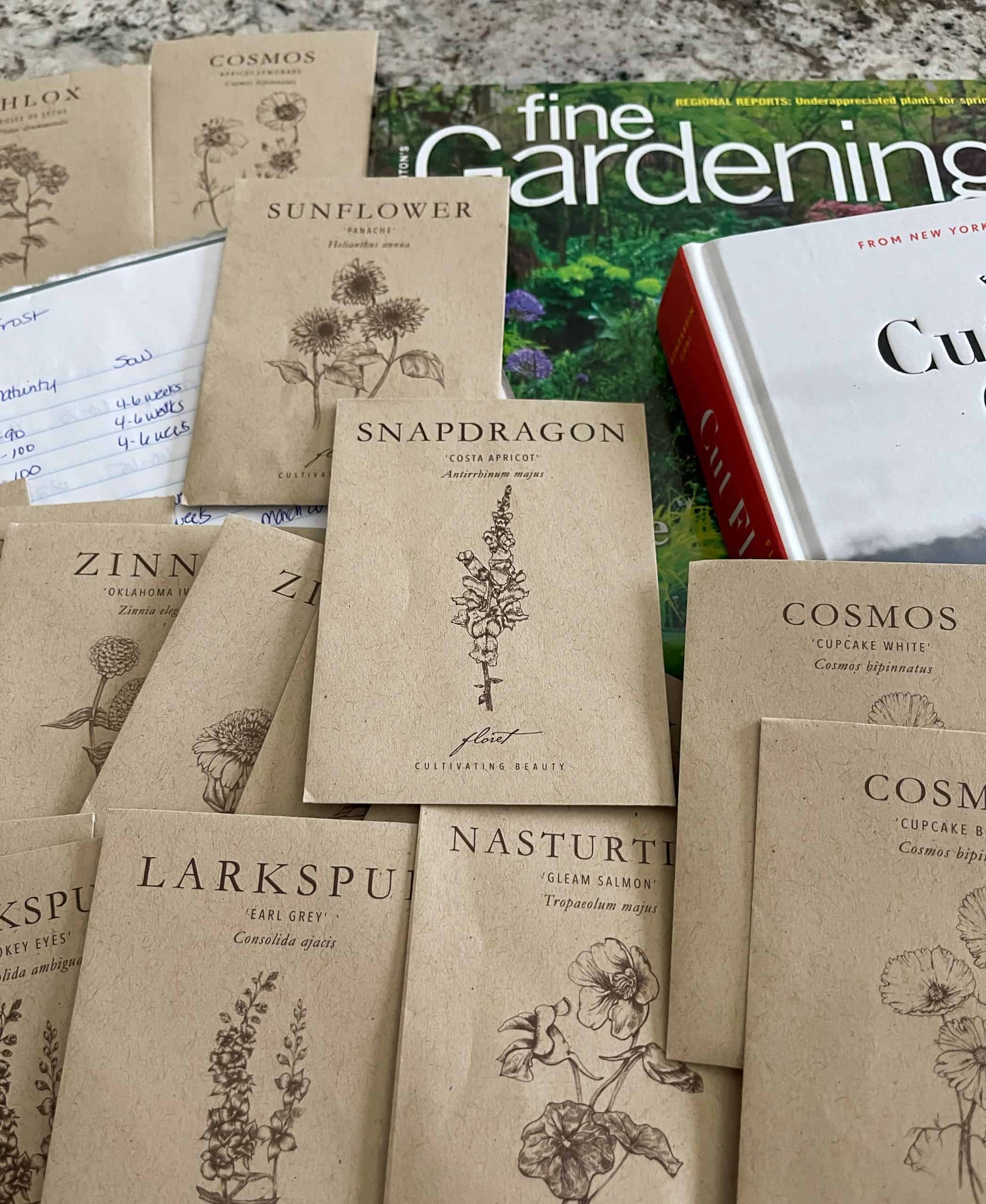
There are two main ways I start flower seeds during the winter months. I use both methods each season, depending on the type of flower and how it performs best in my garden.
Two Ways I Start Flower Seeds in Winter
Winter sowing outdoors is a method where seeds are planted in containers and left outside to experience natural winter conditions. The containers act like mini greenhouses, protecting seeds while still allowing exposure to cold, moisture, and temperature fluctuations. This method works especially well for cold-hardy and slow-growing flowers. 👉 Learn how to winter sow seeds outdoors.


Starting seeds indoors under grow lights gives me more control over temperature and light, which is helpful for flowers that prefer warmer germination conditions or benefit from an early start. This method allows seeds to germinate consistently and produces transplants that are ready to go once outdoor conditions improve. 👉 Learn how to start seeds indoors without a greenhouse.
By combining both winter sowing and indoor seed starting, I’m able to grow a wider variety of flowers and spread out the workload long before spring planting begins.

How I Test Seed Starting Methods
Not every flower responds the same way to seed starting, so when I’m unsure which method will perform best, I test both in the same growing season. I split varieties and start some seeds indoors under grow lights while others are started outdoors using winter sowing.
Testing both methods at the same time allows me to compare how the plants grow, flower, and handle transplanting under the same garden conditions. It also ensures I still get a reliable crop of blooms while learning which approach works best for each flower in my garden.
Over time, this process has helped me fine-tune when and how I start different flower seeds. Some flowers consistently perform better when winter sown, while others benefit from the more controlled environment of indoor seed starting. The results guide how I plan future seasons and make winter seed starting more efficient and successful each year.
January–February Winter Seed Starting Calendar (Zone 6b)
January and February are when I start the bulk of my winter seed starting. During these months, I rely on winter sowing for cold-tolerant and slow-growing flowers, while starting others indoors under grow lights based on my last frost date.
This section shows exactly what I start during this window and how I decide which method to us.
Flowers I Winter Sow in January and February
These flowers are cold-hardy, slow to germinate, or consistently perform better for me when exposed to natural winter conditions. Winter sowing allows them to germinate gradually as temperatures warm, resulting in sturdy, well-adapted plants.
- Sweet peas – Winter sowing produces stronger plants and better flowering for me than indoor starts. To learn more, please visit my winter sowing sweet peas guide
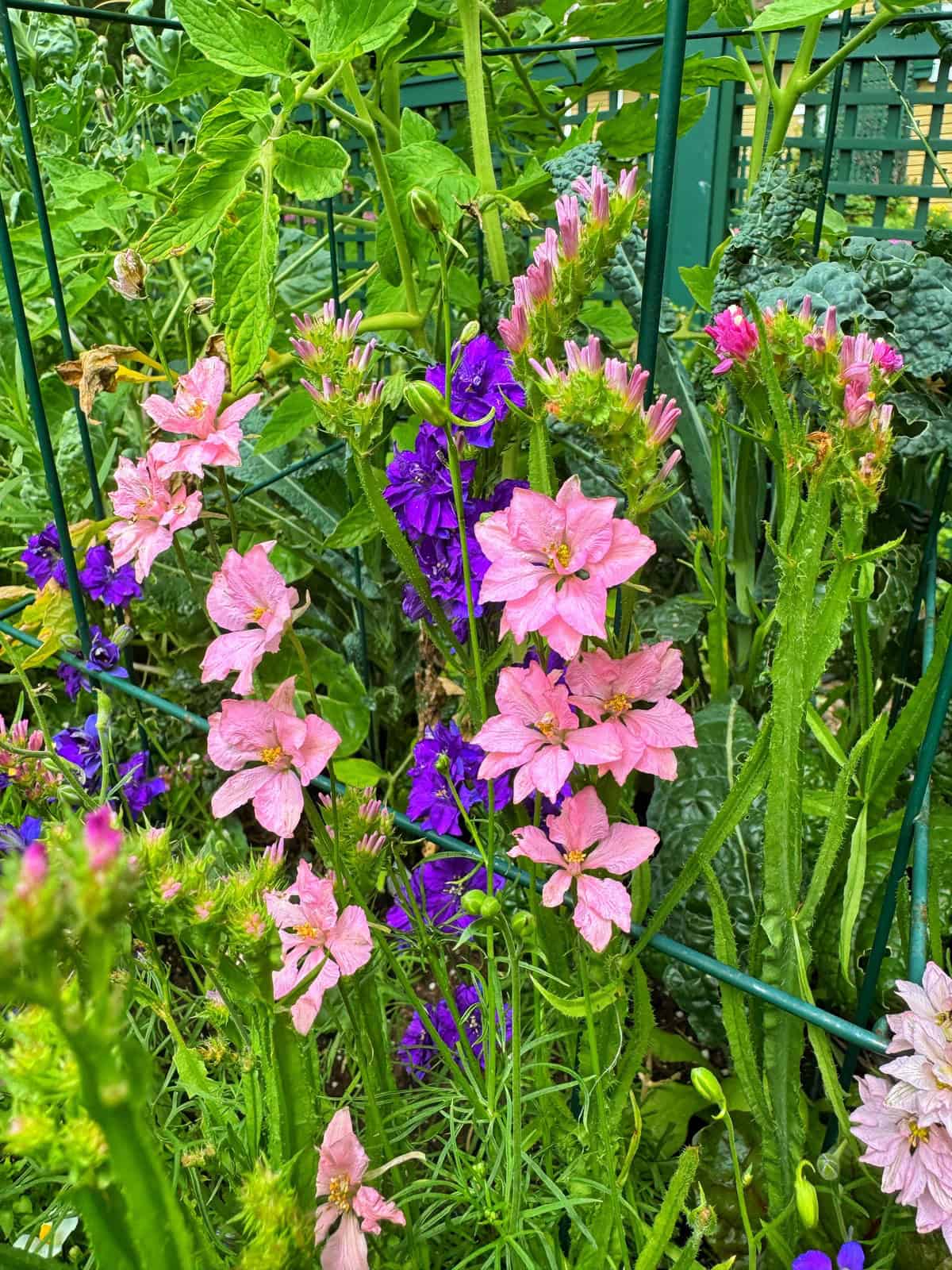
- Larkspur – One of my best-performing winter-sown flowers; plants are sturdier and flower more reliably. To learn more, please visit my winter sowing larkspur guide
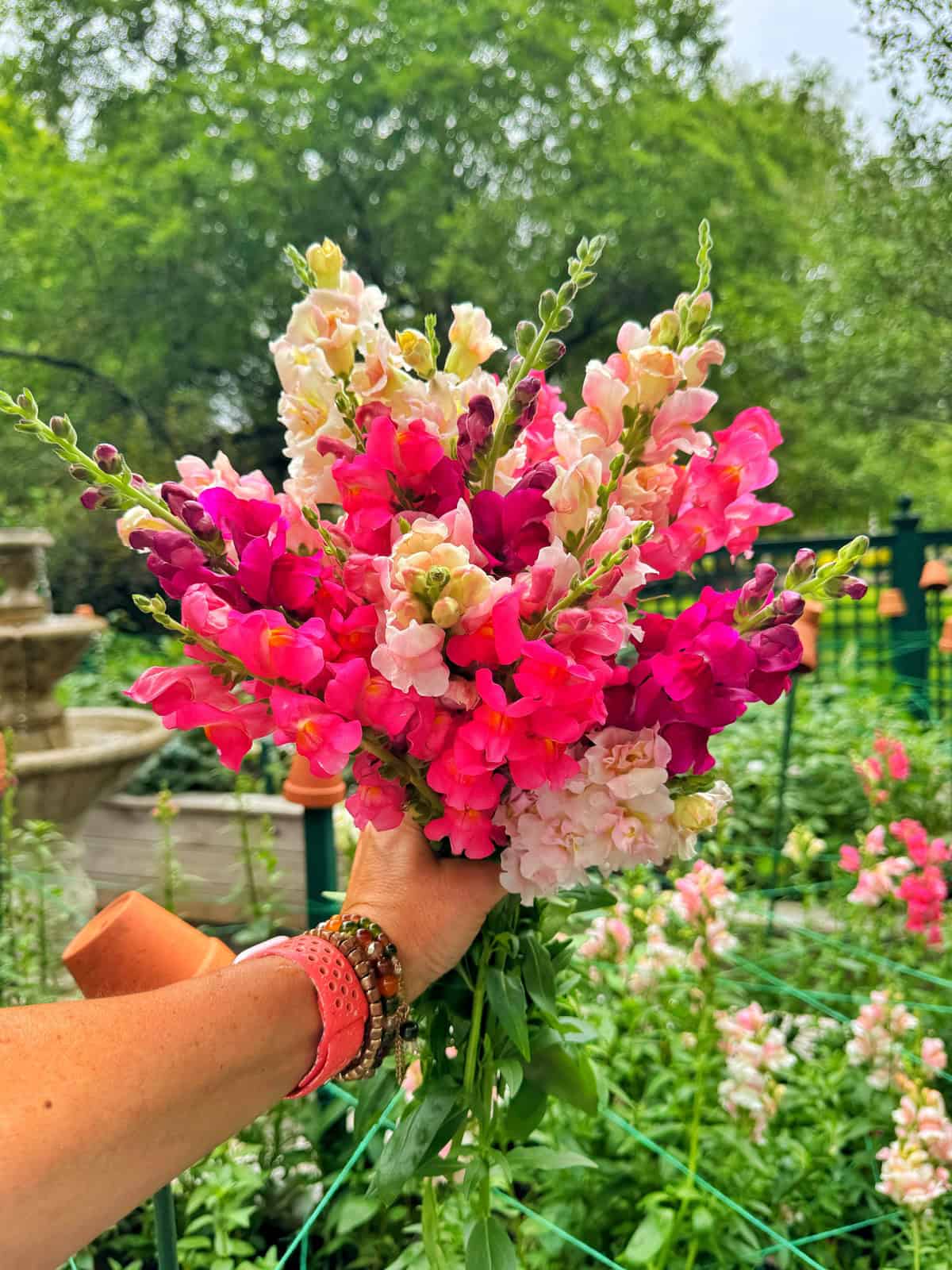
- Snapdragons (some varieties) – I split my snapdragon seeds between winter sowing and indoor starting to compare performance. To learn more, see my seed starting snapdragons guide
- Lupines – Benefit from cold exposure and slow, natural germination.
- Delphiniums – Another flower that responds well to winter conditions and early sowing.
- Dara – Cold-tolerant and easy to winter sow for early blooms.
- Nigella – Handles winter sowing well and prefers cooler growing conditions.
- Calendula – I test calendula by winter sowing some seeds while direct sowing others in spring. To learn more, please see my seed starting calendula guide
- Stock – While seeds germinate indoors, plants perform better for me when winter sown, likely due to their cool-season nature.
- Yarrow – Winter sowing produces hardy, vigorous plants. To learn more, please see my how to grow yarrow guide
- Statice – Winter sowing worked extremely well for me last year, producing strong plants with great blooms.
For more information about the best flowers for winter sowing, please visit my guide: Best Flowers to Winter Sow

Flowers I Start Indoors Under Grow Lights in January, February and March
These flowers prefer warmer germination temperatures, consistent light, or have performed better for me when started indoors rather than winter sown.
- Zinnias – Started indoors for an early jump on flowering. To learn more, see my seed starting zinnias guide
- Strawflowers – Germinate reliably indoors and benefit from an early start. To learn more, see my seed starting strawflowers guide
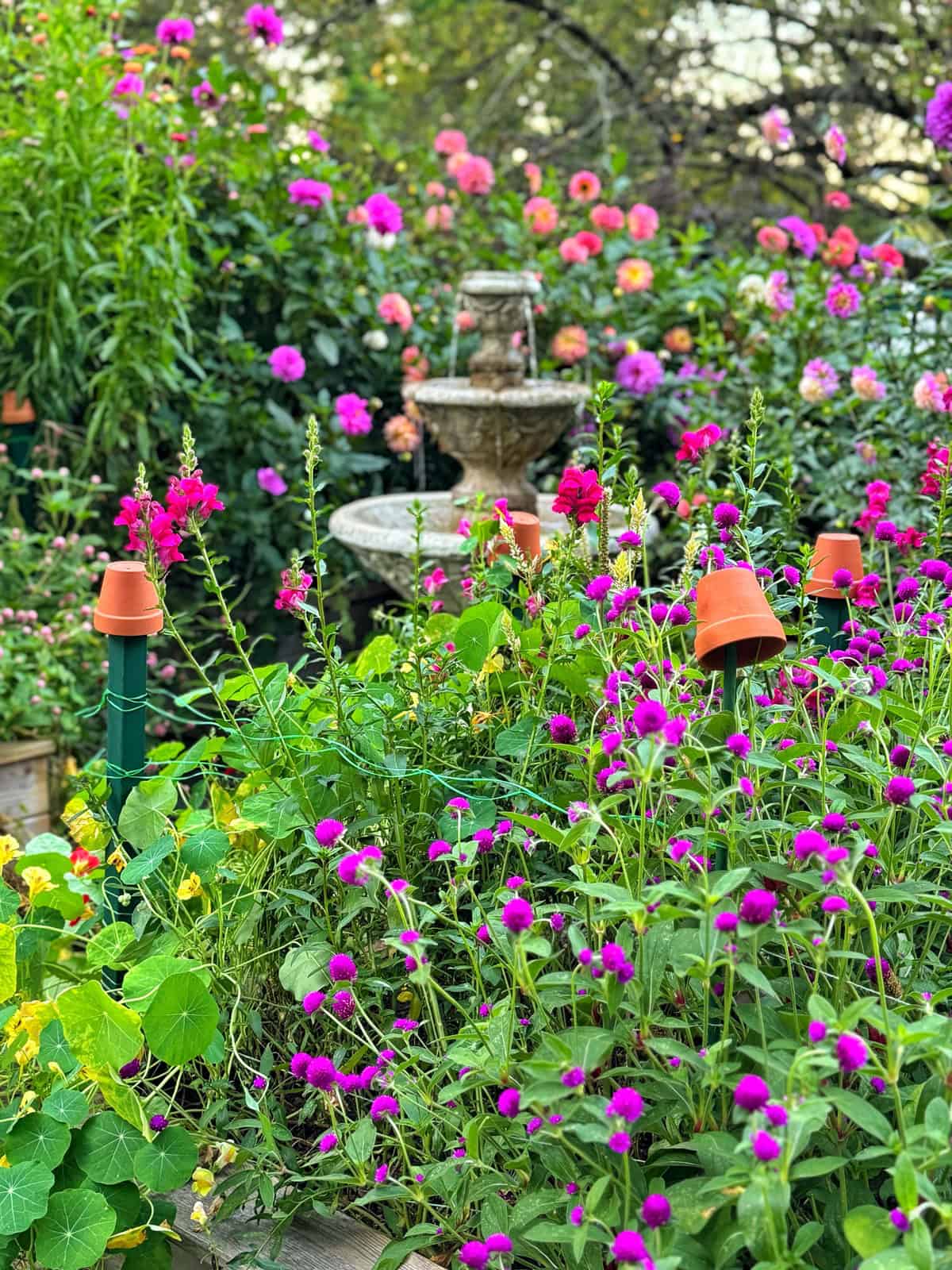
- Gomphrena – Prefers warm soil and steady light during germination. To learn more, see my seed starting gomphrena guide
- Snapdragons (the rest) – Indoor starts help ensure a steady supply of transplants.
- Ageratum – Performs well with indoor seed starting and consistent warmth.
- Verbena bonariensis – Benefits from controlled conditions during early growth.
- Amaranthus – Performs well with indoor controlled conditions and early start to the season.
- Foxgloves – Although I winter sow some, I’ve had better results starting foxgloves indoors under grow lights. To learn more, see my foxglove growing guide

Indoor Seed Starting Timing (Based on Last Frost Date)
Indoor seed starting dates are based on your average last frost date. Always refer to the seed packet for specific seed starting recommendations, as timing can vary by variety. I was surprised to see that my last frost date was pushed back by a few weeks versus last year! So always check before you plan it all out.
| Flower | When to Start Indoors |
|---|---|
| Zinnias | 4–6 weeks before last frost |
| Strawflowers | 4–6 weeks before last frost |
| Gomphrena | 6–8 weeks before last frost |
| Snapdragons | 8–10 weeks before last frost |
| Ageratum | 6–8 weeks before last frost |
| Amaranthus | 4–6 weeks before last frost |
| Verbena bonariensis | 8–10 weeks before last frost |
| Foxgloves | 10–12 weeks before last frost |
How to Use This Section
Use these lists as a framework rather than a strict rulebook. Weather, seed varieties, and garden conditions all play a role, and experimenting – especially by splitting seed batches – can help you learn what works best in your own garden.
Why Some Flowers Perform Better Winter Sown vs Indoors
Not all flowers respond the same way to seed starting, which is why I use both winter sowing and indoor seed starting. Understanding how different plants grow helps explain why certain flowers consistently perform better with one method over the other.
Many cool-season flowers, such as larkspur, sweet peas, and stock, naturally germinate in cool soil and prefer gradual exposure to outdoor conditions. When these flowers are winter sown, they experience natural temperature fluctuations that help produce sturdier plants and more reliable flowering. Winter sowing also eliminates the need for hardening off, reducing transplant stress once seedlings are moved into the garden.
Other flowers prefer warmer germination temperatures or benefit from the consistent light and moisture provided by indoor seed starting. Starting these seeds indoors under grow lights allows for more controlled conditions during early growth, which can lead to stronger transplants and earlier blooms once they’re planted outside.
By matching the seed starting method to each flower’s natural preferences, I’m able to grow healthier plants, extend the bloom season, and make the most of the winter months. Over time, testing both approaches has helped me fine-tune which flowers belong indoors and which thrive when winter sown.
Common Winter Seed Starting Mistakes to Avoid
Winter seed starting is a great way to get ahead of the growing season, but a few common mistakes can slow things down or lead to disappointment. Avoiding these issues will help set your seedlings up for success.
Starting warm-season flowers too early
Some flowers need warm soil and longer days to grow well. Starting them too early in winter can lead to leggy seedlings or stalled growth. Follow your last frost date and start warm-season flowers indoors at the right time.
Overwatering winter-sown containers
Winter-sown seeds need moisture, but soggy soil can cause rot. Containers should be damp, not soaking wet, and allowed to drain freely. Snow and rain usually provide enough moisture through winter.
Forgetting to label containers
It’s surprisingly easy to forget what was planted where, especially when sowing many containers at once. Always label winter-sown containers clearly using weather-resistant labels or markers.
Expecting all seeds to germinate at the same time
Winter-sown seeds germinate gradually as conditions improve. Some may sprout early, while others take weeks or even months. Patience is part of the process.
Not providing enough light for indoor seedlings
Seedlings started indoors need strong, consistent light to grow properly. Grow lights should be placed close to seedlings and adjusted as they grow to prevent stretching.
Misreading seed packets
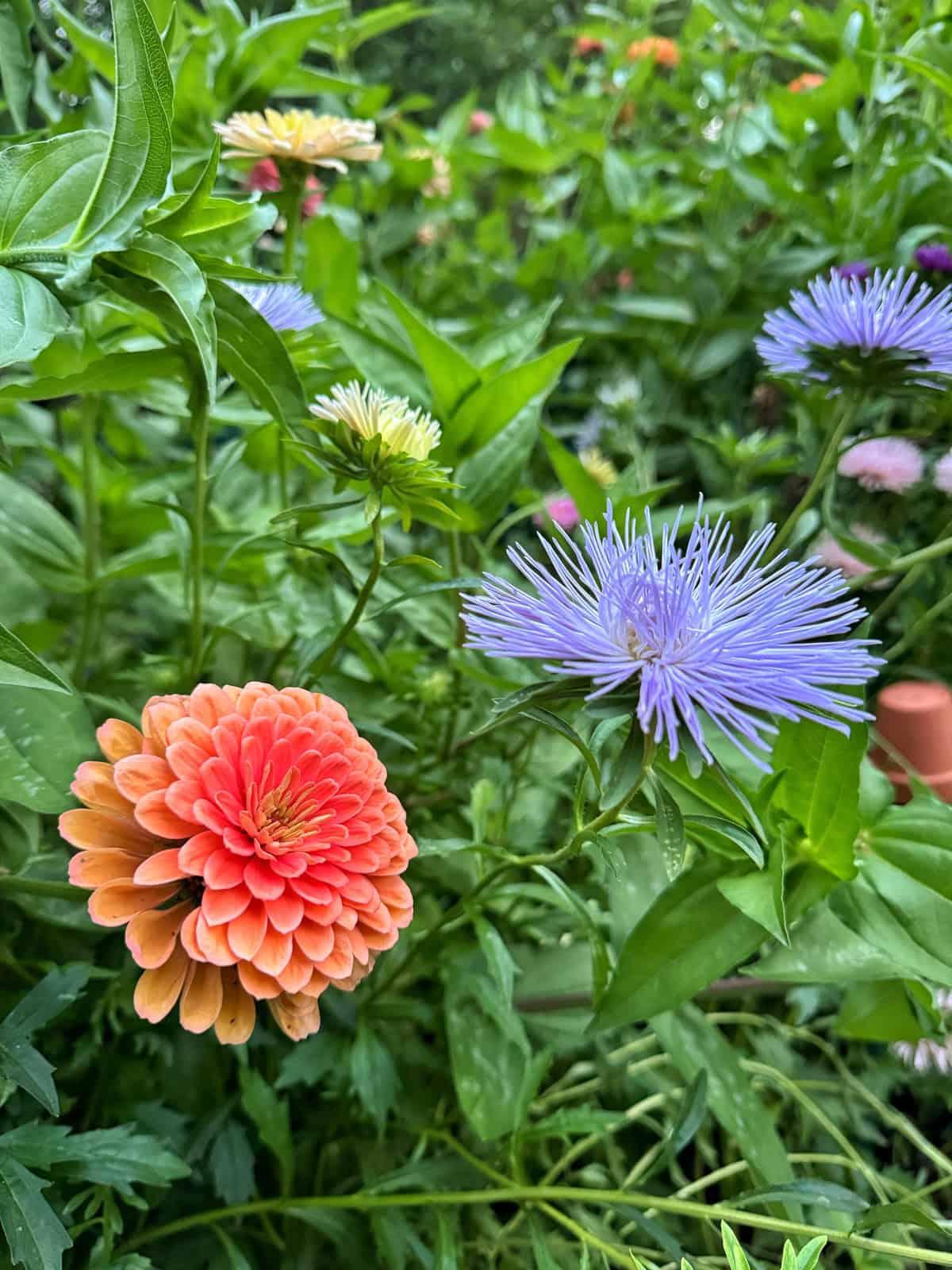
It’s easy to rush through seed packets when you’re excited to get planting, but slowing down matters. I once misread a packet of China asters as perennial asters, which definitely changed my expectations for where and how I planted them. Always double-check whether a flower is an annual, biennial, or perennial, along with any special germination requirements.
Final Thoughts: Getting a Head Start on Flower Season
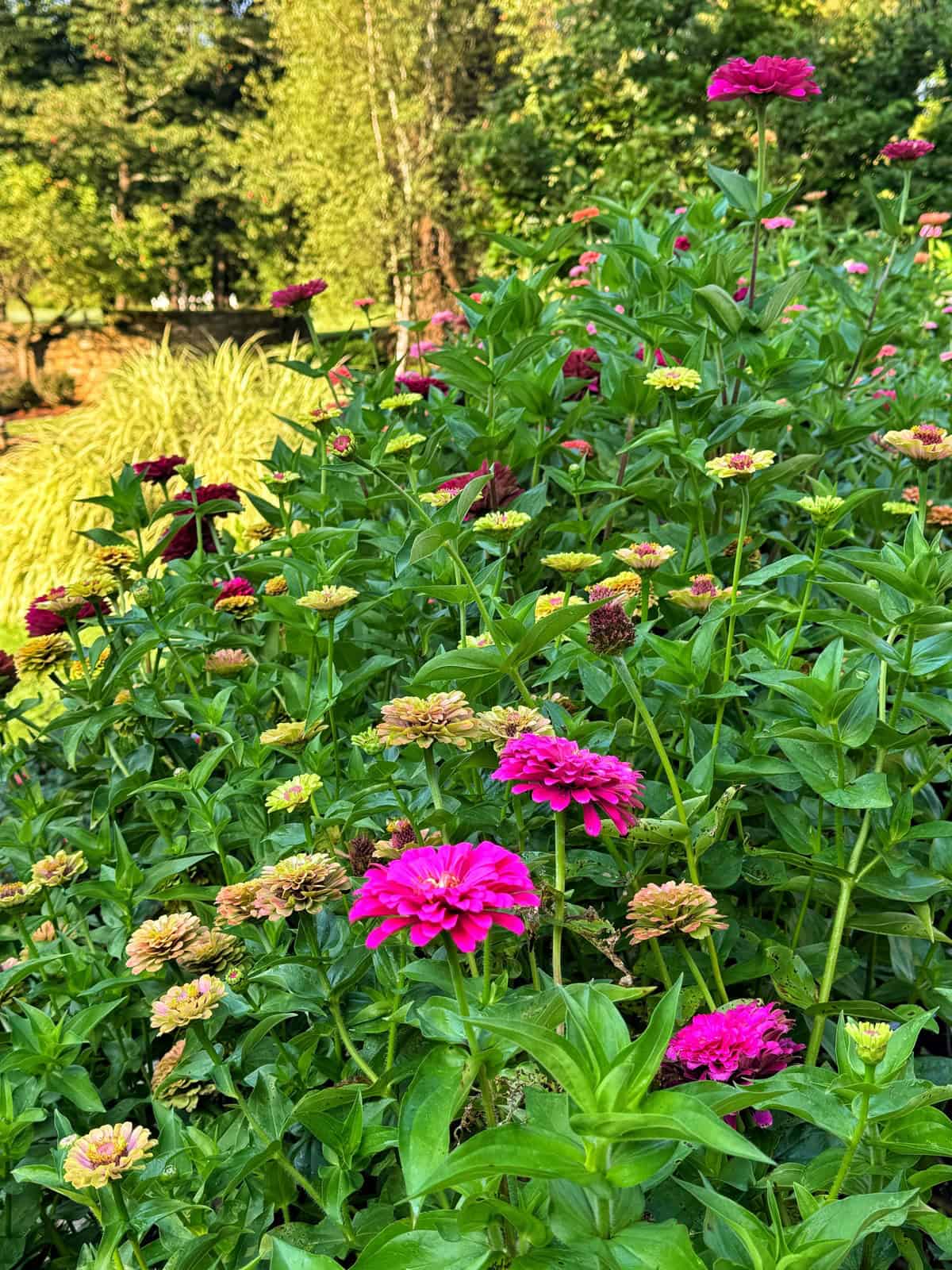
Winter seed starting has completely changed the way I garden. By using a mix of winter sowing and indoor seed starting, I’m able to spread out the workload, grow a wider variety of flowers, and enjoy earlier, stronger blooms once the growing season begins. Instead of feeling behind when spring arrives, I already have healthy seedlings ready to go.
Over the years, I’ve learned that there’s no single “right” way to start seeds. Some flowers thrive when exposed to natural winter conditions, while others perform better with the warmth and consistency of grow lights. Testing different methods, observing results, and adjusting each season has helped me refine what works best in my garden — and that process is part of what makes gardening so rewarding.
If you’re new to winter seed starting, start small. Choose a few flowers, follow this calendar as a guide, and don’t be afraid to experiment. Every season teaches you something new, and those lessons add up quickly.
For step-by-step guidance, you can explore my full winter sowing guide or learn how I start seeds indoors without a greenhouse. I also share detailed seed-starting tips for individual flowers like sweet peas, larkspur, snapdragons, zinnias, calendula, strawflowers, gomphrena, yarrow, and foxgloves, so you can dig deeper into the plants you’re most excited to grow.
Starting seeds in winter is more than just getting a head start. It’s a way to stay connected to your garden year-round and set yourself up for a successful, flower-filled season ahead.
Thank you for visiting the blog today!
Enjoy your day! xo

Originally Published . Last Updated .
