
Start Here: Easy Houseplants That Anyone Can Keep Alive

New to houseplants or short on time? These easy, low-maintenance plants help anyone succeed indoors with confidence.
If you’ve ever felt like you “just can’t keep houseplants alive,” you’re not alone. I used to think the same thing — even as an experienced outdoor gardener. It took me years to realize that growing plants indoors is an entirely different skill set, and success has far less to do with talent and far more to do with choosing the right plants for your home and lifestyle.
When I finally stopped trying to grow everything and started focusing on easy, resilient houseplants, everything changed. My plants got healthier. My confidence grew. And indoor gardening became something I genuinely looked forward to instead of stressing over.
Today, houseplants are woven into my daily life. They’re part of how I decorate my home, how I unwind, and how I create calm during busy seasons. Even in homes where light is limited or schedules are packed, I’ve learned that anyone can grow indoor plants successfully — if they start with the right ones.
This post is your starting point.
Rather than overwhelming you with dozens of options, I’m sharing the easiest houseplants to keep alive — the ones I recommend to beginners, busy households, and anyone rebuilding confidence after a few plant losses. These are the plants that tolerate missed waterings, adapt to different light levels, and don’t demand constant attention.
If you want a deeper understanding of the basics behind plant success, you’ll find a complete breakdown in my houseplant care guide. And if watering has been the biggest struggle (it usually is), my watering indoor plants guide will help you stop guessing and start watering with confidence.
For now, though, let’s keep things simple — and start with plants that truly want to grow with you.
(Posts on stacyling.com may contain affiliate links. Click HERE for full disclosure.)
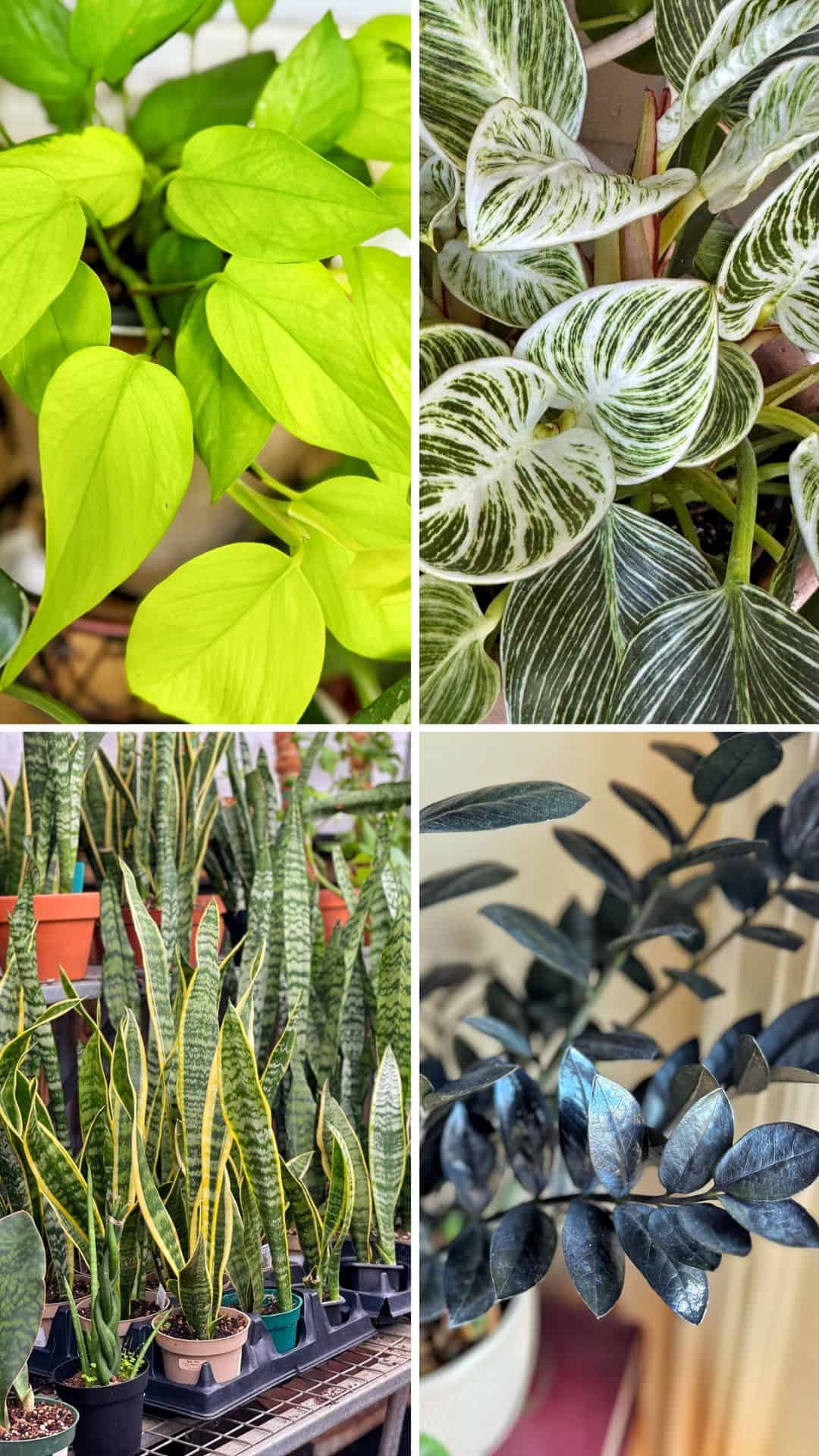
How to Choose Your First Houseplant
If you are just getting started with houseplants, the most important decision you will make is not where to place it or how often to water. It is choosing the right plant for your home and your lifestyle.
When I first started growing houseplants, I picked plants based on how they looked, not how they actually lived. I brought home beautiful plants that needed more light, more humidity, and more attention than my space could provide. That is how I ended up frustrated and convinced I was bad at indoor gardening.
What I have learned over time is that success comes from working with your environment, not against it.
Start by looking at the light you naturally have. If your home has lower light, choose plants that tolerate it instead of trying to force high light plants to survive. If you forget to water or travel often, pick plants that prefer to dry out rather than ones that need consistent moisture.
It also helps to be honest about how much attention you want to give your plants. Some people enjoy daily care. Others want plants that quietly grow in the background. Neither approach is wrong, but the plant needs to match the person growing it.
This is why I always recommend starting with one or two easy, forgiving plants. Learn how they behave in your space. Pay attention to how quickly the soil dries, how the leaves respond to light, and how often they actually need water. Once you understand that rhythm, adding more plants becomes much easier and far more enjoyable.
The plants below are the ones I recommend most often because they tolerate real homes, real schedules, and real life.
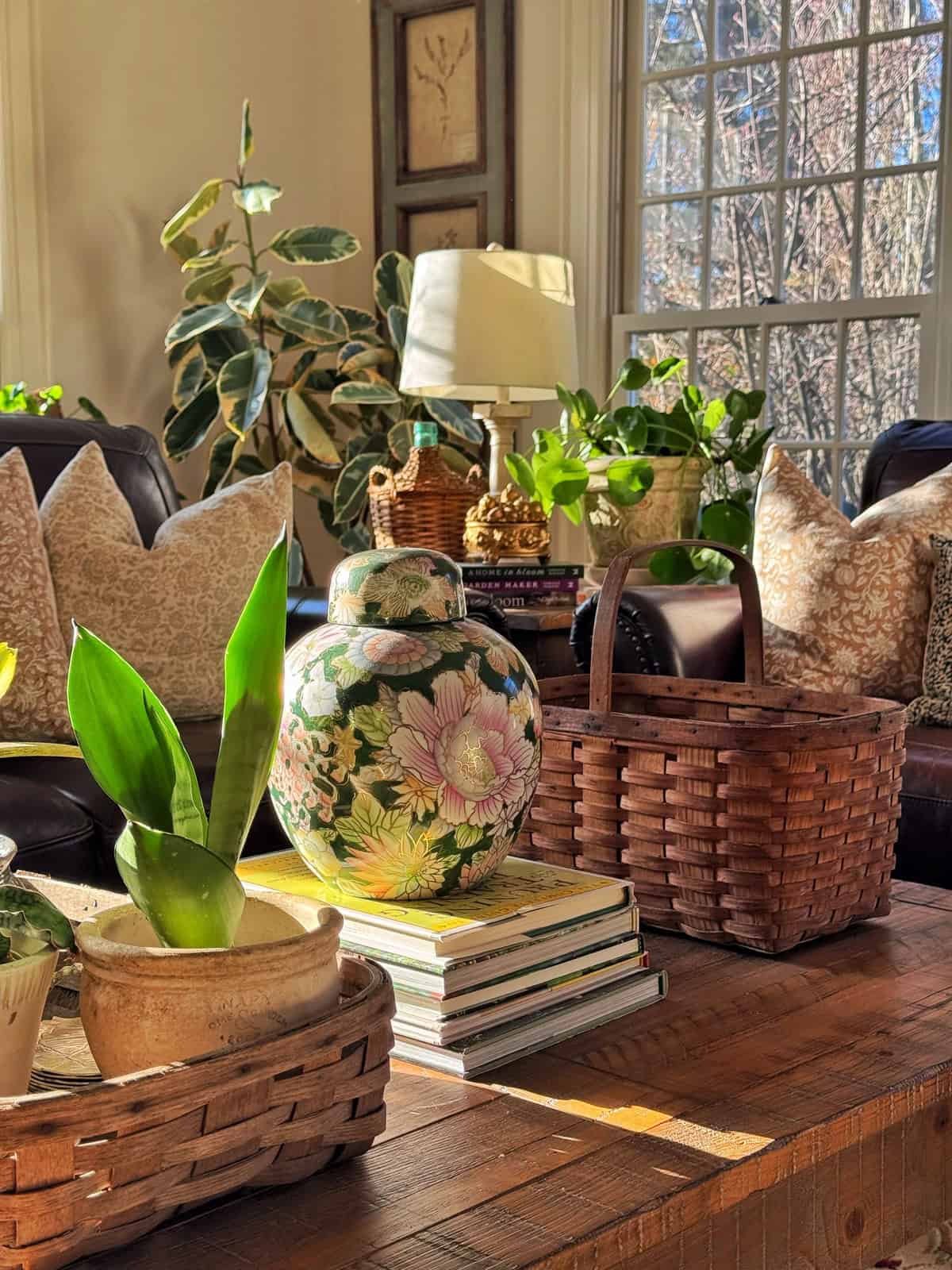
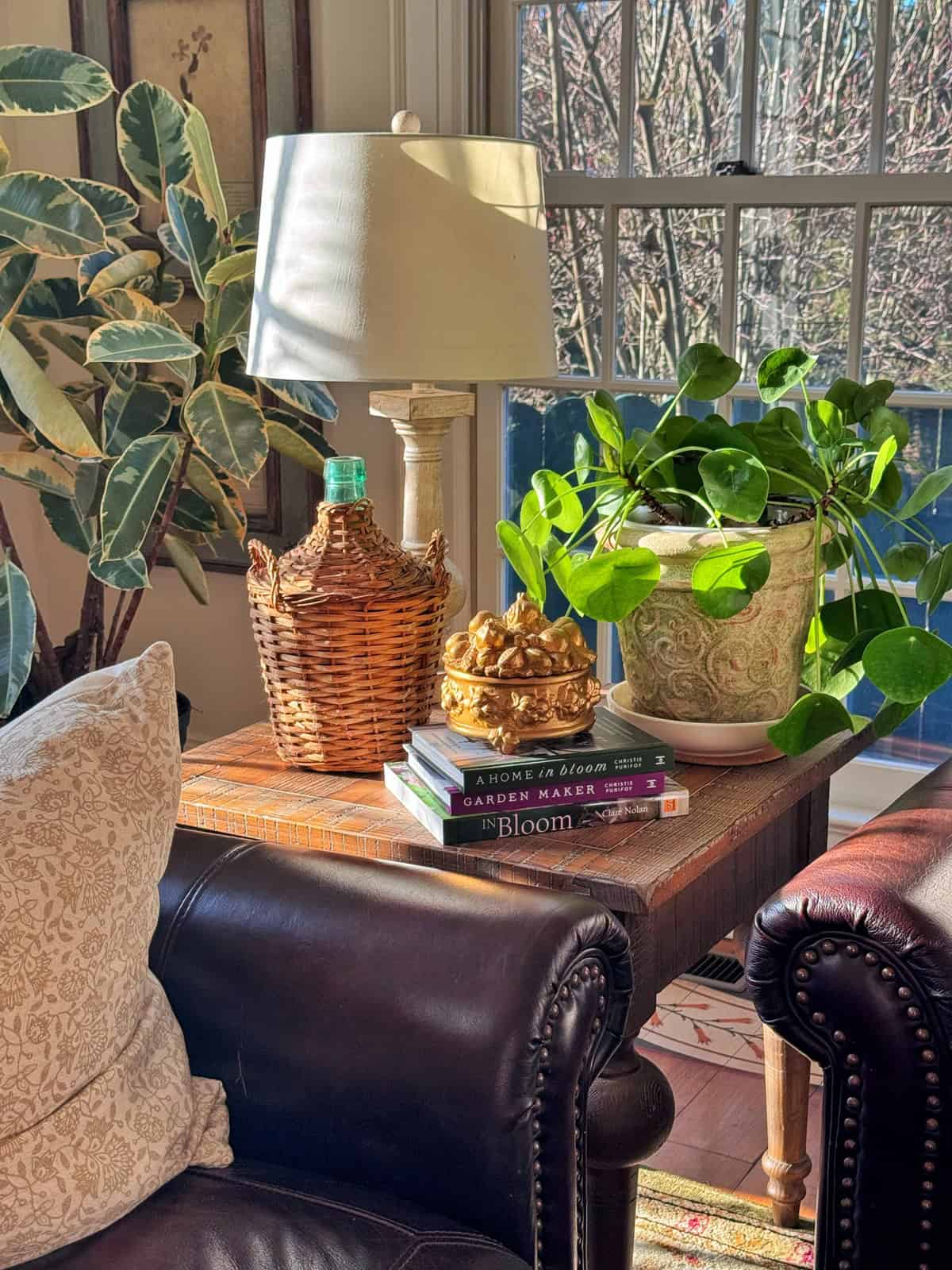
Easy Houseplants Anyone Can Keep Alive
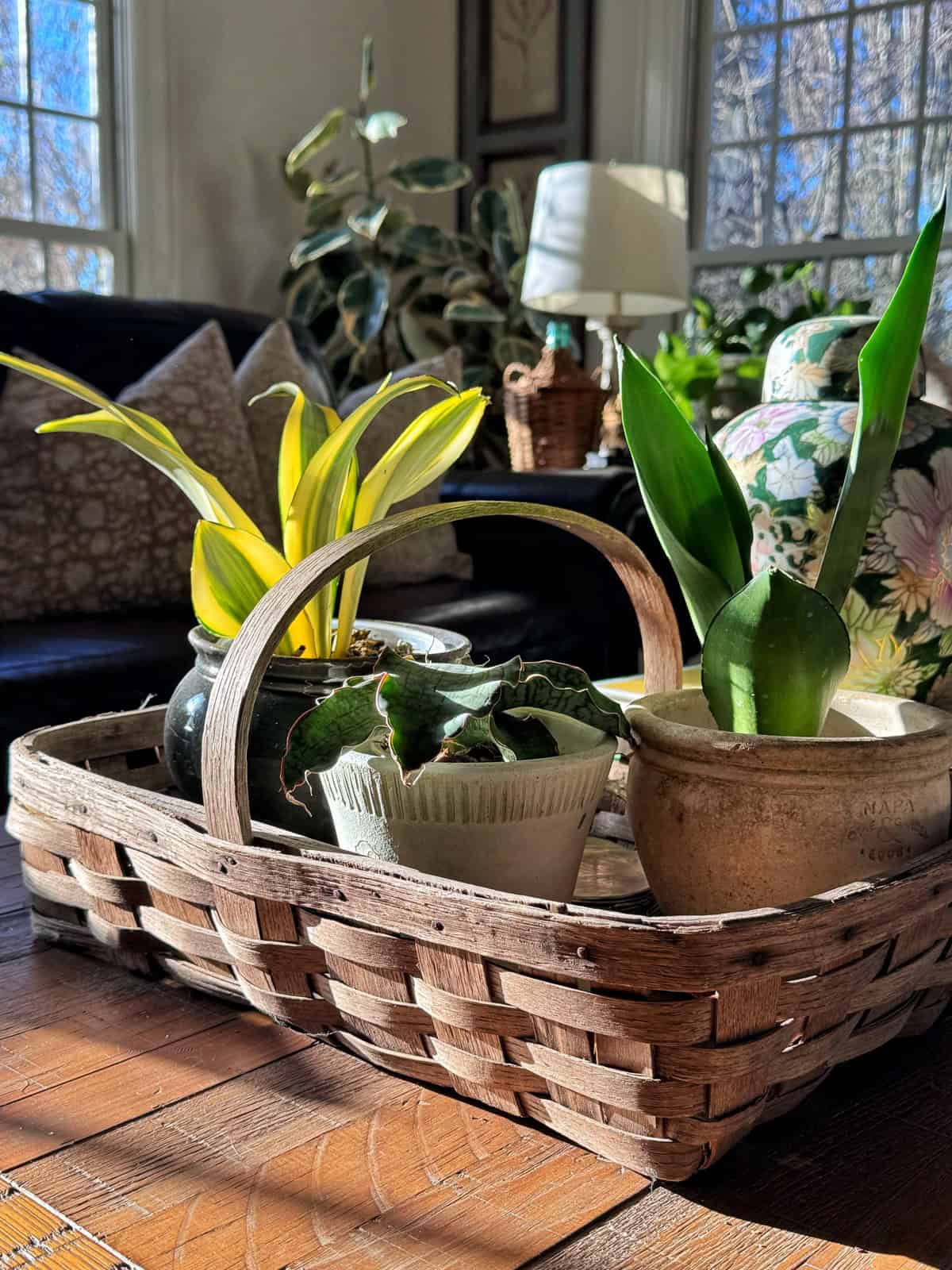
Snake Plant (Sansevieria)
If you only grow one houseplant, make it a snake plant.
Snake plants tolerate low light, bright light, missed waterings, and long stretches of neglect. I grow them throughout my home, and I even keep one at our Vermont cabin where we are sometimes gone for months at a time. When it looks a little thirsty, I water it once and it bounces right back.
If you want a deeper look at placement, watering, and long-term care, this snake plant care guide walks through everything step by step.
Pothos
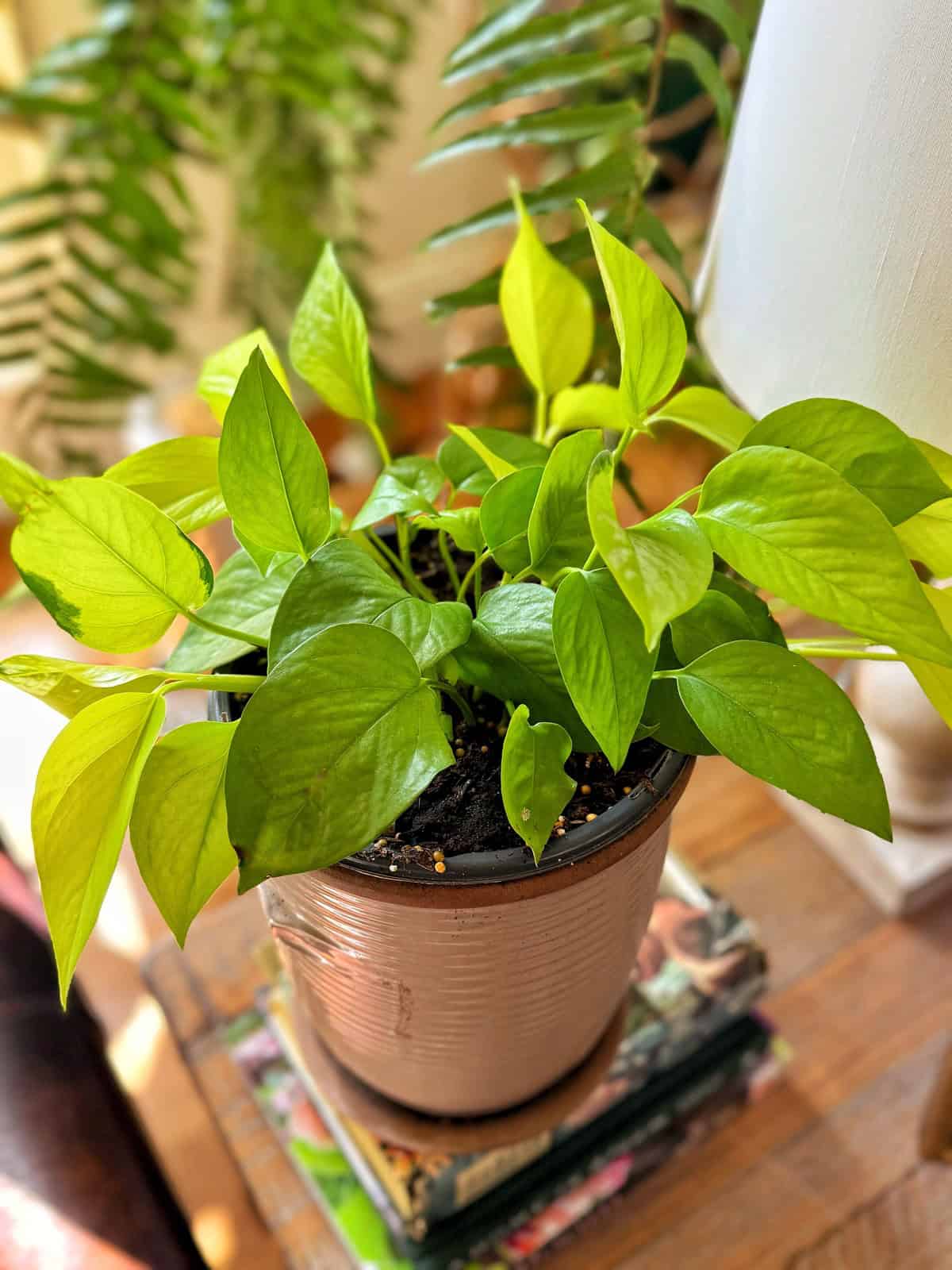
Pothos is one of the most forgiving plants you can grow indoors. It adapts to a wide range of light conditions and lets you know when it needs water without collapsing completely.
I love pothos because it grows quickly and rewards you almost immediately. It is a great confidence booster when you are just getting started, and it works beautifully in shelves, hanging planters, and trailing down bookcases. You can learn more about propagating it successfully in this pothos propagation guide.
ZZ Plant (Zamioculcas zamiifolia)
ZZ plants are slow growing, low light tolerant, and extremely drought tolerant. They store water in their roots, which means they prefer to dry out between waterings.
This is one of my favorite plants for busy households, offices, or rooms that do not get great light. If you tend to forget about your plants, the ZZ plant will not hold it against you. In my experience, it actually does better when you leave it alone, and with watering, less is more.
I share more tips on light and watering in this ZZ plant care guide.

Spider Plant
Spider plants are classic for a reason. They adapt well to indoor conditions, recover quickly from stress, and produce baby plants that are easy to propagate.
I grew spider plants for years in front of south-facing windows, but they also perform well in medium light. They are forgiving with watering and tend to look better once you stop fussing over them. If you want to propagate or troubleshoot common issues, this spider plant care guide will help.

Philodendron
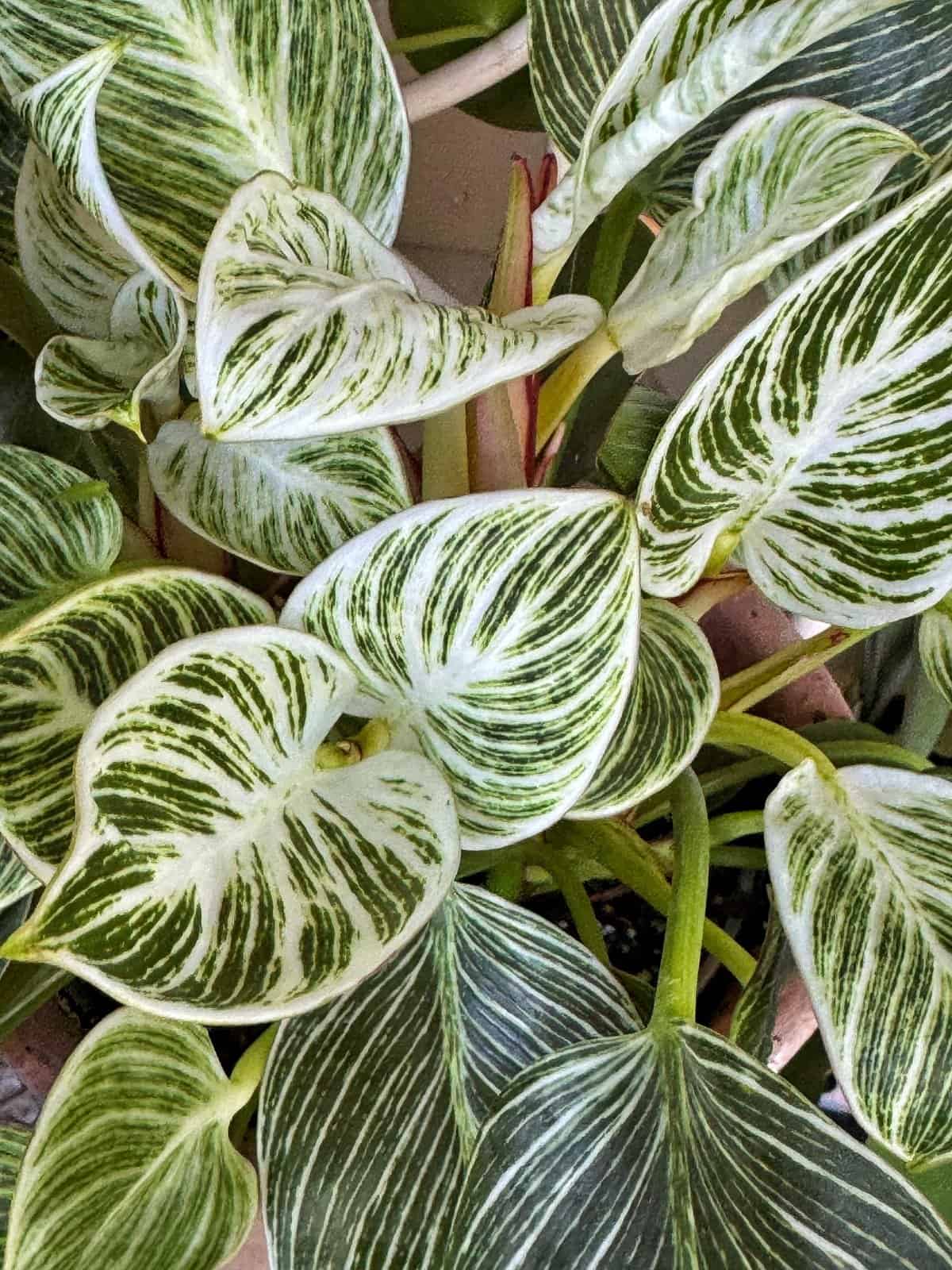
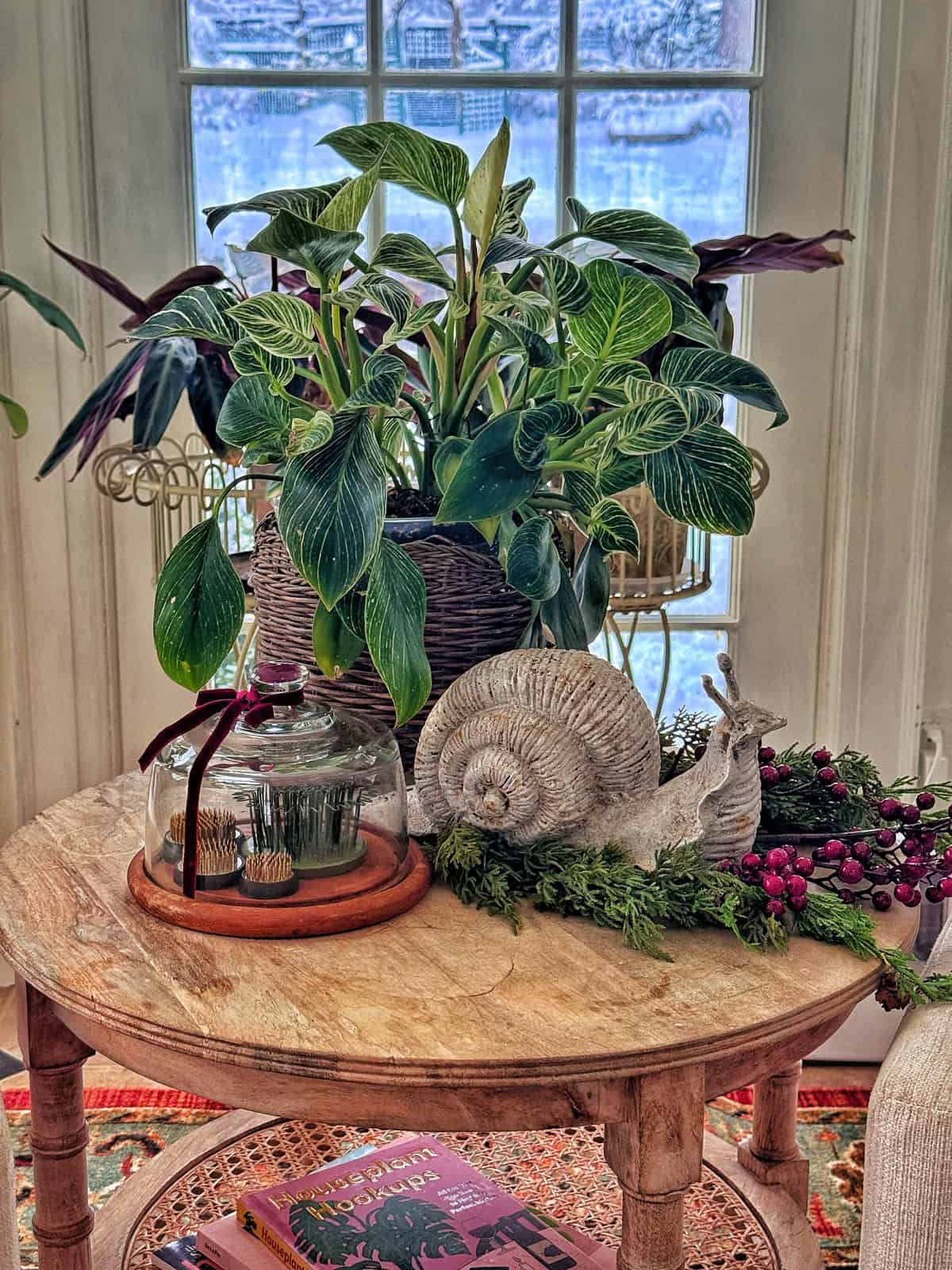
Philodendrons are easy-going plants that thrive in average indoor conditions. Heartleaf philodendrons in particular are excellent for beginners because they tolerate lower light and irregular watering better than many other vining plants.
I grow several varieties throughout my home because they add softness and movement to a space without requiring constant attention. You can find detailed care tips in these philodendron plant care guides:
- Heartleaf Philodendron Care
- Split Leaf Philodendron Care
- Philodednron Birkin Care
- Pink Princess Philodendron Care
Aloe Vera
Aloe is ideal if you tend to overwater plants. It prefers bright, indirect light and dry soil between waterings.
I like aloe because it thrives when left alone. Water it when the soil is completely dry, and it will stay compact and healthy. As a bonus, it is also useful to have on hand for minor burns and skin irritations. One year, I used my aloe vera plant for several weeks when I had a really bad poison ivy reaction – it helped so much! This aloe vera plant care guide explains how to keep it healthy long term.

Monstera
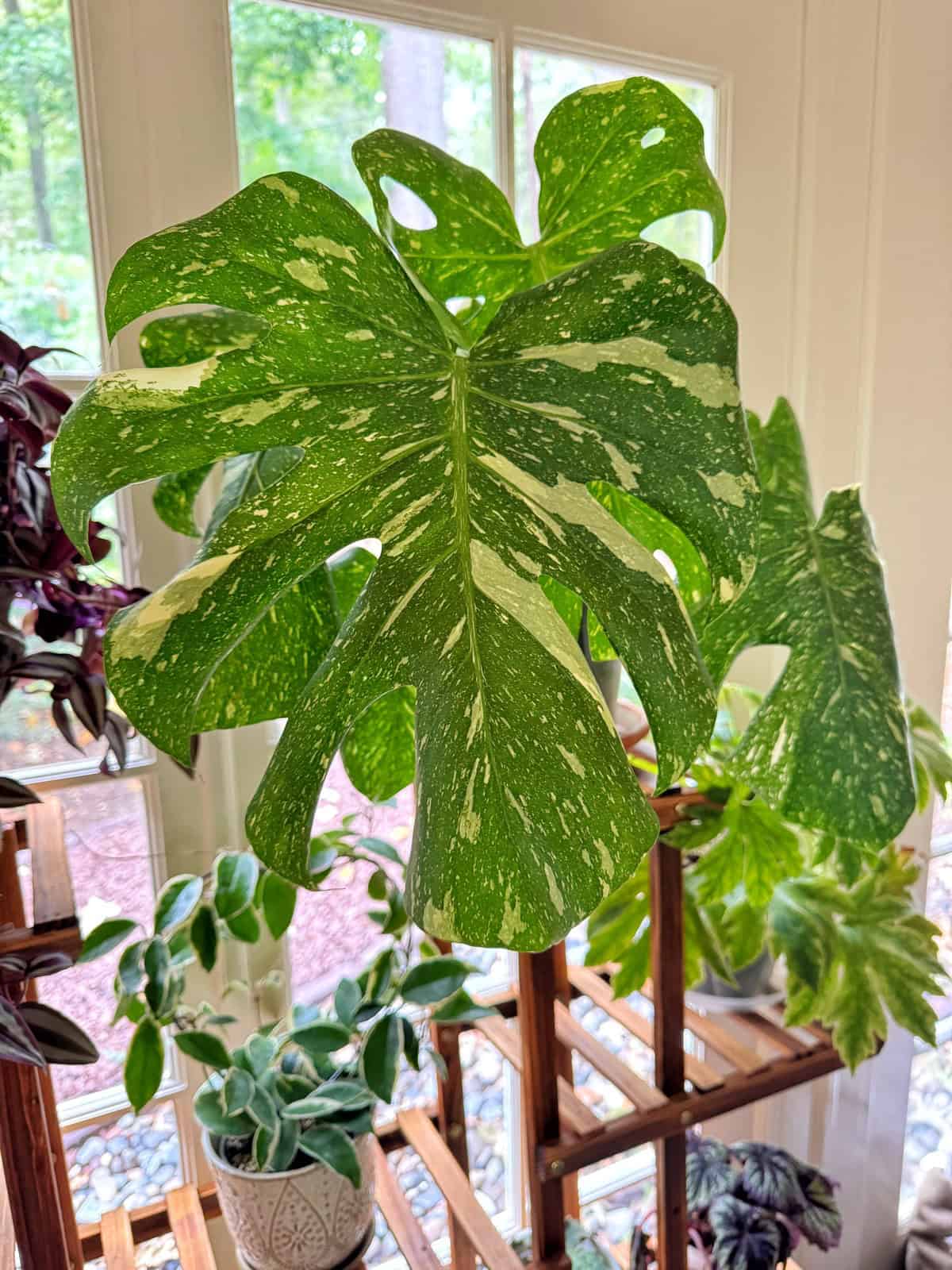
Monstera looks dramatic but is surprisingly easy to grow. It prefers bright, indirect light but adapts well to average indoor conditions.
I recommend monstera to beginners who want a statement plant without complicated care because you’ll love the growth habit. As long as it is not overwatered, it tends to grow steadily and predictably. I break down light, watering, and support in these monstera plant care guides:
I grow about ten different monsteras in my home and haven’t found one I didn’t like yet!
Peace Lily
Peace lilies are great for beginners because they clearly communicate when they need water. When they are thirsty, they droop. Once watered, they recover quickly.
They grow well in medium to lower light and appreciate consistent but not excessive watering. If you want help with flowering and leaf issues, this peace lily care guide covers what to watch for.
Peace lilies are a bit dramatic but easy to grow if you pay attention when they droop!

Hoya (Wax Plant)
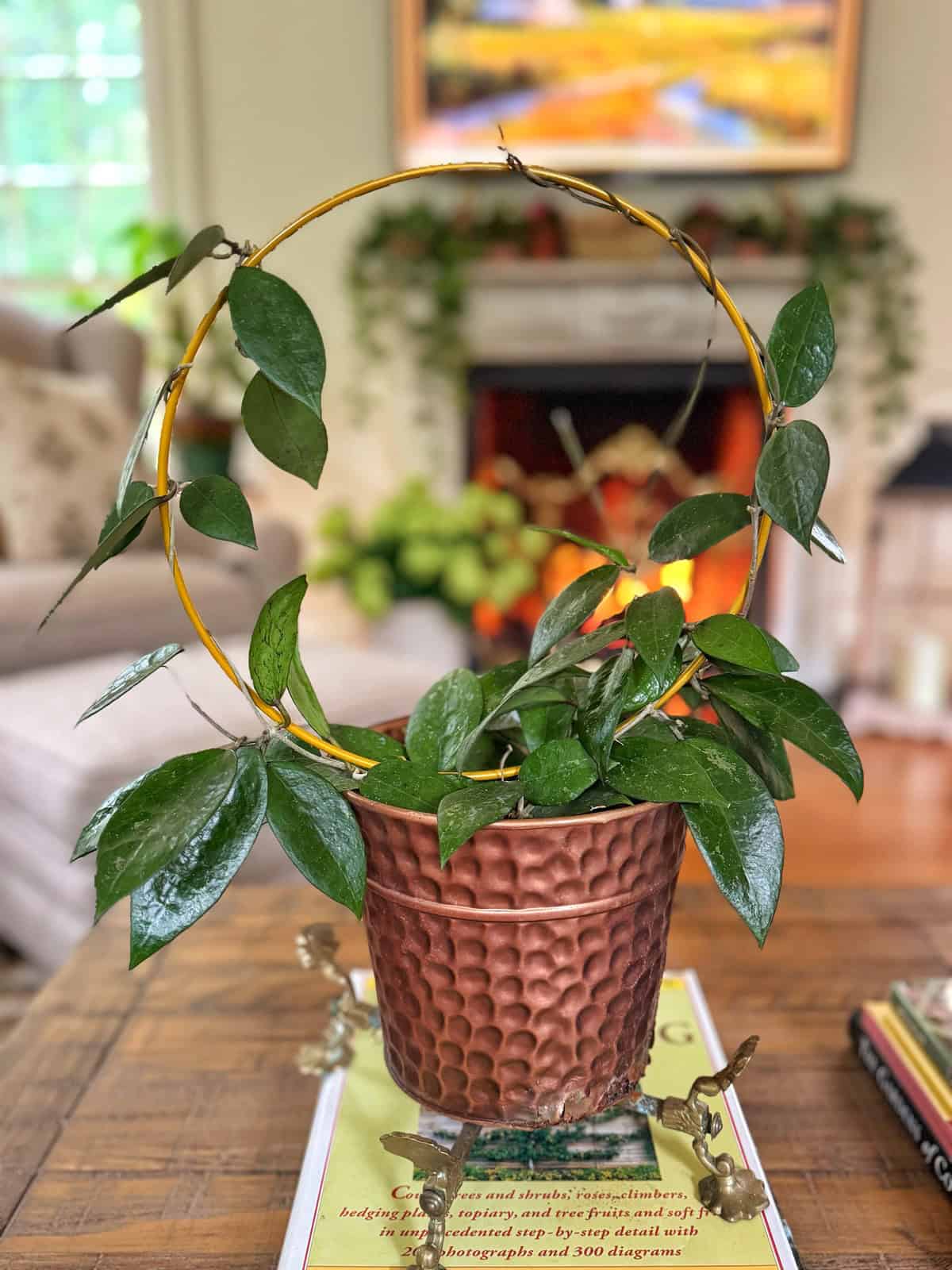
Hoyas are one of my favorite easy plants once you understand one key thing: they like to dry out between waterings.
Their thick, waxy leaves store moisture, which makes them forgiving if you forget to water. I have found that hoyas do best when they are left alone and not fussed over too much. Bright, indirect light and patience go a long way, and this hoya plant care guide explains why.
I love them so much, I am growing over 20 different varieties!
Pilea (Chinese Money Plant)
Pilea is a great beginner plant if you want something compact, cheerful, and interactive. It prefers bright, indirect light and consistent but moderate watering.
What makes pilea especially fun is that it produces baby plants regularly. Those offsets are easy to separate and share, which makes this plant feel rewarding early on. While they are easy to propagate, I’ve come to learn the plant looks much fuller when you keep more of them in the pot with the mother plant.
I explain how to keep pilea happy and balanced in this pilea plant care guide.

Final Thoughts on Starting with Easy Houseplants
Growing houseplants does not require a green thumb. It requires starting with plants that work with your home and your lifestyle.
I always encourage beginners to start with one or two easy plants and learn how they behave in their space before adding more. When houseplants become part of your everyday environment rather than another task to manage, they bring joy instead of stress.
If you want to go deeper into understanding light, watering, soil, and long term care, start with my houseplant care basics guide, where I walk through how to build a healthy indoor plant routine step by step.
Once you master these easy plants, everything else becomes much easier.
Thank you for visiting the blog today!
Enjoy your day! xo

Originally Published .
