
Hoya Plant Care Guide: Confessions of a Wax Plant Addict

Learn how to care for your Hoya plant with this easy-to-follow guide! Tips on watering, light, soil, and more for a happy wax plant.
As an avid houseplant enthusiast with well over 20 years of experience, I’ve dabbled in various species and care routines. I’ve nurtured fiddle leaf figs, coaxed blooms from orchids, and even managed to keep a Boston fern alive (a feat in itself!). But nothing has captivated me quite like the Hoya plant. So much so, that I’ve officially entered my “hoya era” and I am obsessed.
What I’ve discovered is that these aren’t the fussy plants you might think they are. Their ease of care, stunning blooms, and unique varieties have completely won me over, and my own collection is growing rapidly! Wax plants are just so cool to grow!
I’ve learned a few simple secrets to keeping these plants happy and, more importantly, getting them to bless you with those gorgeous, fragrant blooms. And let me tell you…those hoya flowers are really something! So today, I’m sharing all of my best tips for growing happy wax plants.
Ready to see why I’m so obsessed?
(Posts on stacyling.com may contain affiliate links. Click HERE for full disclosure.)

About Hoya Plant
Hoyas, also known as wax plants, are popular houseplants native to Asia and Australia. They’re known for their attractive, thick, waxy leaves and fragrant, star-shaped flowers that often bloom in clusters. These evergreen vines can climb or trail, adding a touch of the exotic to your home.
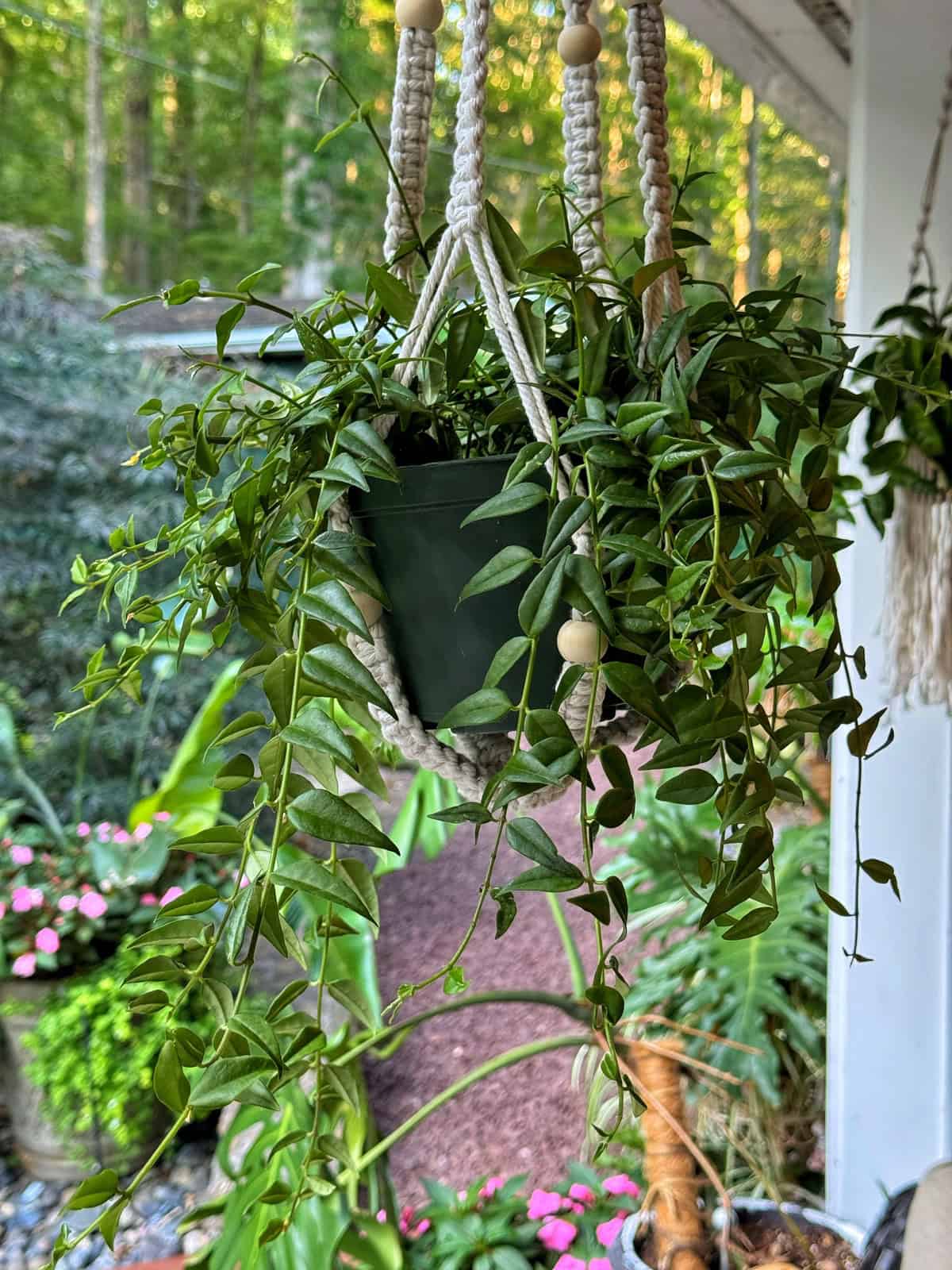
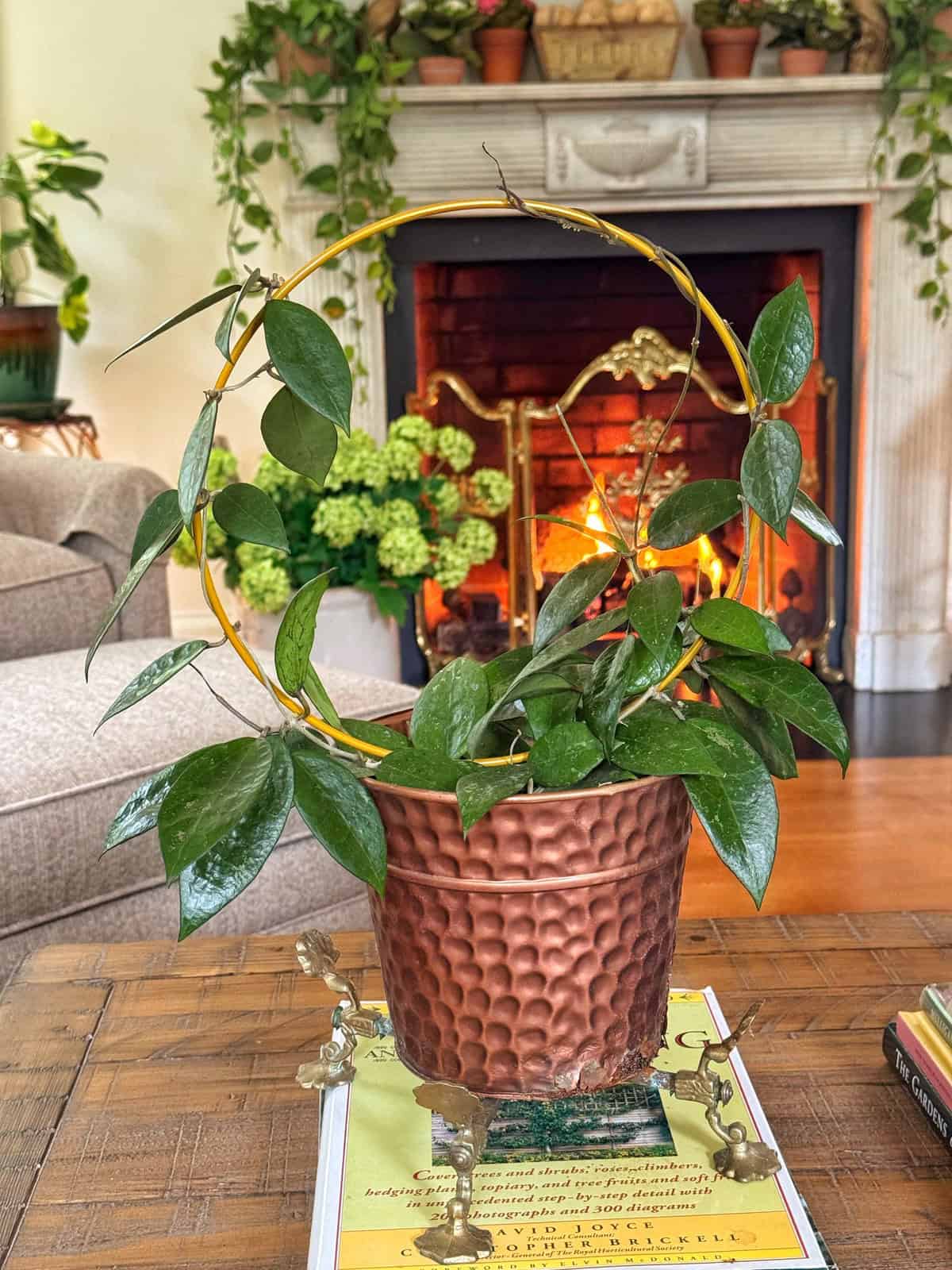
As mine are growing, I am training them up small trellises like these, but I do love them hanging as well. They are so elegant and beautiful, not to mention easy to style in your home!

Hoya Varieties: A Wax Plant for Everyone
One of the things I love most about Hoyas is the sheer variety available. Here are a few of my favorites:
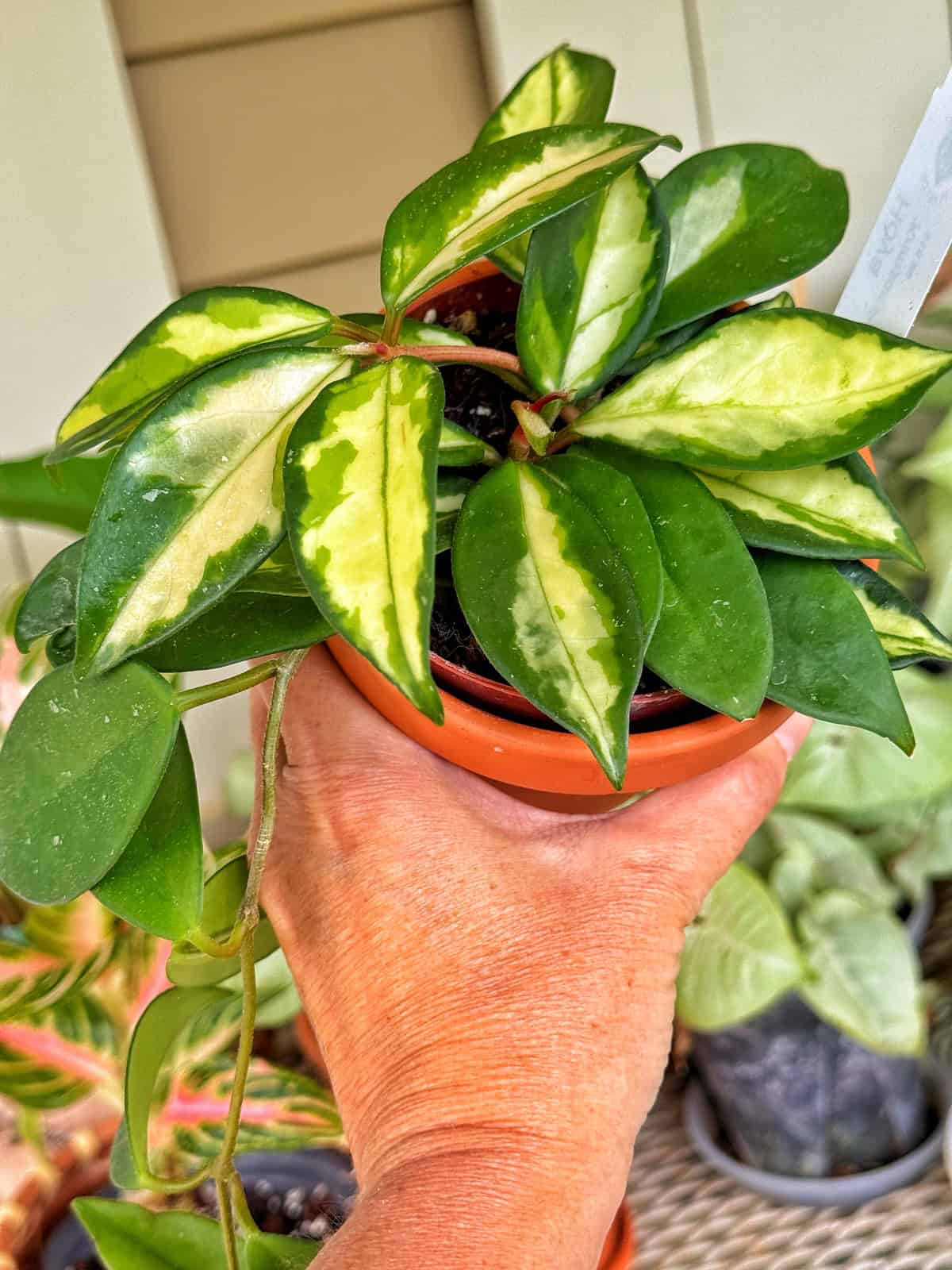
- Hoya Krimson Queen: This stunner boasts variegated leaves with creamy white and pink edges, creating a striking contrast against the deep green center. Want to try growing one? I love mine…buy it here.
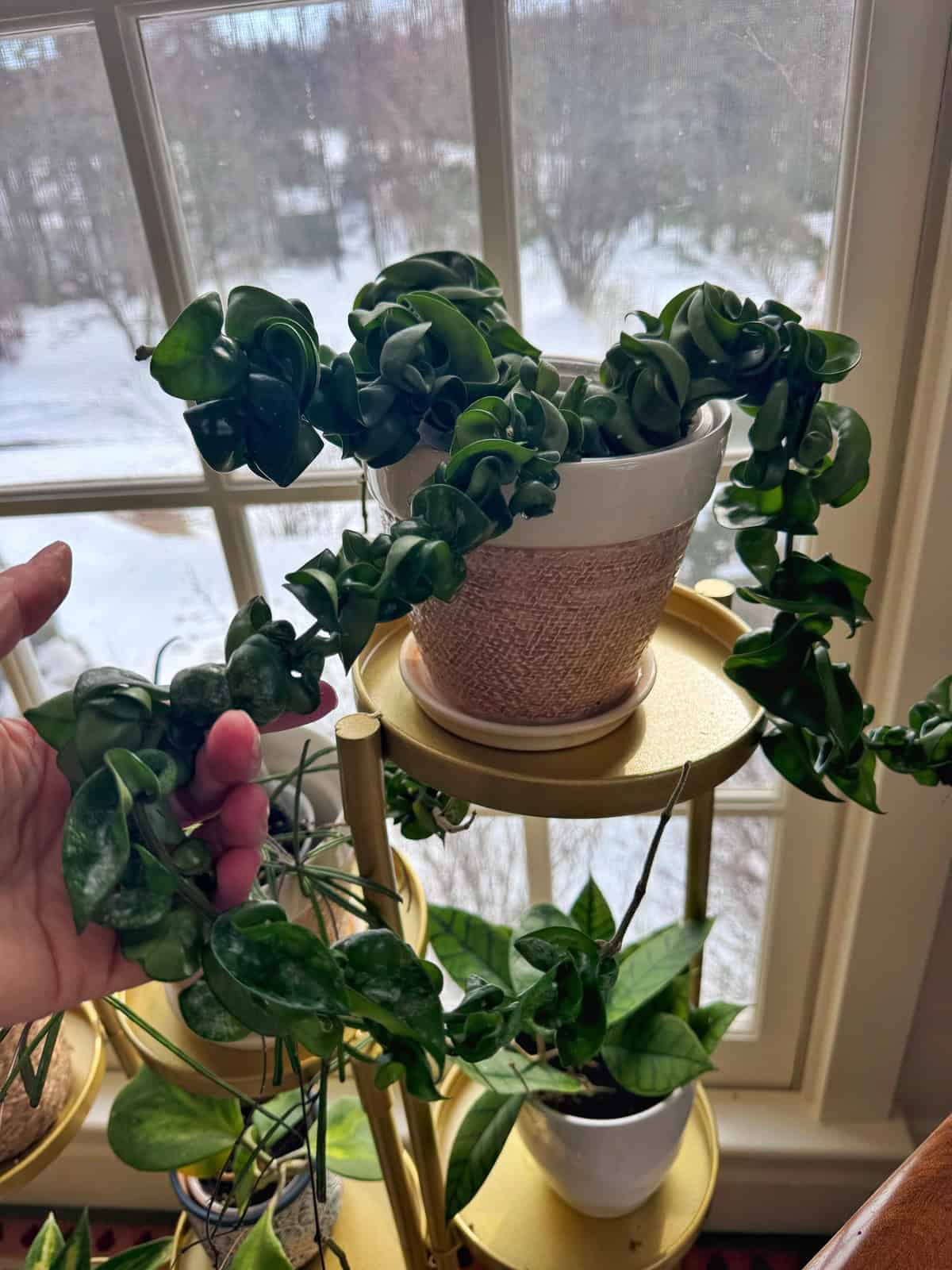
- Hoya Compacta ‘Rope’: Also known as the Hindu Rope plant, this unique Hoya features curled and twisted leaves that resemble a rope. It’s a real conversation starter! The curly cue foliage gets me every time! If you want to try growing this one, buy it here.
- Hoya Kerrii: The “Sweetheart Hoya” is instantly recognizable by its heart-shaped leaves. It’s often sold as a single leaf cutting, making a charming and unusual gift. Want to try growing one? Buy it here.
- Hoya Carnosa ‘Tricolor’: Similar to the Krimson Queen, this variety displays leaves with pink, cream, and green variegation, adding a touch of vibrant color to any space. If you want to try growing this one, buy it here.
- Hoya Pubicalyx: Known for its beautiful, star-shaped flowers that range in color from pink to deep red, this Hoya is a favorite among collectors. And if you want to try growing this one, buy it here.
- Hoya Australis: This fast-growing Hoya has lush, green leaves and produces fragrant, white flowers with a reddish center. How pretty is that? You can buy it here.
- Hoya Parasitica ‘Black Margin’: This variety features striking lime green leaves with a dramatic black margin, adding a touch of sophistication to your plant collection. I love this one! It’s super pretty with that black outline. If you want to try growing it too, buy it here.

Light Requirements for Hoya Plant
Hoyas grow best in bright, indirect light, and I’ve found that giving them plenty of light makes a big difference in how well they grow.
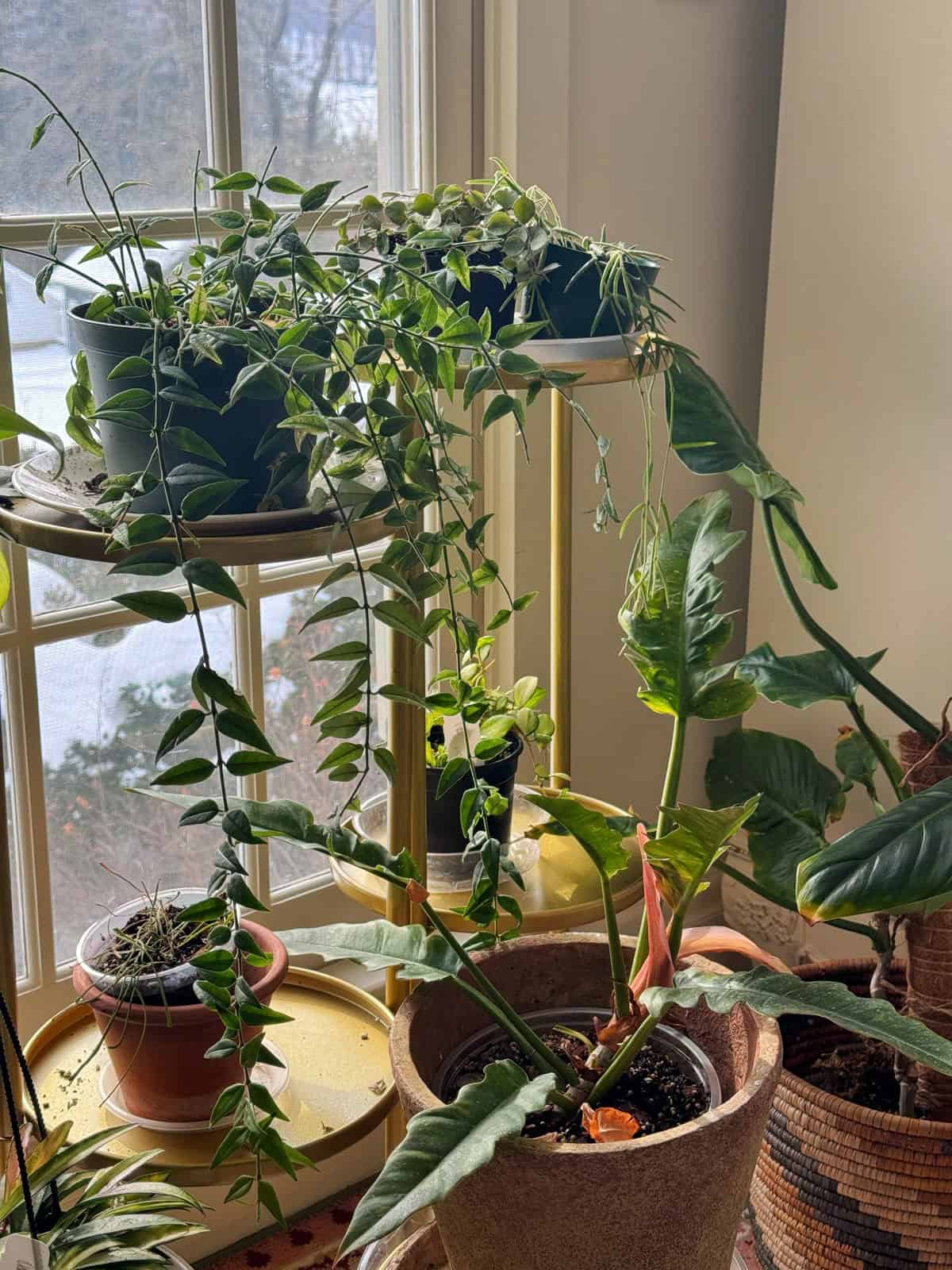
I keep all of my Hoyas in south-facing windows when they’re indoors, and they absolutely thrive there! While some Hoya growers find these plants to be slow-growing, that hasn’t been my experience when they receive plenty of bright light throughout the year. Mine grow much faster in these conditions than they do in lower light.
East- and west-facing windows can also work well, but the important thing is providing enough light without exposing the foliage to intense direct sun that could scorch the leaves. Depending on your windows and the time of year, you may need to adjust their placement.
If you’re unsure how much light your home actually gets, my guide to indoor light conditions for houseplants will help you figure out the best spot for your plants.
As an aside, you want to style your hoya plant in spaces with lower light, consider adding a grow light. There are lots of great options out there depending on placement, but I love these that you can stick right in the pot and set it on a timer. Or these that are a bit smaller and clip on your pot or shelf.
Wax Plant Soil Needs
A well-draining, airy mix is crucial. I use a blend of peat moss, perlite, potting mix, and orchid bark to prevent overwatering. But you can also buy chunky soil mix premade for you from the nursery too!
Temperature
Typical household temperatures are ideal (60-85°F or 15-29°C). Just keep them away from drafts and cold windows. Every year, I move my houseplants outdoors when the weather warms above 60 degrees overnight so they can enjoy the heat and humidity of my New Jersey summers. On the flip side of that, it is super important to bring them back indoors when you notice those nighttime temps dipping below 60. This year, I moved my hoyas back in late August. It was getting chilly!

Humidity
Hoyas enjoy a bit of humidity. To give wax plant more humidity, group plants together, use a pebble tray, or run a humidifier like this one.
Watering Your Hoya Plant
Let the soil dry out completely between waterings. Hoyas are much more tolerant of underwatering than overwatering so keep that in mind, particularly during the winter months when you check on it. If your hoya is really thirsty, the foliage will start to pucker and soften. But I wouldn’t let it get to that point!
To learn when to water, stick a chopstick or similar into the soil to check the moisture level. When it’s totally dry, then it’s time to water. If you prefer to use a moisture meter like this, they work well too.
For more information about how I water my houseplants, please check out my complete guide to watering indoor plants here.
Fertilizing Wax Plant
Feed your Hoyas once a month during the growing season (spring and summer) with a diluted, balanced liquid fertilizer. In the past, I’ve used this slow-release fertilizer so my feeding is set and forget. It is generally recommended to reduce or cease feeding during fall and winter.
For the last year, I ditched this method and opted for this gentle organic liquid fertilizer that I use every time I water. All of my houseplants (including my ever expanding hoya collection) is thriving with it.

Repotting Hoya Plant
While Hoyas prefer to be slightly root-bound, they will eventually need a new pot to continue thriving. Here’s how to know when it’s time to repot and the best way to do it:
Signs Your Hoya Needs Repotting
- Roots circling the bottom of the pot: If you see roots growing out of the drainage holes or circling the bottom of the pot, it’s definitely time for a bigger home.
- Slow growth: If your Hoya seems to have stopped growing, it might be root-bound and unable to access the nutrients it needs.
- Soil drying out quickly: If the soil dries out very quickly after watering, it could mean the roots have filled the pot and are absorbing water too fast.
- The plant becoming top-heavy: If your Hoya is becoming top-heavy and unstable in its current pot, it might need a larger, heavier pot to provide better support.
When to Repot
The best time to repot your Hoya is during the growing season (spring or early summer) when it has the energy to adjust to its new environment. While it is generally recommended to avoid repotting in the winter when the plant is dormant, I have repotted if it was necessary.
Repotting Directions
- Choose the right pot: Select a pot that’s only slightly larger than the current one, about an inch or two wider in diameter. I recommend using a clear nursery pot because they will help you see the root system and soil moisture so much better!
- Prepare the new pot: Add a layer of drainage material (like pebbles or broken pottery) to the bottom of the new pot to prevent waterlogging.
- Remove the Hoya: Gently tap the bottom of the old pot or squeeze the sides to loosen the root ball.
- Inspect the roots: Check for any signs of root rot (dark, mushy roots) and trim them away if necessary.
- Plant the Hoya: Place the root ball in the new pot, ensuring the top of the root ball is level with the rim of the pot.
- Fill with soil: Fill the space around the root ball with your well-draining potting mix, gently firming it down.
- Water thoroughly: Give the repotted Hoya a good watering, allowing any excess water to drain away.
After repotting, avoid fertilizing for a few weeks to allow the roots to settle in.
Troubleshooting Hoya Plant Problems
- Pests: Mealybugs, scale, and spider mites can occasionally be a problem. Treat infestations with insecticidal soap or neem oil.
- Diseases: The most common issue is root rot, usually caused by overwatering. Ensure proper drainage and avoid letting your Hoya sit in water.
As a preventative measure, I’ve been using this houseplant systemic insect control that lasts up to eight weeks. Totally worth it and I add this to all of my houseplants to help protect them from infestations.

How to Help Your Hoya Plant Bloom
While Hoyas are known for being low-maintenance, getting them to flower is often the ultimate goal for plant enthusiasts. The key to coaxing those beautiful, fragrant blooms is to replicate the conditions they thrive in naturally. Here’s how to do it:
- Provide Bright, Indirect Light: This is the most crucial factor for blooming. While Hoyas can survive in lower light, they need plenty of bright, indirect light to produce the energy required for flowering. A location near a south or west-facing window, where the light is filtered by a curtain, is ideal.
- Keep It Pot-Bound: A common mistake is repotting too often. Hoyas actually prefer to be a bit “cozy” or root-bound in their pots. A plant in a pot that is too large will focus its energy on growing roots rather than producing flowers. Wait to repot until the roots are clearly outgrowing the container.
- Don’t Prune the Peduncles: A peduncle is the small, stem-like structure from which the flowers grow. Once a bloom fades and falls off, it’s essential to leave the peduncle on the plant. Hoyas will re-bloom from the same peduncle year after year, so cutting it off is essentially cutting off your future flowers.
- Be Patient: Depending on the species, your Hoya may take a few years to reach maturity before it flowers for the first time. Sometimes a newly acquired cutting will bloom within a year, but it’s more common for the plant to need a couple of years to become well-established

Propagating Wax Plant: Multiply Your Hoya Happiness
Hoyas are easy to propagate, which means you can easily expand your collection or share cuttings with friends. Here are two simple methods:
- Stem cuttings: Take a cutting with at least two nodes, remove the lower leaves, and place it in water or a well-draining potting mix. Roots should develop in a few weeks.
- Layering: Bend a stem to the ground, bury a section in soil, and keep it moist. Once roots form, you can separate the new plant.

Bring Your Love of Plants Into Every Room
Hoyas are one of those houseplants that make growing indoors so rewarding. Their beautiful foliage, trailing vines, and occasional flowers bring so much life and character to a space.
That’s the inspiration behind my book, Filling Your Home with Life. I share how to choose the right houseplants for your home, understand their light and watering needs, and style them throughout your spaces so they feel like a natural part of everyday living.
Whether you’re just getting started with houseplants or want to bring more of your outdoor gardening lifestyle indoors, this book will help you grow with confidence.
Order Filling Your Home with Life here.
Final Thoughts About Growing Hoya Plants
Hoyas are such rewarding houseplants to grow, and I love how their beautiful foliage and trailing vines add so much character to a room. With so many different varieties to choose from, it’s easy to see why these plants have become favorites among houseplant lovers.
One of the things I appreciate most about Hoyas is that they’re relatively easy to care for once you understand what they need. Give them the right light, pay attention to watering, and be patient as they grow. And when those beautiful, fragrant flowers finally appear, it’s such a treat!
If you’re growing other indoor plants too, my houseplant care guide is a great place to learn more about keeping your collection healthy and thriving.
Do you grow Hoyas? I’d love to hear which varieties are your favorites and whether you’ve had any luck getting yours to bloom. Share your experience in the comments below!
For more information about growing hoya plant, please read this article from the Penn State Cooperative Extension.
Thank you for visiting the blog today!
Enjoy your day! xo


Shop the Post
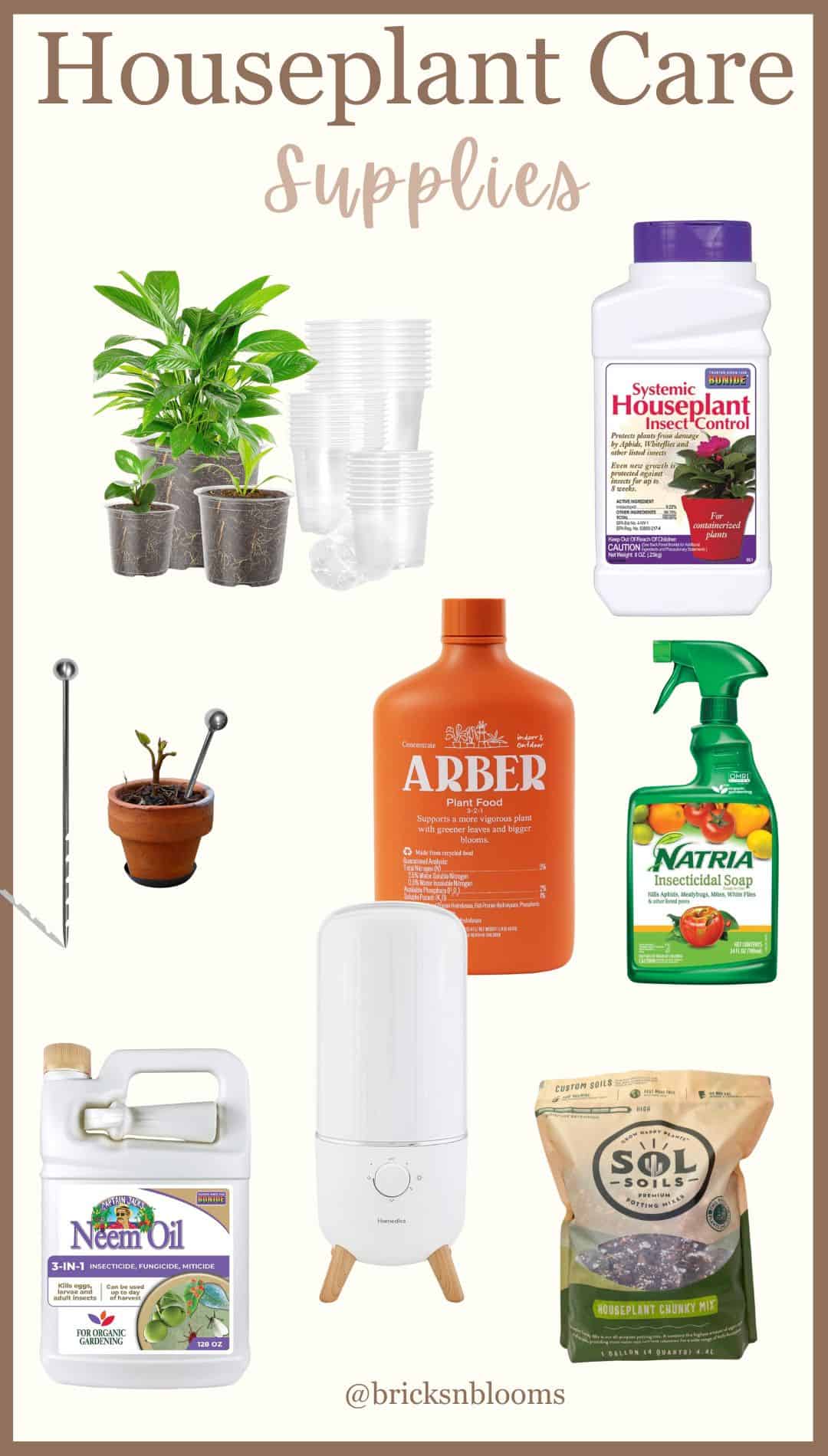
Snag the supplies I regularly use on all my houseplants here.
Originally Published . Last Updated .

I have the same milk glass footed bowl, never have I thought to put a plant in it. Thank you for the idea. Next, I will have to keep a look out for a Hoya plant. Kim
Thank you Kim! Yes I found it recently at my favorite thrift store in Vermont and thought my Krimson Queen Hoya would look good in it!
I got a Hoya carnosa start from my mother-in-law 24 years ago. Since then I have shared many cuttings, some of which I have kept. Once the stocks reached about 9 ft, they would produce dozens of beautiful, fragrant flowers. It has brought us joy to care for it and share it. I highly recommend hoyas!
That is so cool! I love a plant that keeps on giving. Do you know what variety it is?
My Hoya is huge and kind of out of control. I don’t want to kill it but I do want to trim it. How should I do that?
Hi Veronica! Not sure what kind of Hoya plant you have, but cut just above a leaf node to encourage new growth. I like to take the cuttings and start new plants from them.
Hi Stacy, 37 years ago, my Aunt gave me her hoya plant, which she had for many years, to care for. I am not sure of what kind it is, but it looks like the Hoya Australis. It is a wonderful plant, and when it blooms, the blossoms are so fragrant! Thank you so much for your help in caring for our plants and gardens.
The blooms smell so amazing right? So far, only my krohniana has bloomed but it is a more mature plant. Hopefully over the next year I’ll get more. I really love hoyas and philodendrons the most (shhhh don’t tell the others.)