
Why Your Dahlias Aren’t Blooming (And How to Fix It)

If your dahlias aren’t blooming, here are the most common reasons and the proven tips that help mine flower in my Zone 6b garden.
I’ve been growing dahlias in my Zone 6b New Jersey garden for about seven years now, and one thing I’ve learned is this: even the healthiest plants sometimes refuse to bloom. Some seasons my dahlias explode with flowers by July, and other years I’m staring at big leafy plants wondering what on earth went wrong.
If that sounds familiar, you’re not alone and it doesn’t mean you’ve failed. Dahlias can be a little finicky, and their bloom cycle depends on far more than just planting the tuber and hoping for the best. Over the years, through plenty of trial and error, I’ve figured out the most common reasons dahlias don’t flower and what actually helps them get back on track.
Before we dive in, if you’re new to growing dahlias, you may also find these helpful:
Now let’s take a look at the most common reasons dahlias don’t bloom and the simple adjustments that have made the biggest difference in my own garden.
(Posts on stacyling.com may contain affiliate links. Click HERE for full disclosure.)
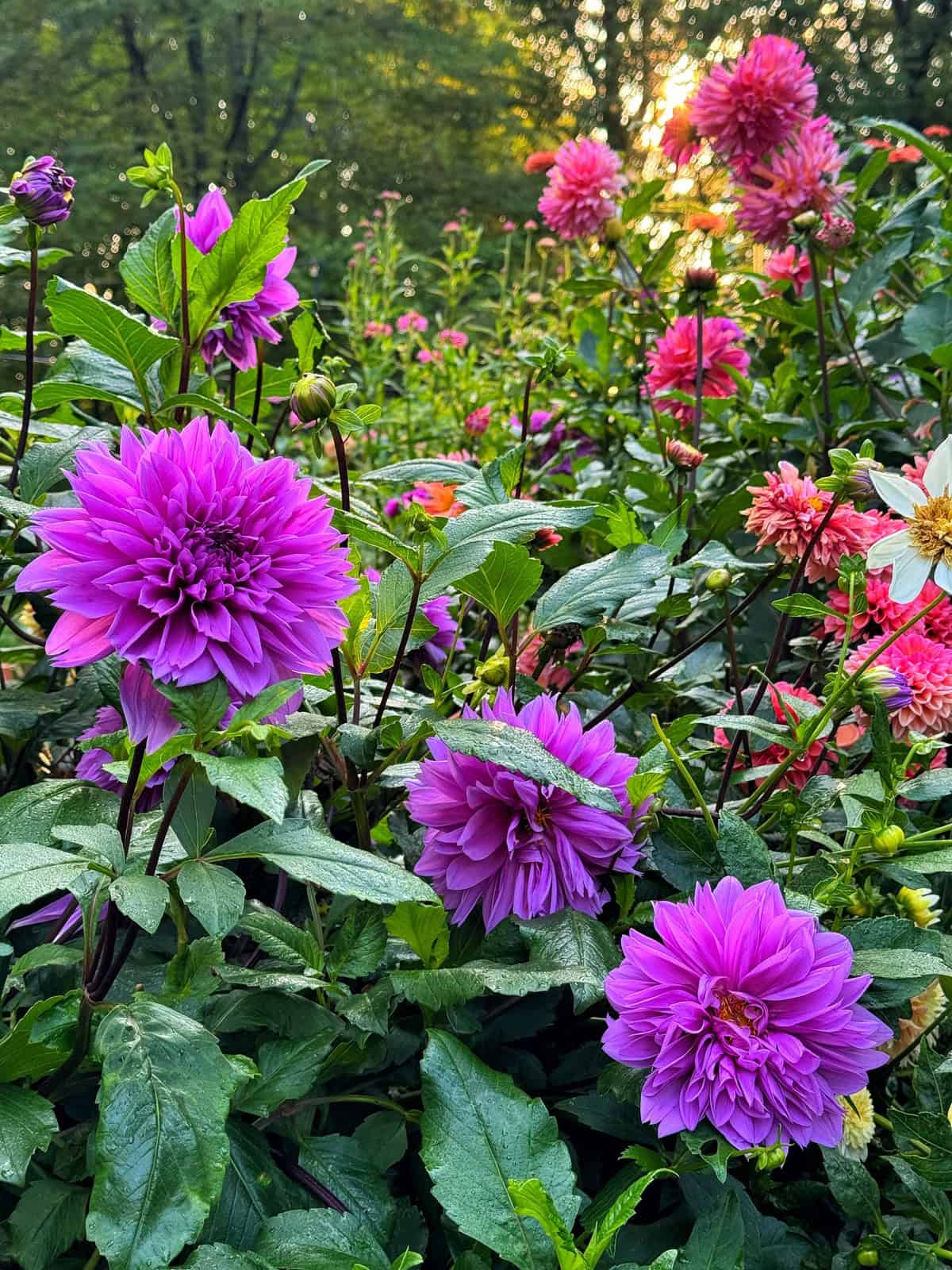
Watch: 7 Dahlia Mistakes That Can Ruin Your Growing Season
If your dahlias aren’t blooming the way you expected, the problem often starts long before the first flower should appear. In this video, I share seven of the most common dahlia growing mistakes I see, along with the simple changes I make in my own Zone 6b garden to grow healthier plants with more beautiful blooms all season long.

Now let’s take a closer look at the specific reasons your dahlias may not be blooming and how to fix each one.
1. Your Dahlias Are Not Getting Enough Sun
Dahlias need full sun to produce strong stems and abundant blooms. Ideally, they should receive at least six to eight hours of direct sunlight each day. In partial shade, dahlias often grow tall and leafy but produce few flowers. It’s happened to me before when I tried to plant them in a part sun area of my cottage garden. They didn’t bloom well at all. So they must have full sun.
How to fix it
- Relocate container dahlias to a sunnier location.
- Trim back nearby shrubs or perennials that cast shade.
- Plant dahlias in your sunniest beds next year.
If you are planning a cut flower garden, my guide explains how to evaluate sunlight when choosing growing spaces: How to Start a Cut Flower Garden

2. They Were Planted Too Late in the Season
Dahlias take several weeks to root and build growth before they begin forming buds. If tubers are planted late, blooming may not begin until late summer or fall, especially in cooler climates.
How to fix it:
- Plant tubers once soil reaches 60 degrees and frost danger has passed.
- Pre-sprout tubers indoors to gain a head start. To learn more about timing and planting depth, please visit my guide here: How to Plant Dahlia Tubers
3. Your Soil Is Too Cold
Cold soil delays root growth which in turn delays flowering. This is common in raised beds or areas that warm slowly in spring.
How to fix it:
- Use raised beds that warm more quickly.
- Avoid watering heavily right after planting which cools the soil.
- Plant when soil has warmed consistently.

4. Too Much Nitrogen in the Soil
High nitrogen produces lush foliage at the expense of flowers. Many all-purpose fertilizers contain more nitrogen than dahlias need. It’s a good idea to test your soil and determine whether this is the case. Test kits are available through your local cooperative extension and nurseries.
How to fix it:
- Use a fertilizer with lower nitrogen and higher phosphorus and potassium.
- Avoid fertilizing with lawn fertilizer or manure high in nitrogen.
- Switch to a bloom booster once plants are established. To learn more about how I like to fertilize my dahlias, see my guide: How to Grow Dahlias.
5. Inconsistent Watering
Dahlias need consistent moisture but not saturated soil. Too little water stresses the plant which reduces blooms, and too much water can cause root or tuber issues. How to fix it:
- Water deeply several times a week during hot dry weather.
- Use drip irrigation to keep moisture consistent and off the foliage.
- Allow the top layer of soil to dry slightly between watering. For container dahlias, watering needs are higher. Please visit my guide How to Grow Dahlias in Pots for more information.
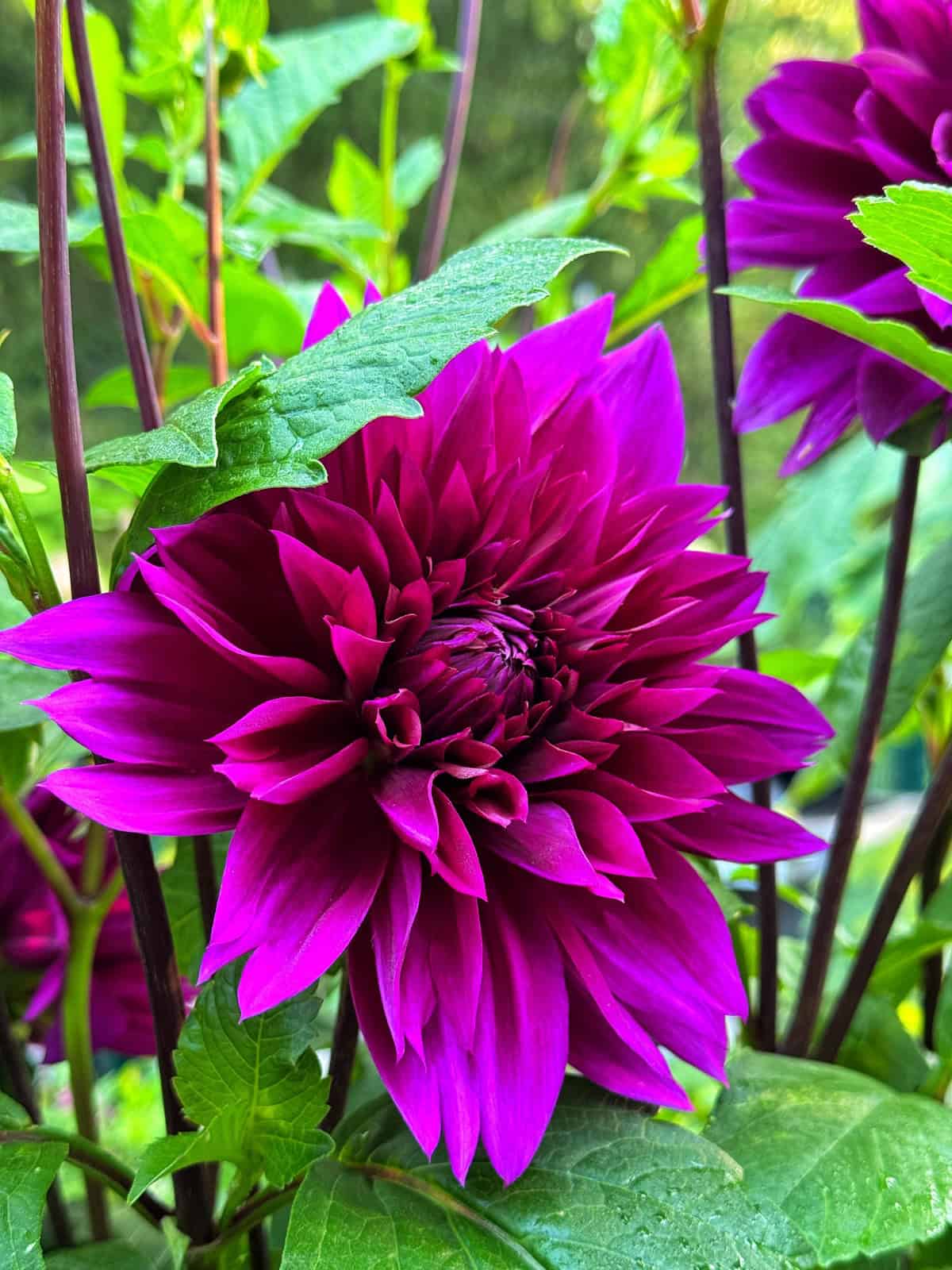
6. You Did Not Pinch the Dahlias Early
Pinching dahlias encourages branching which creates more stems and more blooms. Without pinching, many dahlias grow tall with limited flowering.
How to fix it:
- Pinch plants when they reach 12 to 18 inches tall.
- Cut just above a pair of healthy leaves.
- Continue cutting deeply for bouquets to encourage ongoing bloom and stronger, longer stems.
7. They Are Simply Late Bloomers
Some dahlias bloom later than others, especially large dinnerplate varieties. For example, Cafe Au Lait and Penhill Watermelon often begin blooming weeks later than smaller varieties. It’s almost given me pause to stop growing these varieties all together because I don’t like to wait! LOL!
How to fix it:
- Choose earlier blooming varieties if you live in a shorter growing season.
- Pre-sprout tubers indoors if you want earlier blooms. For best dahlia varieties, see my full guide: Must-Have Dahlia Varieties For Your Cut Flower Garden

8. Your Dahlias Are Receiving Midseason Shade
Plants that started in full sun may become shaded as the season progresses by growing trees, shrubs, hydrangeas, or tall perennials. Shade during bud formation will delay or stop blooming.
How to fix it:
- Trim back nearby plants to improve sunlight.
- Relocate dahlias next season to areas where midday sun is consistent.
9. Dahlias Are Planted Too Closely Together
Crowded dahlias compete for nutrients, water, and light which decreases bloom production as they crowd each other out.
How to fix it:
- Space plants 18 to 24 inches apart.
- Improve airflow around the plants by removing competing vegetation.

10. Failure to Deadhead or Cut Blooms
If spent blooms remain on the plant, dahlias begin slowing their production. Cutting flowers regularly encourages new bud formation.
How to fix it:
- Deadhead blooms by cutting back to a strong pair of leaves.
- Harvest bouquets often to stimulate continued flowering.
- Keep vases clean and stems trimmed for longer vase life. To learn more about arranging dahlia flowers, see my guide: How to Arrange Flowers Like a Pro
11. Pest Damage Is Stressing the Plants
Aphids, spider mites, Japanese beetles, earwigs, and slugs can weaken dahlias and reduce bud formation. Damaged buds may drop before opening.
How to fix it:
- Monitor plants weekly for pests.
- Use organic controls such as insecticidal soap or neem oil when needed. Apply early morning or early evening when pollinators and beneficial insects are less active.
- Remove pests manually when possible.
- For slug damage, apply diatomaceous earth or this slug bait.
- Support overall plant health with consistent care.

12. Weak or Stressed Tubers from Overwintering
Tubers that were stored improperly or were old, shriveled, or damaged will produce smaller plants that bloom later or not at all.
How to fix it:
- Store tubers in a cool, dry, insulated space.
- Check them monthly for moisture or rot.
- Plant only firm, healthy tubers with visible eyes. To learn how to overwinter dahlias, see my guide: Overwintering Dahlias
13. Young Plants Are Still Developing Their Root System
Sometimes dahlias focus energy on root formation before they begin setting buds. This is especially true in cooler climates or during slow springs. I’ve seen some dahlia varieties in my gardens just take their sweet time to bloom.
How to fix it:
- Be patient and continue consistent watering and feeding.
- Increase sun exposure if plants are shaded.

14. Variety Mismatch for Your Climate
Some dahlias require a longer warm season to bloom reliably. Large dinnerplate dahlias often bloom later than small or medium varieties. I’ve seen this happen with my Cafe Au Lait Dahlias! There are some years they don’t bloom until very late in the growing season. And one year, they didn’t bloom until like mid-September!
How to fix it:
- Choose varieties known for reliable blooms in cooler regions.
- For long-season varieties, consider pre-sprouting or using raised beds to warm soil faster. See my variety guide: Best Dahlia Varieties For Your Cutting Garden

How to Encourage Dahlias to Bloom Faster
- Ensure six to eight hours of direct sunlight.
- Fertilize with low nitrogen and higher phosphorus.
- Pinch plants early.
- Deadhead often.
- Water consistently.
- Stake plants to reduce stress.
- Avoid overcrowding.
- Warm the soil in spring.
- Pre-sprout tubers to get a head start.
- Choose varieties suited to your zone.
- Monitor and manage pests.
Frequently Asked Questions
When should dahlias start blooming?Most dahlias bloom eight to ten weeks after planting, depending on variety and growing conditions.
Do dahlias bloom the first year?
If planted from tubers, yes. If grown from seed, they often bloom later in the season.
Why are my dahlias tall but not flowering?
This is commonly caused by too much nitrogen, lack of sunlight, or inconsistent watering.
Do container dahlias bloom later?
Container dahlias can bloom later if the soil dries out too quickly or if the pot is not large enough for healthy root development.

Final Thoughts About Why Dahlias Don’t Bloom
Growing dahlias has taught me that blooming problems are almost always solvable with a few small adjustments. After working with them in my Zone 6b garden, I have learned that each season is different and even experienced gardeners run into challenges. The key is observing your plants, understanding their needs, and making small tweaks that encourage healthy growth with lots of flower production.
For more information about how to grow dahlias, see my full guide here: Growing Dahlias. To learn more about the different varieties, growing them in pots, and more see these posts:
Remember, dahlias are generous plants. Once they start blooming, they reward you with abundance all season long. And if you are growing them for bouquets, be sure to visit my cut flower garden guide for more ideas and helpful tips: Cut Flower Gardening for Beginners
If you have questions or are troubleshooting specific issues in your garden, feel free to ask in the comments so we can chat more!
For more information about what impacts dahlia flowering, please see this article from the Penn State Cooperative Extension.
Thank you for visiting the blog today!
Enjoy your day! xo


Originally Published . Last Updated .

I really enjoyed watching and reading about Dahlias. I have just dipped my toes with these flowers by purchasing 2 of them from a local nursery already grown. I popped them into my containers and I have been really disappointed. All green no bloom and they a. get full sun, b. I don’t use fertilizer with extra nitrogen; I use bloom booster and still few or no flowers. I will try one more time, but I think I’ll by tubers. Can you recommend a good source for Dalia tubers? Your dahlias are breathtaking. I’ll give it one more go!
I usually order mine from White Flower Farm! I’ve been growing theirs for many years.