
Why Garden-Grown Flowers Behave Differently Than Florist Flowers

Garden-grown flowers are harvested, handled, and grown differently than florist flowers. Learn why they behave differently in a vase.
One of the reasons I started growing a cut flower garden is because I had a hard time cutting flowers from my existing garden beds. I loved how those flowers looked where they were planted, and I never felt quite right removing them just to bring indoors.
Once I created a dedicated cutting garden, that changed everything. It opened up a whole new world of flowers I could grow specifically for harvesting, especially varieties I could start from seed and cut freely without worrying about how the rest of the garden would look.
Over time, I also noticed something unexpected. Having received florist arrangements and having cut flowers fresh from my own garden, there was a clear difference in how those flowers behaved in a vase. Depending on what I cut and when I harvested it, some flowers from my garden often lasted longer than florist flowers I had purchased or received.
That observation goes against what many people expect. Florist flowers are often assumed to last longer by default. But garden-grown flowers are handled, harvested, and grown very differently. Those differences matter, and they explain many of the frustrations gardeners experience when comparing their flowers to florist arrangements.
(Posts on stacyling.com may contain affiliate links. Click HERE for full disclosure.)
Garden Flowers and Florist Flowers Are Grown for Different Purposes
Florist flowers are grown with transport, storage, and uniformity in mind. They are selected and managed to withstand shipping, refrigeration, and handling before they ever reach a vase.
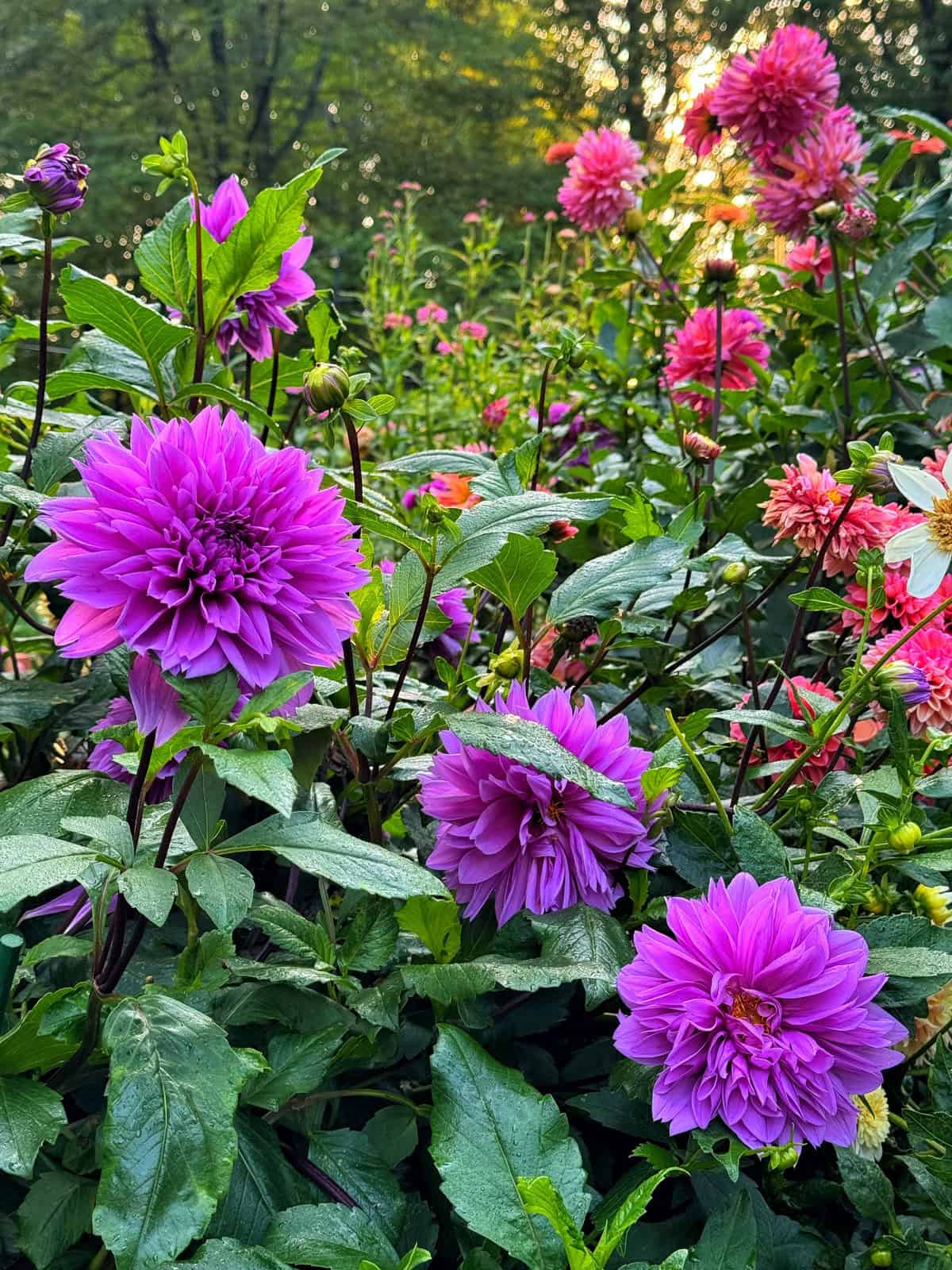
Garden flowers are grown for beauty, scent, and seasonal performance. They experience real weather, real soil conditions, and natural stress. That difference alone explains why garden flowers behave differently once they are cut and brought indoors.

Harvest Timing Matters More With Garden Flowers
One of the biggest differences between garden-grown flowers and florist flowers is when they are harvested.
Florist flowers are cut on strict schedules, often earlier than they appear ready, because early harvest supports transport and extends vase life. Home gardeners tend to cut flowers when they look their best or when time allows.
With garden-grown flowers, timing has a much bigger impact on how long flowers last indoors. Cutting too late or during heat and stress can dramatically shorten vase life. That is why understanding when to cut flowers for the longest vase life is especially important when you are harvesting from your own garden.
Garden flowers offer flexibility, but that flexibility means timing matters more.

Gardeners Grow and Use Different Flowers Than Florists
Another reason garden-grown flowers often behave differently is the types of flowers gardeners grow and choose to cut.
Florists typically rely on flowers that perform well through commercial harvest, handling, and distribution systems. Those flowers are selected not only for beauty, but for how well they tolerate early harvest, cooling, storage, and transport. This naturally shapes which flowers appear most often in florist arrangements.
Home gardeners are not working within those same constraints. When you grow your own flowers, you can cut and use varieties that are best enjoyed fresh and immediately, even if they would not be ideal candidates for long-distance shipping or extended storage.
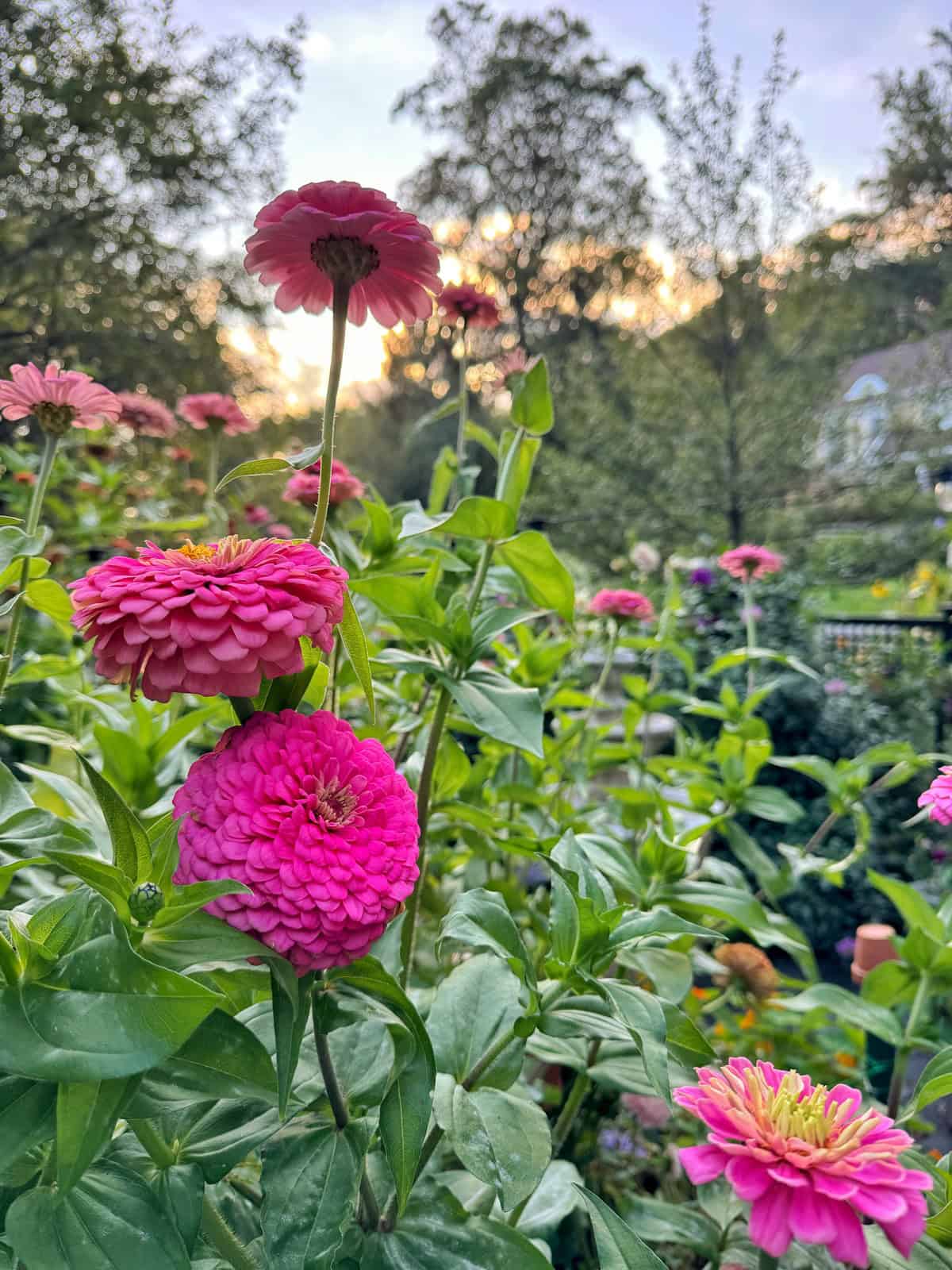
Zinnias are a good example. They are widely grown by gardeners and specialty cut flower growers because they produce strong stems and often have an excellent vase life when cut fresh from the garden. (I’ve seen mine last close to two weeks!) While zinnias are used in some florist and farmer-florist settings, they are more commonly seen in local, seasonal arrangements than in large-scale, mass-market floral supply chains.
Because home gardeners can grow and harvest flowers specifically for immediate use, they often work with blooms that perform exceptionally well in a vase under fresh conditions. That difference in flower selection alone can explain why some garden bouquets last longer than florist arrangements, even before harvest timing and conditioning are considered.
Garden Flowers Do Not Receive Commercial Post-Harvest Treatments
Another major difference happens after flowers are cut.
Florist flowers are often treated with commercial preservatives or hydration solutions before they ever reach a consumer. They may be cooled, stabilized, and processed to improve consistency and longevity.
Garden flowers tend to go straight from the plant to a bucket or vase. There are no commercial treatments correcting stress or poor timing. That makes the next steps after cutting far more important for home gardeners.

Conditioning Is More Flexible at Home Than on a Flower Farm
Because garden flowers skip commercial handling, conditioning becomes especially important for home gardeners. At the same time, conditioning at home is often more flexible and less standardized than it is on a flower farm.
Flower farmers condition flowers with very specific outcomes in mind. Harvest timing, water temperature, sanitation, and holding conditions are closely managed to produce consistent, predictable results. Conditioning is treated as part of a production system, not a suggestion.
Home gardeners tend to approach conditioning differently. Flowers may be cut in smaller batches, conditioned in whatever containers are available, and handled around the rhythms of daily life. Conditioning still happens, but it is often less rigid and more variable.
That difference matters. Conditioning helps stems rehydrate, recover from cutting stress, and begin taking up water properly. When conditioning is rushed, inconsistent, or skipped, garden flowers are far more likely to wilt overnight or fail early in a vase.
Learning how to condition flowers after cutting from the garden helps bridge that gap. It gives home gardeners a framework for handling flowers more deliberately, even without commercial equipment or perfect conditions.
For garden-grown flowers, conditioning does not need to be industrial to be effective, but it does need to be intentional. Treating it as part of the harvest process, rather than an optional step, makes a noticeable difference.
Field Conditions Create More Variability in Garden Flowers
Many florist flowers are grown outdoors, just like garden flowers, and are exposed to real weather conditions. The difference is not whether flowers are grown in a field or a greenhouse, but how they are managed from harvest onward.
Flower farms harvest on a schedule, often earlier than home gardeners would, and move flowers immediately into conditioning, cooling, and storage systems designed to preserve quality. Even field-grown florist flowers benefit from consistent post-harvest handling that most home gardeners do not replicate.
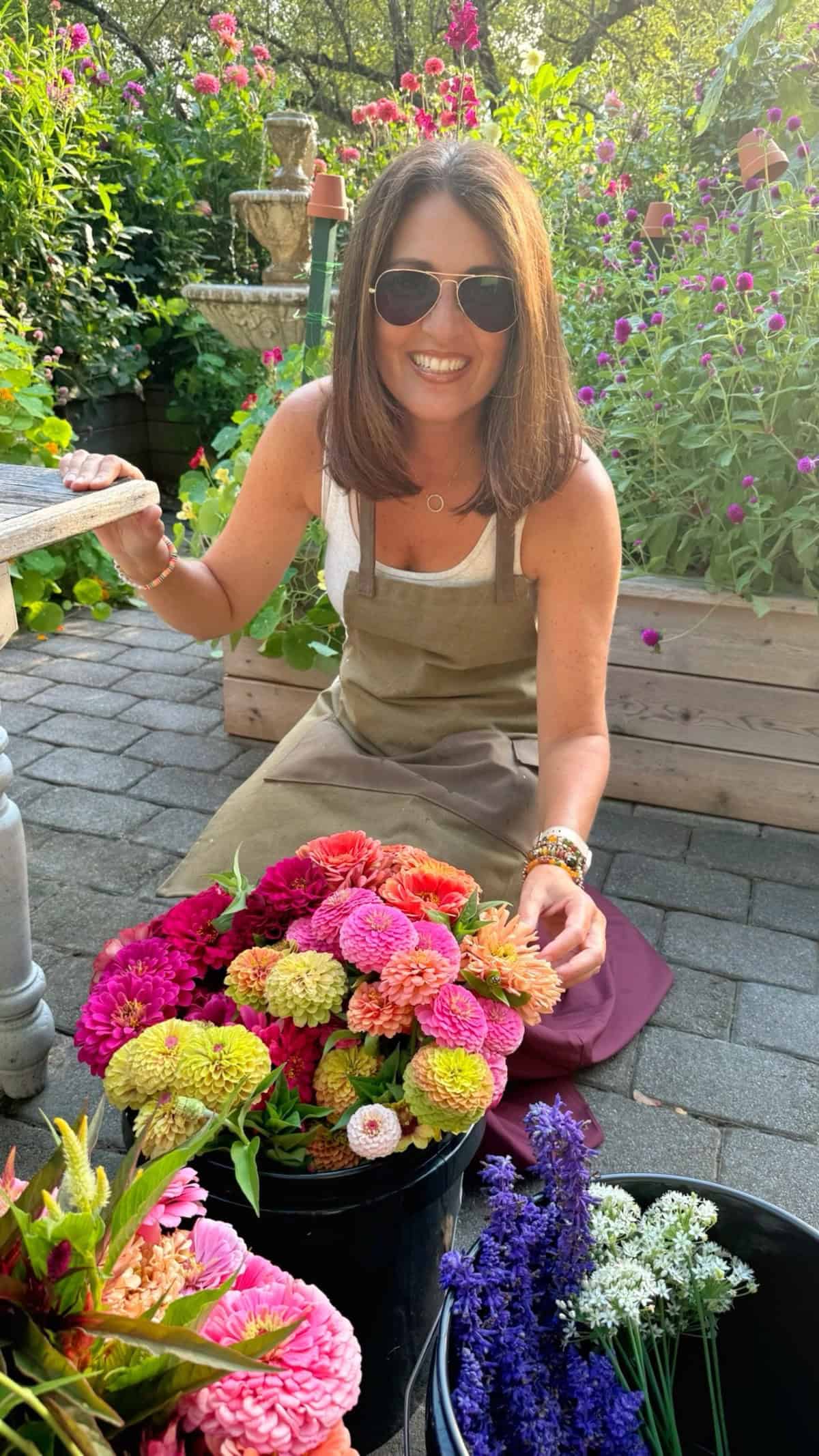
Garden flowers, by contrast, are usually harvested individually, at peak visual bloom, and handled on a much smaller scale. That difference in timing and post-harvest care plays a major role in how flowers behave once they are cut and brought indoors.
In my own garden, I sometimes choose to cut later for bouquets because I want to enjoy the flowers in the garden first. That choice improves the garden display but can shorten vase longevity once those flowers are brought inside.

Soil, Water, and Nutrition Are Less Controlled at Home
Many flower farms, including those growing outdoors, manage soil, water, and nutrition with a level of consistency that is hard to replicate in a home garden. Beds are often amended regularly, fertility programs are planned in advance, and irrigation is applied on a predictable schedule designed to support uniform growth.
In a home garden, conditions tend to be more variable. Soil composition can differ from one bed to the next. Rainfall may replace watering for weeks at a time and then disappear during periods of heat. Nutrients are often added seasonally rather than continuously, and plants respond accordingly.
Those fluctuations affect how flowers grow and how they behave after cutting. A flower that experienced uneven watering, nutrient stress, or rapid weather changes may still look beautiful in the garden, but it may not perform the same way in a vase as a flower grown under more consistent conditions.
That variability is not a flaw. It is simply part of growing flowers in a real garden, where plants respond to the season rather than a production schedule.
Gardeners Often Cut Flowers at a Different Stage
Florist flowers are usually harvested young, before they are fully open. That helps them withstand transport and extend their vase life.
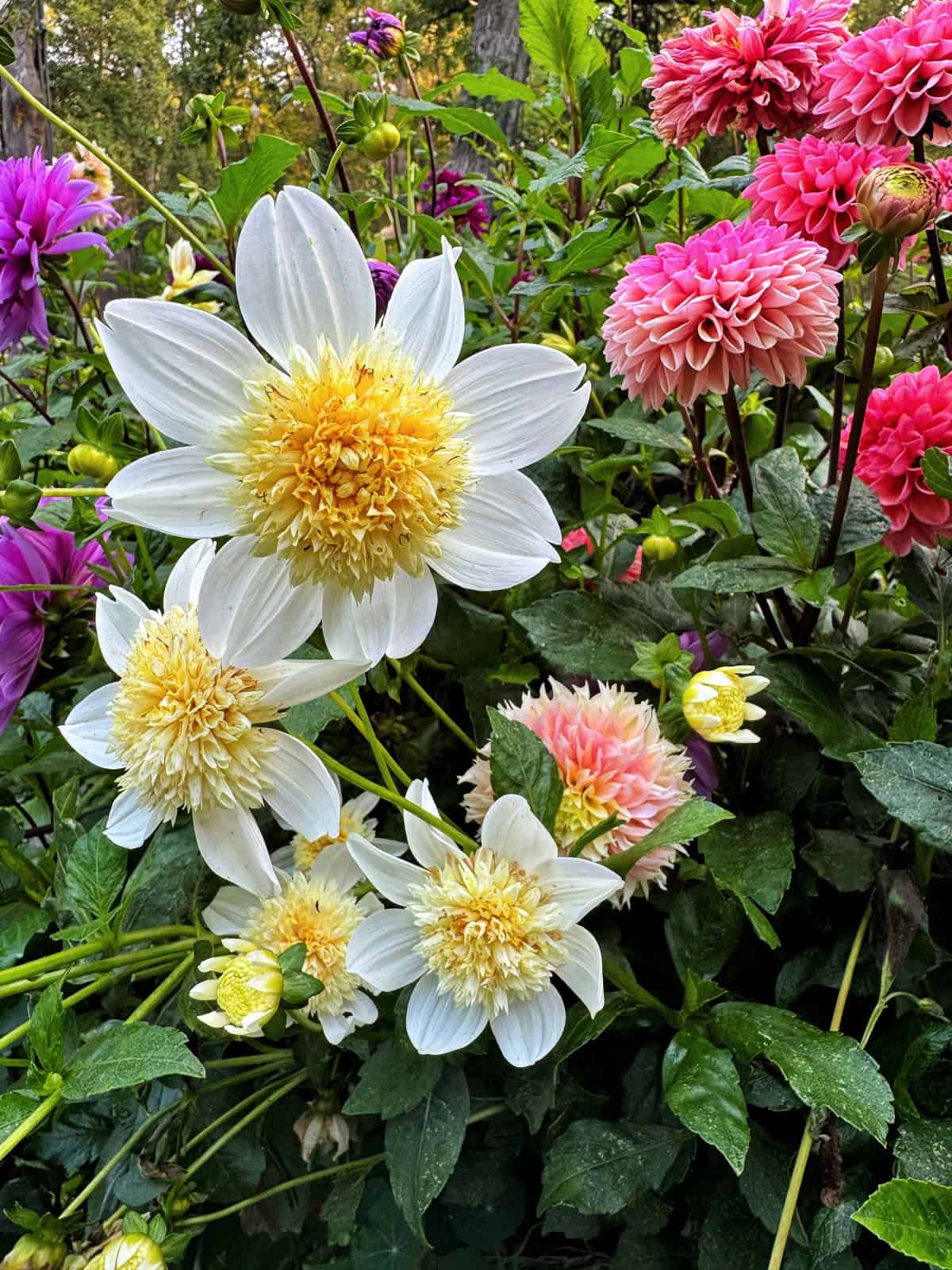
Gardeners often cut flowers when they look their best in the garden. Fully open blooms are beautiful, but they generally do not last as long indoors.
This is not a mistake. It is a conscious choice many gardeners make in favor of enjoying flowers at their peak. In my own gardens, I lean this way often, knowing that I can always cut more flowers later.
I dive a little deeper into understanding the difference between deadheading and cutting flowers in my guide: Deadheading vs. Cutting Flowers: Which Is Best For Your Plants here.

Why Flower Food Is Not a Fix-All
Flower food can help support cut flowers, but it cannot undo poor timing, stressed plants, or skipped conditioning.
Garden flowers respond best when the fundamentals are in place first. Flower food works as a supplement, not a solution. I talk more about this balance in my post on DIY homemade flower food, including when it helps and when it does not.
Common Reasons Garden Flowers Do Not Last as Long
When garden flowers struggle in a vase, it is often due to:
- Cutting during heat or stress
- Cutting flowers that are too open
- Inadequate conditioning
- Plants that are already stressed
- Expecting garden flowers to behave like florist flowers
Understanding these differences helps reset expectations.

Garden Flowers Are Not Worse, Just Different
Shorter vase life does not mean garden flowers are inferior.
Garden-grown flowers often have better scent, more seasonal character, and deeper personal meaning. They reflect the conditions they were grown in and the choices you made as a gardener.
Once you stop expecting them to behave like florist flowers, they become far more rewarding.
Final Thoughts: What I’ve Seen in My Own Garden
Over time, I’ve consistently seen better vase life from flowers cut in my own garden, largely because of what I choose to grow and how I harvest those flowers. Cutting fresh, using blooms quickly, and growing varieties that perform well under garden conditions all make a difference.
That said, not all garden flowers behave the same way. Some naturally last longer in a vase than others, even when they are grown and handled well. Understanding that variability helps set realistic expectations, but it also takes a lot of pressure off.
To be honest, I don’t always track vase life closely. When a bouquet fades, I simply go back out to the garden and cut more. That flexibility is one of the biggest advantages of growing your own flowers. Instead of trying to make garden flowers behave like florist flowers, I’ve learned to appreciate them for what they are and enjoy the process along the way.
If you are still learning how to balance growing, harvesting, and enjoying flowers, stepping back and understanding the bigger picture of cut flower gardening for beginners can help you develop a rhythm that works for your garden and your life.
Garden flowers do not need to mimic florist arrangements to be successful. They simply need to be understood on their own terms.
What are your thoughts about fresh cut garden flowers vs florist flowers? Have you noticed a difference in vase life? Let’s chat more in the comments below.
Thank you for visiting the blog today!
Enjoy your day! xo

Originally Published .
