
Deadheading vs Cutting Flowers for Bouquets: What’s Better for Your Plants?

Should you deadhead or cut flowers for bouquets? Learn how each choice affects plant health, reblooming, and stem quality.
Gardeners who grow flowers for cutting often feel like they should be harvesting constantly, but that has never been my reality. Some seasons I cut a lot. Other times, I deadhead more and leave the flowers right where they are because I want to enjoy the garden itself.
In my own garden, that choice is often practical. The zinnias growing in my welcome garden above the stone wall, for example, are difficult to access for regular cutting without a ladder. Instead of forcing it, I let those flowers bloom freely and deadhead them as needed. They still perform beautifully, and I get to enjoy them every day as part of the garden.
At the same time, there are situations where cutting makes sense. With some flowers, like certain dahlias, cutting deeper into the plant can encourage longer, stronger stems later on. With varieties such as Fleurel that tend to produce shorter stems early, that temporary sacrifice of blooms can be worth it when better bouquets are the goal.
Deadheading and cutting are not interchangeable, and one is not always better than the other. Understanding how each choice affects plant growth, stem length, and bloom timing helps you decide what makes sense in the moment. And when cutting is the goal, knowing when to cut flowers for the longest vase life and how to condition flowers after cutting from the garden plays a big role in how successful those bouquets actually are.
This post is not about doing one thing all the time. It is about learning when to deadhead, when to cut, and when it is perfectly fine to leave the flowers where they are.
(Posts on stacyling.com may contain affiliate links. Click HERE for full disclosure.)

What Deadheading Actually Does
Deadheading is the practice of removing spent flowers from a plant. The goal is to prevent seed formation and encourage the plant to keep producing blooms or maintain its overall health.
Deadheading is primarily about the plant, not the bouquet. It helps redirect energy back into growth, reblooming, or root development, depending on the plant.
I cover the mechanics of where and how to deadhead flowers in more detail in my guide on how to deadhead flowers. In this post, the focus is on when deadheading is the better choice compared to cutting.

What Cutting Flowers for Bouquets Does Differently
Cutting flowers for bouquets removes more than just the spent bloom. It often removes healthy foliage, developing buds, and sometimes entire stems that would have continued flowering.
This can be a good thing or a bad thing.
In some cases, cutting stimulates branching and leads to more blooms later. In others, it reduces the plant’s ability to photosynthesize and recover, especially if too much foliage is removed.
That is why cutting is not simply deadheading with longer stems. It is a different action with different consequences.

Annuals: Why Cutting Often Helps
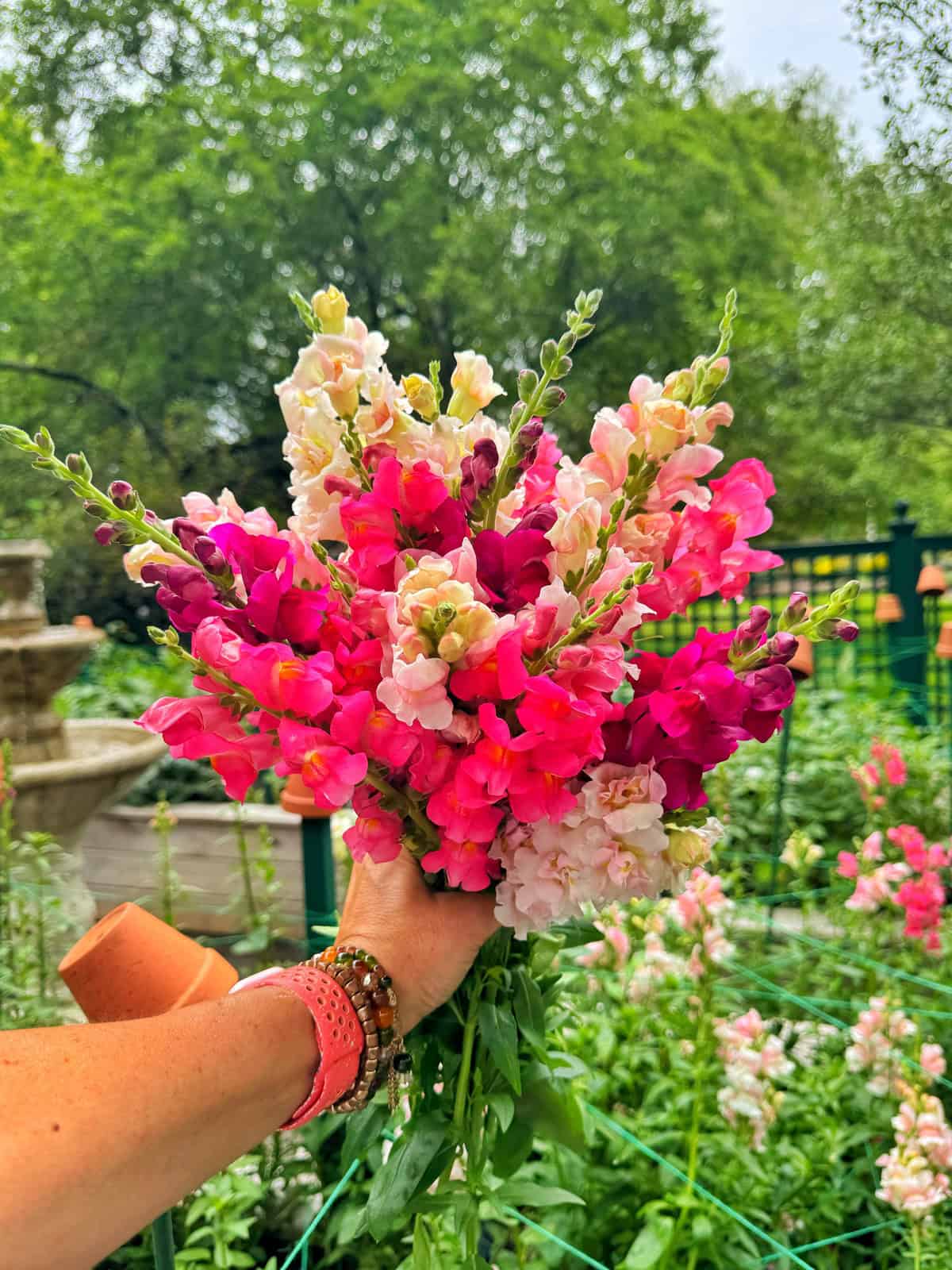
Most annual flowers are bred to grow fast, bloom heavily, and complete their life cycle in a single season. Because of this, many annuals respond very well to regular cutting.
Cutting annuals often:
- Encourages branching
- Leads to more flowers
- Keeps plants tidy and productive
That said, annuals are not indestructible. Cutting stressed plants during heat or drought, or cutting too late in the season, can still slow them down. This is one of the reasons that I cut bouquets a little less often in my zone 6b summers here in New Jersey.
Perennials: Where the Decision Matters Most
Perennials require a more thoughtful approach.
Unlike annuals, perennials must balance flowering with long-term survival. Some rebloom readily after cutting, while others bloom once and then focus on storing energy for next year.
Cutting perennials at the wrong time can:
- Reduce reblooming
- Weaken the plant
- Affect performance the following season
This is where many gardeners run into trouble by treating perennials like annual cut flowers.
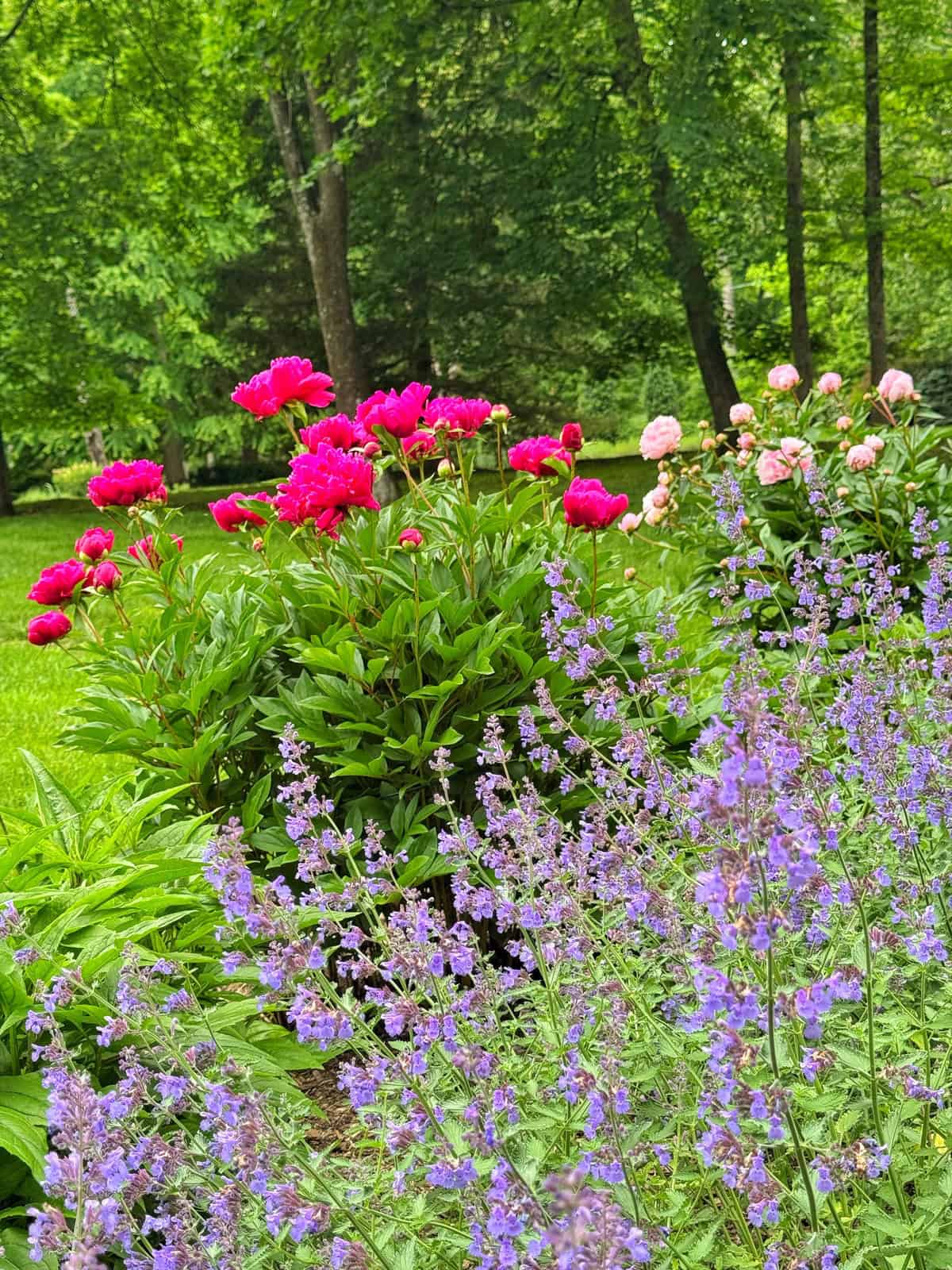
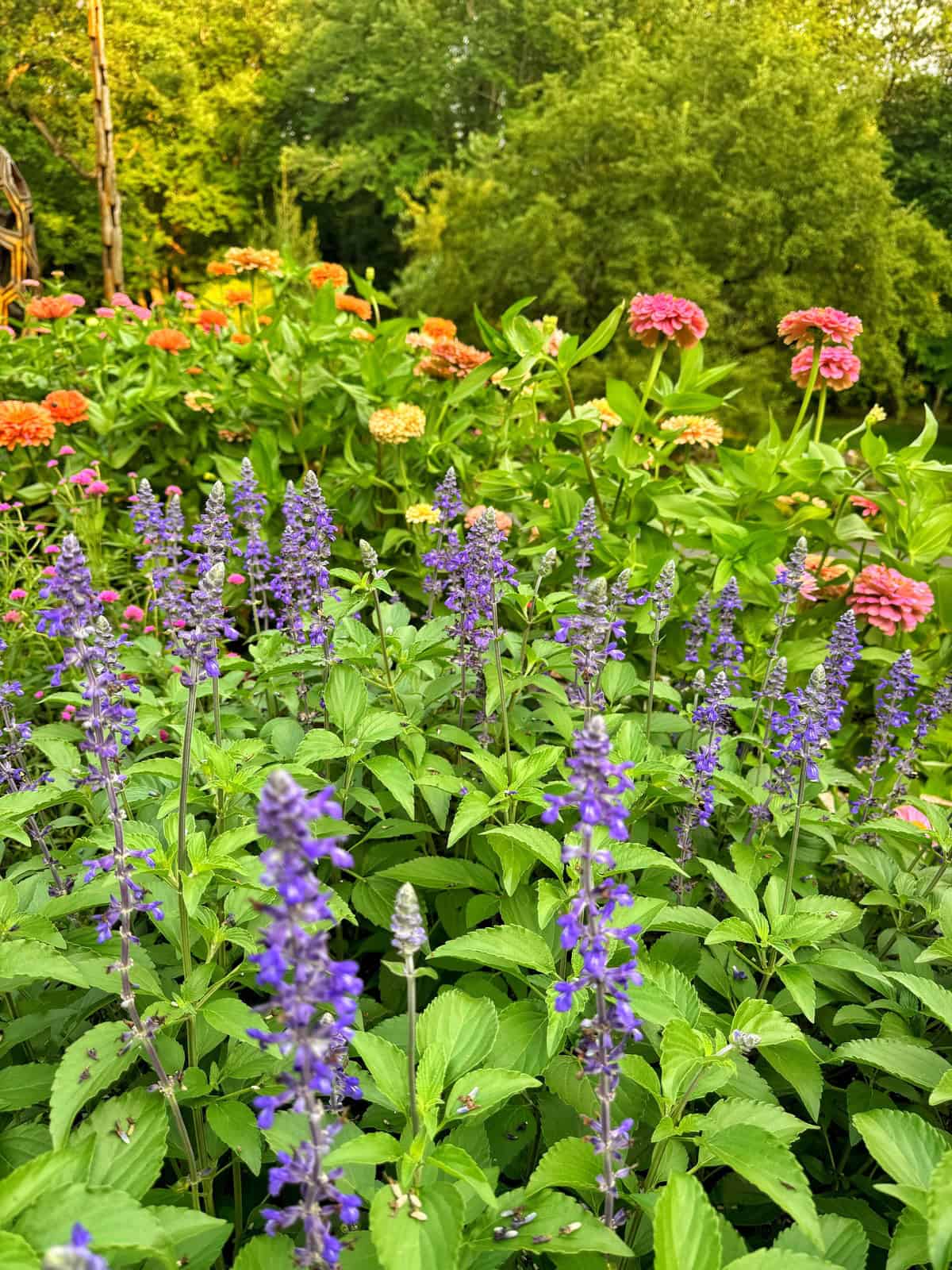
However, some perennial flowers like nepeta and salvia can benefit from cutting as they’ll encourage a second set of flowers. To learn more about how I encourage a second bloom, please visit my guides for How to Grow Nepeta and How to Grow Salvia.

Cutting Deeper to Improve Stem Length (When It Is Worth It)
In some cases, cutting deeper into a plant can improve stem length on future growth.
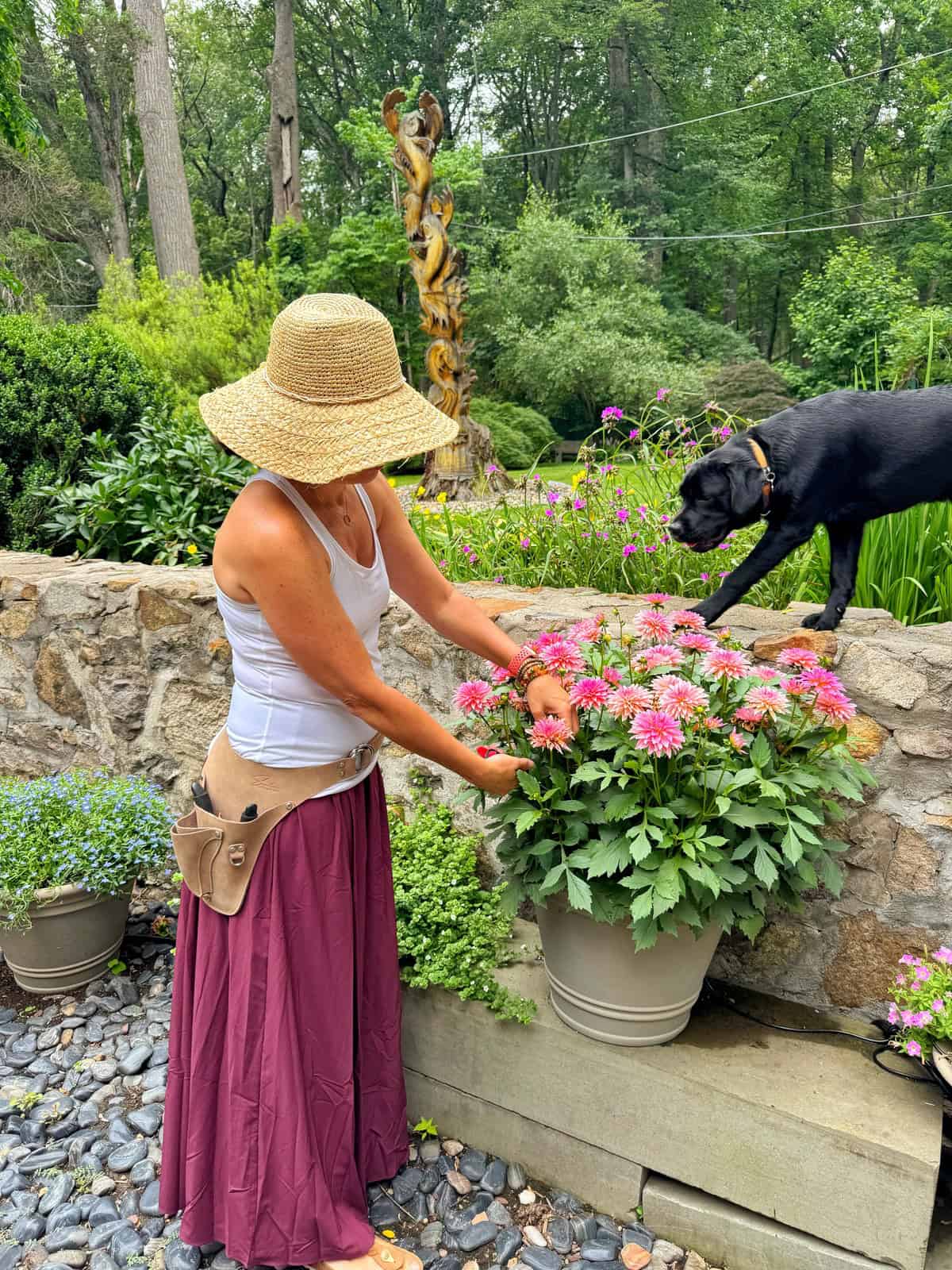
This is especially true for certain cut flowers that tend to produce shorter stems unless encouraged to branch lower. Dahlias are a good example. With some varieties, including large decorative types like Fleurel, cutting deeper can result in longer, stronger stems later on.
There is a tradeoff. Cutting deeper sacrifices flowers temporarily while the plant regrows. For gardeners focused on cut flower quality, the improved stem length is often worth it. For others, it may not be. With dahlias, I like to cut early and deep into the plant for better bouquets later.
This approach works best on healthy, established plants that have the strength to recover.
To learn more about how I grow and cut dahlias for bouquets, please visit How to Grow Dahlias.

When Deadheading Is the Better Choice
There are plenty of times when deadheading makes more sense than cutting.
During long stretches of heat and humidity, especially in a New Jersey summer, being outside to harvest and condition flowers can be miserable. In those conditions, I often choose to deadhead and enjoy the flowers in the garden instead.
Deadheading is also the better choice when:
- Plants are young or newly planted
- Plants are stressed from weather or pests
- It is late in the season
- You want to enjoy the garden without extra work indoors
Choosing not to cut is not giving up. It is making a decision that supports both the garden and your own enjoyment.

When Cutting Flowers for Bouquets Makes Sense
Cutting flowers is most rewarding when plants are healthy, established, and growing actively.
It makes sense when:
- You are cutting early to mid-season
- The plant is known to rebloom well
- Flowers are cut at the right stage
- Stems are conditioned properly afterward
If you want flowers that last, understanding when to cut flowers for the longest vase life and how to condition flowers after cutting from the garden makes a big difference.

Common Mistakes Gardeners Make
Some common missteps include:
- Cutting everything just because it looks ready
- Treating perennials like annuals
- Removing too much foliage at once
- Cutting stressed plants during extreme weather
Most problems come from rushing or applying one rule to every plant.
How to Decide in Real Time
When you are standing in the garden wondering whether to cut or deadhead, ask yourself:
- Is this plant established and healthy?
- Does it rebloom after cutting?
- Is it early or late in the season?
- Am I cutting for stem quality or garden enjoyment?
Those answers usually make the decision clear.
Quick Comparison Summary
Deadheading:
- Supports plant health
- Encourages rebloom
- Preserves garden display
Cutting:
- Provides flowers for bouquets
- Can improve stem quality
- Removes future blooms
Final Thoughts: Choosing What Works for Your Garden
Deadheading and cutting both have a place in a garden. Neither is always right, and neither is always wrong. Over time, I’ve learned that the best choice often has less to do with rules and more to do with how the garden is growing, how the season is unfolding, and how I want to enjoy the space.
Some days I cut deeply to improve stem length or bring flowers indoors. Other days I deadhead and leave the flowers exactly where they are, especially when the garden itself is what I want to see and experience. Both choices support healthy plants when they’re made thoughtfully.
If you’re still finding your rhythm with growing and harvesting flowers, it helps to step back and think about the bigger picture of cut flower gardening for beginners, where enjoyment, plant health, and practicality all matter just as much as what ends up in a vase.
A garden that works with you, not one that demands constant harvesting, is what leads to healthier plants, better flowers, and a much more rewarding growing season.
What is your approach to deadheading vs cutting flowers from your garden? Let’s chat more about it in the comments below.
Thank you for visiting the blog today!
Enjoy your day! xo


Originally Published .
