
How to Condition Flowers After Cutting From the Garden

Learn how to condition garden flowers after cutting so they hydrate properly, last longer in a vase, and mix well with other blooms.
Cutting flowers at the right time is only half the equation. What you do in the minutes and hours after cutting determines whether those flowers stay upright and fresh or wilt before you even get them arranged.
If you haven’t already, it helps to understand when to cut flowers for the longest vase life, because conditioning works best when flowers are harvested at the right time.
Conditioning is the step that bridges the garden and the vase. It is not complicated, but it is deliberate, and it matters far more than most gardeners realize.
If you have ever cut beautiful flowers that collapsed overnight, chances are the issue was not the flower itself, but how the stems were handled after cutting.
(Posts on stacyling.com may contain affiliate links. Click HERE for full disclosure.)
Why Conditioning Matters
Once a flower is cut, it immediately starts losing water. Air can enter the stem. Bacteria can build up quickly. Stressed stems can also lose the ability to take up water at all.
Proper conditioning helps by:
- Rehydrating stems fully
- Preventing air from blocking water uptake
- Reducing bacterial growth
- Giving flowers time to recover from the stress of being cut
Flowers that look healthy in the garden can still fail in a vase if they are not conditioned correctly. Conditioning does not fix poor timing, but it supports flowers that were cut well and gives them the best chance to last. This is especially true once you understand why garden-grown flowers behave differently than florist flowers, since garden flowers do not benefit from the same standardized post-harvest handling.
Conditioning also plays a role in harvest decisions. It becomes particularly important when deciding whether to remove flowers entirely or leave them in place, which is why understanding deadheading vs cutting flowers for bouquets helps clarify when conditioning is needed and when it is not.

Basic Conditioning Principles Every Gardener Should Know
These fundamentals apply to almost all garden flowers.
Get stems into water immediately
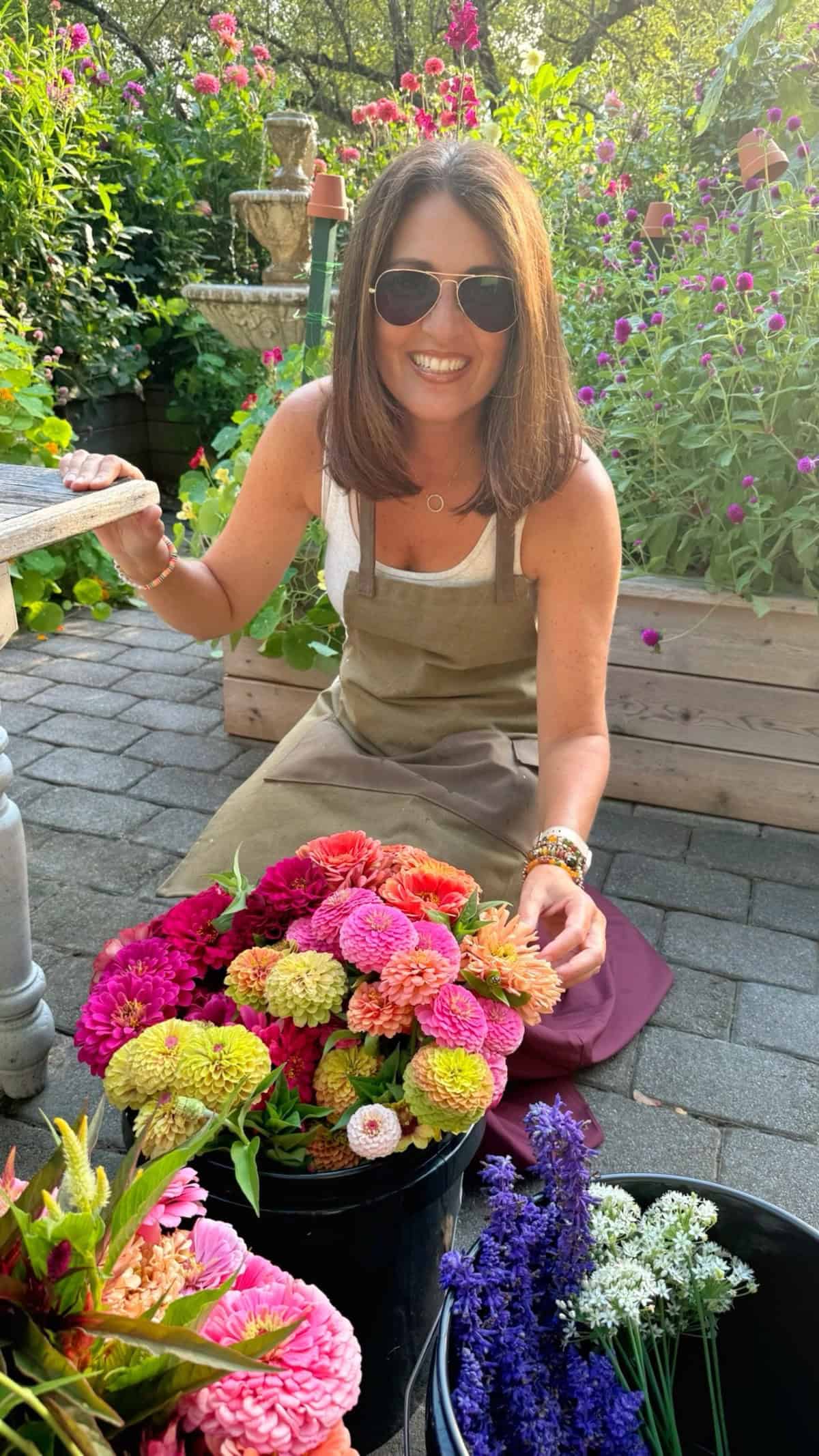
The longer a stem sits dry, the harder it is for that flower to recover. I always have a clean bucket of water ready before I start cutting. And I love using these huge 5 gallon buckets because they can hold alot of flowers.
Recut stems before conditioning
A fresh cut opens the stem so it can take up water properly. This is especially important if there is any delay between cutting and placing stems into water. Garden snips or pruners work well for this task.
Remove foliage below the waterline
Leaves left in water break down quickly, cloud the water, and encourage bacteria that clog stems.
Start clean
Clean pruners, clean buckets, and clean vases matter more than most people think. Dirty containers shorten vase life fast.
Give flowers time
Conditioning is not instant. Most flowers need several hours to fully hydrate before they are ready to be arranged.

Different Types of Stems and How to Condition Them
Not all stems behave the same way. Understanding what type of stem you are working with makes conditioning much more successful.
Soft stems
These include many annuals and tender perennials.
What they need:
- Immediate hydration
- Gentle handling
- Shorter conditioning time
What to watch for:
- Wilting quickly if cut during heat
- Bending or collapsing if stressed

Woody stems
This includes flowering shrubs and woody perennials.
What they need:
- A longer conditioning period
- Fresh cuts to expose water conducting tissue
- Time to hydrate before mixing with softer stems
Woody material almost always benefits from being conditioned on its own first.

Hollow stems
Flowers like dahlias fall into this category.
What they need:
- Immediate water after cutting
- Careful recutting so air does not block the stem
- Time to hydrate fully before use
Hollow stems can look fine at first and then collapse suddenly if conditioning is rushed.
Stems with milky or sticky sap
Some flowers release sap that can interfere with water uptake.
What they need:
- Separate conditioning
- Time for sap flow to stop before mixing with other flowers
This is a compatibility issue, not an arranging one.

Flowers That Benefit From Solo Conditioning Before Mixing
Some flowers perform much better when they are allowed to condition on their own before being combined with others in a mixed vase.
This does not mean they cannot be mixed. It means they hydrate or behave differently and do best when given time.
Daffodils
Daffodils release a sticky sap after cutting that can shorten the vase life of other flowers. They should always be conditioned separately and never recut after conditioning before mixing.
Hellebores
Hellebores hydrate slowly and are sensitive to harvest stage. Even when cut at the right maturity, they benefit from time alone in water to fully hydrate before being mixed.

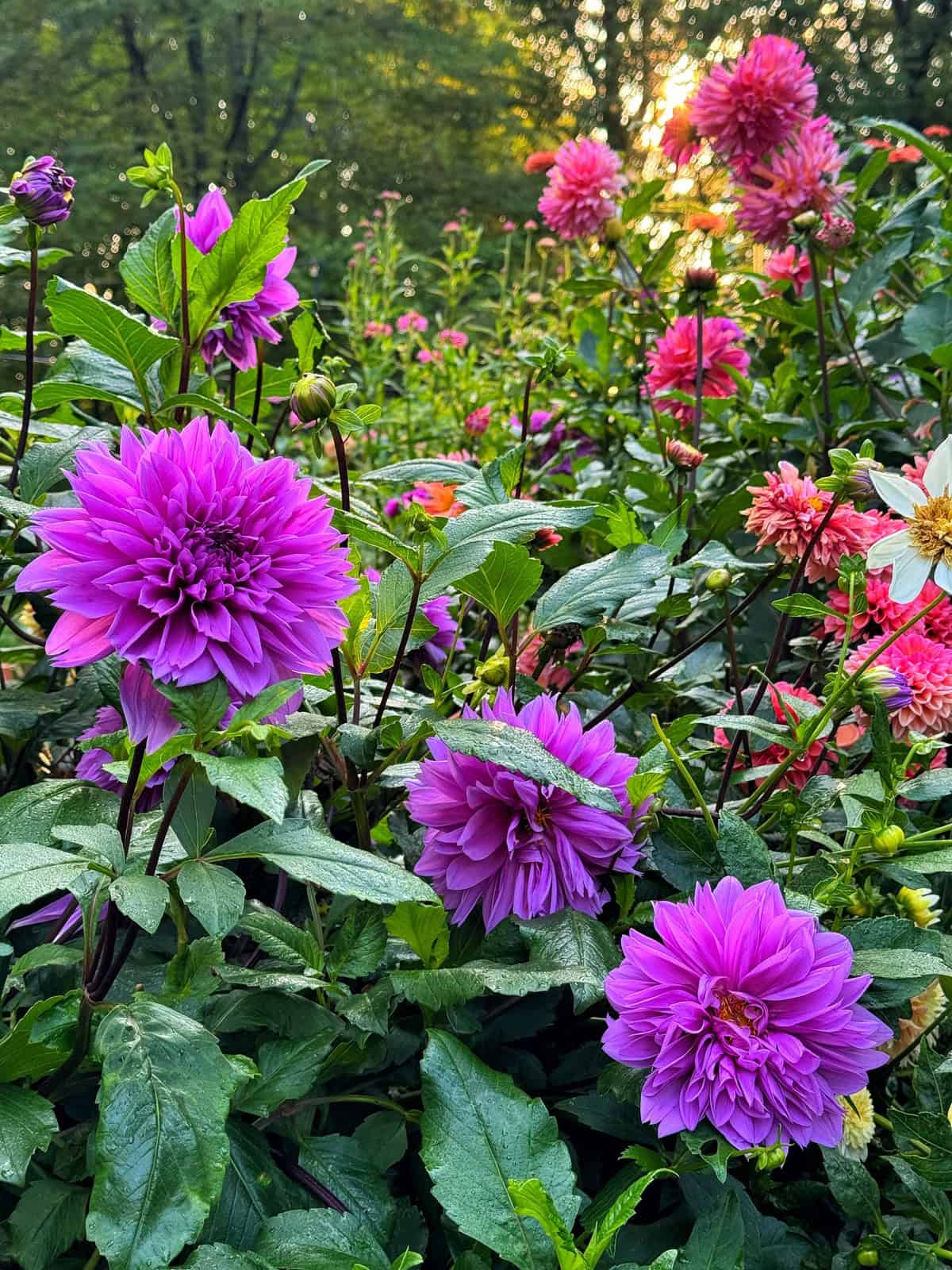
Dahlias
Dahlias have hollow stems and high water demand. Conditioning them separately allows them to firm up before sharing a vase with other flowers.
Sunflowers
Sunflowers are extremely thirsty and can collapse quickly if not fully hydrated. Conditioning them alone first helps prevent them from pulling water away from other stems.
Woody branches and shrubs
Lilac, viburnum, and other flowering branches need more time to hydrate than soft-stemmed flowers and should be conditioned separately.
Special Conditioning Notes for Common Garden Flowers
Some flowers are simply more sensitive than others. Knowing this ahead of time saves a lot of frustration.
Hydrangeas
Hydrangeas are one of the most dramatic wilters in the garden if conditioning goes wrong. They are extremely sensitive to hydration issues and benefit from immediate conditioning and cool conditions. I have a separate post that goes into detail on how to keep fresh cut hydrangeas from wilting, because they behave very differently than most garden flowers.

Hellebores
Only cut hellebores when the flowers are mature. Immature blooms rarely last, no matter how well they are conditioned. Once cut, give them time to hydrate fully before mixing.
Dahlias
Treat dahlias gently, never let stems sit dry, and allow them to hydrate completely before arranging. Rushing them almost always leads to flopping.
Sunflowers
Cut early, hydrate deeply, and give them time. Sunflowers reward patience.

Step by Step Conditioning Workflow
This is the process I follow every time I cut flowers.
- Start with clean pruners and a clean bucket of water
- Cut flowers and place them into water immediately
- Recut stems to open them fully
- Remove all foliage that would sit below the waterline
- Place stems in a cool, shaded location
- Allow flowers to condition for several hours or overnight before arranging
If flowers are not going to be arranged right away, keeping them cool and hydrated makes a big difference.

What Does Not Help and Can Actually Hurt
Some common habits shorten vase life rather than improve it.
- Skipping the recut
- Leaving leaves in the water
- Using dirty containers
- Letting stems sit dry
- Assuming flower food fixes everything
Most conditioning problems come from rushing or skipping steps, not from lack of products.

Troubleshooting Common Problems
Flowers wilt immediately
Often caused by delayed hydration, cutting during heat, or air blocking the stem.
Water turns cloudy quickly
Usually a sign of bacteria from dirty containers or submerged foliage.
Flowers collapse after mixing
Some stems were not fully hydrated before being combined, or incompatible flowers were mixed too soon.

Quick Conditioning Checklist
- Cut flowers at the right time
- Get stems into water immediately
- Recut stems
- Remove below water foliage
- Use clean containers
- Condition flowers fully before arranging
- Separate sensitive flowers before mixing

Final Thoughts How to Condition Flowers After Cutting From the Garden
Conditioning is not an optional extra step. It is what turns good harvest timing into real vase life.
When flowers are cut well and conditioned properly, everything else becomes easier. They hydrate better, mix better, and last longer. Skip this step or rush it, and even the best garden flowers will struggle.
If you want flowers that actually hold up in a vase, treat conditioning as part of the gardening process, not an afterthought.
Happy Gardening!
Thank you for visiting the blog today!
Enjoy your day! xo


Originally Published . Last Updated .
