
How to Keep Cut Hydrangeas Fresh: The Secrets to Long-Lasting Blooms

Want long-lasting cut hydrangeas? Learn the simple, proven methods I use to keep blooms fresh—and how to revive hydrangeas that start to droop.
Ah, hydrangeas. Those big, beautiful pom-poms of color that fill our gardens and look stunning in summer bouquets. But if you’ve ever cut a few blooms to enjoy indoors, you’ve probably experienced that heartbreaking moment when they suddenly droop in the vase. Hydrangeas can be dramatic as I’ve been growing and arranging them for over 25 years here in my Zone 6b garden. And I’ve learned exactly why they wilt and what actually keeps them fresh.
If you’re new to growing hydrangeas outdoors, my Hydrangea Care Guide is a helpful place to start. And if you’re beginning to explore cut flowers in general, you may also enjoy my Cut Flower Gardening for Beginners guide, where I share the basics of growing flowers specifically for bouquets and arrangements.
But when it comes to cut hydrangeas, the rules are completely different from garden care. Vase life depends on how the stems are conditioned, how much moisture they can absorb, and the simple tricks that make all the difference.
The good news? Keeping cut hydrangeas fresh is incredibly easy once you know what works. In this guide, I’m sharing the exact methods I use to prevent wilting—and if your hydrangeas have already drooped, don’t worry. I’ll also show you how to revive them and bring those blooms back to life.
(Posts on stacyling.com may contain affiliate links. Click HERE for full disclosure.)

How to Keep Cut Hydrangeas Alive in a Vase
Hydrangeas are popular flowers that can add a beautiful touch to any room. However, they can be tricky to keep alive in a vase. I’ve been growing and cutting hydrangeas for many years and they don’t always do well in a vase without a little help. So follow these simple tips and tricks to help keep fresh-cut hydrangeas from wilting in a bouquet.
If you’re just getting started with arranging flowers, my Cut Flower Gardening for Beginners guide is a great resource for building confidence with homegrown bouquets. But let’s dive into the hydrangea-specific methods that truly work.
But First…Why Are My Fresh Cut Hydrangeas Wilting? The Science Behind the Droop
It’s a common frustration for flower lovers, but understanding why fresh-cut hydrangeas wilt is the key to preventing it. Hydrangeas are incredibly thirsty blooms as I’ve seen this firsthand after cutting hundreds of stems from my garden over the years because they rely on a steady stream of water traveling through the stem to support those large mophead flowers.
When you make a fresh cut, the stem immediately releases a sticky sap as part of its natural self-healing process. While this protects the plant outdoors, it quickly clogs the tiny water-transporting tubes (xylem) inside the stem. Once those vessels are blocked, the bloom can’t draw up enough water, even if the vase is full.
This lack of hydration is what causes hydrangeas to soften, wilt, and droop so quickly. The good news is that there are simple conditioning techniques that reopen those vessels and keep your hydrangeas looking fresh for so much longer. We’ll walk through the exact steps below.

How to Keep Fresh Cut Hydrangeas from Wilting
Whether you cut hydrangeas from your flower garden or pick them up from the grocery store, there are two easy methods to keep cut hydrangeas from wilting. And the best part? Minimal supplies are required.
Supplies Needed for Keeping Fresh-Cut Hydrangeas From Wilting
- Pruners
- Container filled with fresh water for the initial fresh cuts
- A second container filled with fresh water to display the arrangement
- Alum Spice (if using the alum method)
- Small pot filled with boiling hot water (if using the hot water method only)

1. Keeping Hydrangeas Fresh Using the Hot Water Method
To me, this is the easier way to do it because you don’t need anything else besides sharp pruners and boiling hot water. Here’s how to do it.
Hot Water Method Directions
- After the initial cuts are made, boil water.
- Have a second container of room-temperature water ready to hold the arrangement.
- Cut hydrangea stems again on an angle to the desired length of the arrangement.
- Optional: some like to smash the bottom of stems so it takes in more water. (I’ve never done this but I’ve heard it works).
- Stand hydrangea stems in hot water for 30 seconds.
- Immediately drop into room temperature water.
- Arrange flowers accordingly.
And that’s it! Super easy right? Ok, so that’s the hot water method. Here’s how to do the alum method.


2. How to Keep Fresh Cut Hydrangeas from Drooping Using Alum Powder Method
Have you ever heard or used alum before? Alum powder is a spice that is used for pickling and canning. But did you know that it can also be used to help keep hydrangeas from wilting?
Alum Spice Method Directions
- After making the initial cuts from the plant, immediately drop stems in freshwater.
- Get a second container with fresh water ready and grab the alum spice.
- While arranging the blooms, re-cut stems on an angle to the desired length of the arrangement.
- Dip the bottom 1/2 inch of the stem into the alum.
- Drop into the second container
- Arrange the flowers.
Pro Tip: Avoid dipping hydrangea stems directly in the alum spice jar. Instead, dump some alum into a smaller jar. This will keep your main alum spice jar fresh and help avoid bacterial growth that can contaminate later cut stems.


Emergency Care: How to Dramatically Revive Wilted Hydrangeas
Don’t freak out if your fresh-cut hydrangeas have started to droop thought! Even severely wilted blooms can often be dramatically revived with a little emergency care. Here’s a simple, step-by-step guide to help bring your hydrangeas back to life:
- Replace Old Water: If the arrangement’s water is more than a day old, immediately dump it and replace with fresh, clean water. Old water can harbor bacteria that further clog stems and prevent water absorption.
- Submerge and Rehydrate: Submerge the entire hydrangea head (blooms and leaves) in a basin or kitchen sink filled with cool water for several hours (2-4 hours is often sufficient). This allows the flower to rehydrate through its petals and leaves, a process called turgor, providing a quick boost of moisture.
- Re-cut Stems Under Water: After soaking, re-cut all the stems at a sharp angle (about 1-2 inches) while the stem is submerged underwater, if possible. This removes any newly formed sap plugs and immediately opens up the vascular system for maximum water uptake.
- Apply a Revival Method: Immediately after re-cutting, perform either the Hot Water Method or the Alum Powder Method, as described earlier in this guide. These techniques are crucial for re-establishing clear vascular pathways and preventing future wilting.
Important Note: While these methods are highly effective, the older and more severely dehydrated the blooms are, the less likely they are to fully revive. However, it’s always worth a try! For best results, address wilting signs as soon as possible. Early intervention dramatically increases your success rate! (For more tips on keeping fresh flowers longer, read this post).
Hydrangea Flower Arranging Tip: Whenever I arrange mophead hydrangeas, I love to mix the colors up a little for some contrast. For more of my best tips on creating hydrangea arrangements, read this post.

Cut Hydrangea Care: How to Cut and Care for the Flowers
If you’re cutting hydrangeas from your garden, it’s important to harvest them correctly so they last as long as possible in a vase. After cutting countless hydrangeas over the years here in my Zone 6b garden, these steps consistently give me the best results.
- Gather your supplies before you start.
- Clean and sharpen your pruners.
- Tip: Cut hydrangeas early in the morning when the weather is cool and the stems are fully hydrated.
- Cut stems at an angle to maximize water uptake.
- Immediately place the fresh cuts into a container of clean, cool water.
- Condition the hydrangeas using one of the methods below before arranging.
To extend vase life even further, feed your blooms with flower food. I often use my own homemade flower food recipe, which you can make with simple ingredients from your pantry.

Fresh Cut Hydrangea Care FAQs
If you cut your hydrangeas from your garden, here are a few FAQs with answers that will help you care for the flowers.
Do You Put Cut Hydrangeas in the Water Immediately After Cutting?
Yes, absolutely! It is critically important to get fresh-cut hydrangeas into water immediately after cutting them. Hydrangeas are extremely thirsty plants, and their stems can quickly form an air bubble (an ‘air embolism’) or seal themselves off if exposed to air for too long. This prevents water from reaching the blooms, leading to rapid wilting.
Pro Tip: When you head out to your garden to cut hydrangeas, always bring a large bucket of fresh, cool water with you. As soon as you snip a stem, plunge it directly into the water in the bucket.

What Is the Best Time of Day to Cut Hydrangeas?
The time of day you cut hydrangeas significantly impacts their longevity in a vase. The best time is early morning, before the heat of the day sets in. At this time, the plant’s stems are fully hydrated, having had all night to absorb water, and the cooler temperatures reduce transpiration (water loss from leaves). While you can cut them later in the day if necessary, avoiding the peak heat of the afternoon will yield much fresher, longer-lasting blooms.
For more cut flower garden tips like this, check out this post.
How Long Do Cut Hydrangeas Last Once Cut?
Without any special treatment, many sources suggest cut hydrangeas may only last 2-5 days. However, from my extensive experience, with the proper care techniques (like the hot water or alum methods described in this guide), they can last significantly longer – often over a week, and sometimes even up to two weeks or more!
In my own experiments, I found the alum method consistently helped my fresh-cut hydrangeas last a little bit longer than the hot water method. Factors like room temperature, water freshness, and initial bloom health will also influence how long your arrangement lasts.

Do I Need to Remove Leaves from Cut Hydrangeas?
Yes, it’s highly recommended to remove any leaves that will fall below the waterline in your vase. These submerged leaves will rot, encouraging bacterial growth in the water, which can quickly clog the stems and shorten the life of your flowers. Removing excess leaves above the waterline can also reduce water loss through transpiration, allowing more hydration to reach the blooms.
Can I Use Flower Food or Bleach in Hydrangea Water?
While commercial flower food packets can be beneficial for some cut flowers, hydrangeas often respond better to your specific methods (hot water or alum) due to their unique sap-clogging issue. You can try a small amount of flower food, but it’s not a substitute for the stem treatment. Avoid using bleach, as it can damage the delicate stems and flowers, although some florists use tiny, diluted amounts for bacterial control – it’s generally not recommended for home use.
How Often Should I Change the Water for Cut Hydrangeas?
To maximize longevity, change the water in your vase daily, or at least every other day. Fresh water is crucial to prevent bacterial buildup. When you change the water, it’s also a good practice to briefly re-cut the stems at an angle (even just a tiny sliver) to reopen any pathways that might have sealed.
What Type of Vase or Container is Best for Hydrangeas?
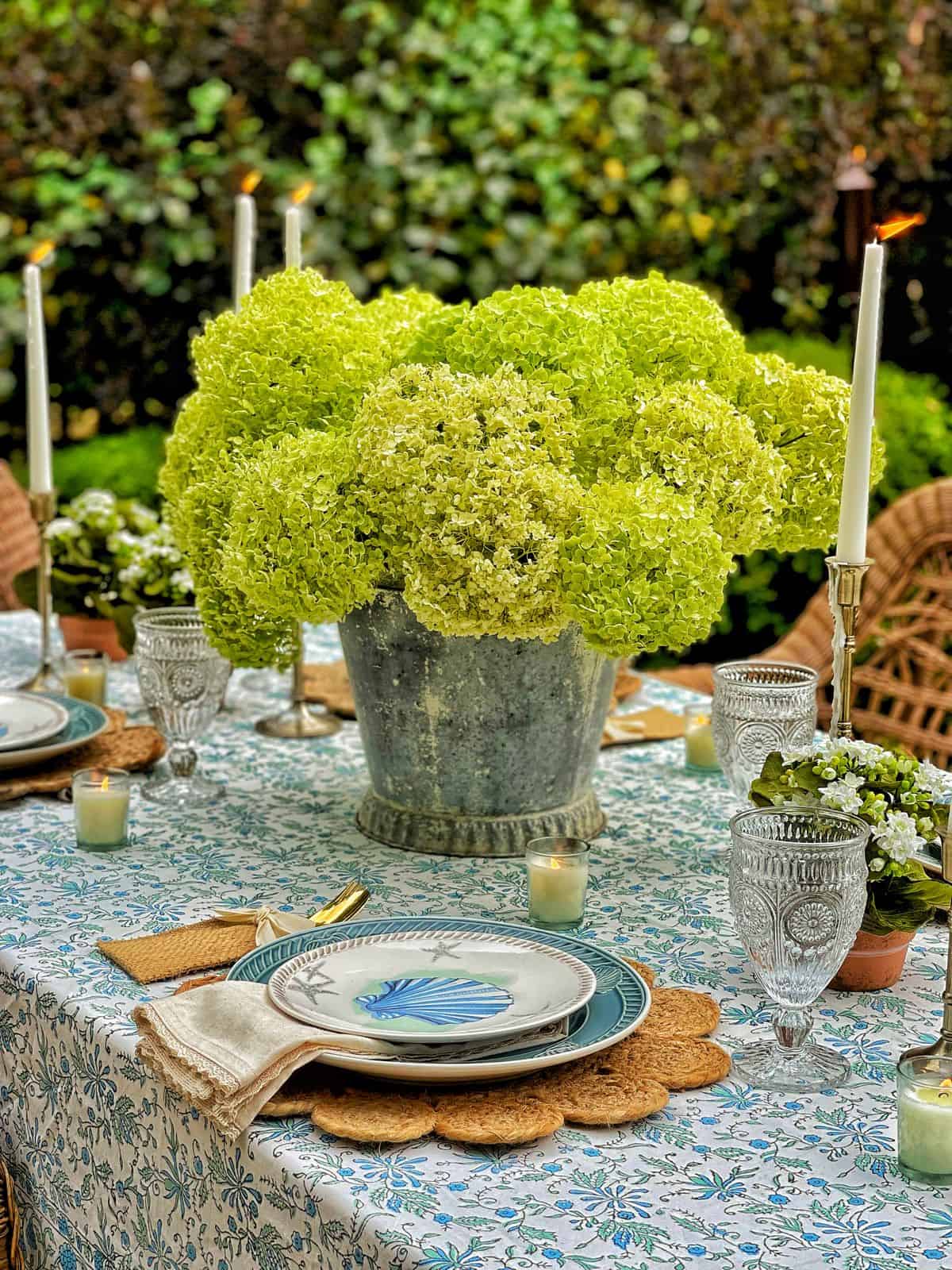
Choose a vase that allows for plenty of water. Hydrangeas are thirsty, so a vase with a wide opening that can hold a good volume of water is ideal. Ensure the stems aren’t too crowded, as good air circulation can also help. Darker or opaque vases can help slow bacterial growth by limiting light exposure to the water. But I also love using mason jars in varying sizes depending on the type of arrangement I am making!
My Hydrangea Blooms Are Brown or Crispy – Can They Be Saved?
Unfortunately, if hydrangea blooms are already brown, crispy, or show signs of significant rot, they are likely past the point of revival. The emergency care methods are most effective when the wilting is still pliable and there’s a chance for rehydration. It’s best to remove severely damaged blooms to maintain the aesthetic of your arrangement.

How to Keep Fresh Cut Hydrangeas Looking Fresher for Longer
I wish fresh flowers lasted longer too—sometimes they just don’t cooperate. But after cutting and arranging hydrangeas for over 25 years in my Zone 6b garden, I’ve learned a few simple ways to extend the life of any bouquet. These small steps can make a big difference in how long your hydrangeas stay fresh. If you want to keep all your cut flowers looking their best, my guide on How to Keep Fresh Flowers Longer shares the exact techniques I use for every arrangement.
Want to Learn How to Arrange Hydrangea Flowers Like a Pro
Now that your hydrangeas are conditioned and ready, how do you want to display them? Arranging flowers isn’t hard once you know a few tricks—and you can save a lot of money by creating your own bouquets at home. If you’d like inspiration or step-by-step techniques, my post on How to Arrange Flowers Like a Pro walks you through everything.
Growing Hydrangeas That Last Longer Indoors
Keeping hydrangeas from drooping often comes down to harvesting them at the right stage and growing strong, healthy plants in the first place. When shrubs are well-established and properly maintained, their blooms tend to hold up much better in arrangements.
In The Bricks ’n Blooms Guide to a Beautiful and Easy-Care Flower Garden, I share my full approach to growing hydrangeas successfully — from planting and pruning to understanding bloom timing and overall plant health. There’s an entire chapter dedicated to hydrangeas so you can grow them confidently both in the garden and in the vase.

Final Thoughts About Keeping Cut Hydrangeas from Wilting
Hydrangeas may be a little dramatic in the vase, but once you understand how they drink and how to condition their stems properly, they become one of the longest-lasting and most rewarding flowers to cut from the garden. After working with hydrangeas for more than 25 years in my Zone 6b garden, I can tell you that these simple steps really do make all the difference when it comes to preventing drooping and keeping those big, beautiful blooms looking fresh.
Whether you’re arranging a single stem for a bedside table or creating a full floral centerpiece, hydrangeas shine when they’re hydrated well and handled with care. And once your blooms are conditioned and ready to design with, you can have even more fun transforming them into something beautiful. If you need inspiration or want to improve your arranging skills, my guide on How to Arrange Flowers Like a Pro walks you through the techniques I use in my own home.
And if you’re growing hydrangeas outdoors and want them to produce strong, healthy stems for cutting, my Hydrangea Care Guide is a helpful place to start.
With just a few simple tricks and a little practice, you’ll be able to enjoy long-lasting hydrangea arrangements all season long. Happy arranging!
Have you tried either method yet? Let’s chat more about it in the comments below.
For more information about keeping diffferent cut hydrangeas fresh, read this article from Rutgers Cooperative Extension, Mississippi State Cooperative Extension, and the Iowa State Cooperative Extension.
Thank you for visiting the blog today!
Enjoy your day! xo



Originally Published . Last Updated .

Hi…is that Hoosier alum powder granulated? I looked up the one you show here and it appears to be granulated, not an actual powder. Just want to make sure I order the right one.
Hi…is that Hoosier alum powder granulated? I looked up the one you show here and it appears to be granulated, not an actual powder. Just want to make sure I order the right one.
Hi…is that Hoosier alum powder granulated? That’s all I can find for that company.
It is similar to a powder – you can probably find it in your spice aisle at the grocery store too.
Your garden has the touch of a lady who loves gardening. So beautiful.
When I go out of town I have a lady come every day to check my small garden.
She waters what needs watering and with the horribly hot weather we have had in Va. Beach, it’s a daily need.
I don’t know if you know anyone who could check on your garden when you are away. Maybe not just to water but tie up what needs tying up.
Yes, alum is in the spice aisle and could also be in the canning materials aisle.
Just love your blog.
I truly appreciate that Diana. Thank you so much for dropping by today!
Hi Stacy, I’ve just tried the alum method. It worked great! My concern, after placing the alum dipped Hydrangea, into a CLEAR glass vase of fresh water, that water became milky. Didn’t like that look. Can I remove the blooms after a certain time period, and place them in another vase of fresh water without them drooping? Your thoughts?
Hi Donna! I’m glad you found it helpful. If you do that, I’d do a fresh cut and dip them in the alum again.
Stacy, I have hydrangea envy….can’t grow them here but hope to have some plants up at our mountain cabin next summer. Love all your pics!
Thanks so much Mary! I hope you can grow them there! xo
I just planted some Annebelle’s and a Nantucket Blue. So happy to know the tricks! Thanks for sharing!
Thanks so much Kim!!! Enjoy them! xo