
10 Reasons Your Houseplants Secretly Hate You (And How to Win Back Their Love!)

Is your houseplant struggling? Discover the 10 most common houseplant care mistakes and learn simple fixes to win back your plants’ love and get them thriving again.
Can we be honest for a second? We’ve all been there. You buy a gorgeous new plant, full of hope and good intentions. You water it, you give it the perfect spot, you maybe even give it a little pep talk… and it still starts to look sad. Its leaves droop, turn yellow, or get crispy on the edges. It can feel like your plant secretly hates you. Am I right?
But what if your plant isn’t being dramatic? What if it’s just trying to tell you something? That’s what this post is all about: decoding what your plants are really trying to communicate, so you can stop the silent suffering and get them thriving again.
And hey, let’s get one thing straight: no gardener is perfect. I’ve ‘unalived’ a few plants more than once because I didn’t get it right the first time. I’ve personally battled with tricky plants over the years, from stubborn Boston ferns to finicky alocasias, the famously dramatic fiddle leaf fig, and even the delicate string of pearls. The key to being successful isn’t perfection; it’s learning, adapting, and trying again. So whatever, wherever you are in your houseplant journey, do not give up!
Let’s drill down on the top 10 mistakes we all make with indoor plants and how to fix them.
(Posts on stacyling.com may contain affiliate links. Click HERE for full disclosure.)
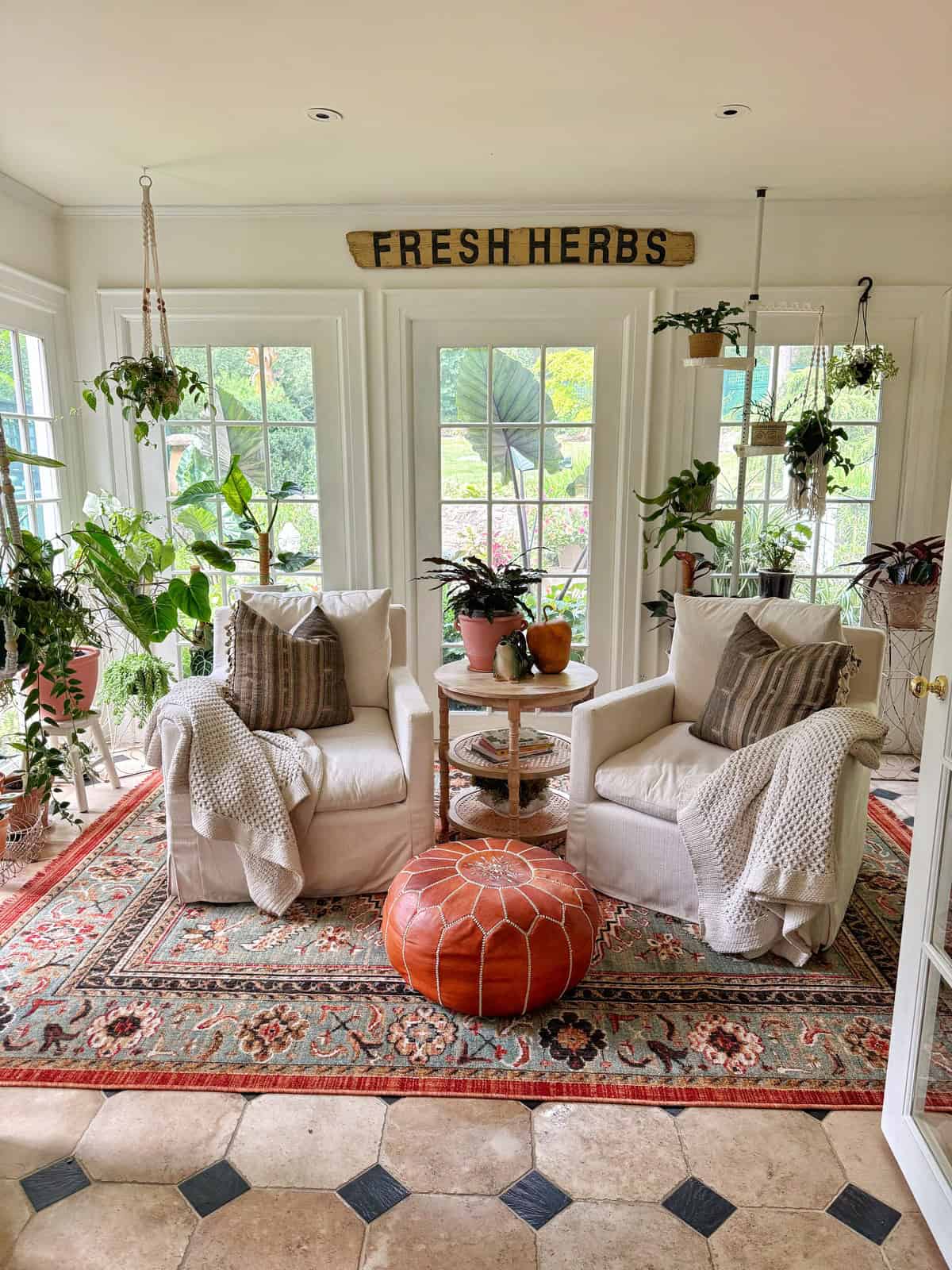
1. You’re Drowning Them in Love (Overwatering)
Overwatering is the number one reason houseplants meet their demise. It’s a classic case of loving your plants a little too much. When the soil is constantly wet, the roots can’t breathe and they begin to rot. This is why you’ll often see why are my houseplant leaves turning yellow—it’s a common symptom of a plant that is overwatered. The leaves lose their firmness and begin to drop.
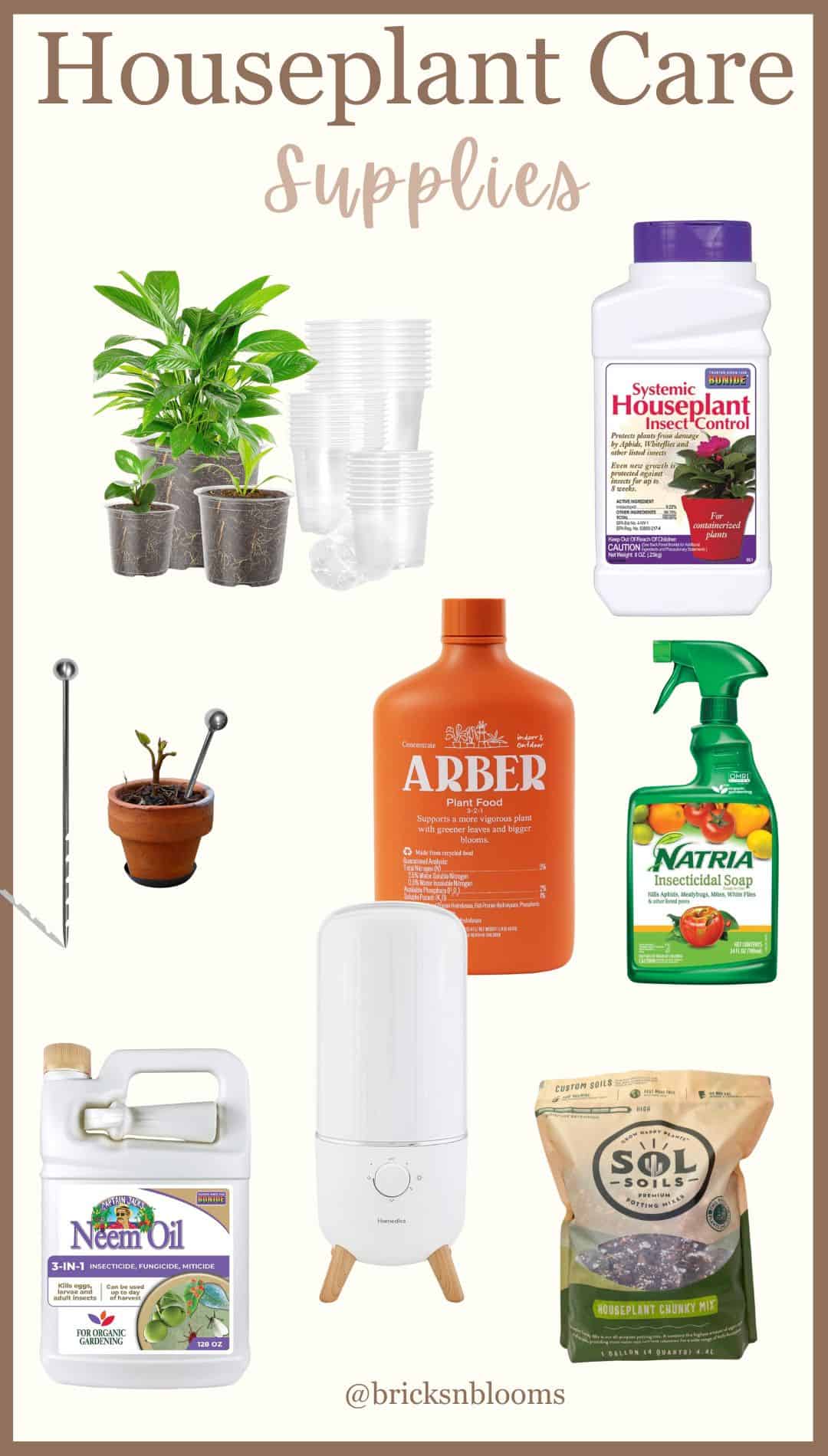
The solution is simple: slow down on the watering! Before you water, stick your finger an inch or two into the soil. If it feels moist, wait. If it feels dry, it’s time to water. Also, make sure your pot has a drainage hole so any excess water can escape. You can also try using a moisture meter or basic soil probe to help you better assess how wet or dry the soil is.

2. You’ve Starved Them (Lack of Nutrients)
Just like us, plants need to eat! While most potting soils come with nutrients, they don’t last forever. If your plant’s growth is stunted and its leaves are faded, it’s likely crying out for food. Plants that are actively growing need more fertilizer. The fix is to find a good quality, balanced houseplant fertilizer. The most important thing is to follow the instructions on the package. Remember, it’s always better to under-fertilize than to over-fertilize, as too much can “burn” the plant’s roots.
When I finally understood that my houseplants needed fertilizer, I started using this slow-release plant food so it was set-and-and forget. I applied it in February, May, August, and then let the plant be through fall and winter so it could be dormant.
But I’ve since changed this approach and discovered a better way that keeps my plants looking healthy and amazing all year round. Now, I feed my plants every time I water with a gentle, organic fertilizer. This supplies the plant with the nutrients it needs without the harsh chemicals of a synthetic. My plants have rewarded me with steady growth all year round.
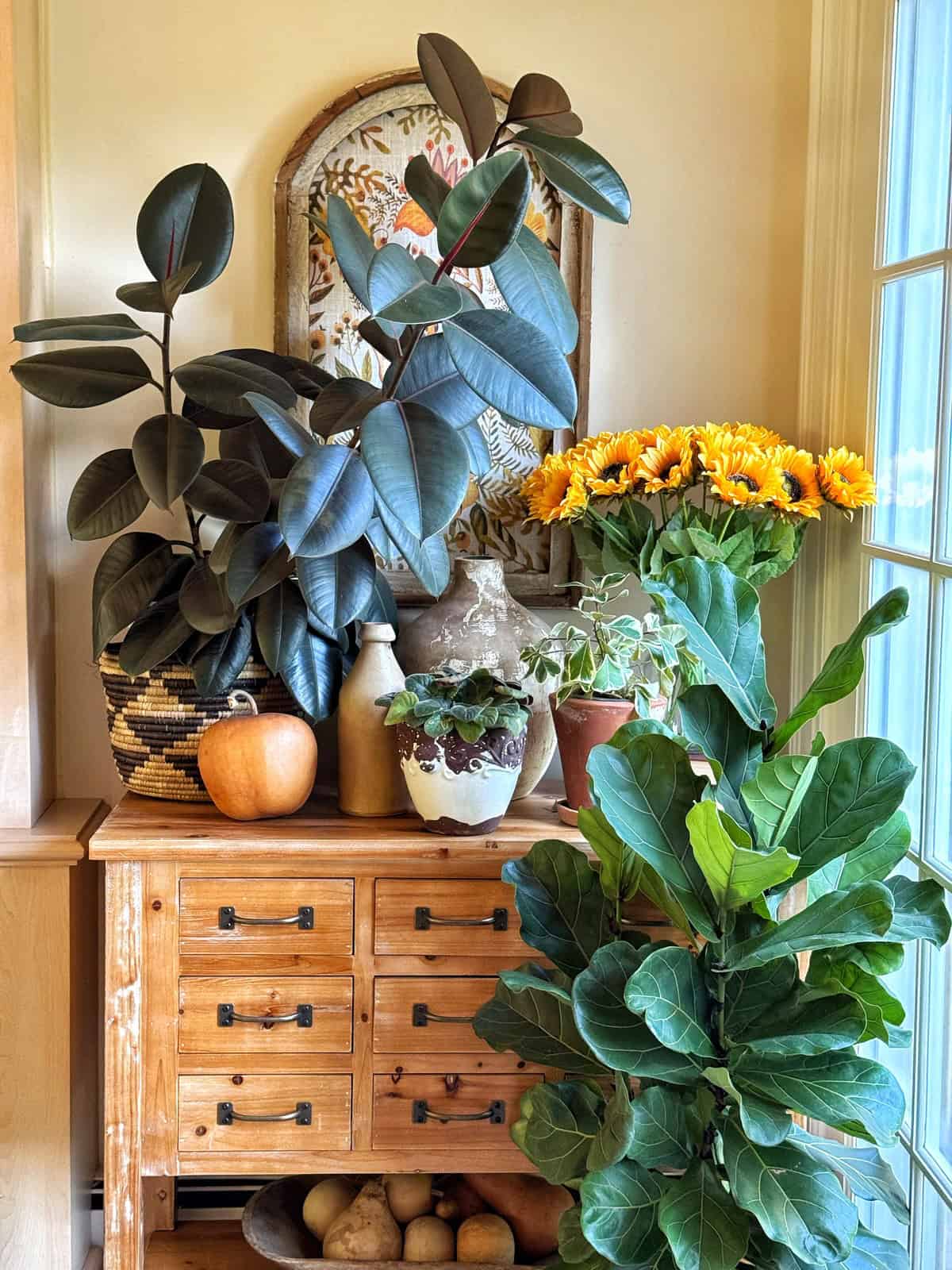
3. You’ve Put Them on a Sunburn Vacation (Wrong Light)
Plants need sunlight to create energy, but not all light is created equal. A plant that wants bright, indirect light will get a sunburn (and ugly brown spots) in a direct, sunny window. On the flip side, a plant that needs a lot of light will stretch and become weak and leggy without enough. To fix it, you need to understand your plant’s needs and find the right spot for it in your home. Watch how the light changes throughout the day to find the perfect location. You can also try using a light meter like this to tell you how much light your plant is getting.
Sadly, I recently burned one of the leaves on my orchid plant because I moved her outdoors and she got hit with a little too much sun. The foliage had a nice big burn on it and once I noticed it? I moved her to a shadier spot. She’ll recover but the foliage is permanently damaged.
I’ve also done this to my aloe vera plant. Last year, I temporarily moved it to a south facing window while we did some work in my plant room. And let me just tell you, they were the saddest looking aloe veras after that brief trip to the living room. The foliage was burned and didn’t look all that amazing. I tucked it away in my family room by large north-facing windows where it slowly recovered and bounced back! Now you can’t even tell that ever happened to it.
But the key takeaway here? If you see something…make a change! Don’t be afraid to move plants around your home until you get it right. Most plants are pretty adaptable, particularly if they are on the easier side of plant care.

4. You’ve Ignored Their Atmosphere (Humidity & Air Flow)
Many of our favorite houseplants—like tropical philodendrons and calatheas—originate from humid rainforests. The dry air from our indoor heating and air conditioning can make them very unhappy, often resulting in brown tips on the leaves. You can help your plant by grouping it with other plants, which creates a little humidity microclimate. Placing your plant on a tray of pebbles filled with water or using a small humidifier nearby can also make a huge difference.
I learned this lesson the hard way too with my Boston Fern. For several years, I could not keep a Boston Fern alive through the winter. They’d do great until like February and then slowly get crispy, not look so great, and unalive. It took me YEARS to figure out my home was just too dry for them with forced hot air. Once I figured out it needed more humidity? That was a total gamechanger for me! And I’m happy to report that my Boston Fern is about 7 years old now. So I feel like I am winning at life.

5. Their Shoes Are Too Tight (Root Bound)
Imagine wearing shoes that are too small for your feet. That’s what it’s like for a plant that has become root bound. This happens when the plant has been in the same pot for too long and its roots have filled all the available space. The roots will begin to circle and strangle themselves, preventing them from absorbing water and nutrients. You’ll know a plant is root-bound when you see roots growing out of the drainage holes. The fix is to gently loosen the roots and move the plant to a new pot that’s only one or two inches larger in diameter.
When you repot your plants, I STRONGLY recommend planting them in clear nursery pots. I have been changing my own houseplant collection over and it is a total gamechanger in terms of their care. With clear nursery pots, you can better see your plant’s root system and soil moisture without ever disturbing the plant. I actually don’t mind the clear plastic nursery pots without a decorative pot around them, but you can style them either way.
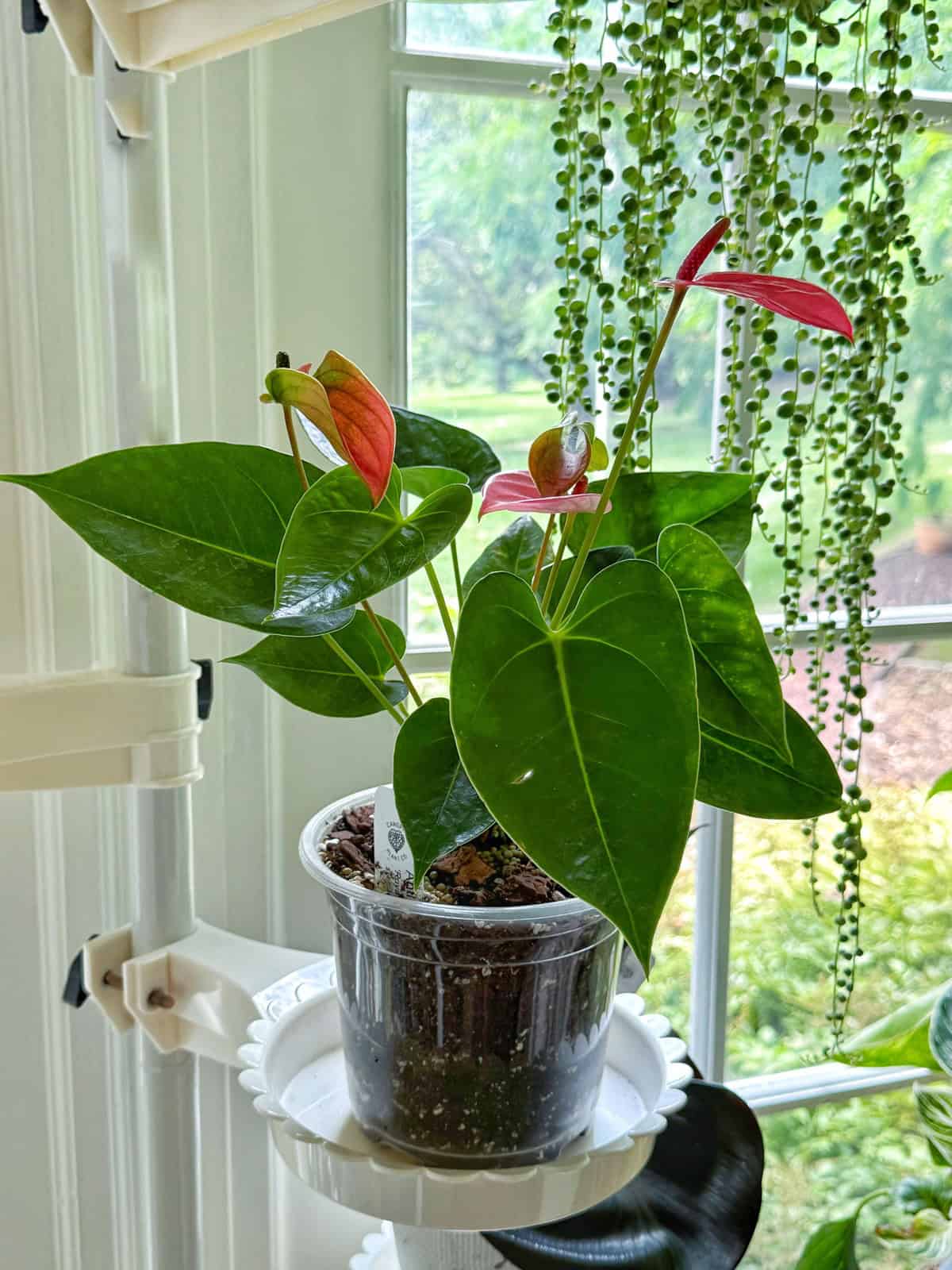
6. They Have Uninvited Guests (Pests)
Sometimes, the culprit isn’t you at all, but rather tiny pests. These uninvited guests—like spider mites, mealybugs, and scale—can be tough to spot until they’ve done some damage. For example, if you notice a white, cottony substance on your stems, you’re dealing with mealybugs. If you’re wondering how to treat mealybugs on plants, you’ll want to isolate the plant and treat it right away. My favorite non-toxic solution is to use a cotton swab dipped in rubbing alcohol to remove them and then give it a good shower after. You can also use insecticidal soap, but be sure to spray the entire plant, including the undersides of the leaves.
Neem oil works pretty well too, but you’ll need to completely saturate the plant foliage, stems, and I like to hit the soil too. As a preventative measure, I’ve been using this organic houseplant insect control. It is a granular that works for up to 8 weeks! I’ve been using it for over a year now and highly recommend it!
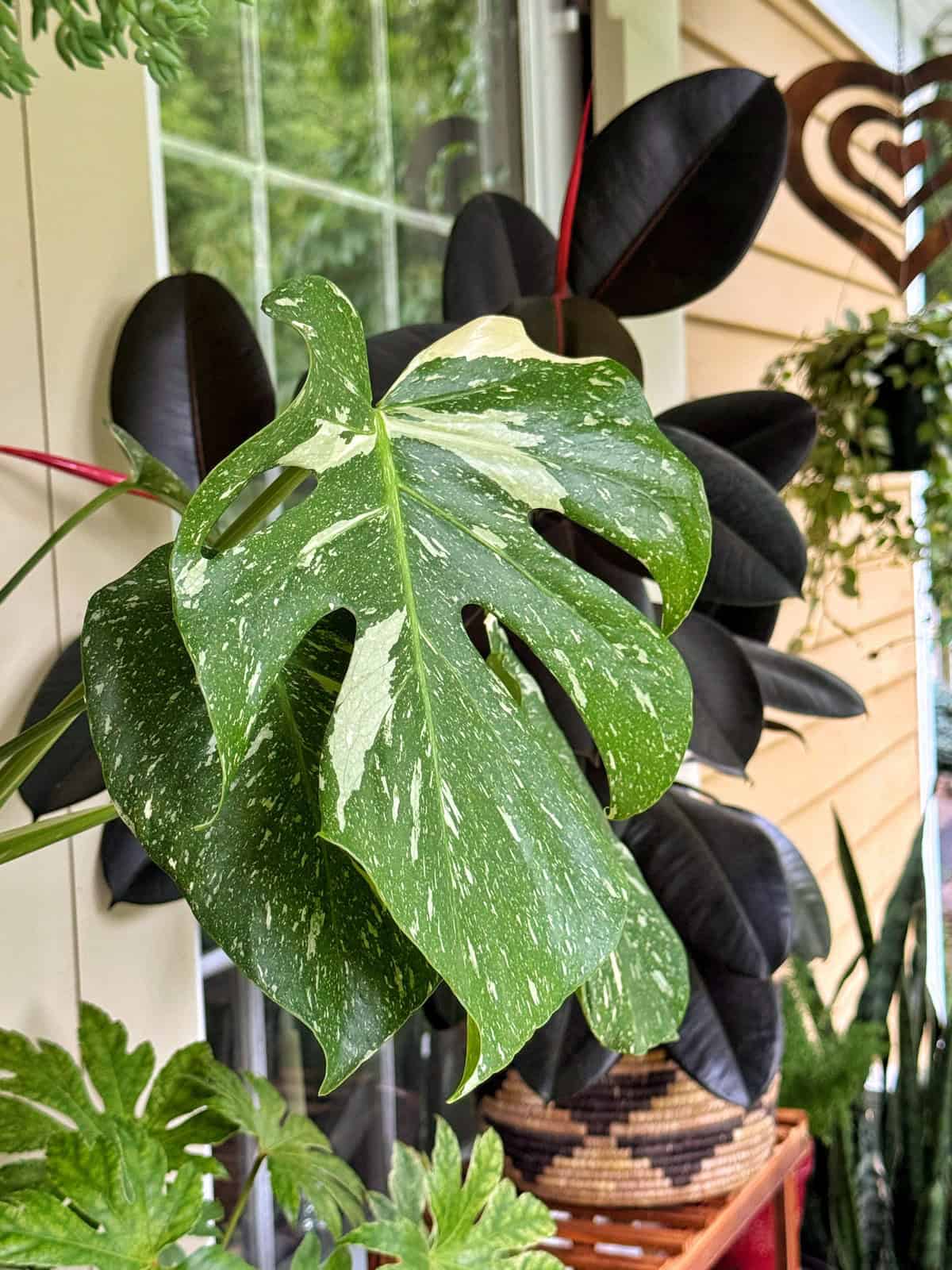
7. Their Soil is a Cement Block (Bad Soil)
That cheap bag of soil from the big box store might not be doing your plant any favors. Heavy, dense soil holds on to too much water, preventing the roots from breathing. It’s important to give your plant the right kind of soil. Most houseplants thrive in a potting mix that’s light and airy. I like to create my own chunky soil mix that includes organic potting soil, orchid bark, perlite, and earthworm castings. But you can also purchase it all premixed for you too here.
For plants that need more drainage, like succulents, you can use this organic soil and mix in amendments like perlite, pumice, or sand.
It’s a good idea to research your plant and see what type of soil mix it prefers because they all have different needs.

8. You’ve Put Them on a Diet (Underwatering)
While overwatering is more common, underwatering is just as bad. When a plant doesn’t get enough water, its leaves will start to wilt, shrivel, and get crispy. It can even become very dry and brittle. If you’ve been busy and haven’t checked on your plant in a while, it’s probably just very thirsty. Remind yourself to check the soil regularly and give your plant a good drink when it needs it. Some plants, like the notoriously thirsty Fiddle Leaf Fig, are better off with a moisture meter to tell you when it’s time to water again, but I usually just use my finger in the soil.
9. You’re Pruning Too Much (Or Not At All!)
Pruning might sound intimidating, but it’s a critical part of plant care. Removing dead or yellowed leaves can help your plant focus its energy on new, healthy growth. On the other hand, leaving a plant to its own devices can lead to it becoming leggy and unbalanced. Learning how to prune properly—by cutting just above a node—is the key to a healthy, full, and bushy plant.
10. You’ve Moved Them to a New Climate (Shock)
Plants are creatures of habit. They don’t like sudden changes to their environment, and moving them from a nursery to your home or even from one room to another can cause a lot of stress. This is often called plant shock, and it’s completely normal. You might see some leaves drop or turn yellow for a few weeks as the plant adjusts. The fix is to be patient! Give your plant time to acclimate to its new home and avoid moving it around too much.

Final Thoughts About Growing Houseplants
See? It turns out your houseplants don’t hate you at all. They just have very specific needs, and it’s our job to learn to listen to them. From overwatering to the wrong light, every problem has a solution. The key to being a great plant parent is simply paying attention, learning from your mistakes, and not giving up.
So, what’s the one thing you’re going to change today to show your plants some love? Let’s chat more about it in the comments below.
To drill down on houseplant care basics and grow an indoor garden that thrives, please read my articles:
- Houseplant Care 101
- From Shop to Home: How to Acclimate Your Tropical Plants
- How to Water Indoor Plants Like a Pro
- How to Revive Houseplants You Thought Were Goners
- Is Your Houseplant Getting Enough Light? Here’s How to Tell.
Thank you for visiting the blog today!
Enjoy your day! xo

Shop the Post
Snag the supplies I regularly use on all my houseplants here.
Originally Published . Last Updated .

This post is very helpful, do you ever have and issue with soil gnats? They look like fruit flies, but hang out around the plants, my sister in law has an aggravating amount. She has tried sticky pads that look like little leaves, gnat reducing soil, most anything she can think of. They do not seem to damage the plants luckily. Kim
Yes I have! Unfortunately, they are part of the game but I control them with these: I use these sticky traps for the adults – this is what I use (affiliate) https://urlgeni.us/amzn/stickytrapsforplants and treat the soil with fungal gnat death drops. (affiliate) https://get.aspr.app/SH1Ic3 (if you use BRICKSNBLOOMS at checkout you can get 10% off)