
How I Decide What’s Worth Changing in My Garden Each Year

A reflection-based look at how I decide what’s worth changing in my garden each year—what worked, what annoyed me, and what I’m letting go of.
Every January, I find myself standing at the window with a mug of coffee, staring out at a garden that’s currently buried under snow and mentally walking through it anyway.
Not to make grand plans. Not to redesign everything. But to ask a much quieter — and more useful — question:
What’s actually worth changing this year?
This post isn’t a traditional garden planning checklist. It’s more of a reflection-based reset — the process I use each winter to decide what stays, what shifts, and what I’m finally ready to let go of. It’s shaped by how the garden felt last year, not just how it looked in photos.
(Posts on stacyling.com may contain affiliate links. Click HERE for full disclosure.)
I Start With What Worked (Without Overthinking It)
Before I zoom in on problems, I take a slow walk back through the seasons. I start in my garden planner where I’ve meticulously taken copious notes and things that I wanted to remember heading into the 2026 growing season.
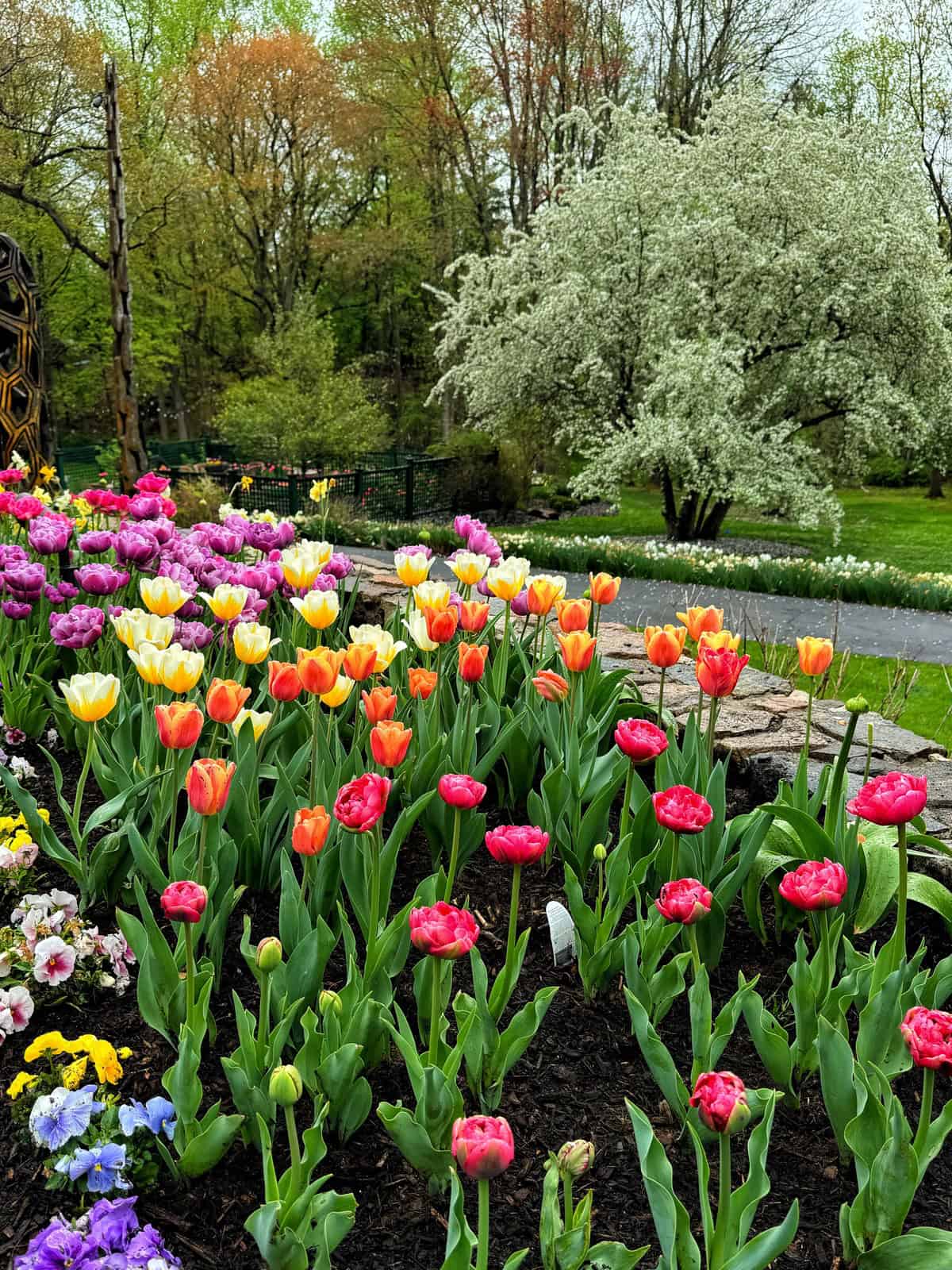
Looking at my spring garden tour, I’m reminded how much I loved the early structure of the beds — the bones did their job. Even before everything filled in, the garden felt intentional.
By summer (summer garden tour here), certain beds really hit their stride. Some combinations matured beautifully, and others surprised me by requiring far less intervention than I expected. That’s always a win.
And in fall (fall garden tour), the changes I made in late summer started to show promise — not perfection, but momentum. I don’t want to undo that too quickly. Those beds deserve time to reveal themselves.
When something works, I don’t rush to “improve” it. I let it earn its place for another season.

Then I Pay Attention to What Annoyed Me (Not What Failed)
I don’t judge my garden by what didn’t thrive because plants struggle for all kinds of reasons. What matters more to me is what caused friction.
Things that made me sigh when I walked past.
Things that felt fussy, high-maintenance, or out of sync with how I actually garden.
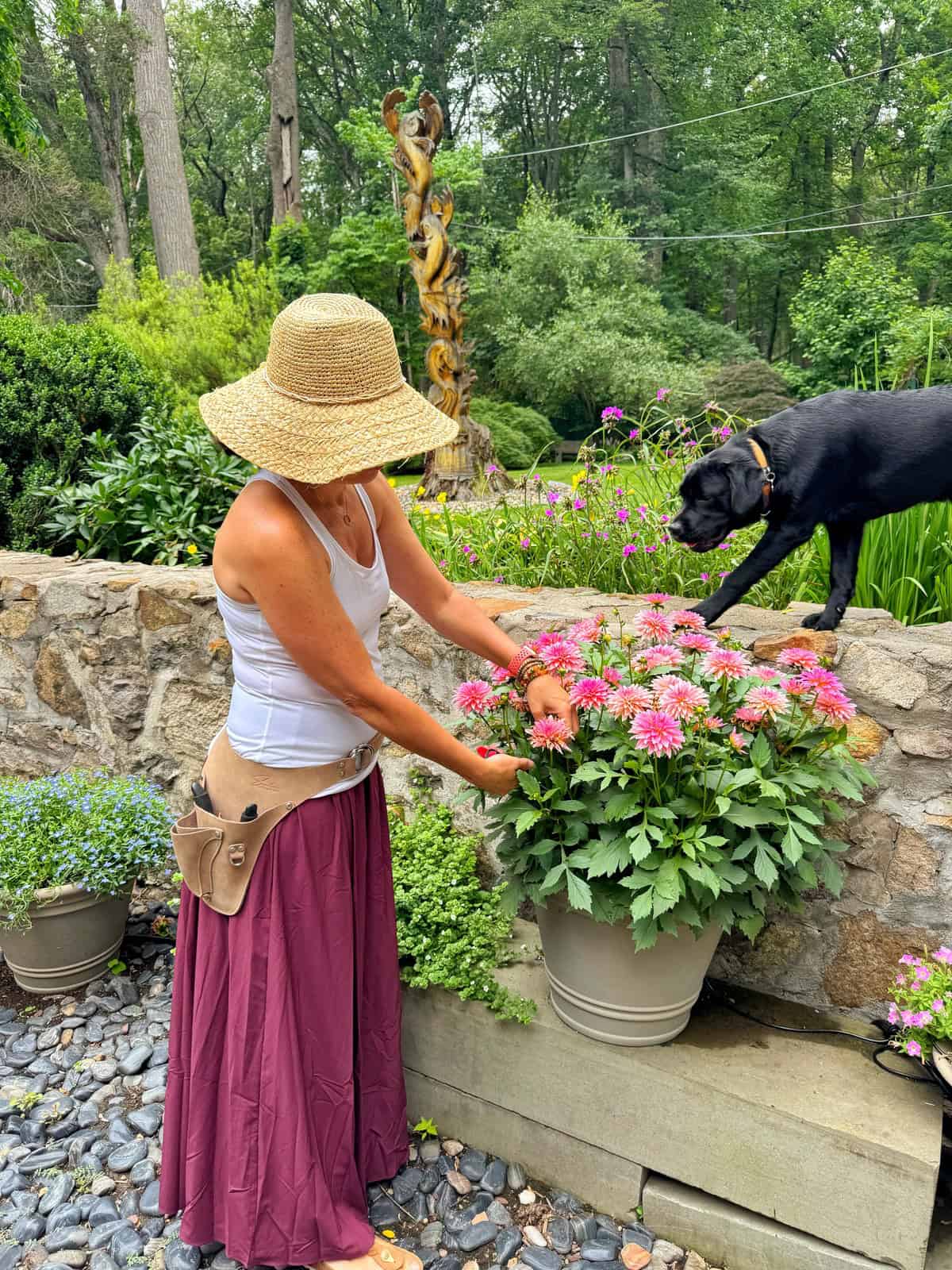
One clear example? The sheer number of planters in the zen garden. While they looked beautiful at their peak, managing them all season long felt like a chore instead of a joy. Watering, refreshing, tweaking — it added up. Not to mention, I felt the space looked cluttered and it sort of stressed me out.
That annoyance is information. And I’ve learned to listen to it.
What I’m Letting Go Of (So the Garden Can Breathe)
This year, I’m intentionally letting go of quantity in favor of clarity.
Instead of dozens of seasonal planters in the zen garden, I’m shifting toward architectural evergreen plantings that anchor the space year-round. Containers won’t disappear completely, but they’ll be fewer and more strategic, chosen for bloom, texture, depth, and contrast rather than sheer impact.
Letting go doesn’t mean settling. It means creating room for the kind of garden I want to live with, not constantly manage.

The Changes I’m Making (Slowly, On Purpose)
Some changes are already underway, and others are still in the imagining stage.
Watching Before Acting
Beds I adjusted in late summer and fall are getting a pause this year. I want to see how they fill in once spring arrives and plants start breaking ground before I make any changes or add annuals. There’s real value in restraint — and in trusting the process.
I did the same thing for an entire year after we moved here, and it shaped everything that came after. Instead of rushing into massive changes, I stepped back to see what emerged on its own and how the light moved through each garden over the course of the day and the seasons. That period of watching taught me more than any plan ever could — and it’s a practice I return to whenever I’m tempted to move too fast.
Adding Early, Effortless Beauty
One change I feel confident about? Adding large drifts of hellebores to the formal garden.
They offer exactly what I’m craving:
- Early-season flowers
- Strong presence
- Minimal maintenance
More color in spring, less work for me and that’s a trade I’ll happily make.


Planning Winter Sowing With Intention
Right now, my focus is on my winter sowing strategy because I’ve added so much more to my list. Deciding which seeds I’ll start first and where they’ll live until planting time. Most will eventually move into the potager garden… once it’s no longer under two feet of snow.
Even this planning feels gentler than past years. I’m not trying to start everything. Just the things that truly belong.

My Rule Going Into the New Season
If I had to sum it up, it would be this:
I don’t change my garden because I’m bored. I change it because I’ve learned something.
Reflection has become my most valuable garden tool. It helps me plan with intention, avoid unnecessary upheaval, and build a garden that evolves naturally instead of being constantly reinvented.
Right now, in late January, that feels like exactly the pace I want to keep.
If you’re in the same reflective space, staring out at a sleeping garden and wondering what comes next — you’re not behind. You’re right on time.
Thank you for visiting the blog today!
Enjoy your day! xo


Originally Published .
