
Fall Garden Tour 2025: A Season of Change

A look back at my fall garden in 2025, from late blooms and fading beds to seasonal transitions and lessons learned.
Fall always feels like a season of reflection in the garden. Growth slows, colors deepen, and the garden begins to reveal what truly carried the season and what quietly faded away.
This fall garden tour of 2025 looks at the garden as it transitions from abundance toward rest, highlighting late-season blooms, structural elements, and the areas that evolved over the course of the year. While this is very much a look back, it also marks a turning point. Several gardens underwent significant changes this fall and will look quite different in 2026, which I’ll share more about as we move through the tour.
Rather than a final showcase, this tour is about noticing what lingered, what changed, and what the garden taught me as another growing year came to a close.
(Posts on stacyling.com may contain affiliate links. Click HERE for full disclosure.)

The Welcome Garden and Front Porch Beds
Front Porch Beds
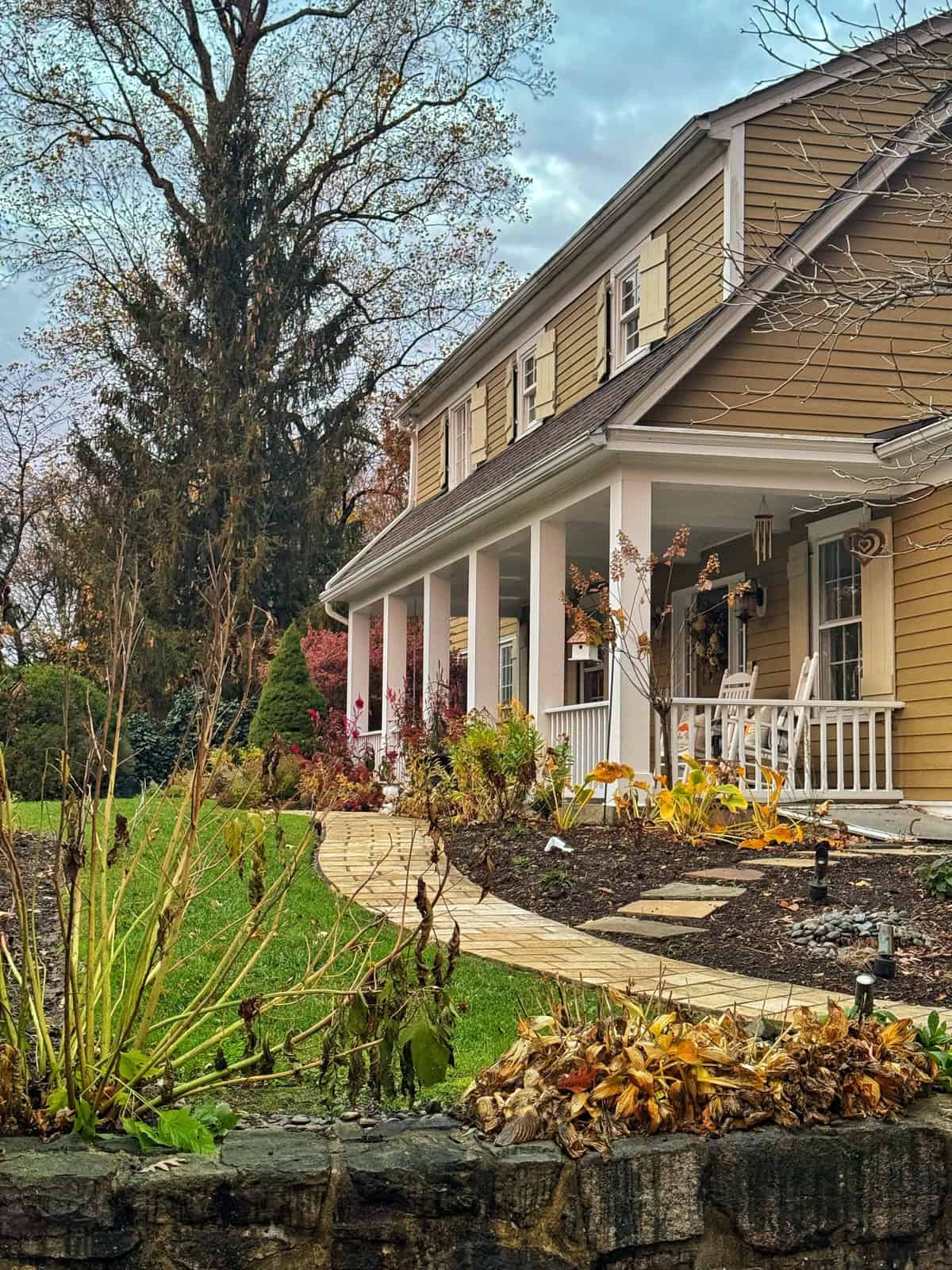
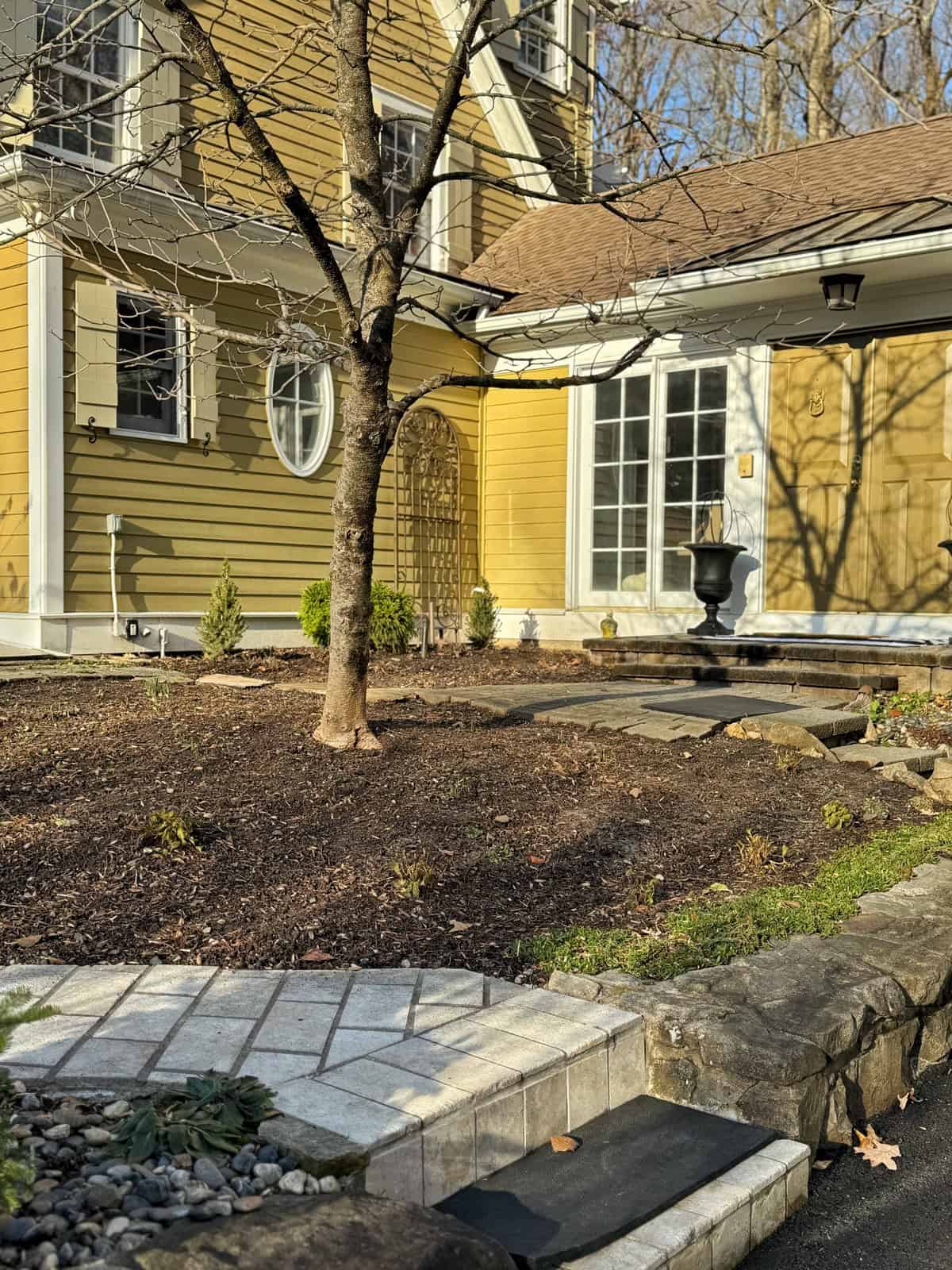
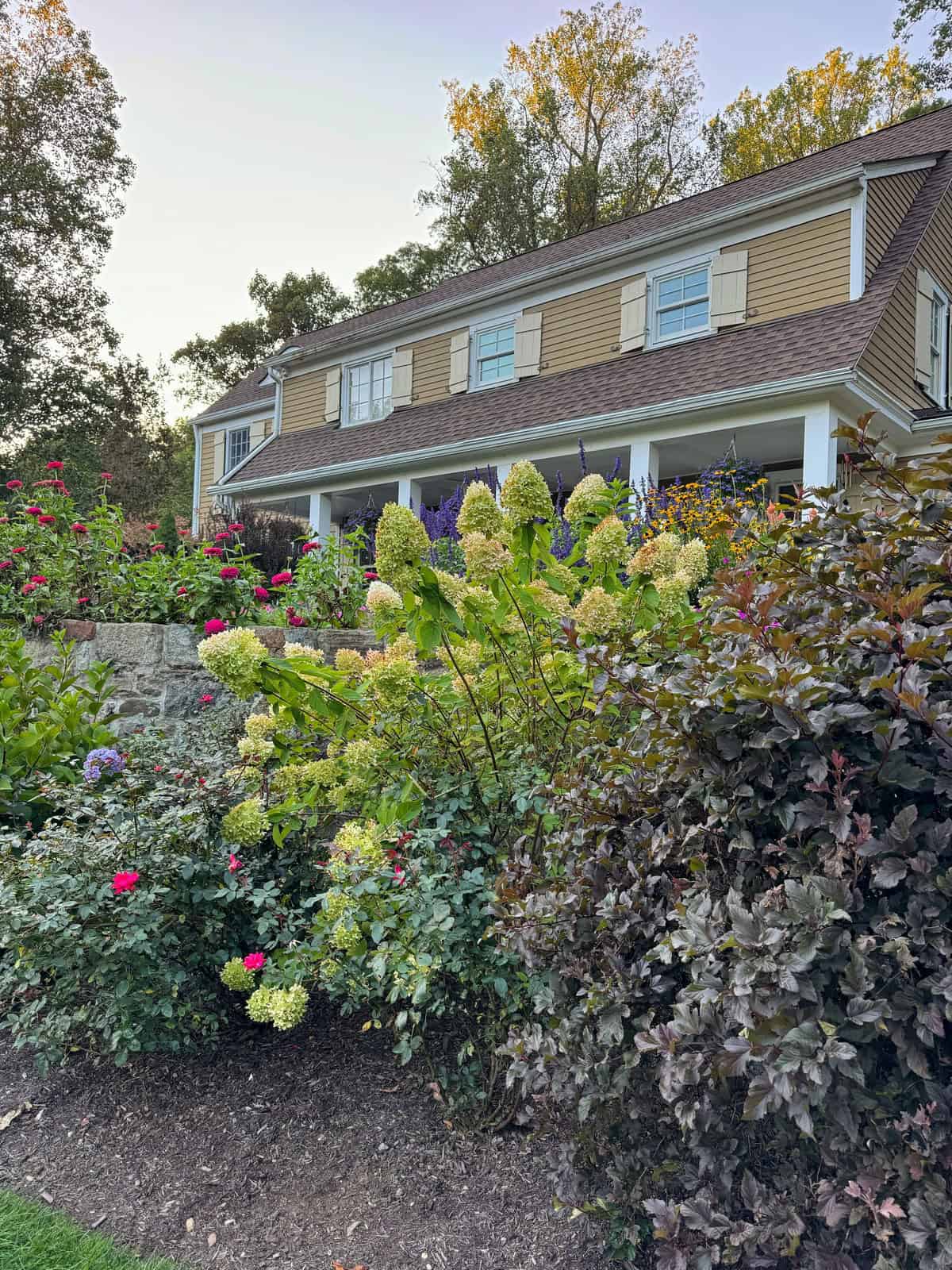
The front porch garden underwent a major transformation in September, just ahead of repaving the driveway. I’ve been saying for years that something needed to be done about the overgrown rudbeckia, periwinkle, and nandina, and this fall I finally took action.
It took a full day to remove what felt like at least one hundred rudbeckia plants. I relocated them to the side yard and driveway gardens, and while I’m not sure those spots are their final resting place, they’re working for now. With a fairly wet fall, the plants seemed to acclimate well before heading into winter.
I had reached my limit with the black-eyed Susans constantly flopping and needing to be staked, and the nandina always looked messy no matter what I did. Clearing everything out felt good, and the space immediately made more sense.
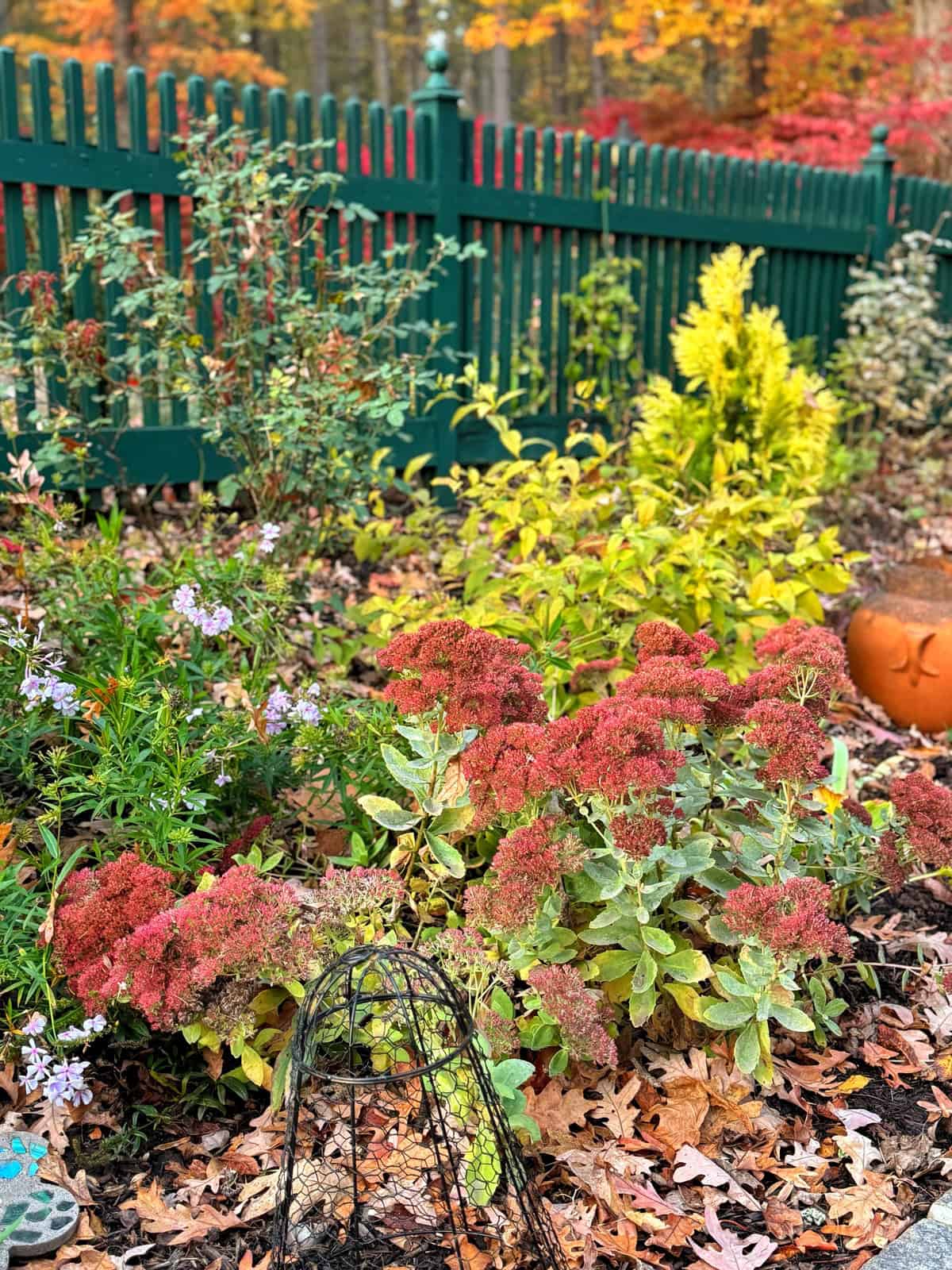
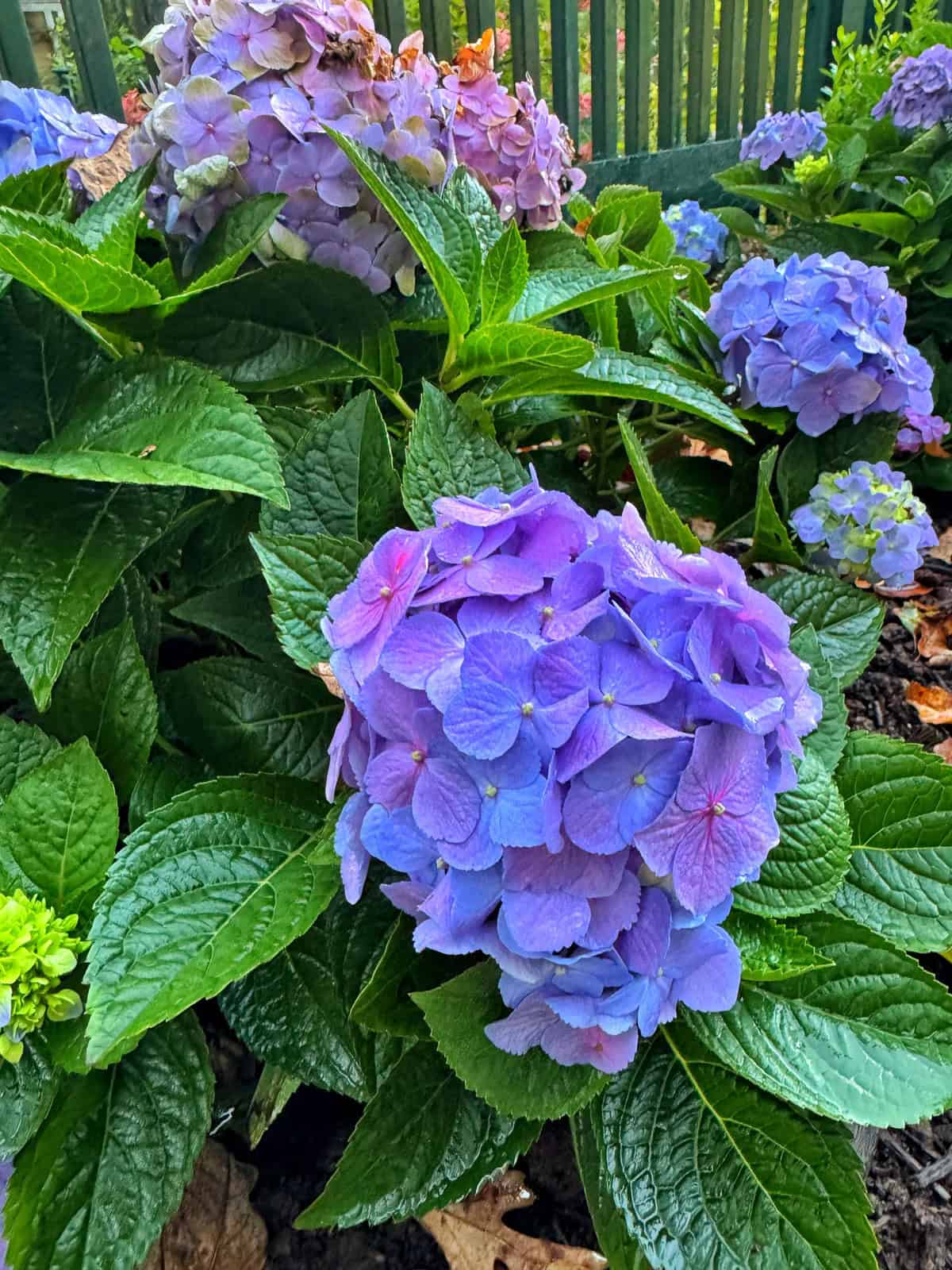
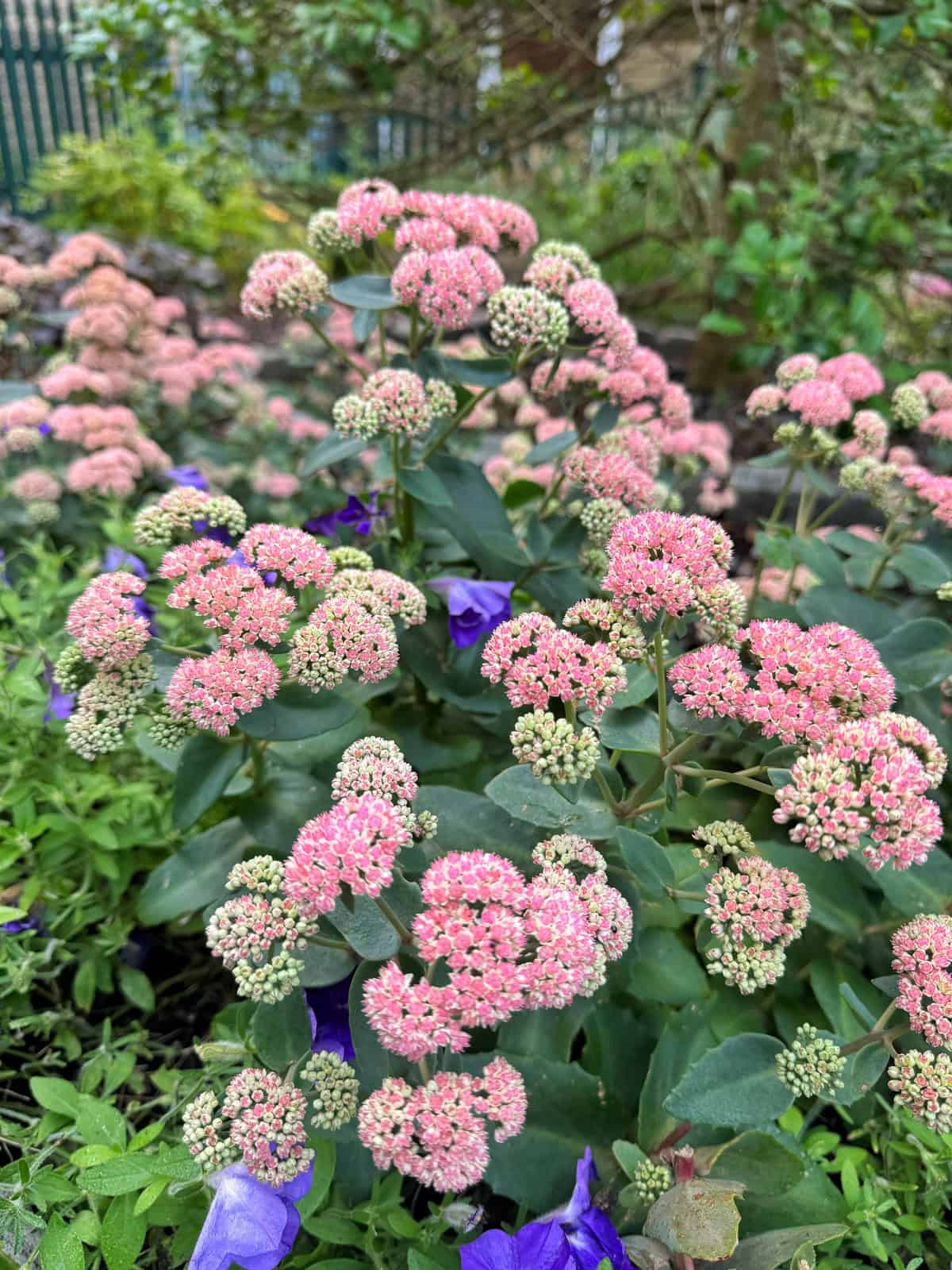
In place of the nandina, I planted a few dwarf Alberta spruces and a cryptomeria, then tucked in sedum ‘Autumn Joy’ and nepeta ‘Walker’s Low’ for perennial color. Where all of the rudbeckia once lived, I planted nine Let’s Dance Sky View hydrangeas, an oakleaf hydrangea ‘Gatsby Pink,’ and relocated a hydrangea paniculata tree that was struggling near the front door. I’m hopeful it will be much happier closer to the porch.
Directly in front of the porch, we removed what I can only describe as a hot mess of plantings and replaced them with Bobo hydrangeas, boxwoods, and divisions of nepeta and sedum ‘Autumn Joy.’ Once everything comes in next spring, I’ll step back and evaluate how to make the space feel fuller as the shrubs establish. I’m hoping the perennials help bridge that gap, but time will tell.
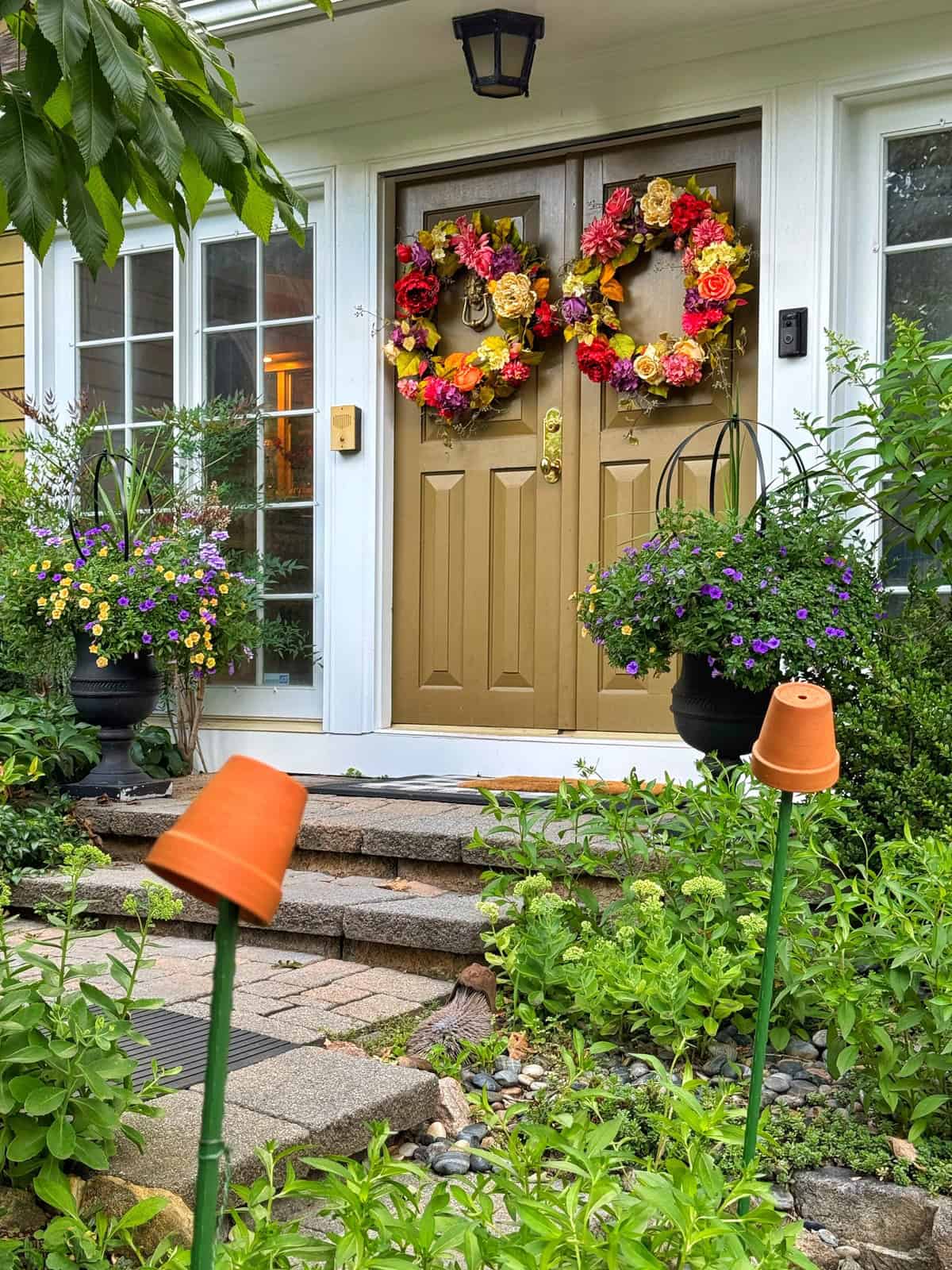
And look at how much we are supporting the black-eyed susans from flopping onto the ground. They looked so awkward and unnatural. The flowers were so pretty, but I couldn’t take it anymore.
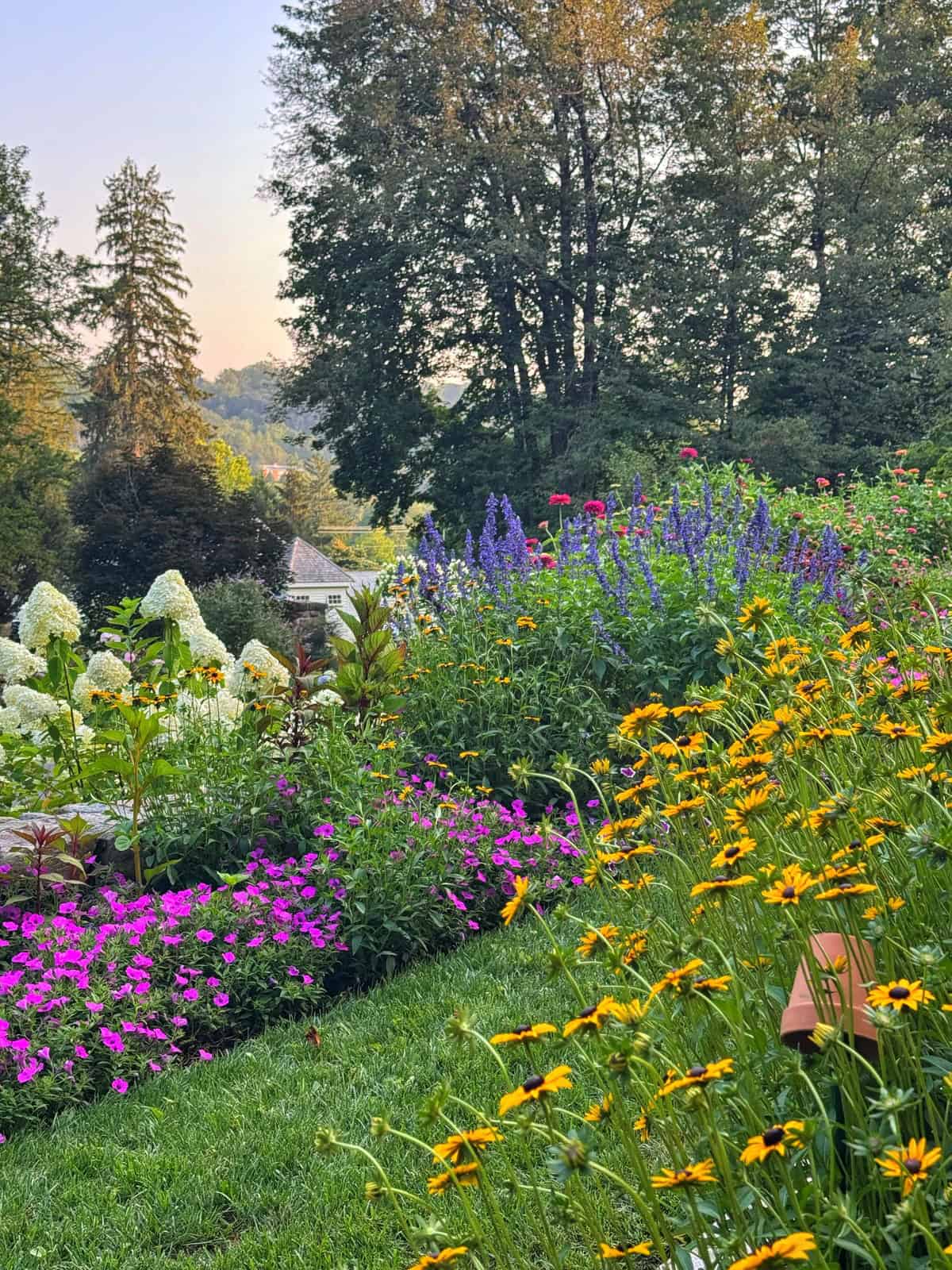

Since I couldn’t stand the way the porch garden looked this year, I did not photograph much of it. To give you some context of the changes I made, this is how overgrown it was last year!
That’s a lot of rudbeckia!
It was never planted in the right spot in the beds (that was a design flaw that was here when we moved in). The former homeowners had it planted at the very front of the garden beds. And through the years, it reseeded and expanded.
That first season of growing here (2022), I noticed it and thought to myself that it was something I would need to address down the road. Season after season, I let the birds do their thing with the seed and was left with this mess.
So 2025 was the year to fix it!
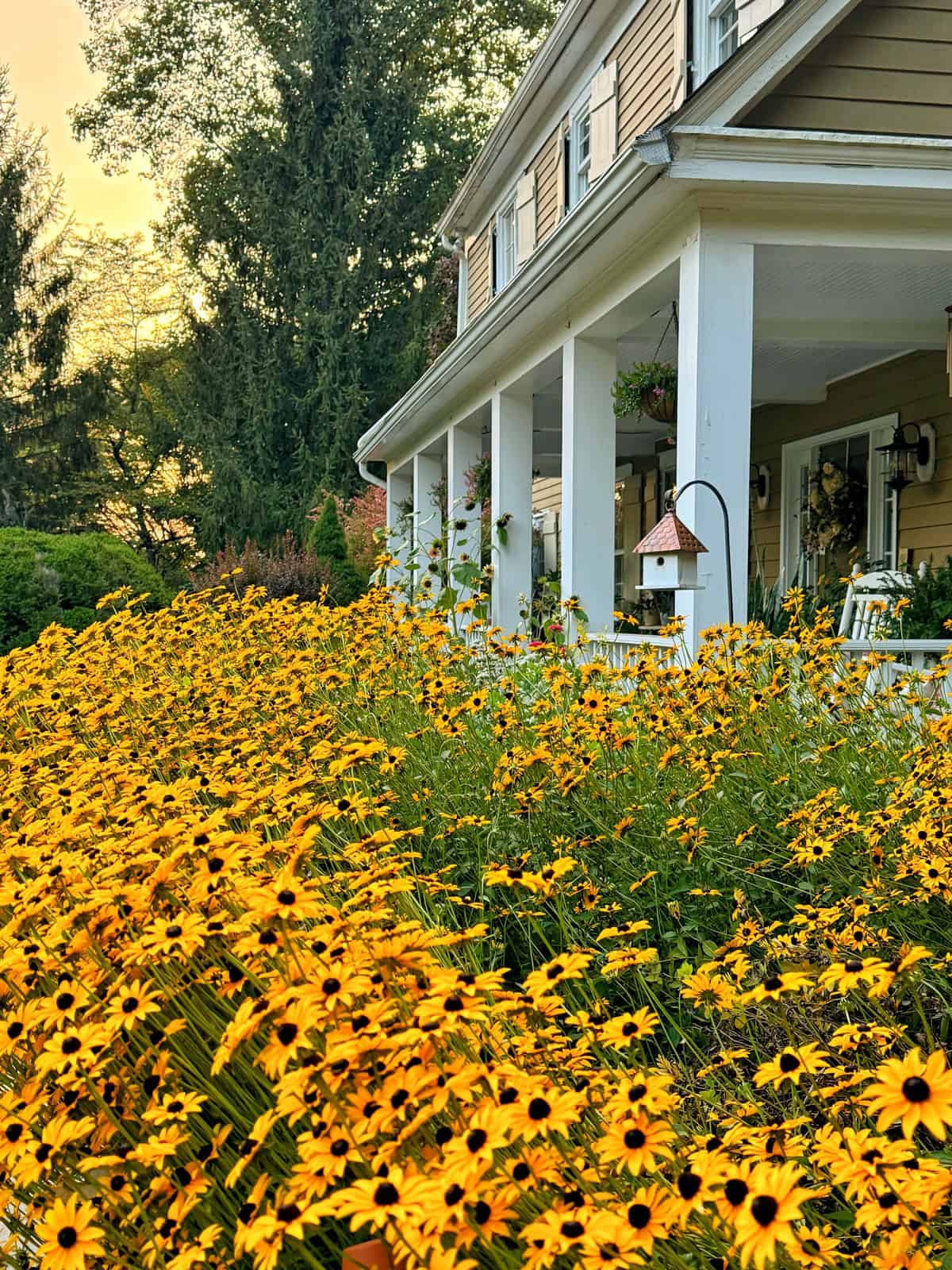
It is so pretty, I know. I love the bright yellow flowers too but it was out of control. So the next few photos will show you what it looks like heading into the winter. It doesn’t look like much because it’s late fall, but serious changes were made!

The Welcome Garden
This garden far exceeded my expectations this year. It was low-maintenance all season long, produced loads of flowers for bouquets, and kept the charm going!
Aside from the major changes I made near the front porches, I also cleaned up the welcome border overlooking the valley after an incredible bloom season. Playin’ the Blues salvia was a true standout. Pollinators loved it, it paired beautifully with zinnias, lantana, and gomphrena, and it bloomed nonstop from planting until the first hard frost. Looking back, it really pulled the entire garden together, and I’ll be planting much more of it next year.
Here are some photos of these beds in fall.

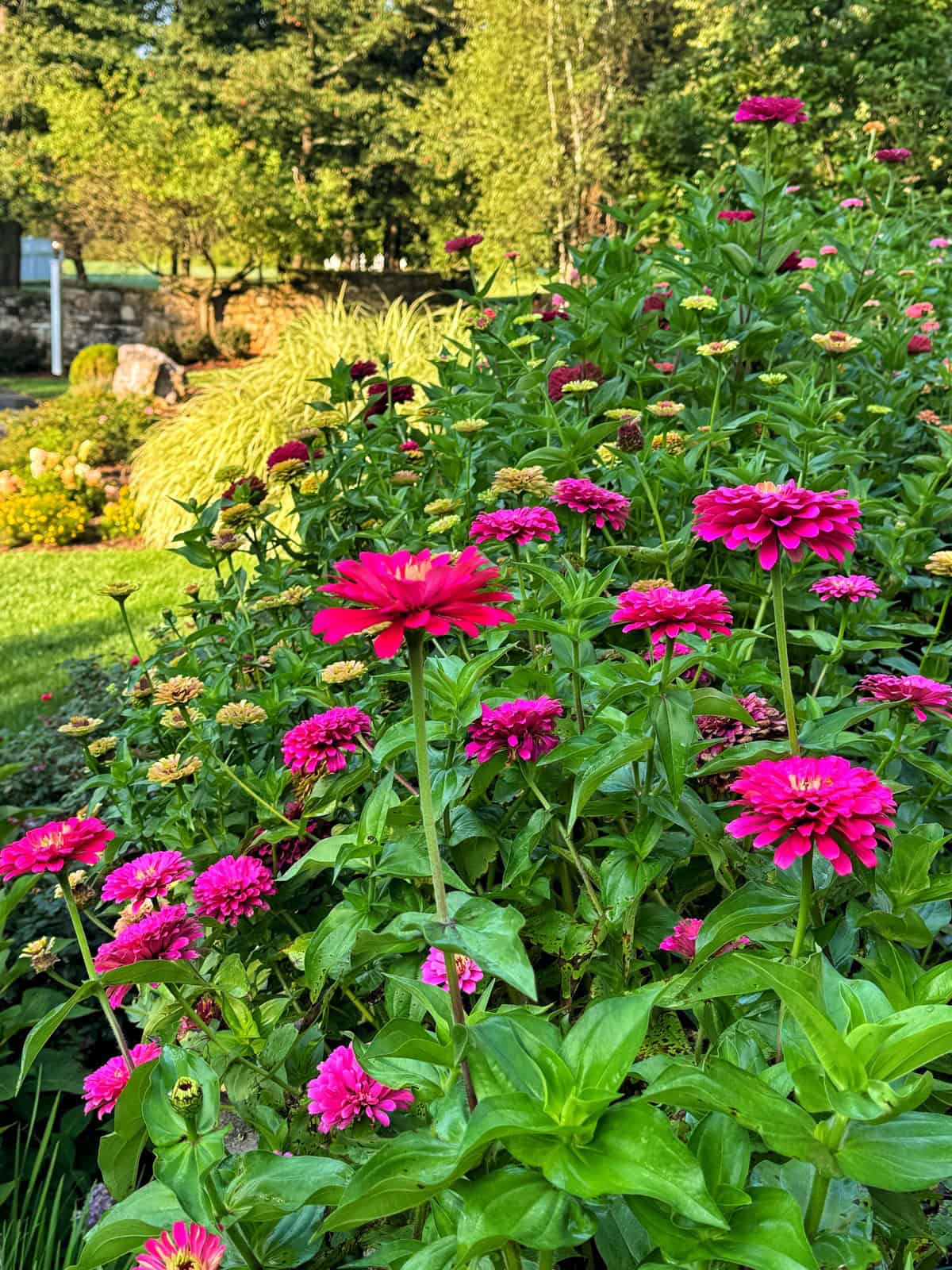

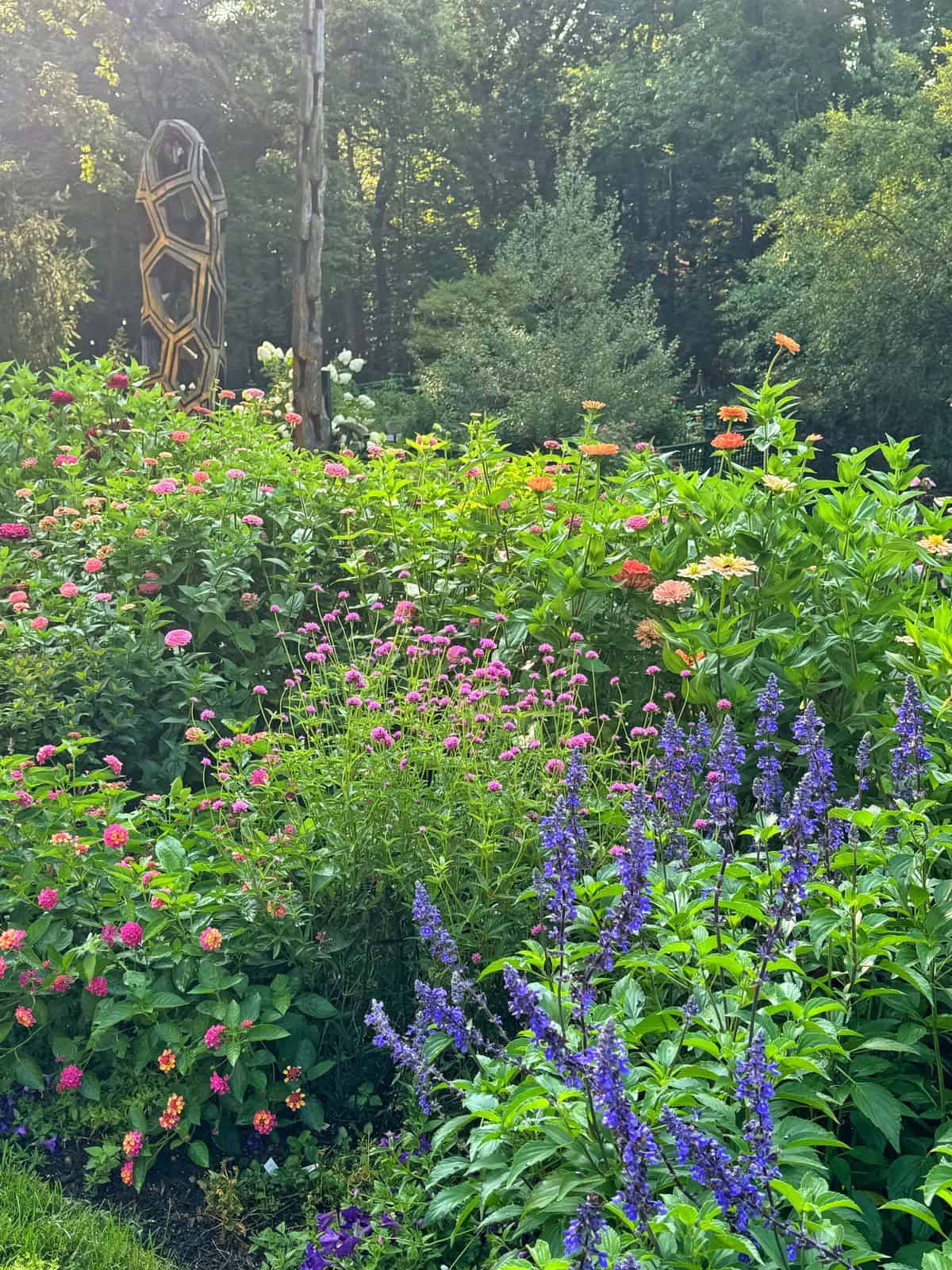
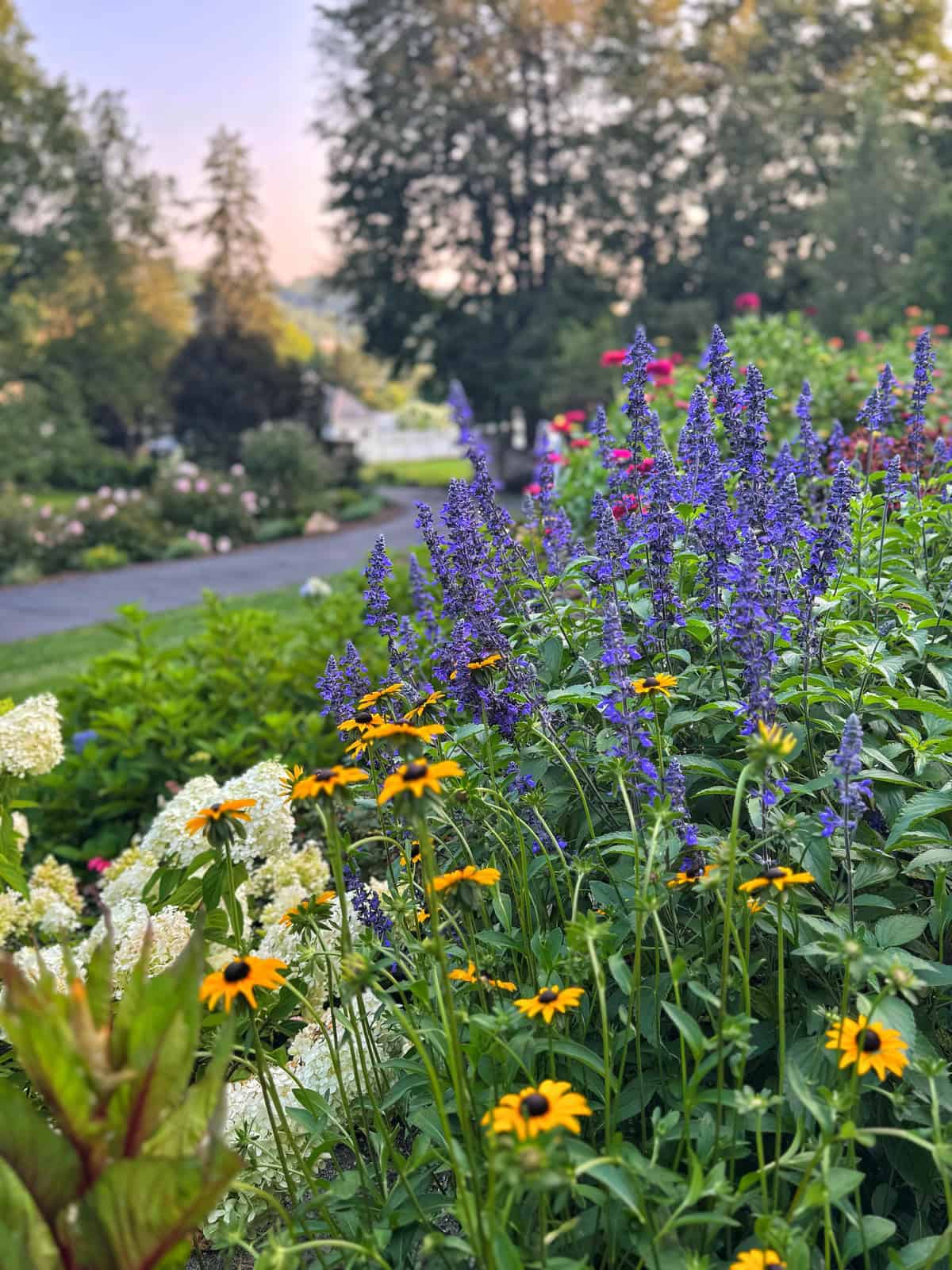
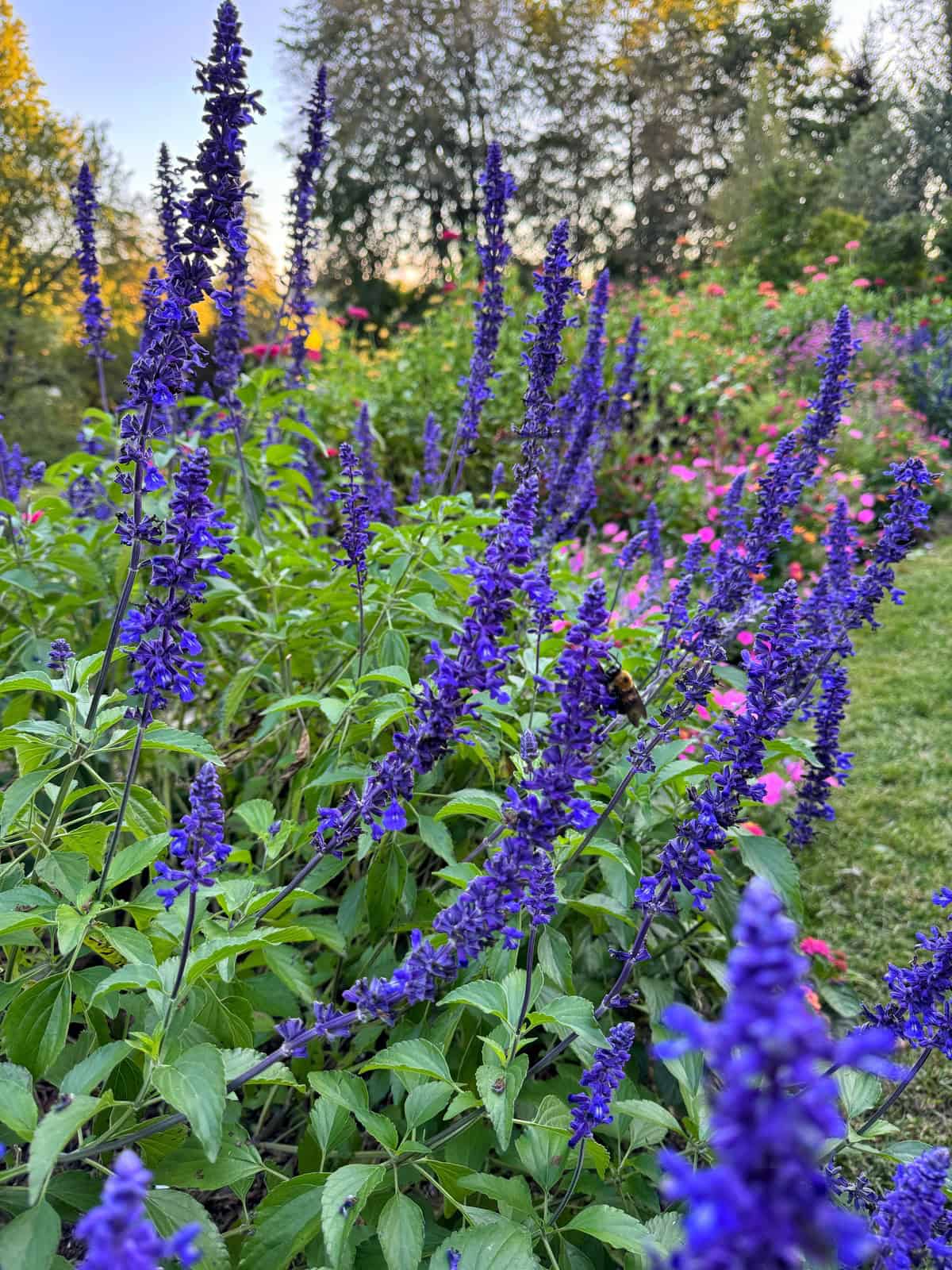

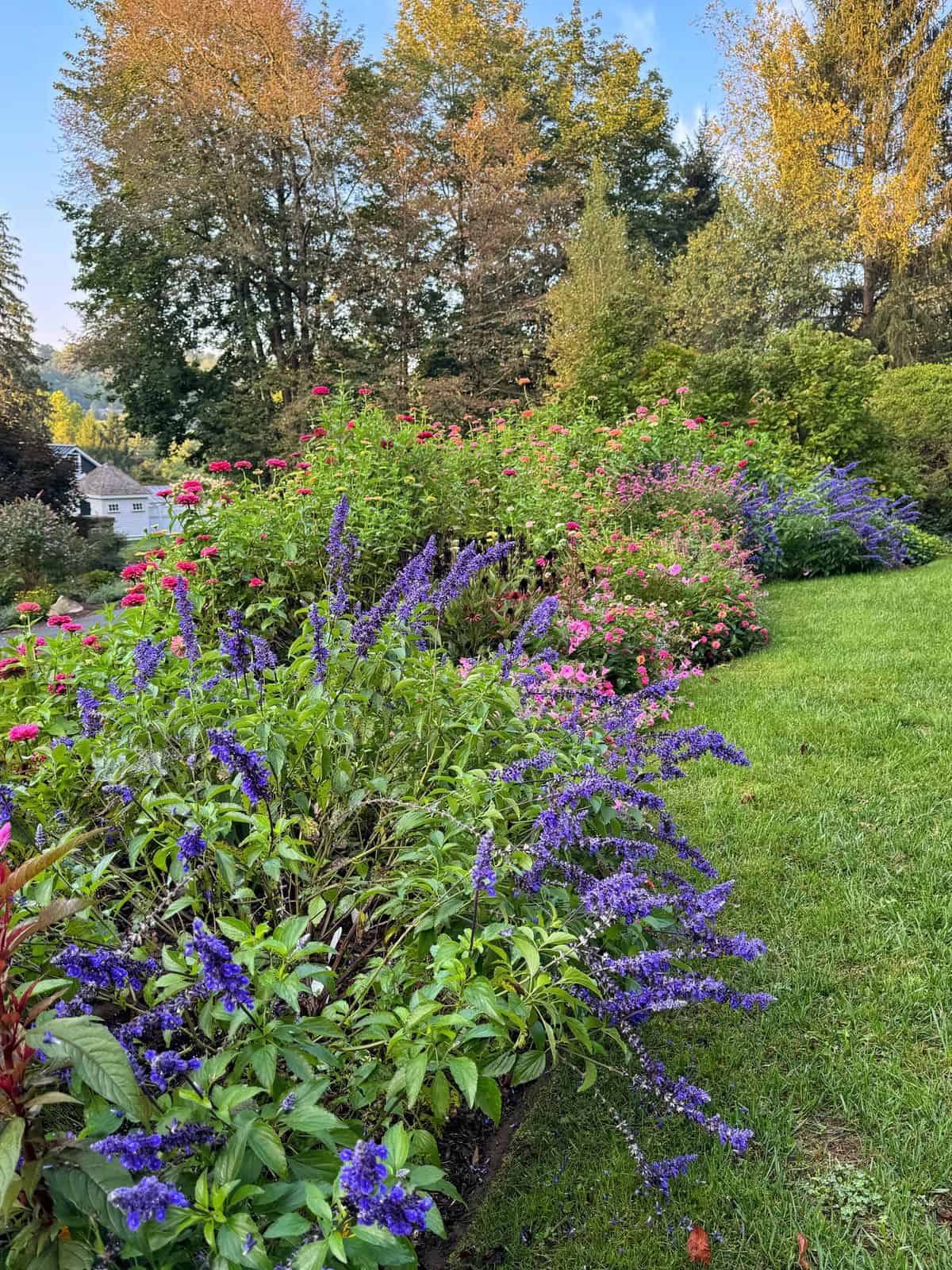
The zinnias started getting their late season powdery mildew in September. We had much cooler nights going from August to September and with the warm days, they started showing signs earlier this year. But they bloomed their little hearts out until well into October!
By the end of October, I was tired of it all and wanted to prepare to plant my tulip garden again like I did in the spring (you can see how they looked in my spring garden tour here). So cleared the beds, divided some perennials, and made some major changes. I can’t wait to see how it comes together in 2026!

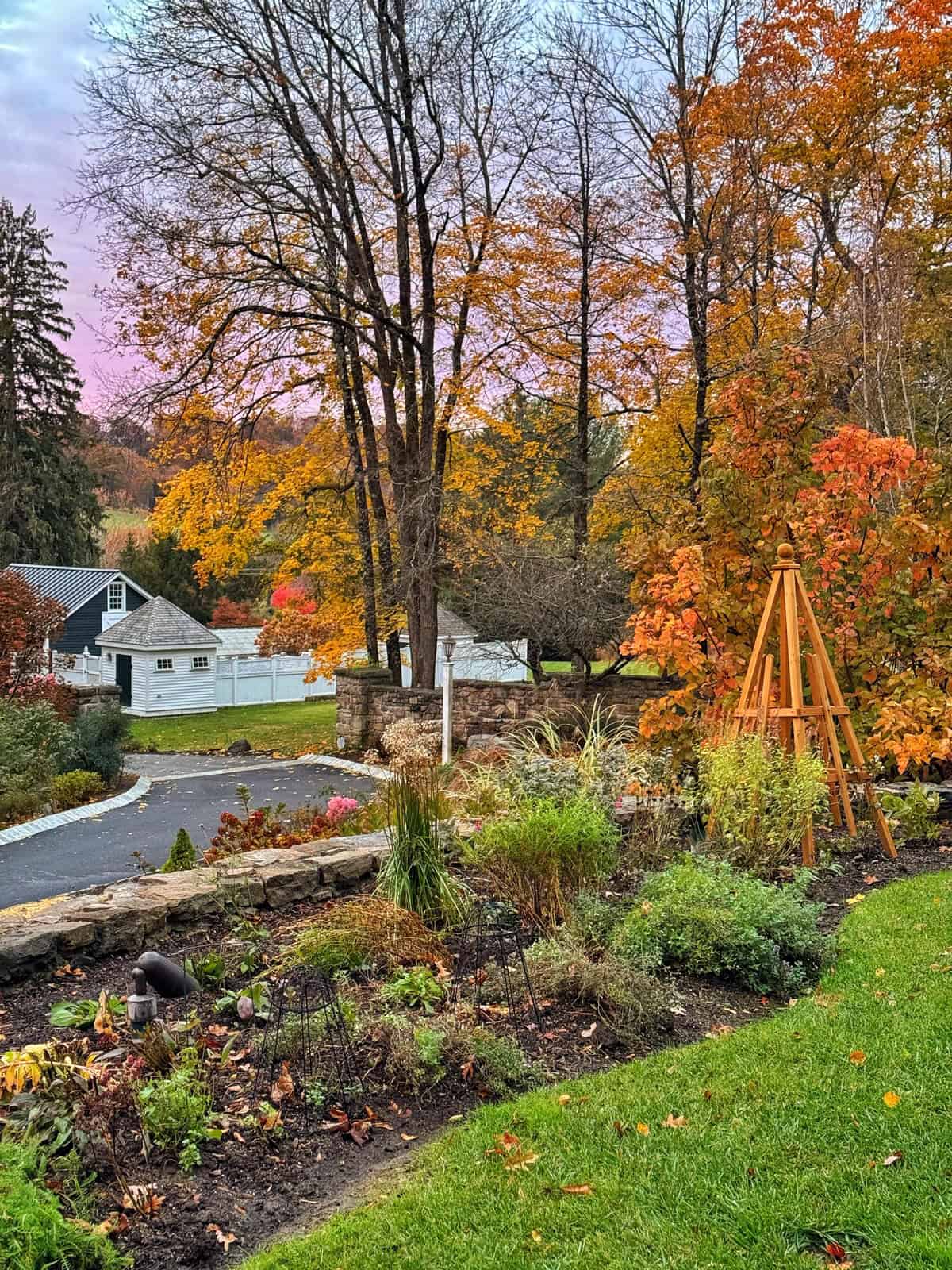
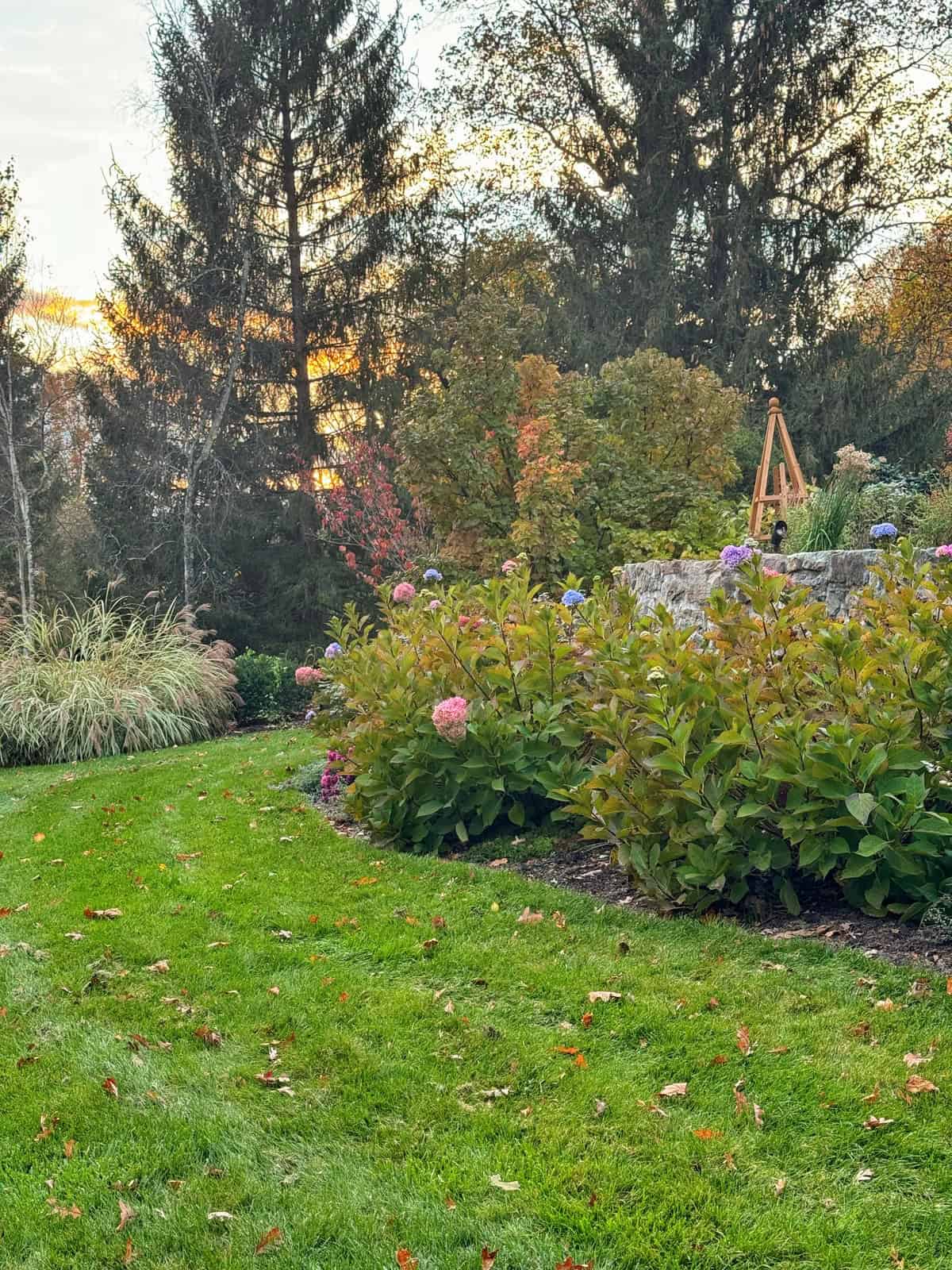
This is the view from the other side of the welcome garden to the potager. What a gorgeous sunrise! The layers and layers of fall color were unbelievable this year.

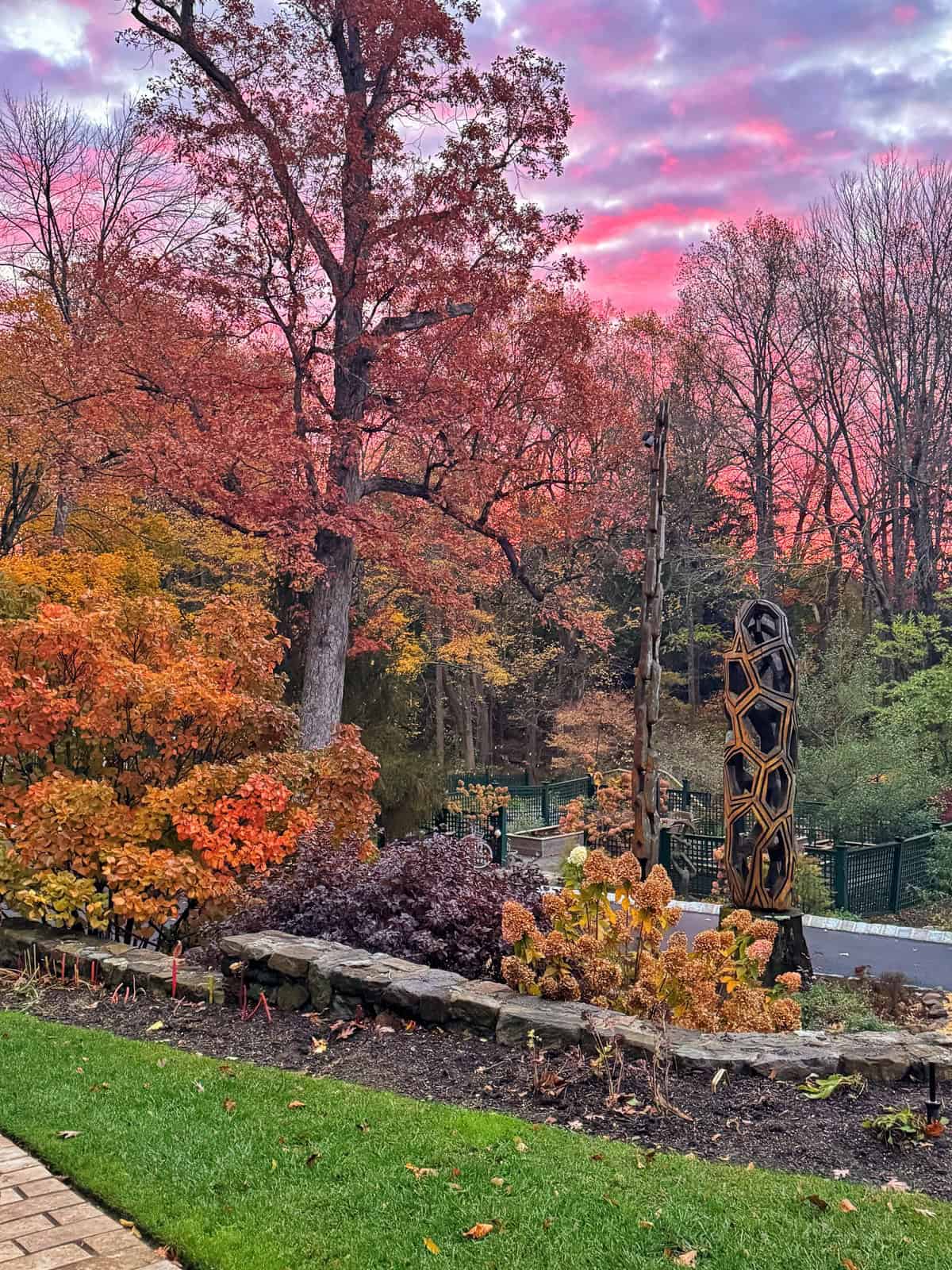
The Driveway Gardens
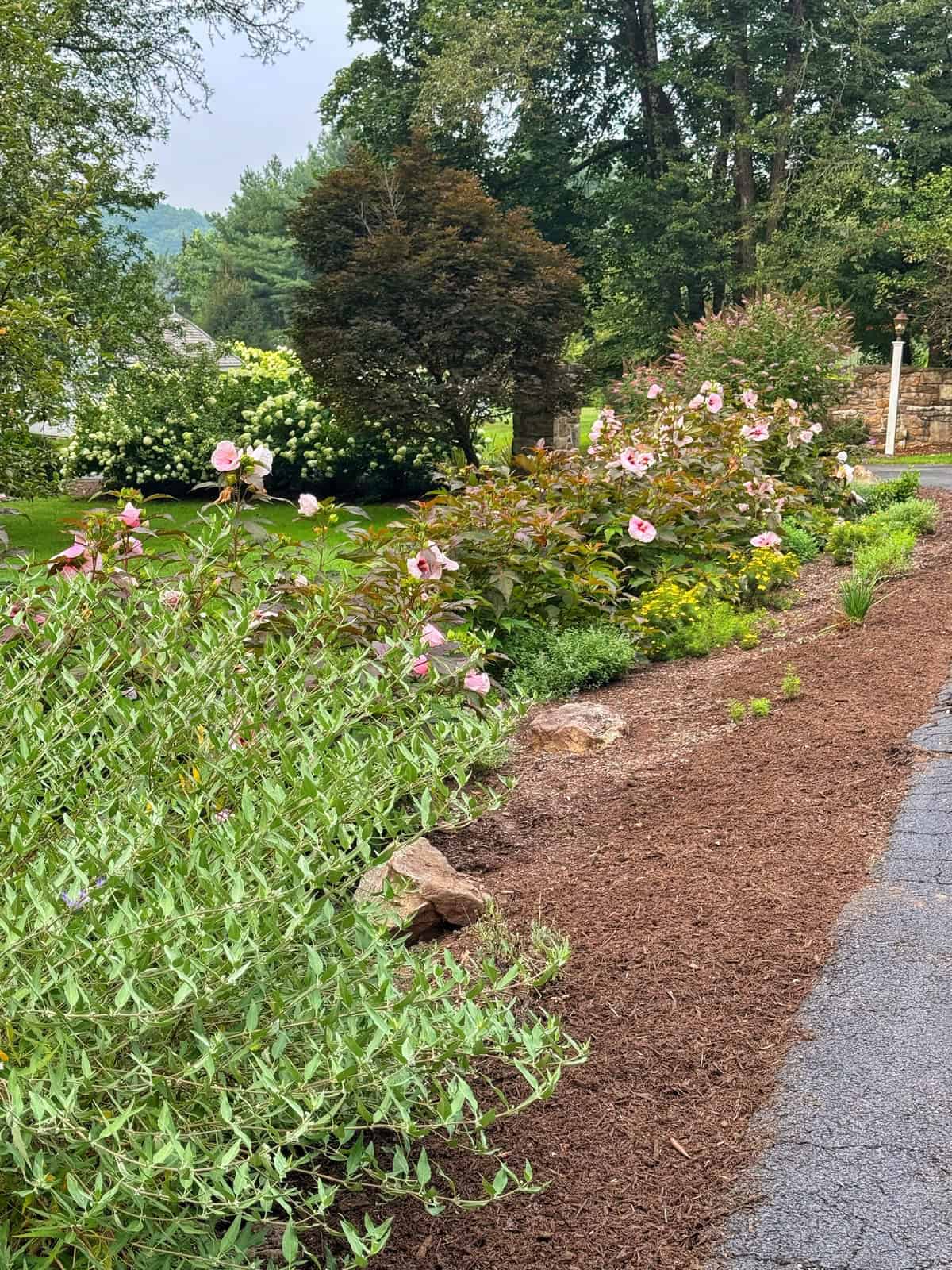
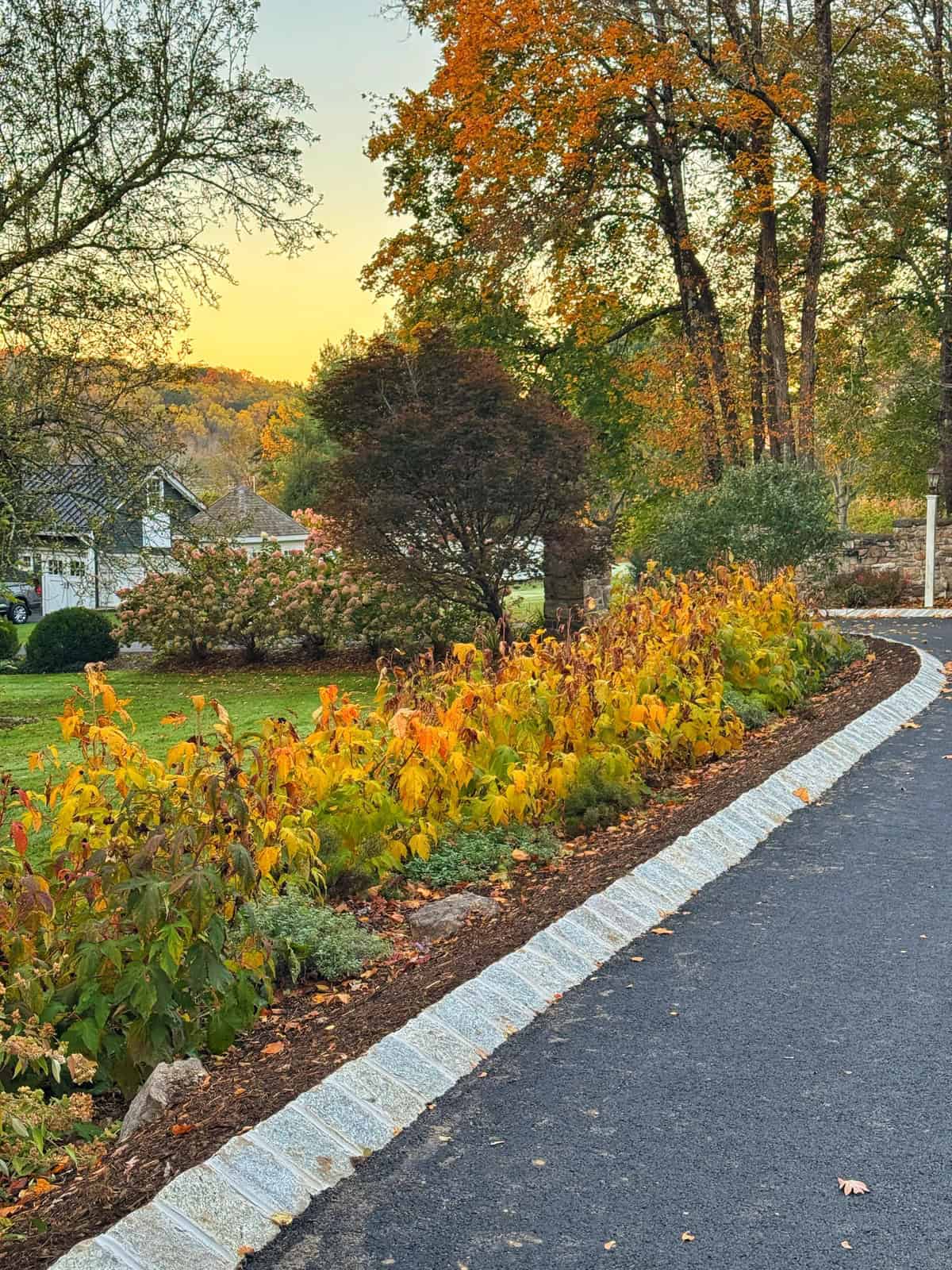
I haven’t shared much of the driveway gardens in a while, largely because they struggled after the pool construction. The month-long disruption made them difficult to photograph, and some of the plants were understandably stressed. That said, the beds did have a chance to rebound and bloom just before we repaved the driveway. As I’ve mentioned, big changes happened here this year, and this one was both major and much needed.
The hardy hibiscus border thrived through it all and for frame of reference, always starts blooming here in very early August and they flower well into fall. I didn’t manage to get many close-up photos this season, but you can see the blooms peeking through the salvia when they were at their peak.
I also began removing perennials from this area in preparation for the driveway renovation, which is why the beds appear more open and sparse than they have in years past.
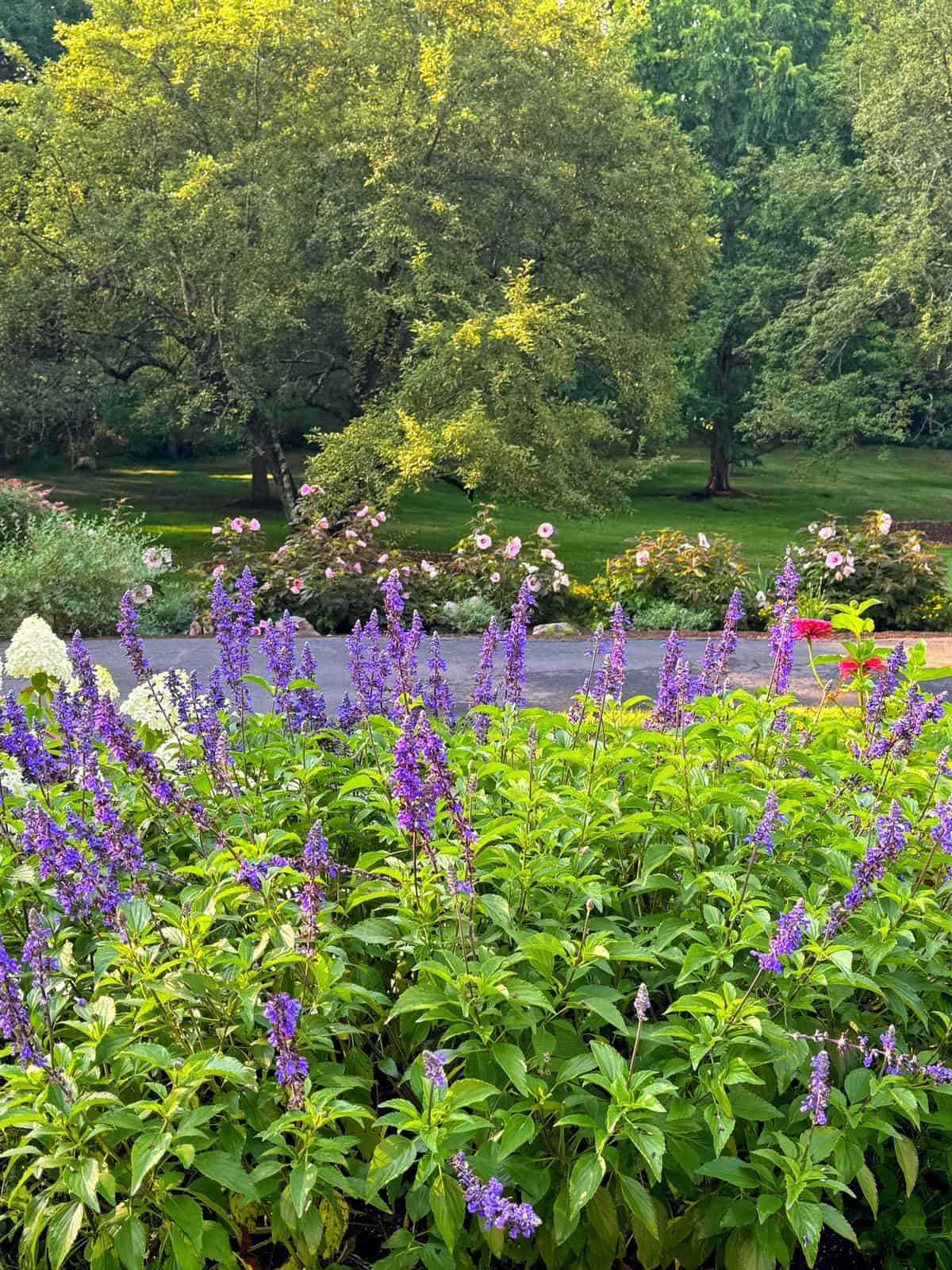
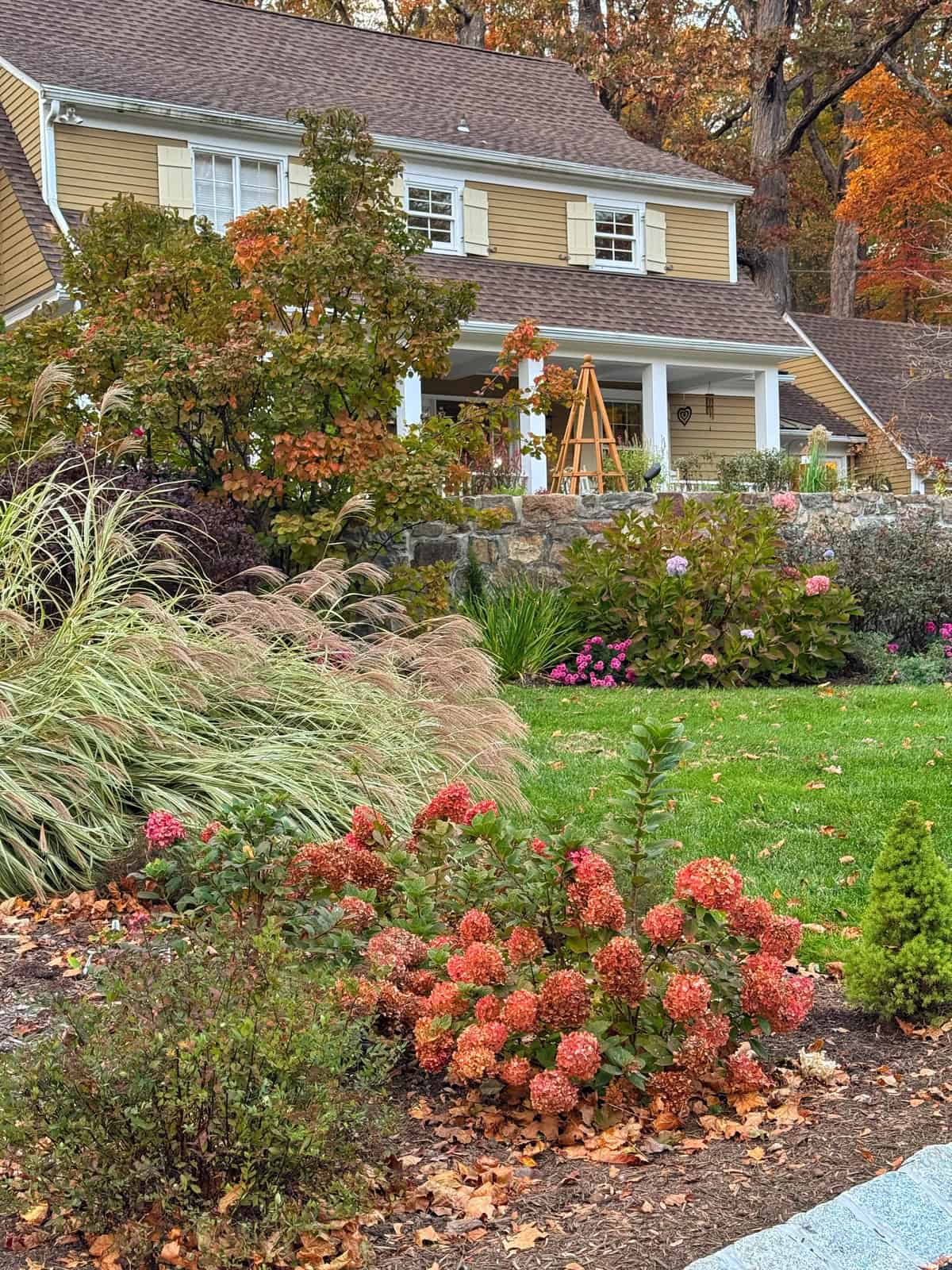
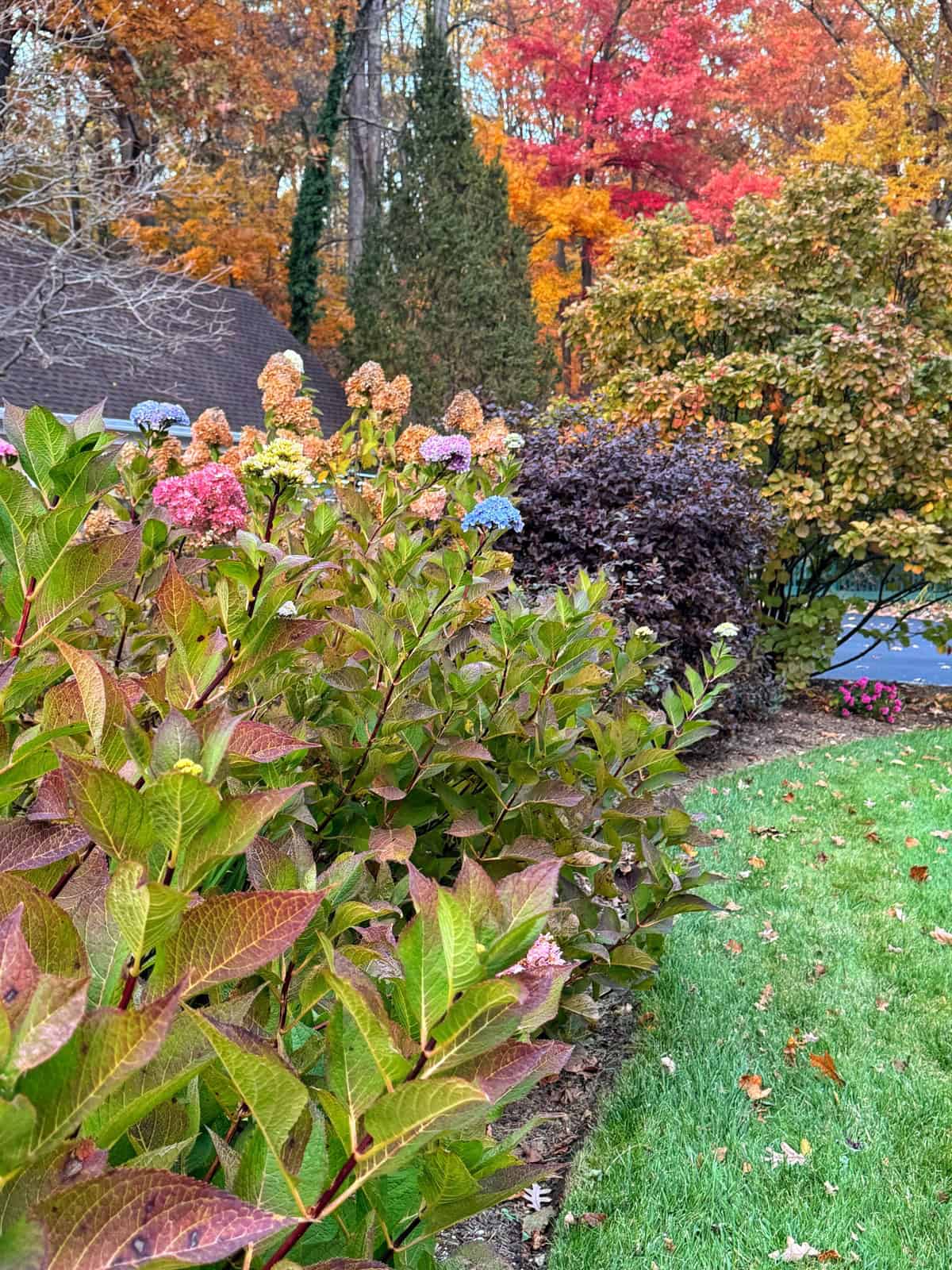
A standout hydrangea with the prettiest flower form and fall color? Little lime punch. Look at how that color changes since my summer garden tour. This is the in between color before it transitions to a full on punchy pink.

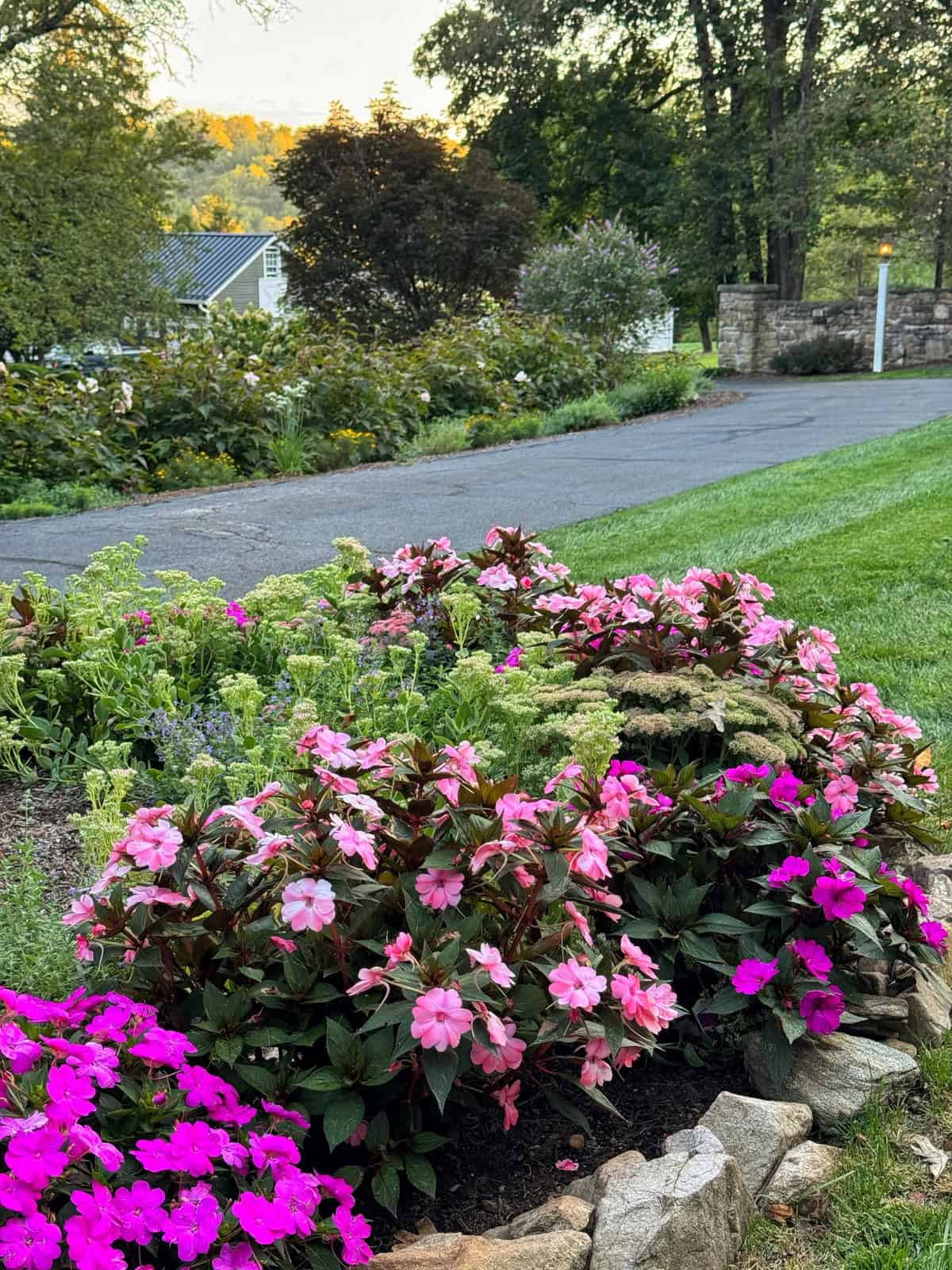
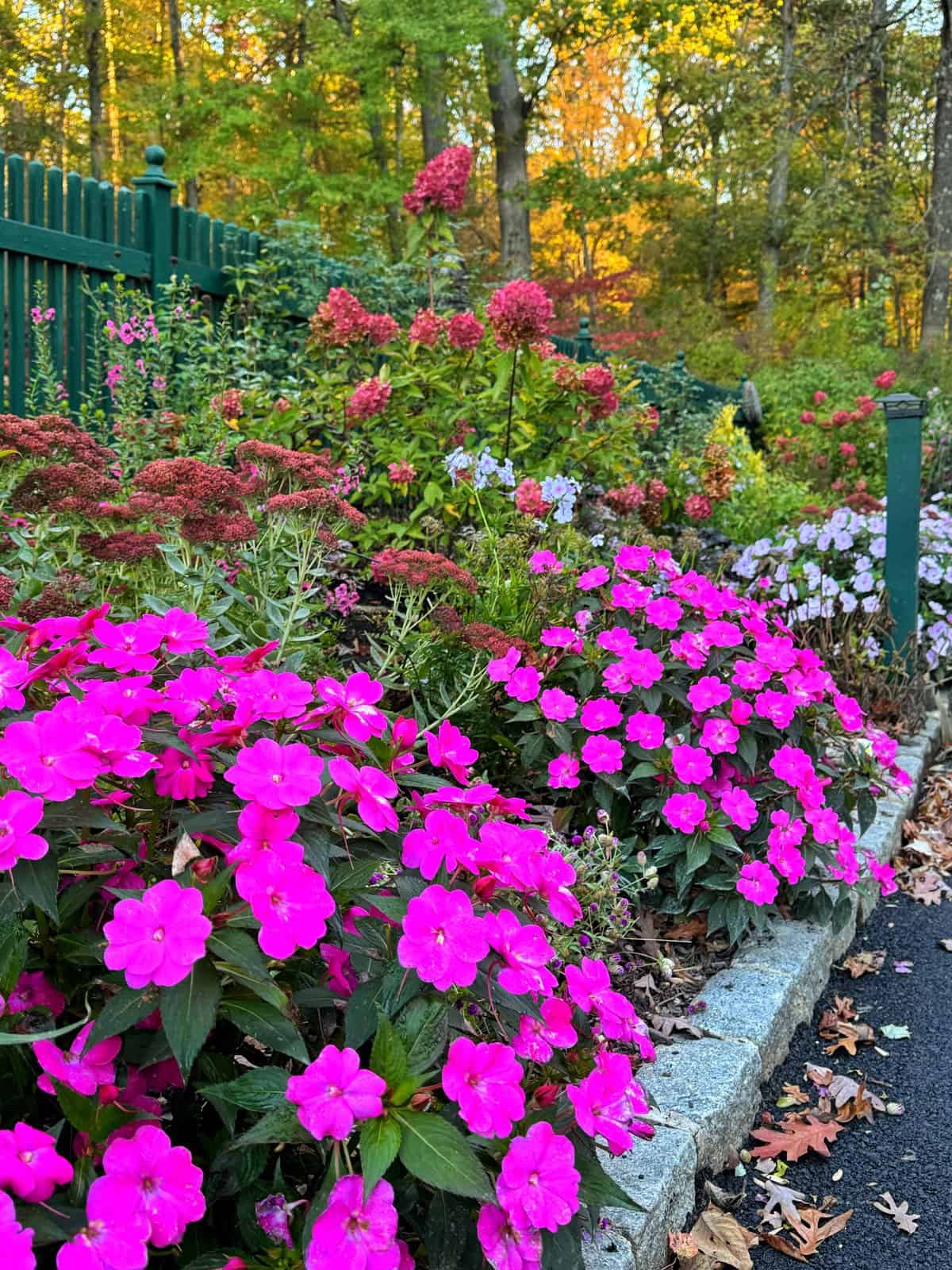
This year, I planted around the quirky tree sculpture in the driveway garden after pulling out all of the pachysandra. I knew the groundcover wasn’t working for me, so I dug and divided sedum, coreopsis, and nepeta, then tucked in SunPatiens to carry color through the season.
And I have to say, those SunPatiens performed incredibly well. Seeing how good they still look this late in the season convinced me that next year I want to choose a color that carries seamlessly from summer into fall. Just look at how beautiful they are even now.


My Cut Flower Garden in the Fall
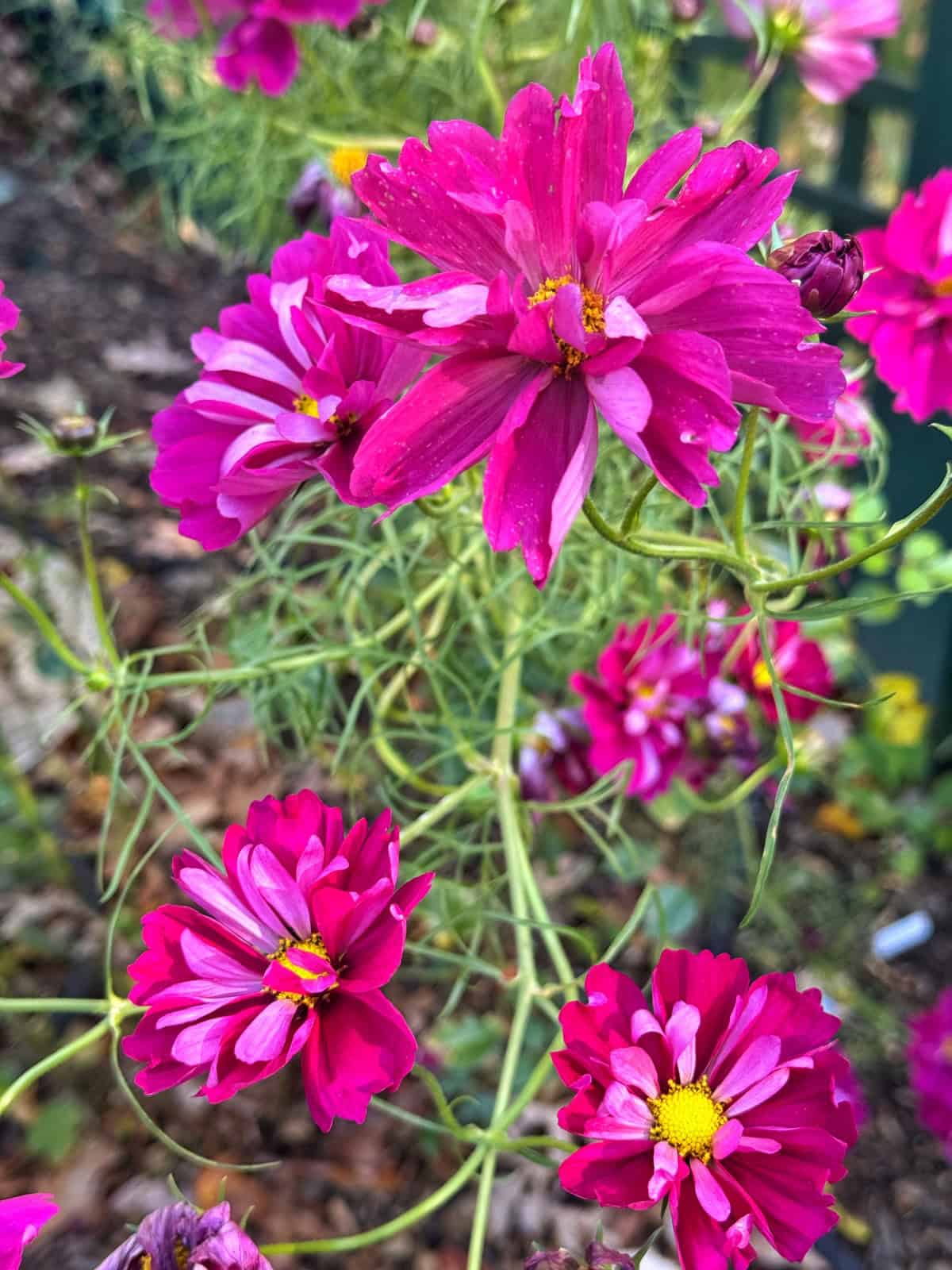
We had an incredible season in the cutting garden, with gomphrena, China asters, dahlias, zinnias, nasturtiums, snapdragons, calendula, borage, and even cosmos, which were a little late to the party. The raised beds my husband built a few years ago continue to be one of my favorite features, and the plants looked especially beautiful this year.
The cutting garden was also a learning experience. Instead of using trellis netting, I tried supporting the plants with twine in a double-layer spider web pattern. While it worked early on, it didn’t provide the same level of support, so I’ll be going back to trellis netting next year. You don’t learn if you never try.
Because the garden was so productive, I hosted two snip-and-sip gatherings with friends and family, giving everyone a chance to cut and enjoy the blooms together.
Here are a few photos from the season.
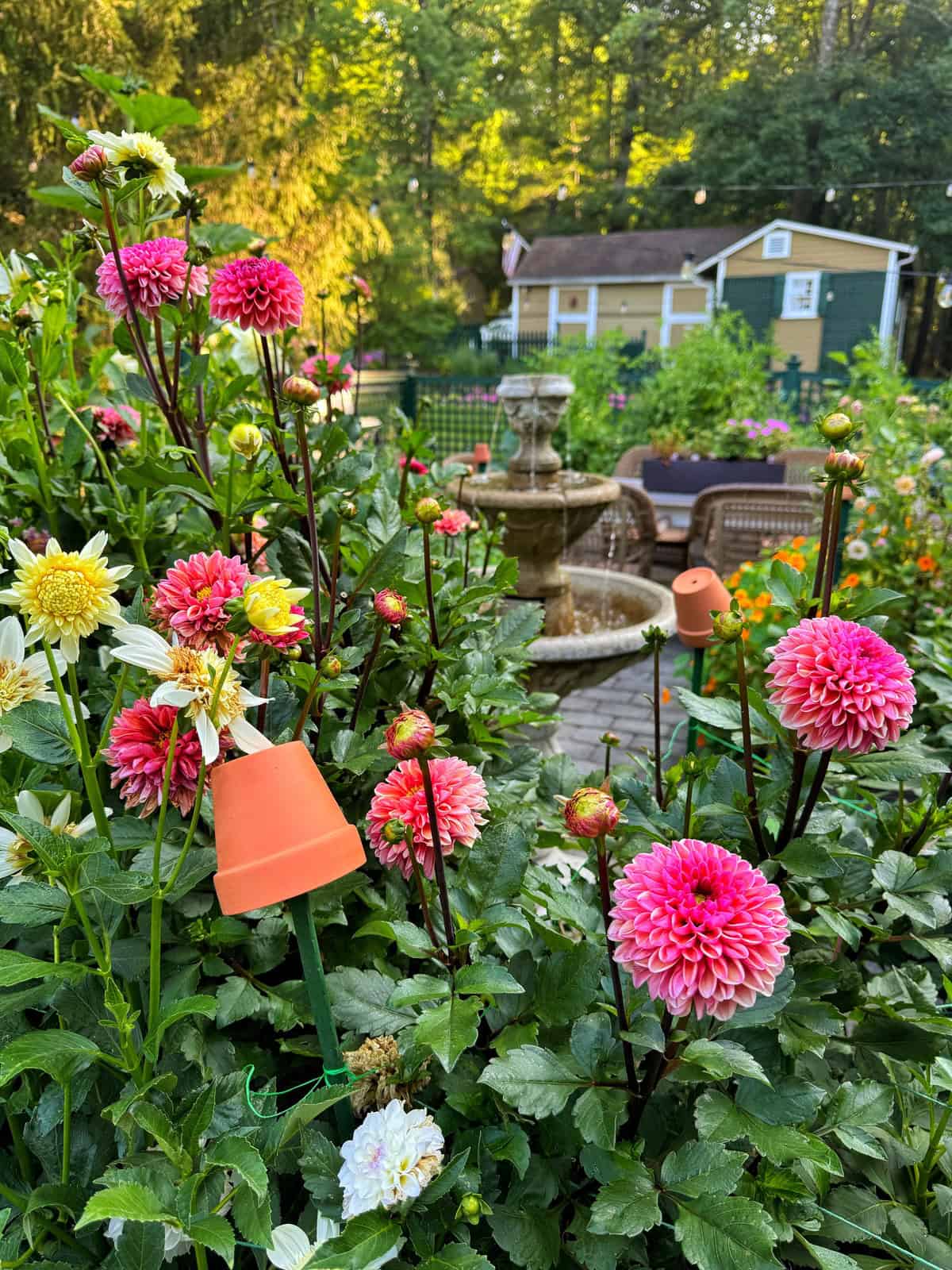
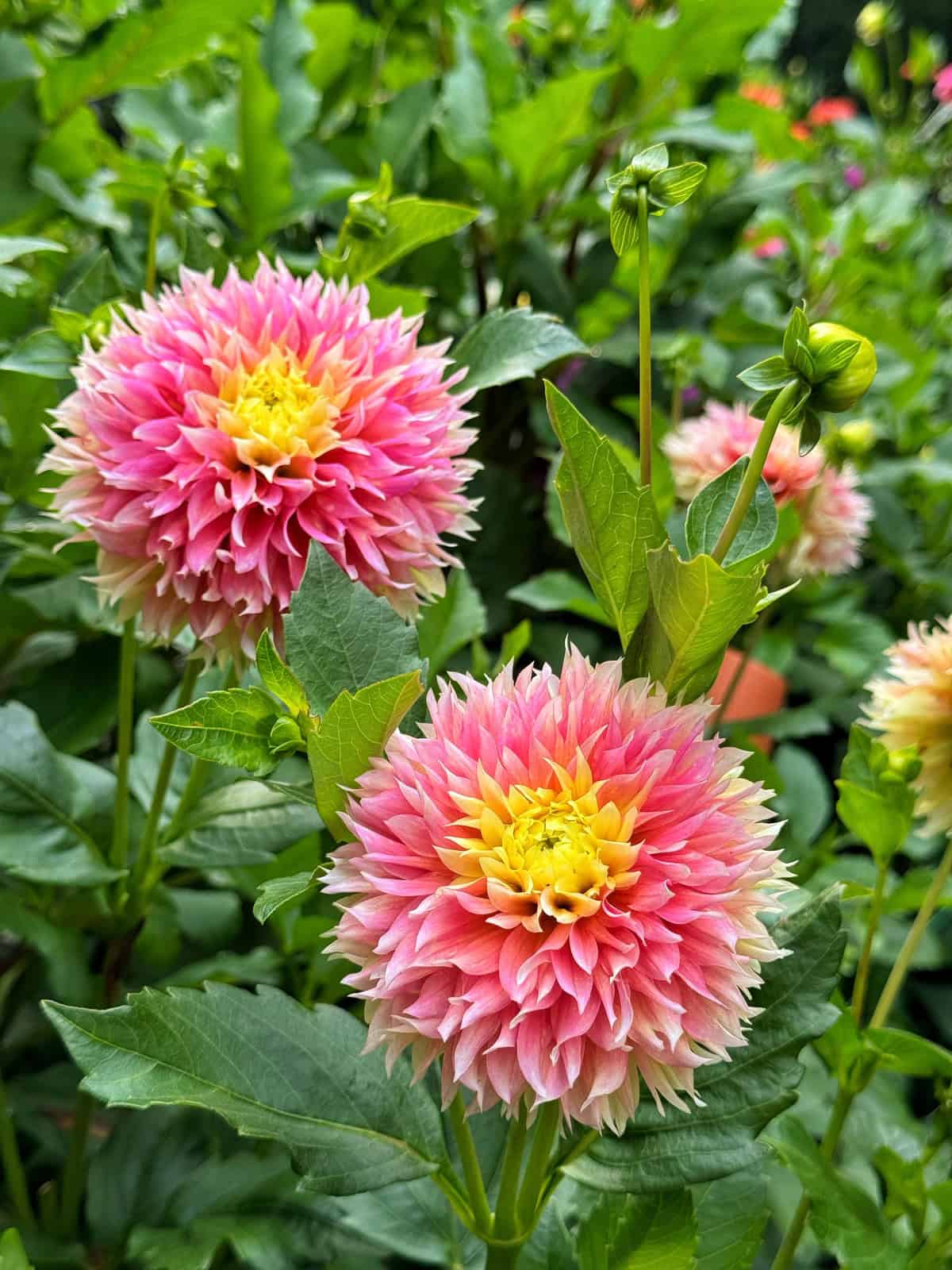
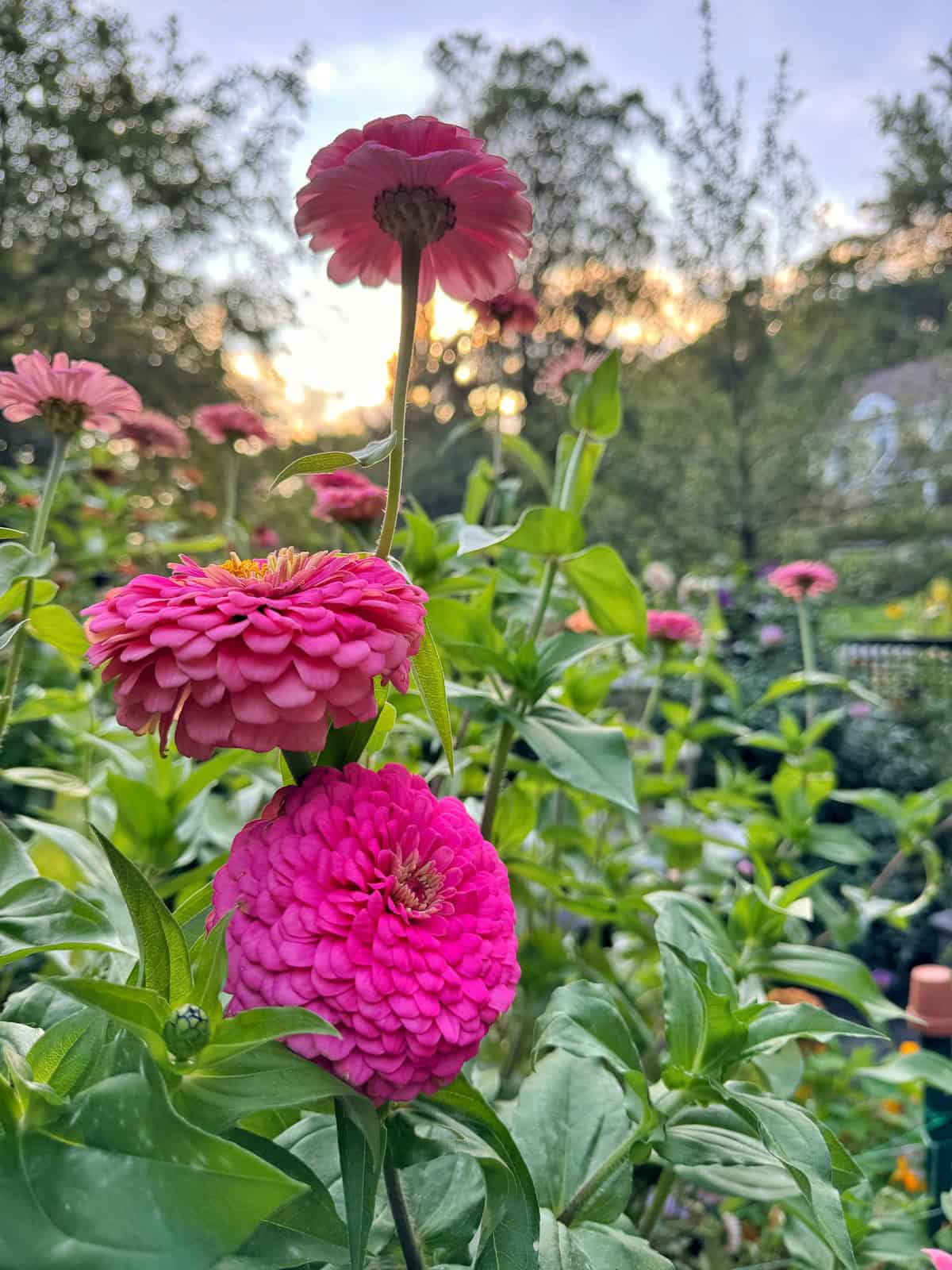
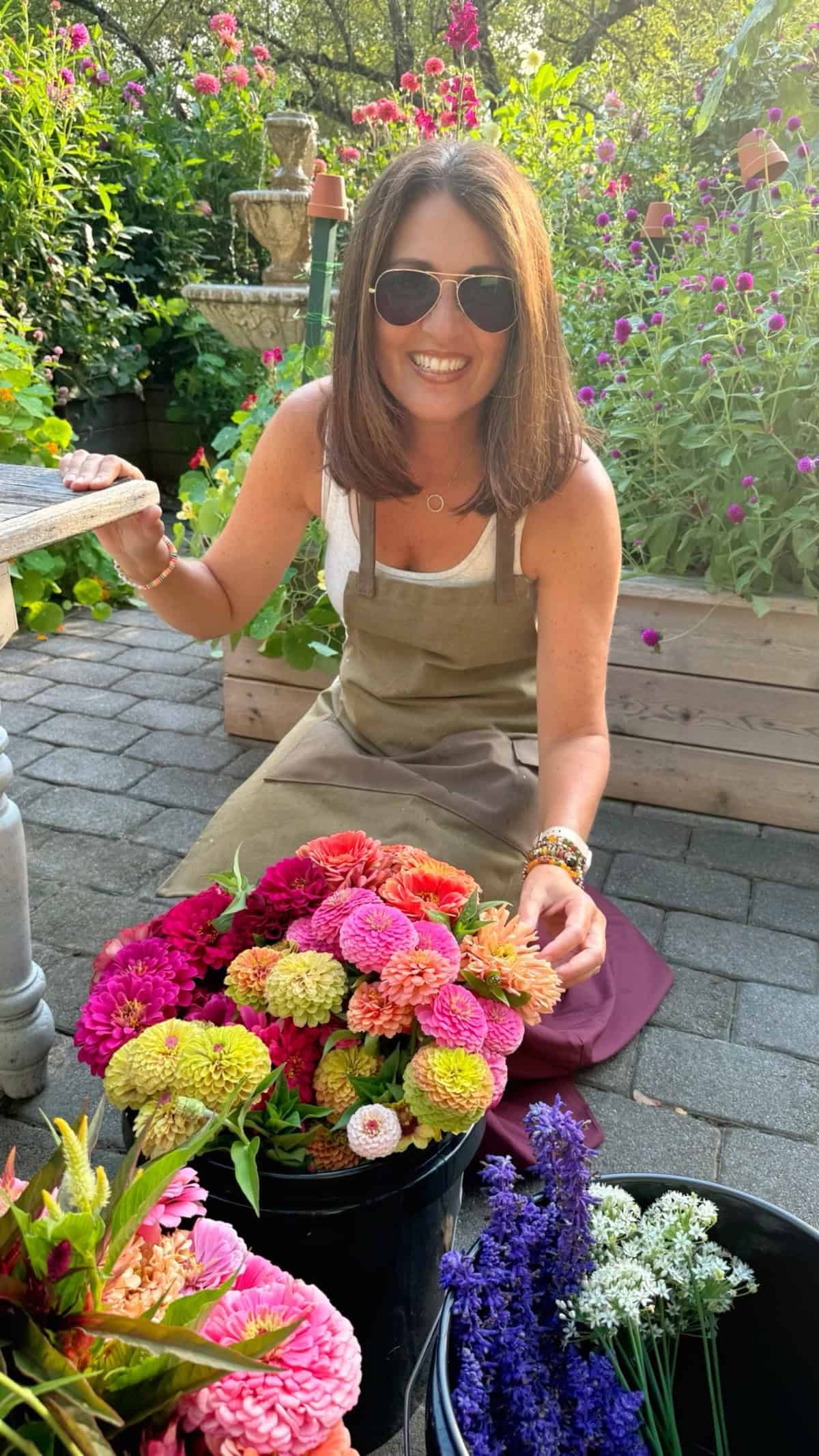


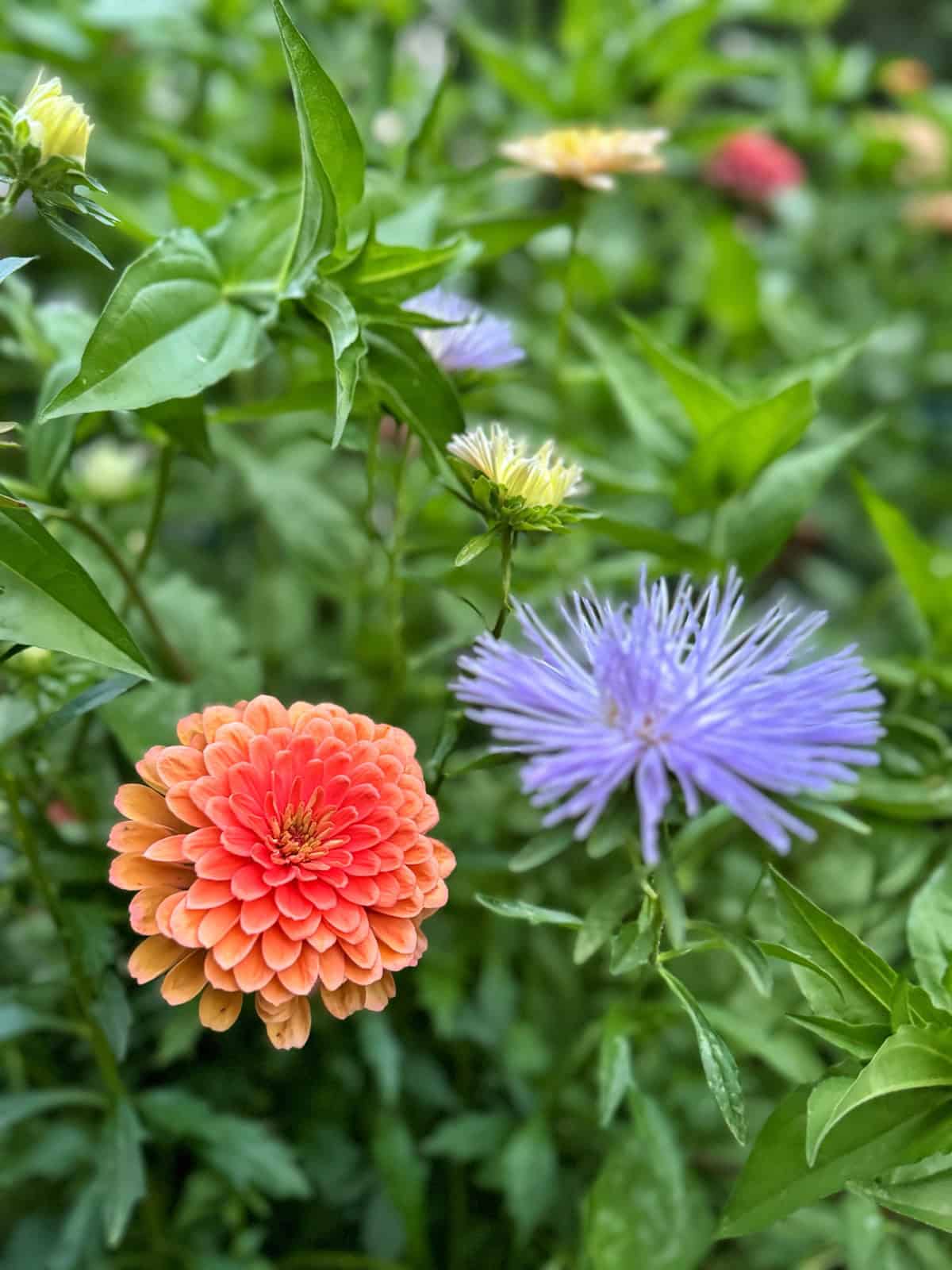
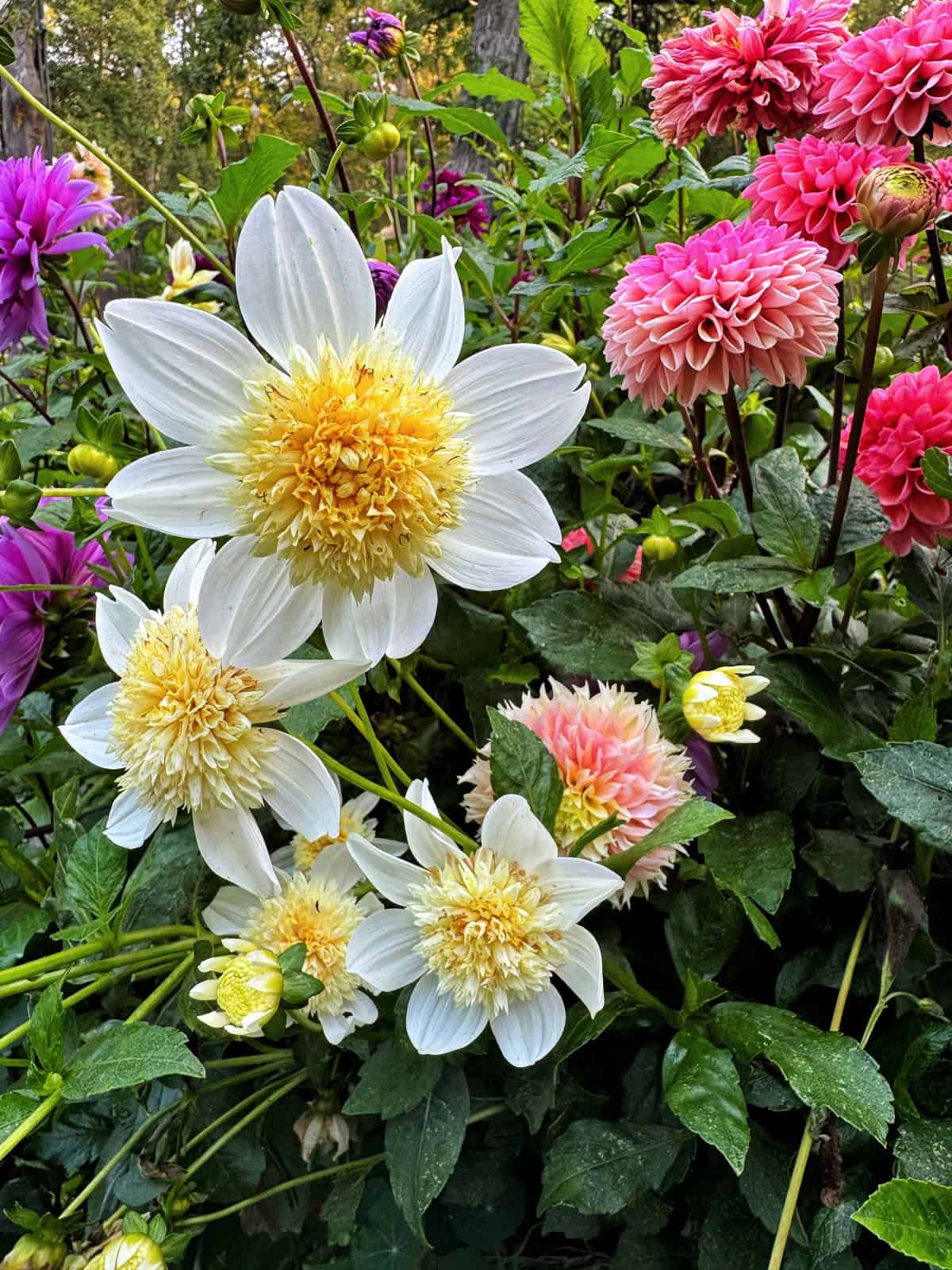
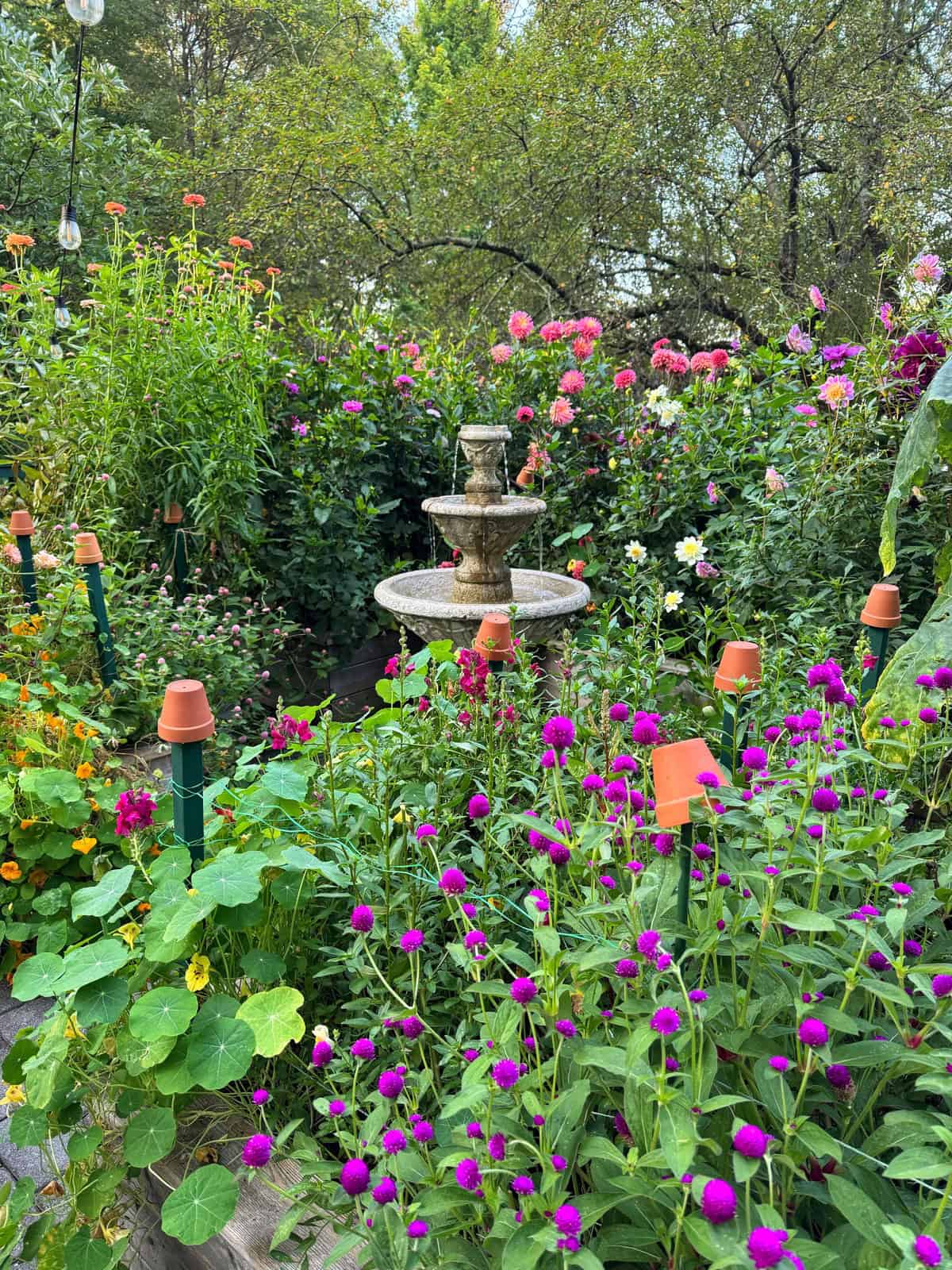
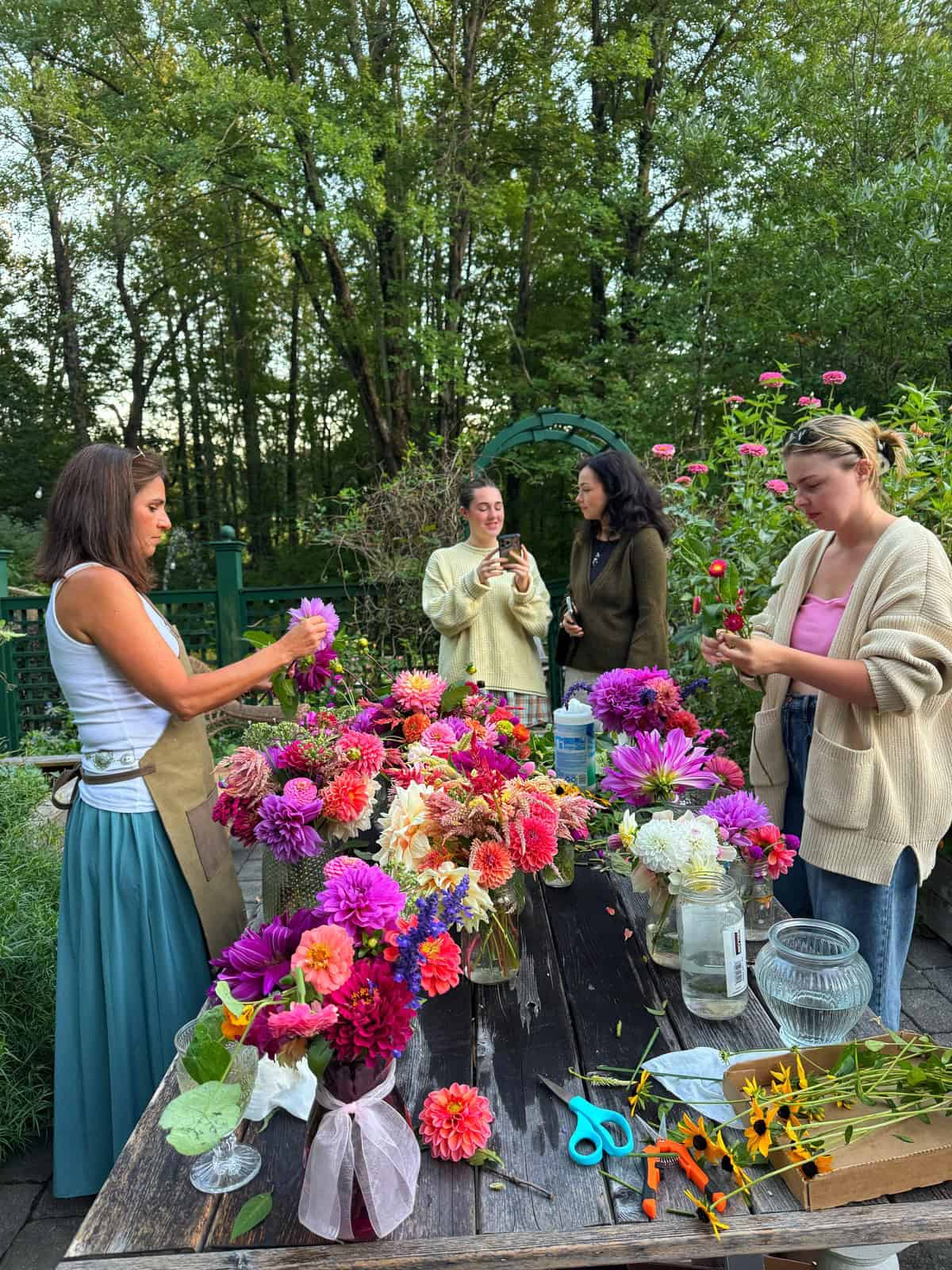
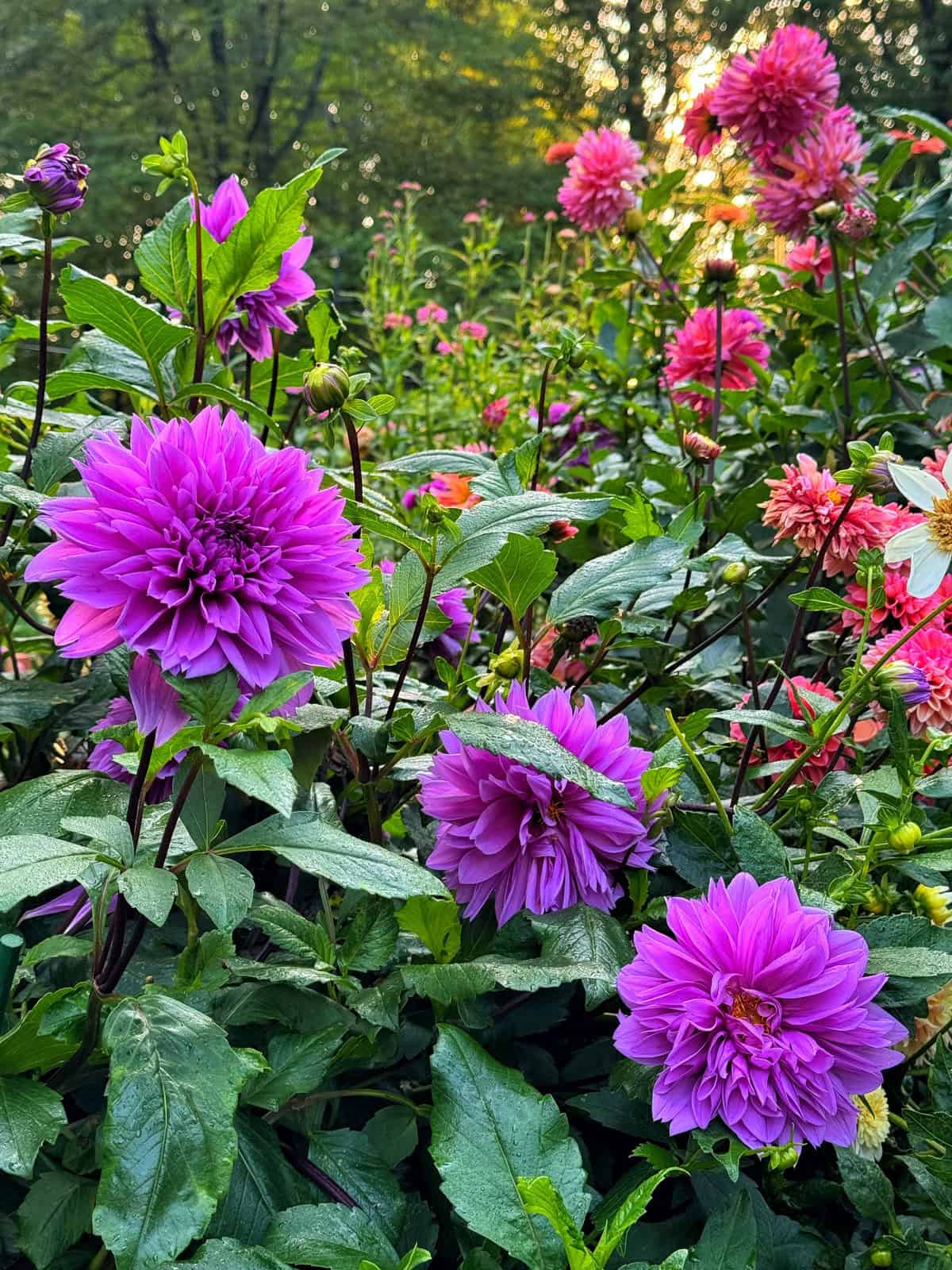
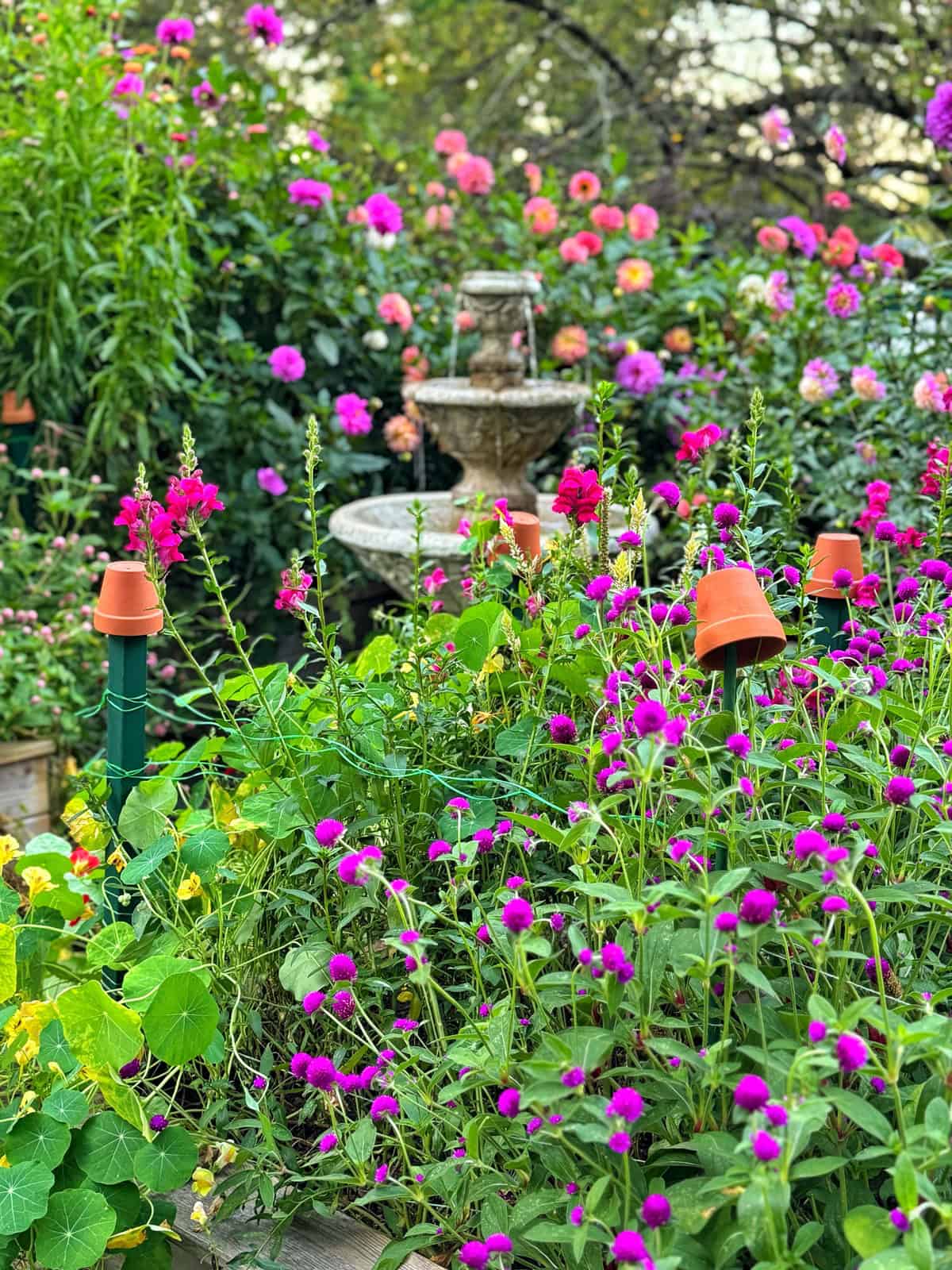


By mid-October, my supports were totally falling apart so the garden got really messy. It still produced flowers, but it was chugging along and I was done babysitting the plants to keep them upright.
A messy garden can still make beautiful bouquets though. So onward we went.
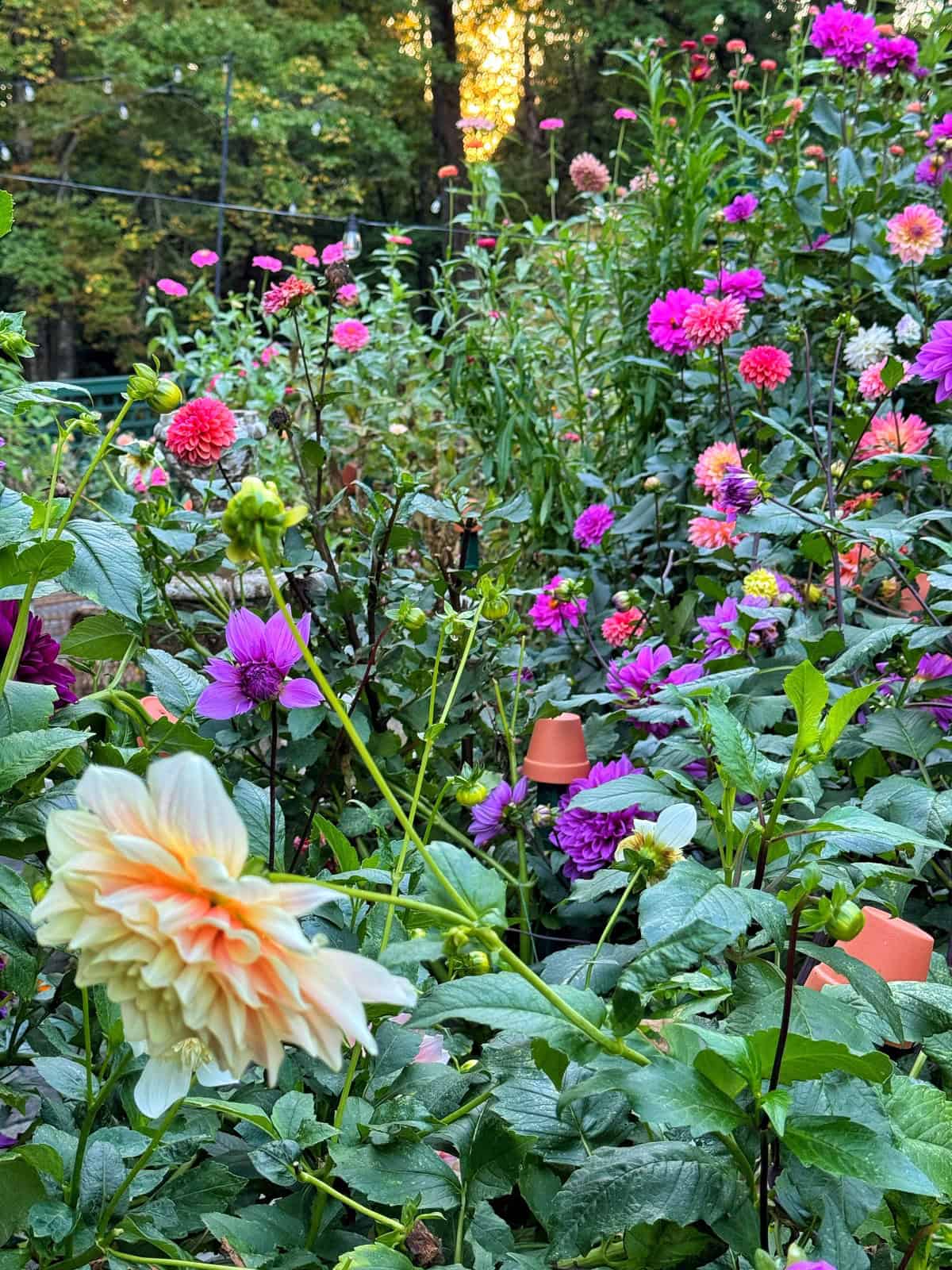

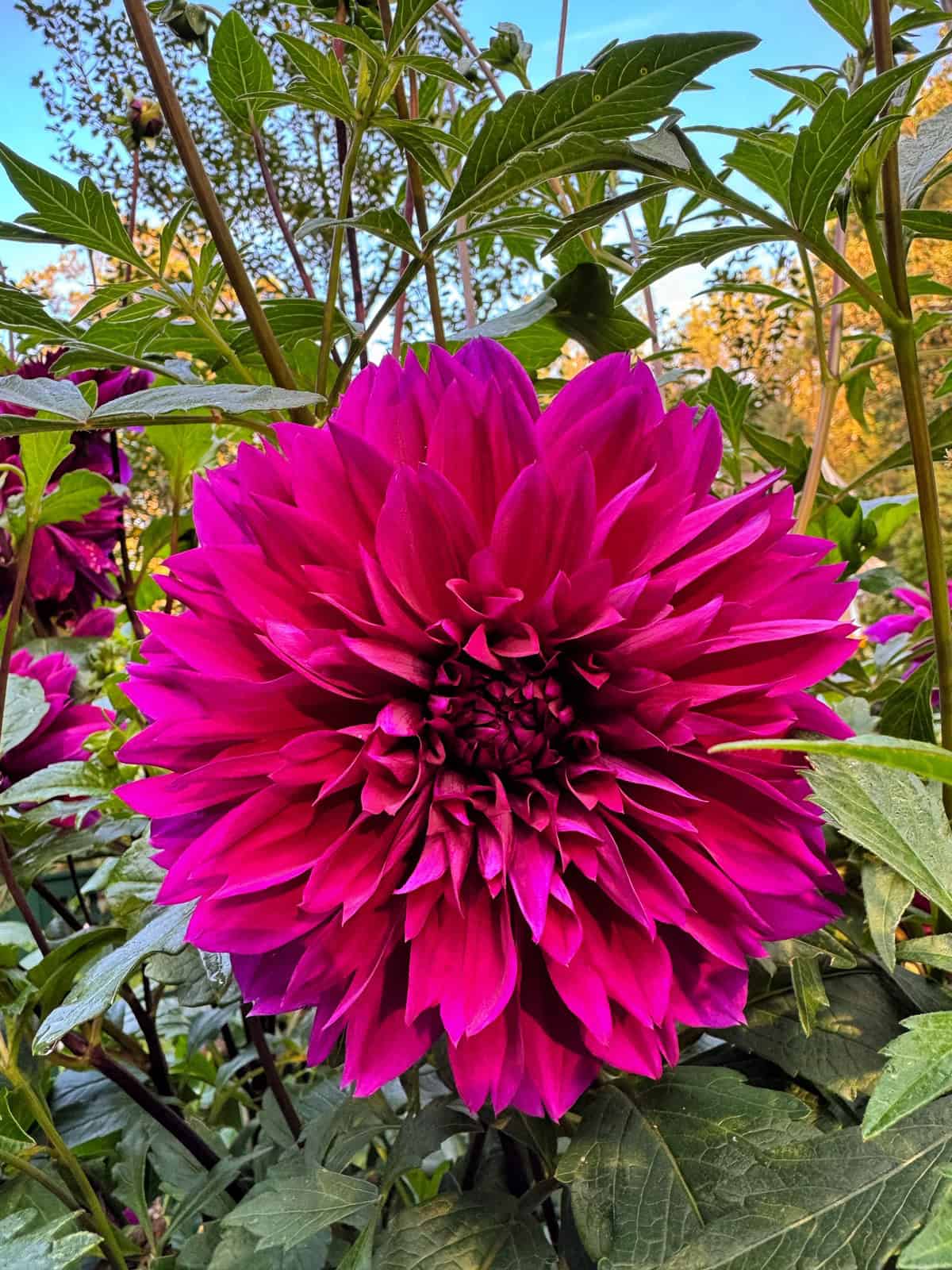
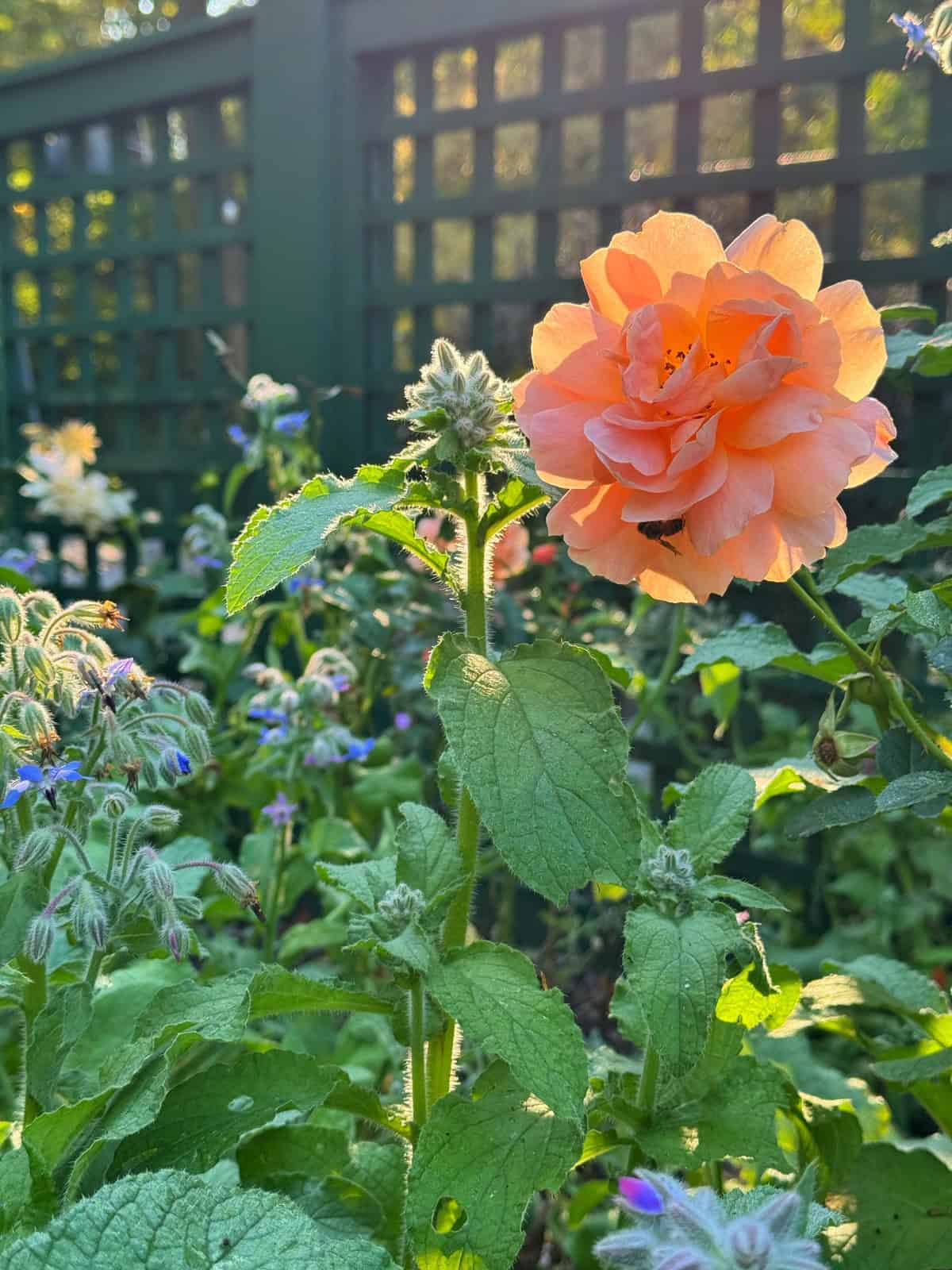
I couldn’t get over how beautiful the borage and At Last roses still looked. I started these borage flowers from seed kind of late this year (by about two weeks) and they performed much better.
Since I wanted to focus on dividing perennials, adding new plantings, and getting spring-flowering bulbs in the ground, I cleaned out the raised beds shortly before the first frost and began shutting the garden down for the season. With the number of beds I manage, sometimes it really is a matter of doing what’s realistic.
I also wanted to replant tulips in the dahlia bed. After the dahlias turned into a bit of a hot mess at the end of the season, thanks to my less-than-stellar support system, I decided it was time to move on and make room for something new.

Flora Lane
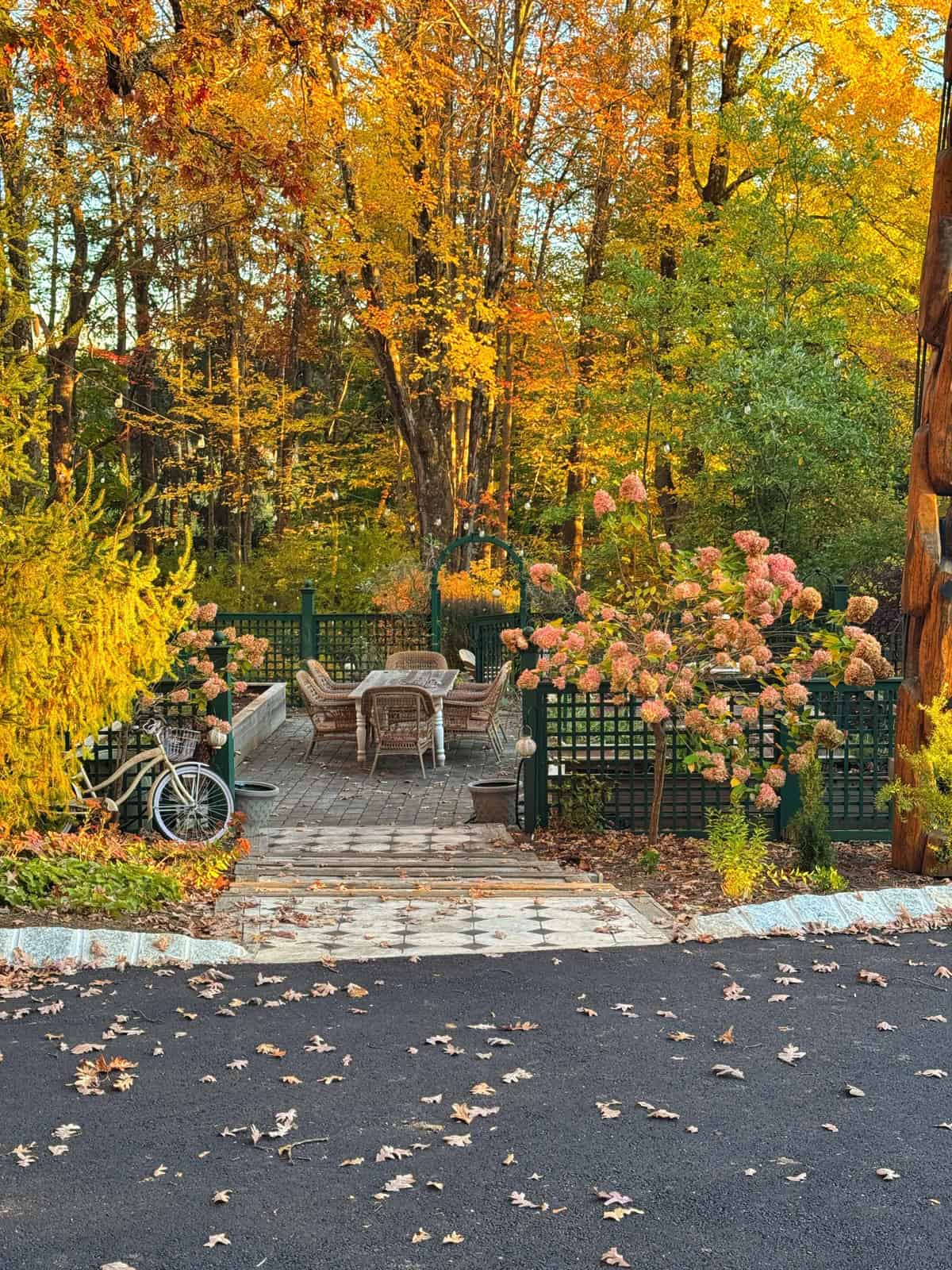
Flora Lane has been a work in progress since we moved in. I want it to feel like an easy, low-maintenance cottage garden, and while it’s moving in that direction, this fall made it clear that some adjustments were needed.

I wasn’t a fan of how the rudbeckia looked alongside the hydrangeas in this bed, so they were the first perennials I moved out. They had already taken over the front porch gardens, and I just didn’t want to manage them here as well.
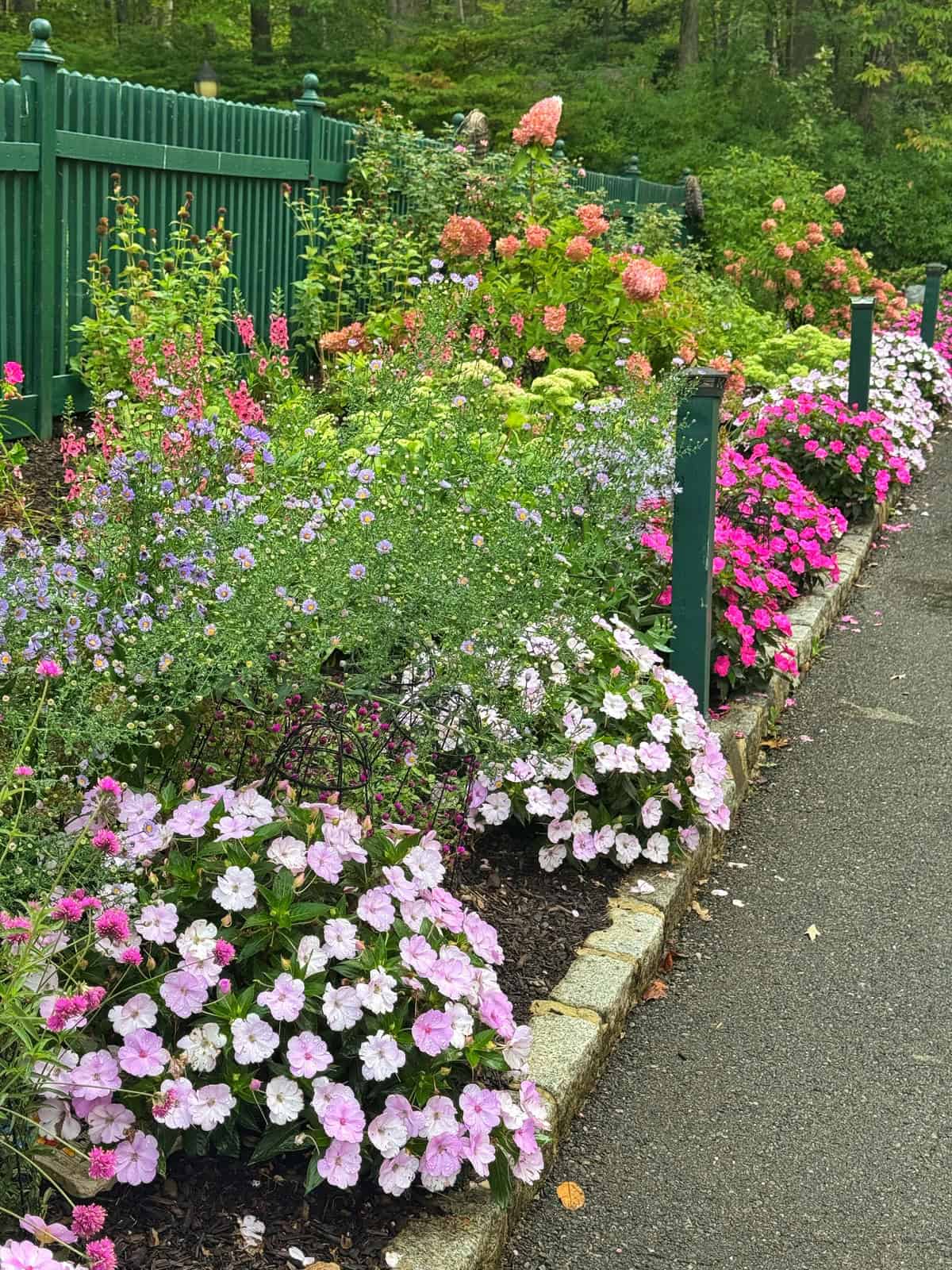
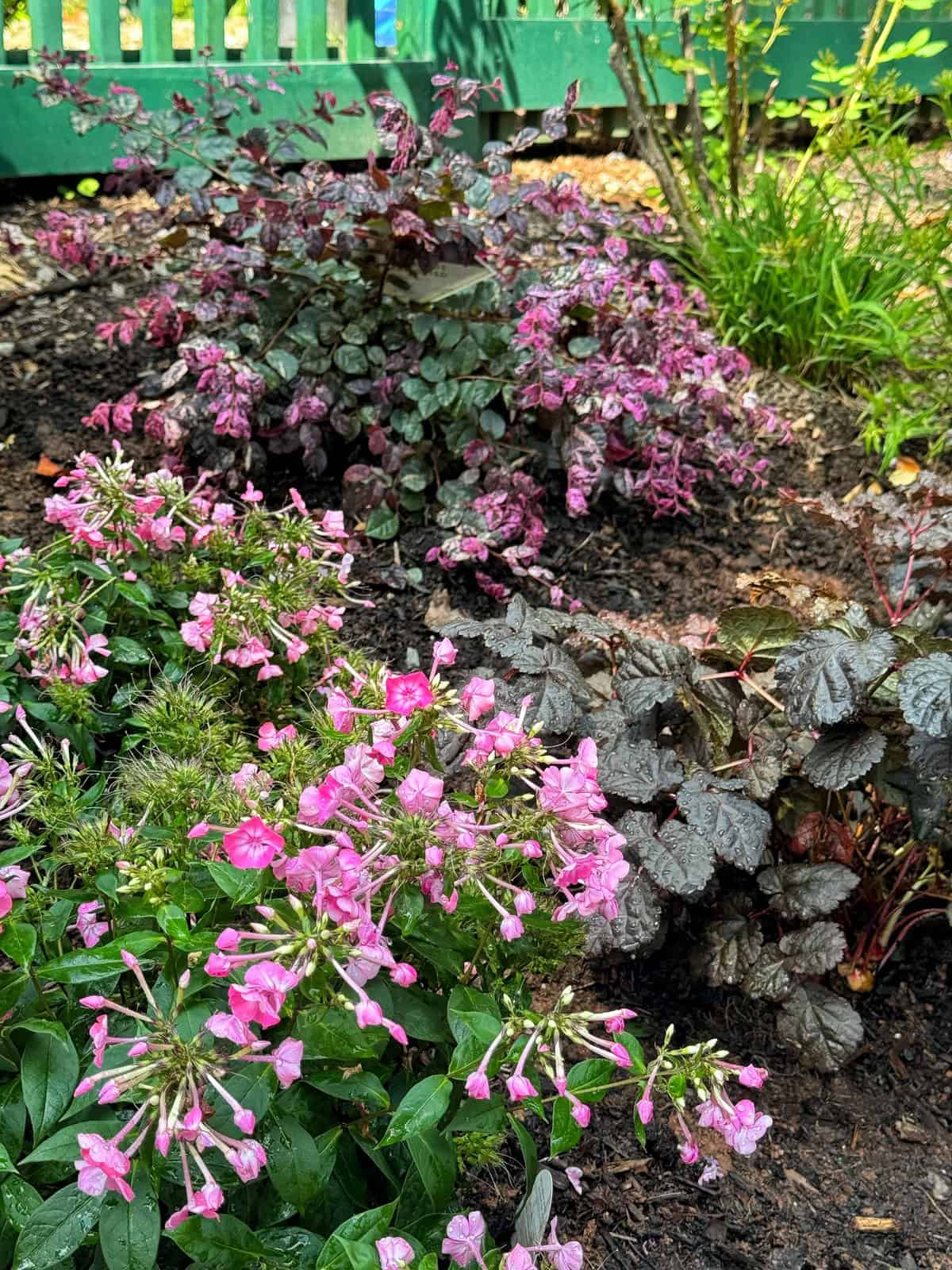
After my trip to see Proven Winners in Michigan, they sent me a few plants I selected from their samples, and I absolutely love this combination. Jazz Hands fringe flower paired with Dark Side of the Moon astilbe and Pink Lightning phlox is such a striking mix.
The fringe flower isn’t zoned for my area, so I’ll need to lift it and overwinter it in the garage, but that foliage makes it completely worth the extra effort. Don’t you just love it?
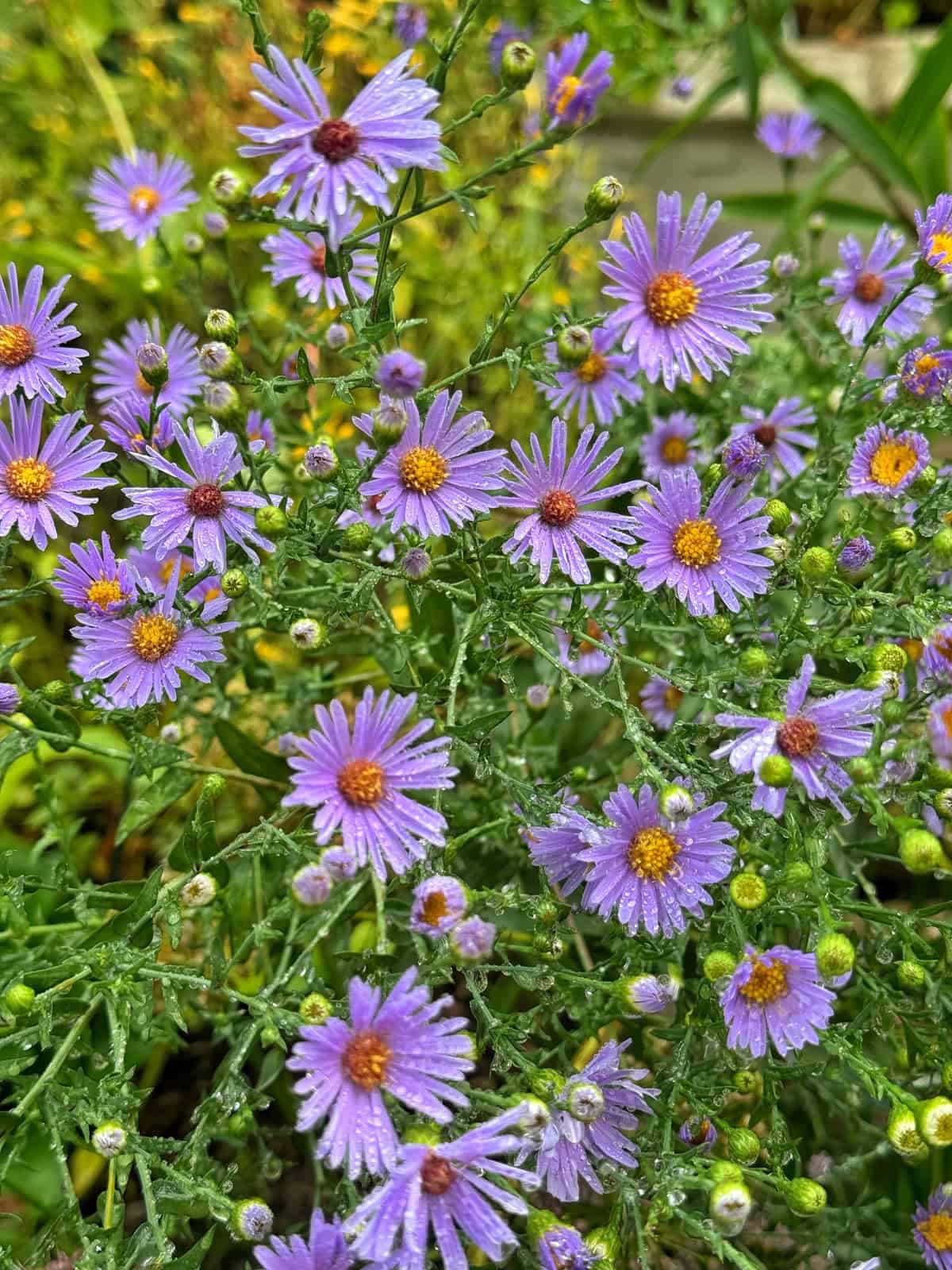
The asters put on quite a show this year. I planted them back in 2022, and they’ve grown into something truly beautiful. They’re a bit leggy, but I don’t mind at all. I could have cut them back by half until July 4 to keep them more compact, but I didn’t get to it this year, and honestly, I’m not mad about it.
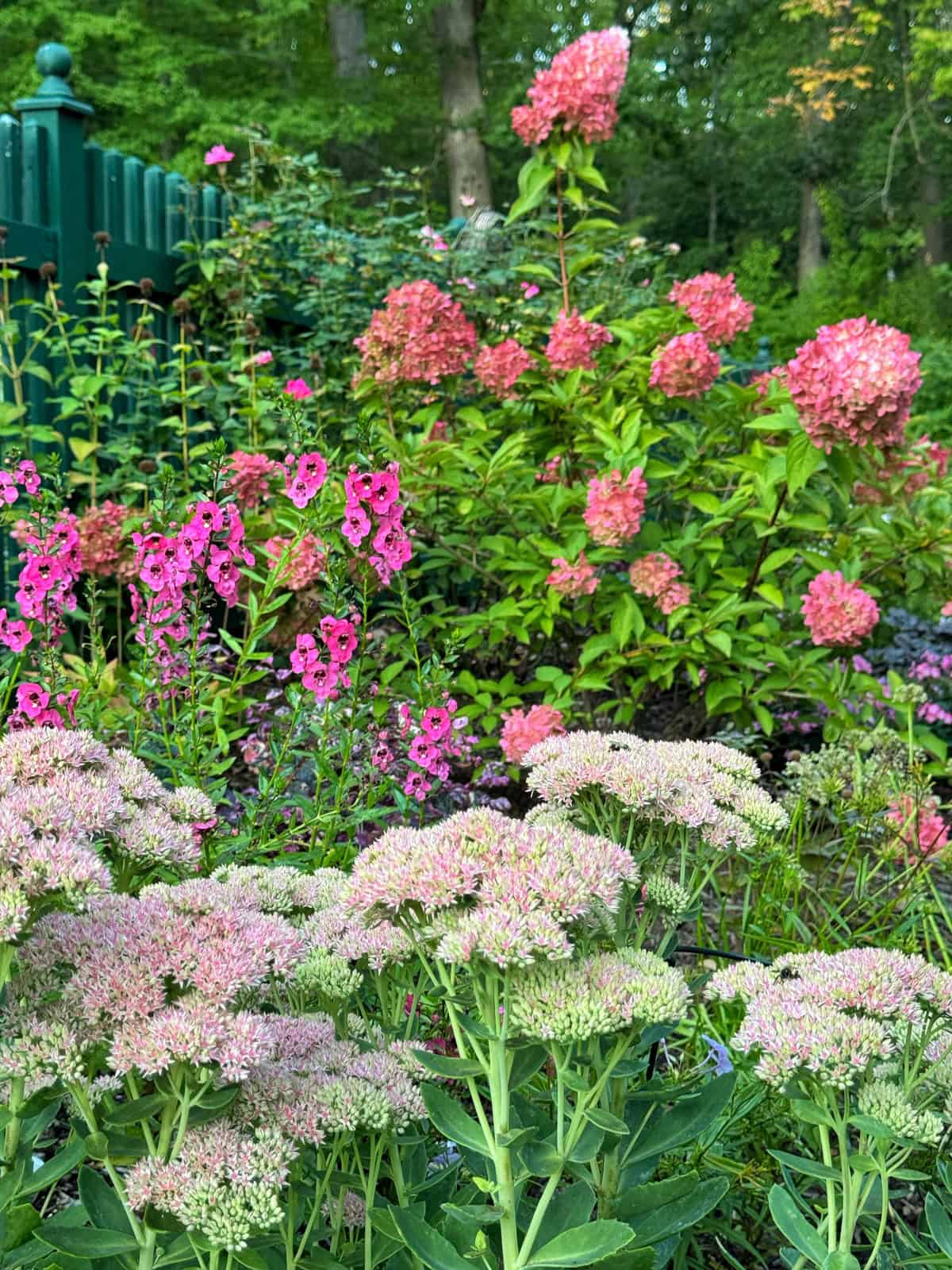
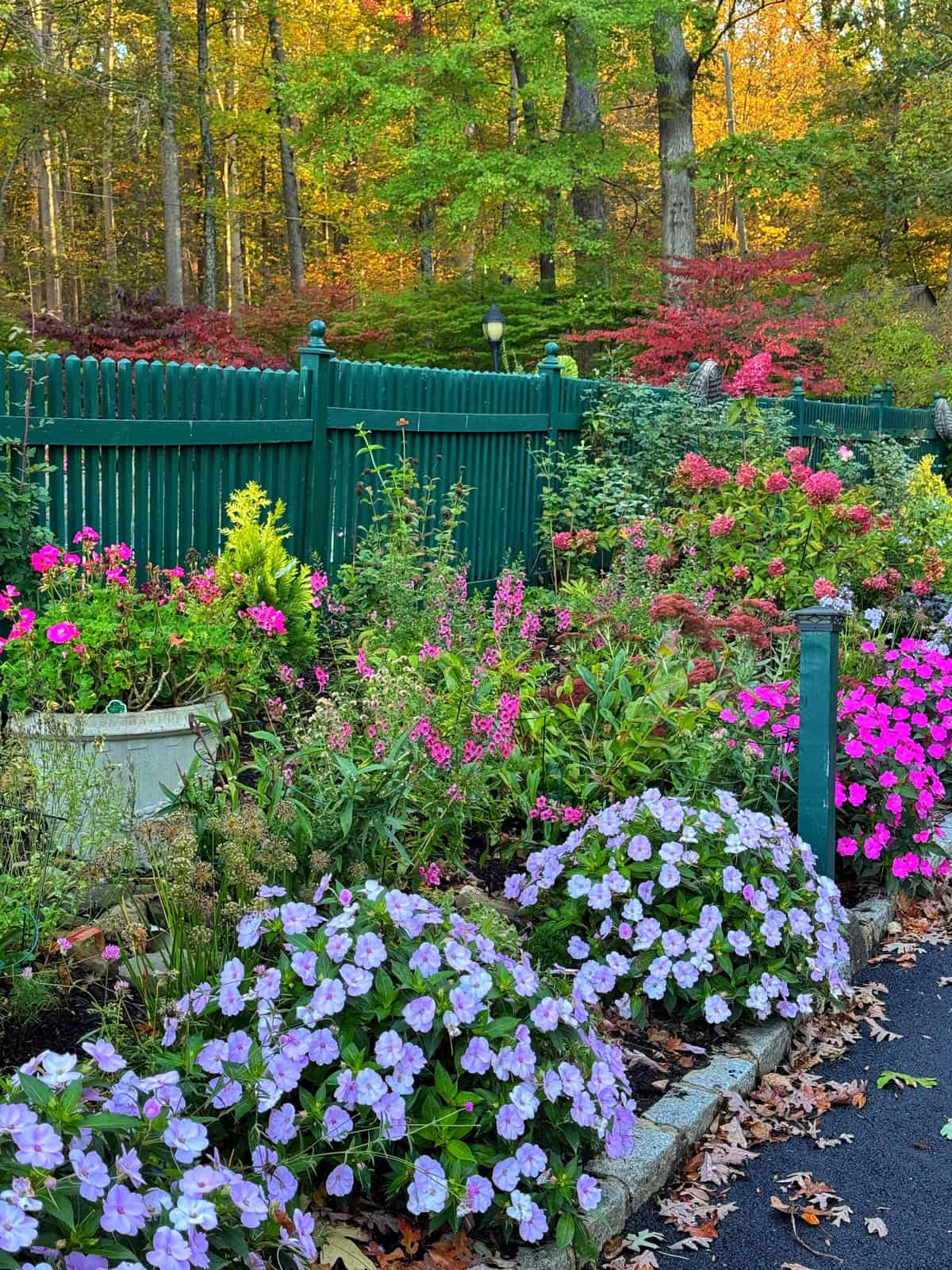
Between September and October, I started rehabbing this bed. After digging and dividing several perennials, I moved A LOT around. And I tucked in several evergreens for more structure and seasonal interest plus a few more shrubs. The bed is looking. a bit more tidy and organized now.

Pool Garden
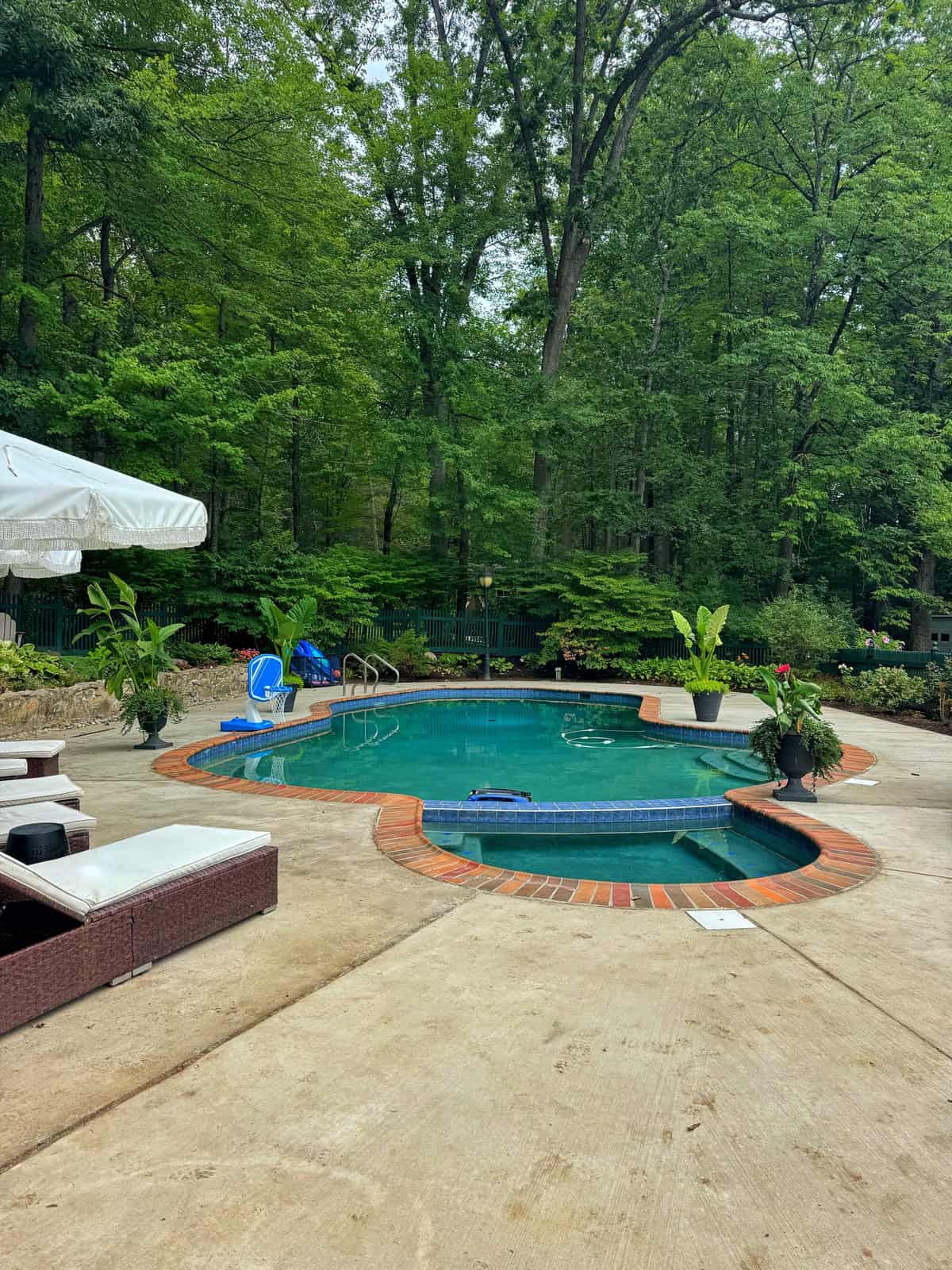
We tackled a major pool patio renovation in July, and the surrounding beds definitely felt the impact. The plants needed time to recover in August, and while they’ll ultimately be fine, they didn’t love the stress.
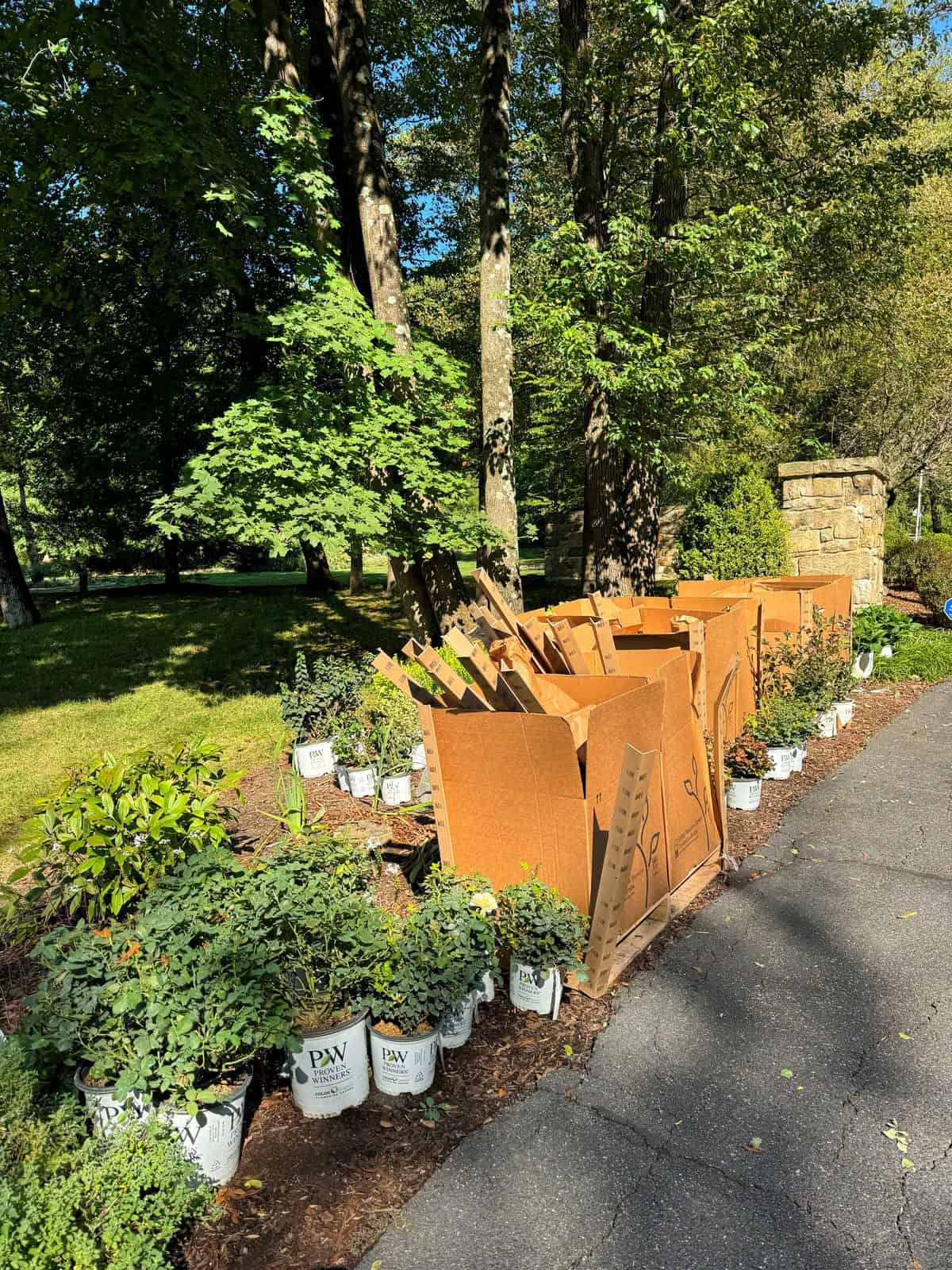
That said, the disruption made room for a full replanting. I refreshed the entire bed with hydrangeas, roses, camellias, mock orange, evergreens, and more. Looking back, I knowingly sacrificed this year’s garden for what’s to come next, and I’m confident it will be well worth it.
Here’s a look at the shrub order, along with photos of the space and the new plantings.

The Cottage Garden
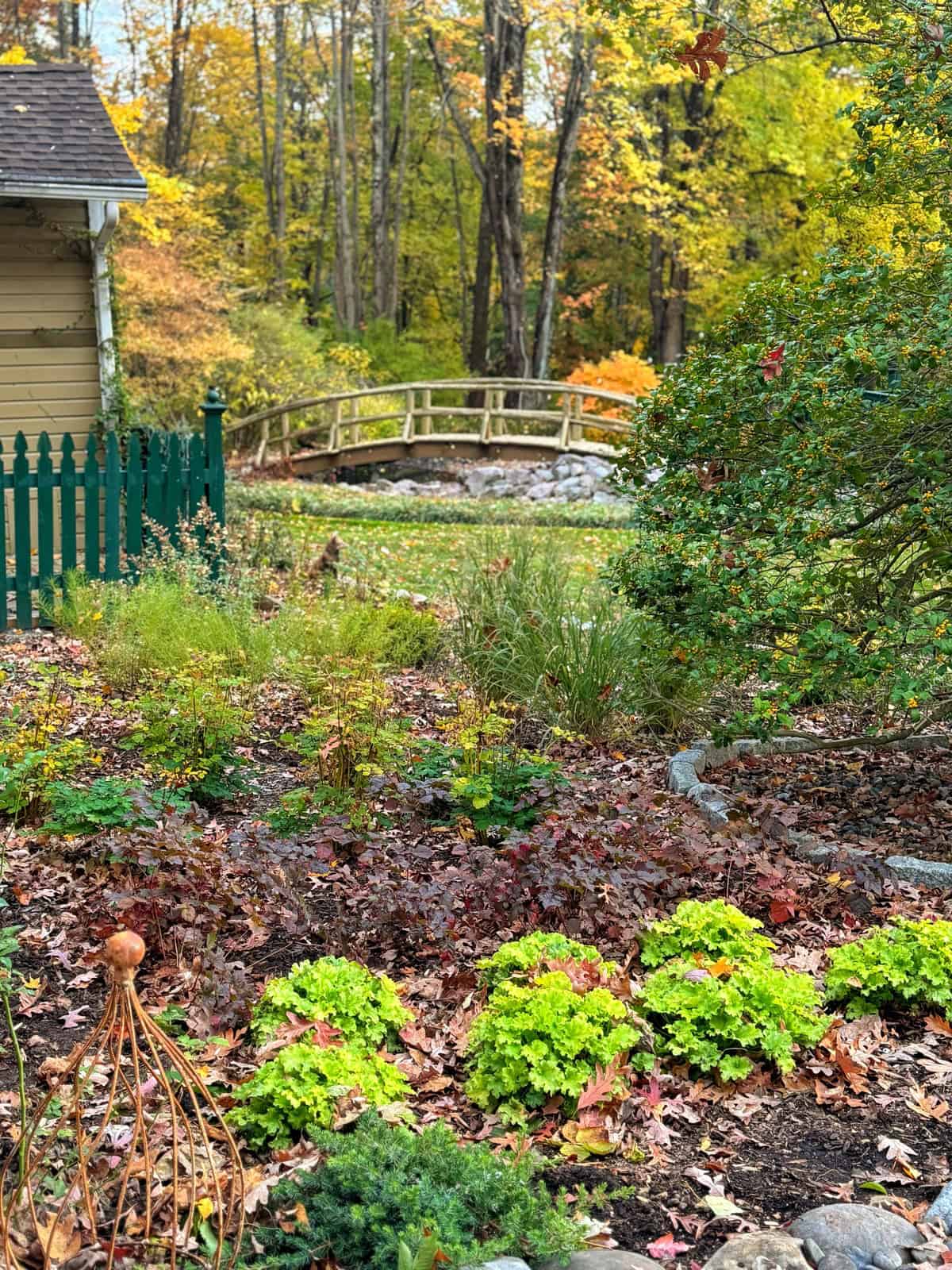
It felt fitting to wrap up the tour in the cottage garden. As I mentioned in my summer tour, I loved how the perennials performed, but I could tell the bed needed more structure. There’s an existing holly tree with yellow berries, but it needed additional shrubs and evergreens to truly anchor the planting. After rehabbing the pool garden, driveway, and front porch gardens, I turned my attention here last.
Even so, the garden looked beautiful from summer into fall. For a bed that’s only been planted for one season, it’s settling in nicely, and I love the direction it’s headed. I can’t wait to see how it comes together in 2026.
The Supertunia border was a standout all season long. I do wish I had added a bit more slow-release fertilizer in August, but between the construction and everything else going on, it didn’t happen. Even so, it performed beautifully and added consistent color to the space.

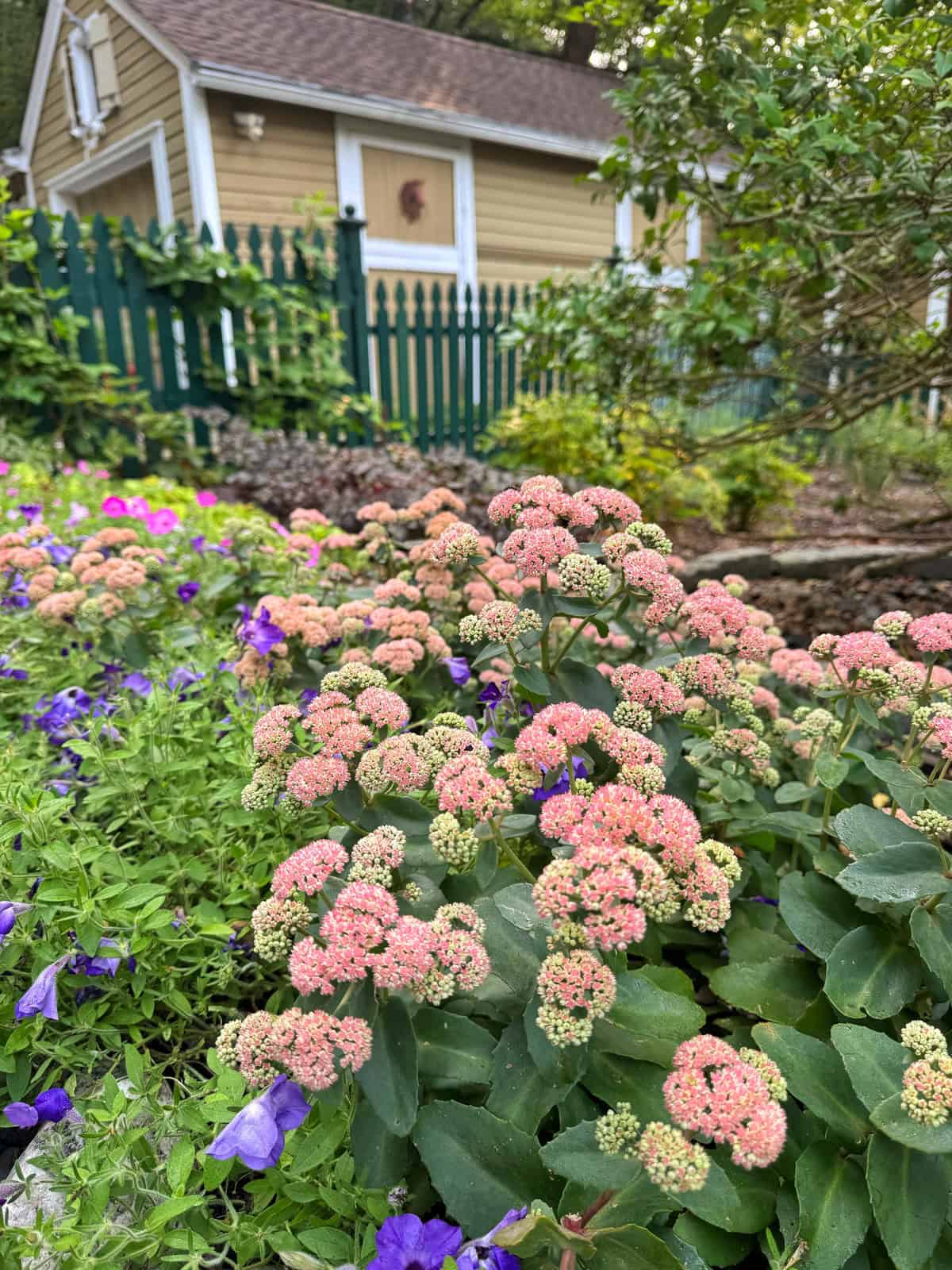
When I made these changes, I moved some daylilies out of this bed because the colors no longer felt right for the garden. They were lovely plants, but one was a deep, dark red that didn’t align with my overall aesthetic, and the other was yellow, which I also decided didn’t belong in this space. Both were relocated to the side garden, where they’ll still be enjoyed.


Final Thoughts About My Fall Garden Tour 2025
Writing this now, with the garden fully at rest, makes fall feel like the most honest season of all. It’s when the noise quiets, the beds empty out, and the garden reveals what truly carried the year and what needed to change.
This fall garden tour of 2025 captures that moment of evaluation and transition. Several areas were edited, simplified, or reimagined entirely, setting the stage for gardens that will look and feel very different in 2026.
Rather than an ending, fall feels like a pause. A chance to reflect, reset, and make space for what’s next.
To see how the garden evolved throughout the year, you may also enjoy these posts:
Thank you for visiting the blog today!
Enjoy your day! xo


Originally Published .
