
Freeze Damage After a Warm Spring: What Happened in My New Jersey Garden

A warm spring followed by a hard freeze damaged my NJ garden. Learn how it affects plants like hostas and hydrangeas and what to do next.
This spring has been a little unpredictable, even by New Jersey standards.
We started off with what felt like a normal transition into the season. Then a stretch of near 90-degree heat pushed everything in the garden to wake up fast. After that, temperatures settled back down…until a hard freeze rolled through and changed everything overnight.
That kind of swing is exactly what leads to freeze damage after a warm spring, especially here in New Jersey where plants can break dormancy quickly.
And interestingly, this isn’t just bad luck. Guidance from university extension programs, including Rutgers, explains that when plants are pushed into active growth by early warmth, they lose their natural cold tolerance. So when a freeze follows, that tender new growth is far more likely to be damaged.
Suddenly, plants that were just starting to thrive looked stressed, damaged, or completely set back.
After gardening here for years, I’ve learned it’s not just the cold that causes problems. It’s the timing. And this season is a perfect example of how quickly things can shift and what that means for your garden.
(Posts on stacyling.com may contain affiliate links. Click HERE for full disclosure.)
See What Plants Survived After a Hard Spring Freeze
In this mid-May garden update, I’m sharing what survived, what struggled, what surprised me, and how plants like hostas, hydrangeas, evergreens, ranunculus, shrubs, and newly planted trees responded to the extreme weather swings we experienced here in my zone 6b, New Jersey garden. See how patience and time can help plants more than immediate intervention.

What Happens When a Warm Spring Is Followed by a Freeze
What made this stretch of weather so tough on plants wasn’t just the freeze itself. It was the timing.
That early heat pushed new growth on perennials, trees, and shrubs much faster than usual. And once plants break dormancy and start actively growing, they lose their natural cold tolerance.
So when the freeze hit, it wasn’t hitting dormant plants. It was hitting soft, tender new growth that simply couldn’t handle those temperatures.
That’s when you start to see:
- Collapsed or water-soaked leaves
- Browning or blackened foliage
- Damaged or aborted flower buds
- Plants that suddenly stall out
In some cases, it can even make parts of the garden look like fall instead of spring.
What I’m Seeing in My Garden Right Now
This is where the season really tells the story.
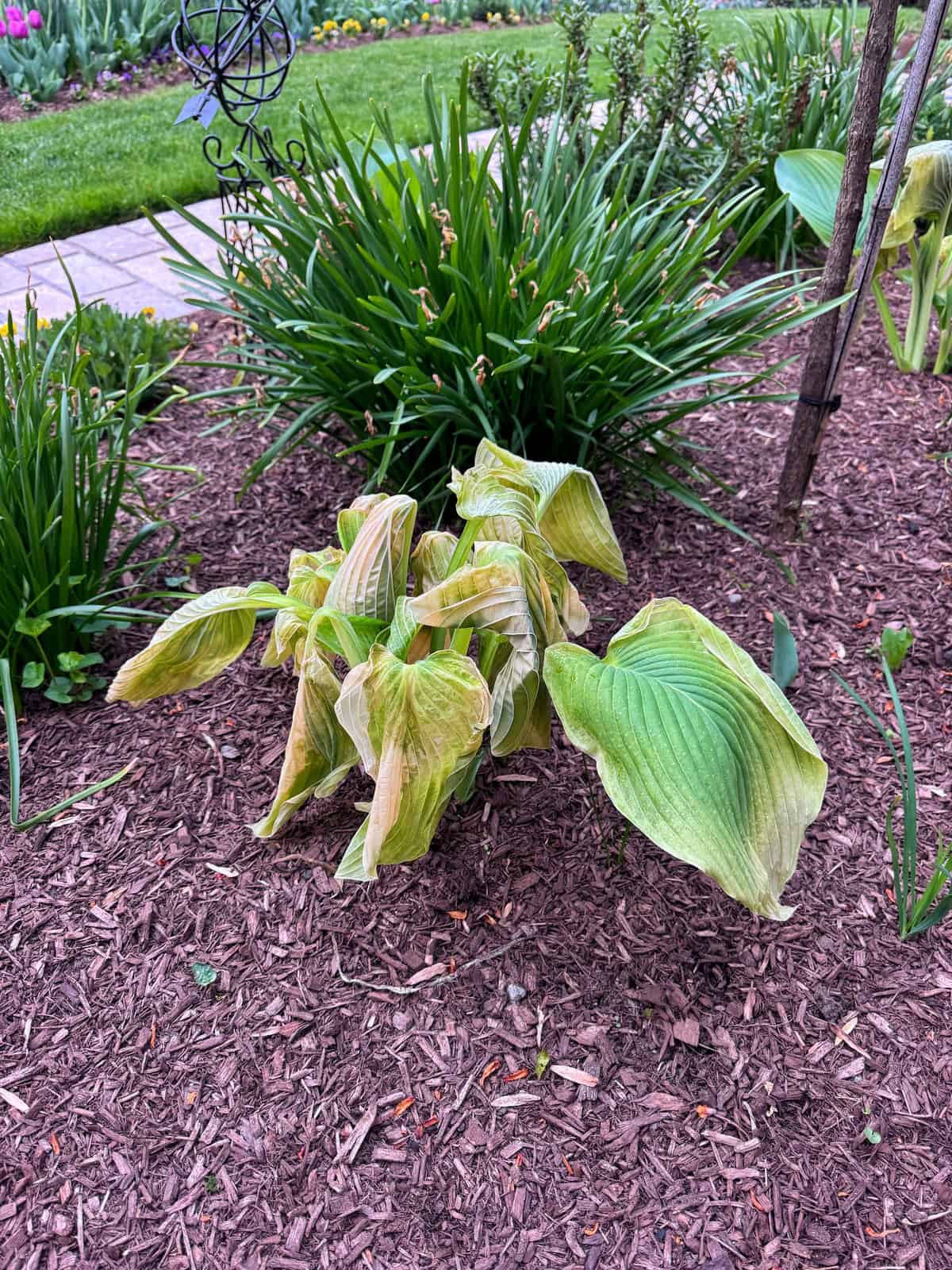
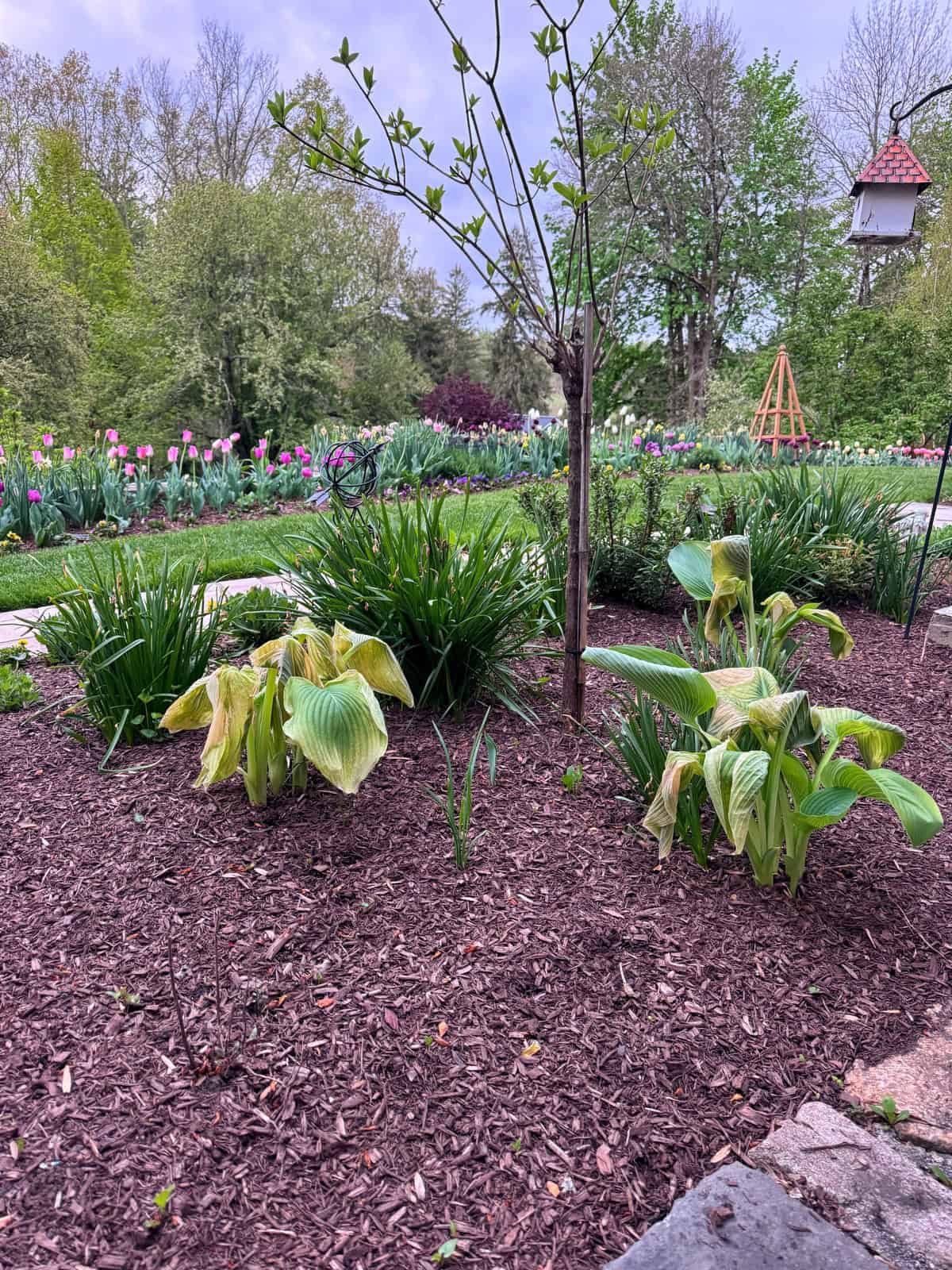
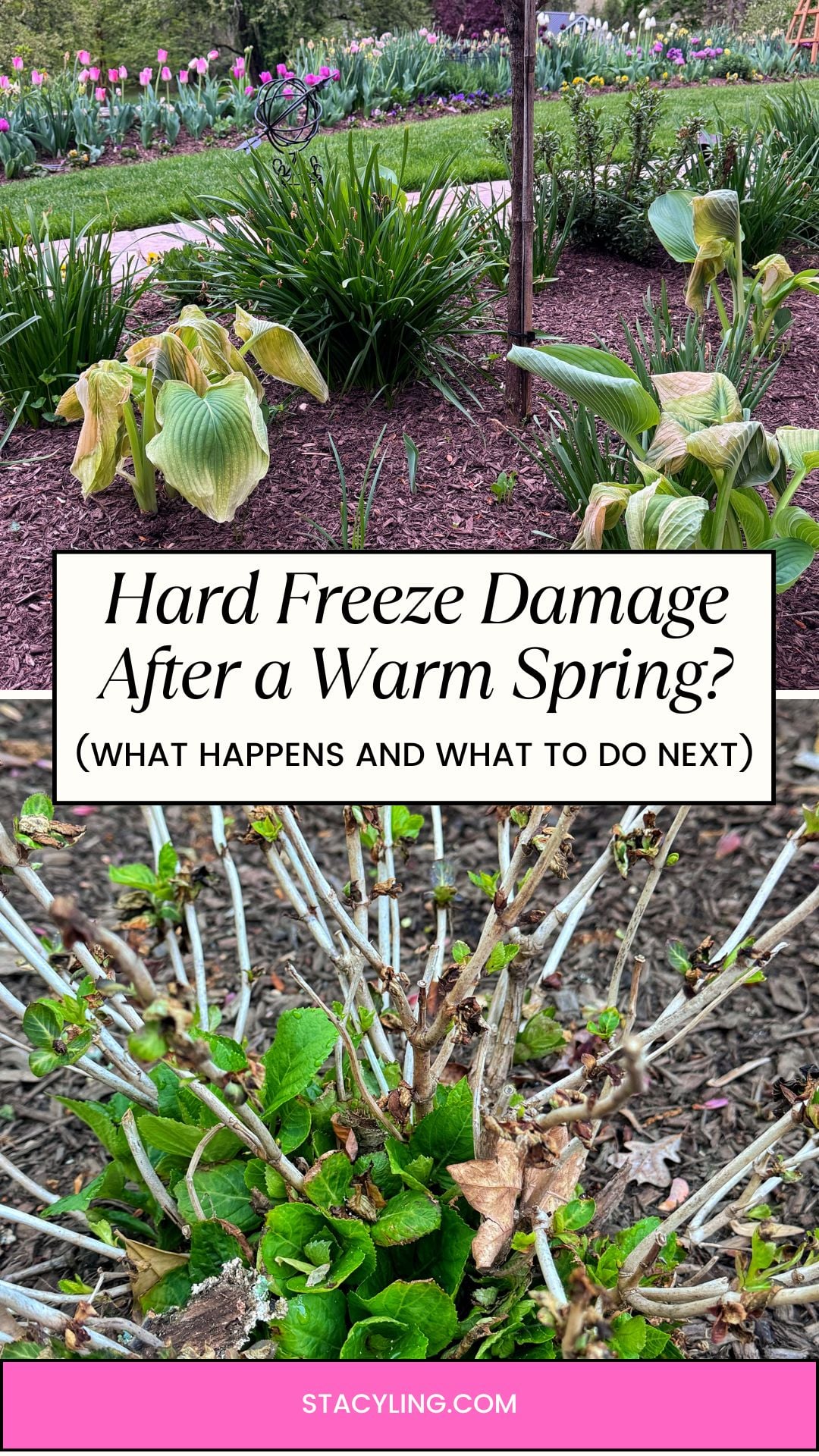
My hostas had just started to emerge and were looking great. After the freeze, that fresh foliage yellowed and collapsed. At this point, that damage isn’t something the plant can recover from.
So I left it alone for a few weeks and am just starting to cut it back now as new growth begins to push through. It won’t look like it would have without the freeze, but at least it’s coming back.
Something similar happened with my astilbes. My ‘Dark Side of the Moon’ plants don’t look so great but I’m leaving them be and hoping for the best as we move through May.
Some of the trees are showing stress too, with foliage that looks more like early fall than late spring.
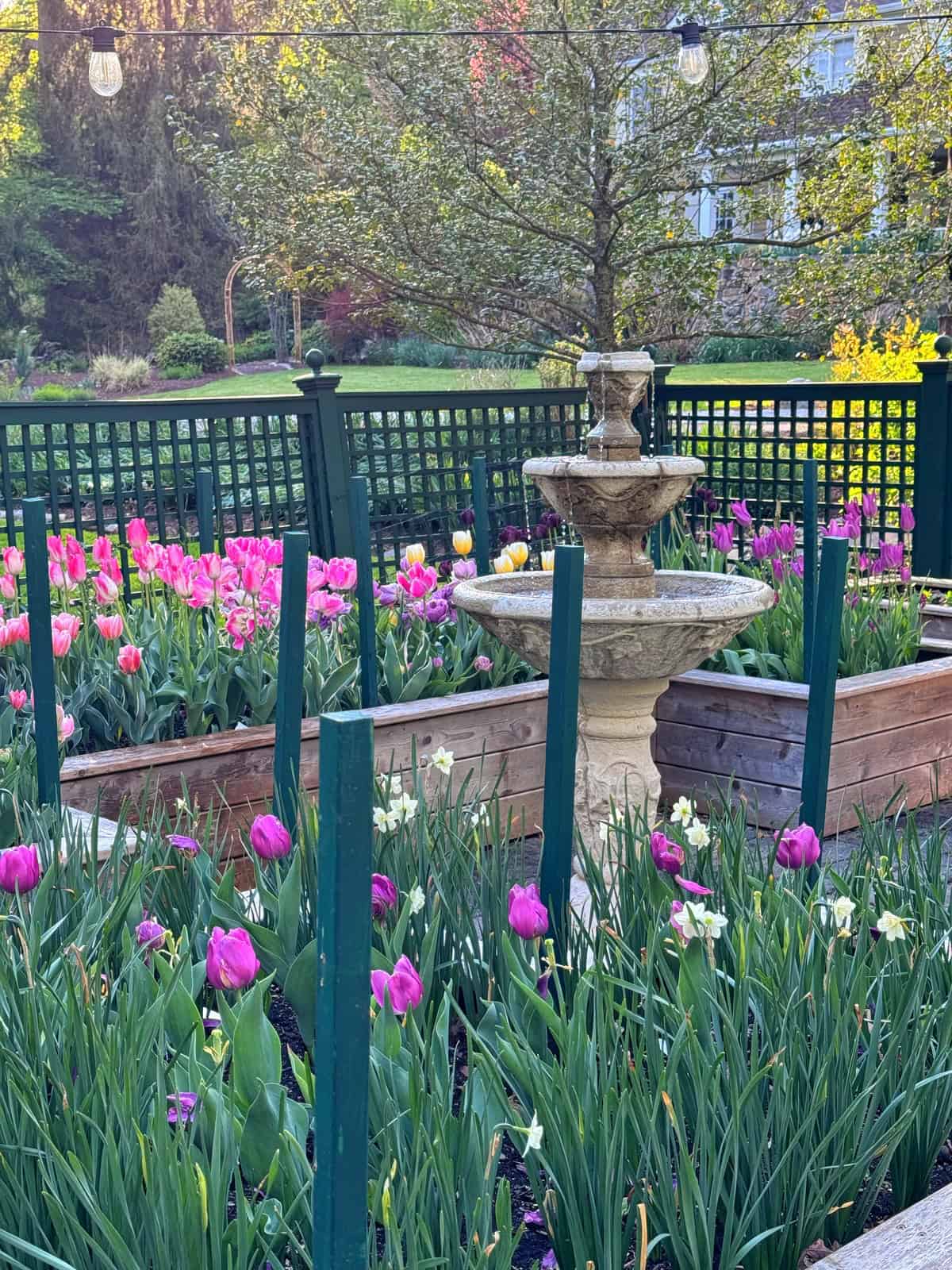
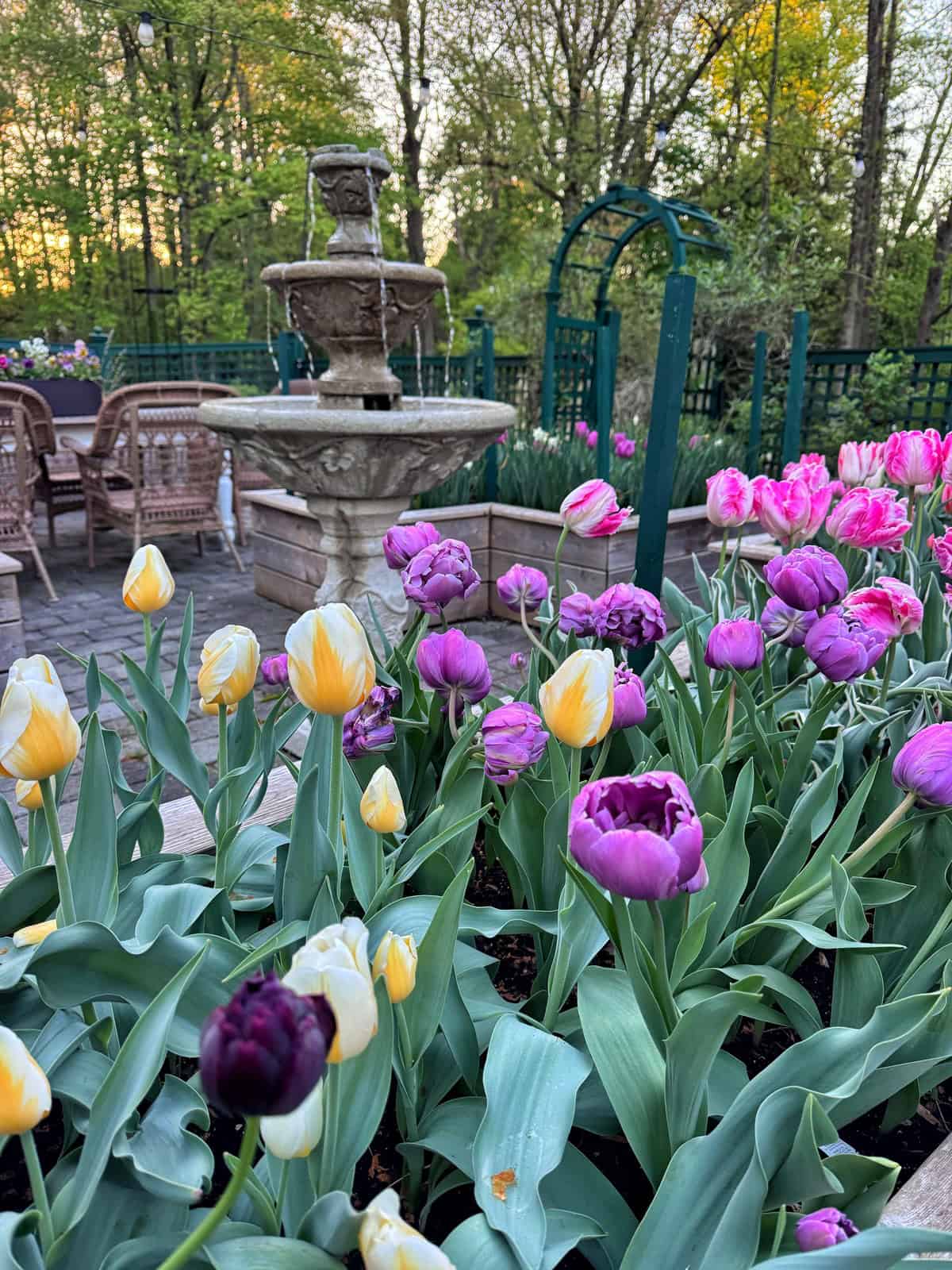
My tulip garden was hit where they were looking pretty sad and droopy the next day, but they wound up rebounding and finished the season surprisingly strong.
And then there are my hydrangeas. Oh my poor hydrangeas.
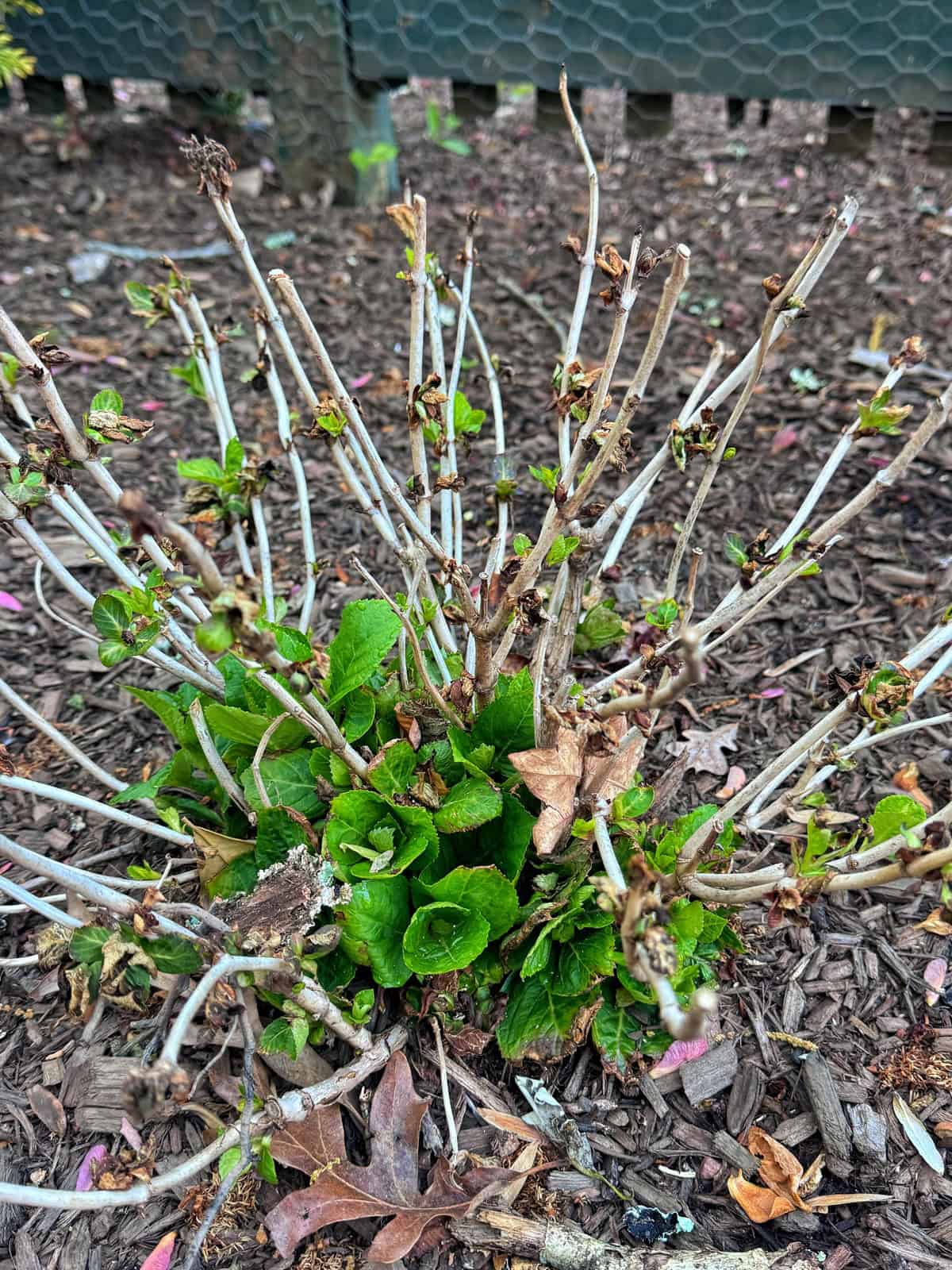
My mophead and mountain hydrangeas had already set buds from last year. Even though I protected my hydrangeas all winter, that late freeze likely hit at exactly the wrong moment. There’s some crispy foliage, and I won’t really know what that means for blooms until a little later in the season.
That’s the hardest part. You can do everything right, and the weather still has the final say.
Should You Cover Plants Before a Freeze?
In theory, yes. If you know a hard freeze is coming, covering plants can help protect tender growth and developing buds.
But in a real garden, especially one that’s large and established, you’re not covering everything. I wouldn’t even know where to begin here, and realistically, I’m not running around trying to wrap every plant before a cold night.
So for me, it comes down to this:
- Cover what you can, especially newly planted or high-value plants
- Prioritize things like hydrangeas in bud or tender annuals
- Let the rest ride
At some point, it really does become survival of the fittest. And this is why it is important to choose what you grow wisely. If a plant can’t recover weather related shifts, it’s enough to consider whether that plant is worth even growing…and I’m looking right at you, ranuculus. (To learn more about why I am not growing ranunculus anymore, read this post here.)
What to Do After a Freeze Hits Your Garden
This is where a lot of gardeners panic, and honestly, I get it. The instinct is to go out and start cutting everything back right away. But that’s not always the best move.
Wait Before Cleaning Up
Damaged foliage might look awful, but it can actually help protect the plant while it recovers. I left my hostas alone for a few weeks before touching them. And my hydrangeas? I won’t touch them for quite some time but I can see damage to foliage.
Watch for New Growth
Once you start to see fresh growth pushing through, that’s your signal that the plant is ready.
Cut Back the Damage
Now that new leaves are emerging, I’m gradually removing the damaged hosta foliage. It’s a slow cleanup, but it lets the plant recover without extra stress.
Be Patient With Flowering Shrubs
With hydrangeas, there’s not much to do right now but wait. If the buds were damaged, you may lose blooms this year, especially on varieties that flower on old wood. But the plant itself is usually fine and will continue to grow.
What This Kind of Spring Really Teaches You
A season like this is a good reminder that gardening isn’t about controlling every outcome. You can protect, plan, and prepare, but weather still has the final word. For me, it reinforces the way I approach my garden. I choose plants that can handle some unpredictability, and I don’t expect every season to be perfect.
Some years are just better than others.
Final Thoughts About How a Wild Spring Can Wreak Havoc in the Garden
This kind of weather can make even experienced gardeners feel like they’re starting over. But it’s also part of gardening in a climate like New Jersey. Temperature swings happen, and plants respond the way they’re built to.
The good news is that most plants will recover, even if they don’t look the way you expected this year. I’m already seeing new growth pushing through where things looked completely done just a few weeks ago.
It may not be the garden I had in mind earlier this spring, but it’s still growing. And sometimes, that’s more than enough.
Thank you for visiting the blog today!
Enjoy your day! xo

Originally Published . Last Updated .
