
Vegetables and Herbs I’m Winter Sowing This Year

After years of buying transplants, I’m winter sowing vegetables and herbs alongside my flowers for a productive kitchen garden.
Vegetables and Herbs I’m Winter Sowing This Year
For most of my gardening life, I never gave much thought to winter sowing vegetables or herbs. I grew plenty of food, but I relied almost entirely on nursery transplants when it came time to plant the garden. Any indoor growing space I had was reserved for flowers, and buying vegetable and herb starts felt like the simplest, most reliable option.
That mindset began to change once I started winter sowing flowers and saw just how well the method worked. The seedlings were strong, resilient, and far less fussy than anything I had started indoors under lights. After years of success with flowers, curiosity finally pushed me to experiment with cool-season vegetables and root crops using the same approach.
Last year was my first real test. I winter sowed leafy greens, brassicas, and even carrots, fully expecting mixed results. Instead, the vegetables performed far better than I anticipated. Germination was strong, the seedlings handled spring weather beautifully, and the process fit naturally into how I already garden.
This season, I’m leaning into winter sowing in a bigger way. I’m growing more varieties than ever, including vegetables and herbs I’ve never tried before, with the intention of planting them right alongside my flowers in my potager-style kitchen garden.
I still use the same straightforward winter sowing method I’ve relied on for years, but now I’m applying it beyond flowers to support a more productive and cohesive kitchen garden.
What follows is a look at the vegetables and herbs I’m winter sowing this year, why I chose them, and how they fit into the way I garden now.
(Posts on stacyling.com may contain affiliate links. Click HERE for full disclosure.)

Why I Never Used to Winter Sow Vegetables or Herbs
For a long time, winter sowing vegetables simply did not make sense for how I gardened. Even though I had years of experience growing vegetables and herbs, my indoor seed-starting space was always limited, and I chose to use it for flowers. Vegetables and herbs felt easier to outsource. I could buy healthy transplants at the nursery, plant them out quickly, and move on to everything else competing for my attention in the garden.
That approach worked well for many seasons. Nursery-grown vegetable starts are convenient, predictable, and readily available in spring. When you are balancing garden time with family life and other responsibilities, there is real value in choosing the most efficient path. For me, that meant focusing my energy on growing flowers from seed and letting the nursery handle the rest.
I also did not feel any pressure to grow everything myself. The garden was productive, the harvests were good, and there was no obvious reason to change what was already working. Winter sowing vegetables felt unnecessary when transplants were easy to find and my indoor growing space was already spoken for.
Looking back, this phase of my gardening life made sense. It gave me strong foundational experience with vegetables and herbs without overcomplicating the process. What I did not realize at the time was that once winter sowing proved itself with flowers, it would quietly open the door to growing food crops in a way that fit seamlessly into the system I had already built.
To learn more about how I winter sow flowers, vegetables, and herbs, please visit: Winter Sowing Seeds Outdoors

What Changed After Winter Sowing Flowers
Winter sowing flowers completely shifted how I thought about starting plants from seed. Year after year, the seedlings were strong, well-adapted to outdoor conditions, and far less finicky than anything I had grown indoors. The process fit easily into my gardening rhythm and required very little hands-on maintenance once the containers were set outside.
As those flower seedlings grew, I started paying closer attention to how well they handled temperature swings, wind, and early spring weather. They were sturdy from the start, and transplanting them into the garden felt almost effortless. That kind of resilience made me wonder why I was limiting the method to flowers alone.
Curiosity eventually won out. If winter sowing worked this well for flowers, I wanted to see how cool-season vegetables would respond. Leafy greens and brassicas seemed like a logical place to start, and even root vegetables like carrots felt worth experimenting with. I approached it as a low-risk test, fully expecting a learning curve.
What surprised me most was how naturally the vegetables fit into the process. Germination was strong, growth was steady, and the seedlings transitioned into the garden without hesitation. Instead of feeling like an extra step, winter sowing vegetables felt like a continuation of a method I already trusted.
That first successful season changed my perspective entirely. Winter sowing was no longer just a flower-growing technique. It became a practical, reliable way to expand what I could grow from seed while supporting the kind of kitchen garden I was trying to build.
Testing Cool-Season Vegetables Last Year and What Worked
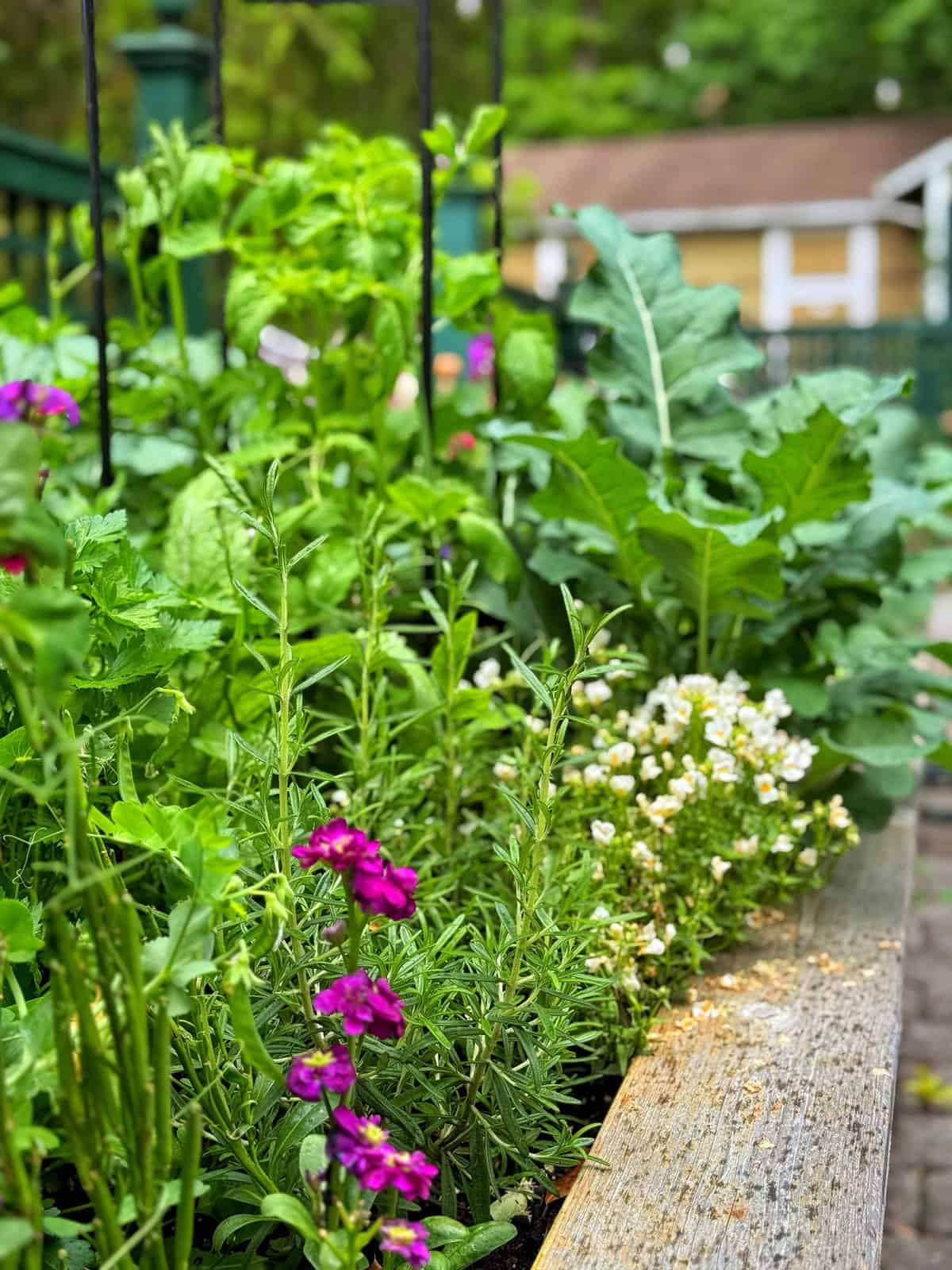
Last year was the season that really confirmed winter sowing could work for vegetables in my garden. I focused on cool-season crops that made sense for early planting and that I already knew how to grow well in the garden. Leafy greens like lettuce, spinach, and kale were the first to go, followed by brassicas such as broccoli and cabbage.
From the start, the results were encouraging. Germination was consistent, and the seedlings emerged sturdy and compact rather than leggy or fragile. Because they were exposed to natural conditions from the beginning, they handled fluctuating spring temperatures without any issues. There was no hardening-off process to manage, which made transplanting much easier once the garden was ready.
Carrots were the biggest surprise. Root vegetables are often thought of as tricky to start, and I was not sure what to expect. But winter sowing worked beautifully. The seeds germinated when conditions were right, and the seedlings established themselves without the setbacks I sometimes see with direct sowing.
By the time everything went into the garden, the plants felt well prepared for real growing conditions. Growth was steady, and the early start allowed the garden to fill in sooner than usual. That season showed me that winter sowing was not just possible for vegetables, but genuinely effective.
Those results gave me the confidence to expand what I grow this way. Instead of treating winter sowing as an experiment, it became a method I could rely on for building a productive kitchen garden from the very beginning of the season.
The Vegetables I’m Winter Sowing This Year
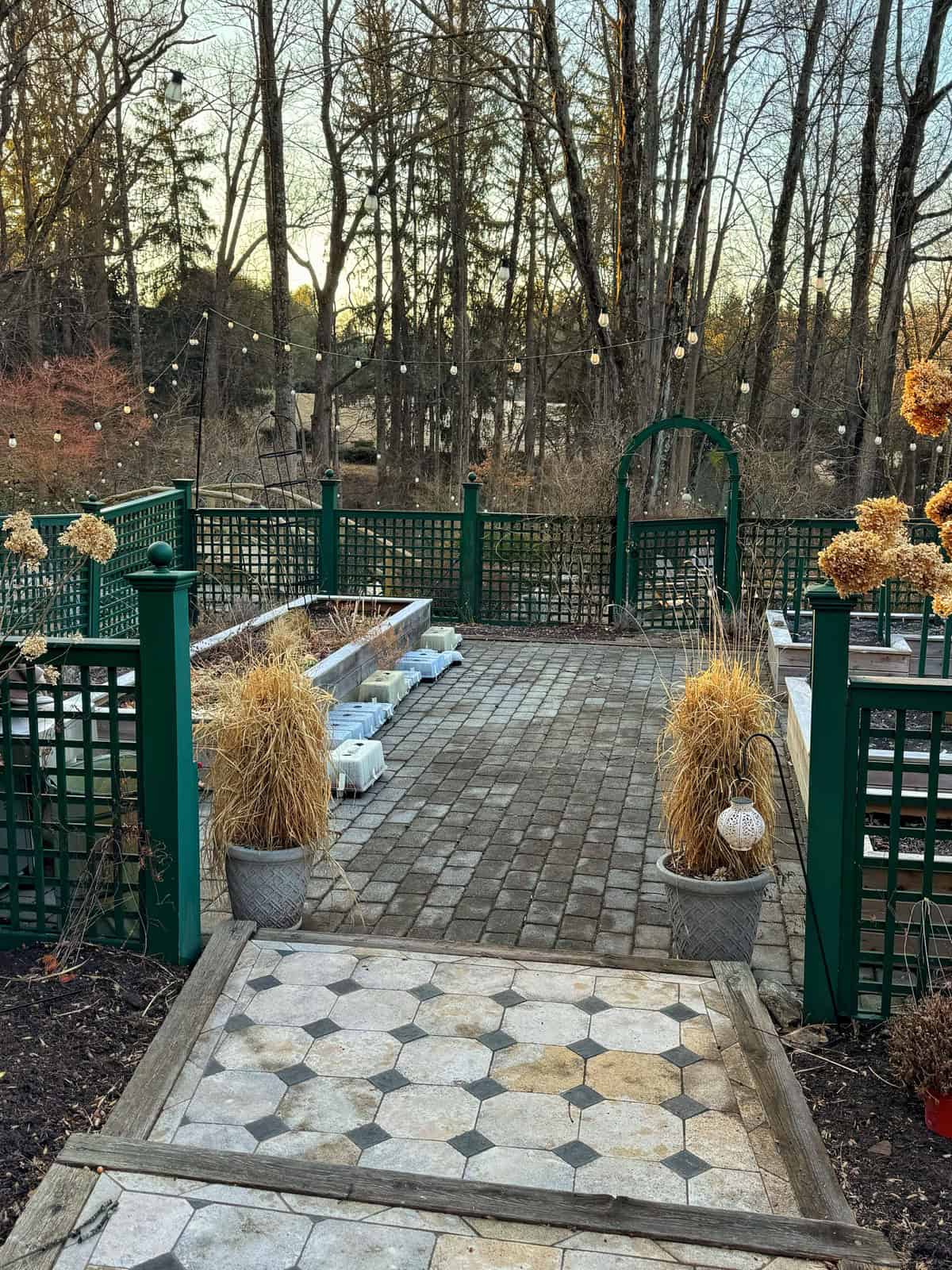
After seeing how well winter sowing worked last season, I decided to lean into it fully this year. Instead of limiting myself to a small trial, I planned my winter sowing with the intention of supporting my kitchen garden from the very beginning of the season. That meant choosing vegetables that benefit from an early start, handle cool conditions well, and fit naturally into how I plant and use my garden.
This year’s list includes a mix of reliable favorites and a few varieties I’ve never grown before. I’m especially excited about experimenting with more colorful options, like purple beans and purple carrots, which feel like a natural extension of growing vegetables alongside flowers. The goal is not just productivity, but a garden that looks good as it grows.
All of these vegetables are being winter sown with the same method I use for my flowers, and they’ll be planted out into raised beds where vegetables, herbs, and flowers are grown together. Rather than separating crops by type, I’m choosing plants that work well together visually and practically, supporting a more cohesive kitchen garden throughout the season.
Below is a closer look at the vegetables I’m winter sowing this year and why each group earned a place in the garden.
Leafy Greens I’m Winter Sowing
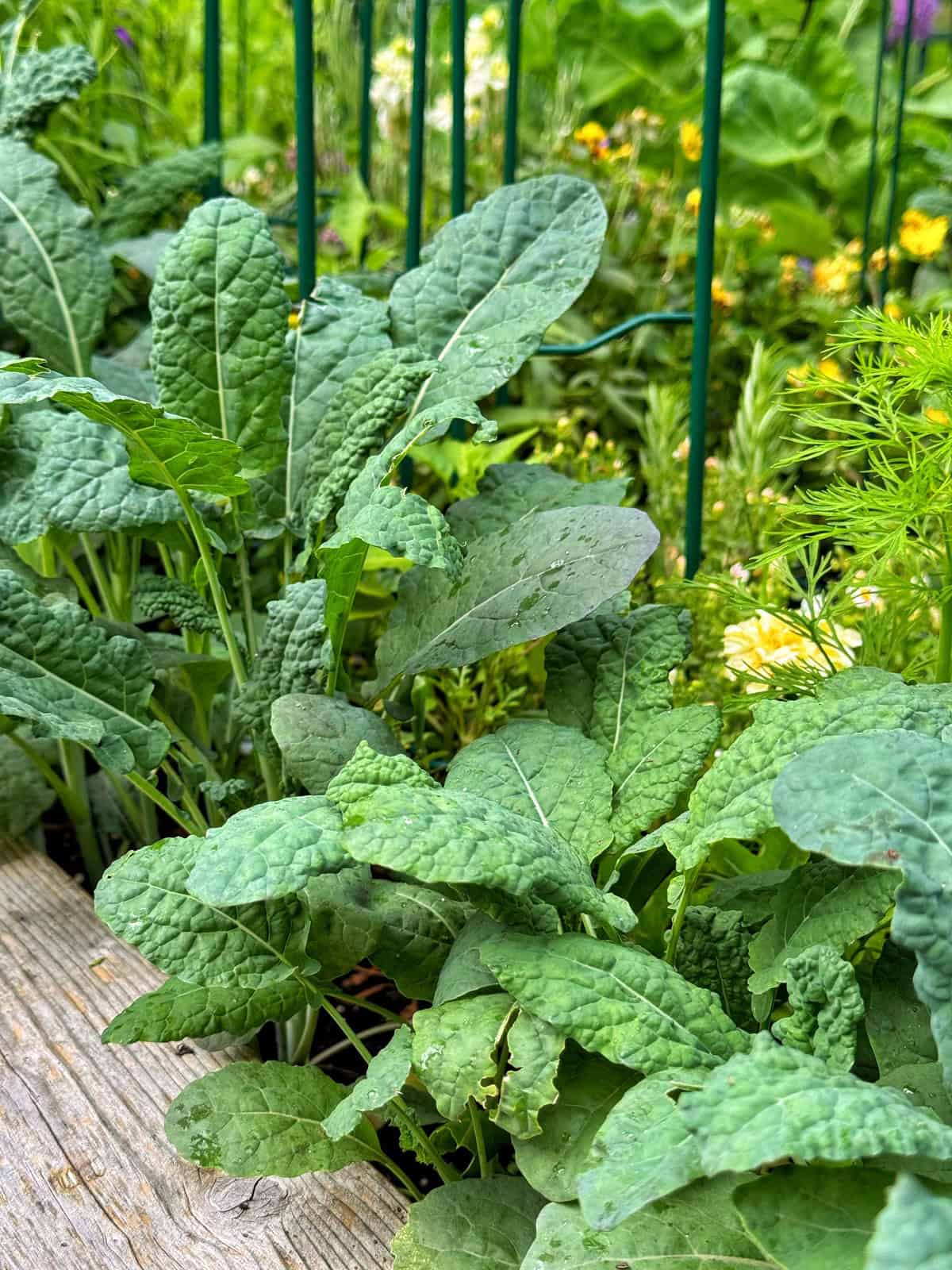
Leafy greens are some of the vegetables I feel most confident winter sowing. They tolerate cool temperatures well, germinate reliably, and benefit from getting an early start outdoors. Because they grow quickly and don’t require a long season to mature, they fit naturally into my kitchen garden plan.
This year, I’m winter sowing lettuce, spinach, kale, and Swiss chard. These are vegetables I use often, and they perform well when started early. Winter sowing allows them to germinate when conditions are right rather than on a fixed indoor schedule, which has made a noticeable difference in the quality of the seedlings.
Lettuce and spinach are especially well suited to this method. The seedlings emerge compact and sturdy, and they transition easily into the garden without stress. Kale and Swiss chard benefit from the same early exposure to outdoor conditions, resulting in plants that hold up well through spring weather changes.
These leafy greens will be planted densely in my raised beds, mixed in among flowers and herbs. That approach helped reduce weeds and improve overall productivity last season, and it also keeps the garden looking full and intentional early on. Having these greens established early means I can start harvesting sooner while the rest of the garden is still filling in.

Brassicas I’m Winter Sowing
Brassicas are another group of vegetables that feel especially well suited to winter sowing. They prefer cooler temperatures, tolerate light frosts, and benefit from steady, early growth rather than being rushed under lights indoors. After seeing how well they performed last year, they were an easy choice to expand on this season.
This year, I’m winter sowing cabbage, broccoli, and cauliflower. These are vegetables I typically rely on nursery transplants for, but winter sowing has given me a way to grow more varieties without sacrificing indoor growing space. The seedlings develop slowly and steadily, which seems to result in stronger plants once they’re transplanted into the garden.
Cabbage has been one of the most rewarding brassicas to grow this way. The seedlings establish quickly and handle early spring conditions without issue. Broccoli and cauliflower benefit from the same gradual start, and winter sowing allows them to size up before warmer temperatures arrive.
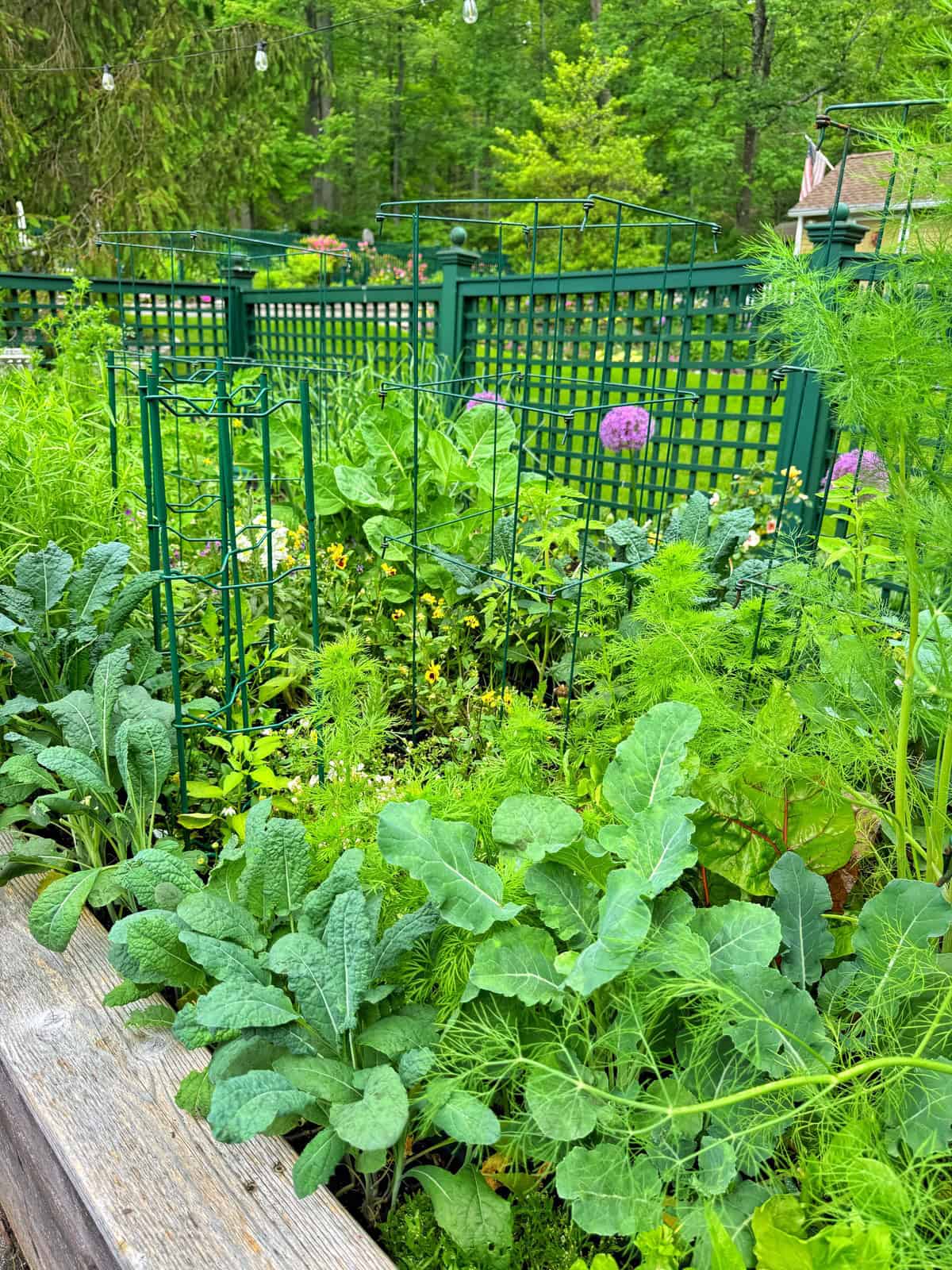
These brassicas will be planted into the raised beds alongside flowers and herbs, rather than being isolated in their own space. Blending them into the garden helps soften their appearance and keeps the beds productive early in the season, while still allowing plenty of room for growth as the plants mature.

Root Vegetables I’m Winter Sowing
Root vegetables were the biggest wildcard for me when I first started winter sowing vegetables. They’re often described as finicky, and I wasn’t sure how they would respond to being started this way. Carrots, in particular, felt like a gamble.
That experiment paid off far better than I expected.
Last year, winter-sown carrots germinated reliably and established themselves without the setbacks I sometimes see with direct sowing. The seedlings emerged when conditions were right, grew steadily, and settled into the garden without stress. Seeing that success completely changed how I think about starting root crops.
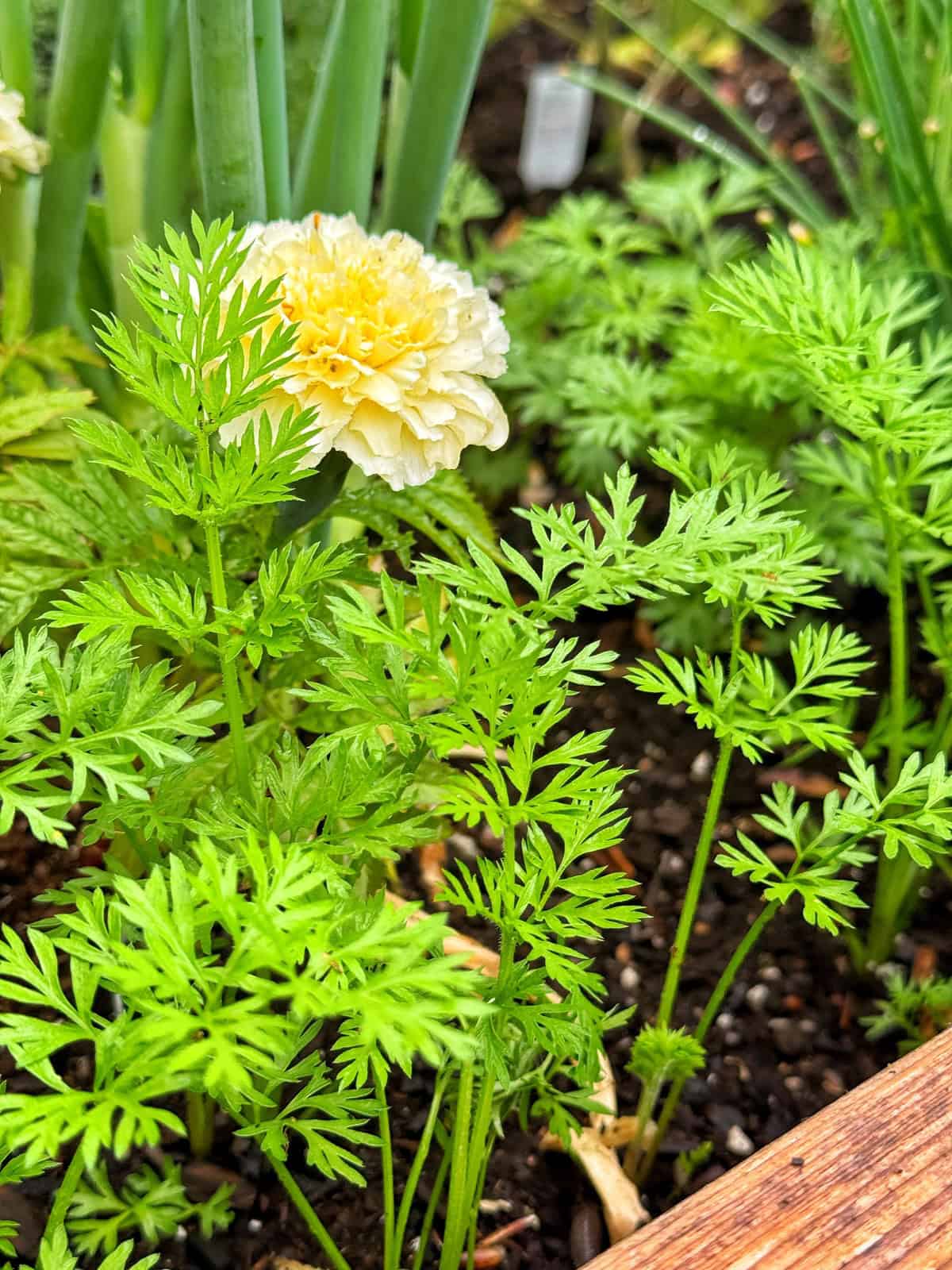
This year, I’m winter sowing carrots again, including several colorful varieties like purple carrots. Growing more visually interesting vegetables feels like a natural extension of blending edibles with flowers in the garden. They add another layer of interest while still being practical and productive.
Winter sowing has taken much of the uncertainty out of growing carrots for me. Instead of racing the weather or re-sowing patchy rows, I’m starting with healthy seedlings that are ready to grow once they’re planted out. That reliability is exactly what makes this method so appealing for crops I plan to grow every year.
Beans I’m Winter Sowing
Beans are one of the vegetables I’m most excited to experiment with this year. Traditionally, I’ve direct sown beans in the garden once the soil warms, but after seeing how well other vegetables responded to winter sowing, I decided it was worth trying a different approach.
This season, I’m winter sowing beans, including several purple varieties. Part of the appeal is practical. Starting them this way allows me to plan bed space more intentionally and have plants ready to go once conditions are right. But there’s also a visual element to the decision. Purple beans bring color and interest into the garden, which fits naturally with the way I’m blending vegetables and flowers together.
Because beans grow quickly, winter sowing them feels like a low-risk experiment. Even if some varieties take longer to get going, the payoff of having sturdy seedlings ready to plant early is worth exploring. Based on how well other crops have handled this method, I’m optimistic about the results.
Beans will be woven into the raised beds alongside flowers and herbs, supported by arches and vertical elements that help maximize space while adding structure to the garden. They’re another example of how winter sowing is helping me think more creatively about both timing and design in my kitchen garden.

The Herbs I’m Winter Sowing
When it comes to herbs, winter sowing has helped me be more intentional about which ones truly belong in my kitchen garden. I’m not trying to winter sow everything. Instead, I’m focusing on herbs that prefer cooler conditions and tend to bolt quickly once temperatures rise.
This year, I’m winter sowing dill and cilantro. Both are herbs I use often, but they can be frustrating to grow if they’re started too late or hit with warm weather too early. Winter sowing allows them to germinate when conditions are right and establish themselves before spring temperatures start climbing.
Starting these herbs outdoors from the beginning has made a noticeable difference for me. The seedlings grow sturdy and adapt easily to the garden, and I’m able to harvest them earlier and more consistently. Because they’re already acclimated to outdoor conditions, there’s no need to baby them along once they’re planted out.
Dill and cilantro will be tucked in throughout the raised beds, filling gaps between vegetables and flowers. They act as natural connectors in the garden, softening edges while still earning their place as useful, productive plants. Winter sowing them fits seamlessly into how I’m planning and planting my kitchen garden this year.

Why I’m Going All In on Winter Sowing This Year
After last season, winter sowing stopped feeling like an experiment and started feeling like a reliable part of how I garden. Seeing how well vegetables and herbs performed alongside my winter-sown flowers gave me the confidence to expand this approach and use it more intentionally across the garden.
This year, I’m growing more varieties than ever, including vegetables I’ve never grown before. Choosing things like purple beans and purple carrots isn’t just about novelty. It’s about creating a kitchen garden that feels cohesive, productive, and visually interesting from the very beginning of the season. Winter sowing makes that possible without adding complexity or taking up valuable indoor growing space.
What I appreciate most about this method is how naturally it fits into the way I garden now. I’m not trying to start everything at once or force plants to grow on a schedule that doesn’t suit them. Instead, seeds germinate when conditions are right, seedlings grow strong from the start, and the garden fills in at its own pace.
Winter sowing also supports the way I’m planting more densely and blending vegetables, herbs, and flowers together. Having sturdy seedlings ready early makes it easier to plan bed space, reduce gaps, and keep the garden productive while still allowing it to look good as it grows.
At this point, winter sowing isn’t something I’m testing on the side. It’s a method I trust, and this year I’m leaning into it fully as part of building the kitchen garden I’ve been working toward for the last several seasons.


How These Plants Fit Into My Kitchen Garden
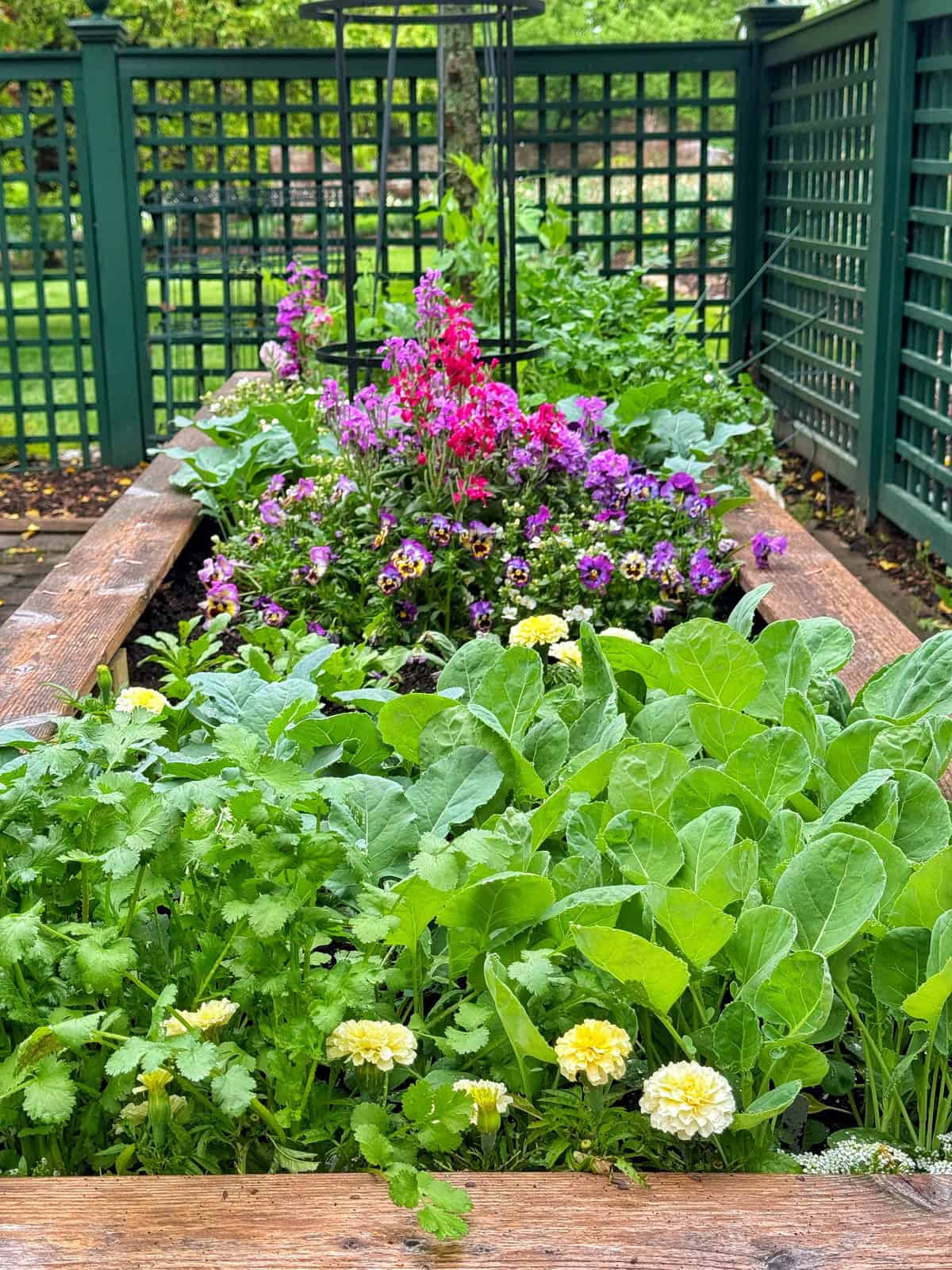
All of the vegetables and herbs I’m winter sowing this year are being grown with my kitchen garden layout in mind. Rather than treating edibles as a separate area, they’re planned alongside flowers in the raised beds, with two beds primarily dedicated to vegetables and herbs and flowers woven throughout.
Winter sowing makes this approach easier to manage. Because the seedlings are sturdy and well adapted to outdoor conditions, I can plant them out with confidence and plan bed spacing more intentionally. Dense planting has helped reduce weeds, improve productivity, and keep the garden looking full early in the season, which is especially important in a space where function and aesthetics matter equally.
Blending vegetables, herbs, and flowers also supports how I actually use the garden. Leafy greens and herbs are easy to harvest as needed, brassicas and root crops anchor the beds, and flowering plants fill in gaps while supporting pollinators. Winter sowing allows everything to get started early enough that the garden comes together as a cohesive whole rather than in stages.
This method fits naturally into the way I garden now. It supports early harvests, flexible planning, and a kitchen garden that works visually and practically from spring through fall.


Final Thoughts on Winter Sowing Vegetables and Herbs
Winter sowing vegetables and herbs has changed how I think about starting plants from seed. What began as a method I used exclusively for flowers has grown into a reliable way to support my kitchen garden as a whole. It’s allowed me to grow more varieties, experiment with plants I’ve never tried before, and build a garden that feels productive without being overly complicated.
If you’re new to winter sowing, the winter sowing method I use is simple and adaptable, and I walk through it step by step in my guide here.
For me, winter sowing has been less about doing more and more about doing things differently. It’s helped expand what I grow from seed, shaped how I plan the garden each season, and supported the kind of potager-style kitchen garden I’ve been slowly building over time.
If you’re curious how this approach fits into the bigger picture, I also share more about how winter sowing expanded what I grow from seed and how I plan my kitchen garden before the season begins, both of which connect directly to how these plants are chosen and used.
Winter sowing vegetables and herbs isn’t about growing everything yourself or chasing perfection. It’s about finding a method that fits your space, your schedule, and how you actually garden. For me, it’s become an essential part of building a kitchen garden that’s productive, flexible, and enjoyable to grow in year after year.
Thank you for visiting the blog today!
Enjoy your day! xo



Originally Published .
