
My Tulips Aren’t Low Maintenance… But I Keep Planting Them Anyway

Tulips are low-maintenance to grow, but keeping them full year after year takes some effort. See how I grow 1,000+ tulips and why I keep planting them.
Tulips are actually pretty low-maintenance to grow. Plant them in fall, give them decent soil and sunlight, and they’ll reward you with beautiful blooms in spring with very little effort.
But keeping tulips looking full, lush, and consistent year after year? That’s where things get a little more complicated.
After years of gardening in my Zone 6b Northeast garden, I’ve learned that while tulips are easy to grow, they don’t always behave like true low-maintenance perennials. Even so, I plant about 1,000 tulips every year and continue adding more each fall because the spring display is absolutely worth it.
If you’re looking for the full step-by-step on planting and caring for them, I share everything in my guide to growing tulips for spring blooms. But this post is a little different. This is how I actually grow them in my garden, trade-offs and all.
(Posts on stacyling.com may contain affiliate links. Click HERE for full disclosure.)
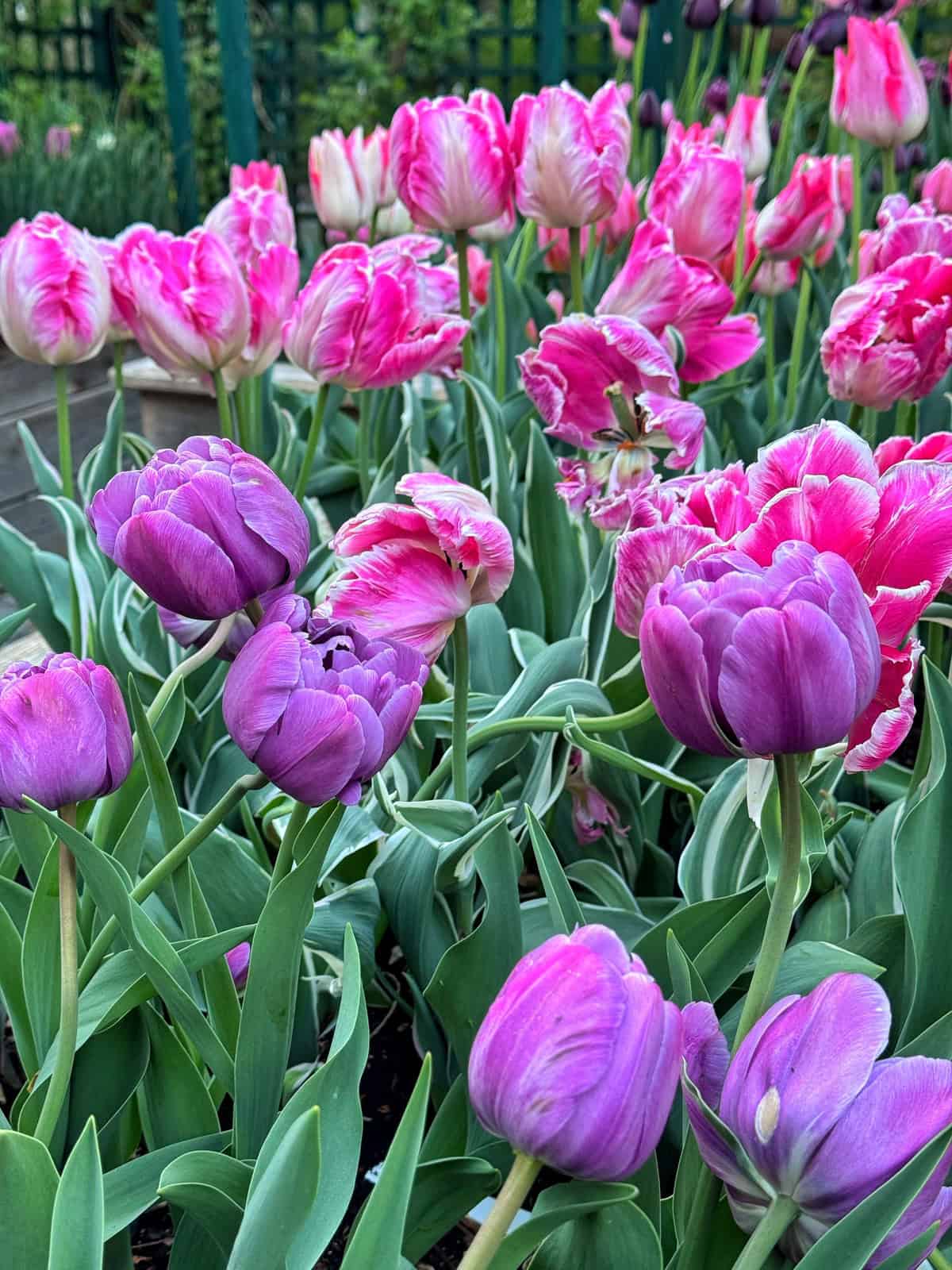
The Reality of Growing Tulips
Tulips are easy to grow. That part hasn’t changed.
Plant them in fall, give them decent soil and sunlight, and they’ll reward you with beautiful blooms in spring with very little effort. That’s why I’ve always considered them a great choice for gardeners who want big impact without a lot of work upfront.
But over time, I’ve learned that there’s a difference between easy to grow and effortless to maintain.
In certain areas of my garden, especially where I want that full, lush look, tulips don’t always return the way I want them to.
Some varieties come back smaller.
Some bloom sparsely.
Some disappear altogether.
And for me, that matters.
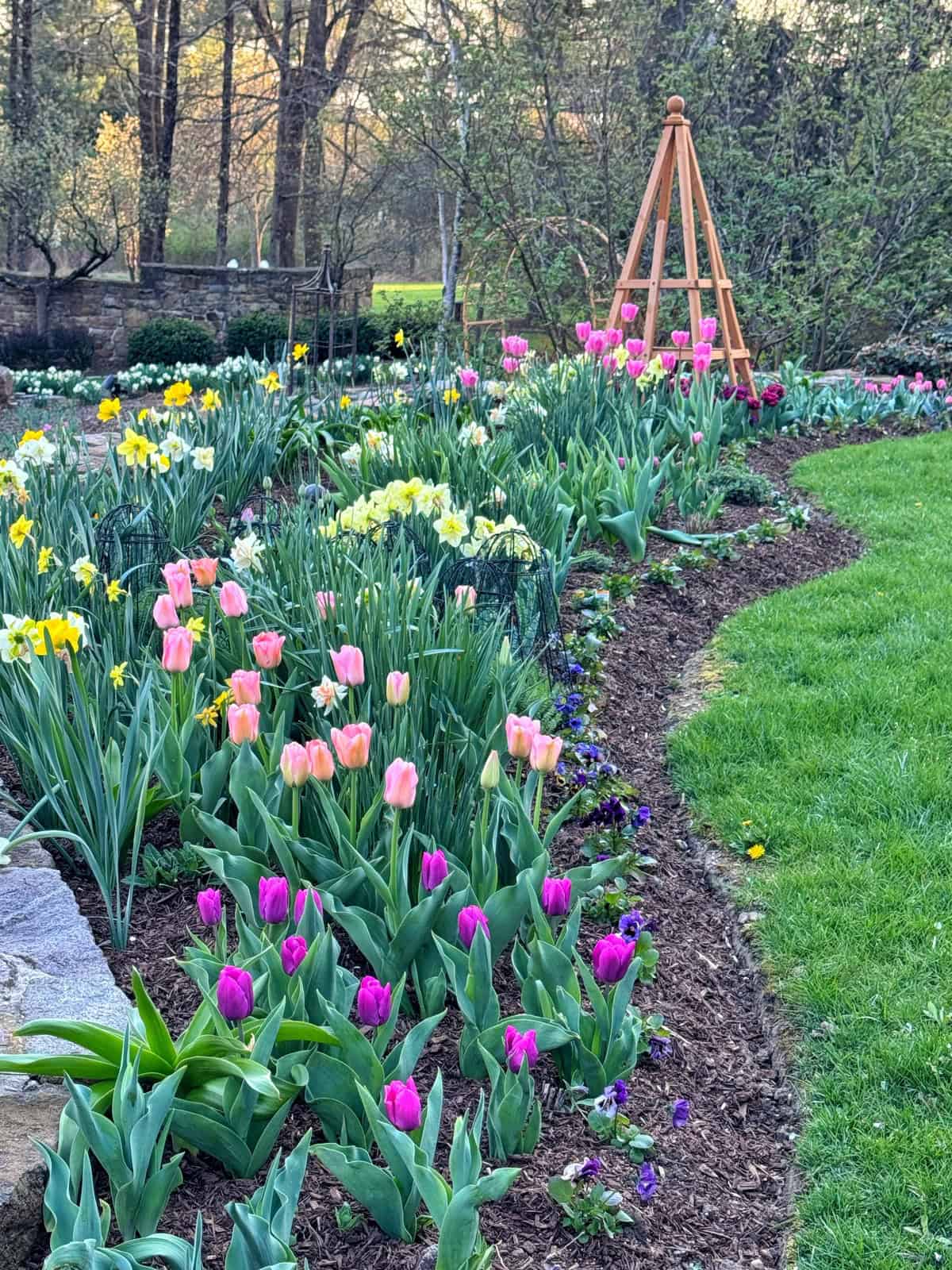
My Not-So-Low-Maintenance System
So I’ve developed my own system for growing tulips.
Is it more work? Absolutely.
Does it still fit within a low-maintenance gardening approach? In some ways, yes. In others, not so much.
To make room for summer annuals, I often dig up many of my tulips before the foliage fully dies back. I relocate them to other areas of the garden where they can continue to yellow and recharge naturally.
Then in my main display beds, I replant fresh bulbs each fall to ensure that full, vibrant spring look I love. It’s not the simplest method, but it gives me the results I’m after.
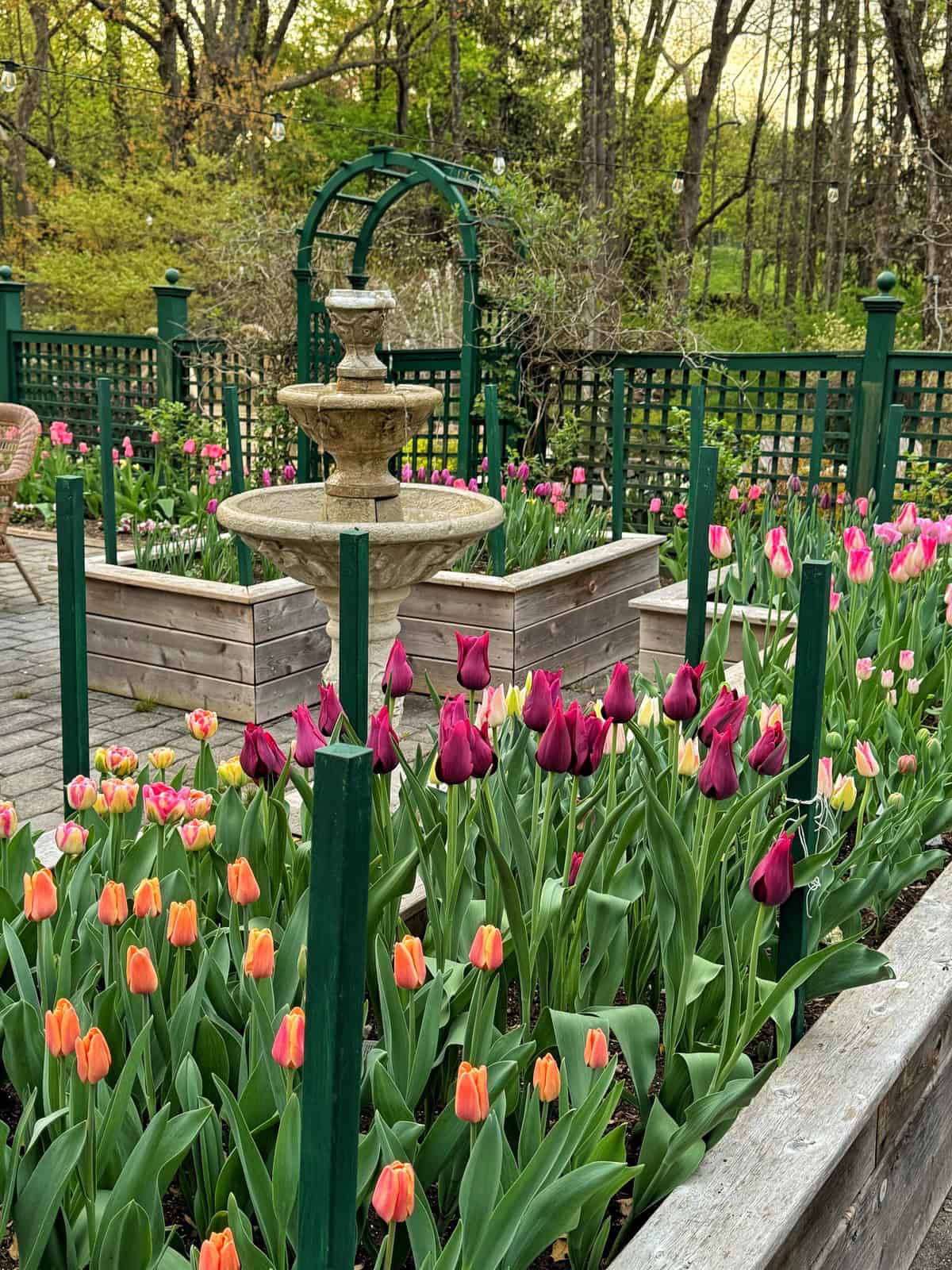
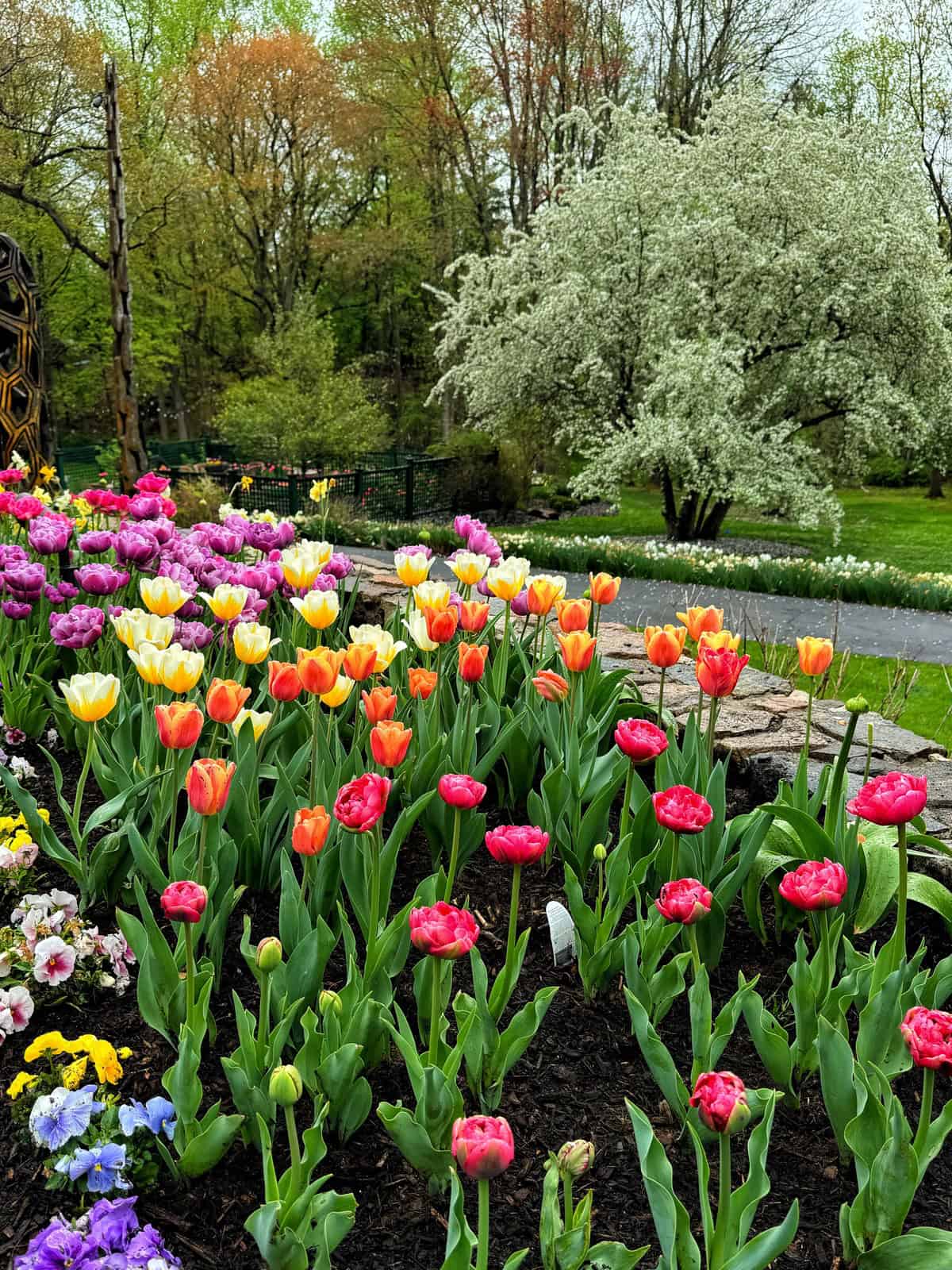
Not All Tulips Perform the Same
One thing I’ve learned over the years is that variety really matters.
Some tulips have a much stronger chance of returning year after year. According to university extension sources, Darwin Hybrid tulips are among the most reliable for colder climates. Fosteriana tulips (Emperor tulips) and species tulips are also known for better perennial performance.
I’ve grown many different types in my own garden and share my favorites in my guide to tulip varieties I grow in my garden, where you can see how they perform in real conditions.
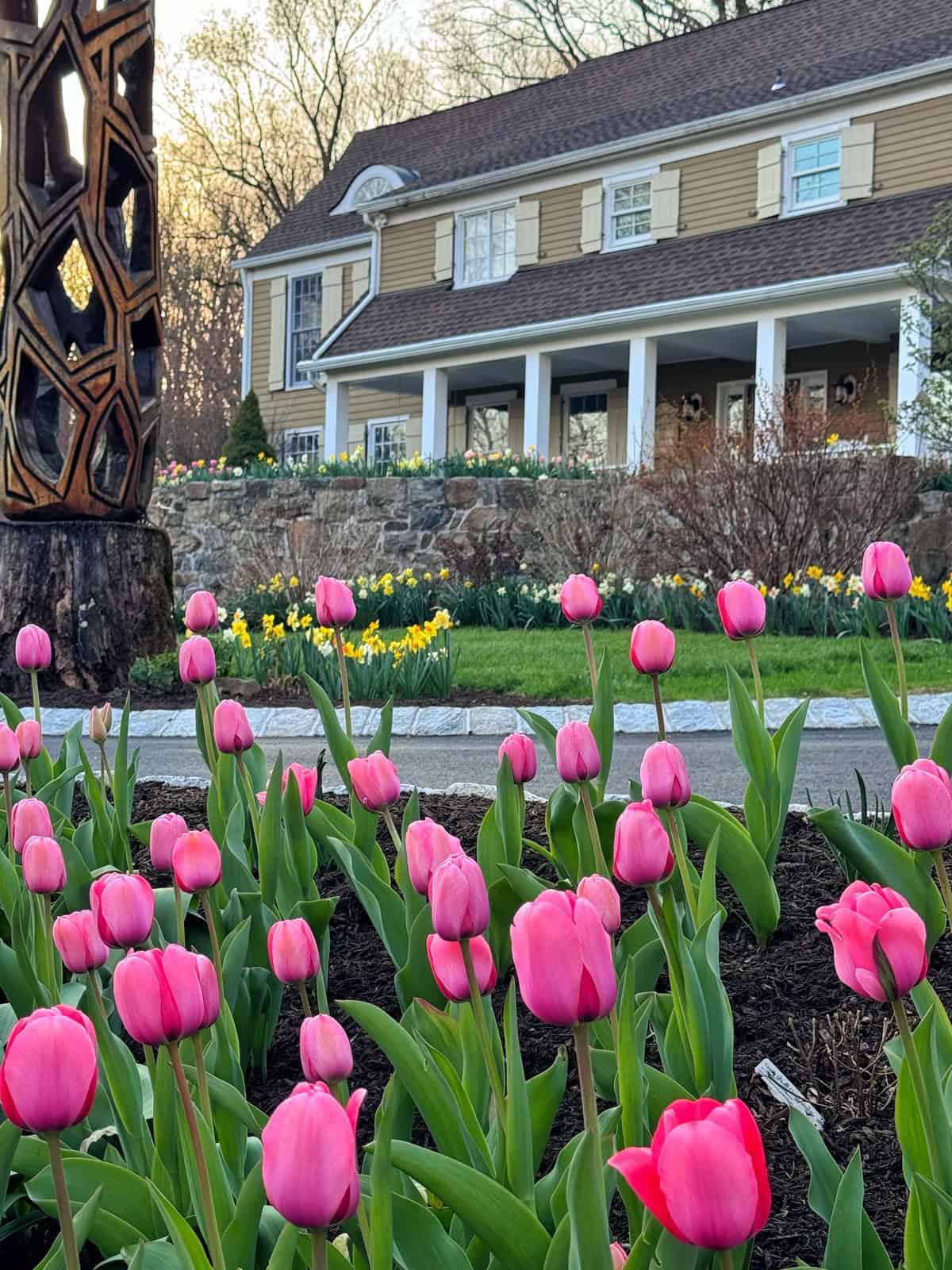
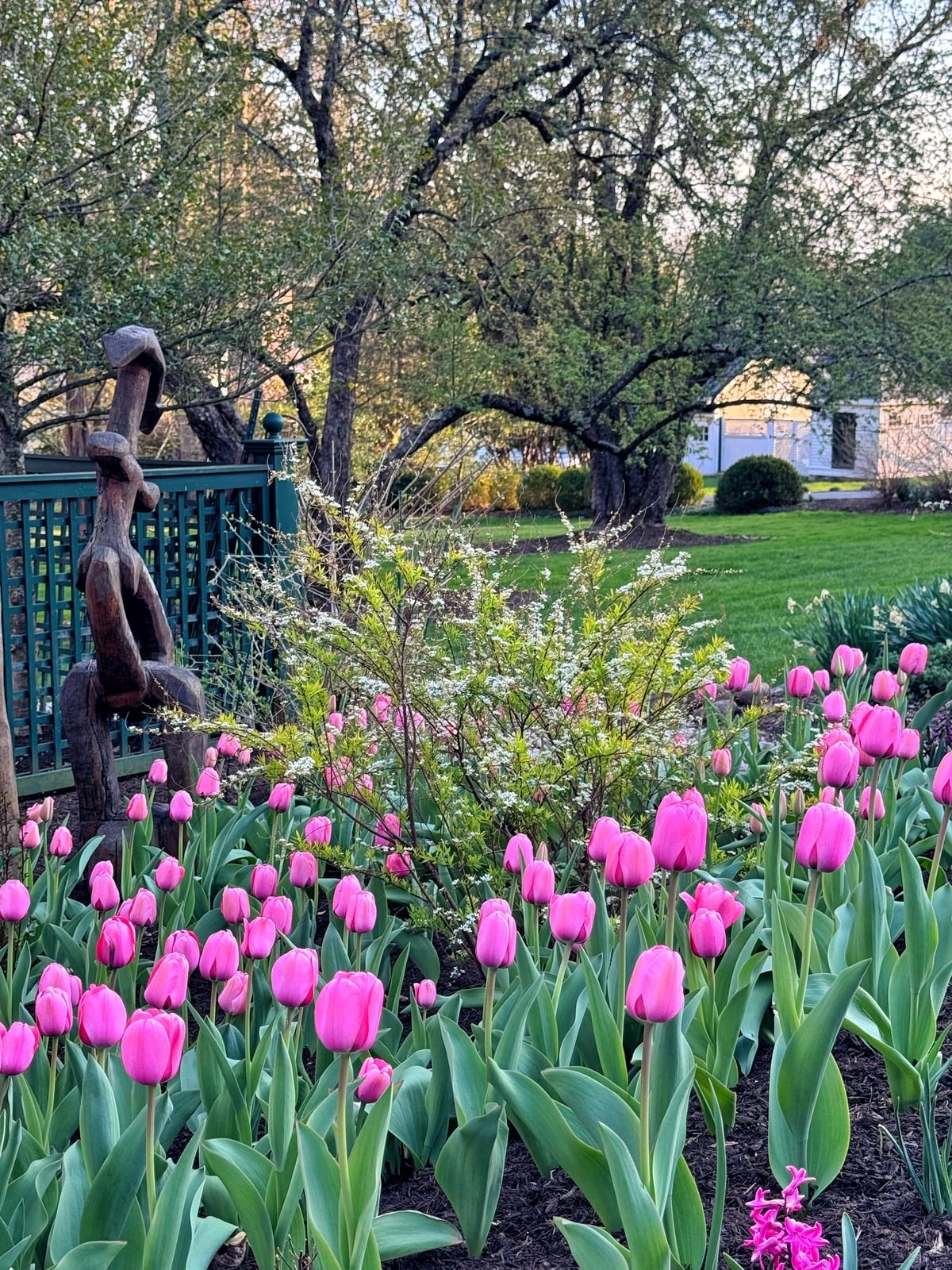
In my beds, Darwin Hybrid ‘Pink Impression’ has been one of the most dependable. Not only does it return, but it has actually multiplied over time, which honestly feels like winning the tulip lottery.
When Tulips Don’t Come Back
Even reliable tulips aren’t guaranteed. One of the biggest challenges in my garden has been rodents digging up bulbs over winter. I’ve had entire plantings disappear, including some of my most dependable varieties.
Squirrels, chipmunks, and other critters seem to treat freshly planted tulip bulbs like a seasonal buffet.
So sometimes when tulips don’t return, it’s not because they weren’t perennial enough. Sometimes they simply became dinner.
Between wildlife, weather, and garden conditions, tulips can be surprisingly short-lived despite their reputation as spring perennials.
Deer Are Part of the Equation Too
As if unpredictable performance and replanting weren’t enough, deer are another factor I have to plan for in my garden.
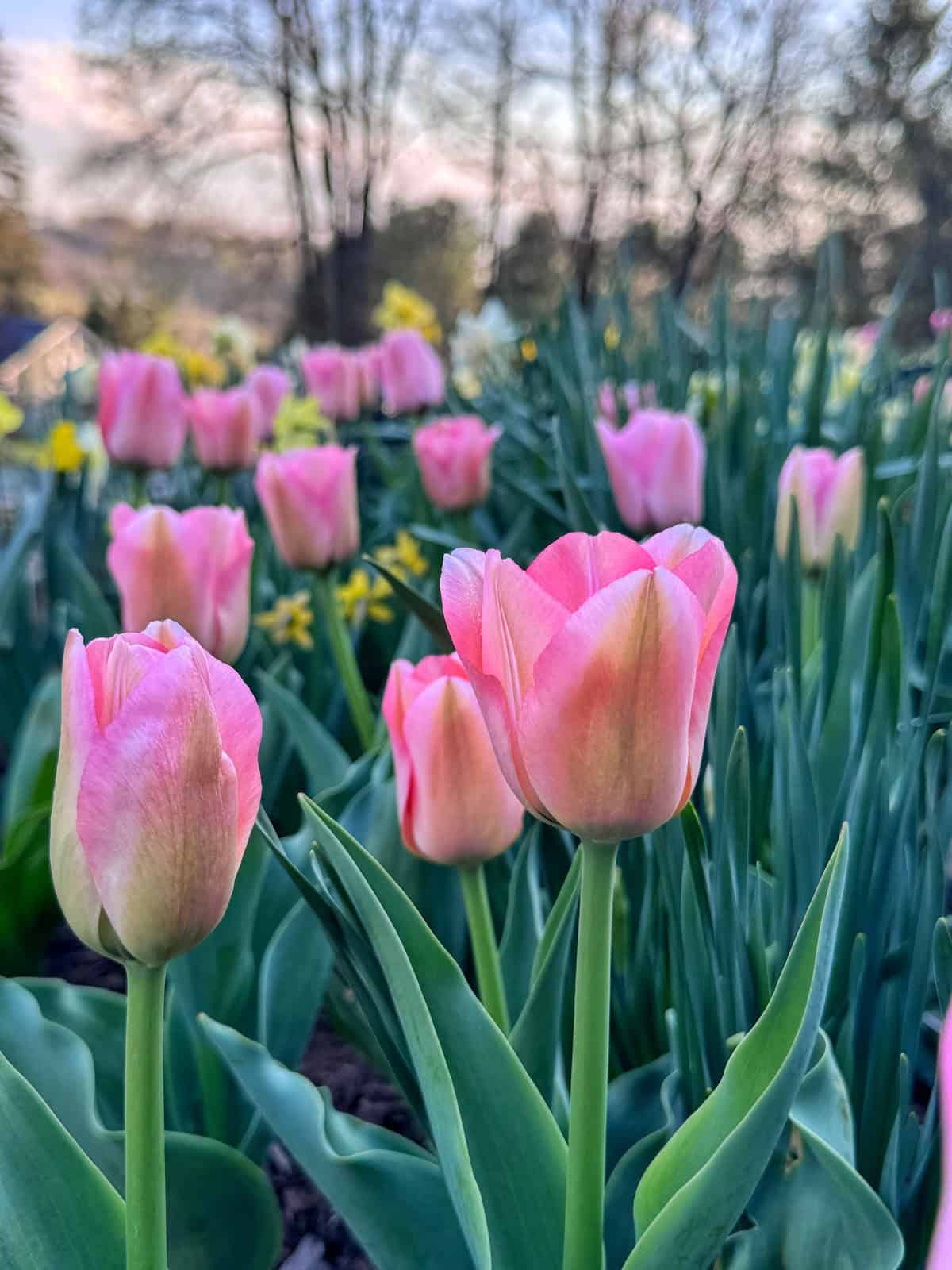
We get regular deer traffic here, and tulips are one of their favorite spring snacks. If I don’t stay on top of it, they can wipe out a planting almost overnight.
So on top of everything else, I also have to consistently spray deer repellent throughout the growing season.
I start applying it as soon as tulip shoots emerge and continue reapplying as the plants grow and begin to form buds. It’s one more step in the process, but it makes a huge difference in protecting those blooms.
I share my full approach to managing deer in my garden in my guide on how to keep deer out of your garden, along with the repellents I’ve tested and had success with.
It’s just another example of how tulips can be low-maintenance in theory… but in a real garden, there are always a few extra layers to consider.

Why I Still Replant Tulips Every Year
Even knowing all of this, I still plant plenty of tulips each fall.
Some of the most spectacular varieties are bred for big, dramatic blooms, not long-term performance. And while I could leave them in place and hope for the best, I’ve learned I’m much happier refreshing certain beds each year.
Especially in my raised beds.
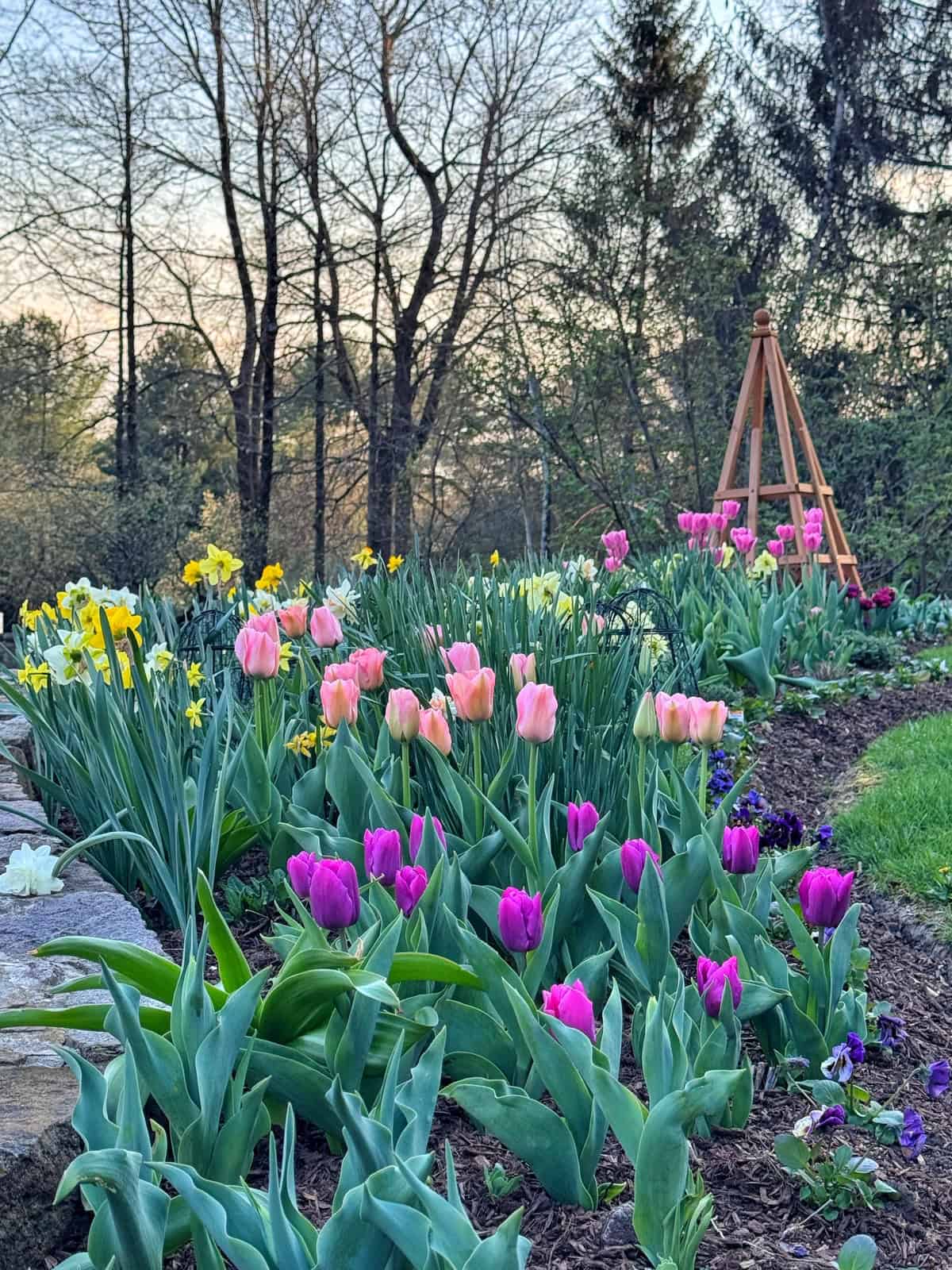
Raised beds drain quickly, warm up faster, and create beautiful growing conditions, but they can also be harder on bulbs long term. Add in changing weather patterns, and tulip longevity becomes even less predictable.
So yes, digging, relocating, and replanting tulips creates extra work.
But for me, it’s worth it.
How This Fits Into My Gardening Philosophy
If you’ve read my book, you know I’m a big believer in creating a garden that works with you, not against you.
And tulips still fit into that philosophy.
They’re easy to plant. They don’t need constant care. And they deliver a huge visual payoff for relatively little effort upfront.
Where I’ve shifted my thinking is in how I use them.
Instead of expecting every tulip to behave like a long-term perennial, I treat some as seasonal design elements. I rely on dependable varieties where I want consistency, and I replant others where I want maximum impact.
It’s a more flexible approach, and honestly, it makes gardening feel a lot more enjoyable.
A Note on Low-Maintenance Gardening (and What Actually Works)
If you’ve ever felt like you’re doing everything right in your garden, but certain plants just don’t perform the way you expected, you’re not alone. Tulips are a perfect example of that.
They’re easy to grow, but figuring out which ones will actually come back strong, which ones fade out, and which beds perform best can feel like a guessing game over time.
That’s exactly the kind of frustration I wrote The Bricks ‘n Blooms Guide to a Beautiful and Easy-Care Flower Garden to solve. It walks you through how to choose the right plants, design your beds, and build a garden that looks beautiful without constant upkeep or second-guessing.
But even with the right plan, your garden is always teaching you something each season.
And if you’re anything like me, you’ve probably thought, “I need to remember that for next year”… and then didn’t.
That’s where The Bricks ‘n Blooms Beautiful and Easy-Care Flower Garden Planner comes in.
Because one of the biggest shifts in my own garden happened when I started tracking what actually worked. Which tulips came back strong, which disappeared, what I planted, and where. Instead of starting from scratch every fall, I can look back at my notes and make better decisions year after year.
The book gives you the plan, the plants, and the confidence to get it right.
The planner gives you the system to track it, refine it, and improve it over time.
And tulips are one of the best examples of why that combination matters.

Final Thoughts on Growing Tulips
If you’ve ever wondered why your tulips don’t come back the way you expected, you are in good company. Tulips are easy to grow, but maintaining that full, showy display year after year often takes a little extra intention.
In my garden, I’ve learned to embrace that balance.
Every fall, I plant bulbs knowing I’m investing in that incredible moment in spring when the garden comes alive again. And every year, when those tulips bloom, I’m reminded exactly why I keep doing it.
If you want the full step-by-step guide to planting, caring for, and protecting tulips, be sure to check out my post on how to grow tulips for stunning spring blooms. And if you would like to drill down on the different types to grow, please visit my complete guide to tulip varieties.
Because whether you treat them as long-term perennials or replant them for impact, tulips are always worth growing.
Thank you for visiting the blog today!
Enjoy your day! xo

Originally Published .

I don’t think it’s the cold here
I think it’s the summer heat
They get “vegetative” (?)
They want to be in Holland!
I don’t think it’s the cold here
I think it’s the summer heat
They get “vegetative” (?)
They want to be in Holland!
It’s def weather related with some of these varieties. The darwin hybrids seem to do much better though! The tulips I moved last year leafed out, some flowered, but most didn’t really bloom well. They may not have loved being moved too. I’m not touching them though this year so I can see what happens with them next year…but I’m not expecting much.
Good luck!