
Why Do Heuchera Die After the First Year?

Wondering why heuchera die after the first year? Learn what causes coral bells to decline and what helped them thrive in my garden.
Heuchera, also known as coral bells, are often described as easy, low-maintenance perennials. But many gardeners notice the same frustrating problem: the plants look beautiful the first year, then slowly decline, shrink, or disappear altogether. In this post, I’m sharing what I’ve learned growing heuchera in my own Zone 6 garden, why some coral bells struggle long term, and the planting, moisture, and light conditions that seem to make the biggest difference.
For years, I assumed heuchera simply didn’t like my garden because some varieties would thrive for a season or two and then slowly fade away. But after growing them in different beds around my property, I started noticing a pattern. The coral bells planted in areas with more organic matter and better moisture retention consistently performed better than the ones growing in drier soil conditions.
And that completely changed how I think about these plants.
While coral bells are often recommended for well-drained soil, I’ve found there’s a big difference between soil that drains well and soil that dries out too quickly. Their shallow root systems seem especially sensitive to moisture fluctuations, summer heat, and winter freeze/thaw cycles.
If you’re new to growing coral bells, start with my complete guide to growing heuchera, where I cover planting, care, and the best varieties to grow. And if you’re designing a lower-maintenance shade border, you may also enjoy my shade garden design ideas and favorite shade garden perennials for long-lasting color and texture.
(Posts on stacyling.com may contain affiliate links. Click HERE for full disclosure.)

The Problem I Kept Seeing With Heuchera
The pattern was always the same.
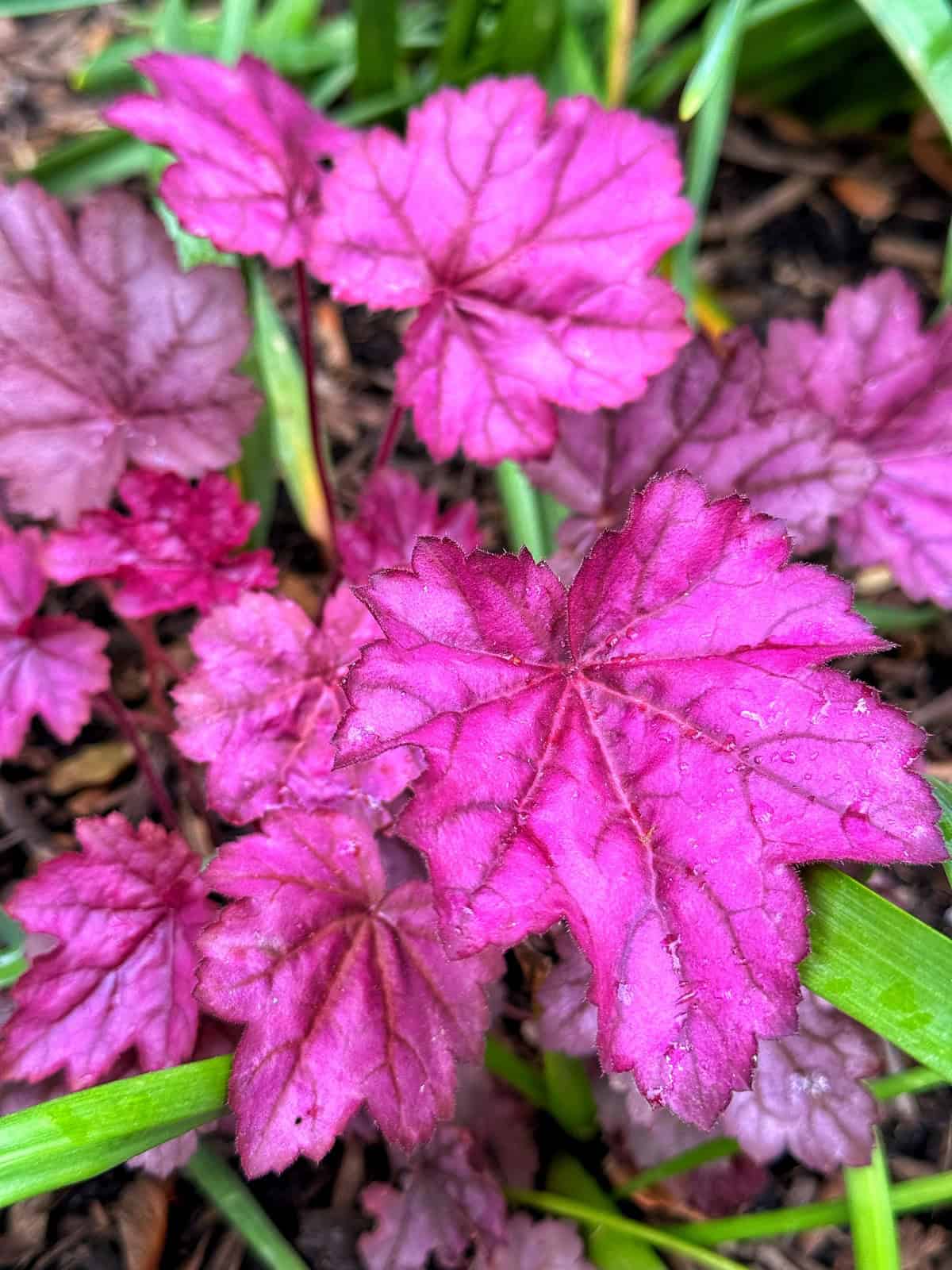
The first year after planting, my heuchera looked fantastic. The foliage was colorful and full, and the plants settled into the garden beautifully.
Then the second year arrived.
Some plants returned smaller. Others developed crispy leaves during summer heat. A few slowly lifted out of the soil during winter. And some simply disappeared altogether.
At first, I assumed I was planting them incorrectly or choosing the wrong location. But after paying closer attention, I realized the issue wasn’t usually one single thing. It was often a combination of:
- shallow roots drying out
- crowns becoming exposed
- inconsistent moisture
- summer heat stress
- and certain varieties simply struggling more than others
Ironically, the beds I thought would be ideal because they drained quickly were often where my heuchera struggled the most long term.
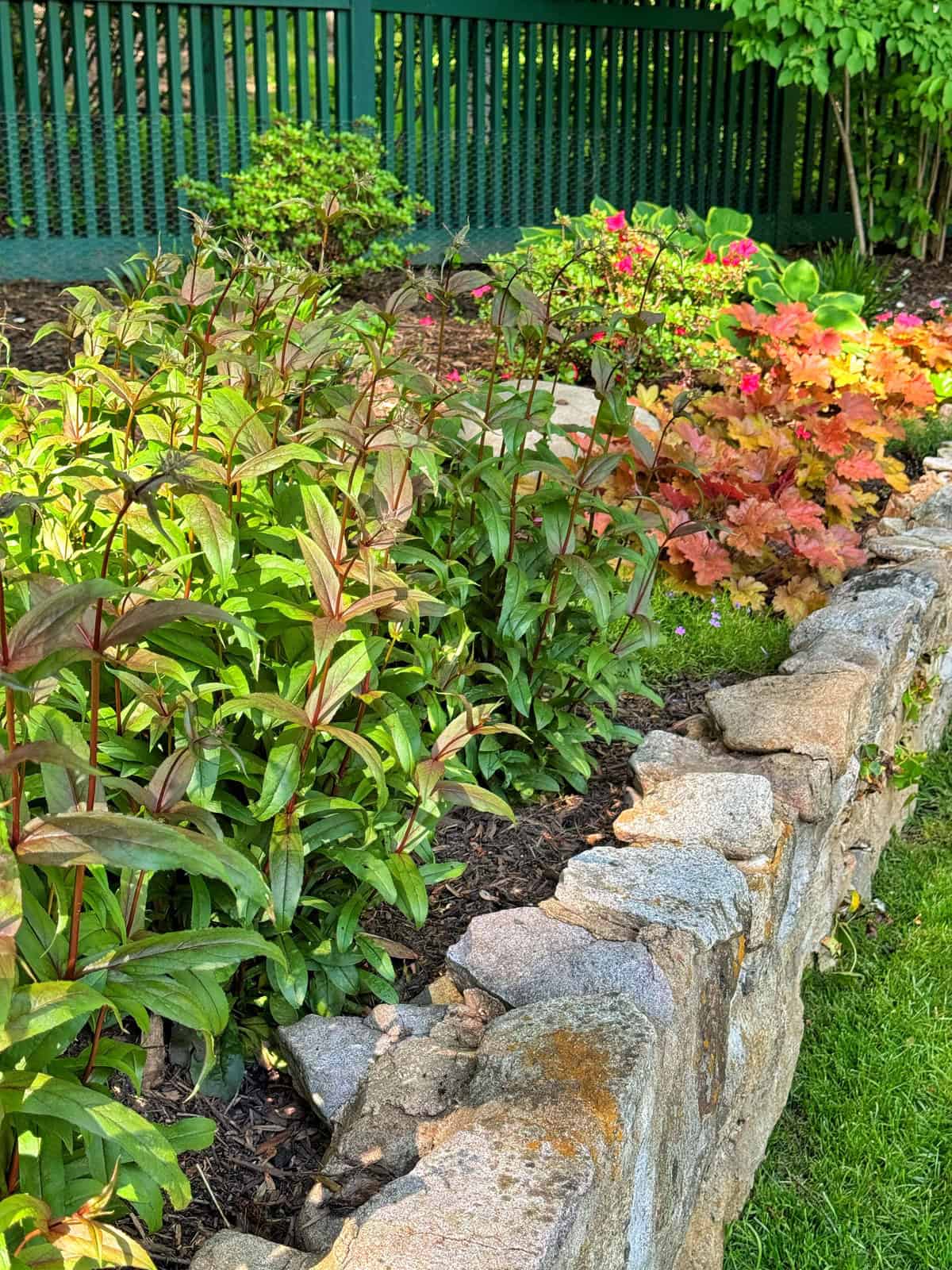
What Extension Research Says About Heuchera Decline
The more I researched, the more I realized my experience wasn’t unusual.
According to university extension resources, heuchera have shallow root systems that are sensitive to drying out, especially during periods of summer heat or winter freeze/thaw cycles. Several extensions also note that exposed crowns are a common issue as plants age.
North Carolina State Extension specifically recommends afternoon shade in warmer climates because excessive heat and sun stress can shorten the life of the plants. Iowa State Extension also notes that villosa-based hybrids tend to tolerate heat and humidity better than some older hybrid types.
Another important point I kept seeing repeated was this: “well-drained soil” does not mean dry soil. And that distinction matters more than many gardeners realize.

The Difference Between Well-Drained Soil and Dry Soil
This was the biggest lesson for me personally.
Some of my garden beds naturally retain moisture better because they contain more organic matter. Those are the areas where my heuchera consistently return stronger year after year.
The beds where I’ve struggled the most are:
- near tree roots
- in fast-draining raised beds
- or areas where the soil dries quickly between waterings
Heuchera do not like soggy soil, but they also don’t seem to appreciate drying out repeatedly. Their roots sit fairly close to the soil surface, so they feel moisture fluctuations faster than many other perennials.
Once I started treating them more like “consistently moist woodland plants” instead of “drought-tolerant shade plants,” I had much better success.
If watering is something you struggle with too, you may also enjoy my guide on how I water my flower garden, where I share the methods I use to keep moisture more consistent during summer heat.

How Deep Should You Plant Heuchera?
Planting depth is another common issue.
Heuchera should be planted at the same depth they were growing in the nursery pot, with the crown sitting level with the soil surface.
Planting too deeply can encourage crown rot because moisture collects around the base of the plant. But planting too shallowly can expose roots and crowns over time, especially after freeze/thaw cycles during winter.
As plants mature, the crown can gradually lift upward. When I notice this happening, I usually top-dress lightly with compost around the plant rather than burying the crown deeply with mulch.
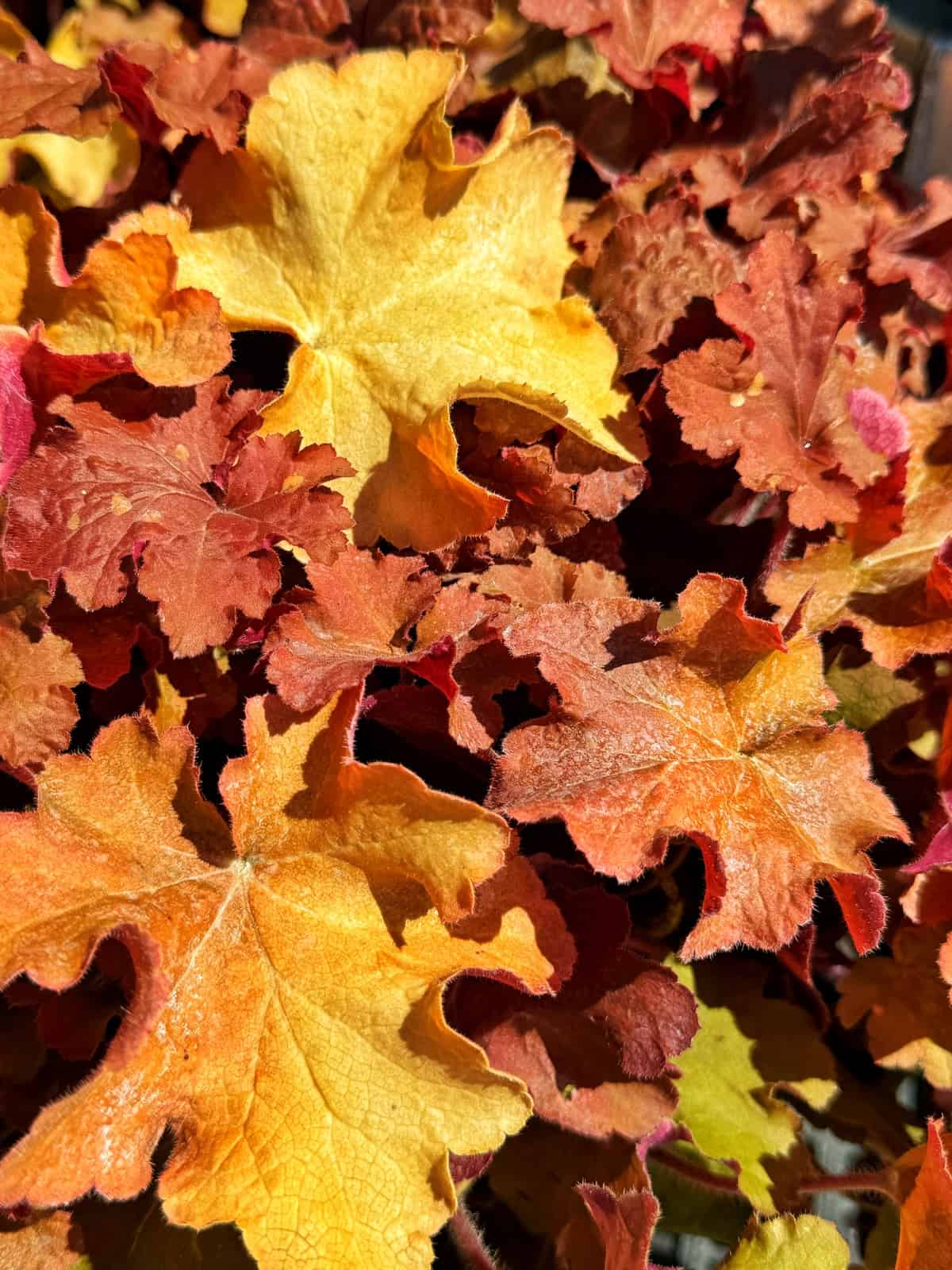
Why Heuchera Often Struggle in Hot Summers
Even in Zone 6 gardens, summer heat can stress coral bells more than many gardeners expect.
In my own garden, the heuchera planted in areas with hot afternoon sun almost always decline faster than the ones receiving:
- morning sun
- dappled shade
- or bright indirect light
In warmer climates like North Carolina, this becomes even more important.
A spot that looks “part shade” in spring can become intensely hot and dry by July once temperatures and humidity climb. That combination of heat plus dry soil can be especially hard on shallow-rooted perennials like coral bells.

The Heuchera Varieties That Have Performed Best for Me
I’ve also learned that not all heuchera behave the same way.
Some of the flashy hybrids with dramatic foliage colors have been shorter-lived in my garden, especially in difficult locations.
The varieties that seem to perform best long term are:
- villosa-based hybrids
- heat-tolerant selections
- and varieties planted in richer soil with steadier moisture
I still grow the more colorful cultivars because I love the foliage contrast they bring to shade beds, but I’ve become much more intentional about where I plant them.
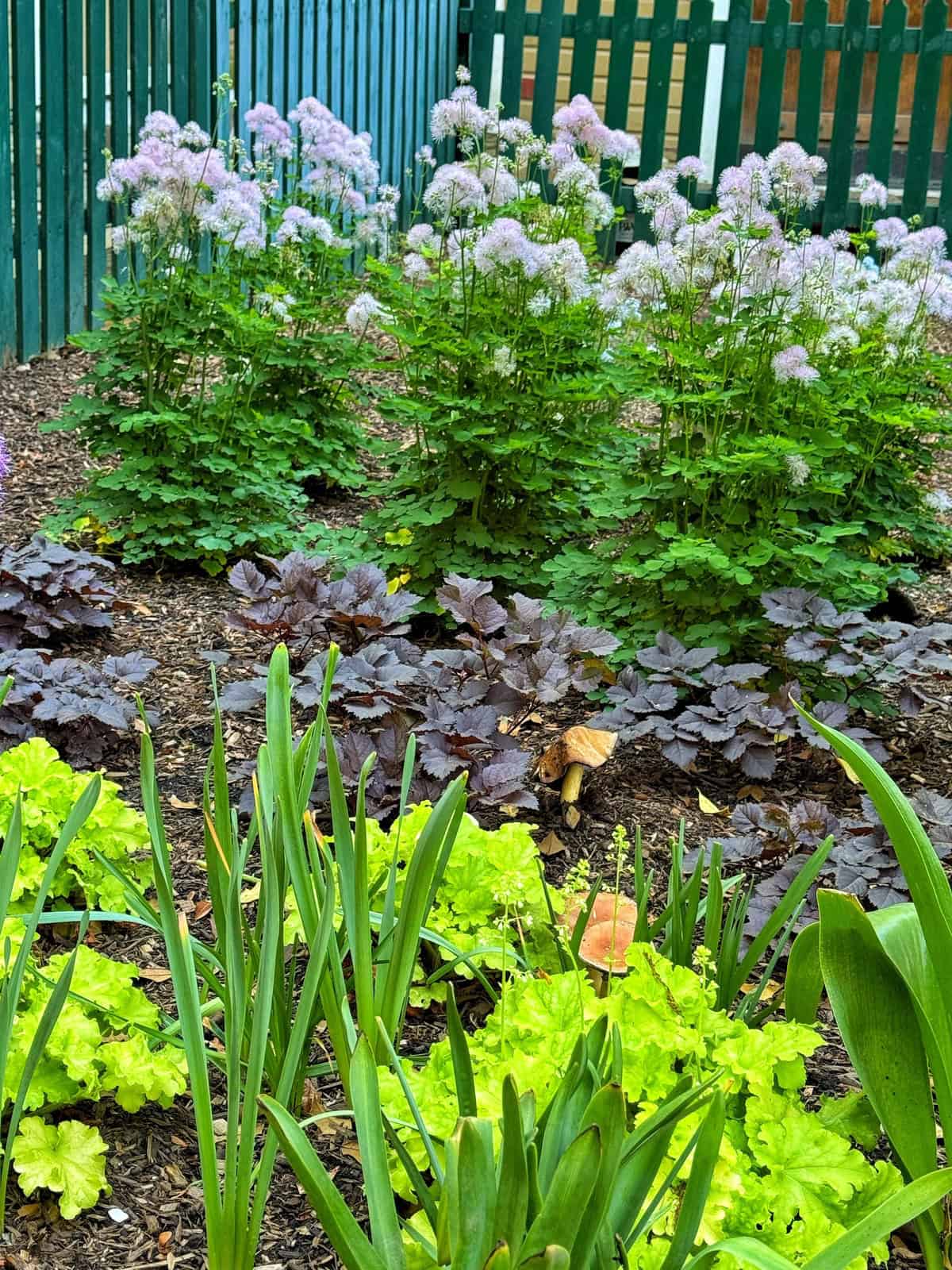
What Actually Helped My Heuchera Return Better
After years of trial and error, these are the changes that made the biggest difference in my garden:
- adding compost regularly
- improving moisture retention in dry beds
- using lighter mulch around crowns
- planting where they receive morning sun only
- dividing declining plants when needed
- avoiding extremely dry locations
- choosing more heat-tolerant varieties
Most importantly, I stopped treating heuchera like ultra drought-tolerant plants. And that mindset shift alone improved my results dramatically.
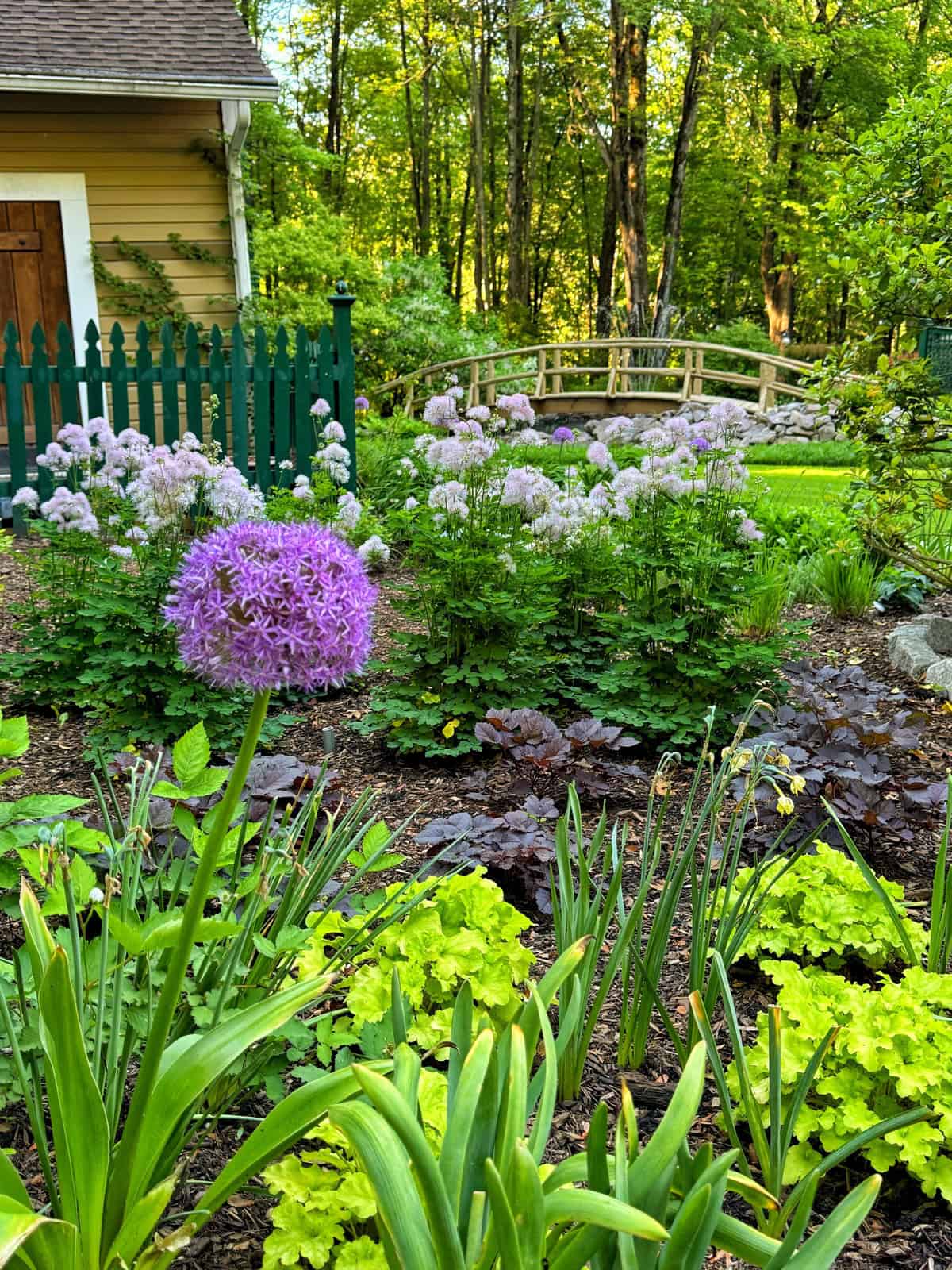
A Few Things That Helped Me Grow Healthier Heuchera Long Term
One of the biggest lessons I’ve learned after nearly 30 years of gardening is how important it is to pay attention to patterns in the garden over time. Sometimes a plant struggles because of a single bad season, but often the bigger story comes from tracking conditions year after year.
With heuchera, I started noticing that the plants growing in beds with richer soil and more consistent moisture returned much better than the ones planted in dry areas or spots with lots of root competition. Paying attention to things like rainfall, watering habits, soil conditions, winter damage, and even which varieties struggled most helped me make much better planting decisions moving forward.
That’s one of the reasons I wrote The Bricks ‘n Blooms Guide to a Beautiful and Easy-Care Flower Garden and created The Bricks ‘n Blooms Garden Planner and Journal. The book helps gardeners build lower-maintenance flower beds that work with their growing conditions instead of constantly fighting against them. And the planner is incredibly helpful for recording details that are easy to forget from season to season, including:
- dry weather periods
- watering routines
- soil test results
- plant performance
- winter survival
- and which garden beds consistently retain more moisture
Over time, those notes become incredibly valuable because they help you recognize patterns and understand what your garden is actually telling you.
Final Thoughts About Why Heuchera Die After the First Year
Heuchera are beautiful perennials, but I no longer think of them as “plant them and forget them” plants, especially in dry or heat-stressed gardens.
In my experience, they perform best when you give them:
- evenly moist soil
- organic matter-rich beds
- protection from intense afternoon heat
- and enough attention to keep crowns healthy over time
Once I started paying closer attention to moisture retention and planting conditions, my results improved significantly.
And honestly, that’s one of the reasons I enjoy gardening so much after nearly 30 years. The garden is always teaching us something new.
If you want to continue building a colorful, lower-maintenance shade garden, be sure to check out my complete guide to growing heuchera, shade garden design ideas, and favorite shade garden perennials for layering foliage, texture, and long-season interest.
Thank you for visiting the blog today!
Enjoy your day! xo

Originally Published .
