
After 30 Years Gardening in Zone 6b, These 5 Plants Are a Hard No

After 30 years of gardening in Zone 6b New Jersey, I’m sharing 5 plants that flopped in my garden and why I won’t grow them again.
After 30 years of gardening in Zone 6b New Jersey, I’ve learned that success in the garden isn’t about growing everything. It’s about knowing what’s worth your time, space, and energy.
Over the years, I’ve experimented with countless plants. Some have become longtime favorites, and others…not so much. A few were heartbreakingly fussy, some were underwhelming despite the hype, and a few simply never earned their keep in my garden.
This post isn’t about plants that are “bad” or impossible to grow. It’s about plants that didn’t work for me, in my climate, soil, and garden style….even with decades of hands-on experience.
If you’ve ever wondered whether it’s okay to give up on a plant that everyone else seems to love, consider this your permission slip. These are five plants that are a hard no in my Zone 6b garden, and why I won’t be growing them again.
(Posts on stacyling.com may contain affiliate links. Click HERE for full disclosure.)
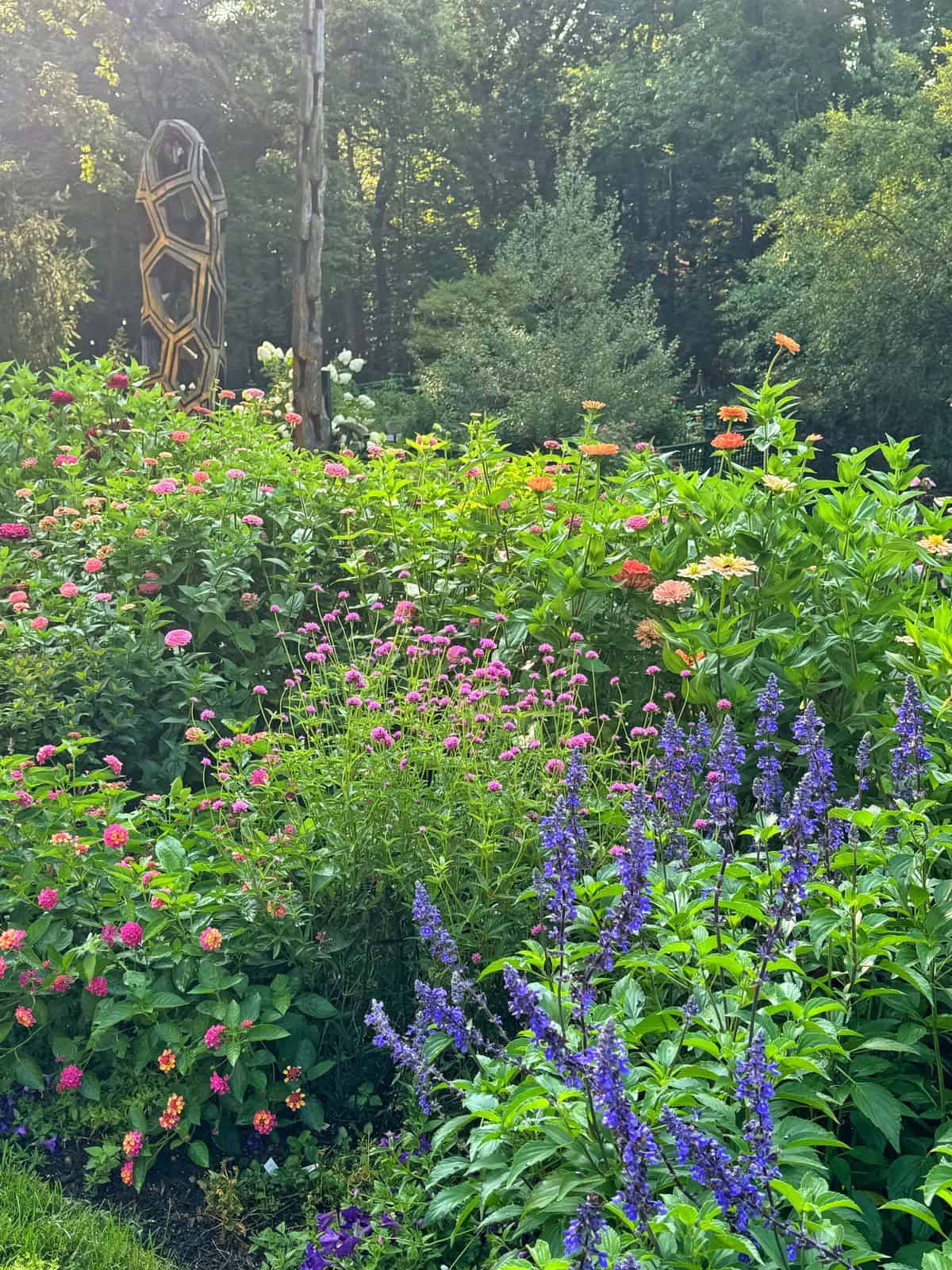
1. Lisianthus — Beautiful, but Not for the Faint of Heart
Lisianthus is often described as one of the most beautiful cut flowers you can grow and it’s notoriously known as one of the most difficult to start from seed. But I was up for the challenge! As someone who regularly starts flowers indoors under grow lights, I thought I was prepared and decided to go all in.
I started three trays of different lisianthus varieties from seed indoors. All three trays germinated, which felt like a win at first. But lisianthus grows excruciatingly slowly, and that slow growth makes seedlings incredibly vulnerable. By the time I was ready to harden them off, I was already down to about one tray and they still weren’t doing much.
Once planted out, they simply stalled. Even after careful hardening off and proper planting, they never moved beyond these tiny sprouts – for weeks! One by one, I lost them all and eventually they were crowded out by the rest of my garden.
Why Lisianthus Is a Hard No for Me:
- Extremely slow-growing and fragile seedlings
- High loss rate despite ideal indoor conditions
- Never established in my garden
- Too much time and effort for no payoff
They’re stunning in theory, but in practice, they just aren’t worth it for me. I don’t want to waste my indoor seed starting space, time, or energy on this one.
For my indoor seed starting guide, please visit this post: How to Start Seed Indoors Without a Greenhouse
As an aside, If you’re new to growing flowers for bouquets, my cut flower gardening for beginners guide walks through how to choose plants that actually perform well in the garden and vase.
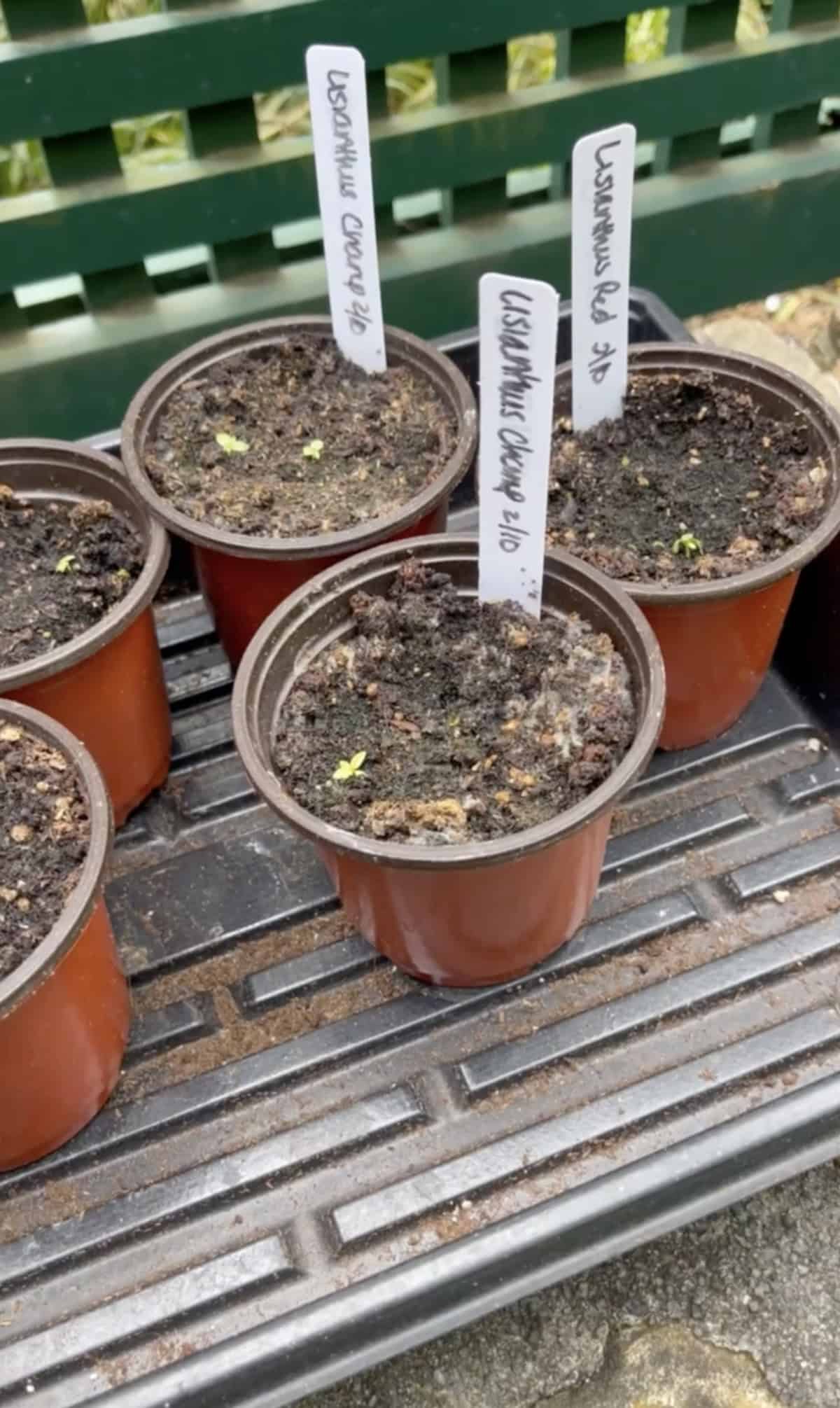
2. Silene — Marketed as a Filler, Behaved Like a Weed
Silene was billed in my seed catalog as a light, airy filler flower which is exactly the kind of thing I like to tuck into beds and bouquets. Instead, it grew aggressively and quickly outstayed its welcome.
Rather than acting as a subtle supporting plant, it behaved more like a weed, spreading enthusiastically and overwhelming nearby flowers as the season wore on. To make matters worse, silene grows wild near our cabin in Vermont, popping up everywhere without any encouragement. I wound up pulling it all before my dahlias hit their stride that growing season (2021).
Given that reality, intentionally planting it in my New Jersey garden just doesn’t make sense.
Why Silene Is a Hard No for Me:
- Too aggressive for ornamental beds
- Didn’t deliver the delicate “filler” look I expected
- Already grows wild elsewhere — no need to cultivate it
- Better-behaved filler flowers exist
This was a case of marketing hype not matching real garden behavior. I’d pick it in Vermont to add as filler and texture, but it is not worth wasting space in my gardens.
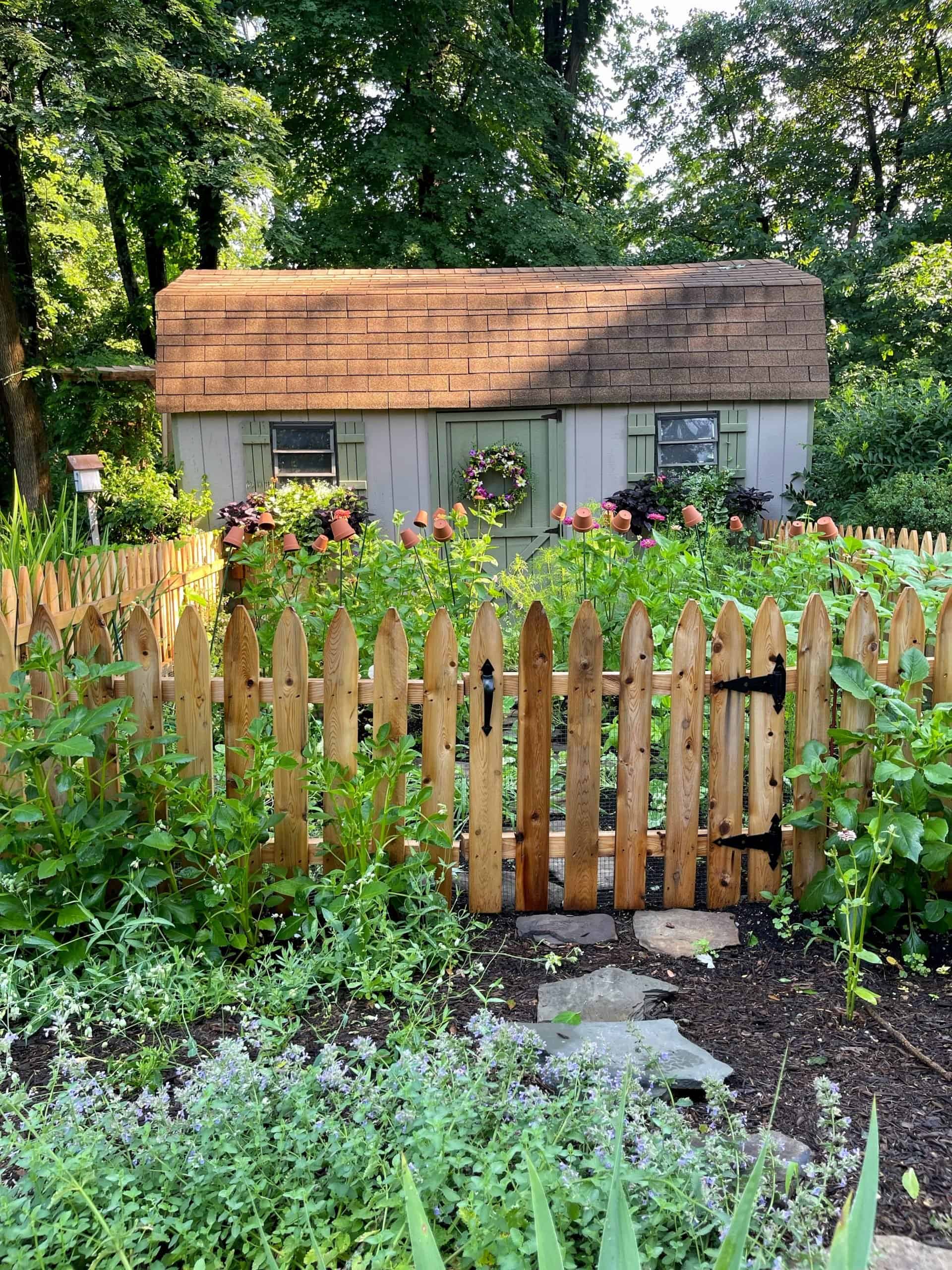
3. Morning Glory — The Plant That Wouldn’t Leave
I grew morning glory years ago, long before I understood just how aggressively it reseeds. At first, the fast-growing vines and cheerful flowers were fun. But that excitement didn’t last long.
By the following season, morning glory seedlings were everywhere in garden beds, paths, borders, and places I definitely never planted them. Pulling them became a recurring chore, and no matter how many I removed, more appeared.
It took years to get them under control, and I’ve never planted them again.
Why Morning Glory Is a Hard No for Me:
- Reseeds aggressively and spreads uncontrollably
- Pops up for years after planting
- Takes over garden spaces quickly
- Too much maintenance for too little reward
Some plants teach you valuable lessons. Morning glory taught me to respect reseeding annuals. Especially ones with preceding reputations like this one.
I made the mistake of growing these very early on in my gardening journey so I have no pics to share with you of them in my gardens. Sorry!
4. Gypsophila (Baby’s Breath) — Pretty in Bouquets, Disappointing in the Garden
Gypsophila looks dreamy in bouquets, so I decided to try growing it from seed and as mature starter plants. The seeds sprouted without much trouble, but once transplanted, the plants never really took off.
They stayed small, lacked vigor, and never developed into the airy, cloud-like plants I was hoping for. Even with proper care, they just didn’t perform.
And the starter plants I grew looked beautiful for a short period of time then sort of petered out. I’m not sure if it was my growing conditions or what, but I didn’t love it enough to want to try again.
Particularly when other filler flowers like statice, ageratum, and alyssum grow easily and reliably in my garden, making gypsophila an easy plant to skip.
Why Gypsophila Is a Hard No for Me:
- Sprouted but never grew well
- Underperformed despite proper care
- Not worth the space or effort
- Better filler alternatives thrive here
Sometimes the classic bouquet flower just isn’t the best garden plant. Not for me!
Okay…now this last one one may surprise you.
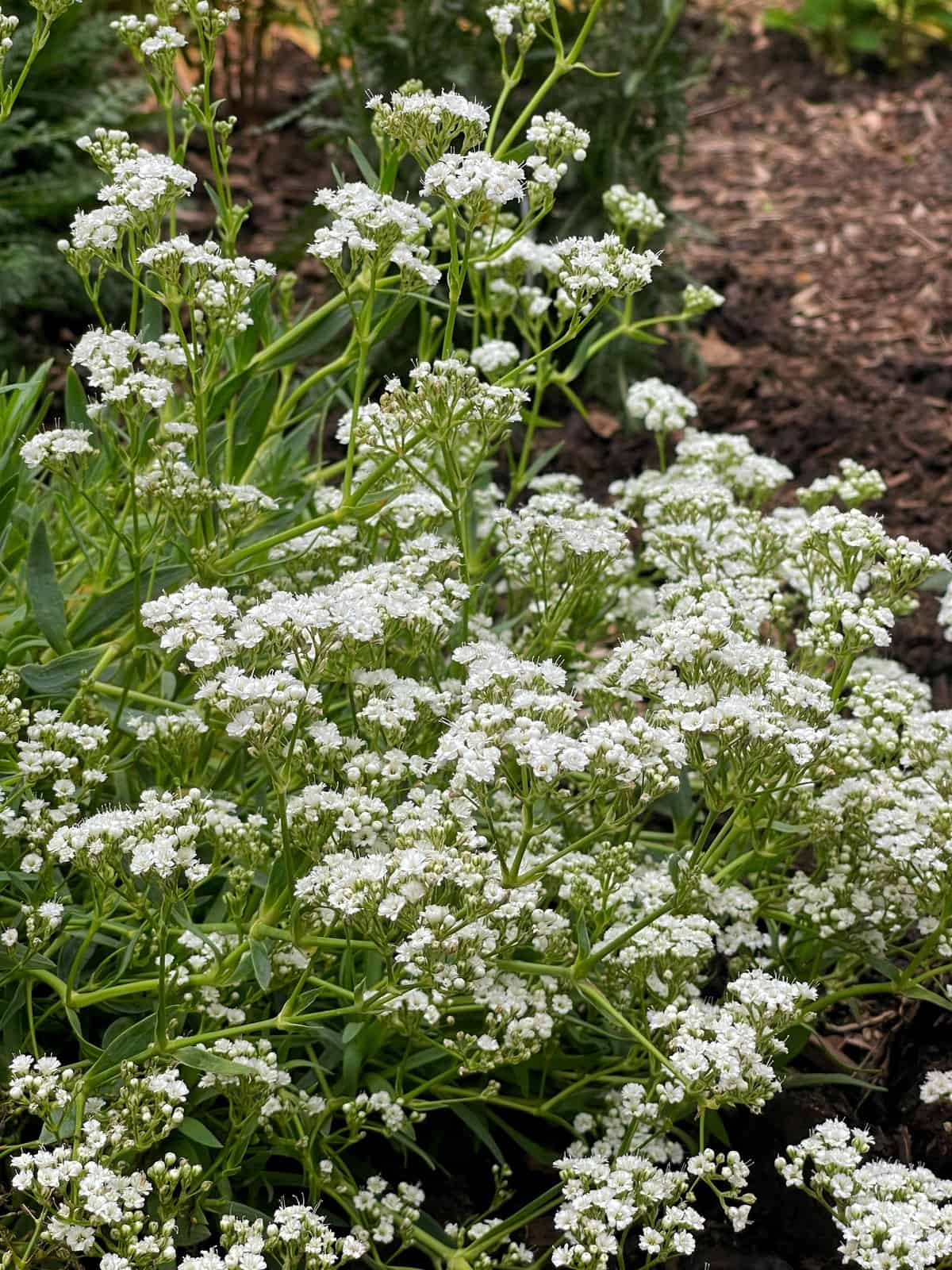
Cosmos — Easy and Pretty, But Not My Favorite
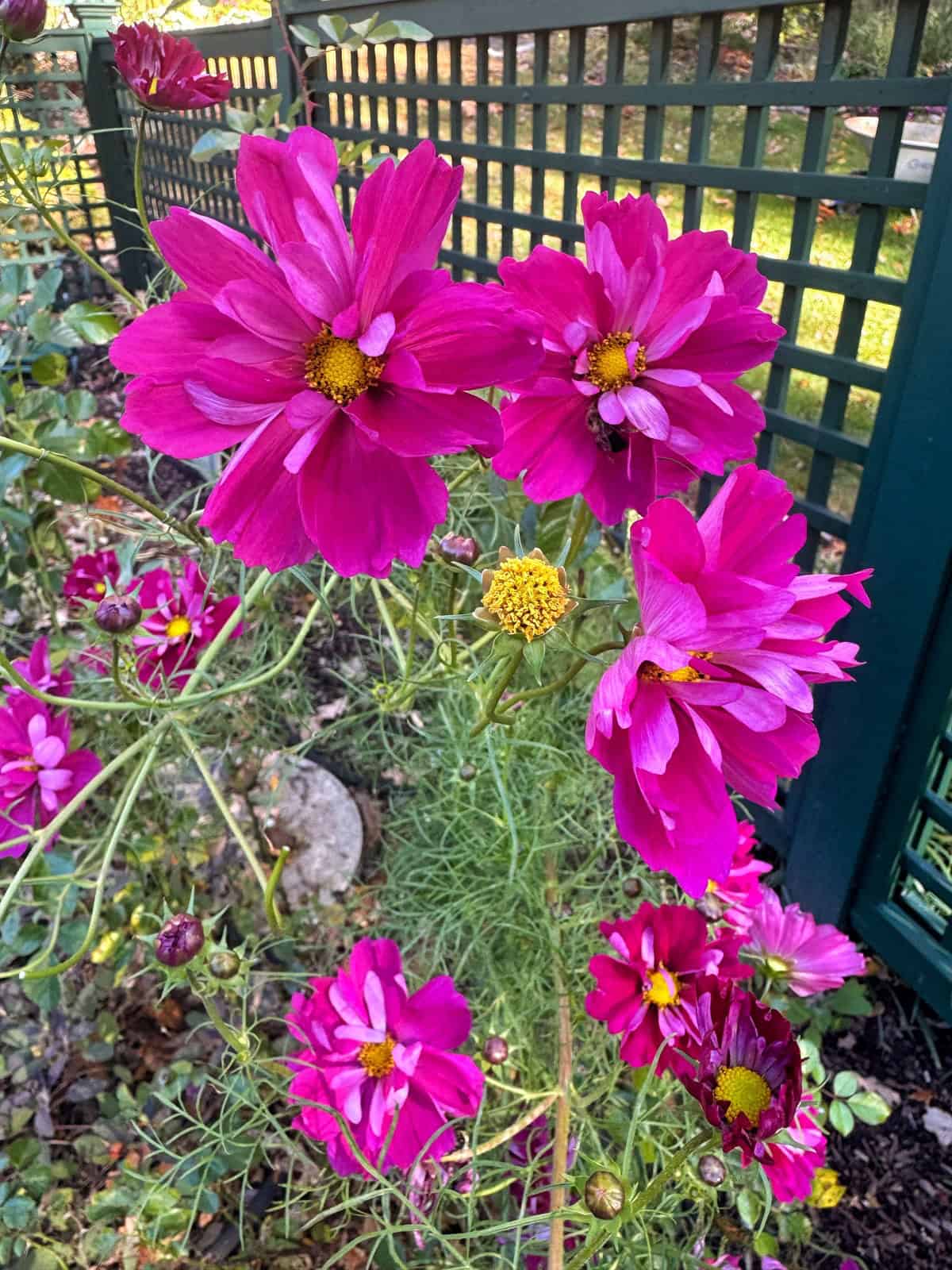
Are you shocked? Cosmos are one of those flowers that almost everyone recommends. And for good reason. They’re easy to grow, bloom reliably, and tolerate less-than-perfect conditions. I’ve grown them successfully many times and have been growing them just to grow them.
That said, I’ve realized they’re just not a plant I truly love in my garden or in a vase.
In my beds, cosmos tend to grow tall and leggy, often flopping by midseason. And they don’t seem to compliment the rest of my gardens like other plants do. Unless they’re planted in large drifts with amazing support, they can look sparse and a little messy compared to other annuals. As cut flowers, they’re charming but short-lived in a vase, and I usually reach for other blooms first before cutting these.
I’ve grown cosmos successfully from seed many times and they’re certainly simple to grow, but I just don’t love them enough to bother anymore.
Why Cosmos Are a Hard No for Me:
- Tall, airy habit doesn’t suit my garden design
- Tend to flop without support
- Only average vase life
- Many other annuals excite me more
I still recommend cosmos to new gardeners because they are a great starter flower, but they’re just not something I am choosing to grow anymore. Maybe there will come a day where I’ll reconsider. But for now, it’s off my growing list.
If you’d like to try them for your garden, please check out my Growing Cosmos Guide here.

Final Thoughts About These Plants I’ll Never Grow Again in Zone 6b
After nearly three decades of gardening, I’ve learned that letting go of plants that don’t work is just as important as discovering new favorites.
Your garden should bring you joy, not frustration, guilt, or endless maintenance. If a plant doesn’t suit your climate, your soil, or your style, it’s okay to move on.
These five plants may thrive for other gardeners, but in my Zone 6b New Jersey garden, they’re a hard no and that clarity makes room for plants I truly love.
If you’re just getting started with growing flowers for bouquets, my cut flower gardening for beginners guide walks through how to choose reliable plants that perform well both in the garden and as cut flowers.
And while I’ve decided cosmos aren’t a must-grow for me, they’re still a great option for many gardeners. If you want to grow them successfully, I share exactly how I do that in my cosmos growing guide.
Tell me about the plants that you’ll never grow in your garden again? Let’s chat more about it in the comments below!
Thank you for visiting the blog today!
Enjoy your day! xo

Originally Published .

Thank you for sharing these thoughts with us. It is very reassuring to know even professionals sometimes have disappointing results through no fault of their own. I am a New Jersey transplant to Alabama and even after 40 years here in the south I am still learning – each summer is different- too wet, too dry, rarely the same, and sometimes even my tried and true “guaranteed” favorites just don’t do well. But I have learned to stick to my 8b zone for the best results. But it can be fun to experiment once in a while.
That must have been an interesting switch from zone 8 to 6! Have you found your favorite plants that work in both zones grow much differently in each locale? We moved 20 minutes away from our old home and I find the growing conditions much different – same growing zone too! Like my hostas break ground much earlier here than my former home…like by weeks!
That’s what gardening is all about trial and error. I’m sure most gardeners found out that some plants just don’t work fir them.
Yes! It’s so interesting how our tastes and styles change through the years, isn’t it?