
How I Use Mulch to Reduce Weeding, Watering, and Garden Maintenance

Learn how I use mulch to reduce weeds, conserve moisture, and lower garden maintenance while keeping flower beds healthy and beautiful.
For nearly three decades, I’ve relied on mulch as one of the most important tools in my garden. When I lived in my former home, I maintained nearly half an acre of gardens and spread every yard of mulch myself. Before we moved, that often meant hauling and spreading 15 yards of mulch by hand each spring. It usually took me the better part of a week, left me sore for days, and felt like a full-body workout. But the results were always worth it.
Today, my gardens are much larger. While our property spans 10 acres, about 5 acres are dedicated to gardens and landscaped spaces. At that scale, mulching has become a much bigger undertaking. This year alone required roughly 90 yards of mulch, which is why we now hire the job out. Even so, mulch remains one of the most valuable investments I make in my garden every year.
After gardening for more than 25 years, I’ve learned that mulch does far more than make garden beds look tidy. It helps suppress weeds, conserve moisture, improve soil health, protect plant roots, and dramatically reduce the amount of maintenance required throughout the growing season. In fact, much of my long-term approach to weed management starts with a good layer of mulch.
In this guide, I’ll share the types of mulch I use, how I apply it, when I add compost before mulching, and the lessons I’ve learned from maintaining everything from small garden beds to large-scale landscapes. If you’re new to gardening, be sure to start with my Flower Gardening for Beginners article for a solid foundation before diving deeper into mulching strategies.
(Posts on stacyling.com may contain affiliate links. Click HERE for full disclosure.)

Why I Mulch Every Garden Bed
If there is one gardening task that consistently pays me back throughout the season, it’s mulching.
A fresh layer of mulch dramatically cuts down on weeding, helps soil retain moisture during hot weather, protects plant roots from temperature extremes, and gives garden beds a finished, polished appearance.
Years ago, I viewed mulching mostly as a cosmetic task. Now I see it as one of the most important maintenance strategies in my garden. The time I spend mulching in spring saves me countless hours of weeding, watering, and troubleshooting later in the season.
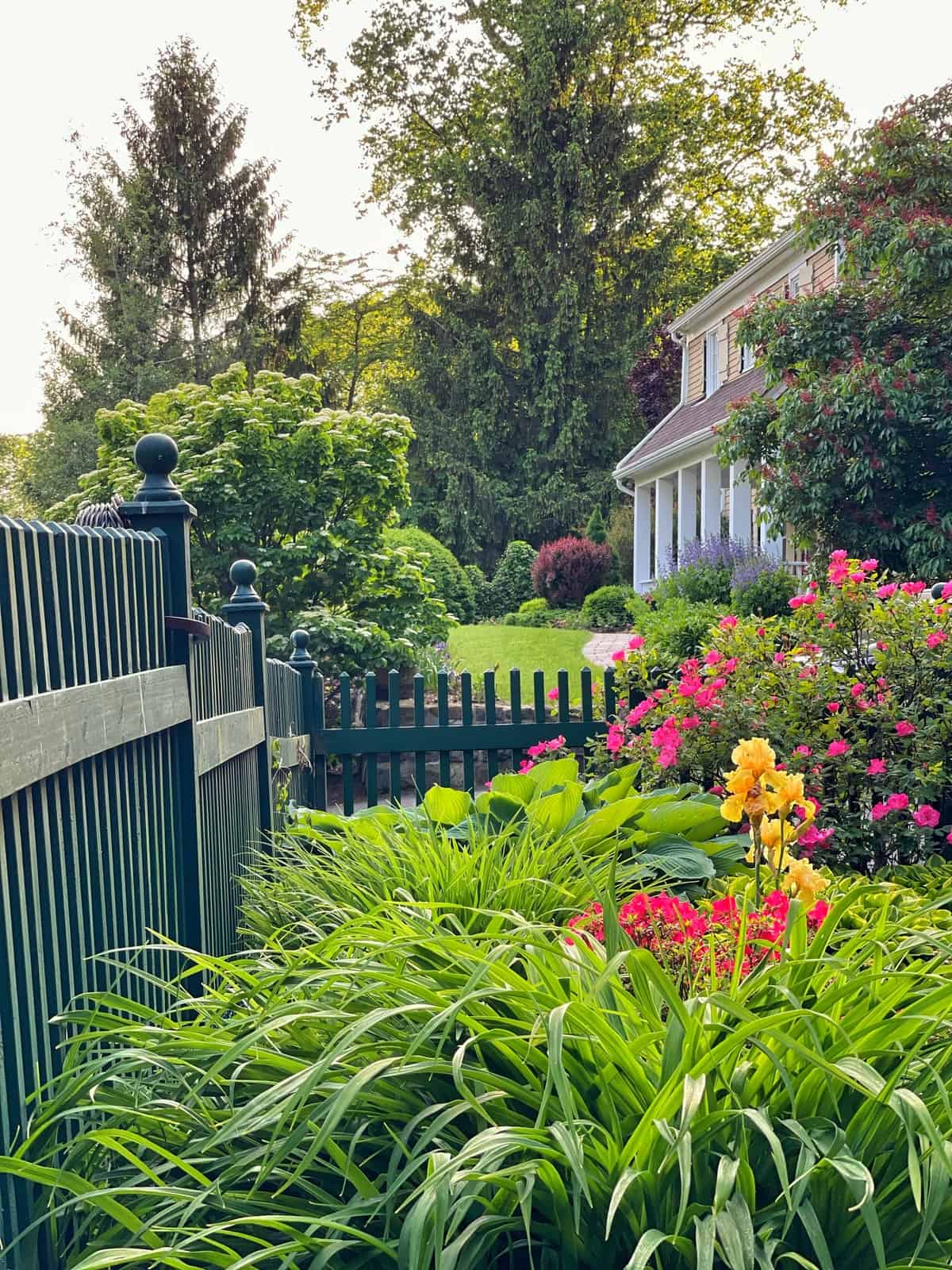
How Mulch Fits Into My Long-Term Weed Management Strategy
One of the biggest misconceptions I see is that mulch completely eliminates weeds. I wish it did!
What mulch does incredibly well is reduce the number of weeds that germinate by blocking sunlight from reaching weed seeds. That’s one of the reasons I consider it one of the most important investments I make in my gardens every year. The fewer weeds that sprout, the less time I spend pulling them later.
That said, no mulch is perfect. Even with a fresh layer of mulch, I’ll occasionally find weeds popping up in pathway cracks, along hardscape edges, and in other problem areas around the garden. For those situations, I use my homemade weed killer recipe as a targeted spot treatment rather than relying on it throughout the landscape.
Over the years, I’ve learned that the best weed control strategy isn’t one single solution. It’s a combination of mulching, regular garden walks, pulling weeds while they’re young, and addressing problem areas before they get out of hand.
If you’re wondering how I manage so many flower beds without spending every weekend weeding, I share more of my approach in How I Manage So Many Garden Beds (Without Overdoing It).

The Biggest Benefits of Mulching
Fewer Weeds
Mulch blocks sunlight from reaching weed seeds, reducing germination and making weed management much easier.
Less Watering
Mulch slows evaporation, helping soil stay moist longer between waterings.
Improved Soil Health
Organic mulches gradually break down and improve soil structure over time.
Protected Plant Roots
Mulch insulates soil against temperature swings, helping keep roots cooler during summer and protected during winter.
Better Looking Garden Beds
Fresh mulch instantly makes gardens look tidy and well maintained while helping plants stand out.

Choosing the Right Mulch for Your Garden
Organic Mulch
Organic mulches break down over time and contribute to soil health.
Popular options include:
- Hardwood mulch
- Bark mulch
- Cedar mulch
- Pine straw
- Shredded leaves
- Straw
- Compost
For most of my flower gardens, I prefer hardwood mulch. It looks natural, suppresses weeds well, and gradually improves the soil as it breaks down.
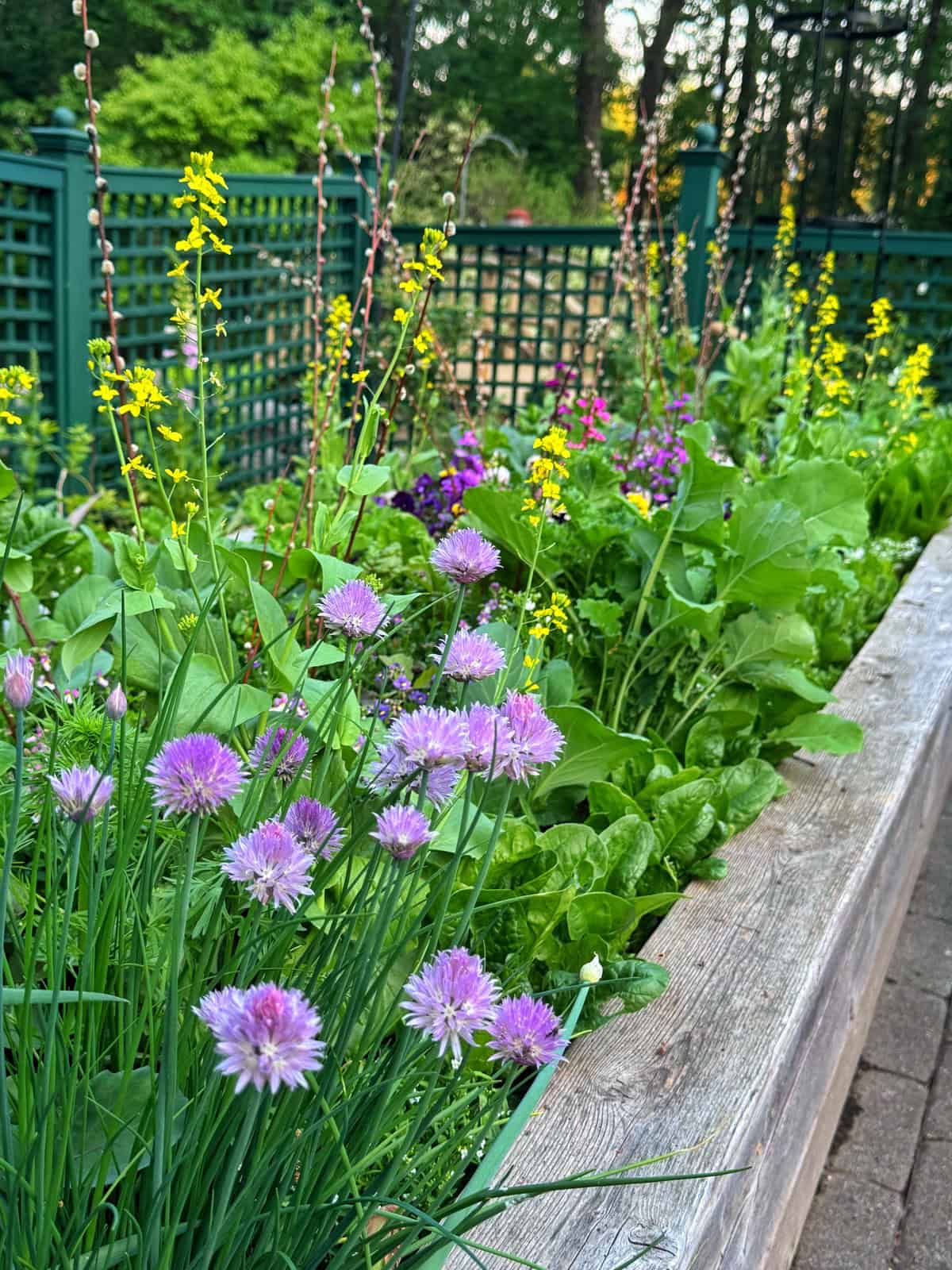
In my vegetable, herb, and berry gardens, I often use shredded leaves, straw, compost, or a combination of these materials. I also plant more densely so there is less opportunity for weeds to grow.
Inorganic Mulch
Inorganic options include:
- Gravel
- Stone
- Rubber mulch
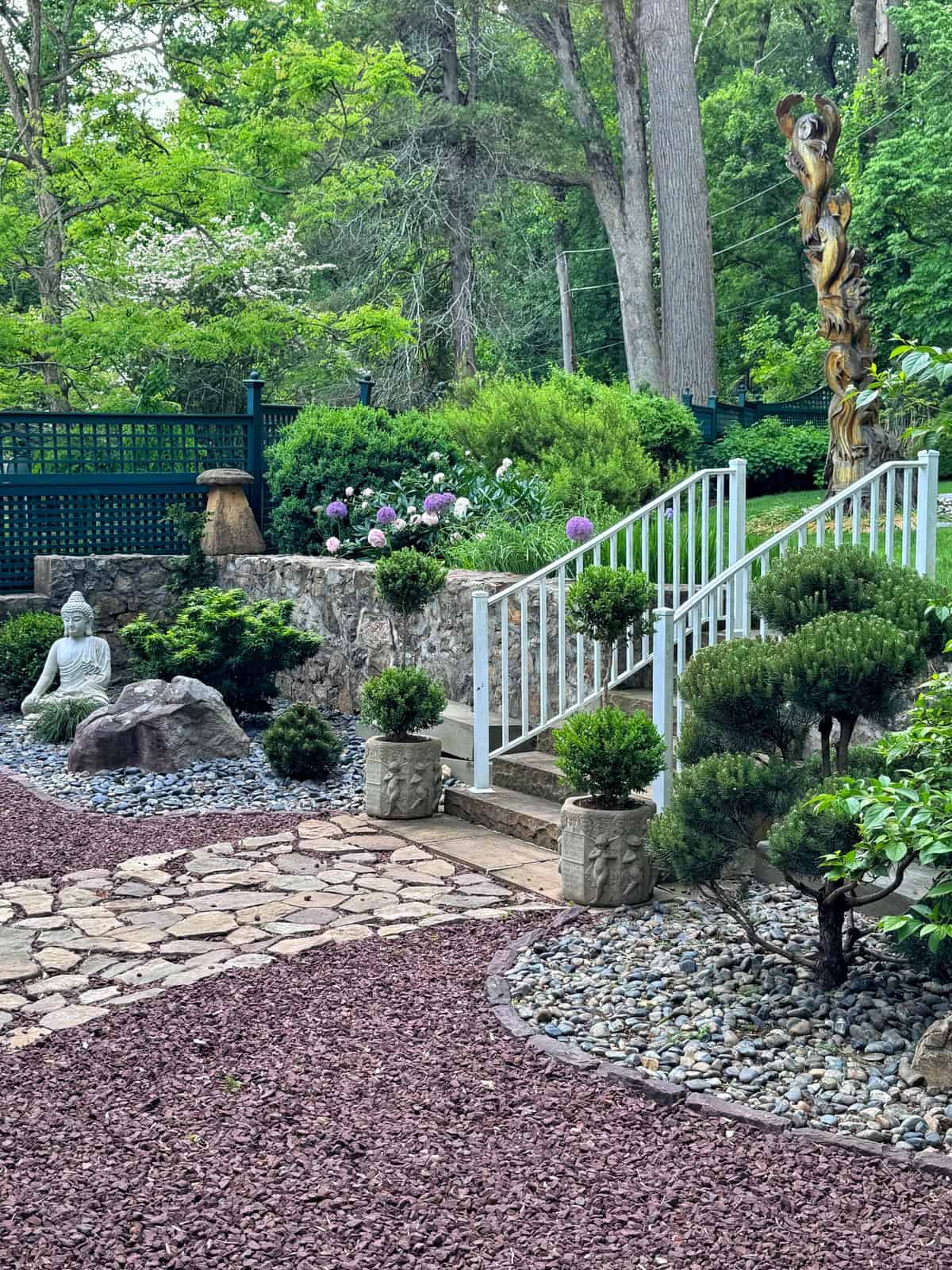
I primarily use stone and gravel in hardscape areas such as pathways and my zen garden.
Why I Added Compost Before Mulching This Year
This year, several of my garden beds needed more than a fresh layer of mulch. They needed better soil.
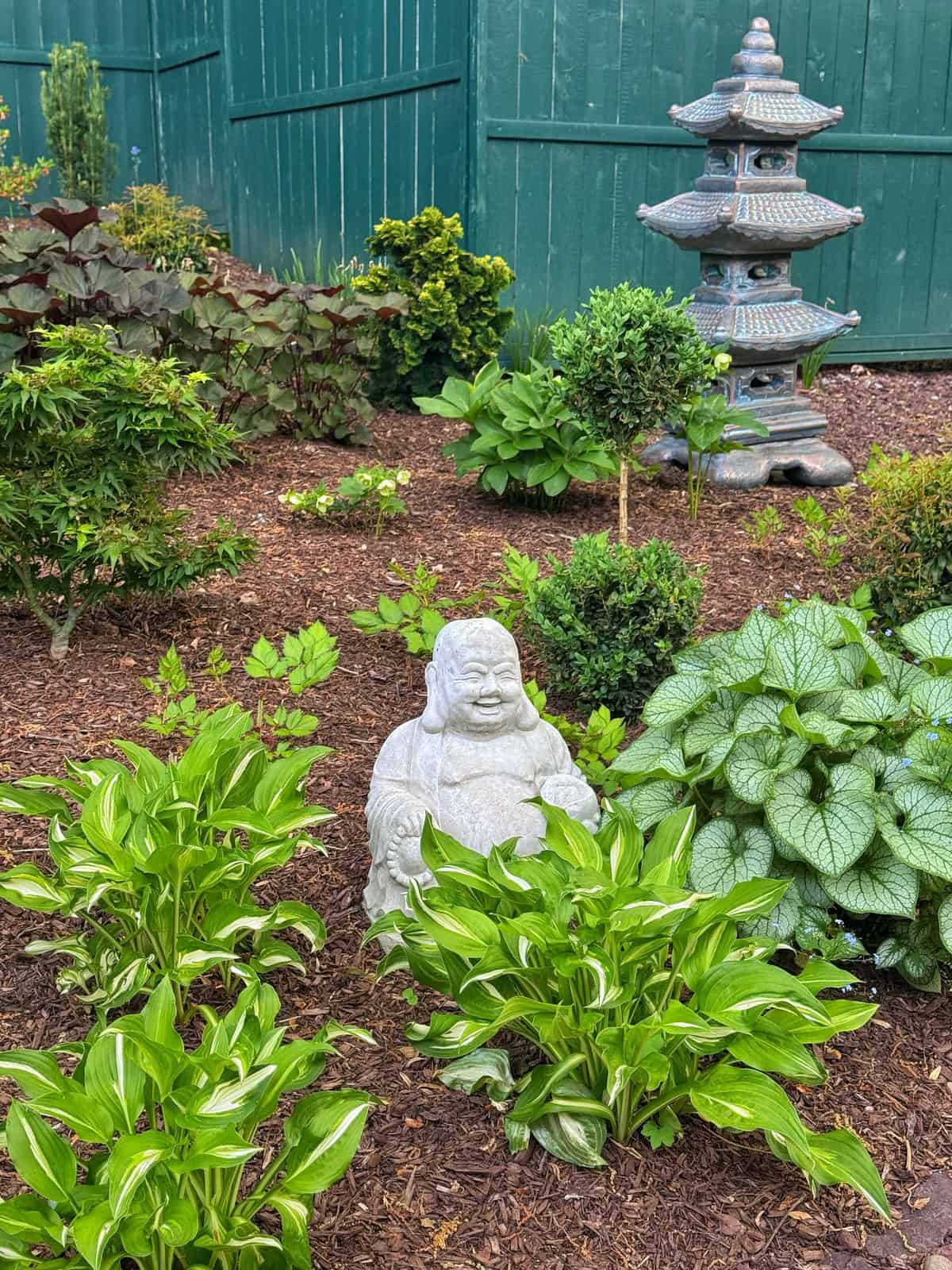
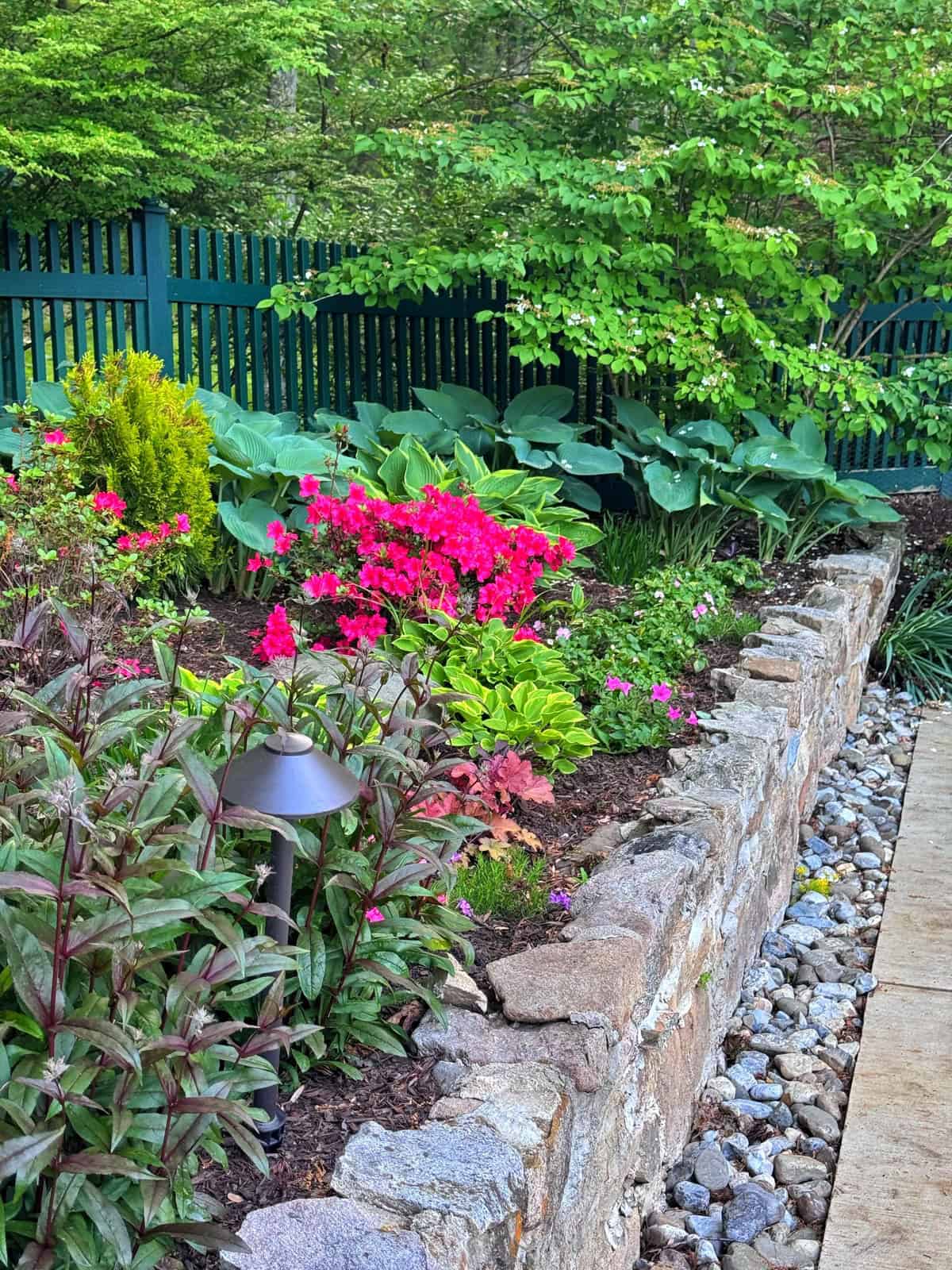
Before mulching, we spread approximately 3-4 inches of compost in those areas to improve soil structure and add organic matter. Once the compost was in place, we topped it with about 3 inches of hardwood mulch.
The difference has been noticeable. Perennial divisions that were struggling before this season look significantly healthier than they did before and the gardens are retaining moisture better than they once were.
While mulch helps conserve moisture and suppress weeds, compost actively improves soil health. Combining the two creates a powerful system that supports healthier plants while reducing maintenance.
To learn more about how I make my own compost, please visit my complete guide to creating a compost pile here.
How I Apply Mulch in My Gardens
The best times to mulch are spring and fall.
Before applying mulch:
- Remove existing weeds
- Apply corn gluten if desired
- Improve soil if needed
- Water dry soil thoroughly
Apply mulch in a layer approximately 2-3 inches deep.
Avoid piling mulch directly against plant stems, crowns, shrubs, or tree trunks. Leave a few inches of space around plant bases to prevent moisture-related problems and reduce pest issues.
Should You Mulch Yourself or Hire a Landscaper?
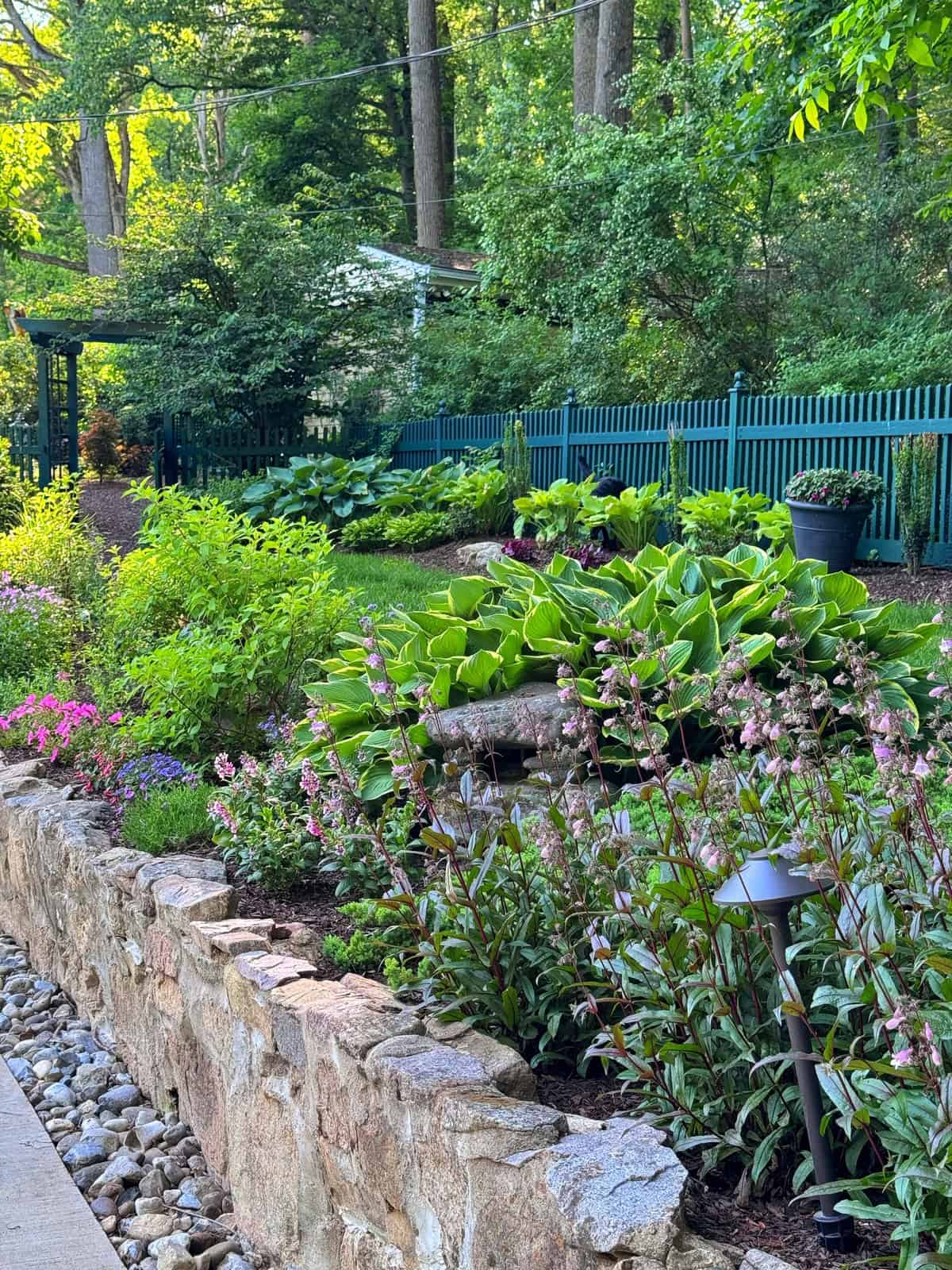
For most of my gardening life, I mulched every garden bed myself.
I ordered mulch in bulk and spent days hauling wheelbarrow loads throughout the property. By the time we moved, I was spreading roughly 15 yards each year, which often took a full week to complete.
It was excellent exercise, but it was also physically demanding.
Today, our gardens require about 90 yards of mulch annually. At that scale, hiring help simply makes sense.
Whether you choose to DIY or hire the work out depends on the size of your property, your physical abilities, your budget, and how much time you want to invest.
Even now, I still walk the gardens afterward to pull mulch away from plant crowns, shrubs, and tree trunks where it may have been applied too heavily.

Common Mulching Mistakes I See Gardeners Make
Applying Too Much Mulch
More mulch doesn’t always mean better results. In fact, one of the most common mistakes I see is gardeners applying mulch too deeply in an effort to suppress weeds.
A mulch layer that is too thick can prevent water, oxygen, and nutrients from reaching the soil where plant roots need them most. It can also create overly damp conditions that encourage rot and other problems.
In most of my gardens, I aim for about 2-3 inches of mulch. That’s usually enough to suppress weeds, conserve moisture, and protect plant roots without creating issues. If I notice weeds breaking through, I’d rather pull them or spot-treat problem areas than continue piling on more mulch year after year.
Remember that mulch naturally breaks down over time. Instead of adding more and more each season, it’s often better to assess the existing layer and only add enough to bring it back to the proper depth.

Creating Mulch Volcanoes
If you’ve ever seen a tree surrounded by a tall mound of mulch piled against the trunk, you’ve seen what’s often called a “mulch volcano.”
While it may look neat and tidy at first, this practice can cause significant problems over time. Mulch piled directly against tree trunks or shrub stems traps moisture, encourages disease, attracts pests, and can eventually lead to rot.
When I mulch around trees, shrubs, and perennials, I always leave a few inches of space around the base of the plant. Think of mulch as a protective blanket for the soil, not something that should be touching the trunk, crown, or stems.
This is one of the first things I check after our landscapers finish mulching each spring. Even experienced crews sometimes pile mulch too closely around plants, and taking a few minutes to pull it back can help prevent problems later in the season., pests, and disease.
Using Landscape Fabric in Flower Beds
In my experience, landscape fabric creates more problems than it solves in ornamental garden beds. While it’s often marketed as a long-term weed solution, I’ve found that weeds eventually grow on top of the fabric as organic matter breaks down and accumulates over time.
It also makes planting, dividing, and moving perennials much more difficult. One of the things I love most about flower gardening is that gardens evolve. Plants grow, spread, self-seed, and occasionally need to be relocated. Landscape fabric gets in the way of all of that.
I’ve also noticed that annuals and perennials don’t reseed as freely when weed barrier fabric is present, which can limit the natural, relaxed look many gardeners are trying to achieve.
For me, a combination of mulch, healthy soil, dense planting, and regular maintenance has always been more effective and much easier to manage long term than landscape fabric.
Expecting Mulch to Eliminate Weeds Completely
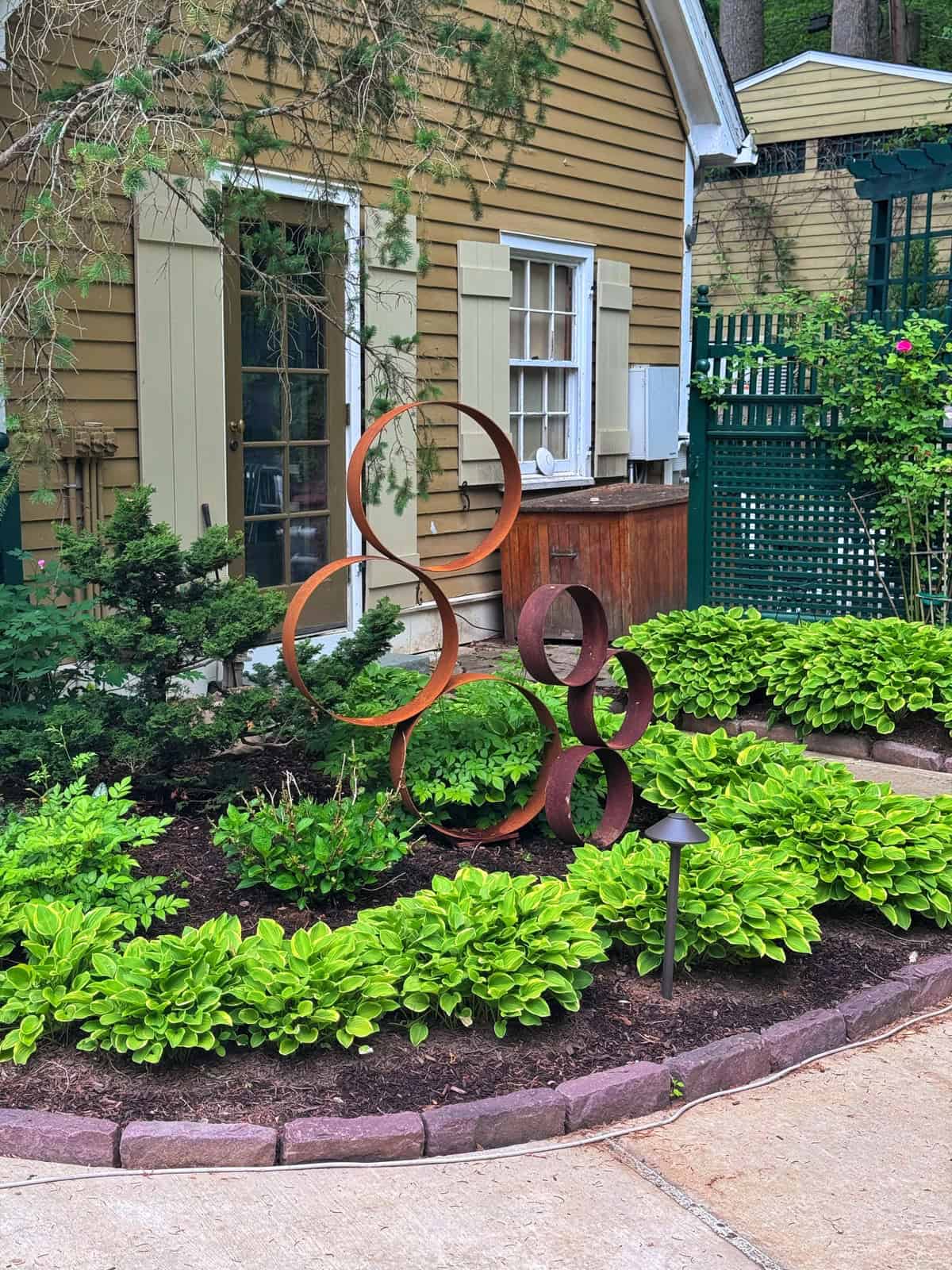
Mulch is one of the best tools I use to reduce weeds, but it’s important to have realistic expectations. Even a fresh 2-3 inch layer won’t prevent every weed from appearing throughout the growing season.
Over time, weed seeds can blow into garden beds, birds can drop seeds, and some persistent weeds will find their way through even the best mulch. The good news is that mulched beds typically have far fewer weeds than unmulched ones, and the weeds that do appear are often much easier to pull.
I’ve found that the most effective approach is to think of mulch as part of a larger weed management strategy rather than a complete solution. Annual mulching, regular garden walks, pulling weeds while they’re small, and maintaining healthy, densely planted beds all work together to keep weed pressure manageable.
For stubborn weeds that pop up in pathway cracks, gravel areas, and other hardscape spaces, I occasionally use my homemade weed killer recipe as a targeted spot treatment. Combined with mulch, it helps me stay ahead of weeds without spending every weekend pulling them. eliminates them entirely.
When I Use Cardboard Mulching (And When I Don’t)
Cardboard mulching, sometimes called lasagna gardening, can be very effective when establishing new beds or tackling heavy weed pressure.
I use cardboard when:
- Creating new garden beds
- Smothering turf grass
- Reclaiming weedy areas
I don’t typically use it in established ornamental beds that already have healthy soil and mature plantings.
Cover the cardboard with organic mulch and keep it moist so it breaks down naturally over time.
To learn more about how I have used the lasagna gardening method in my beds, please visit my complete guide to lasagna gardening here.
Troubleshooting Common Mulch Problems
Moldy Mulch
Mold on mulch is usually caused by excessive moisture and poor airflow. While it may look alarming, it’s generally more of an aesthetic issue than a serious threat to your plants. If you notice mold developing, gently rake the mulch to improve air circulation and avoid overwatering the area.
Weeds Breaking Through
Even well-mulched beds can develop weeds over time as wind, birds, and other sources introduce new weed seeds. If weeds begin appearing regularly, check your mulch depth and replenish it if needed. I’ve found that pulling weeds while they’re young prevents much bigger problems later in the season.
Artillery Mold
Artillery mold is a fungus that can develop in wood-based mulches and shoot sticky black spores onto siding, fences, vehicles, and other nearby surfaces. While it won’t harm your plants, the spots can be difficult to remove. Good airflow, avoiding excessive moisture, and selecting mulch carefully can help reduce the risk.
Do You Need to Mulch Every Year?
In my gardens, the answer is yes. Between decomposition, heavy rainfall, planting activities, and general weathering, mulch naturally breaks down and thins over time.
While some gardeners may be able to skip a year depending on the mulch used and local conditions, I find annual mulching provides the best results for weed suppression, moisture retention, appearance, and overall garden health.

What Helped Me Build a Lower-Maintenance Garden Over Time
One of the biggest lessons I’ve learned over 25+ years of gardening is that beautiful gardens become much easier to maintain when you start with the right plants and design decisions.
If you’ve ever felt overwhelmed by plant choices or frustrated that your garden requires more work than expected, that’s exactly what I wrote The Bricks ‘n Blooms Guide to a Beautiful and Easy-Care Flower Garden to solve. It shares the plant combinations, garden plans, and easy-care strategies I’ve used in my own gardens for decades.
Keeping track of what mulch worked best, where weeds were most problematic, and which beds needed soil improvement has also become increasingly important as my gardens have grown. That’s one of the reasons I created the Bricks ‘n Blooms Beautiful and Easy-Care Flower Garden Planner. It gives gardeners a practical system for tracking garden improvements, seasonal tasks, and plant performance so each year builds on the last instead of starting from scratch.

Final Thoughts About Using Mulch in the Garden
After more than 25 years of gardening, mulch is one of the few garden tasks I’ve never questioned making time for. I’ve spread countless yards of mulch over the years, from hauling 15 yards by hand in my former gardens to managing roughly 90 yards across the gardens we care for today. While it’s certainly one of the biggest jobs of the gardening season, it’s also one of the most rewarding.
I’ve found that gardeners often focus on the immediate visual improvement a fresh layer of mulch provides, but the real value shows up throughout the season. Fewer weeds, less watering, healthier soil, and less overall maintenance all add up over time. In my experience, mulch isn’t just about making the garden look finished. It’s one of the most effective ways to create a healthier, easier-to-manage landscape.
If you’re just getting started, I highly recommend learning the fundamentals first. My Flower Gardening for Beginners will help you build a strong foundation, while my Lasagna Gardening Guide walks you through creating a garden that works with your space and lifestyle.
And if reducing maintenance is one of your goals, don’t miss my guides on How I Manage So Many Garden Beds (Without Overdoing It), How to Create a Compost Pile, and my Homemade Weed Killer Recipe, which are both part of the practical system I’ve developed to keep my gardens thriving without spending every waking moment working in them.
At the end of the day, gardening should be enjoyable. Mulch is one of those simple investments that helps make that possible, giving you more time to enjoy your flowers and less time fighting weeds, dragging hoses, and troubleshooting problems throughout the growing season.
For more information about the benefits of mulching, please read this post by the University of New Hampshire.
Thank you so much for following along.
Enjoy a beautiful day! xo



Originally Published .
