
How to Make a Terrarium: A Beginner’s Step-by-Step Guide

Learn how to make a terrarium with simple steps, plant ideas, and care tips to create a thriving mini ecosystem at home.
I love growing houseplants, but I’m also realistic about wanting them to fit my lifestyle and my home. Terrariums are one of my favorite low-maintenance ways to care for plants while adding beauty and interest to a space. With so many styles and container options available, it’s easy to create a terrarium that feels personal and practical.
I regularly use terrariums for plant cuttings or to help humidity-loving plants recover when they aren’t thriving in my home. The controlled environment allows plants to flourish with very little upkeep, making terrariums perfect for beginners and experienced plant lovers alike.
If you’re new to growing indoor plants, understanding the basics of houseplant care makes creating a terrarium even easier, especially when it comes to light, watering, and humidity. For more information about caring for you plants, please visit my Houseplant Care Guide
(Posts on stacyling.com may contain affiliate links. Click HERE for full disclosure.)
Types of Terrariums
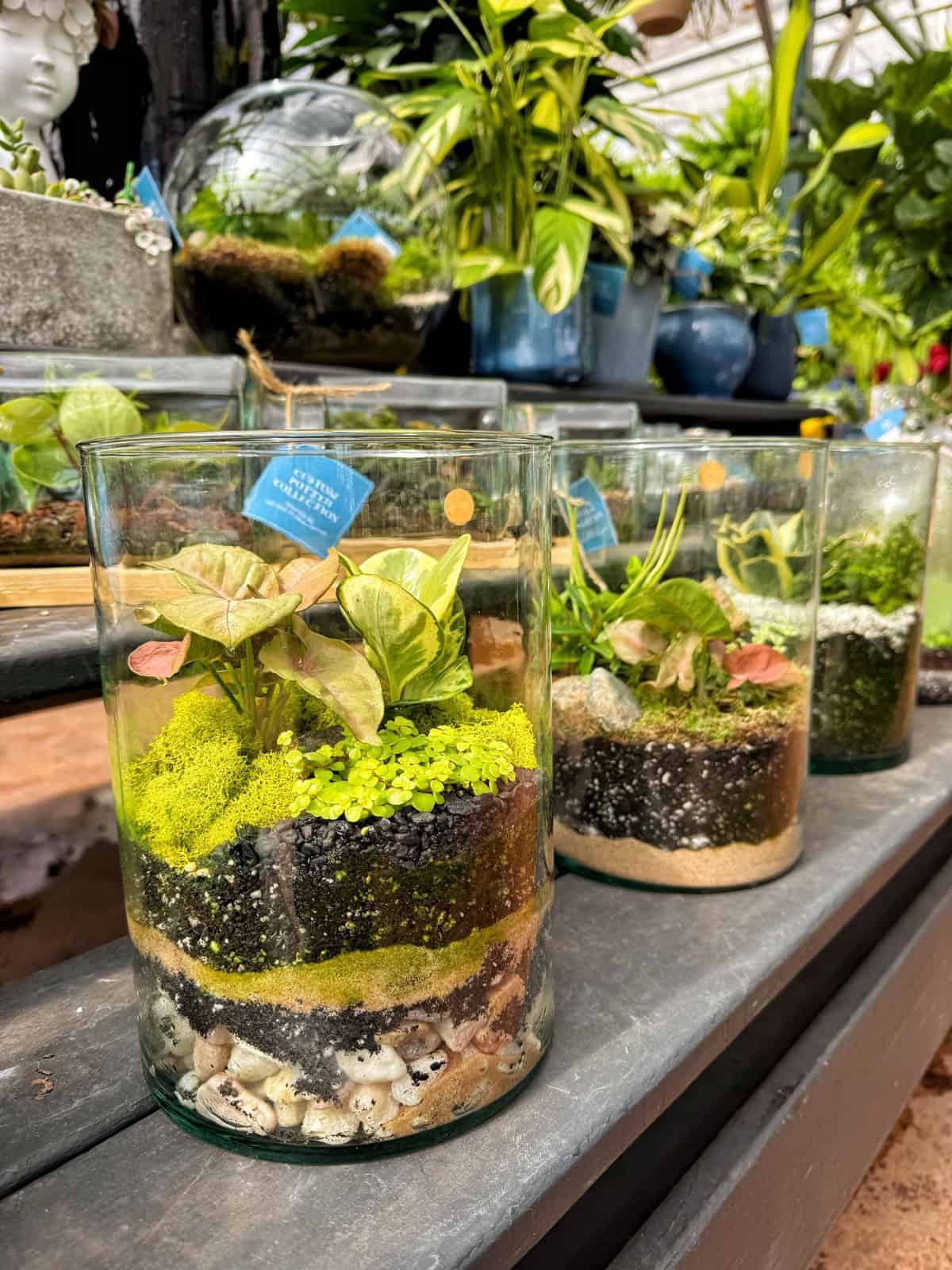
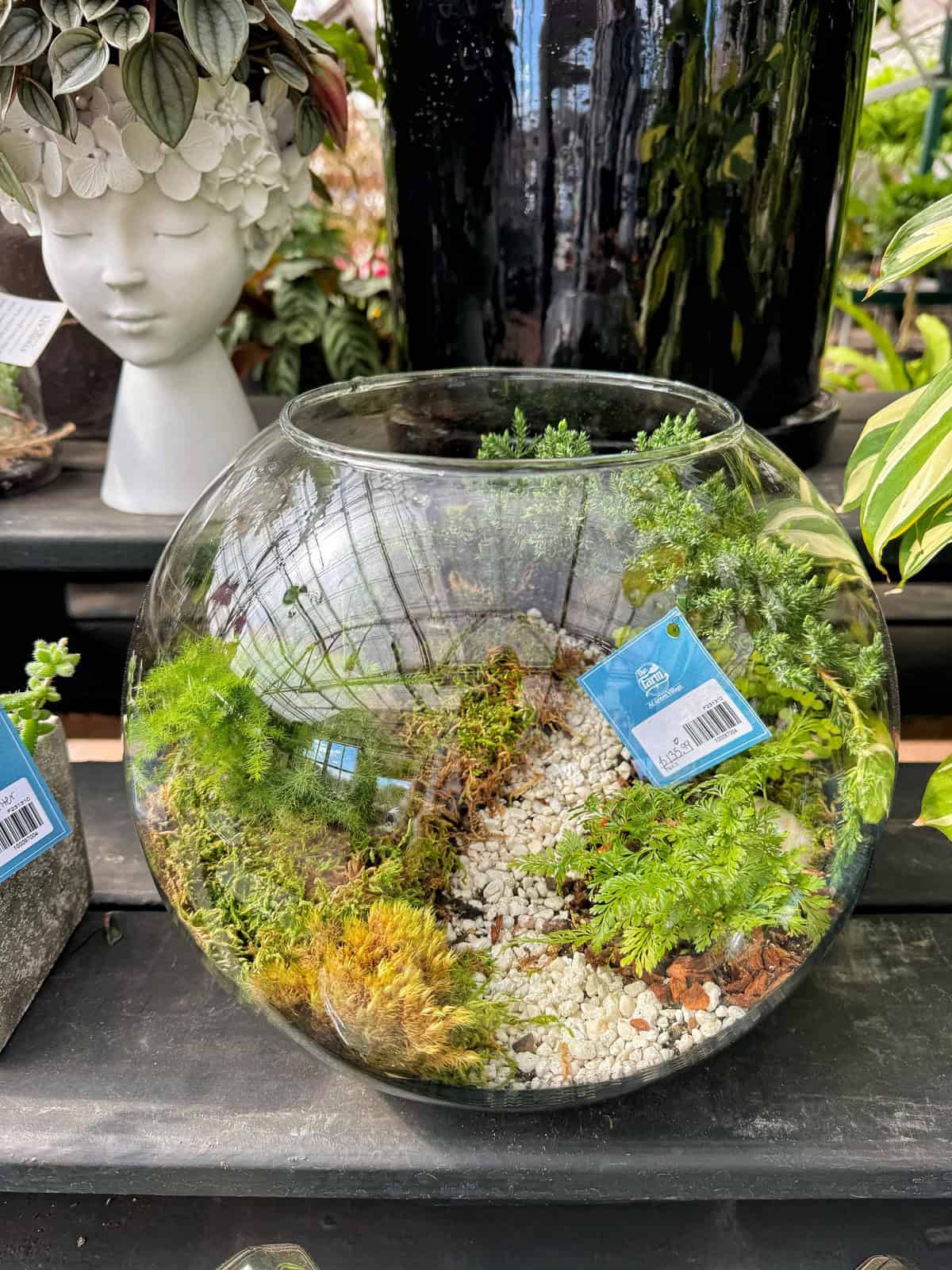
Before you begin, it’s important to understand that there are two main types of terrariums.
Closed Terrariums
These create a self-regulating environment where moisture continuously cycles through evaporation and condensation. They require minimal watering and are ideal for tropical plants that thrive in humidity.
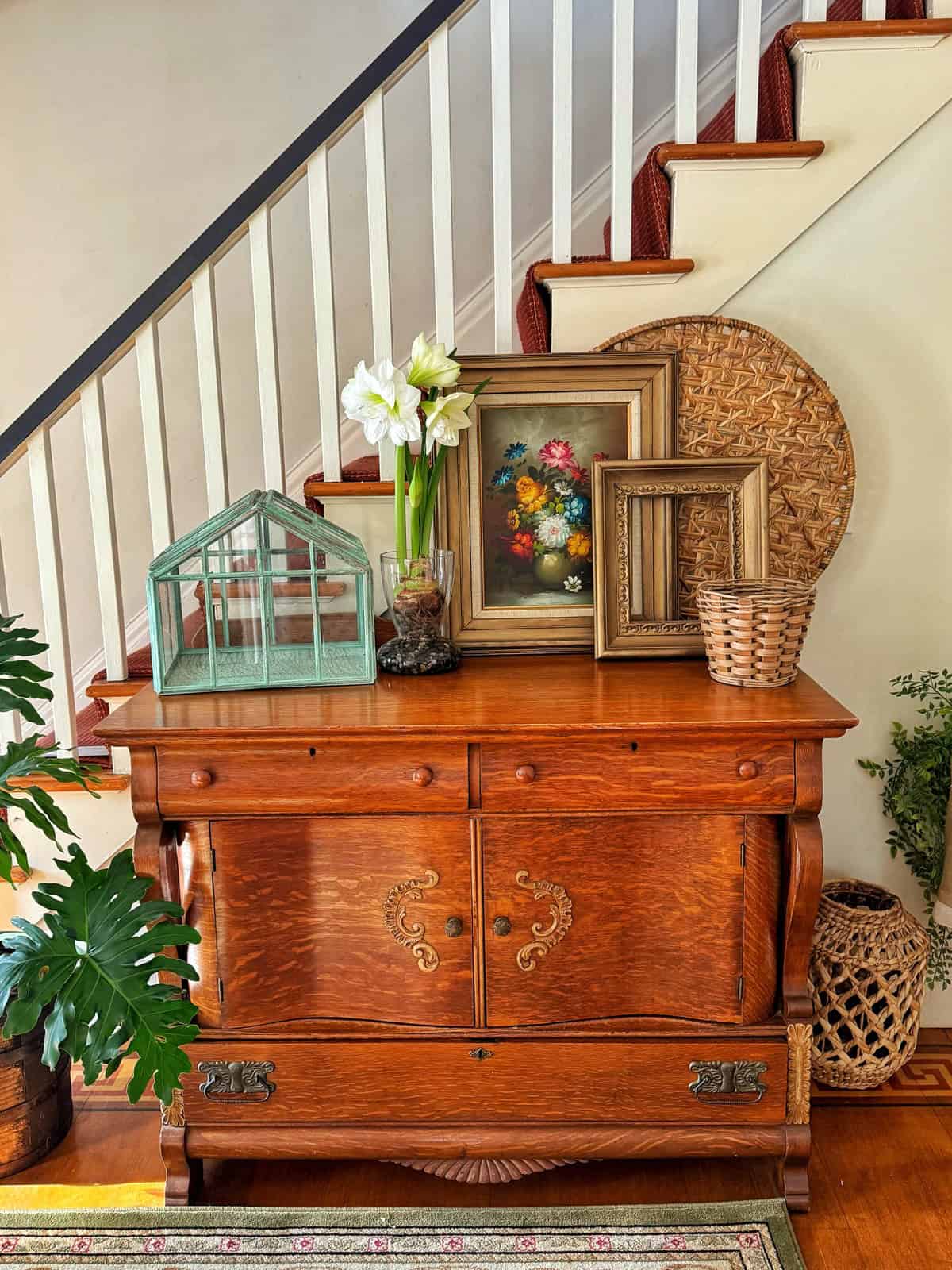
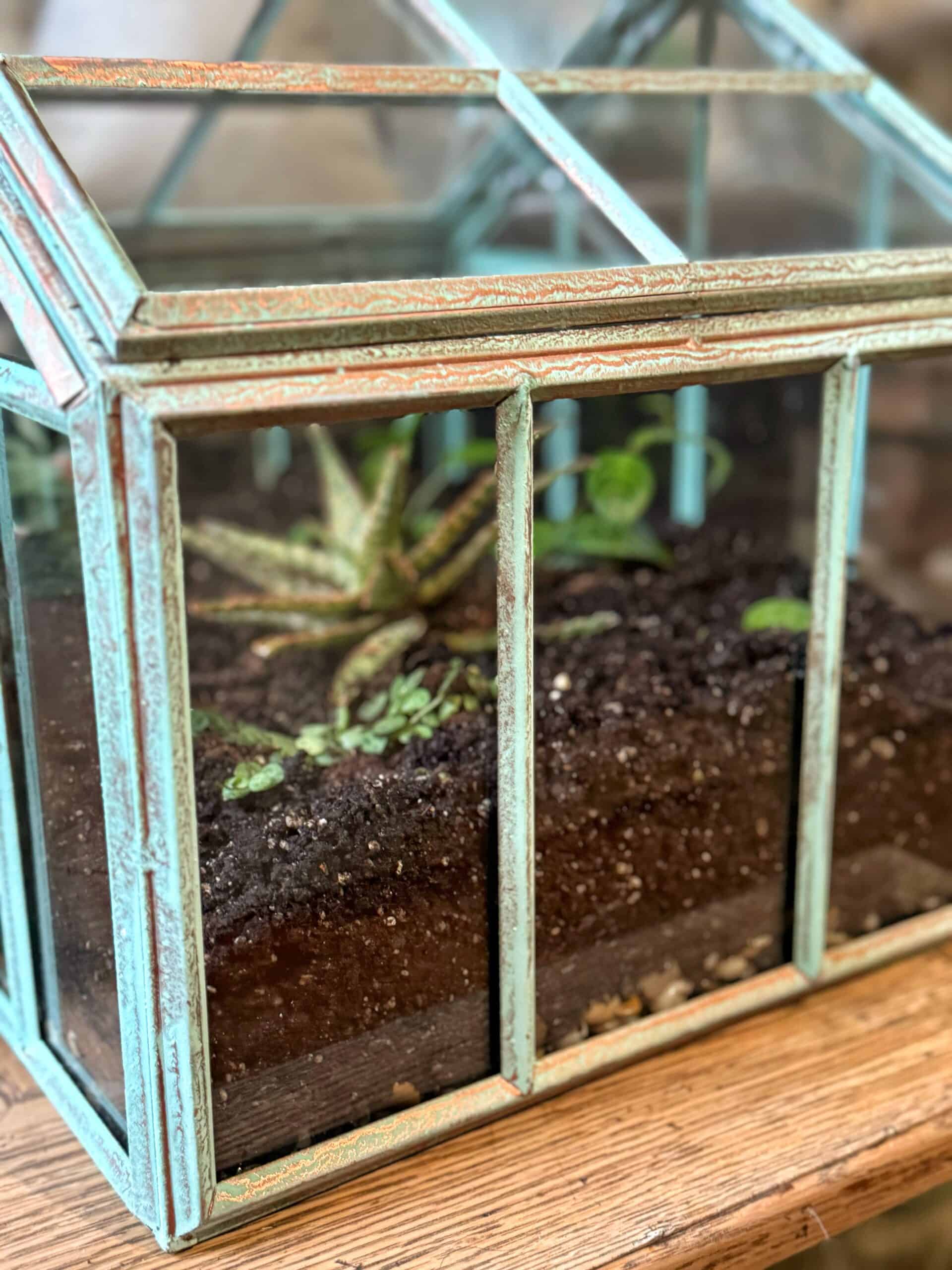
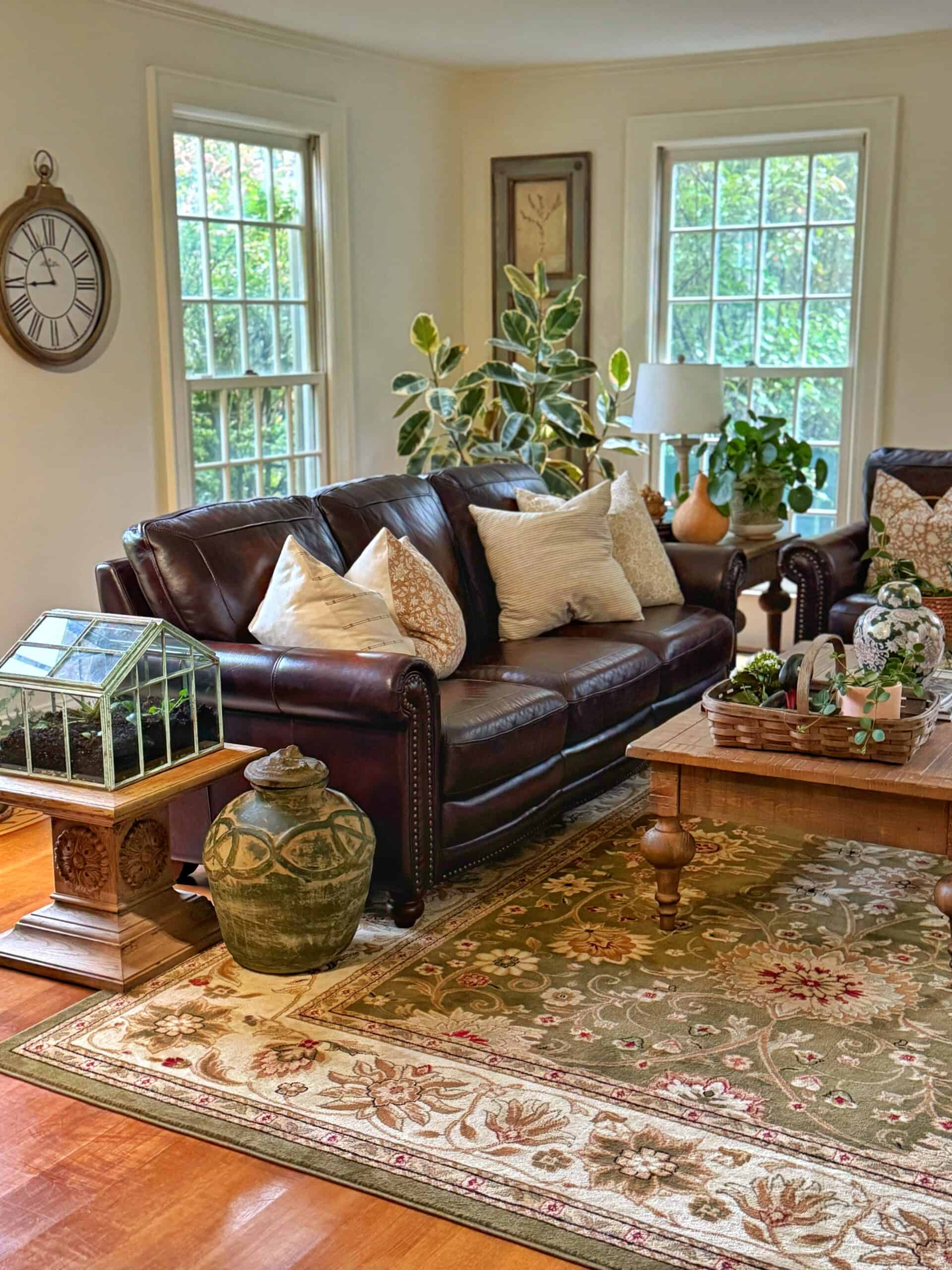
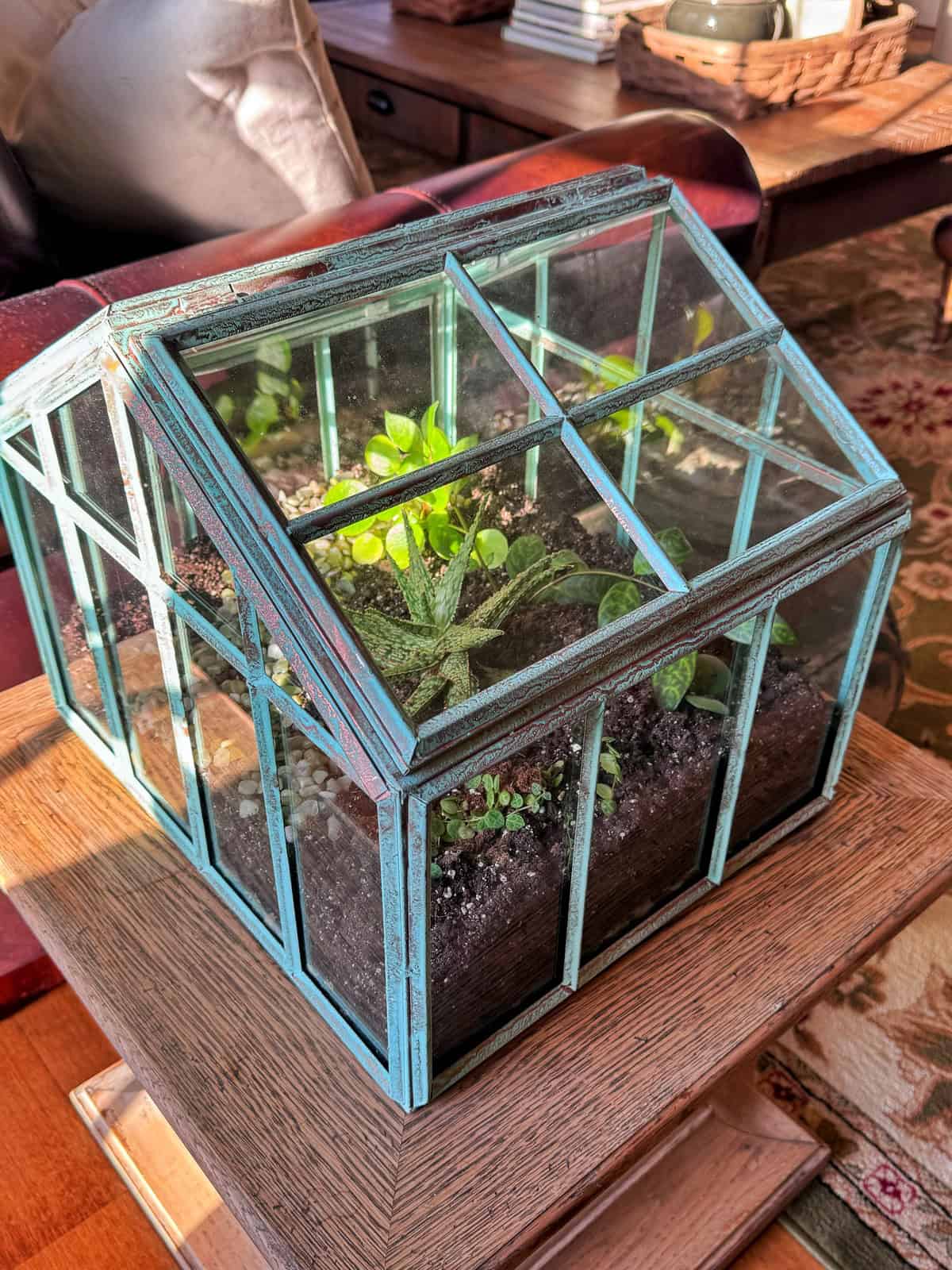
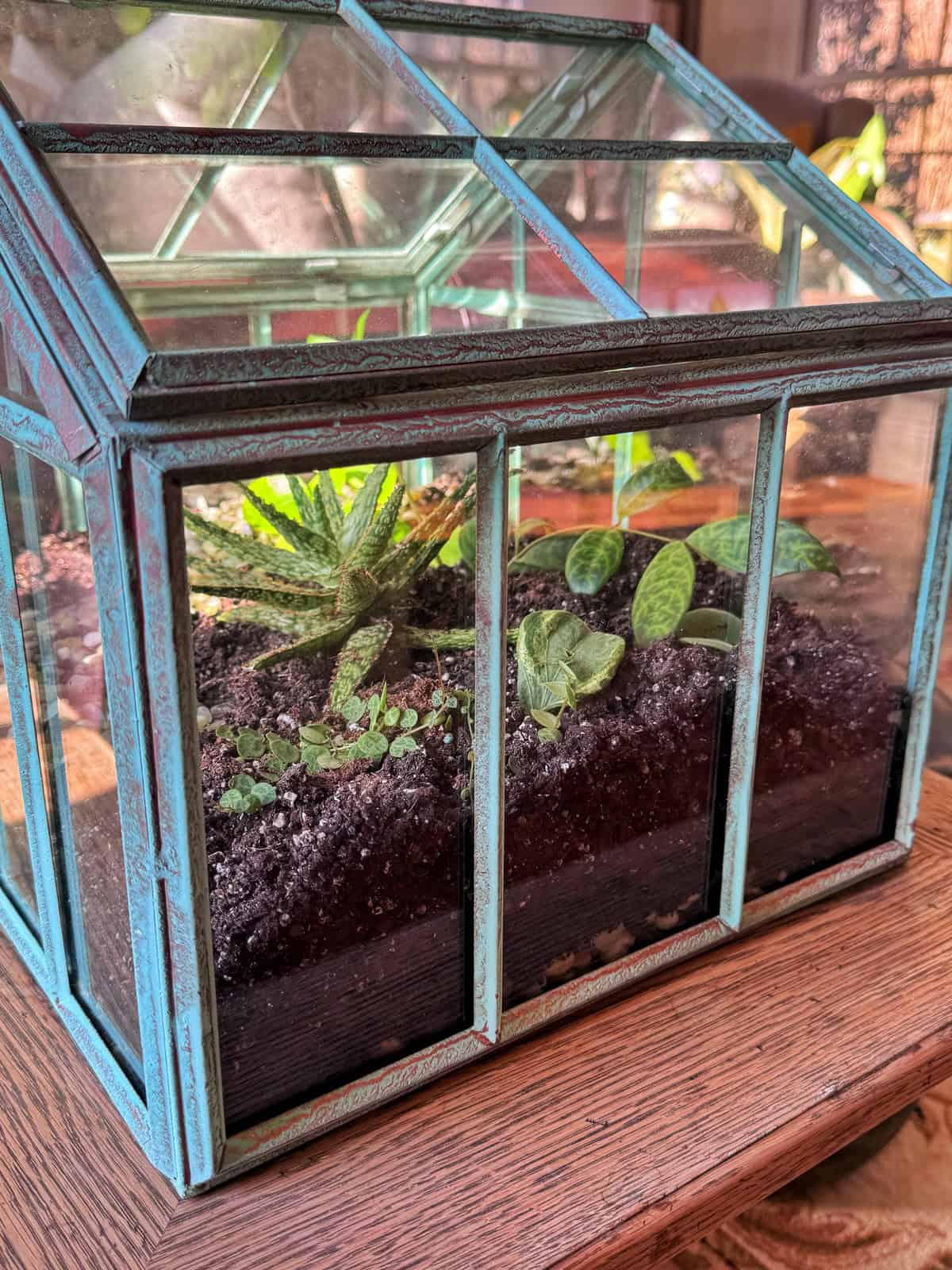
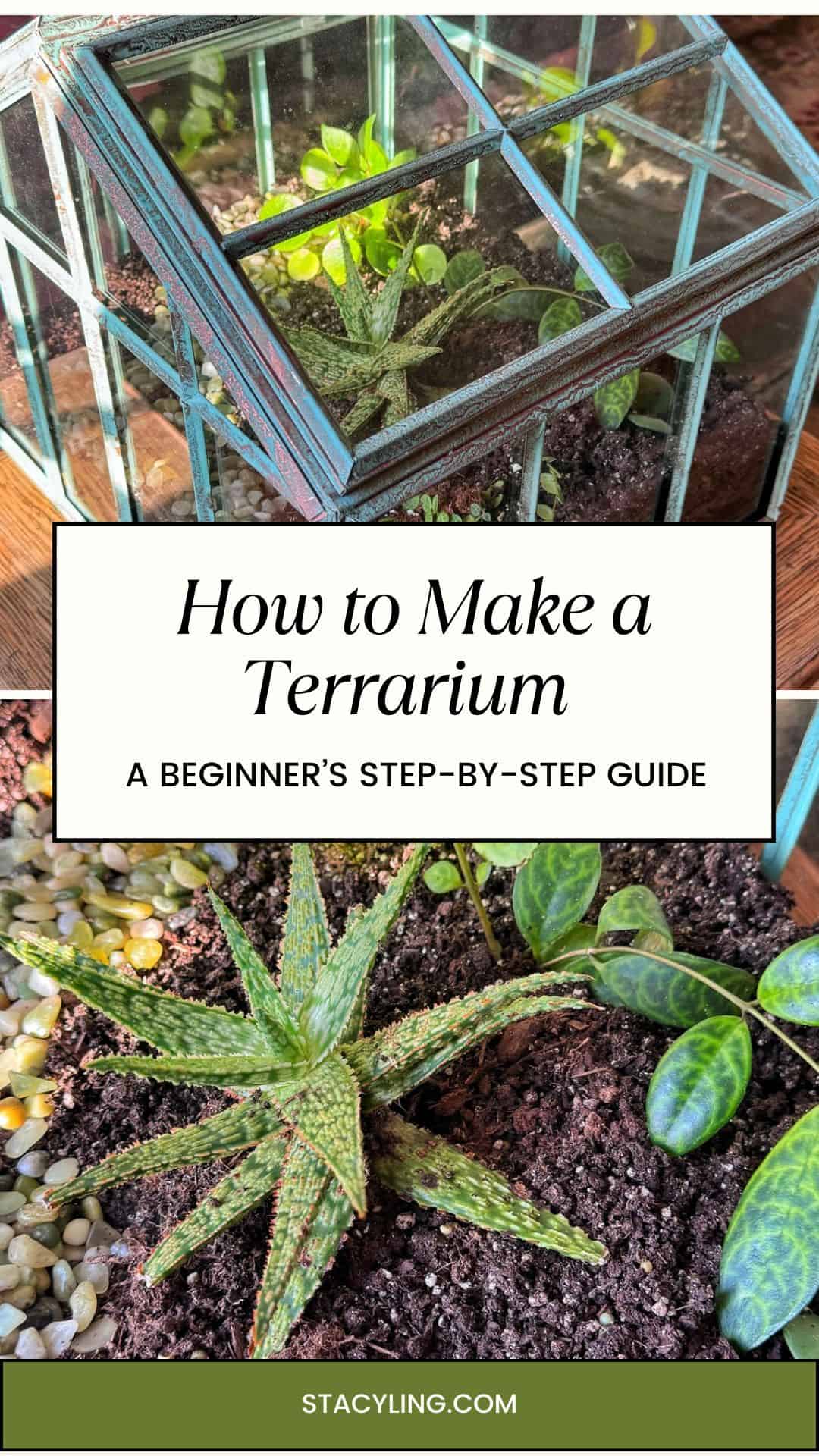
I found the prettiest terrarium for my living room that is shaped like a house. It is a closed terrarium, but can be opened up for ventilation.
Open Terrariums
These terrariums have an open top, allowing for greater air circulation and evaporation. They require more frequent watering and are suitable for plants that prefer drier conditions, such as succulents and cacti.
Gathering Your Supplies
Once you’ve decided on the type of terrarium you want to create, it’s time to gather your supplies:
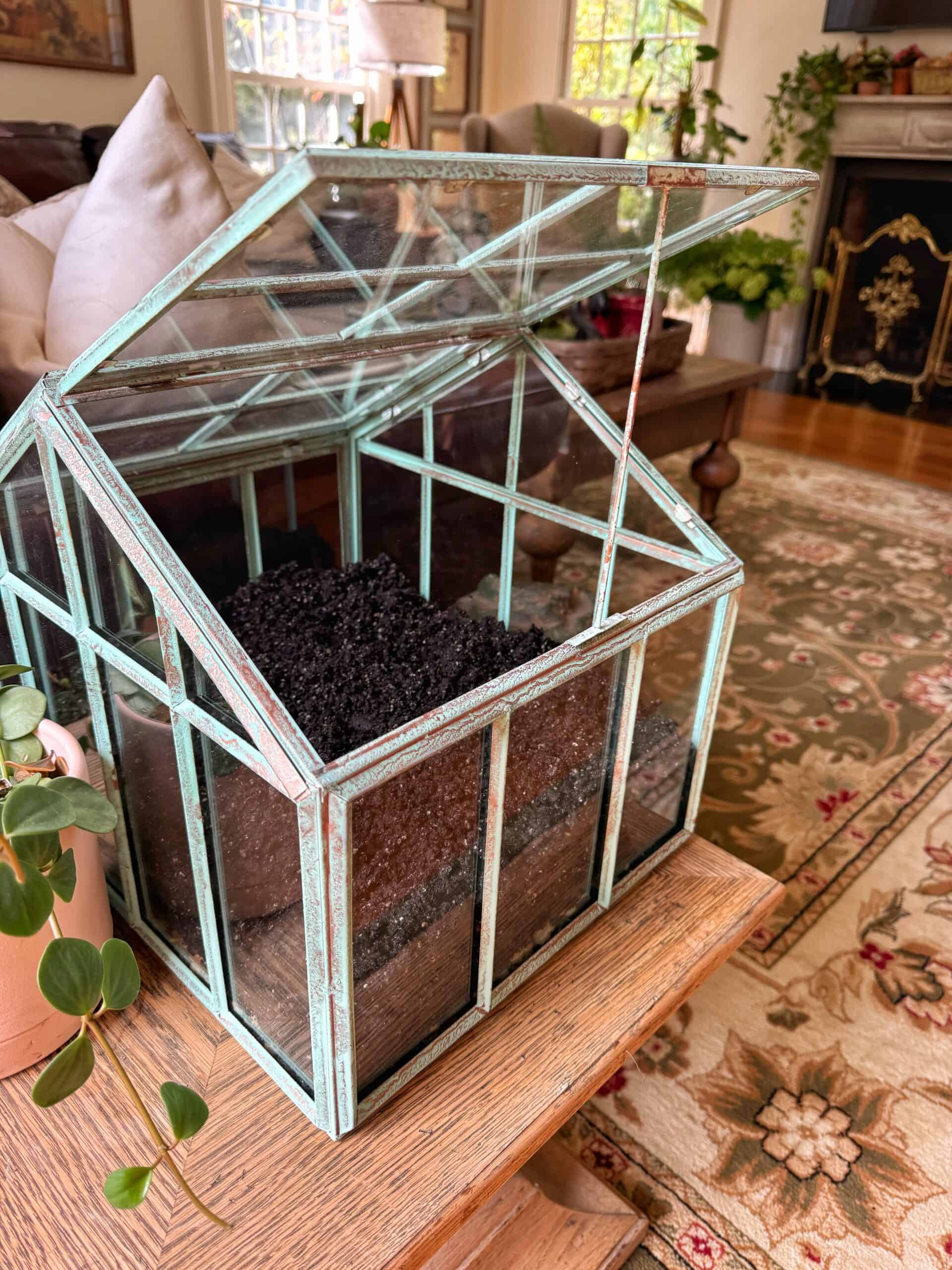
- Clear Glass Container: Choose a container with a wide opening for easy planting and a clear surface for maximum light penetration. I found this gorgeous greenhouse terrarium and wanted to style it in my space.
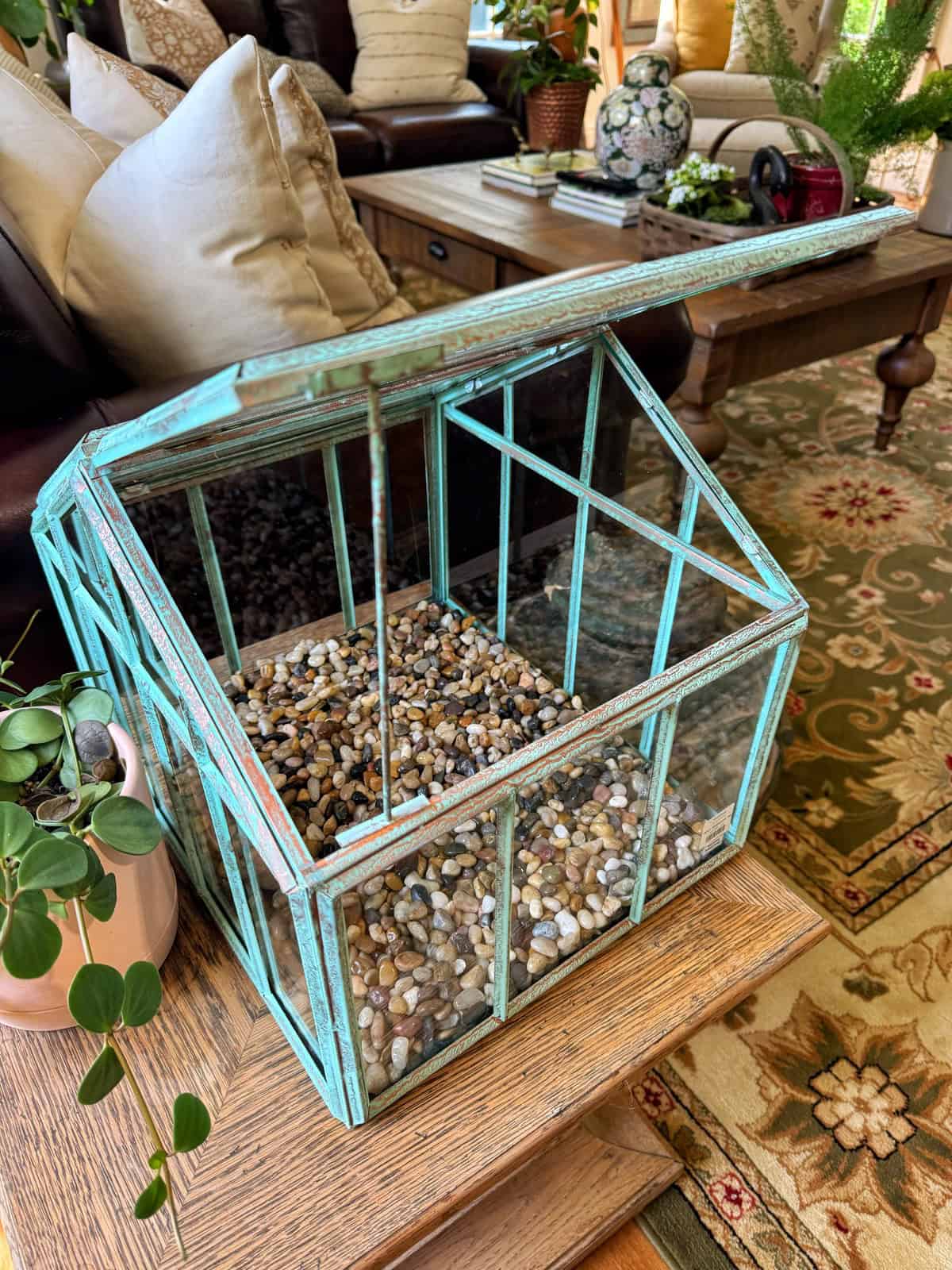
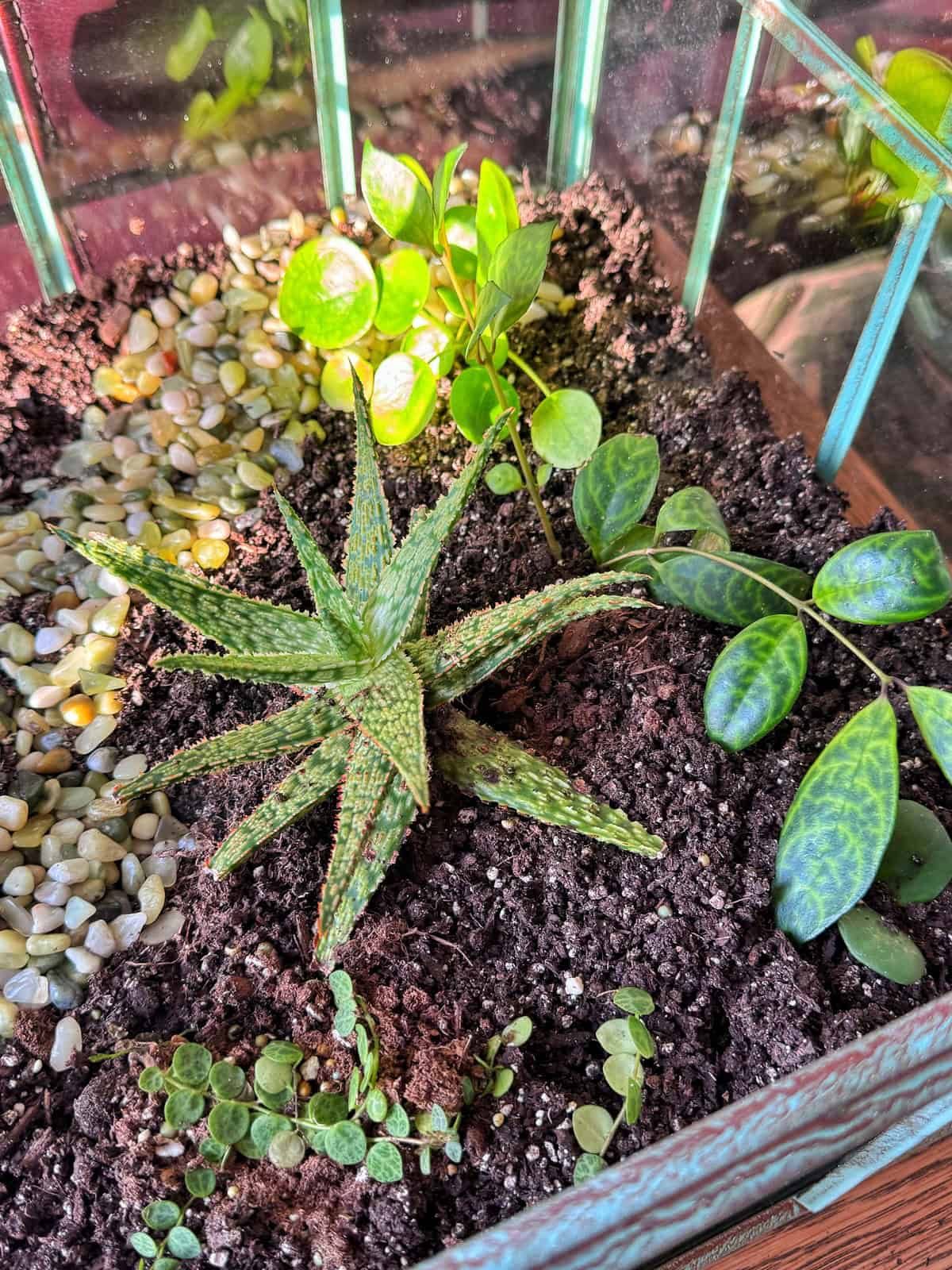
- Drainage Layer: Small pebbles or gravel create a drainage layer to prevent waterlogging and root rot. These pebbles are the ones I used.
- Activated Charcoal (Optional): A thin layer of charcoal helps filter impurities and prevent mold growth.
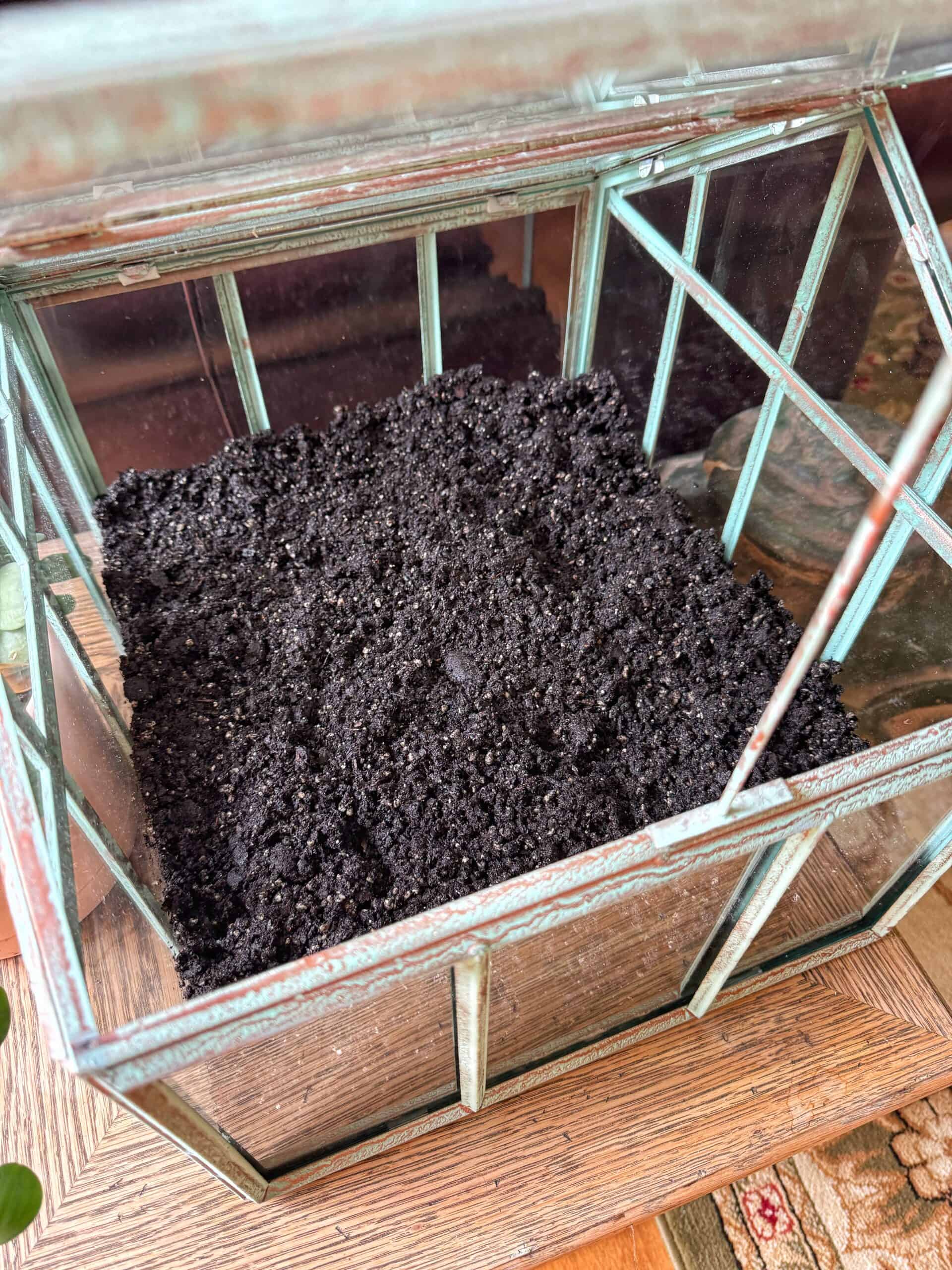
- Potting Mix: Select a well-draining potting mix suitable for the type of plants you choose.
- Plants: Choose plants with similar light and moisture requirements.
- Decorative Elements (Optional): Small stones, figurines, or moss can add personality to your terrarium.
- Tools: A small trowel, long tweezers, and a spray bottle will be helpful for planting and watering.
Building Your Terrarium
Now, let’s dive into the step-by-step process:
Step 1: Create the Drainage Layer
Add a layer of pebbles or gravel to the bottom of your container, about 1-2 inches deep. This will ensure proper drainage.
Step 2: Add Charcoal (Optional)
If using, sprinkle a thin layer of activated charcoal over the drainage layer.
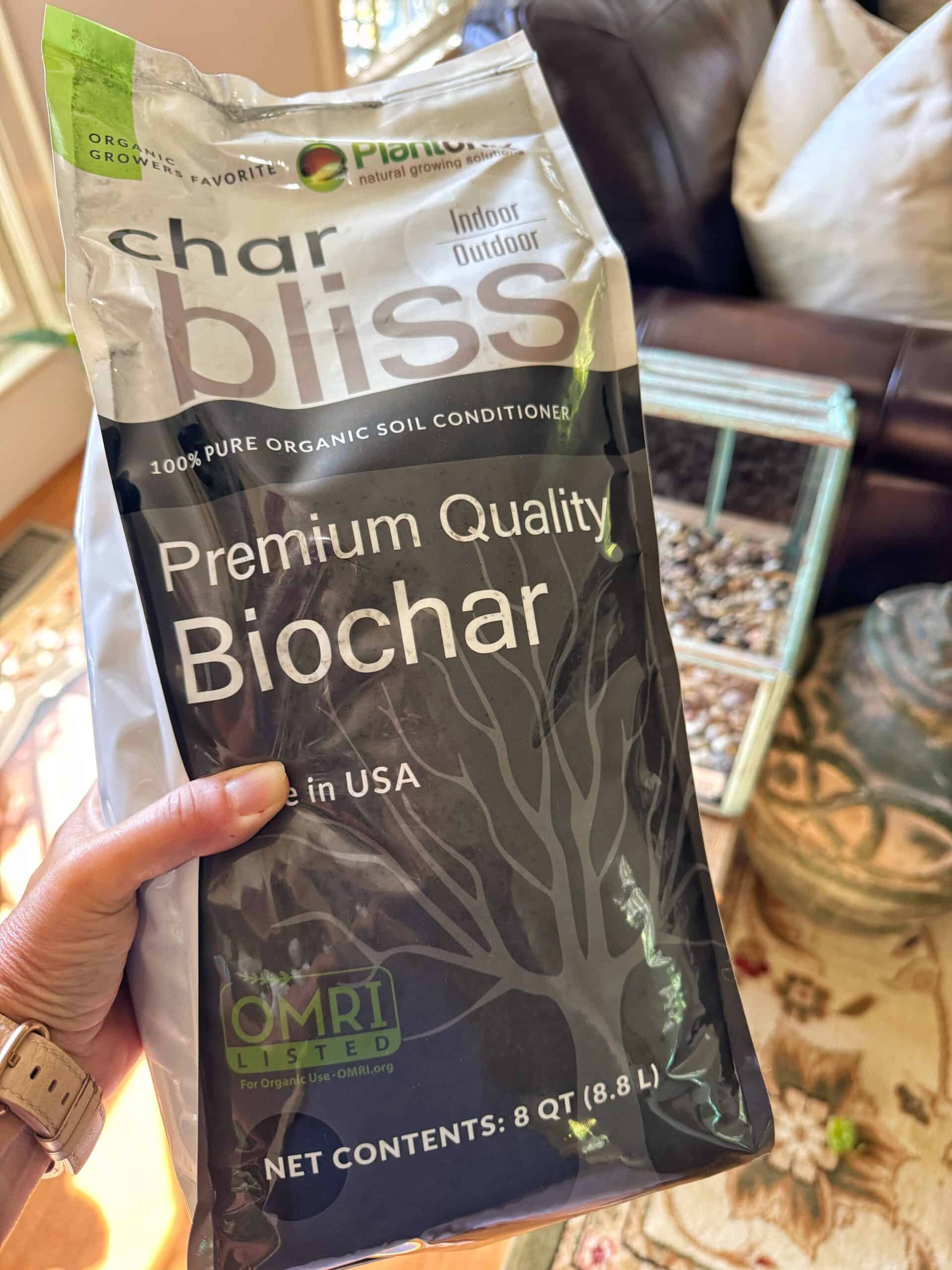
Step 3: Add Potting Mix
Pour a layer of potting mix over the drainage layer, ensuring enough depth for the plants’ roots.
Step 4: Plant Your Terrarium
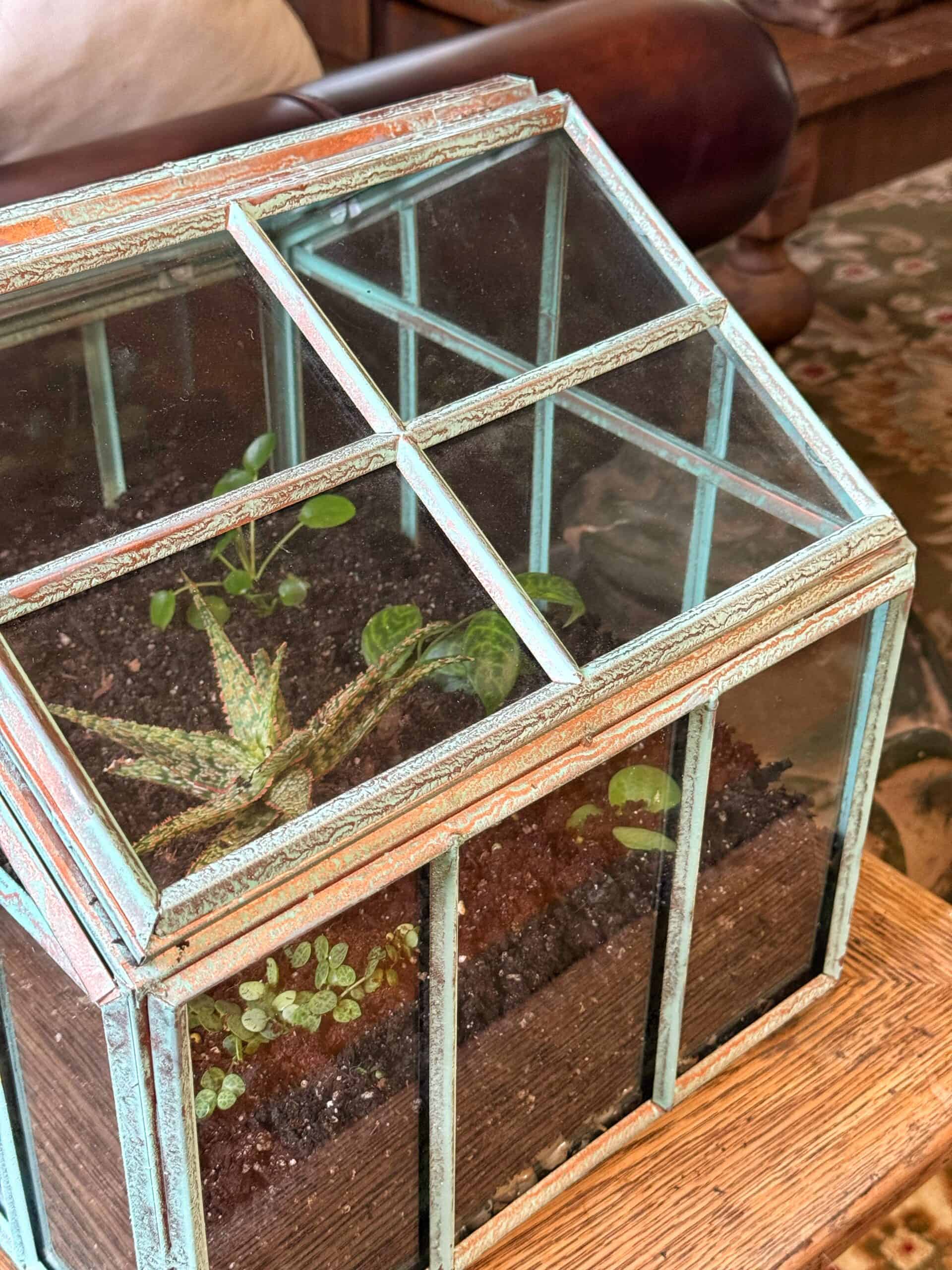
Carefully remove your chosen plants from their pots and gently loosen the roots. Arrange them in the potting mix, leaving enough space for growth.
Step 4: Add Finishing Touches
Enhance your terrarium with decorative elements like moss, stones, or figurines.
Step 5: Watering
Lightly mist the terrarium with water, adjusting the amount based on the type of terrarium and plants.

Choosing the Right Plants For Your Terrarium
Low-Light & Humidity Lovers
- Ferns: Button Fern, Lemon Button Fern, Maidenhair Fern, Bird’s Nest Fern. These add lovely texture and thrive in the humid environment.
- Mosses: Sheet Moss, Java Moss, Mood Moss. Mosses create a lush, carpet-like effect and help retain moisture.
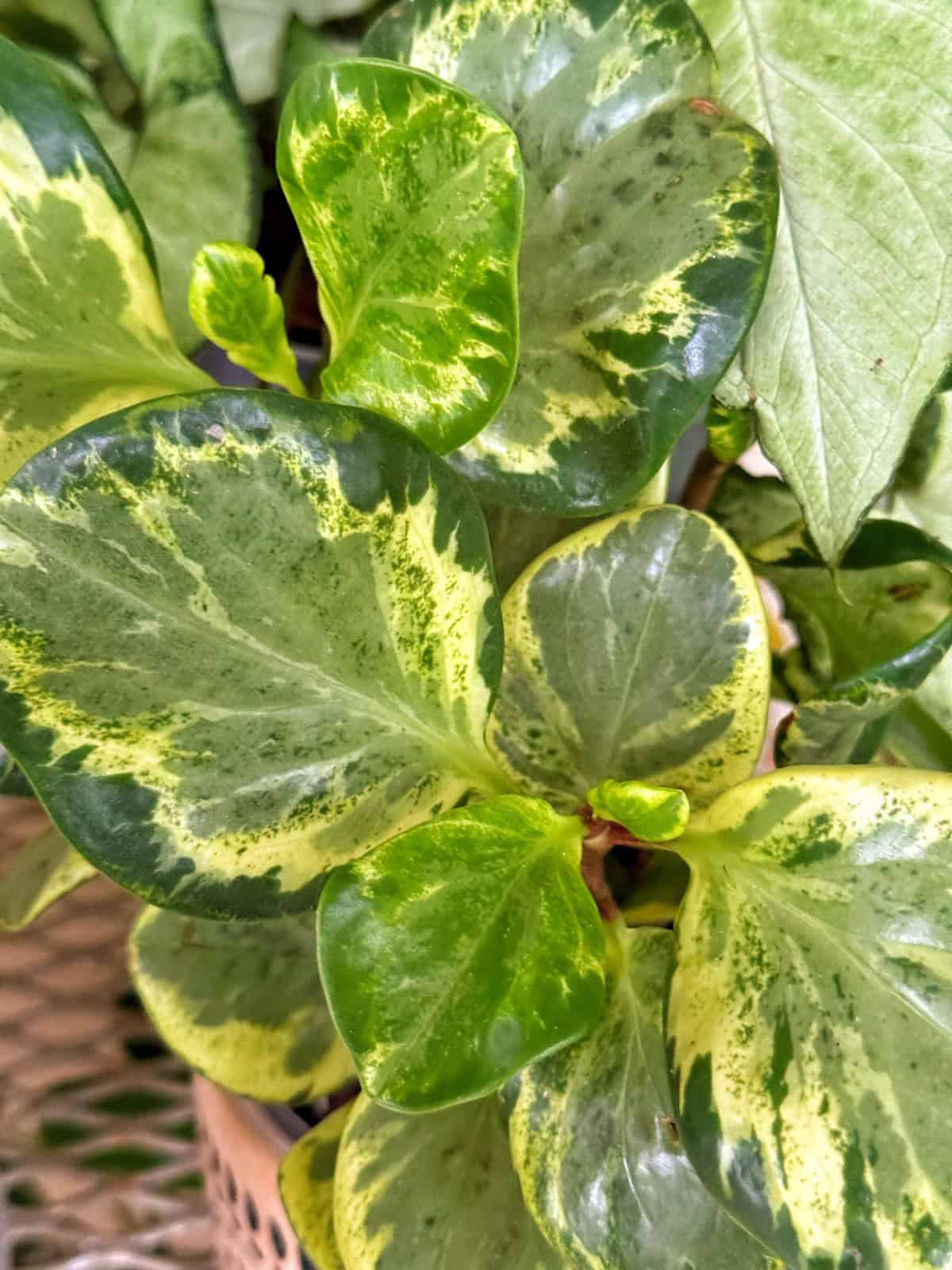
- Peperomia: Ripple Peperomia, Watermelon Peperomia, Jayde Peperomia. These come in a variety of colors and textures, and tolerate lower light.
- Fittonia: Nerve Plant. These striking plants have colorful veins and enjoy the humidity.
- Selaginella: Often called “Spike Mosses” but are not true mosses. They offer unique texture and thrive in moist environments.
Bright, Indirect Light
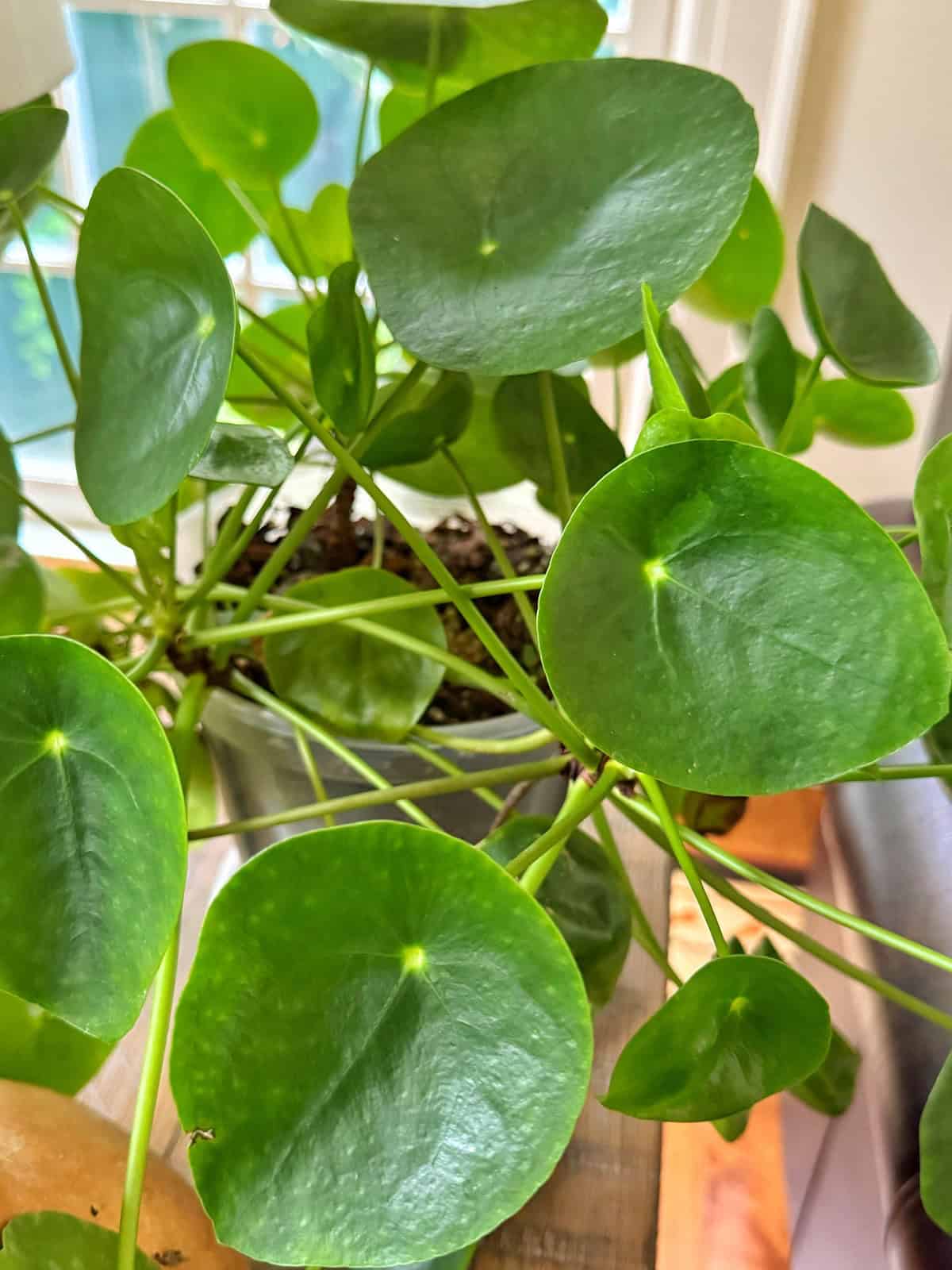
- Pilea: Aluminum Plant, Friendship Plant. These are relatively easy to care for and add interesting foliage.
- Baby’s Tears: A delicate, creeping plant that forms a beautiful ground cover.
- African Violets: These flowering plants can add a pop of color, but may need more attentive care.
- Begonias: Rex Begonias, Polka Dot Begonia. These offer stunning foliage with various colors and patterns.
- Carnivorous Plants: Venus Flytrap, Pitcher Plant, Sundew. These can be a fun addition, but require specific care and may not be suitable for all terrariums.
Succulents & Cacti (Open Terrariums Only)
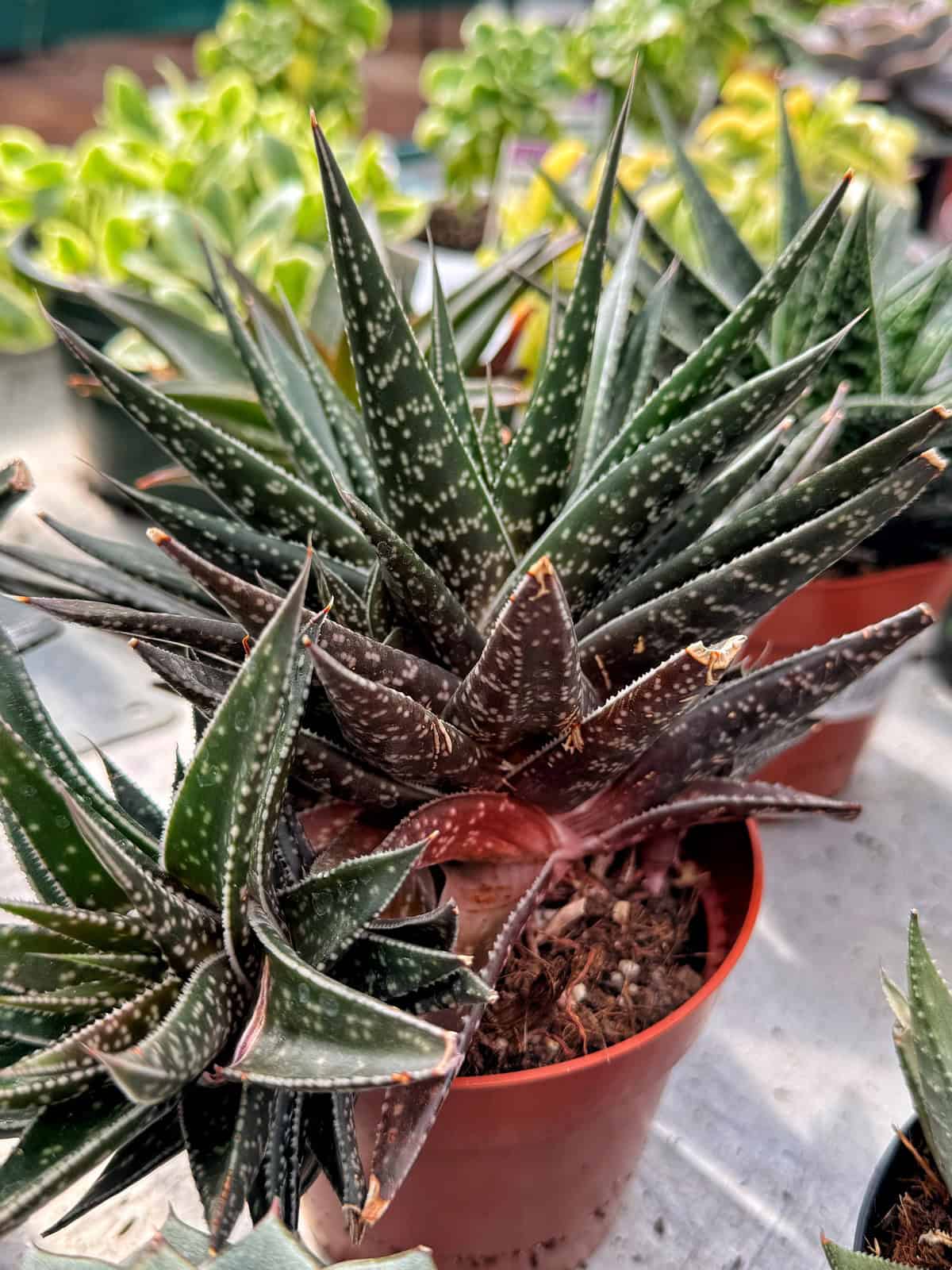
- Haworthia: Zebra Haworthia, Star Window Plant. These offer unique shapes and textures.
- Echeveria: A wide variety of colors and forms, perfect for adding visual interest.
- Sedum: Stonecrop. These are hardy and come in many varieties, some with trailing habits.
- Rebutia: These cacti are small and slow-growing, with beautiful flowers.
Important Considerations
- Size: Choose plants that fit comfortably in your terrarium and won’t outgrow it quickly.
- Growth Habit: Consider whether you want upright, trailing, or compact plants.
- Care Requirements: Select plants with similar needs for light and moisture.
This list provides a starting point, but there are many other plants that can thrive in terrariums. Do some research and choose plants that you find appealing and that will suit your terrarium environment.
Care and Maintenance
- Closed Terrariums: Monitor the moisture levels and condensation. If there’s excessive condensation, open the terrarium for a few hours to allow some moisture to escape. Water only when the soil feels dry.
- Open Terrariums: Water more frequently, allowing the soil to dry slightly between waterings. Avoid overwatering, which can lead to root rot.
- Light: Place your terrarium in a location with bright, indirect light. Avoid direct sunlight, which can overheat the enclosed environment.
- Pruning: Trim any overgrown or dead leaves to maintain the health and aesthetics of your terrarium.
Styling and Personalizing Your Terrarium
Terrariums offer a beautiful blend of art and nature, giving you the freedom to express your creativity while bringing the outdoors inside. Experiment with different container shapes and sizes—from classic glass jars and geometric terrariums to vintage lanterns or repurposed teapots.
Creating a terrarium doesn’t have to be expensive. Thrift stores and antique shops are excellent places to find unique glass containers that can be transformed into one-of-a-kind displays.
Add personality with decorative elements like stones, moss, driftwood, or miniature figurines. Whether you prefer a whimsical fairy garden, a minimalist design, or a nature-inspired landscape, your terrarium can reflect your personal style.
My Terrarium
Since I wanted to go with a mini-greenhouse terrarium and this one is kind of large, I am using mine with plant propagations so it can fill in more without buying new plants. I added howarthia, string of turtles, lipstick plant, two peperomias and a baby pilea plant.
Shop For Terrariums

Final Thoughts on Making a Terrarium
Creating a terrarium is one of the simplest, low-maintenance ways to grow houseplants. With the right container, plant selection, and light, a terrarium can thrive for months with little care.
Whether you’re propagating plant cuttings, helping humidity-loving plants recover, or simply adding a living element to your home décor, terrariums offer endless possibilities. Start simple, observe how your plants respond, and enjoy watching your miniature ecosystem grow.
If you’re looking to expand your confidence with indoor plants beyond terrariums, learning the basics of houseplant care can make a big difference. Understanding light, watering, and humidity will help all of your plants thrive—both inside and outside of a terrarium.
For more information about creating a terrarium, read this article from the Iowa State Cooperative Extension.
Thank you for visiting the blog today!
Enjoy your day! xo

Originally Published .
