
What I’m Doing (and Not Doing) for My Houseplants in January

A look at how I care for my houseplants in January — what I focus on, what I skip, and the lessons I’ve learned about winter watering, light, and patience.
January is a quiet month for houseplants…or at least, it should be. Over the years, I’ve learned that most winter houseplant problems don’t come from neglect, but from doing too much too fast. These days, January is more about observation than action, and that shift alone has made a big difference in how my plants come through winter.
That doesn’t mean I ignore them. Far from it. It just means my care looks slower, gentler, and more intentional than it does during the growing season.
(Posts on stacyling.com may contain affiliate links. Click HERE for full disclosure.)
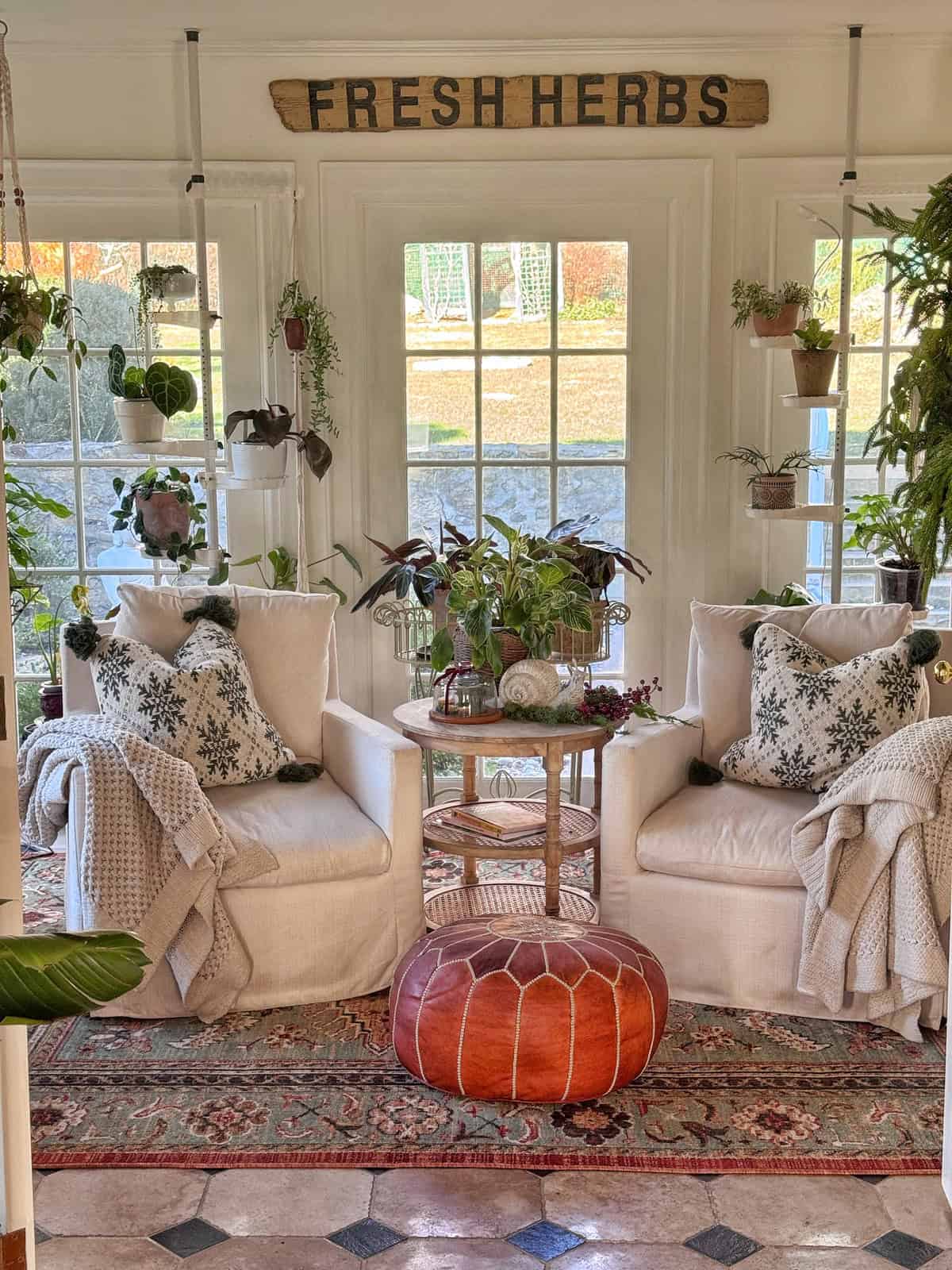
What I Am Doing for My Houseplants Right Now
Even in winter, there are a few things I stay consistent with.
I do fertilize, but not with anything synthetic or heavy. Instead, I use a gentle organic fertilizer mixed into my watering routine. It’s mild enough that I’m not forcing growth, but it still supports plants that are actively growing — and some of mine definitely are.
When I water, I make a point to water thoroughly at the root ball. Over time, I’ve noticed that some potting soils become hydrophobic in winter, especially if they’ve dried out too much between waterings. So every plant gets a good, slow soak that is almost like a simulated rain shower to make sure water actually reaches the roots instead of running straight down the sides of the pot. Given the amount of plants I have, this takes some time, but it is well worth it.
I’m also using grow lights where needed, and this has been one of the biggest shifts in my winter care routine over the years. Some plants are perfectly happy with winter window light, while others clearly aren’t. Adding supplemental light has helped several of my more sensitive plants hang on. And in some cases, actually improve. I use these grow lights for larger pots and these smaller clip on grow lights for smaller ones.
And then there’s the quieter care. I spend a lot of time checking soil before watering, rotating plants slightly, and simply paying attention. With shorter days and lower light, soil holds moisture much longer, so that pause before watering matters more than ever.

What I’m Intentionally Not Doing
Just as important as what I’m doing is what I’m choosing not to do in January.
I’m not watering on a schedule.
I’m not repotting.
I’m not pushing growth just because a plant looks a little tired.
Winter has taught me that restraint is often the best form of care. Plants don’t need constant adjustment, they need consistency and patience.
What Winter Taught Me About Overwatering Houseplants
If there’s one lesson winter has taught me, it’s how easy it is to overwater houseplants when growth slows down.
Lower light levels and cooler temperatures mean plants simply use less water. Soil stays wet longer, and what might be perfectly fine in summer can quickly become a problem in winter. I’ve learned the hard way that watering out of habit instead of observation is where trouble starts.
That’s why I always check soil moisture first and why I’m comfortable waiting longer between waterings. Overwatering in winter doesn’t always show up immediately, either. Sometimes it’s subtle with slower growth, dull leaves, or a plant that just looks “off.” Learning to recognize those early signs has made a big difference for me over time.
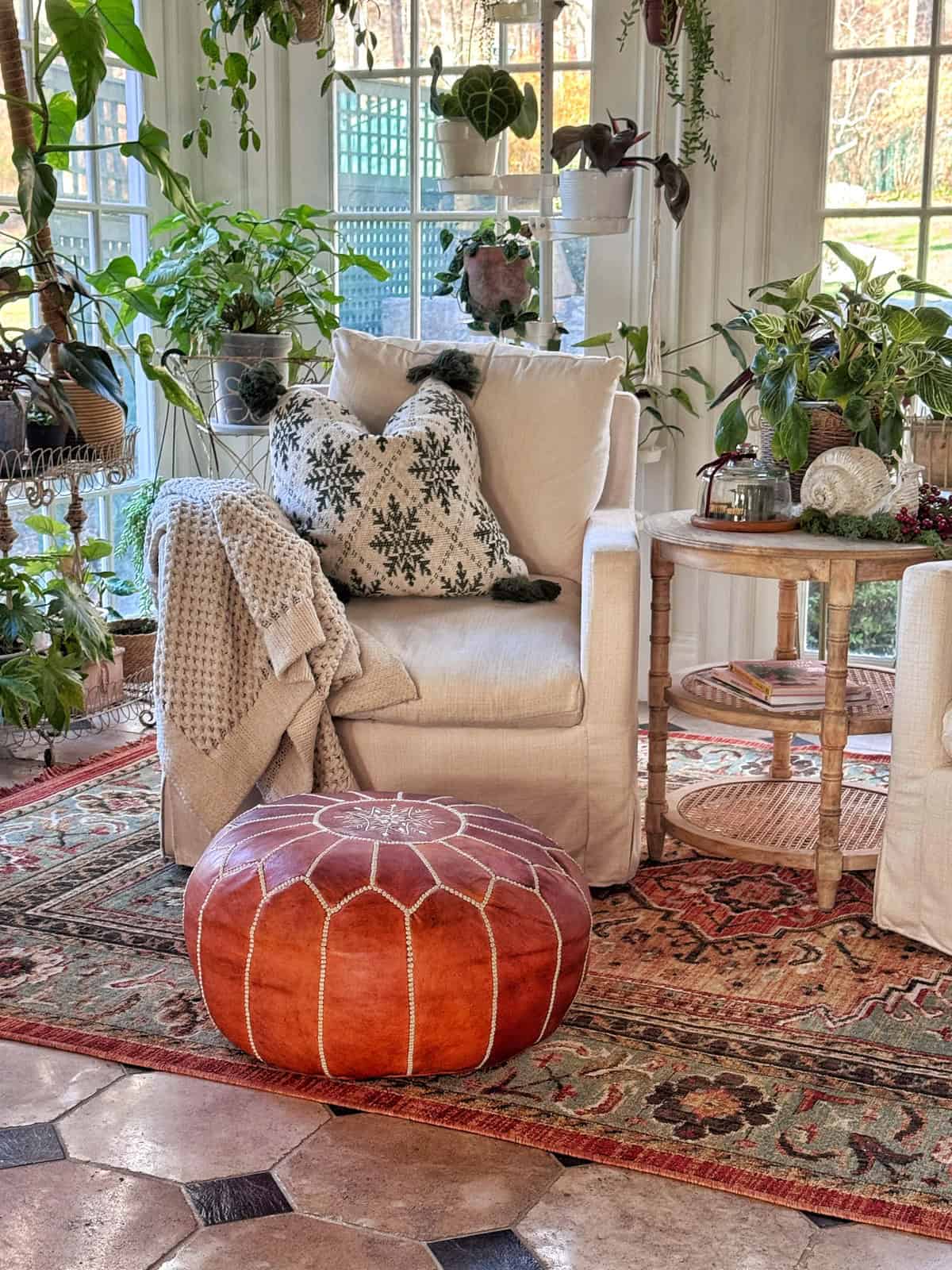
A Few Real-Life Houseplant Notes from This Winter
Not every plant responds the same way, and that’s part of what keeps houseplants interesting.
My alocasia frydek is very much on the struggle bus right now but still alive, but looking at little unhappy. I’m hopeful for a rebound, though, especially since my alocasia ‘Dawn’ went through a rough patch and surprised me by bouncing back beautifully. I love growing alocasias, but I’ll be the first to admit they’re fussy plants that demand patience and perserverance.
On the other hand, philodendrons continue to impress me every winter. I grow a lot of them, and every single one is thriving right now. They’ve proven to be the one of the least fussy plants in my collection and seem to handle almost any light situation I give them. Most of mine live in east-, west-, or north-facing windows, and each one does well in its space. I honestly haven’t found a philodendron variety yet that isn’t easy to grow, which is part of why I enjoy them so much.
My monstera ‘Thai Constellation’ is another highlight this season. It now has eight leaves, and five of them are fenestrated — something that still feels a little magical every time it happens. This plant is especially meaningful to me because I started it as a tiny plug with just two small leaves wrapped in a wet paper towel. It was so small when I brought it home, and watching it grow has genuinely felt like raising it from a baby.
Moments like that are why I love growing houseplants. Seeing steady progress — especially in winter — is incredibly satisfying and reminds me that even slow growth is still growth.
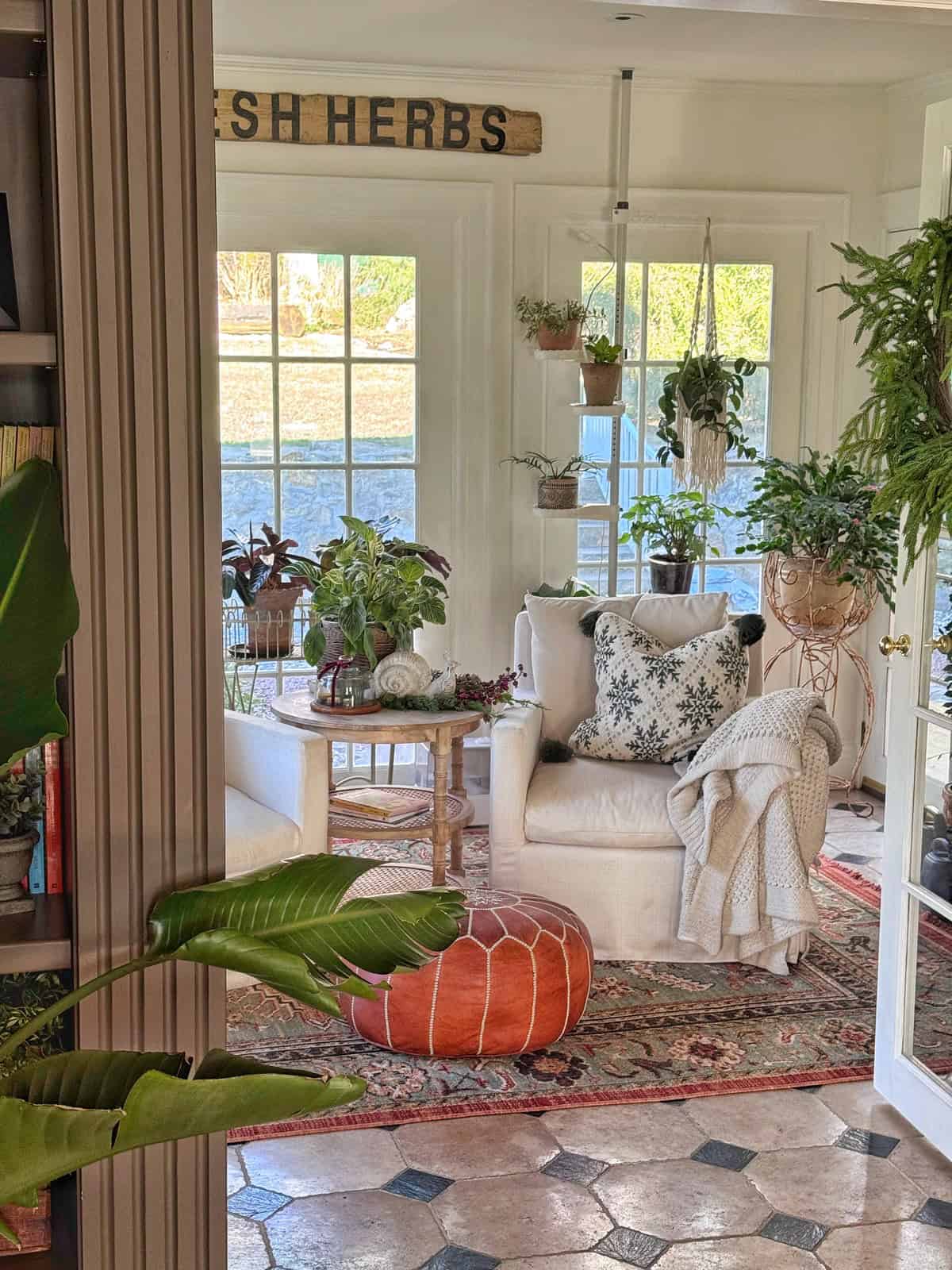
The Small Rituals That Matter Most
One of my favorite winter houseplant rituals is wiping down leaves. It’s almost therapeutic, kind of like deadheading flowers in the garden. It helps plants photosynthesize better, keeps pests in check, and gives me a chance to really look at how each plant is doing. In winter, that kind of slow, attentive care goes a long way.
January Is a Pause, Not a Problem
I’ve come to see January as a pause rather than a problem. Houseplants don’t need constant attention right now; instead, they need calm, consistency, and a gardener who’s willing to wait.
Doing less has helped my plants far more than any winter “fix” ever did. And once the days start getting longer, they’re ready to grow again, without having to recover from unnecessary stress first.
Thank you for visiting the blog today!
Enjoy your day! xo

Originally Published .

Great advice, my Alocasia [ unknown, I risked 6 bucks at Canadian Tire- haha ], has lost a couple of leaves, but is holding on. How you are watering sounds like something I am going to try. I find the balance of moisture in a ceramic pot is difficult this time of year.
Kim
Alocasias are probably my least favorite plant to grow. I love the foliage so I still grow them but they need more attention than I care to give! LOL