
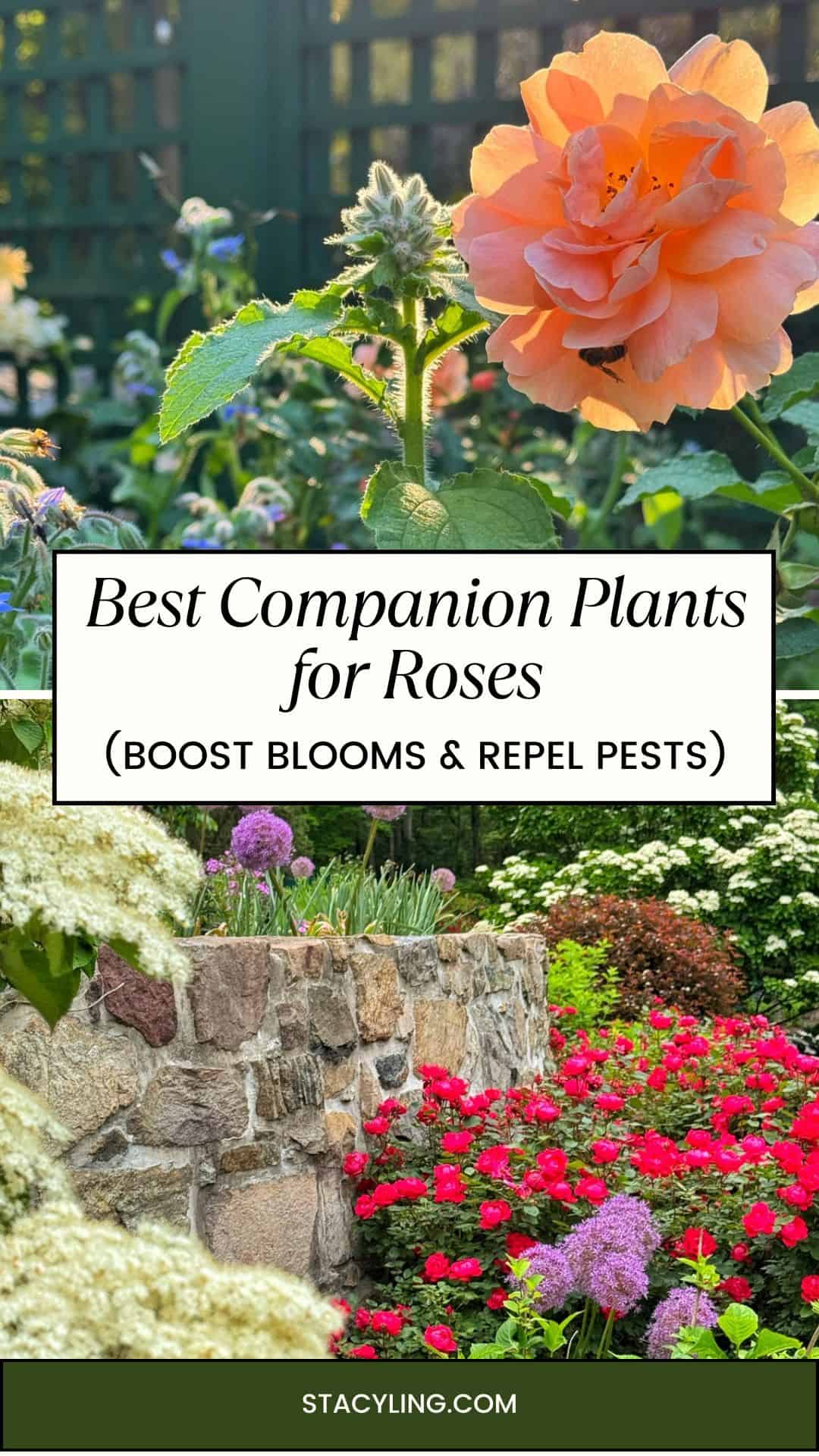
Best Companion Plants for Roses (Plus What to Avoid)

Find the best companion plants for roses to boost blooms, improve plant health, and help naturally repel pests in your garden.
Companion planting with roses is a simple way to grow healthier plants, improve blooms, and naturally reduce pest problems in your garden. By pairing roses with the right plants, you can create a more balanced growing environment that supports strong growth, better airflow, and beneficial insect activity.
If you’ve ever struggled with pests, sparse blooms, or figuring out what to plant alongside your roses, you’re not alone. Choosing the right companions can make a noticeable difference, but it can also feel overwhelming with so many options to consider.
In my own garden, I’ve found that the plants growing around my roses are just as important as how I care for the roses themselves. Over the years, I’ve experimented with different combinations and have seen firsthand how certain plants can help deter pests, attract pollinators, and create a fuller, more cohesive garden design.
If you’re new to growing roses or want a complete overview of how to care for them, be sure to read my complete guide to growing roses. It walks you through planting, pruning, and maintaining healthy plants so you can build a strong foundation for success.
In this guide, I’ll share the best companion plants for roses, including options that help improve plant health, support pollinators, and enhance the overall look of your garden, along with a few plants you may want to avoid.
(Posts on stacyling.com may contain affiliate links. Click HERE for full disclosure.)
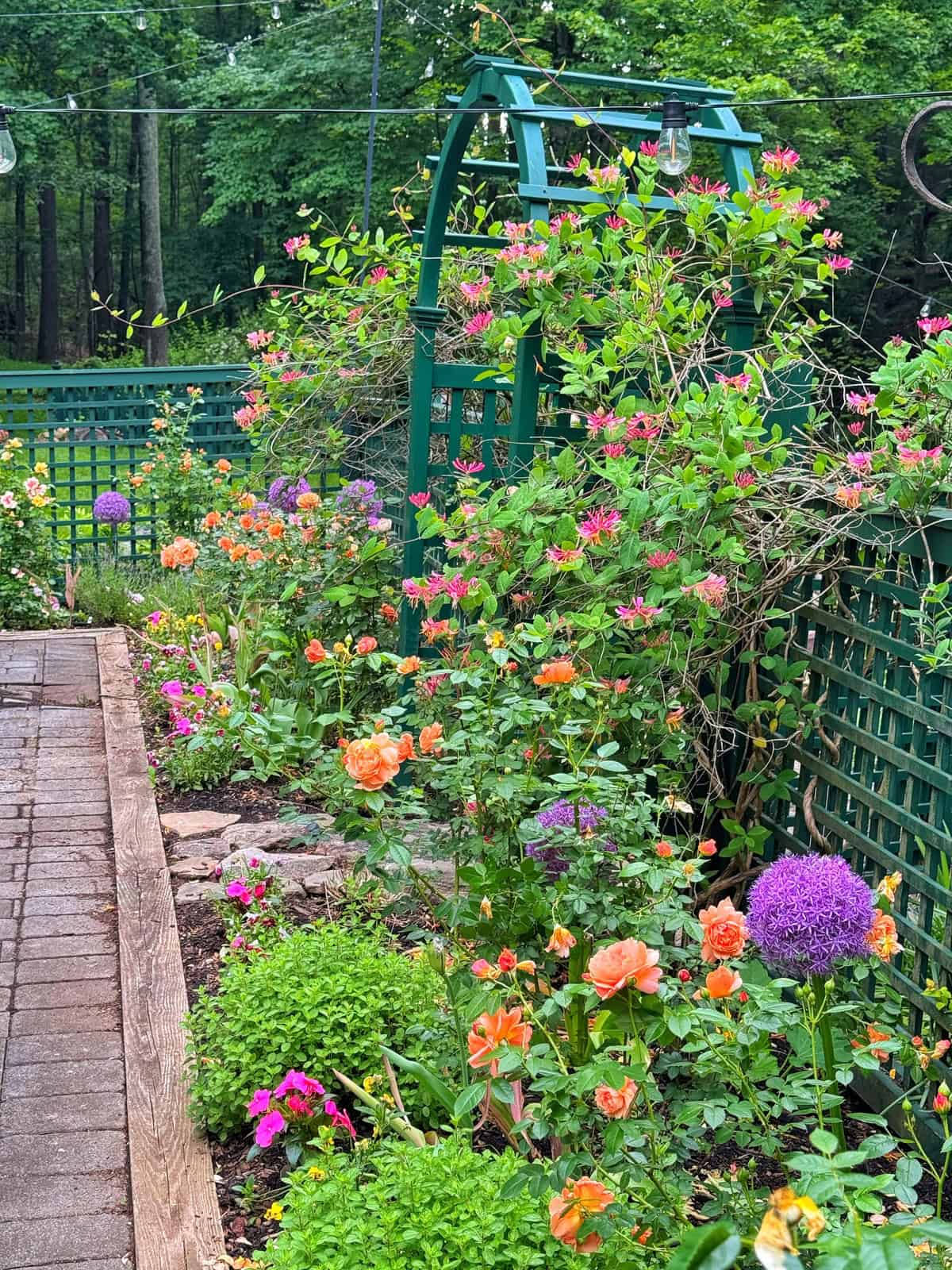
Why Companion Planting Works With Roses
Companion planting is the practice of growing different plants together so they can support each other’s growth. When done thoughtfully, it can improve plant health, reduce pest problems, and create a more balanced and productive garden.
Roses benefit especially well from companion planting because they can be prone to common issues like pests, disease, and poor airflow when grown alone or in crowded conditions. Pairing them with the right plants helps create an environment where they can thrive.
Some companion plants help repel pests that commonly affect roses, such as aphids and Japanese beetles. Others attract beneficial insects like ladybugs and pollinators, which help keep pest populations in check and support overall garden health.
Companion plants can also improve air circulation and soil conditions, which are key to preventing disease and encouraging strong growth. Low-growing plants can help retain moisture and suppress weeds, while taller companions can add structure and seasonal interest to your garden beds.
In my own garden, I’ve found that combining roses with a mix of flowering perennials, herbs, and structural plants creates a healthier, more resilient planting overall. Instead of relying on a single solution, companion planting allows you to build a garden that works together naturally.
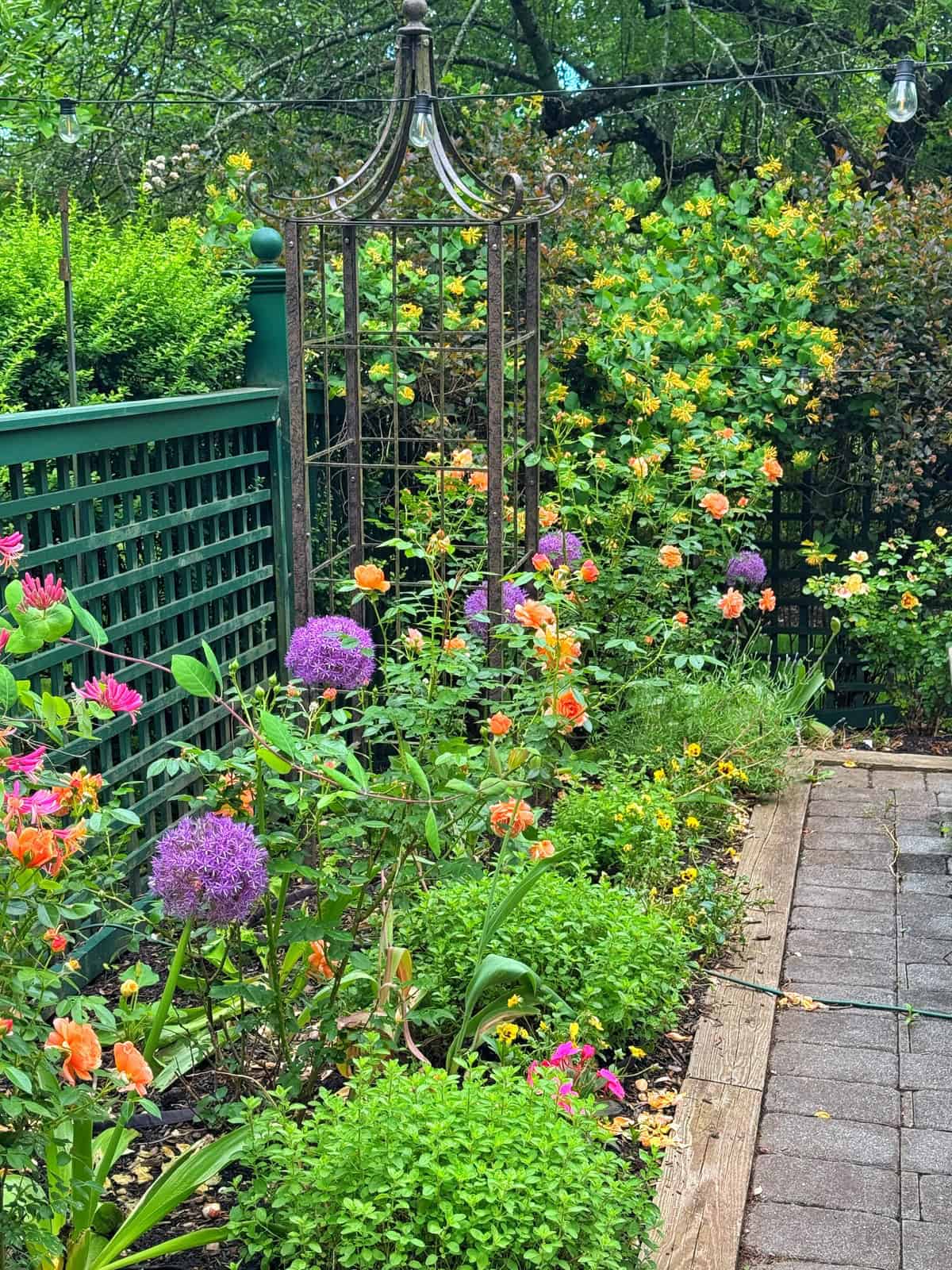
Best Pest-Repelling Companion Plants for Roses
These plants help reduce common rose pests like aphids and beetles while supporting a healthier garden overall.
Alliums (Ornamental Onions, Garlic, and Chives)
Hardiness Zone: 3–9
Light: Full sun
Why It Pairs Well With Roses:
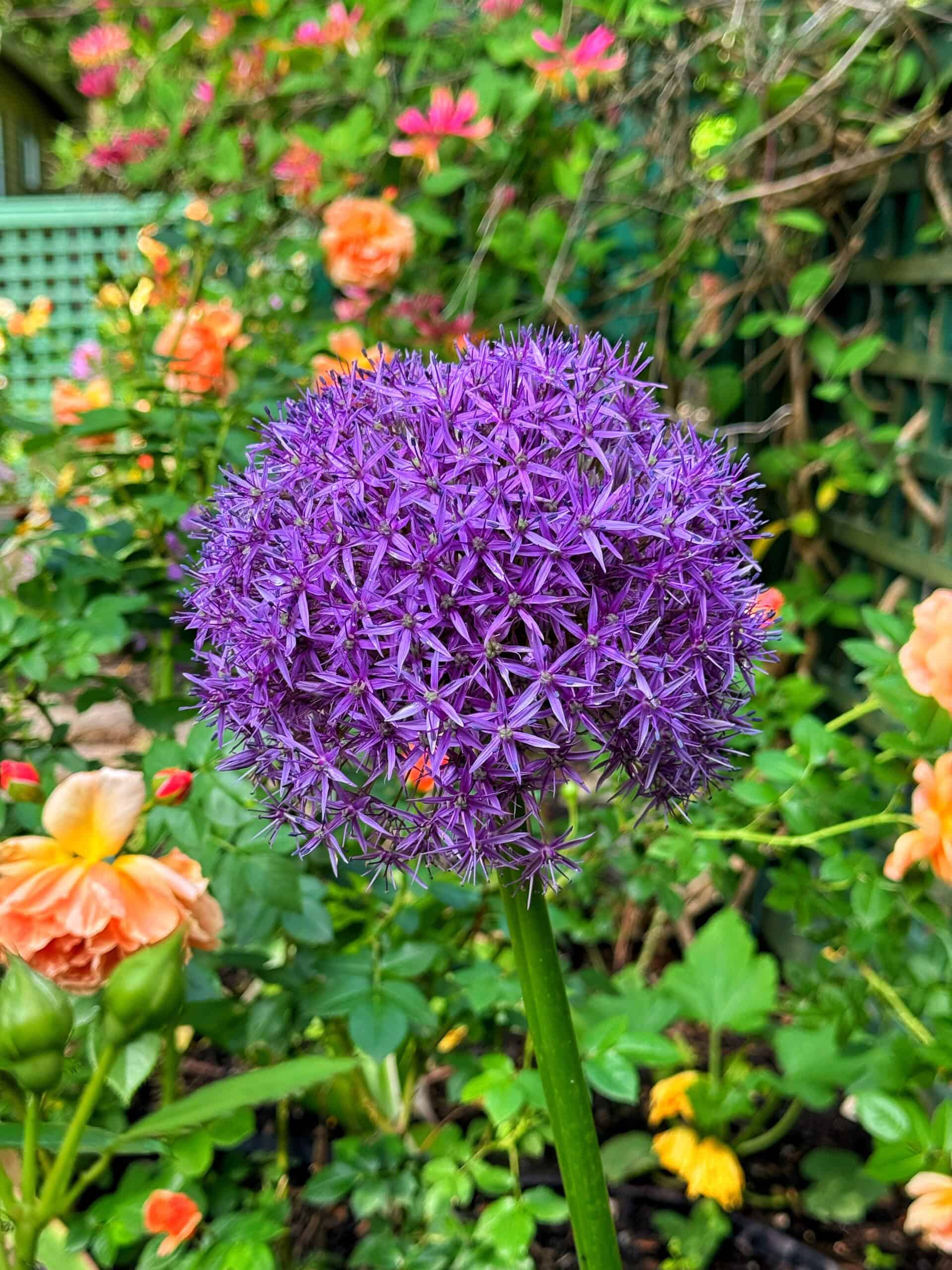
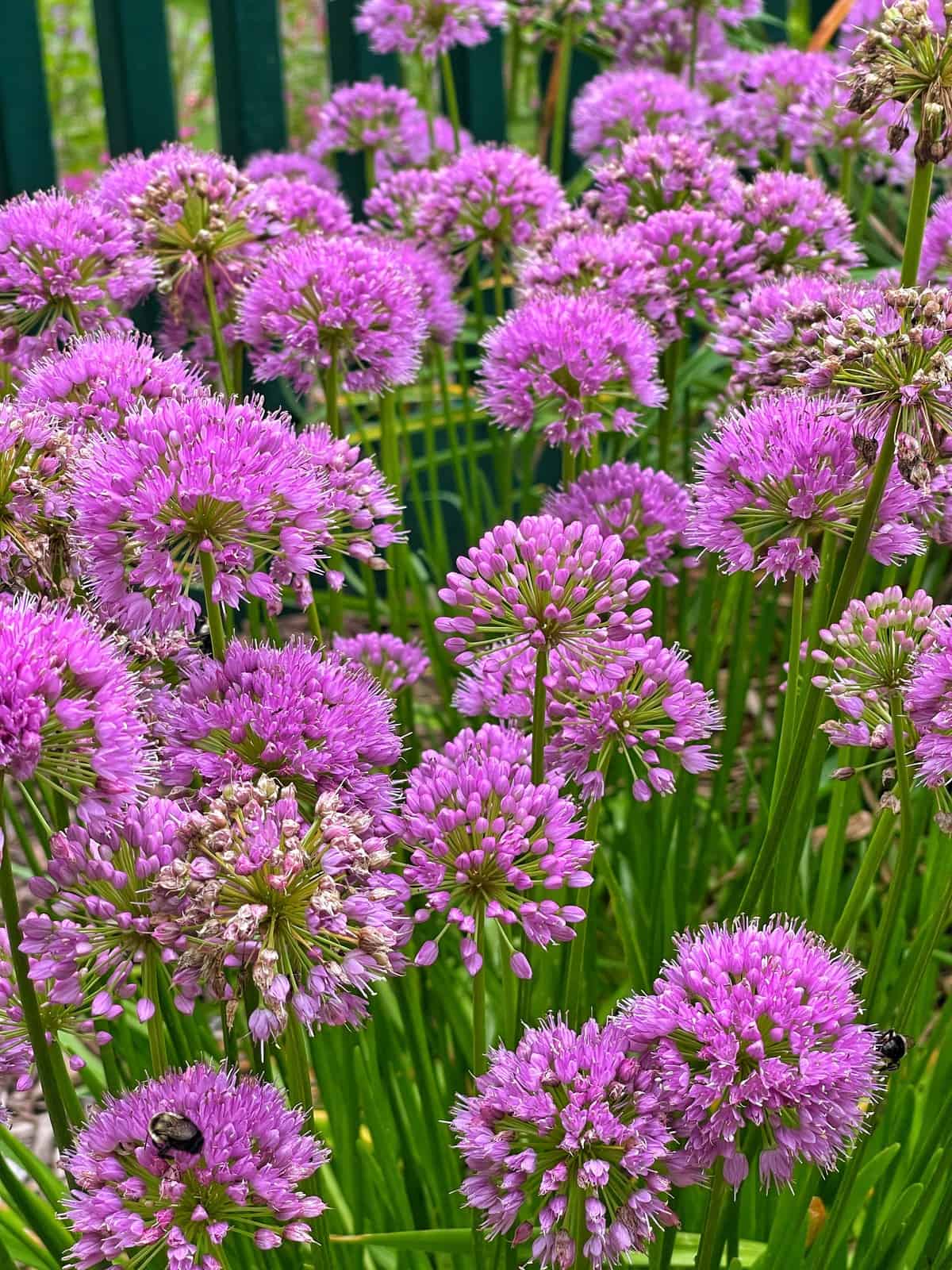
Alliums are one of the best companion plants for roses because their strong scent helps deter pests like aphids, Japanese beetles, and other insects that commonly affect rose bushes. Their upright growth habit also contrasts nicely with the softer form of roses.
Extra Notes:
In my garden, I like to tuck alliums in between rose bushes or along the front of beds. They add structure in spring and early summer while quietly helping keep pest pressure down.
Lavender (Lavandula)
Hardiness Zone: 5–9
Light: Full sun
Why It Pairs Well With Roses:
Lavender’s strong fragrance can help repel aphids and other unwanted insects while attracting pollinators. It also thrives in similar growing conditions as roses, preferring full sun and well-drained soil.
Extra Notes:
Lavender pairs beautifully with roses both visually and functionally. Just be sure your soil drains well, as lavender doesn’t like overly wet conditions.
To learn how I grow lavender with roses in my gardens, please visit my complete guide on how to grow lavender.

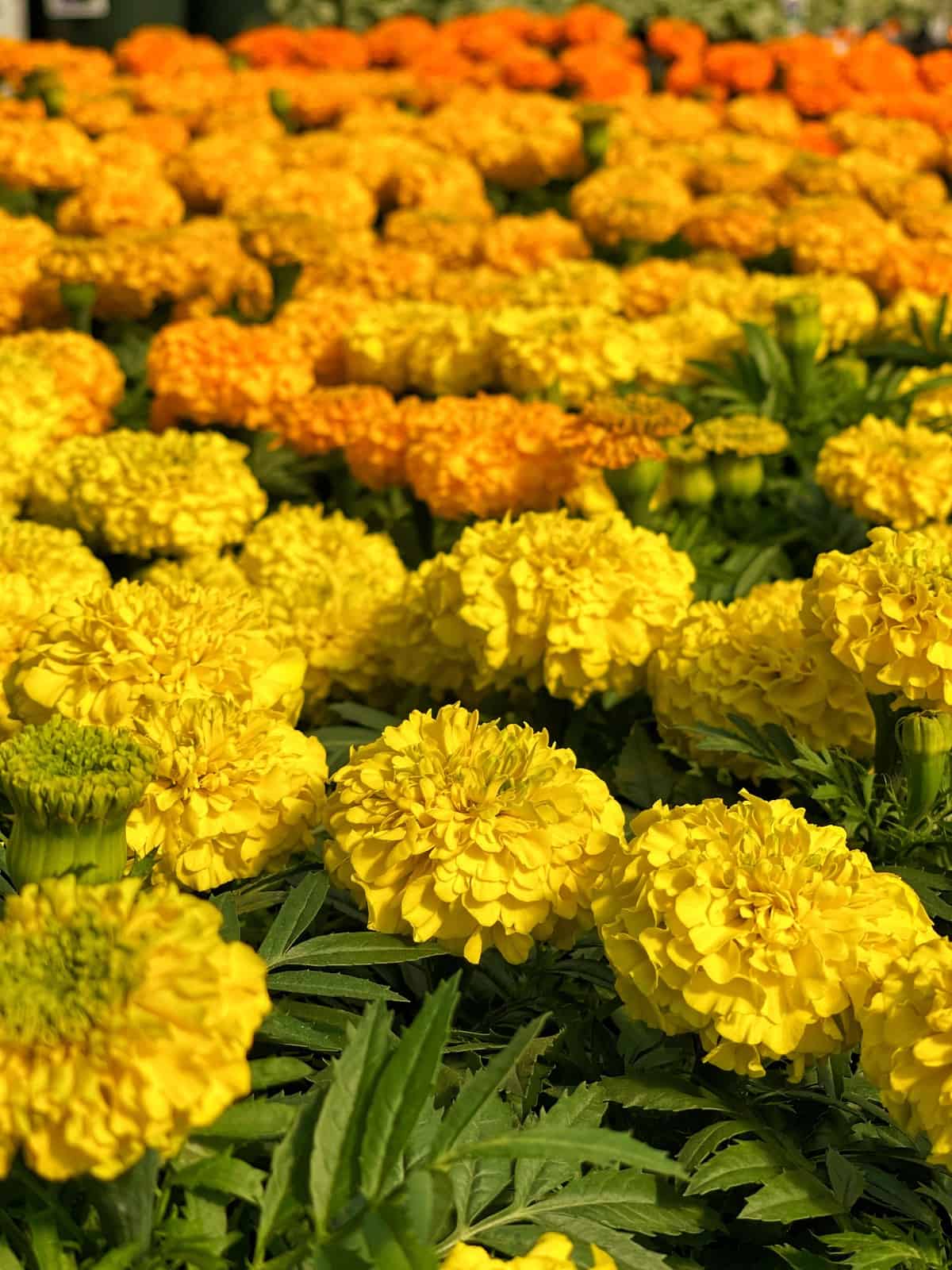
Marigolds (Tagetes)
Hardiness Zone: Annual (grown in most zones)
Light: Full sun
Why It Pairs Well With Roses:
Marigolds are often used in companion planting for their ability to deter certain soil pests and insects. Their bright blooms also help attract beneficial insects that support overall garden health.
Extra Notes:
I like planting marigolds near the base of my roses to fill in gaps and add color while helping create a more balanced garden ecosystem.
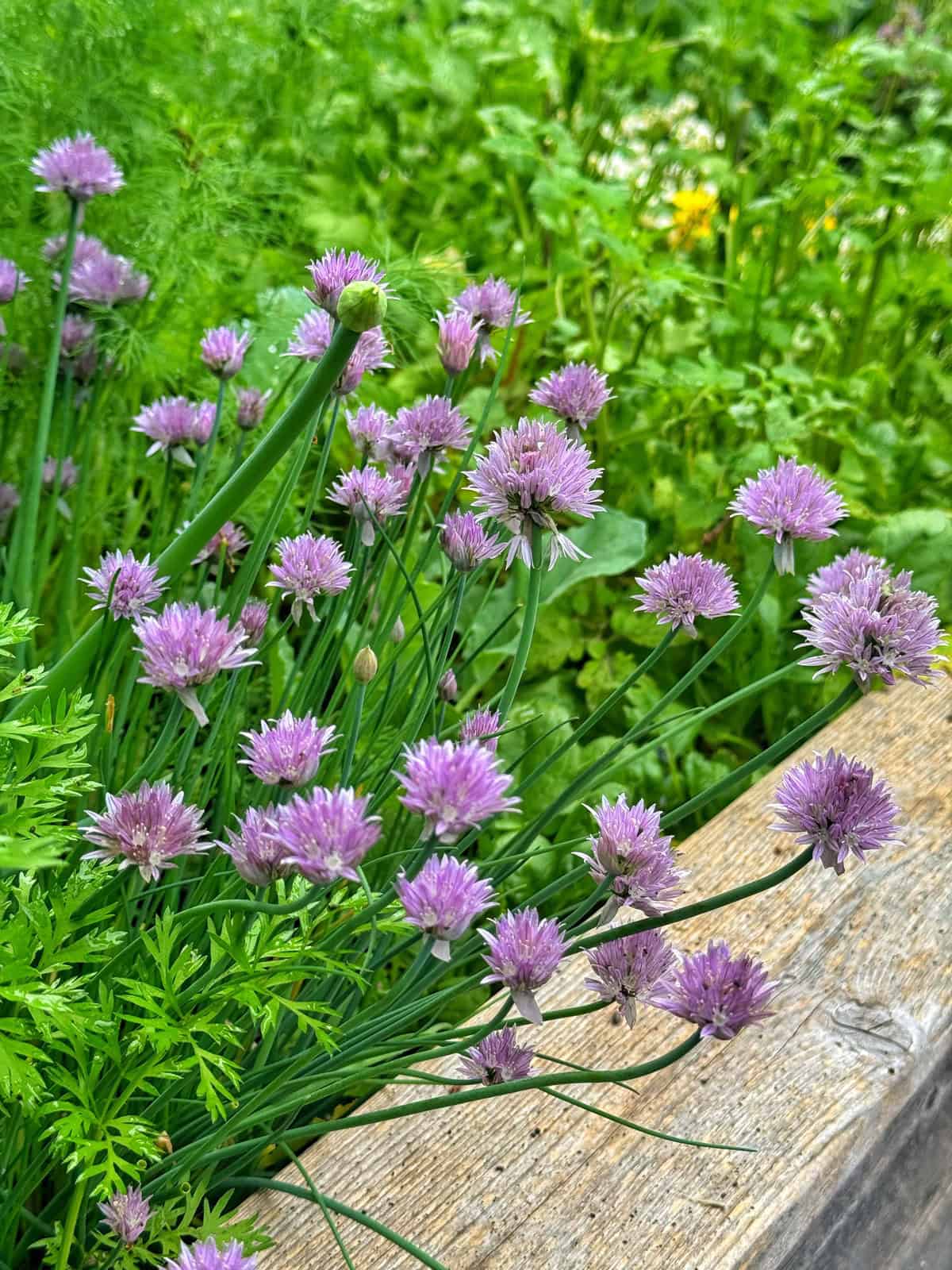
Chives (Allium schoenoprasum)
Hardiness Zone: 3–9
Light: Full sun
Why It Pairs Well With Roses:
Chives can help deter aphids and improve overall plant health when grown near roses. They also produce small purple flowers that attract pollinators.
Extra Notes:
Chives are an easy addition to both ornamental and edible gardens, and I love that they serve multiple purposes while taking up very little space.
Dill (Anethum graveolens)
Hardiness Zone: Annual
Light: Full sun
Why It Pairs Well With Roses:
Dill attracts beneficial insects like ladybugs and lacewings, which feed on aphids and other pests that commonly affect roses.
Extra Notes:
While I love to cook with dill, I like to let it flower near my roses because that’s when it attracts the most beneficial insects. It’s a simple way to support natural pest control.

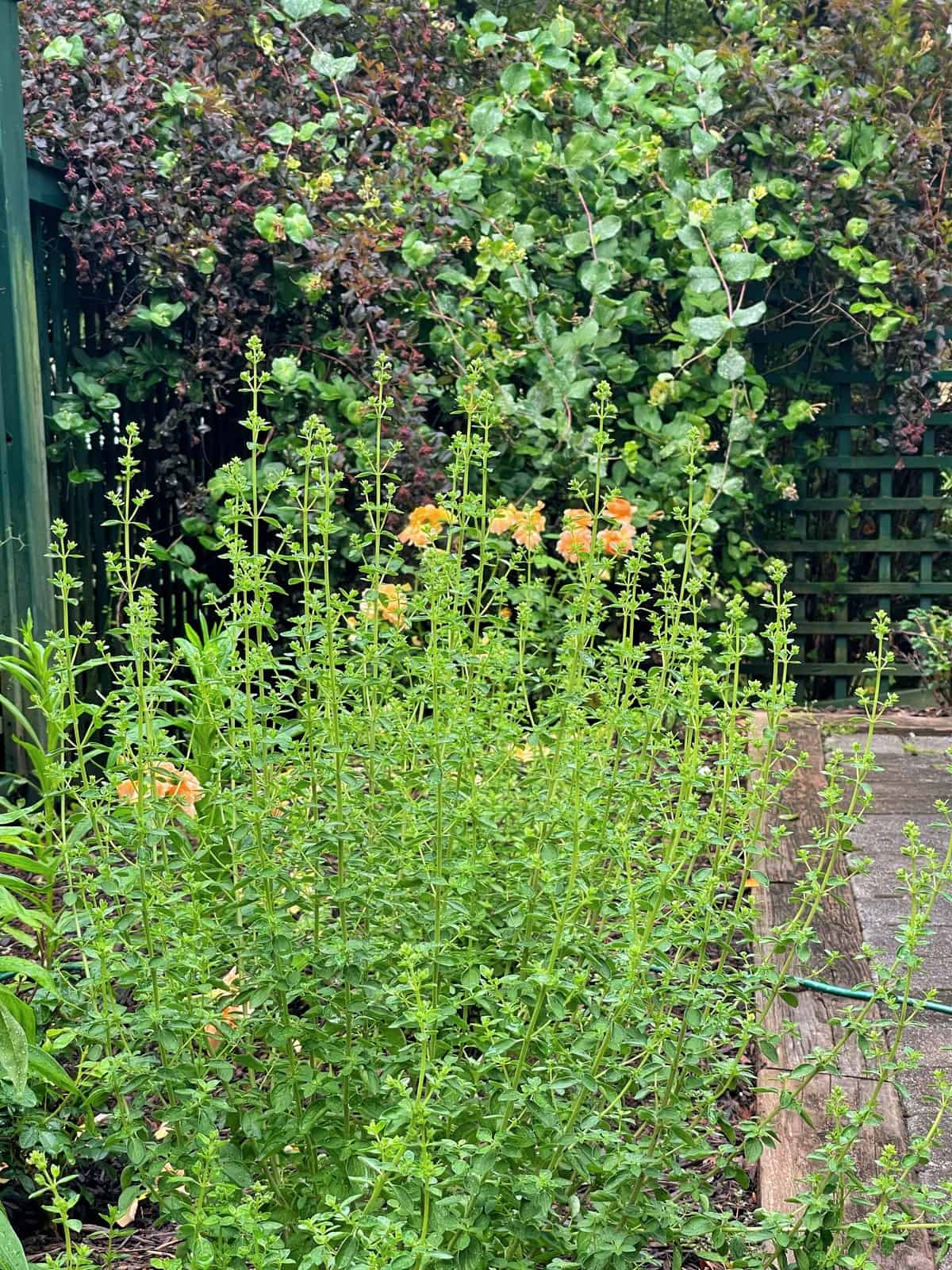
Oregano (Origanum vulgare)
Hardiness Zone: 4–10
Light: Full sun
Why It Pairs Well With Roses:
Oregano can help deter certain pests with its strong scent while also attracting beneficial insects when it flowers. This makes it a helpful companion for supporting a balanced garden ecosystem around roses.
Extra Notes:
I grow oregano near my roses and let it flower during the season to attract pollinators and beneficial insects. It’s an easy, low-maintenance plant that adds both function and beauty to the garden.
Yarrow (Achillea millefolium)
Hardiness Zone: 3–9
Light: Full sun
Why It Pairs Well With Roses:
Yarrow attracts pollinators and beneficial insects that help control pest populations. It’s also drought-tolerant and easy to grow alongside roses.
Extra Notes:
Yarrow is one of those plants that quietly supports everything around it. I like mixing it into rose beds for both its soft texture and its role in attracting helpful insects. And it also looks great as a cut flower in a bouquet with them as well.
To learn more about how I grow yarrow in my gardens, please visit my complete guide for growing yarrow here.

Pollinator-Friendly Companion Plants for Roses
These plants attract pollinators and beneficial insects that help improve bloom production and support a healthier garden overall.
Nepeta (Catmint)
Hardiness Zone: 3–8
Light: Full sun to partial shade
Why It Pairs Well With Roses:
Nepeta attracts pollinators like bees while also helping deter certain pests. Its soft, mounding habit makes it a great companion plant for roses, helping to fill in space and suppress weeds.
Extra Notes:
In my garden, nepeta is one of my go-to companion plants for roses. It softens the look of the garden bed and blooms for a long period, which keeps pollinators coming back.
It is one of my favorite perennials for cottage gardens. If you want to learn more about how I grow nepeta, please visit my complete guide for growing nepeta here.

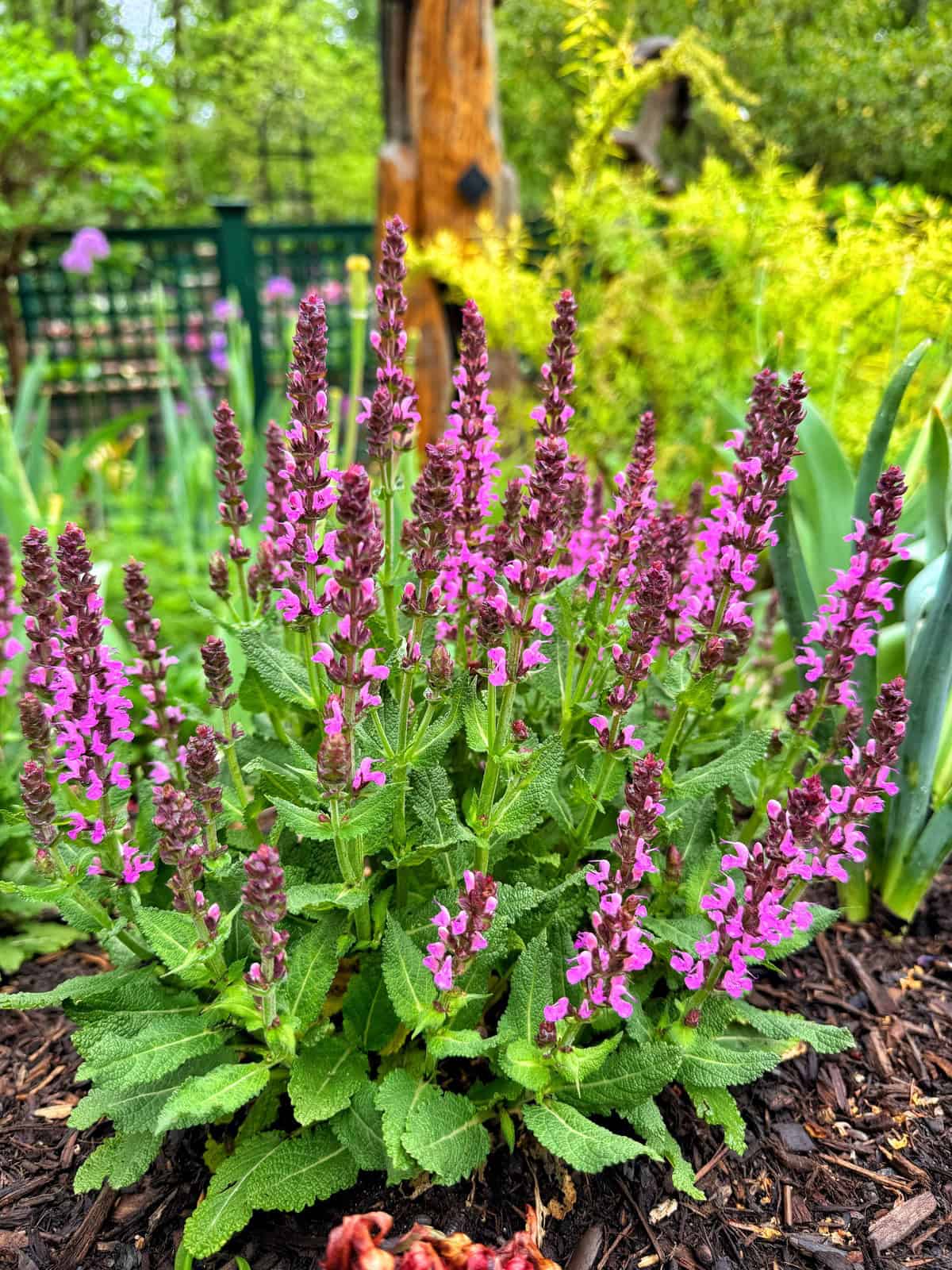
Salvia
Hardiness Zone: 4–10 (varies by variety)
Light: Full sun
Why It Pairs Well With Roses:
Salvia attracts bees, butterflies, and hummingbirds, helping to support pollination and overall garden health. Its upright growth habit also adds contrast next to rose bushes.
Extra Notes:
I love mixing salvia in with roses because it adds vertical interest and brings a lot of pollinator activity into the garden.
To learn more about how I grow salvia, please visit my complete guide to growing salvia here.
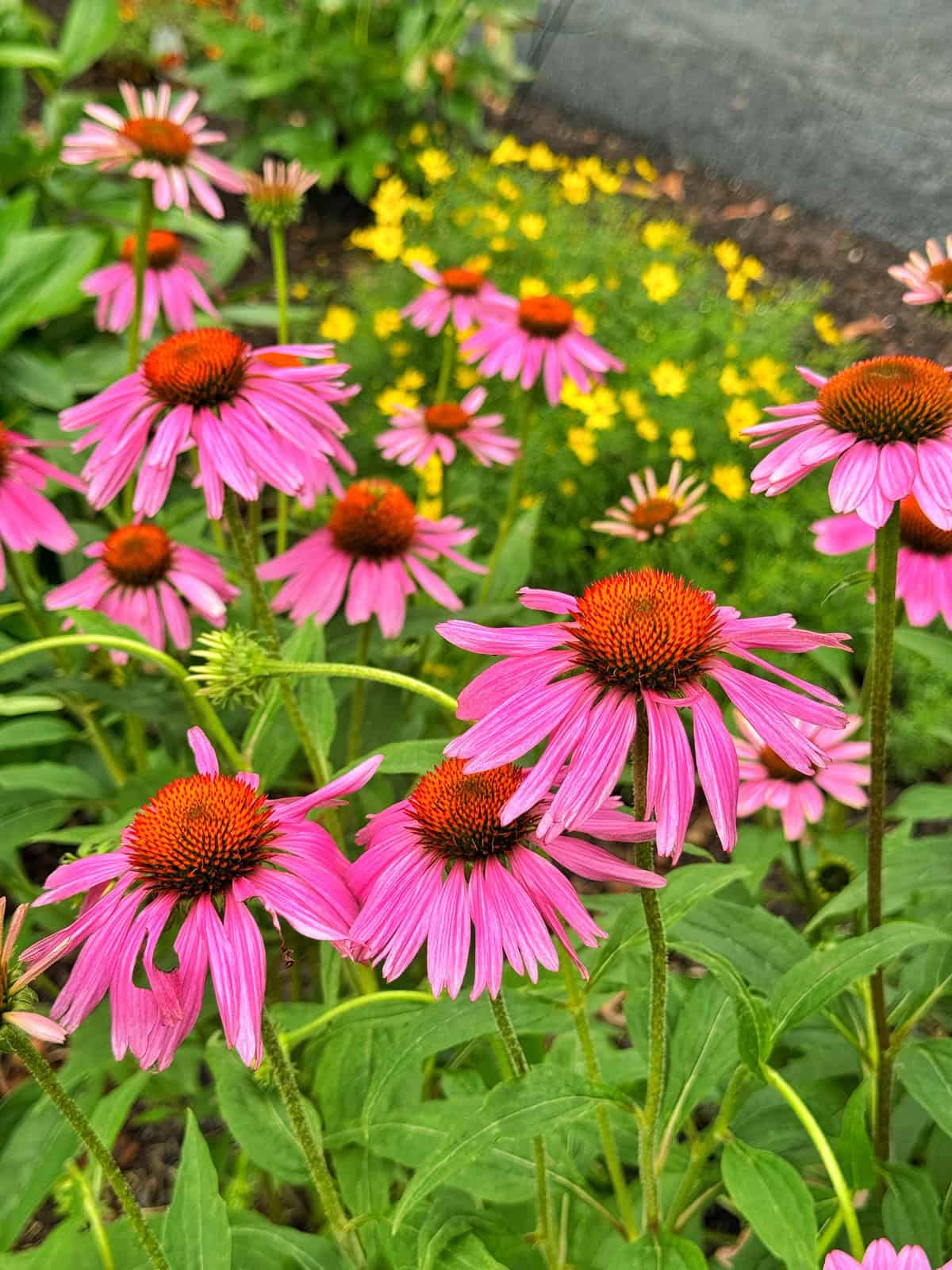
Coneflower (Echinacea)
Hardiness Zone: 3–9
Light: Full sun
Why It Pairs Well With Roses:
Coneflowers attract pollinators and beneficial insects while providing long-lasting blooms through summer. They thrive in similar growing conditions as roses, making them easy companions.
Extra Notes:
Coneflowers are very low maintenance and pair beautifully with roses in a relaxed, cottage-style garden.
To learn more about how I grow coneflowers in my zone 6b garden, please visit my complete guide to growing coneflowers here.
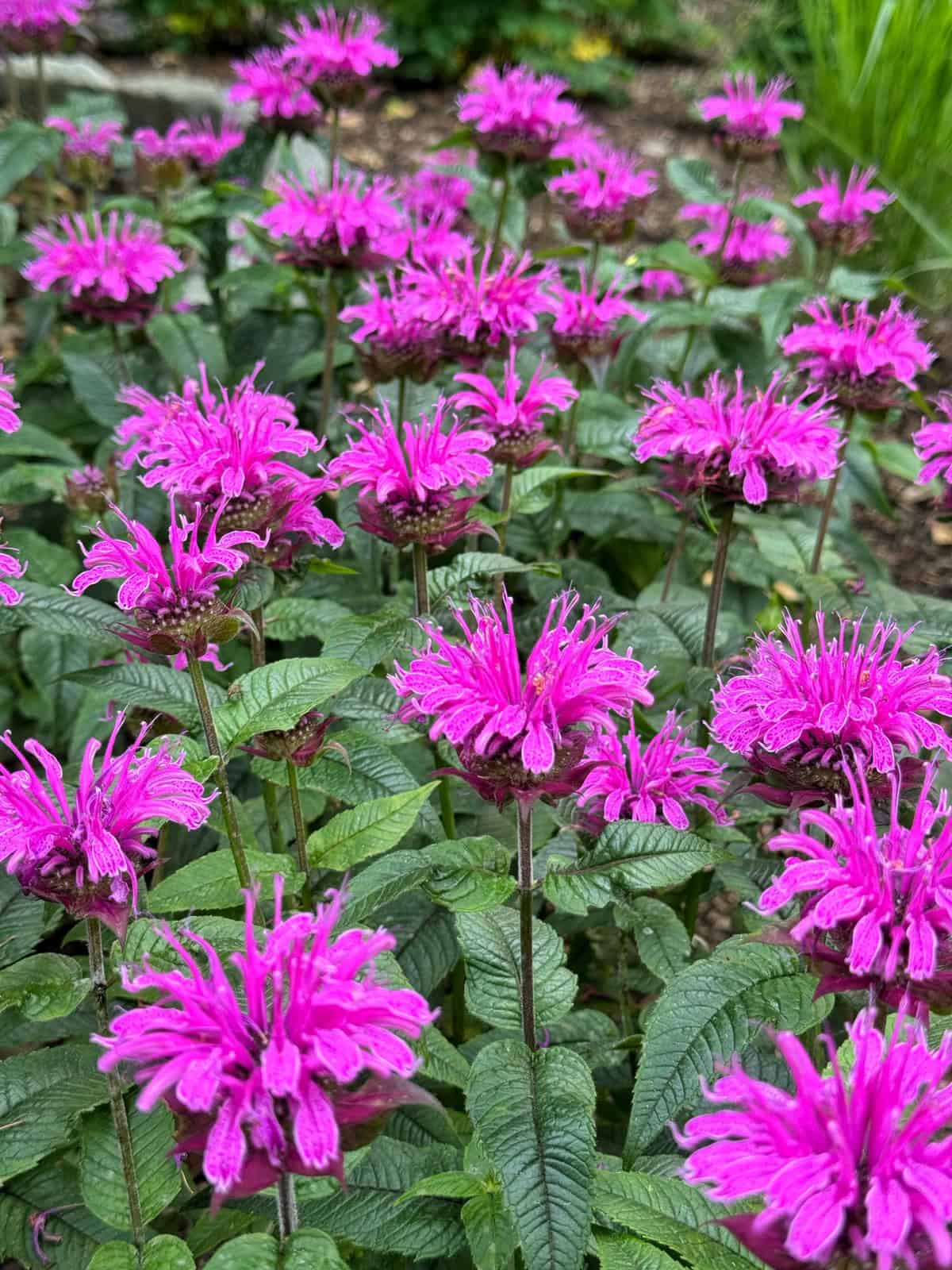
Bee Balm (Monarda)
Hardiness Zone: 4–9
Light: Full sun to partial shade
Why It Pairs Well With Roses:
Bee balm is excellent for attracting pollinators, especially bees and hummingbirds. It helps increase biodiversity in your garden, which can naturally reduce pest pressure.
Extra Notes:
Bee balm spreads over time, so give it a bit of space. I like planting it slightly behind or beside roses where it can fill in naturally. I’ve found that some varieties are more vigorous growers than others. If you want to do a little less maintenance with them, look for varieties that don’t spread as easily.
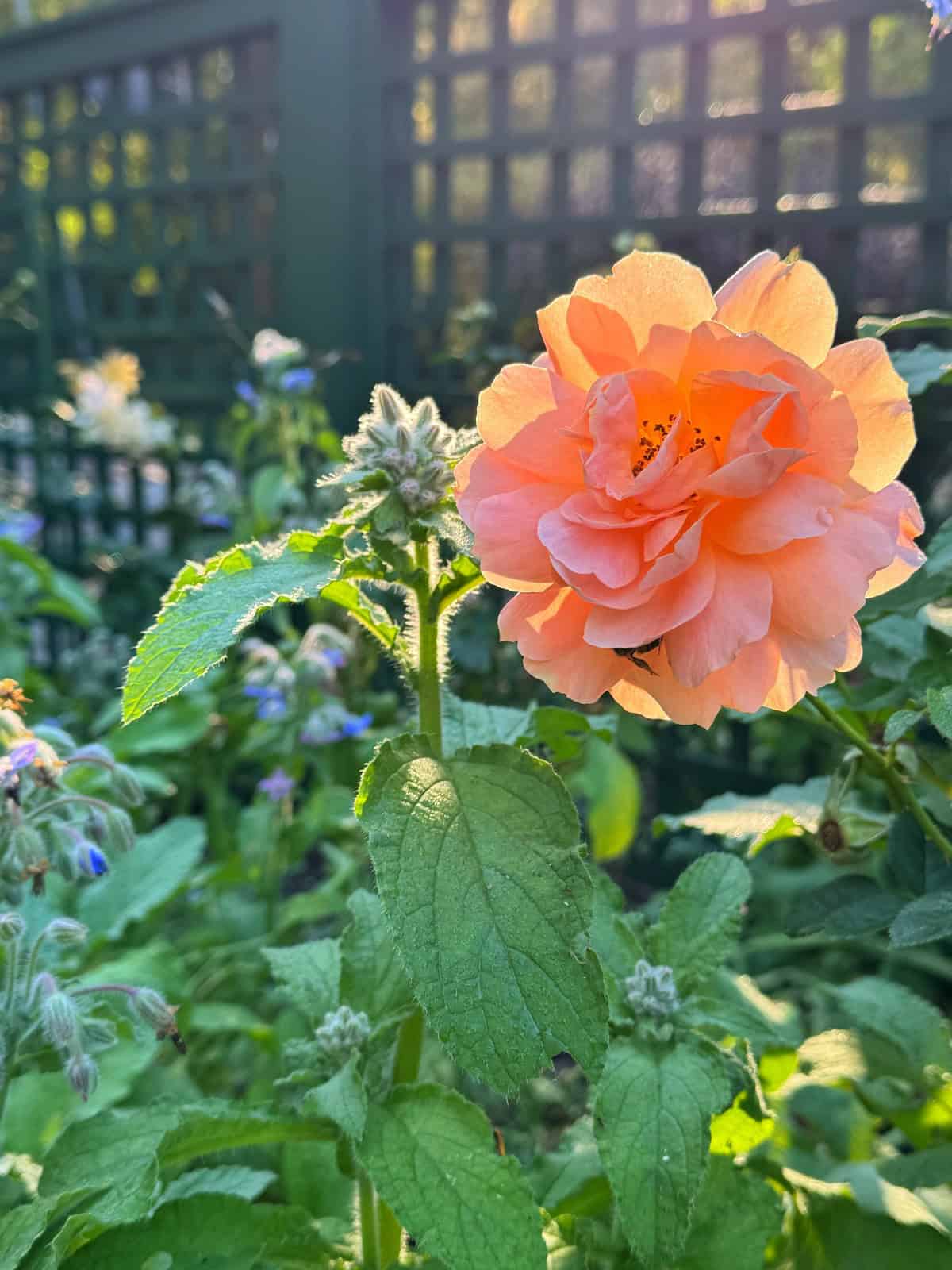
Borage (Borago officinalis)
Hardiness Zone: Annual (self-seeds readily in many zones)
Light: Full sun to partial shade
Why It Pairs Well With Roses:
Borage attracts pollinators and beneficial insects like bees and predatory wasps, which can help reduce pest pressure on roses. Its presence supports a healthier garden ecosystem and encourages better overall plant performance.
Extra Notes:
In my garden, borage is one of those plants I direct sow in my gardens. The blue flowers are beautiful alongside roses, and I love how much pollinator activity it brings into the garden throughout the season. In my gardens, they are trap plants for aphids so I grow them with intention around my roses, dahlias, and other susceptible blooms.

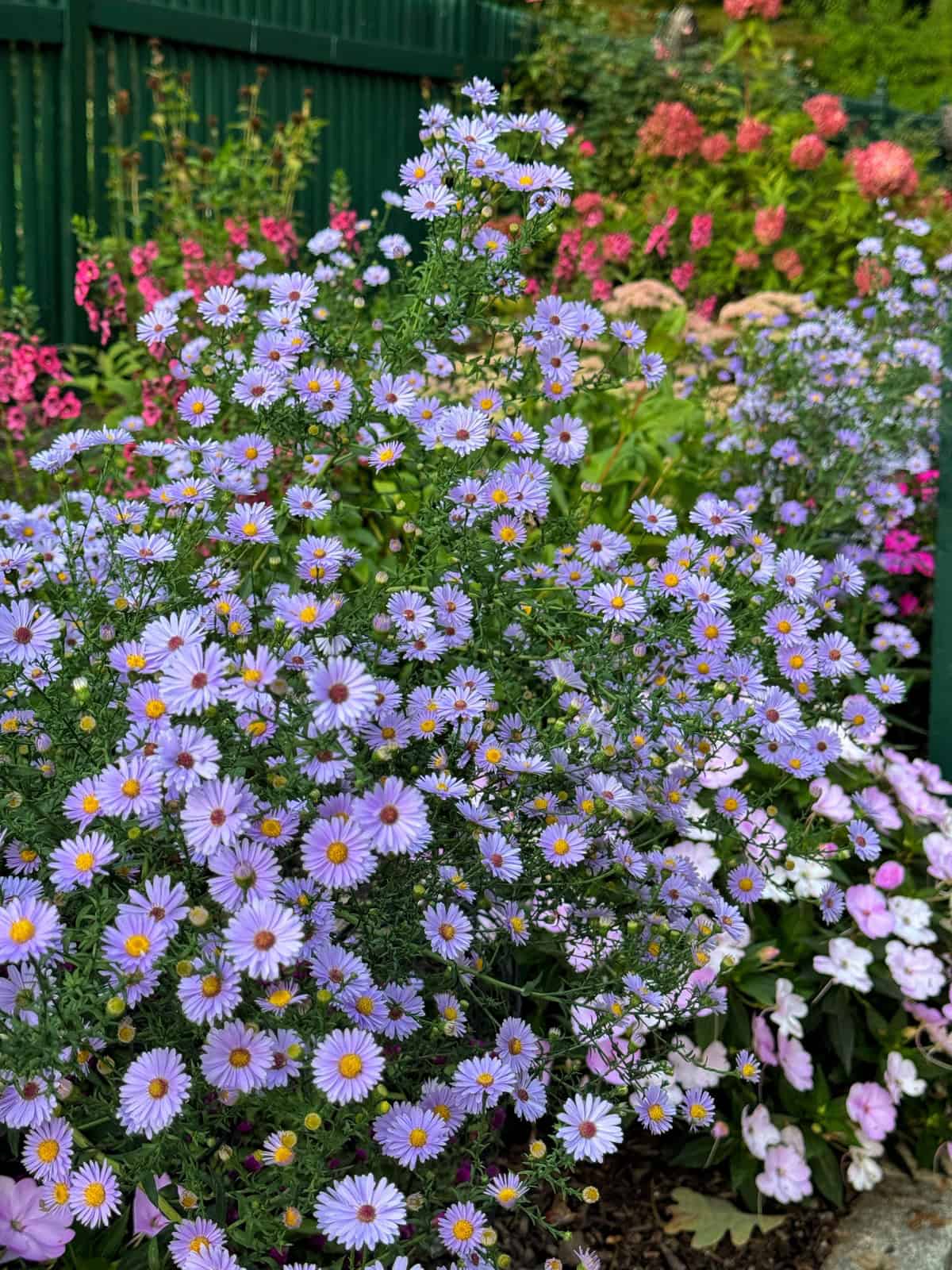
Asters
Hardiness Zone: 3–8
Light: Full sun to partial shade
Why It Pairs Well With Roses:
Asters bloom later in the season, providing an important food source for pollinators when many other plants are fading. This helps extend activity in your garden well into fall.
Extra Notes:
I like using asters to keep the garden looking vibrant after roses begin to slow down. They’re a great way to extend seasonal interest.
Cottage Garden Companion Plants for Roses
These classic cottage garden plants pair beautifully with roses, creating a full, layered look with continuous blooms throughout the season.
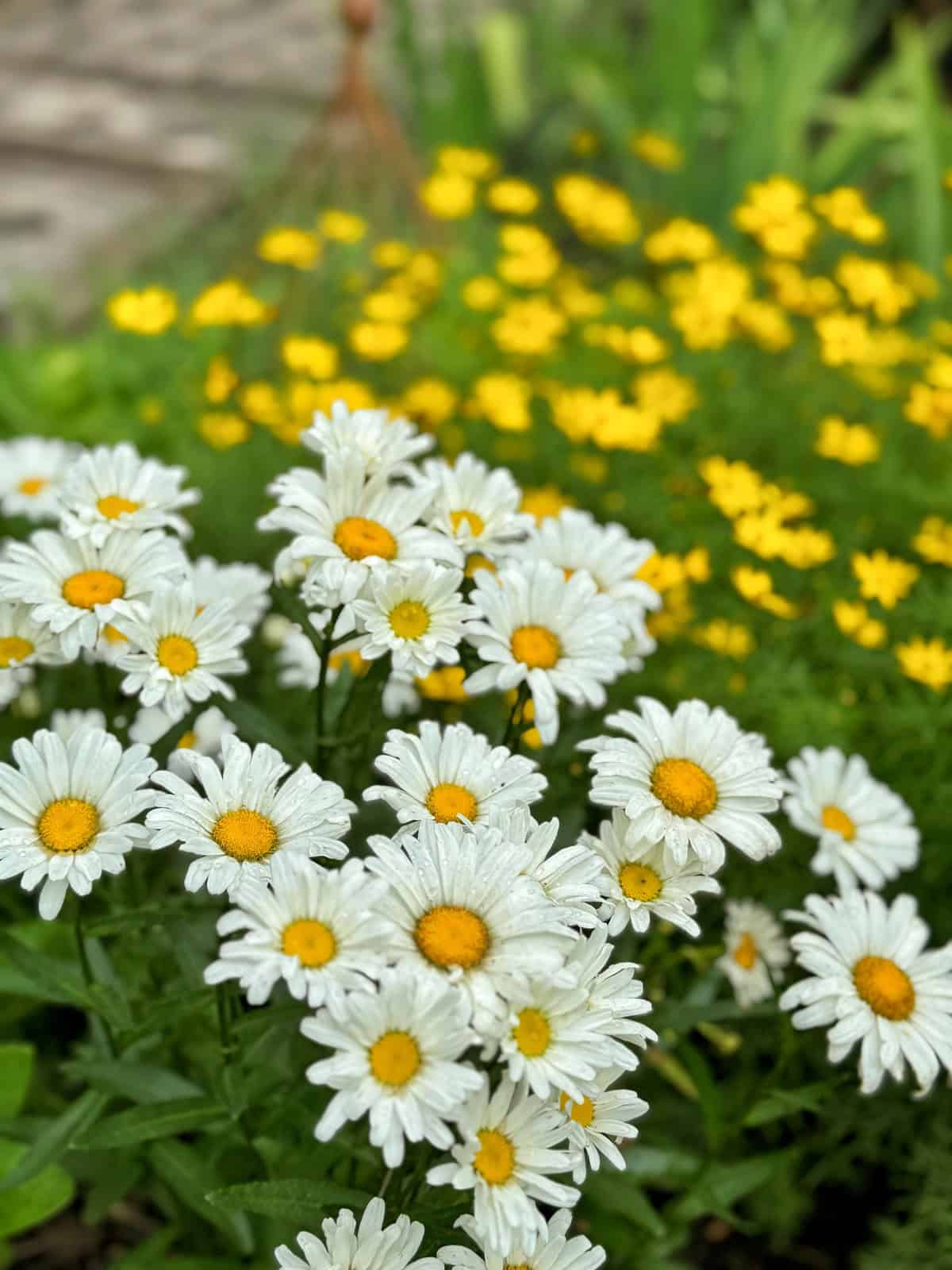
Shasta Daisies (Leucanthemum × superbum)
Hardiness Zone: 5–9
Light: Full sun
Why It Pairs Well With Roses:
Shasta daisies add bright, cheerful blooms that contrast nicely with roses. They bloom around the same time and help fill in garden beds with a natural, relaxed look.
Extra Notes:
I love planting Shasta daisies near roses for that classic cottage garden feel. They’re easy to grow and make the whole planting feel more abundant.
Foxglove (Digitalis)
Hardiness Zone: 4–9
Light: Partial shade to full sun
Why It Pairs Well With Roses:
Foxglove adds height and vertical interest, creating a layered look behind or among rose bushes. Its tall flower spikes also attract pollinators.
Extra Notes:
Foxglove brings that soft, romantic feel I love in a cottage garden. I like planting it toward the back of beds where it can rise above the roses.
In my gardens, I need to start them from seed every year to encourage them to grow. They are biennial but for whatever reason, they don’t reseed with ease in my beds. So each year, I grow them from seed indoors under grow lights or using the winter sowing method outdoors.
To learn more about how I grow foxgloves in my gardens, please visit my complete guide to growing foxgloves here.
For my seed starting tips, please visit my guides, how to start seeds indoors without a greenhouse and how to winter sow outdoors.


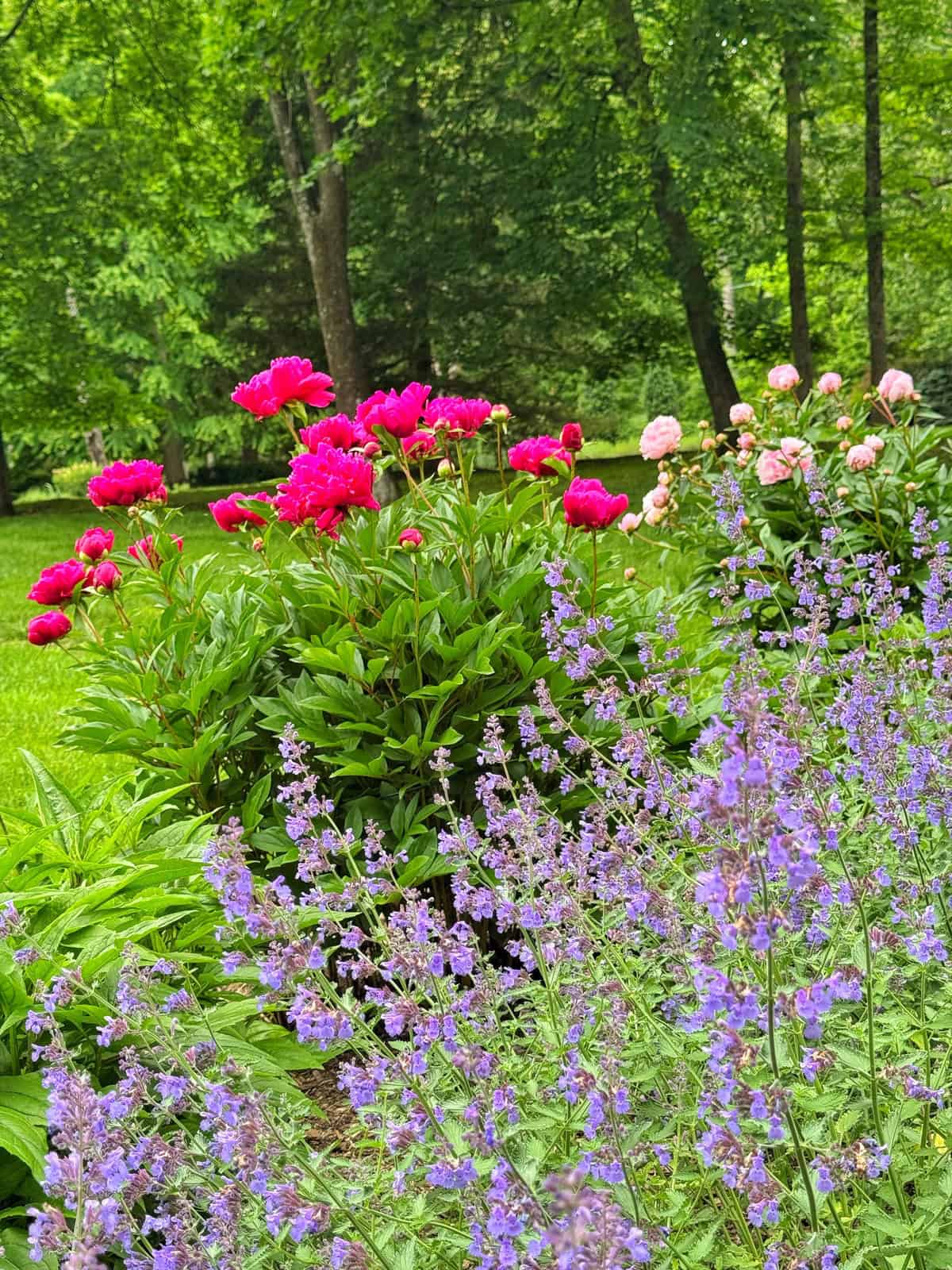
Peonies (Paeonia)
Hardiness Zone: 3–8
Light: Full sun
Why It Pairs Well With Roses:
Peonies and roses make a classic pairing because they thrive in similar growing conditions and bloom around the same time. Their large, showy flowers complement roses beautifully and help create a full, layered garden look.
Extra Notes:
In my garden, I love planting peonies near roses for that timeless cottage garden feel. Their blooms are short-lived, but they make a big impact when they flower and blend seamlessly with early summer roses.
To learn more about how I grow peonies in my flower gardens, please visit my complete guide to growing peonies here.
Coreopsis (Coreopsis spp.)
Hardiness Zone: 4–9
Light: Full sun
Why It Pairs Well With Roses:
Coreopsis provides long-lasting color throughout the growing season and pairs beautifully with roses by adding a lighter, more airy texture. Its bright blooms help fill in gaps and keep the garden looking vibrant even between rose bloom cycles.
Extra Notes:
I like using coreopsis to keep the garden feeling full and colorful all season long. It’s easy to grow, low maintenance, and blends effortlessly with roses in a relaxed cottage-style planting.
To learn more about how I grow coreopsis, please visit my complete guide to growing coreopsis here.

Structural and Seasonal Interest Companion Plants for Roses
These plants add height, texture, and late-season interest, helping your garden feel balanced and visually appealing from spring through fall.
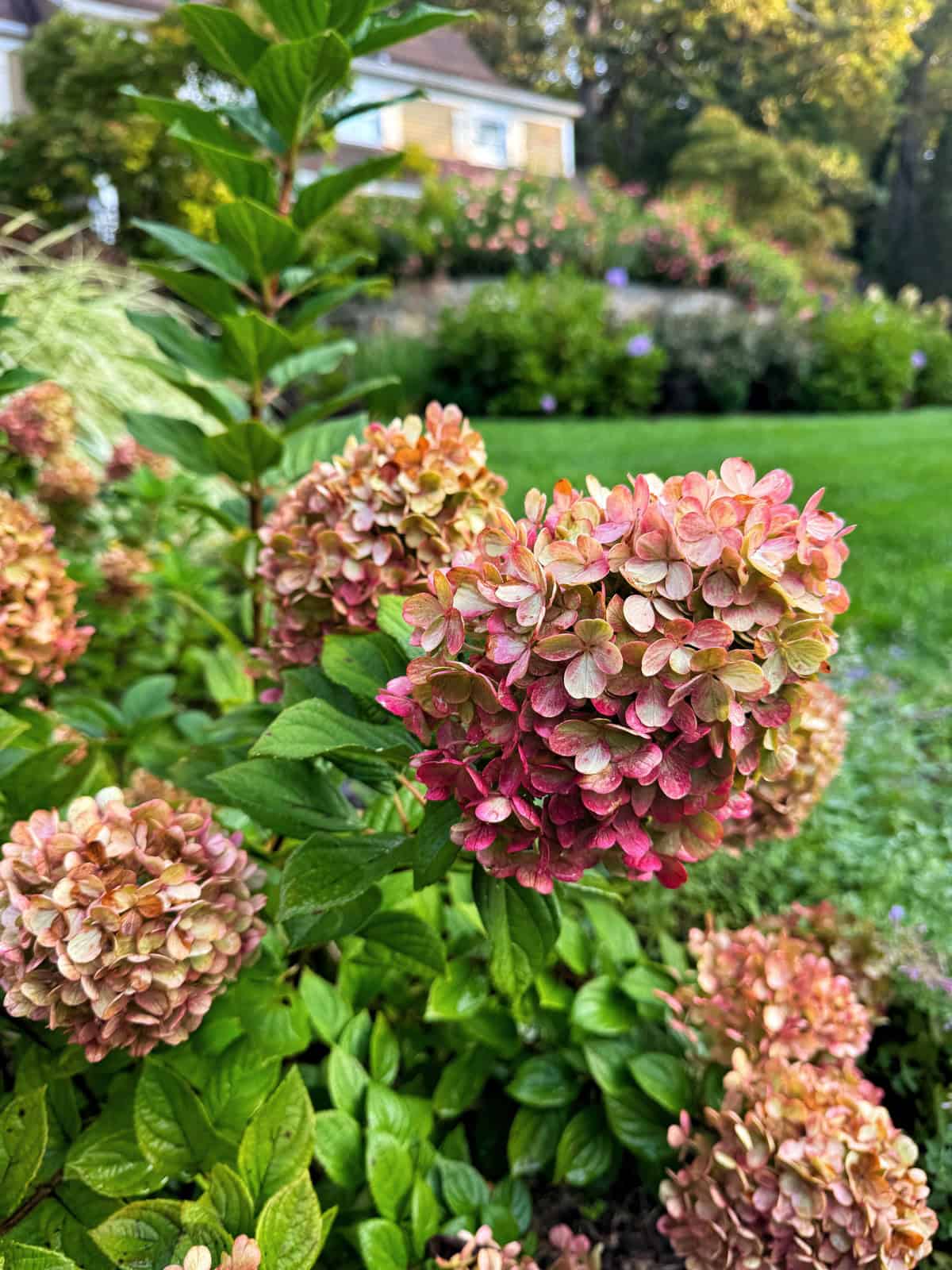
Panicle Hydrangeas (Hydrangea paniculata)
Hardiness Zone: 3–8
Light: Full sun to partial shade
Why It Pairs Well With Roses:
Panicle hydrangeas pair beautifully with roses because they bloom later in the season, extending color in the garden after early and mid-season roses begin to fade. Their large flower heads also add structure and contrast.
Extra Notes:
I especially love pairing panicle hydrangeas with roses because they thrive in similar conditions and help carry the garden into late summer and fall when roses can slow down.
To learn more about how I grow and care for panicle hydrangeas, please visit my complete guide to growing hydrangeas here.
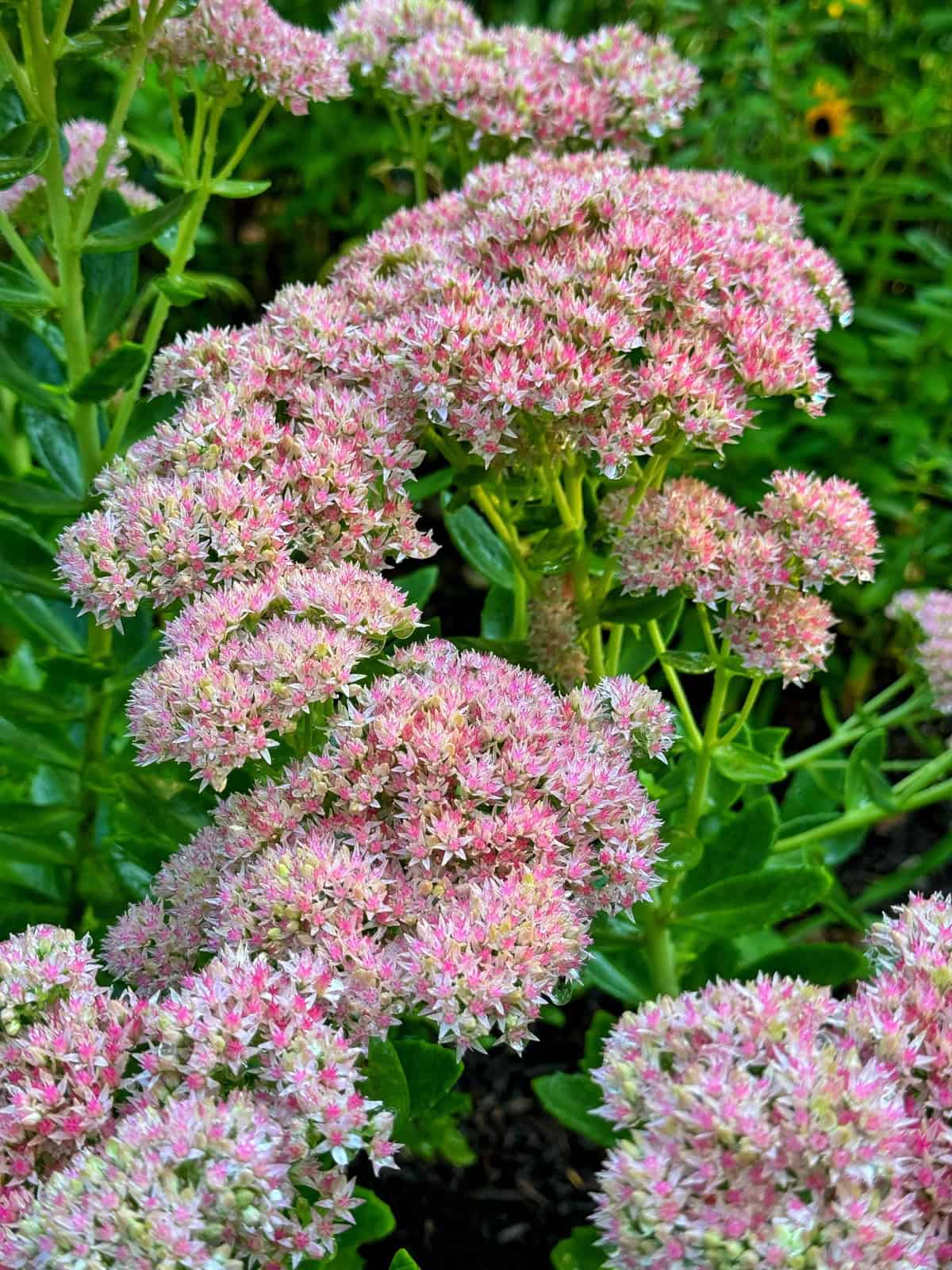
Sedum (Stonecrop)
Hardiness Zone: 3–9
Light: Full sun
Why It Pairs Well With Roses:
Sedum adds late-season color and is incredibly drought-tolerant, making it a great low-maintenance companion. Its thick foliage and upright blooms provide contrast to softer rose growth.
Extra Notes:
Sedum is one of my favorite plants for extending interest into fall. It’s reliable, easy to grow, and pairs nicely with roses without competing for attention.
To learn more about how I grow sedum, please visit my complete guide to growing sedum here.
Ornamental Grasses
Hardiness Zone: 4–9 (varies by variety)
Light: Full sun
Why It Pairs Well With Roses:
Ornamental grasses add movement, texture, and structure to rose beds. Their airy form contrasts beautifully with the fullness of roses and helps create a more dynamic planting.
Extra Notes:
I like using ornamental grasses to break up dense plantings and add a softer, more natural feel. They also look beautiful in fall when many other plants are fading.

Sweet Alyssum (Lobularia maritima)
Hardiness Zone: Annual (perennial in zones 9–11)
Light: Full sun to partial shade
Why It Pairs Well With Roses:
Sweet alyssum works as a living mulch, helping retain moisture and suppress weeds while attracting beneficial insects.
Extra Notes:
I like planting alyssum near the base of roses to fill in gaps and create a softer edge along garden beds.

Plants to Avoid Growing With Roses
While many plants grow beautifully alongside roses, some can compete for space, nutrients, or create conditions that lead to poor airflow and increased disease risk.
Large, Aggressive Spreaders
Why to Be Cautious:
Plants that spread quickly can overcrowd roses, limiting airflow and competing for nutrients and water. This can increase the risk of disease and reduce bloom production.
Examples:
- Mint
- Aggressive groundcovers
- Fast-spreading perennials
Extra Notes:
In my garden, I’ve learned that giving roses enough breathing room makes a big difference in their overall health. Even beneficial companion plants need space to prevent overcrowding.

Fast-Spreading Plants (Use With Care)
Why to Be Cautious:
Some plants spread steadily over time and can begin to crowd roses if not maintained. This can impact airflow and create a more humid environment where disease is more likely to develop.
Examples:
- Bee balm (Monarda)
- Certain spreading perennials
Extra Notes:
Bee balm is a great companion plant for roses because it attracts pollinators and supports a healthy garden ecosystem. However, it does spread, so I like to plant it nearby rather than directly within rose bushes, or divide it regularly to keep it under control.
Heavy Feeders
Why to Avoid Them:
Roses are heavy feeders, so pairing them with plants that also require a lot of nutrients can lead to competition and weaker growth overall.
Examples:
- Large shrubs with similar nutrient needs
- Fast-growing annuals that require frequent feeding
Extra Notes:
It’s better to pair roses with plants that complement their needs rather than compete with them for nutrients.

Plants With Very Different Growing Requirements
Why to Avoid Them:
Roses prefer full sun, consistent moisture, and well-drained soil. Plants that require very different conditions can be difficult to grow successfully in the same space.
Examples:
- Shade-loving plants like hostas or ferns
- Plants that prefer very dry or consistently wet soil
Extra Notes:
Grouping plants with similar light and water needs makes your garden easier to care for and helps everything perform at its best.
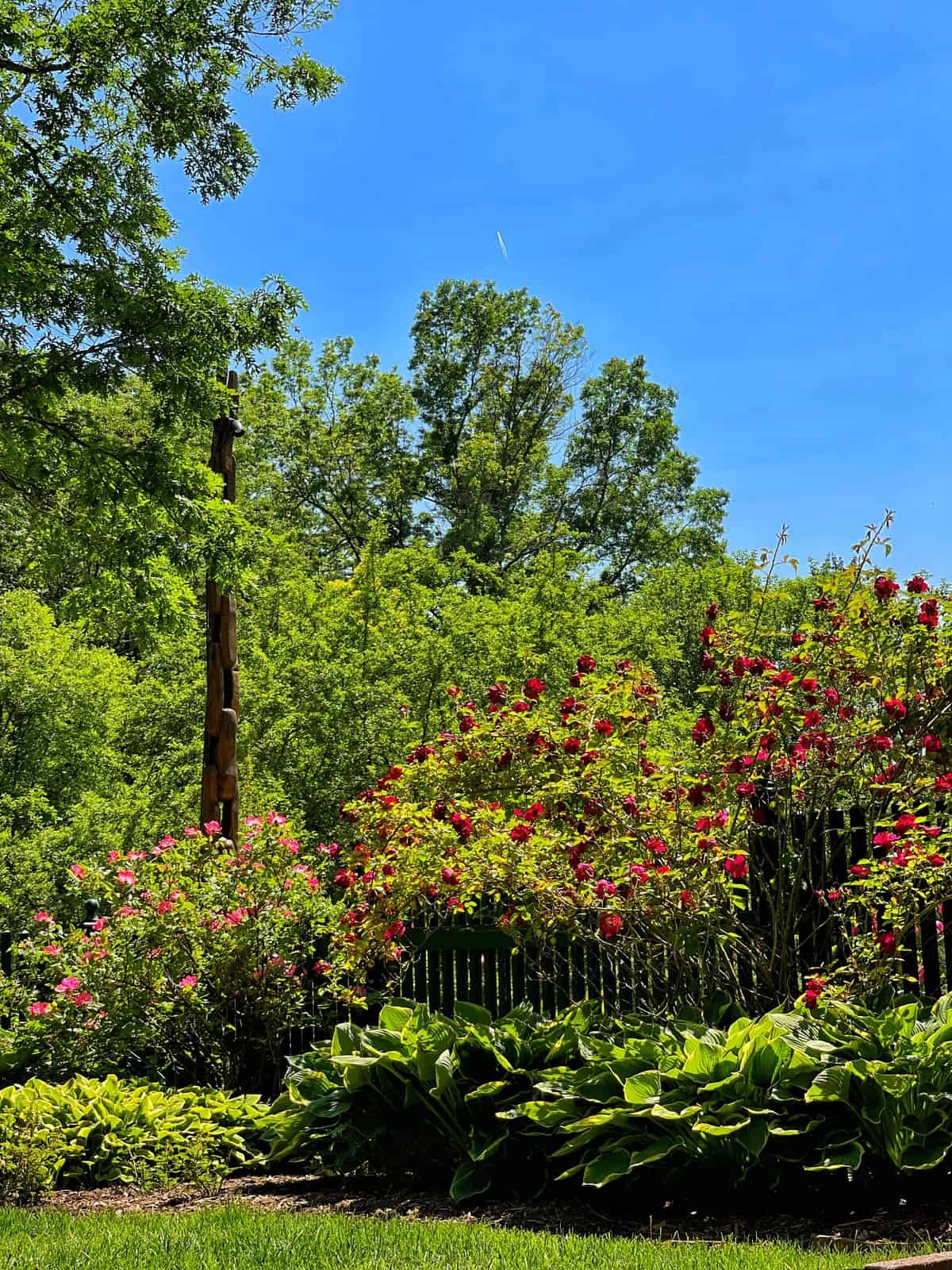
Oddly enough, my pool garden was heavily planted with hostas at the base of roses. They looked great early in the season, but once the summer heat in my zone 6b New Jersey climate kicked up, they get a little crispy. I love the look early on, but don’t recommend the combination.
Design Tips for Planting Roses With Companion Plants
Designing a garden with roses and companion plants is about more than just choosing the right plants. Thoughtful placement and layering can make your garden feel full, balanced, and visually interesting throughout the season.
Layer Plants by Height
Place taller plants like foxglove, hydrangeas, or ornamental grasses toward the back of your garden beds, with roses in the middle and lower-growing plants like nepeta or sweet alyssum in the front.
This creates a natural, layered look that allows each plant to shine without competing for space.
Give Roses Room to Breathe
Proper spacing is key when planting around roses. Good air circulation helps prevent common issues like black spot and powdery mildew.
Avoid crowding roses too closely with companion plants, especially in humid climates.
Mix Bloom Times for Continuous Color
Choose companion plants that bloom at different times throughout the season so your garden always has something in flower.
For example:
- Spring: Alliums, foxglove
- Summer: Roses, salvia, coneflowers
- Fall: Sedum, asters
This keeps your garden looking vibrant from early spring through fall.
Repeat Colors and Textures
Repeating plant colors and textures throughout your garden helps create a cohesive and intentional design.
Soft, airy plants like ornamental grasses or nepeta can balance the bold blooms of roses, while repeating colors ties everything together visually.
Combine Function and Beauty
The best companion plantings do more than look good. Mixing pest-repelling plants, pollinator-friendly flowers, and structural elements creates a garden that is both beautiful and resilient.
Building a More Thoughtful Garden With Roses
One of the biggest challenges with companion planting isn’t just choosing plants that grow well together, it’s knowing what combinations actually work in your garden and remembering what you want to improve each season.
If you’ve ever felt unsure about what to plant with your roses or how to create a garden that looks full and balanced, that’s exactly what I wrote The Bricks ‘n Blooms Guide to a Beautiful and Easy-Care Flower Garden to help with. It walks you through plant selection, garden design, and my easy-care approach so you can create a space that feels cohesive without overcomplicating it.
And if you’re someone who likes to refine your garden over time, keeping track of what you planted, how it performed, and what you want to adjust makes a huge difference. That’s exactly what my Beautiful and Easy-Care Flower Garden Planner is designed for. I use it to map out plant combinations, track seasonal changes, and build on what works year after year.
The book gives you the guidance and ideas, while the planner helps you apply them so your garden continues to grow and improve with each season.
Final Thoughts on Companion Planting With Roses
Companion planting with roses is one of the easiest ways to create a healthier, more balanced garden. By choosing plants that support growth, attract beneficial insects, and improve overall conditions, you can help your roses thrive while creating a space that feels full and cohesive.
In my own garden, I’ve found that the plants growing around my roses make just as much of a difference as how I care for the roses themselves. Thoughtful combinations not only improve plant health but also bring the garden to life with layers of color, texture, and seasonal interest.
If you’re working on building a strong foundation for growing roses, be sure to read my complete guide to growing roses, where I walk through planting, pruning, feeding, and maintaining healthy plants throughout the season. You can also dive deeper into specific topics like fertilizing roses, pruning roses, propagating roses, and protecting roses from deer damage to create a well-rounded care routine.
The more you experiment with different plant pairings and observe what works best in your garden, the more confident you’ll become. Over time, you’ll find that companion planting isn’t just about what grows well together, it’s about creating a garden that works together.
Thank you for visiting the blog today!
Enjoy your day! xo

Originally Published .
